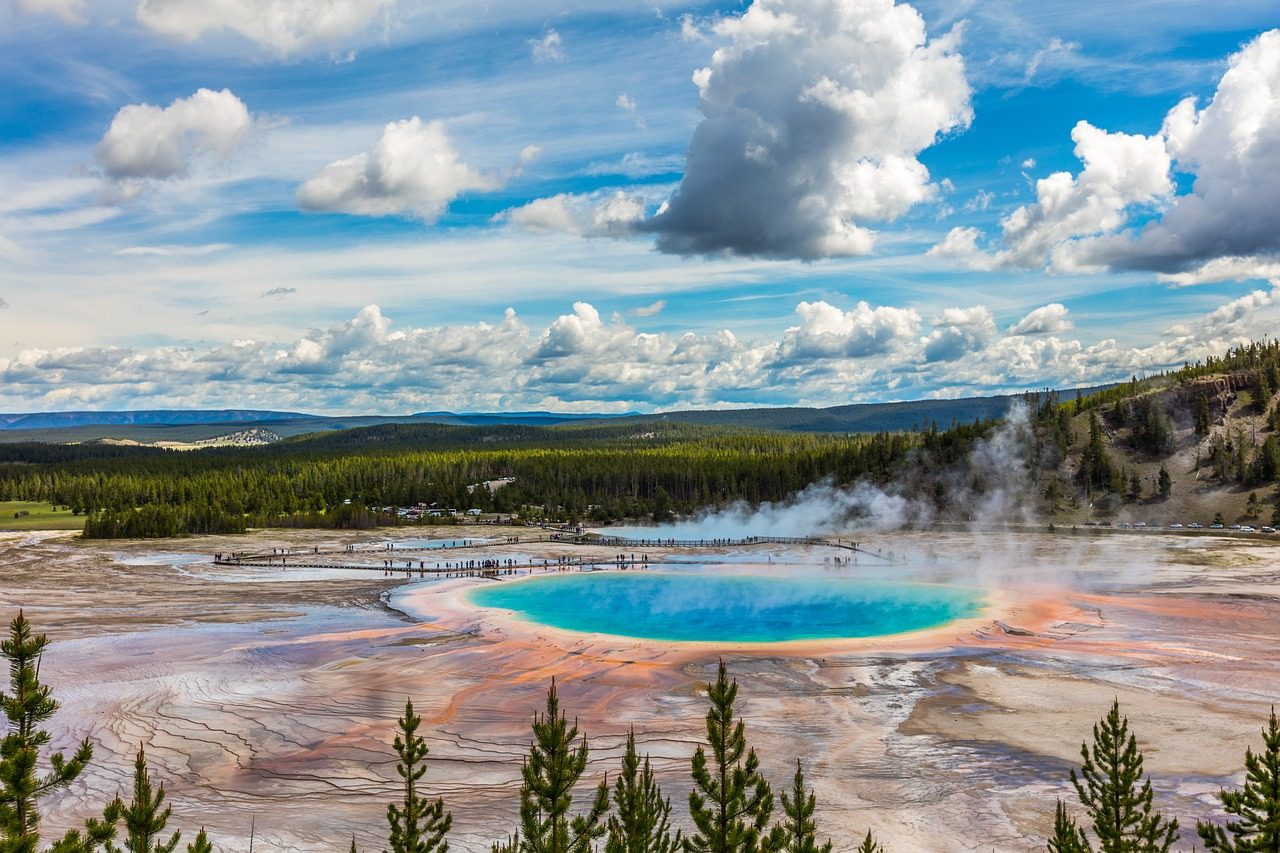
Camping in the southern states offers warm mornings, long sunny afternoons, and humid conditions that can place unexpected strain on the body. Recognizing early signs of heat exhaustion helps maintain comfort and prevent more serious issues during extended time outdoors. Subtle shifts in energy, skin temperature, or overall awareness often appear before symptoms intensify. With steady attention to these early indicators, camping in hot climates becomes safer, smoother, and far more enjoyable across changing conditions.
Persistent Fatigue
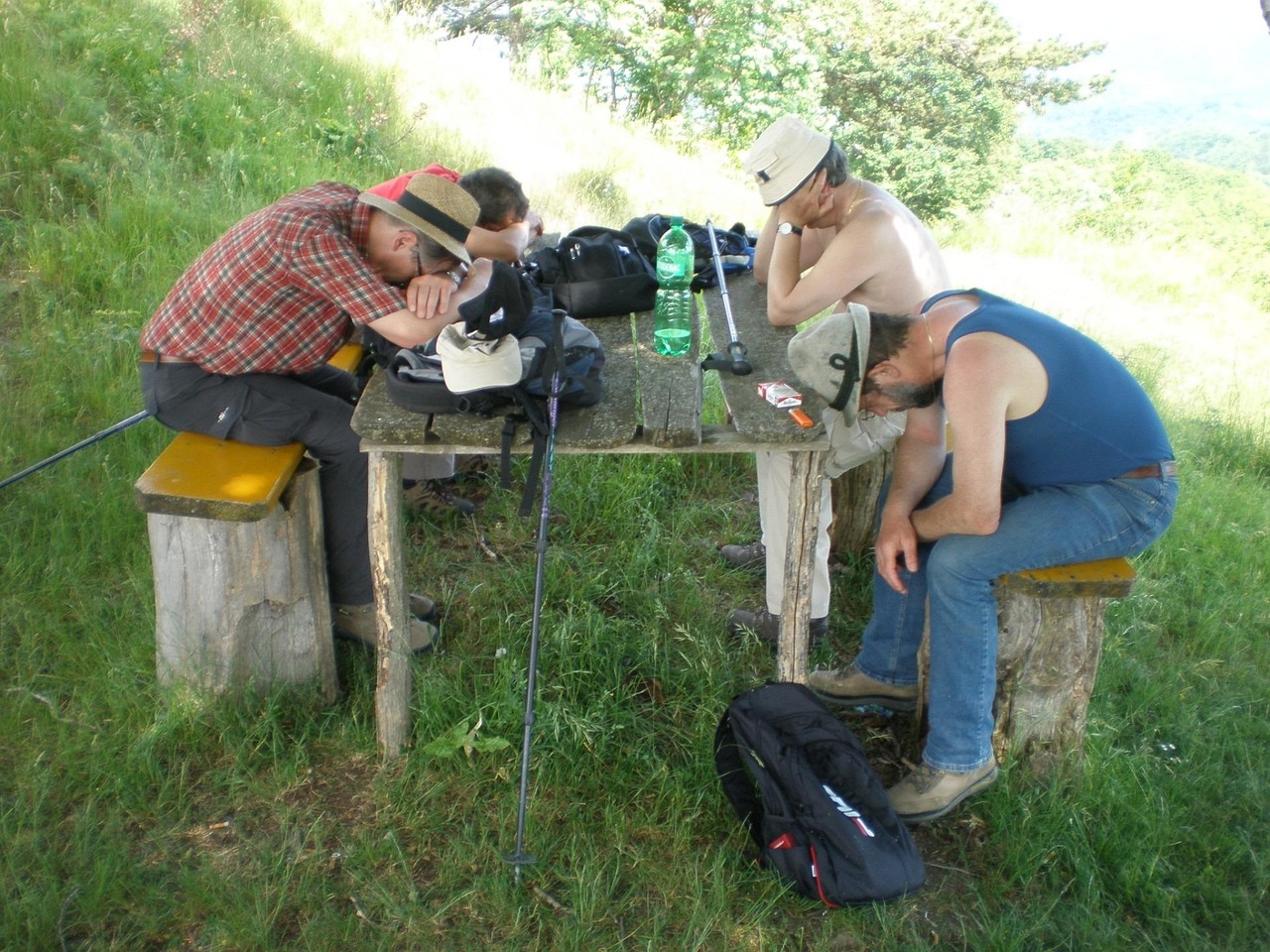
Persistent fatigue often appears as one of the earliest signals that the body is struggling to manage heat. Movements that usually feel easy may begin to require more effort, and energy levels drop faster than expected. This tiredness continues even after short periods of rest and can build steadily throughout the day. When fatigue lingers without a clear cause, it often reflects the body’s difficulty keeping up with rising temperatures and humidity.
Dizziness or Lightheadedness
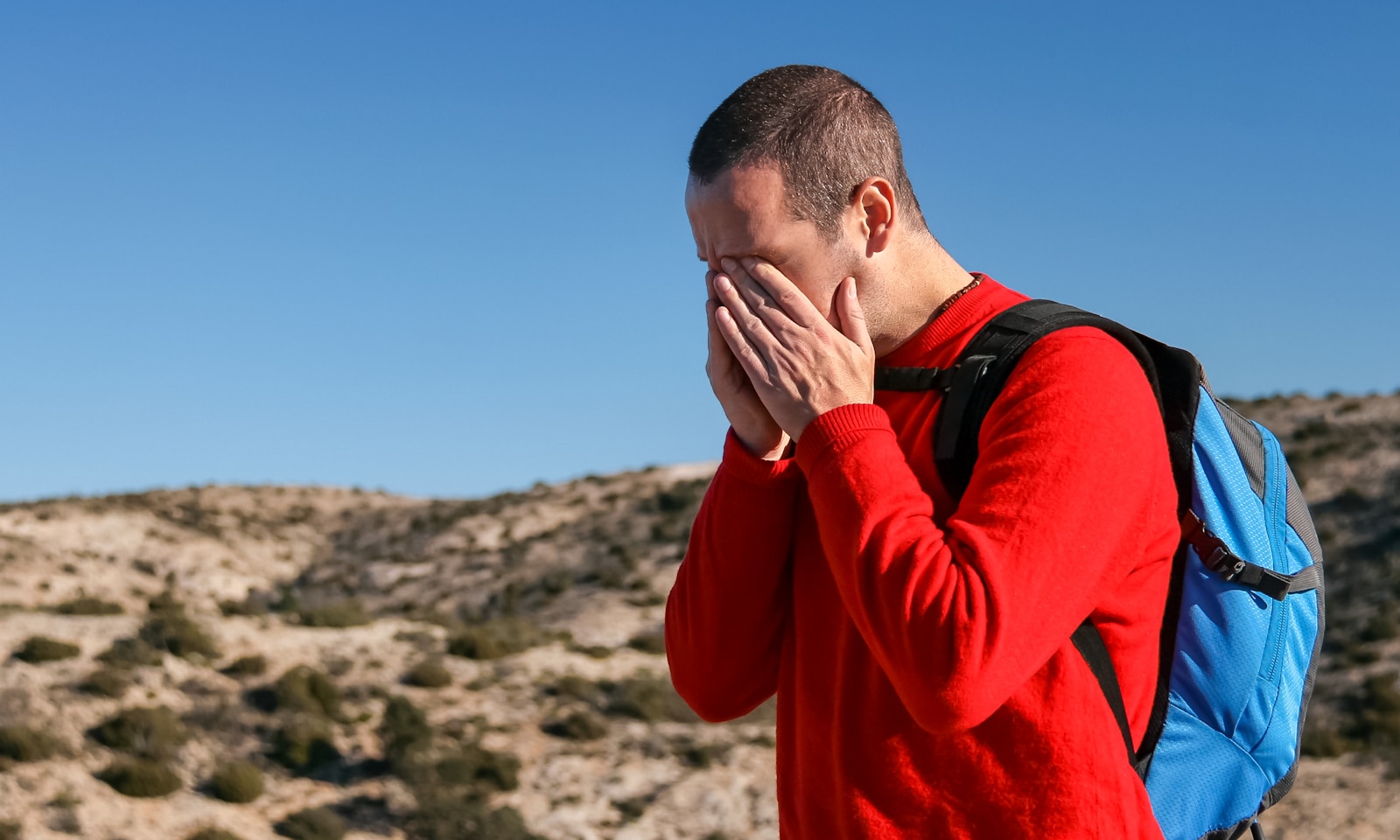
Dizziness or lightheadedness occurs when heat begins affecting circulation or hydration levels. A brief sense of imbalance can make walking or standing feel less steady, especially after moving from shade into direct sun. These sensations often appear suddenly but linger if conditions remain hot and humid. Noticing this early change helps reveal that the body is under stress and may need adjustments to avoid worsening heat-related effects.
Excessive Sweating Followed by Sudden Dryness
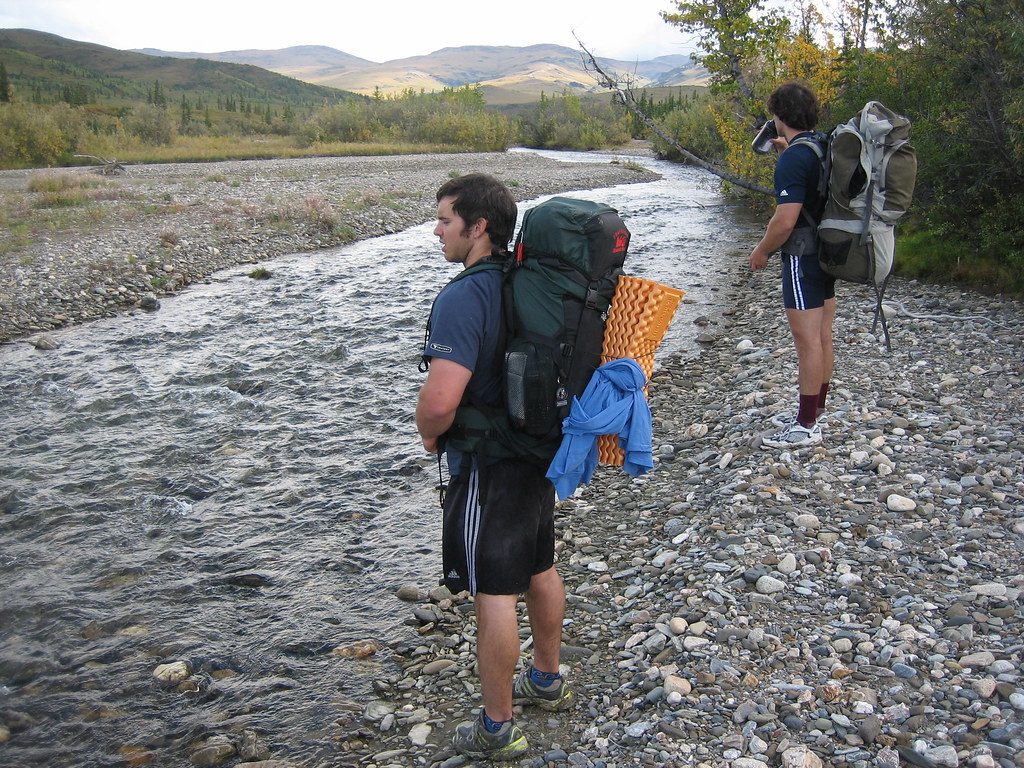
Excessive sweating is a natural response to heat, yet a sudden shift to dry skin often signals that the body is losing its ability to cool itself. During long periods outdoors, moisture may decrease unexpectedly as temperature regulation becomes strained. Skin that once felt damp may start feeling warm and dry even while conditions remain intense. This transition frequently appears ahead of more severe heat exhaustion symptoms and should be taken seriously.
Rapid Heartbeat

A rapid heartbeat develops when the body works harder than normal to manage temperature in hot climates. Increased pulse occurs as blood circulates toward the skin to release heat, creating a noticeable sense of strain. This symptom may arise during light activity or even while sitting still in humid environments. A consistently elevated heartbeat often reflects the body’s difficulty balancing exertion with cooling needs under harsh conditions.
Headache or Pressure

A headache or sense of pressure around the forehead or temples often begins after extended exposure to direct sunlight. Dehydration, rising body temperature, and long periods of physical activity contribute to this discomfort. The sensation may intensify as the day progresses or appear quickly during strenuous movement. Early recognition of this symptom helps identify that the body is reacting to heat more strongly than expected.
Nausea or Upset Stomach

Nausea or general stomach discomfort arises when the body overheats or loses electrolytes through heavy sweating. Appetite may decrease, and normal food intake may feel difficult during hot, humid days. This symptom tends to appear gradually but can worsen as heat exposure continues. Paying attention to digestive changes helps reveal early strain on the body before more serious heat-related issues develop.
Muscle Cramps

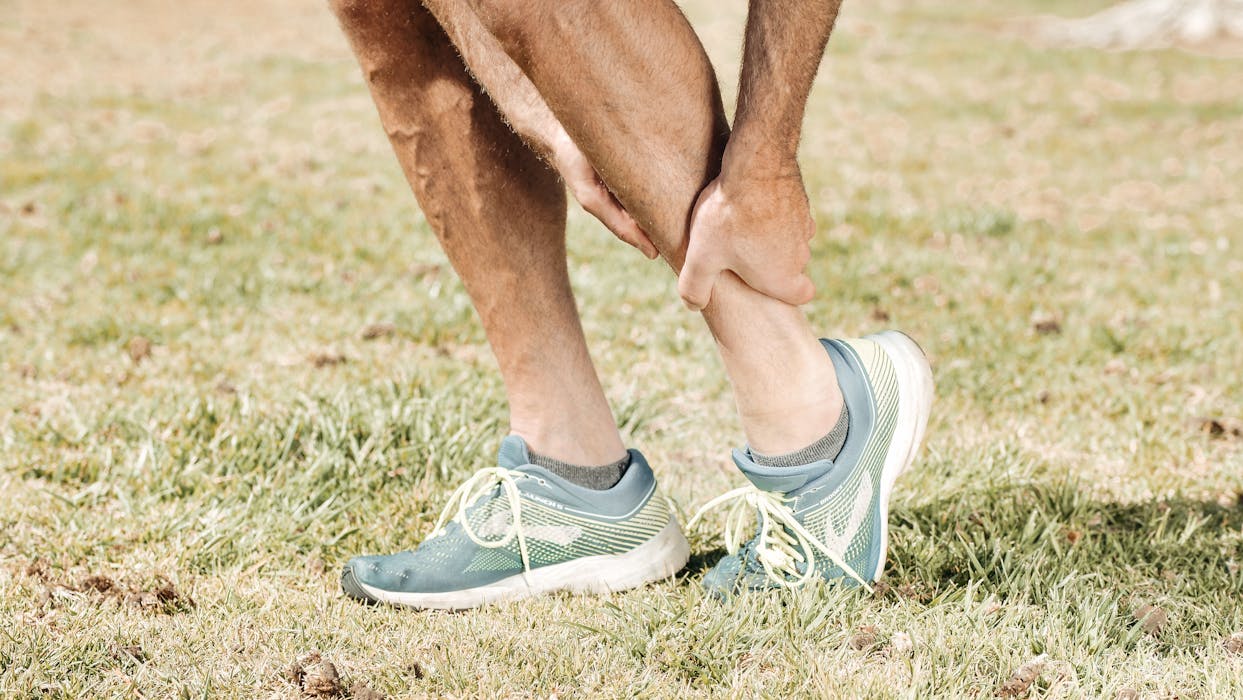
Muscle cramps often occur when fluid loss and heat disrupt the body’s mineral balance. Tightening sensations or sharp pains may appear in the calves, arms, or abdomen after long periods outdoors. These cramps often flare during activity and ease slightly during rest, forming a recognizable pattern in hot weather. Their presence usually signals that the body is beginning to struggle with hydration and temperature regulation.
Pale or Flushed Skin
Skin color offers an early visual cue that heat is affecting the body more than it should. Some individuals may develop pale, cool skin, while others experience flushed, warm redness as blood flow increases. Both reactions reflect stress on temperature-regulating systems. These changes often appear quickly during extended exposure to the sun and humidity, making them an important sign to monitor in hot southern climates.
Confusion or Difficulty Focusing

Confusion or difficulty concentrating occurs when heat begins interfering with normal cognitive function. Thoughts may feel slower, and tasks that typically require little effort suddenly seem more complicated. This symptom reflects growing strain on the body’s internal systems. Identifying shifts in clarity or awareness helps reveal that heat exhaustion is developing more rapidly than expected.
Weakness or Unsteady Movement

Weakness or unsteady movement emerges when muscles struggle to function normally in prolonged heat. Coordination may decrease, and steps may feel less controlled during even moderate activity. This symptom frequently appears alongside dizziness or fatigue, creating a clear pattern of escalating heat stress. Recognizing this combination early becomes essential for preventing more serious heat-related conditions in high-temperature environments.