Experienced campers rarely talk about the small habits and quiet decisions that make trips smoother, safer, and far more comfortable. These are not flashy tricks or expensive gear hacks. They are practical field lessons learned through years of trial, error, and long nights outdoors. Knowing these camping secrets can help beginners avoid common frustrations and help seasoned campers refine their routines. From campsite setup to food storage and sleep quality, each of these insights focuses on realistic situations you will face in the wild. Mastering them means less stress, fewer mistakes, and more time actually enjoying nature instead of fighting it.
1. Campsite Selection Matters More Than Gear
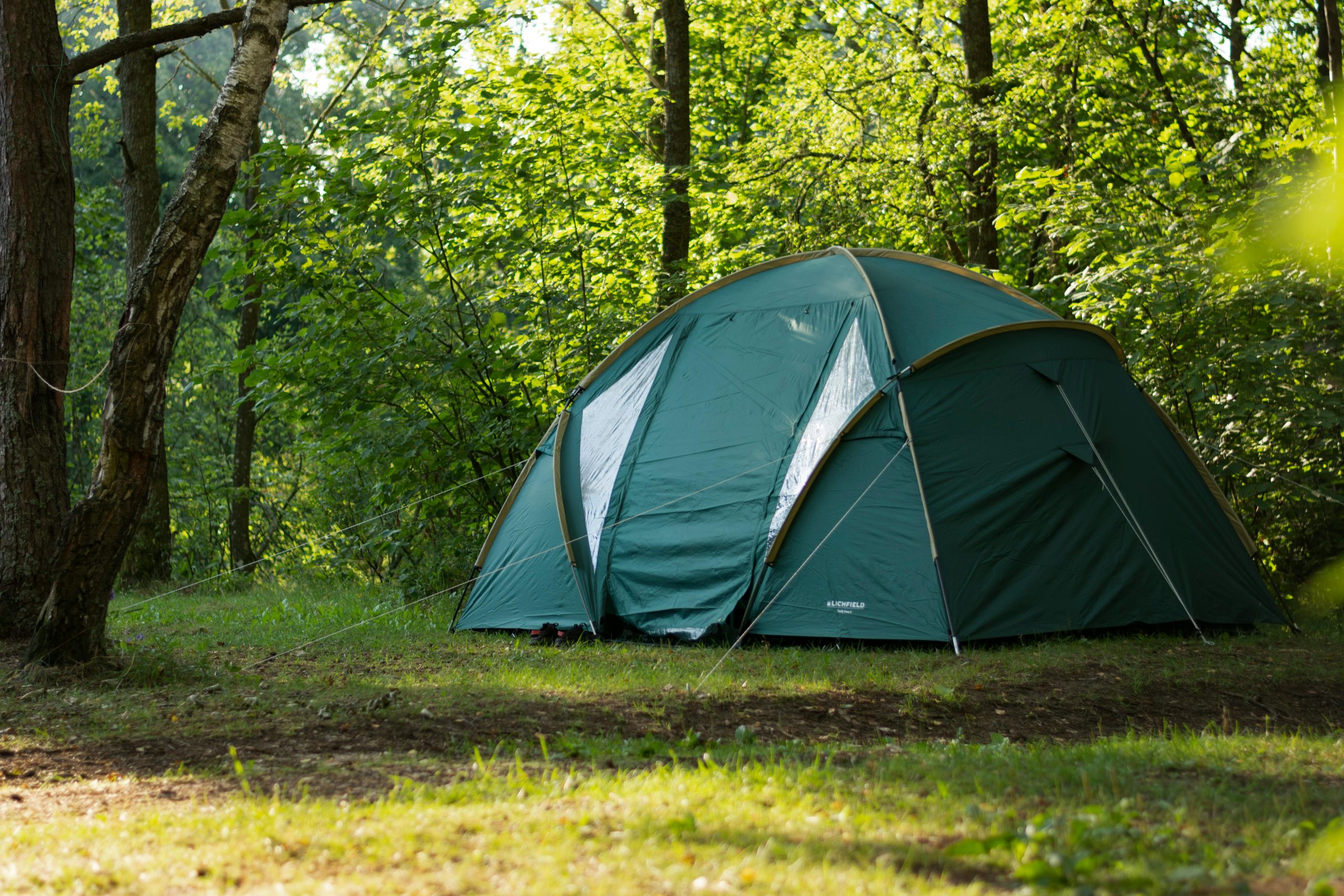
Pros spend more time choosing a campsite than unpacking equipment. A poor location can ruin even the best gear setup. Always look for slightly elevated ground to avoid water pooling during unexpected rain. Check wind direction using grass movement or smoke from a lighter to prevent cold drafts from hitting your tent door all night. Avoid camping directly under dead branches, often called widowmakers, since wind can drop them without warning. Ground texture matters too. Soft pine needles insulate better than hard soil or rock. Look for natural windbreaks like bushes or terrain dips.
2. Fire Placement Is About Safety, Not Convenience
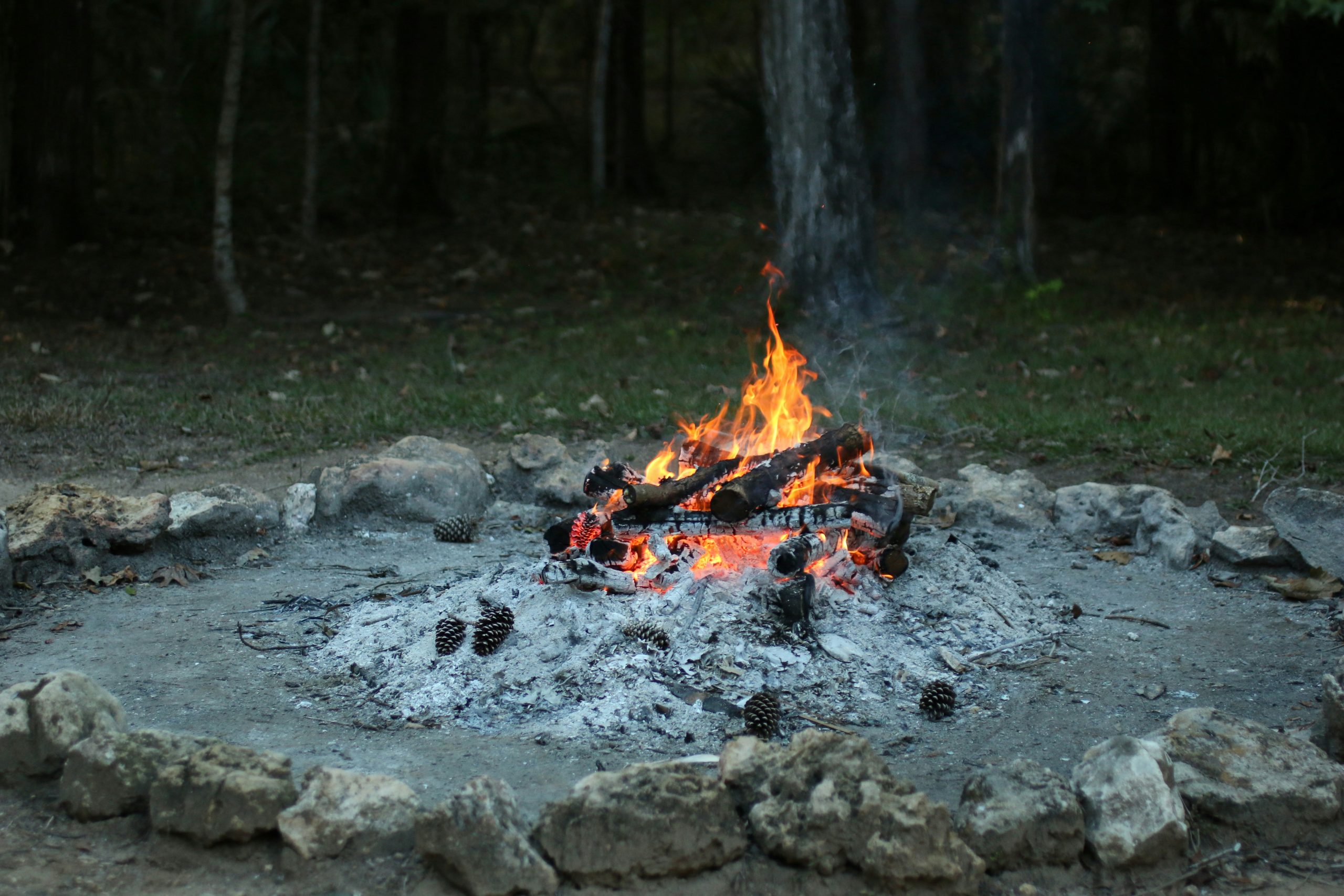
Many campers build fires where it feels easiest, but professionals think ahead. Fires should be positioned downhill from tents so sparks drift away, not toward sleeping areas. Clear the ground fully to mineral soil before lighting anything. Rocks should not surround a fire unless they are dry and known to be heat-safe, since wet stones can crack or explode. Keep fire size modest. Large flames waste fuel and attract attention from wildlife. A small controlled fire gives better heat and cooking control.
3. Food Smells Travel Farther Than You Think
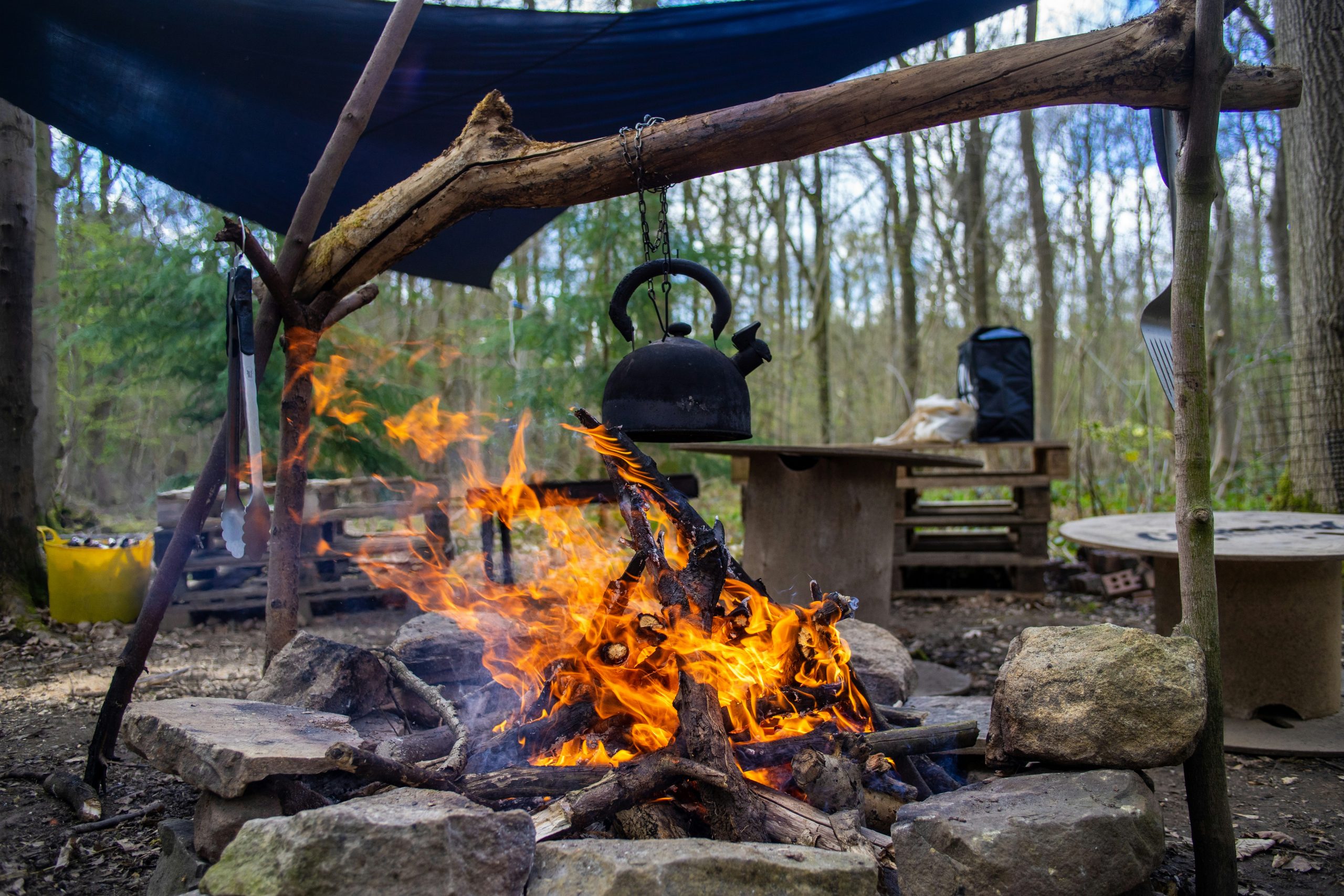
Pros treat food smell as a bigger threat than noise. Even sealed containers can leak scent in warm weather. Cooking should be done well away from sleeping areas whenever possible. Store food, trash, and toiletries together in odor-resistant bags. Hanging food high works only when done correctly, with distance from tree trunks and enough height. In some regions, using bear canisters is the only reliable method. Ignoring scent control often leads to sleepless nights or damaged gear.
4. Sleep Systems Fail Before Tents Do
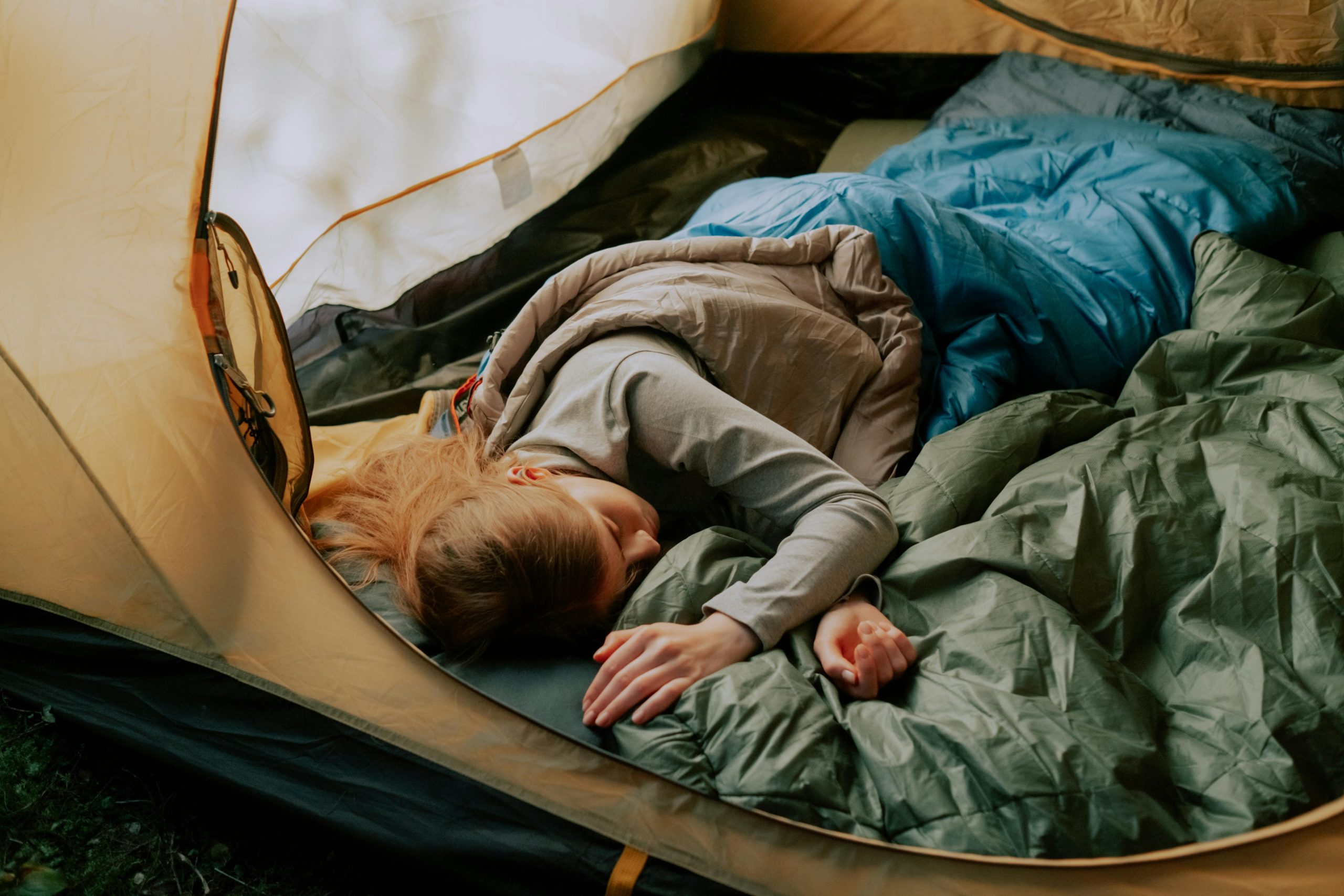
Most camping discomfort comes from poor sleep systems, not bad tents. Insulation beneath you matters more than blankets on top. Cold ground pulls heat away fast. Even in summer, a quality sleeping pad prevents heat loss and improves comfort. Pros also loosen sleeping bags slightly to reduce stiffness and improve circulation. Wearing dry socks and a hat often adds more warmth than thicker blankets. Good sleep planning boosts energy and focus the next day.
5. Water Sources Should Be Checked Twice

Experienced campers never trust a single water source without verification. Streams can dry up, and lakes can become contaminated. Always identify backup water locations before setting camp. Collect water upstream from campsites and animal trails. Even clear water should be treated through boiling, filtration, or purification tablets. Professionals also pre-filter cloudy water using a cloth to extend filter life. Staying hydrated affects judgment, body temperature, and endurance more than most realize.
6. Camp Organization Saves Time and Energy
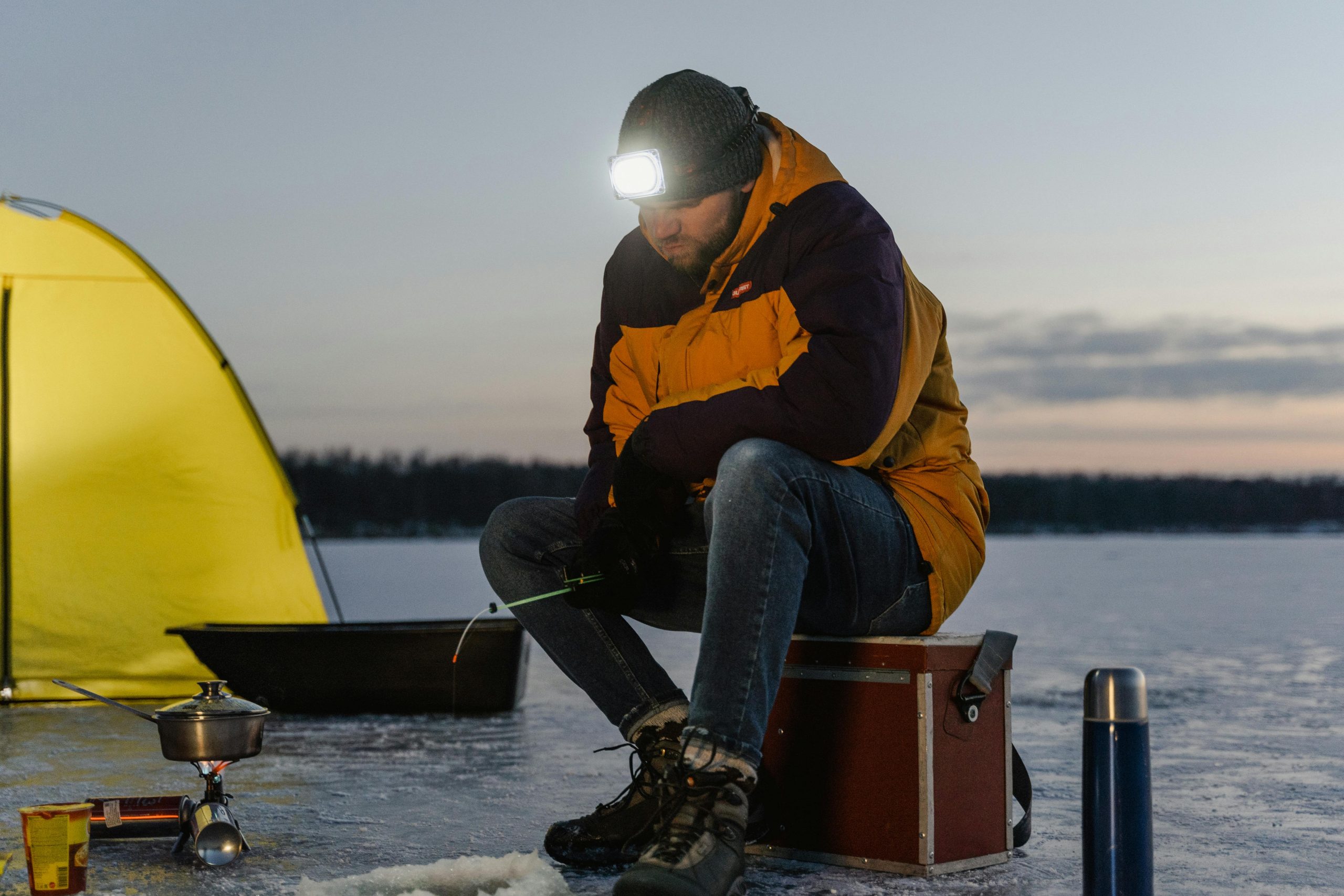
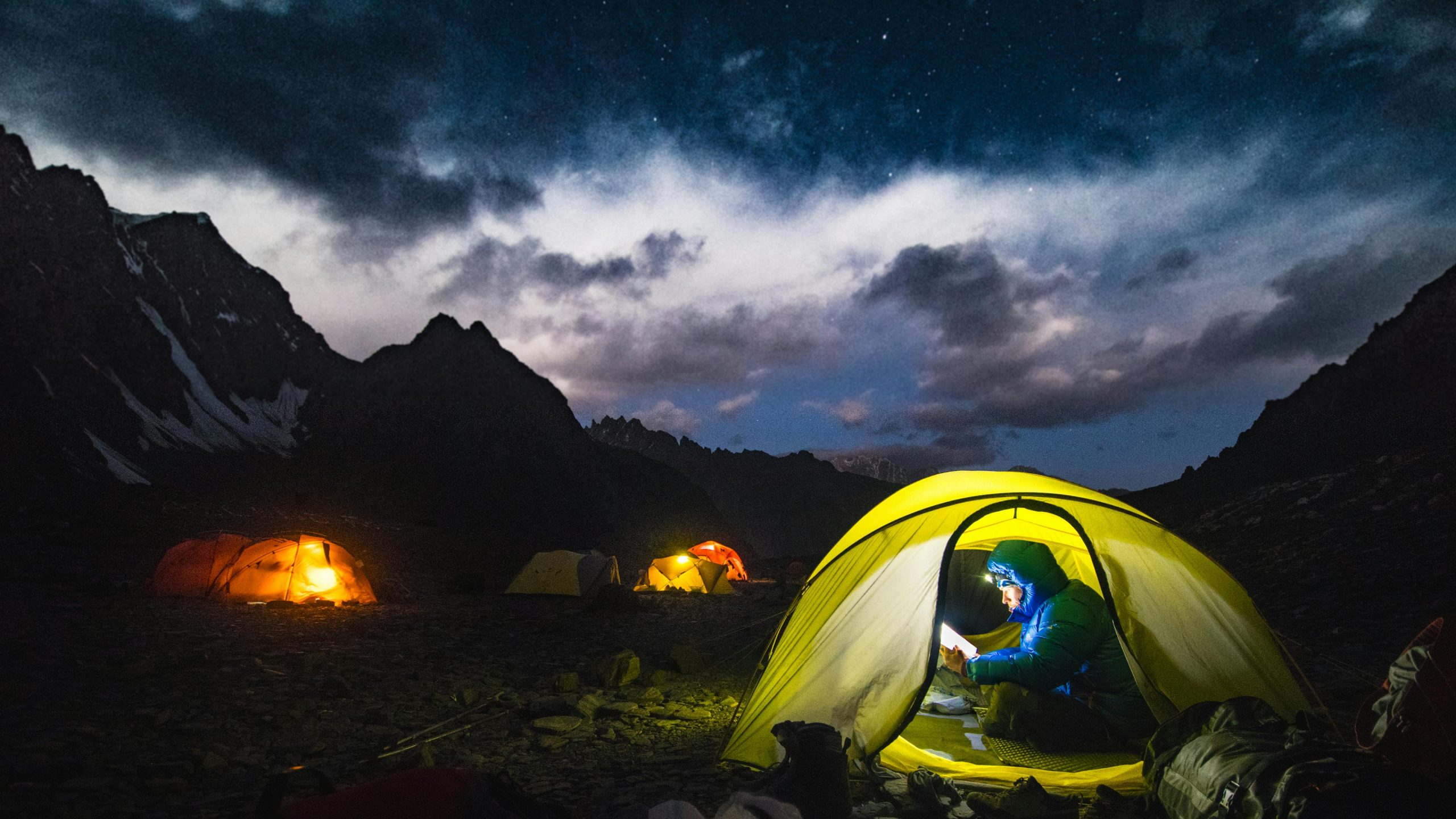
Pros arrange campsites with purpose. Tools stay in the same spot every trip. Cooking gear remains separated from sleeping gear. Headlamps are always placed where they can be reached in the dark. This organization prevents panic during emergencies and reduces wasted motion. Even small habits like facing tent zippers toward clear paths make nighttime exits safer. A tidy camp also discourages wildlife and keeps gear from getting lost or damaged.
7. Weather Is Read From Nature, Not Apps
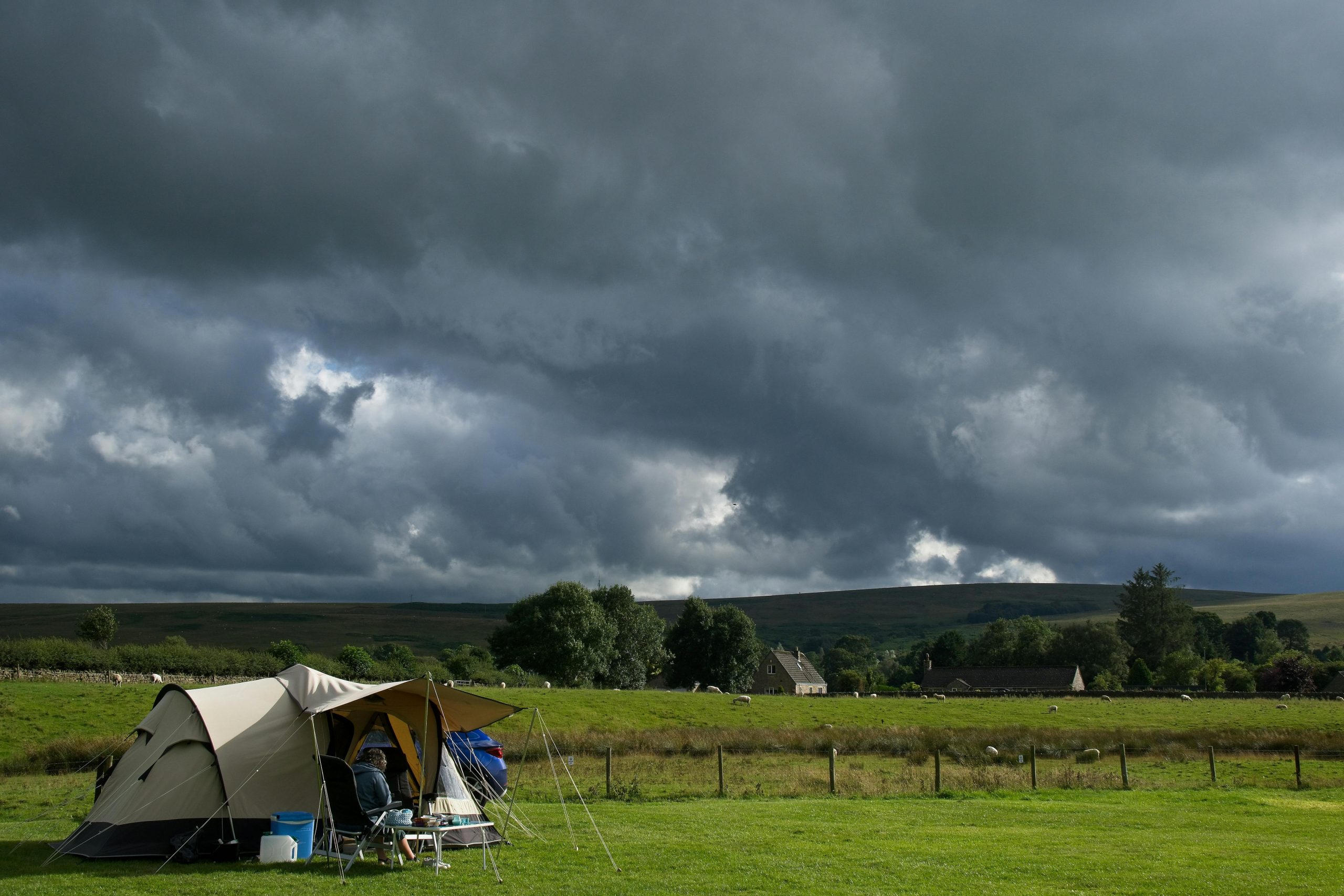
While forecasts help, seasoned campers watch the environment closely. Sudden wind shifts, rising humidity, or rapidly moving clouds often signal incoming weather before phones do. Morning dew patterns can hint at temperature changes. Birds flying low may indicate pressure drops. Professionals adjust camp routines early, securing gear and shelter before storms arrive. This awareness reduces damage and keeps camps functional during rough conditions.
8. Shoes Are Part of Survival Planning
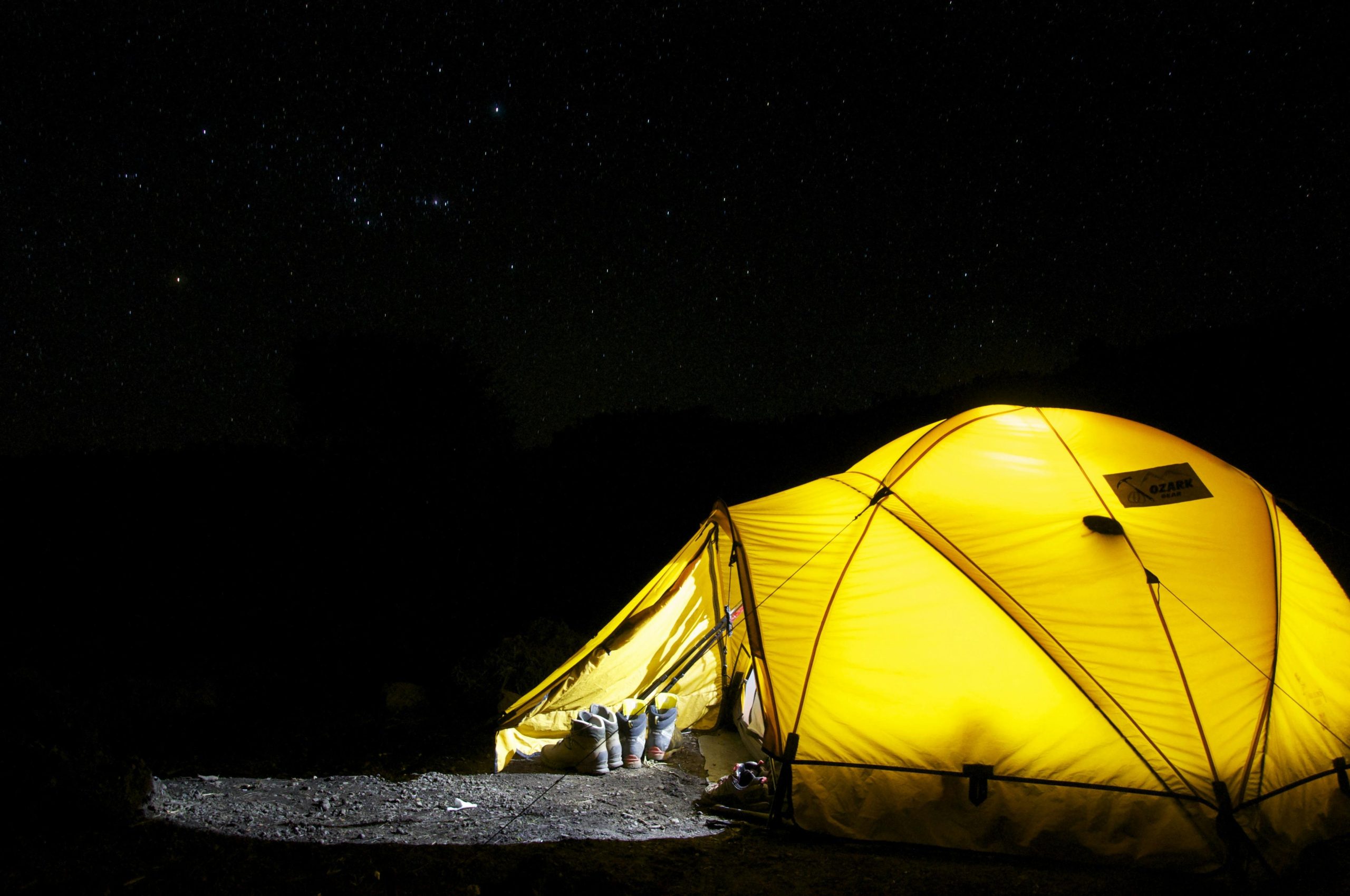
Many pros bring camp shoes separate from hiking boots. After long hikes, feet need to dry and recover. Wet boots left untreated lead to blisters and cold injuries. Camp shoes also provide quick protection during nighttime emergencies. Dry socks stored in waterproof bags are treated like emergency supplies. Foot care determines how far and safely you can travel the next day.
9. Silence Can Be a Safety Tool
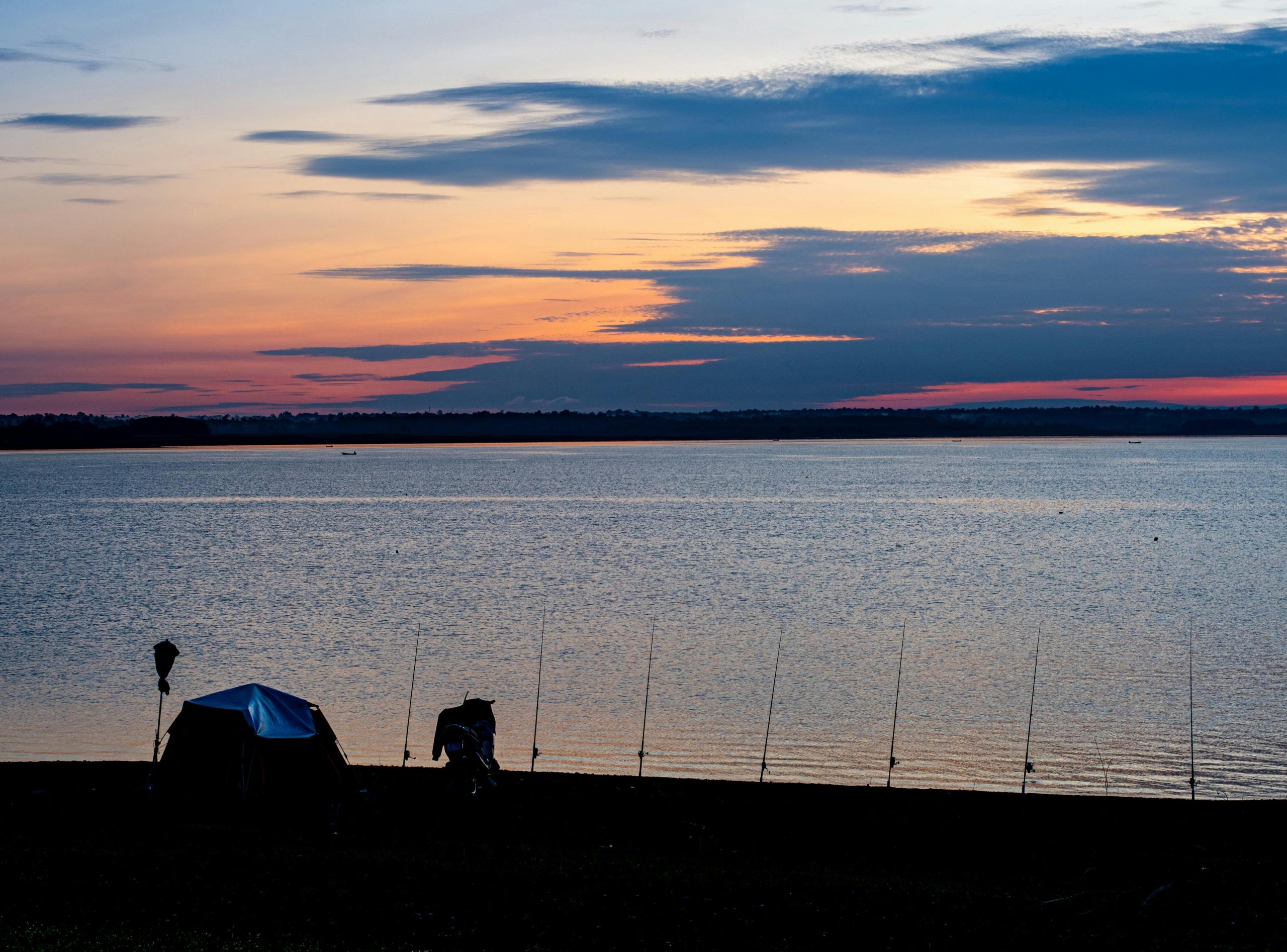
Experienced campers know when to stay quiet. Excessive noise can attract curious animals or alert other people to your presence in remote areas. Silence allows you to hear approaching wildlife, weather changes, or human activity. Nighttime listening often reveals important environmental cues. This awareness helps prevent surprise encounters and improves overall safety. Quiet camps also blend better into natural surroundings.
10. Breaking Camp Is as Important as Setting Up
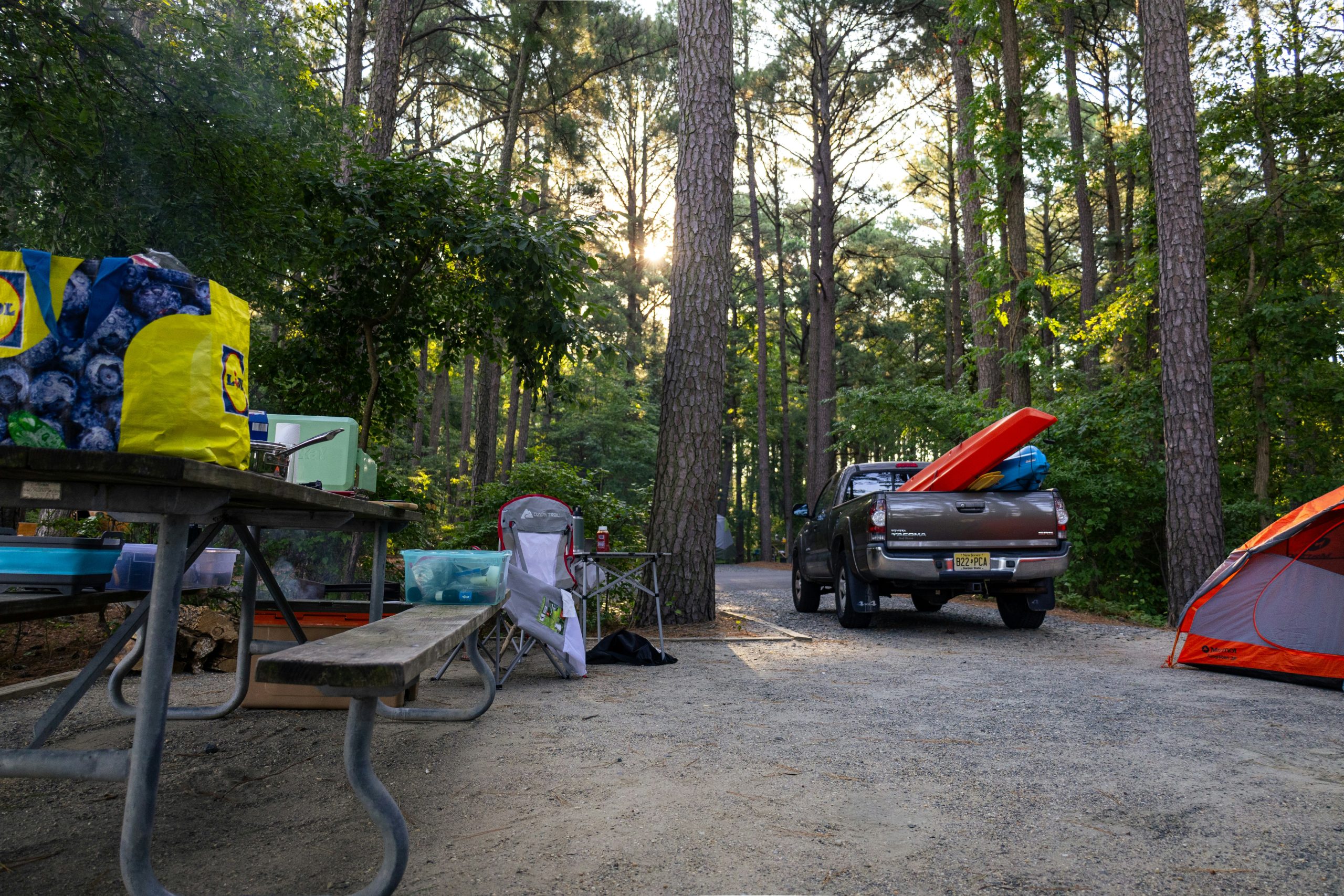
Pros plan camp breakdown before sleeping. Gear is packed in order, trash is managed early, and water containers are refilled the night before departure. This avoids rushed mistakes in the morning. Checking the campsite carefully ensures nothing is left behind and minimizes environmental impact. A clean exit leaves no trace and maintains access for future campers.