Idaho offers some of the quietest and least crowded camping opportunities in the western United States. Vast public lands, rugged terrain, and limited development make it an ideal destination for campers who value peace, space, and natural rhythm over convenience. Solitude seekers are drawn here not for luxury, but for silence, wildlife presence, and the feeling of being far removed from daily noise. These camping areas reward patience, preparation, and respect for the land. The following ten locations are known for their isolation, scenery, and low visitor pressure. Each destination provides a different type of quiet, allowing campers to choose the experience that best matches their desire for true escape.
1. Frank Church River of No Return Wilderness
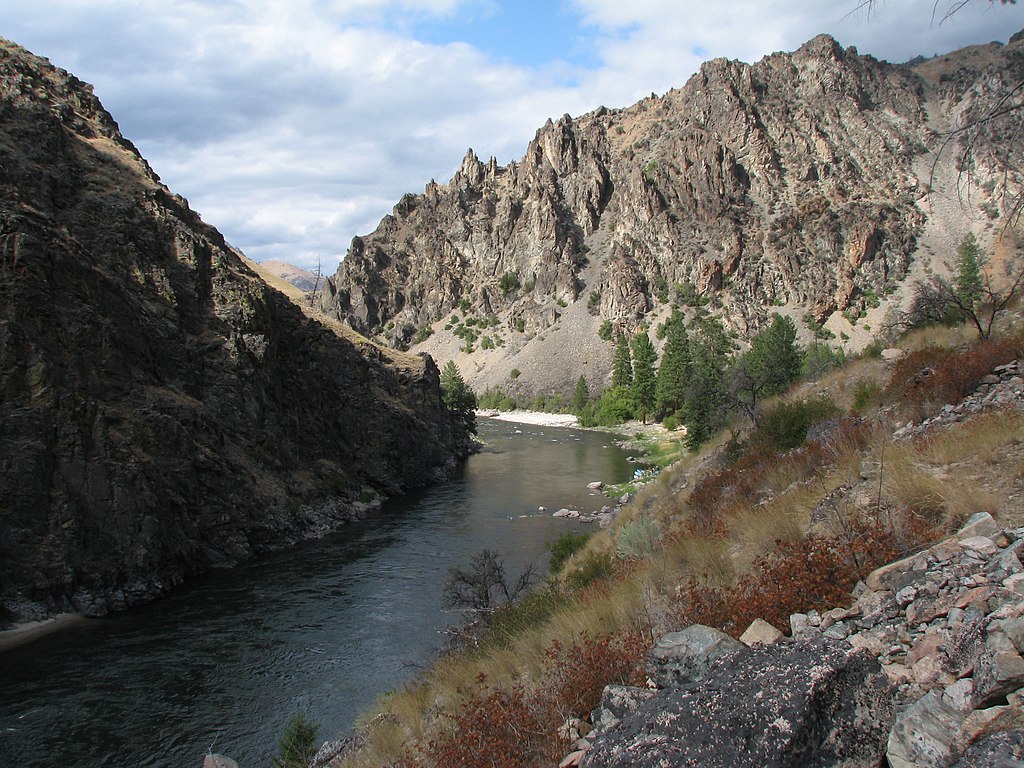
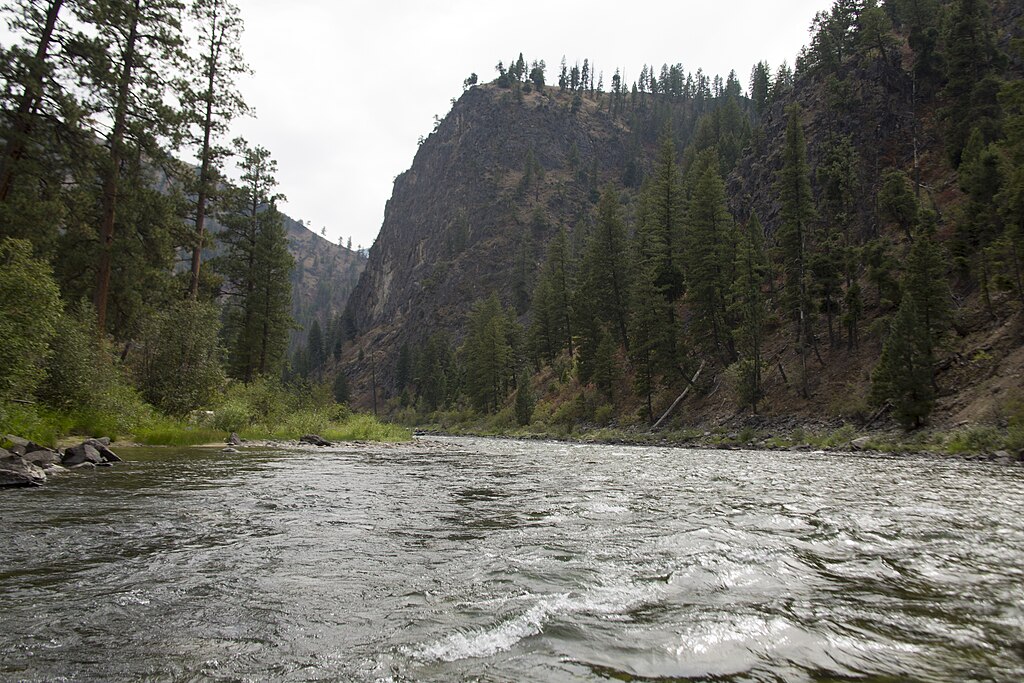
This area is one of the most remote places accessible in the lower forty-eight states. Camping here means committing to distance, planning, and self-reliance. The terrain is rugged, with deep canyons, thick forest, and powerful river systems shaping the landscape. Campsites are primitive and widely scattered, often requiring long hikes or river access. There are no developed facilities, which naturally limits crowds. Wildlife activity is common, and human presence is rare. The silence is deep and uninterrupted, especially at night. Campers who value complete separation from modern life find this wilderness unmatched. Solitude here is created by sheer size and difficult access rather than rules or restrictions.
2. Owyhee Canyonlands
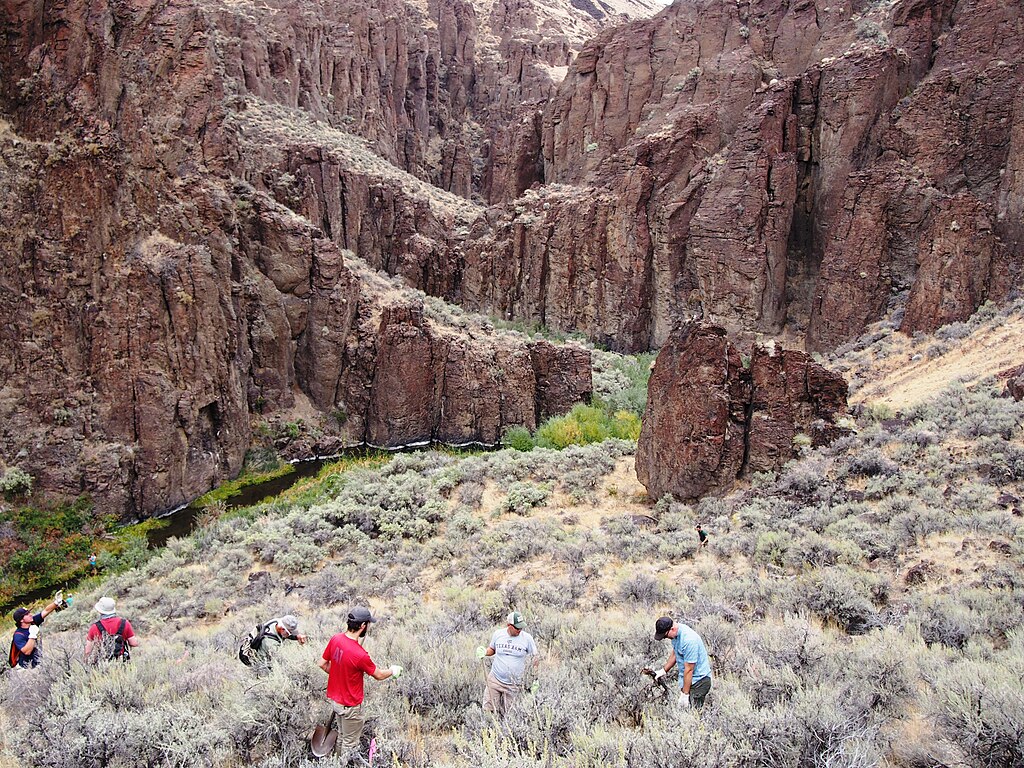
The Owyhee Canyonlands offer a wide open, high desert environment where solitude feels endless. This region features volcanic rock, deep canyons, and long stretches of empty land. Dispersed camping is common, and visitors are free to choose isolated sites far from roads. The lack of shade and water requires preparation, but rewards campers with uninterrupted quiet. Sounds carry far, yet there are few to hear. Sunsets are expansive, and nights feel vast beneath open skies. Human traffic remains low due to remoteness and limited infrastructure. This area is ideal for campers who prefer space and silence over forest cover.
3. Selway Bitterroot Wilderness
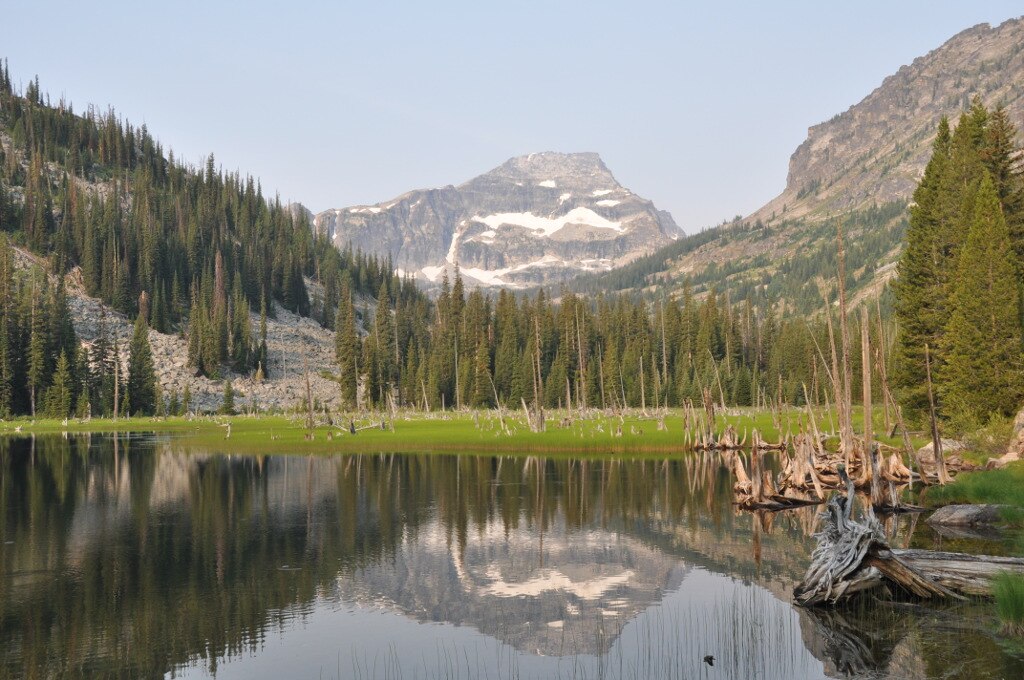
This wilderness area is defined by dense forest, steep terrain, and limited access points. Camping usually requires hiking into remote drainages or ridges, which filters out casual visitors. Campsites are simple clearings surrounded by thick timber and flowing water. The forest absorbs sound, creating a calm and enclosed atmosphere. Wildlife movement is frequent, while human activity is minimal. The area rewards slow travel and careful navigation. Campers who reach deeper zones often spend days without seeing others. The sense of isolation feels natural rather than forced, shaped by geography and distance rather than regulation.
4. Sawtooth Wilderness Interior Zones
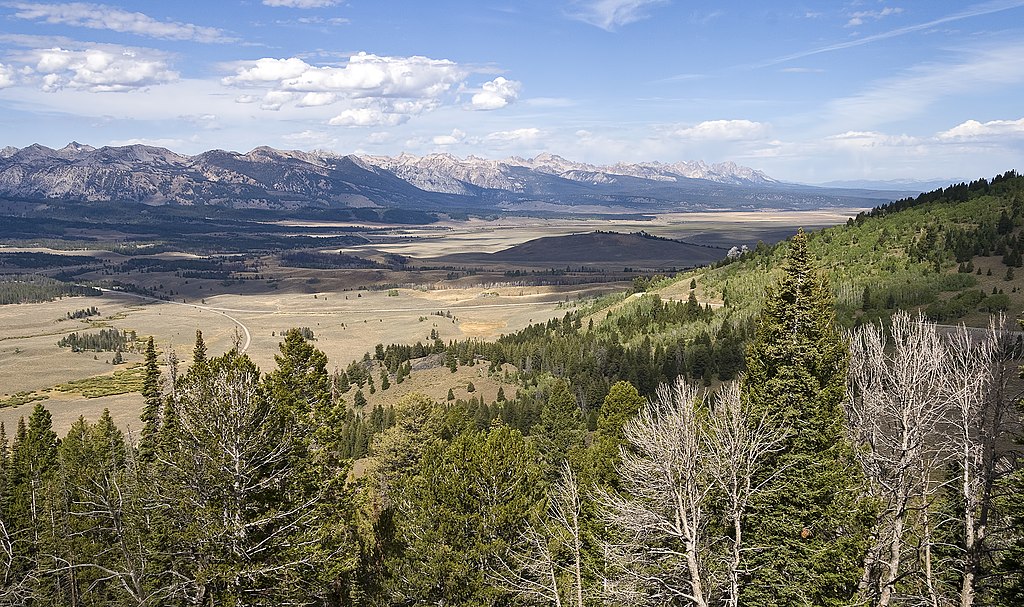
While some parts of the Sawtooth region are popular, the interior wilderness zones remain surprisingly quiet. Campers willing to hike beyond main trails find isolated lakes, high basins, and peaceful camps. Granite peaks block sound and create natural separation. Campsites are scattered and shaped by terrain rather than design. Early mornings and evenings are especially still. The scenery is dramatic without feeling busy. By choosing less-traveled routes and avoiding peak times, solitude seekers can enjoy silence alongside iconic mountain views. This area offers a rare balance of beauty and quiet for those willing to explore deeper.
5. Salmon Challis National Forest
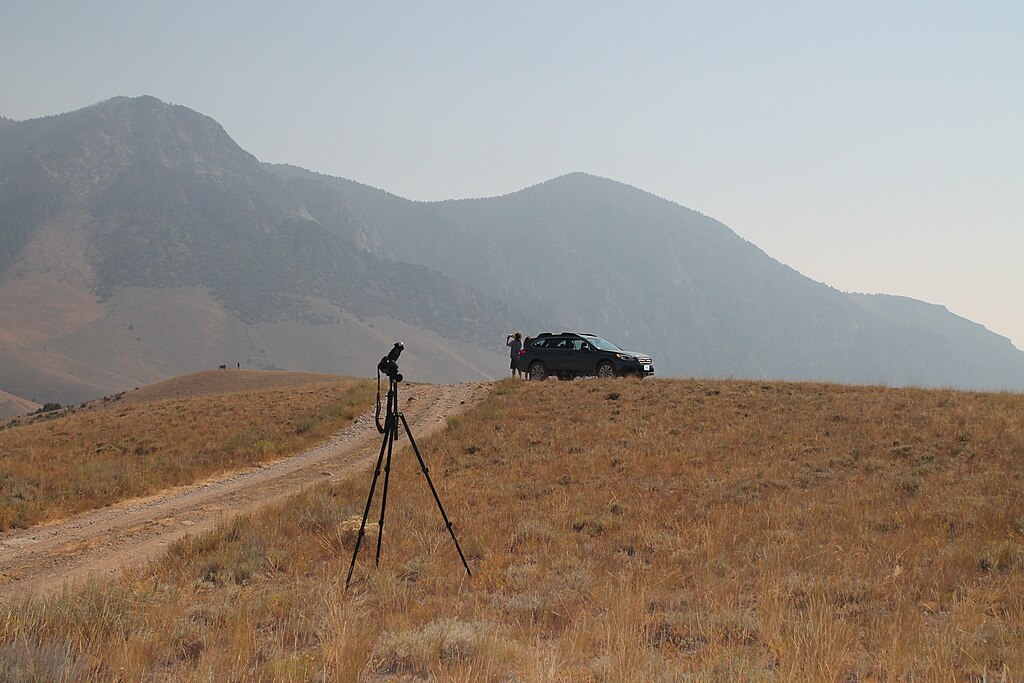
This massive forest provides endless opportunities for quiet camping far from developed areas. Long forest roads lead to remote clearings, river corridors, and high elevation sites. Campsites are typically primitive and lightly used. The size of the forest allows visitors to spread out naturally. Wildlife sightings are common, and nights are free from artificial noise. Campers can adjust their level of isolation by choosing how far they travel from main routes. With careful exploration, it is easy to find areas where solitude feels complete. This forest suits campers who want flexibility while still prioritizing peace.
6. Pioneer Mountains
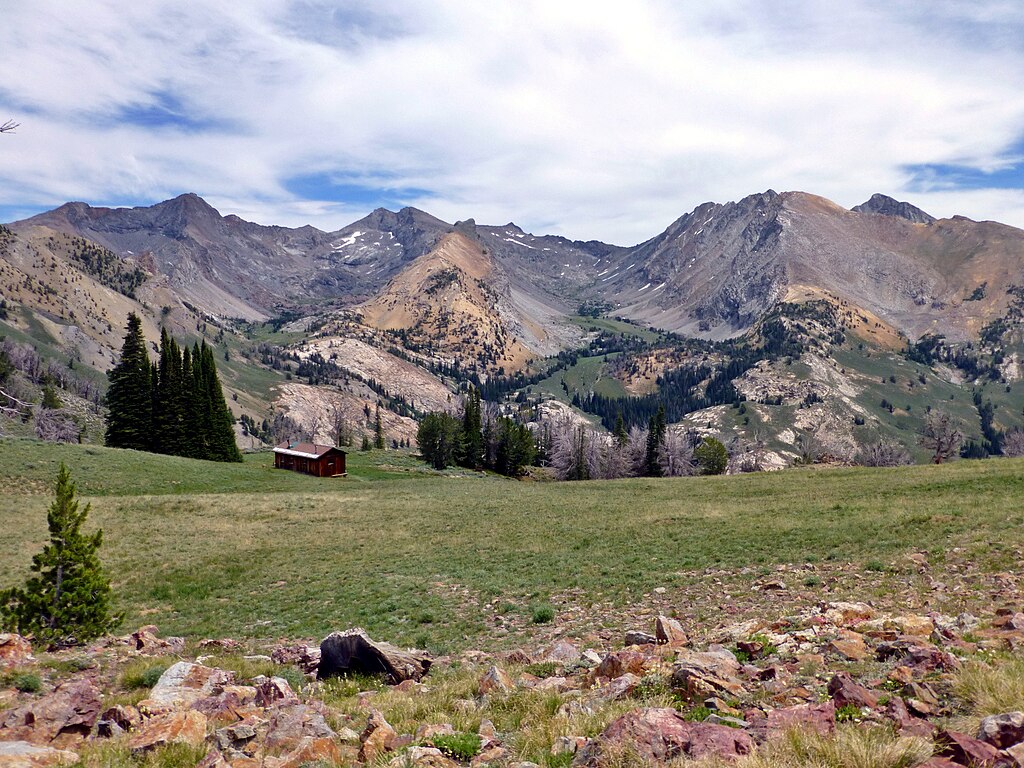
The Pioneer Mountains remain largely overlooked, which helps preserve their quiet character. Camping here offers open valleys, rolling slopes, and wide views without heavy foot traffic. Dispersed campsites are easy to find and rarely occupied. Limited road access keeps visitor numbers low. The atmosphere feels relaxed and unhurried. Campers can enjoy mountain scenery without the pressure of crowded trails or busy campgrounds. Even during peak season, it is common to camp without nearby neighbors. This region is ideal for solitude seekers who want mountain landscapes without competition for space.
7. Caribou Targhee National Forest Back Areas
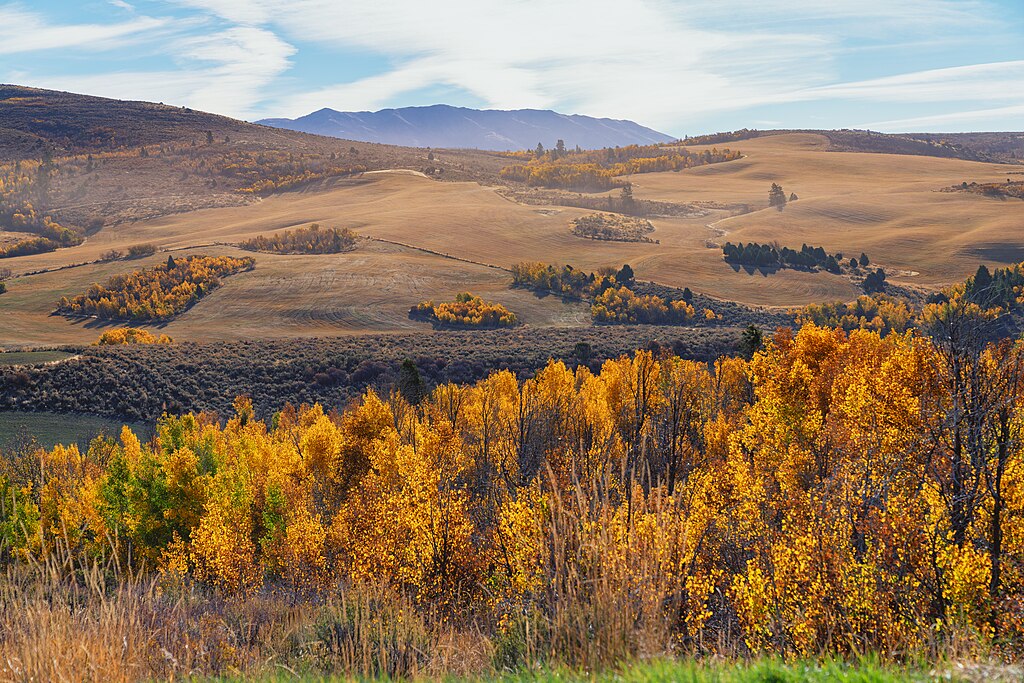
Away from the main corridors, this forest offers many quiet and lightly used camping spots. Back roads and lesser-known trailheads lead to peaceful forest settings. Campsites are spread out and surrounded by natural cover. The terrain supports quiet hiking and wildlife observation. Human presence drops quickly as the distance from paved roads increases. Campers who explore secondary routes often find complete privacy. The forest feels approachable yet calm. This balance makes it a good choice for campers seeking solitude without extreme remoteness or technical travel requirements.
8. White Clouds Wilderness
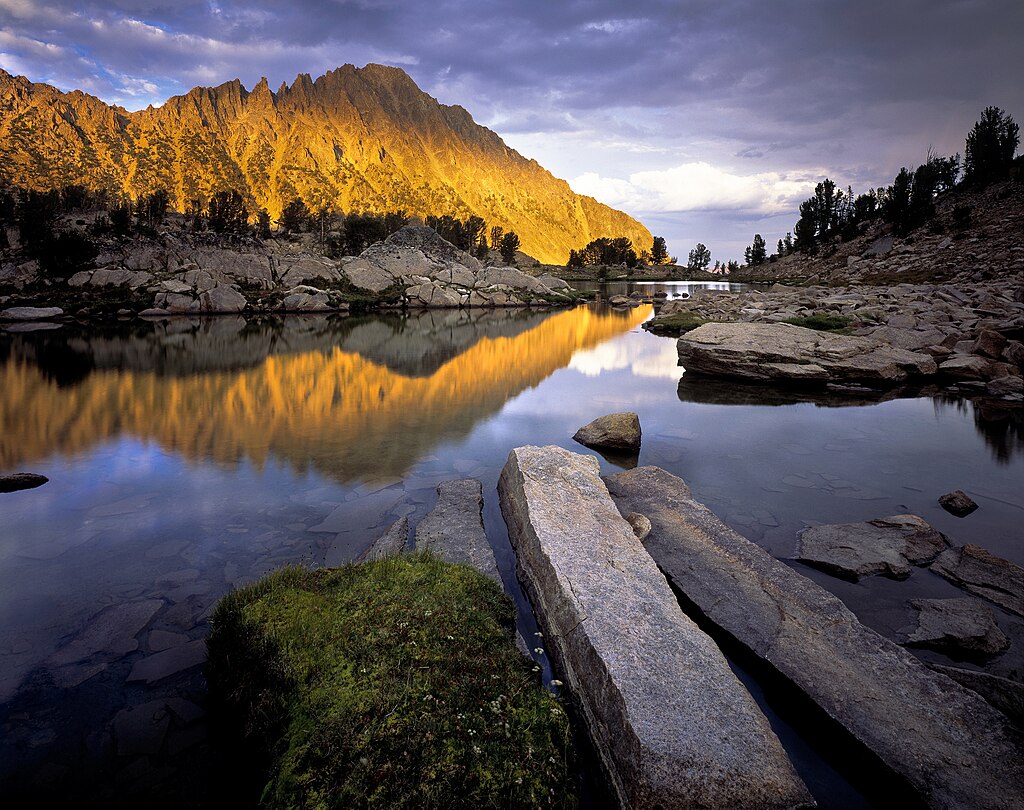
The White Clouds Wilderness delivers dramatic alpine scenery with fewer visitors than nearby regions. Camping often requires hiking beyond popular destinations, where solitude increases rapidly. Campsites are simple and naturally spaced by elevation and terrain. Clear streams, open basins, and high peaks define the environment. The effort required to reach deeper areas filters out crowds. Campers who plan carefully are rewarded with silence and wide views. The wilderness feels remote without being harsh. This area suits those who want both quiet and striking landscapes in equal measure.
9. St. Joe National Forest
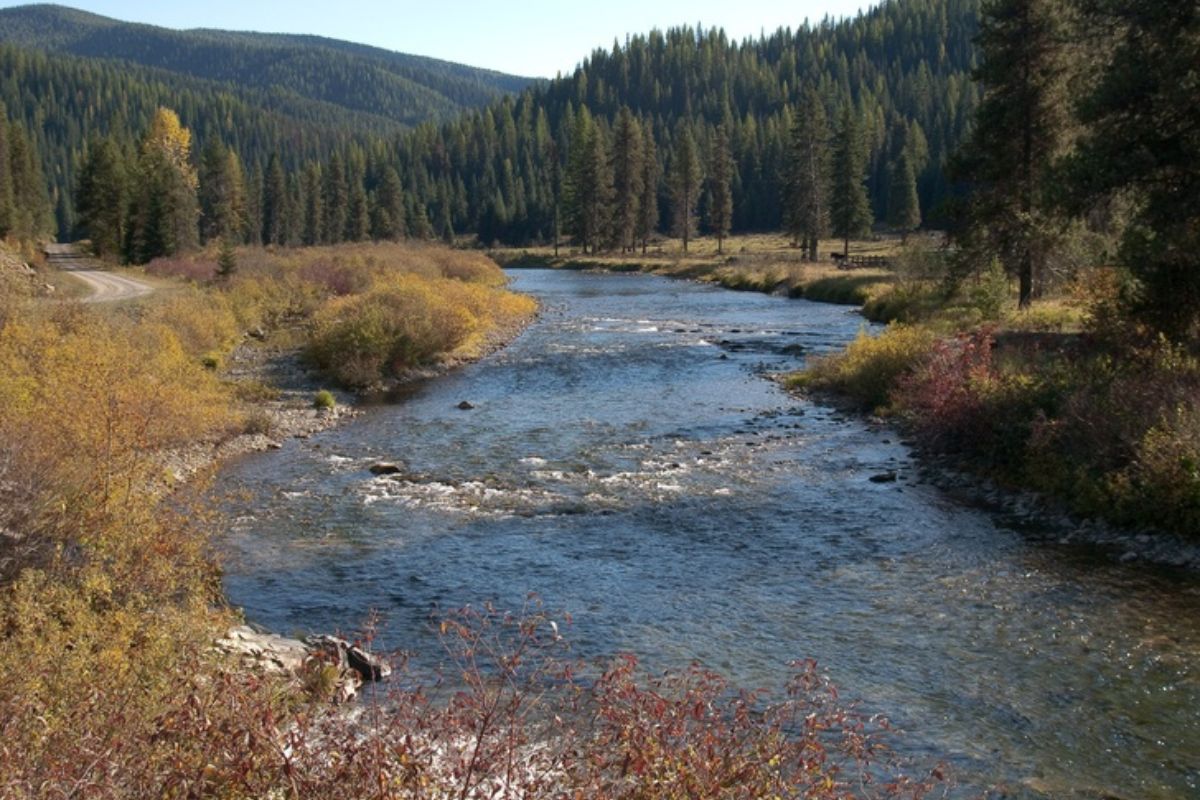
This forest is known for dense vegetation and limited access, which helps keep it quiet year-round. Campsites are often tucked near streams or hidden within thick timber. The forest canopy absorbs sound, creating a calm and sheltered atmosphere. Visitor numbers remain low due to the location and terrain. Campers here experience deep shade, cool air, and steady natural rhythms. It is an excellent choice for those who prefer forest solitude over open vistas. Time feels slower in this environment, shaped by daylight and weather rather than schedules.
10. Middle Fork Salmon River Corridor
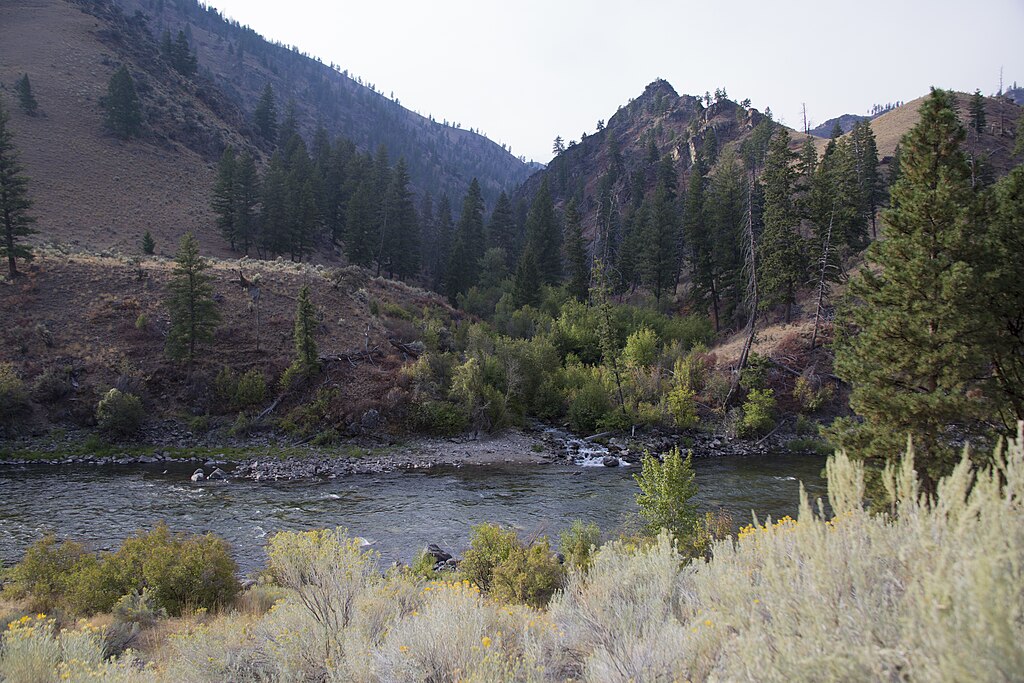
Camping along this river corridor offers solitude shaped by access and spacing. Many sites are reachable only by long hikes or river travel, which limits crowds naturally. Camps sit beside clear water and steep canyon walls. The sound of flowing water replaces human noise. Even during busier seasons, camps are spread far apart. Privacy remains intact due to terrain and management. Campers experience a balance of movement and stillness, with days shaped by light and river rhythm. This area provides a peaceful and immersive camping experience unlike any other in Idaho.