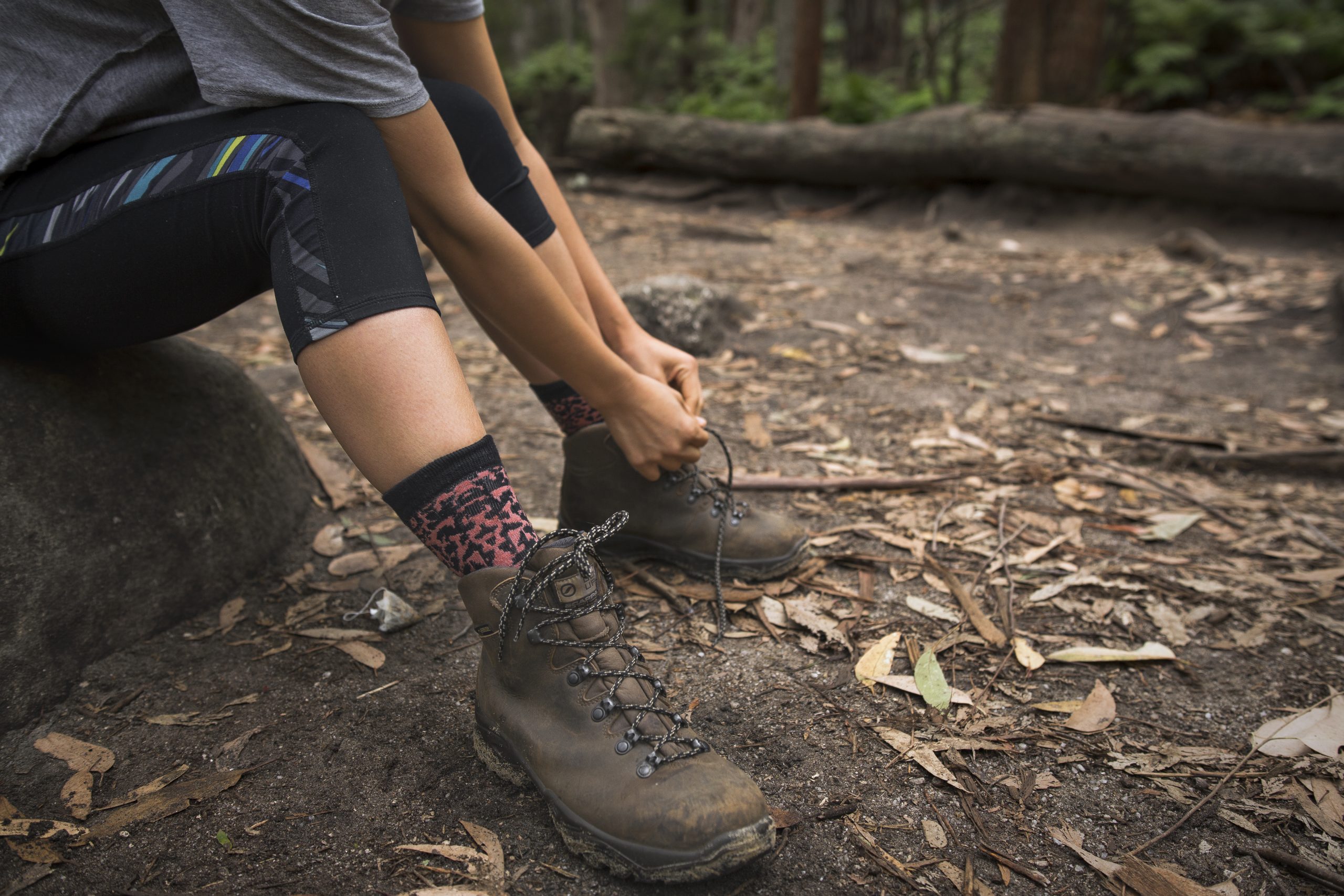
Wool socks have earned a loyal following among long-distance hikers for good reason, and much of that trust comes from how consistently they help prevent foot injuries on demanding trails. Unlike cheaper synthetic options, wool adapts to changing temperatures, manages sweat efficiently, and cushions your feet throughout hours of movement. When you’re climbing steep inclines or crossing rocky stretches, the little things like friction, moisture, and pressure points can quickly add up. Wool’s natural structure addresses these issues before they turn into painful blisters, hot spots, or bruising.
Wool Naturally Manages Moisture Better Than Synthetics
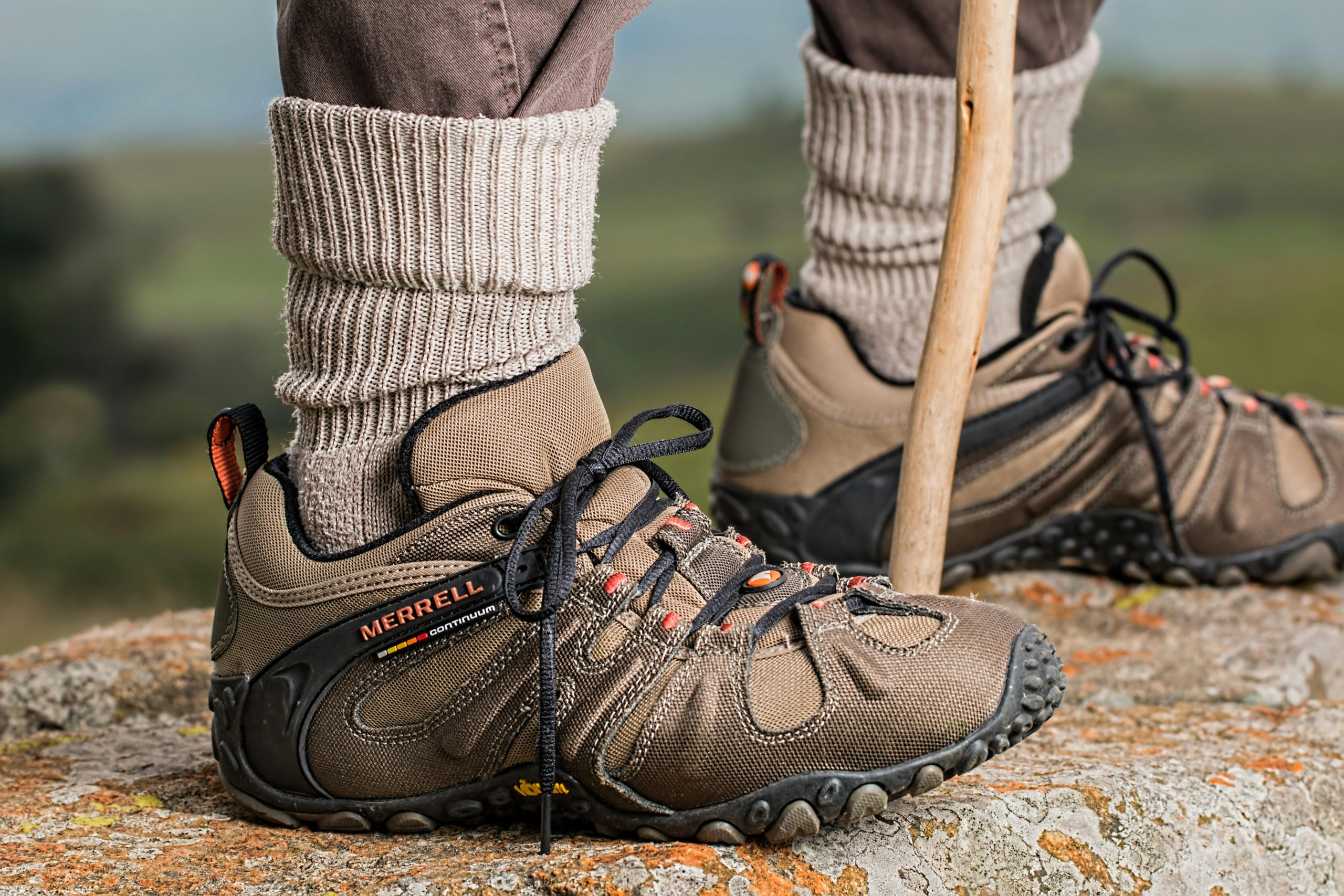
Wool fibers can absorb a surprising amount of moisture without feeling soggy, which is crucial on long hikes where sweat builds up with every step. When your skin stays wet, it softens and becomes more vulnerable to rubbing and tearing, but wool slows that process by dispersing moisture throughout the fibers instead of trapping it against your foot. This keeps the interior environment drier, more stable, and far less prone to developing hot spots. The result is a more comfortable stride that holds up mile after mile, even on warm or humid trail days.
Wool Reduces the Friction That Causes Blisters
Friction is one of the fastest ways to end a hike early, and wool helps by creating a soft, forgiving layer between your skin and the inside of your boot. Its fibers bend and flex rather than pulling or tugging, which lowers the intensity of micro-movements that typically lead to blisters. Because wool maintains its loft even after hours of use, that cushioning is consistent across varied terrain, from steep climbs to loose gravel. With less abrasive contact and more evenly distributed pressure, your feet stay protected, allowing you to maintain a steady hiking rhythm.
Temperature Regulation Prevents Sweat Spikes and Skin Breakdown
Wool’s temperature-regulating properties help keep your feet in a comfortable range, preventing the overheating that often leads to excessive sweating. When temperature swings are controlled, your skin stays firmer and less prone to injury, especially during long ascents or fast-paced sections. Wool cools when you’re warm and insulates when temperatures drop, creating a stable microclimate inside your boot. This reduces sudden moisture spikes that can weaken the skin barrier and cause chafing. By preventing those fluctuations, wool supports longer, healthier hikes with fewer mid-trail issues.
Wool Maintains Cushioning Longer Than Cotton or Cheap Blends
The natural crimps in wool fibers help them spring back into shape even after hours of pressure, which keeps the sock cushioned throughout the hike. This resilience is especially important on long days when repetitive impact can lead to bruised arches or aching heels. While cotton and low-quality blends flatten out quickly, wool retains its loft, distributing force more evenly across the foot. That consistent padding softens sharp impacts from roots, rocks, and uneven steps, creating a more stable and comfortable hiking experience from the trailhead to the finish.
Wool Inhibits Odor-Causing Bacteria and Reduces Skin Irritation
Wool has natural antimicrobial properties that limit the growth of odor-causing bacteria, which does more than just keep your hiking gear fresher. By controlling bacterial buildup, wool lowers the risk of irritation or rashes that come from prolonged exposure to sweat and microbes. This becomes especially valuable on multi-day hikes where changing socks frequently isn’t always possible. With reduced bacterial activity, your skin stays calmer, drier, and better protected from the inflammation that can weaken the outer layers and make your feet more susceptible to injury during long treks.
Wool Dries Faster on Trail Breaks and Overnight Trips
When you’re backpacking or covering long miles, the speed at which your gear dries becomes a major factor. Wool tends to dry faster than cotton, which means you’re less likely to start the next leg of your hike with damp, heavy socks. Wet socks increase friction and lower skin resilience, but wool’s structure releases moisture efficiently when exposed to air. Even during short trail breaks, you’ll notice wool regains its dryness quickly. This reduces cumulative damage over the course of a long hike, especially when weather conditions shift throughout the day.
Wool Keeps Its Fit Instead of Stretching Out
A sock that loses its shape can bunch, slide, or wrinkle inside your boot, all of which contribute to blisters and pressure points. Wool’s natural elasticity helps it maintain a snug, secure fit even after extended wear, preventing fabric from shifting with every step. That stability keeps the protective cushioning exactly where it needs to be and reduces the likelihood of rubbing along sensitive areas. Whether you’re moving uphill, downhill, or across uneven ground, the consistent fit supports more controlled movements and keeps your feet safer throughout the hike.
Wool Reduces Pressure Points on Long-Distance Pack Weight
Heavy backpacks increase the strain on your feet, and wool helps offset that by creating a more evenly cushioned environment inside your boots. Its resilient fibers spread out pressure instead of letting it settle into specific spots like your heels, toes, or the balls of your feet. This is especially beneficial on multi-day hikes where repeated impact can lead to deep soreness or bruising. Wool socks work like miniature shock absorbers, absorbing minor impacts before they accumulate into something painful, helping you maintain pace even under heavier trail loads.
Wool Performs Well in Both Heat and Cold Conditions
Long hikes often take you through varied climates, and wool adapts seamlessly to those transitions. In cold weather, it traps warm air to insulate your feet, while in hot weather, it allows heat and moisture to escape, preventing overheating. That versatility reduces the stress that temperature extremes place on your skin, which lowers the risk of developing cracks, blisters, or swelling. Wool’s ability to perform in both directions means you don’t have to switch socks often, and your feet stay consistently protected regardless of changing trail conditions.
Wool Maintains Comfort on Multi-Day Hikes with Minimal Gear
When you’re traveling light, you can’t always carry extra socks, so durability and comfort become essential. Wool can be worn for longer periods without developing severe odor, stiffness, or abrasive textures. Even after repeated use, it continues providing softness and cushioning that prevent the gradual skin breakdown common on extended trips. This makes wool especially valuable for thru-hikers or anyone covering long distances with limited supplies. The combination of moisture management, cushioning, and odor resistance contributes to fewer injuries and a smoother multi-day hiking experience.