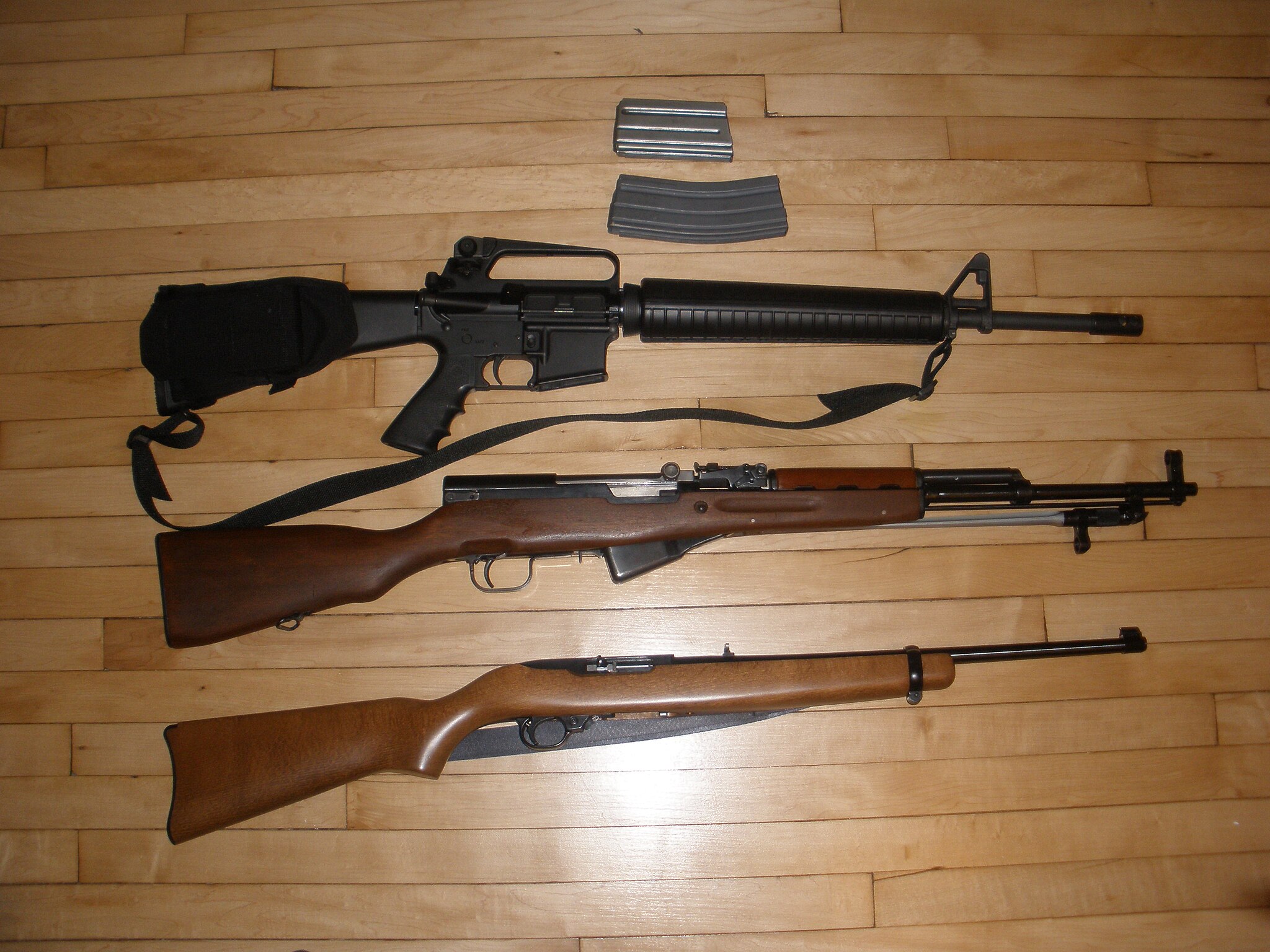
Vintage Winchester self-loading rifles occupy a distinctive place in American firearms history, representing an era when innovation was driven by mechanical curiosity rather than market trends. Introduced during the early twentieth century, these rifles challenged the dominance of lever-action and bolt-action designs by offering semi-automatic fire to civilian shooters. At the time, the idea of a self-loading rifle was bold and even controversial, yet Winchester pursued it with confidence. Today, despite the availability of lighter, faster, and more modular rifles, these early self-loaders continue to draw attention. Their appeal comes from a blend of historical importance, mechanical originality, and enduring craftsmanship. They are not admired because they outperform modern designs, but because they reveal how firearm technology evolved during a critical transitional period.
Groundbreaking Engineering for Their Time
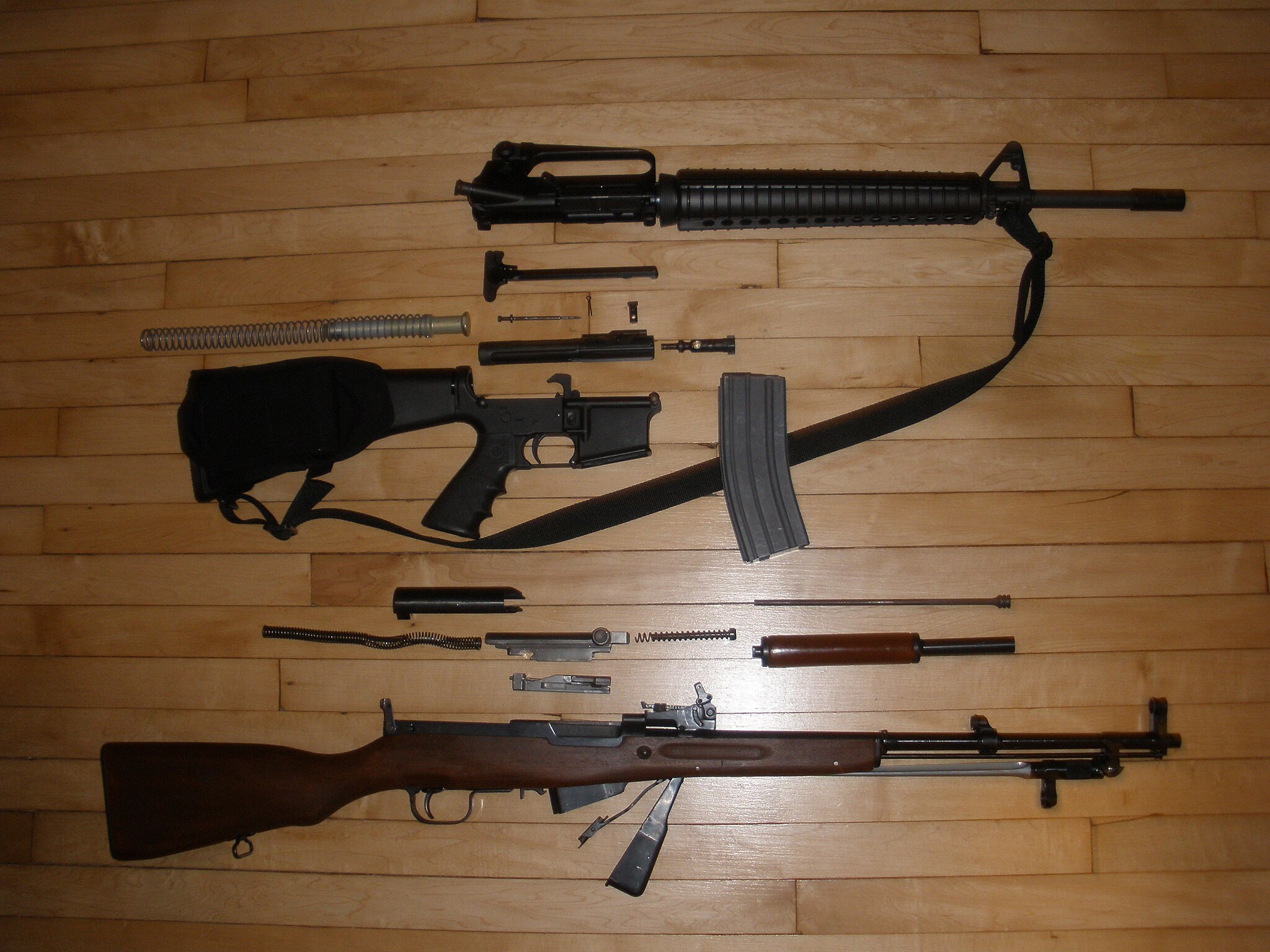
When Winchester released its early self-loading rifles, the engineering behind them stood far ahead of common sporting arms of the era. Models like the 1903, 1905, 1907, and 1910 relied on recoil or blowback systems that required precise balancing of mass, springs, and ammunition power. These mechanisms had to function reliably without the benefit of modern alloys or computer modeling. Engineers solved complex problems using trial and error and mechanical intuition. The result was a set of rifles that worked dependably despite their complexity. Modern shooters admire these designs because they demonstrate how much could be achieved with limited tools and materials. Each rifle reflects a willingness to experiment, making them historically significant beyond simple performance metrics.
Distinctive Industrial-Era Aesthetics
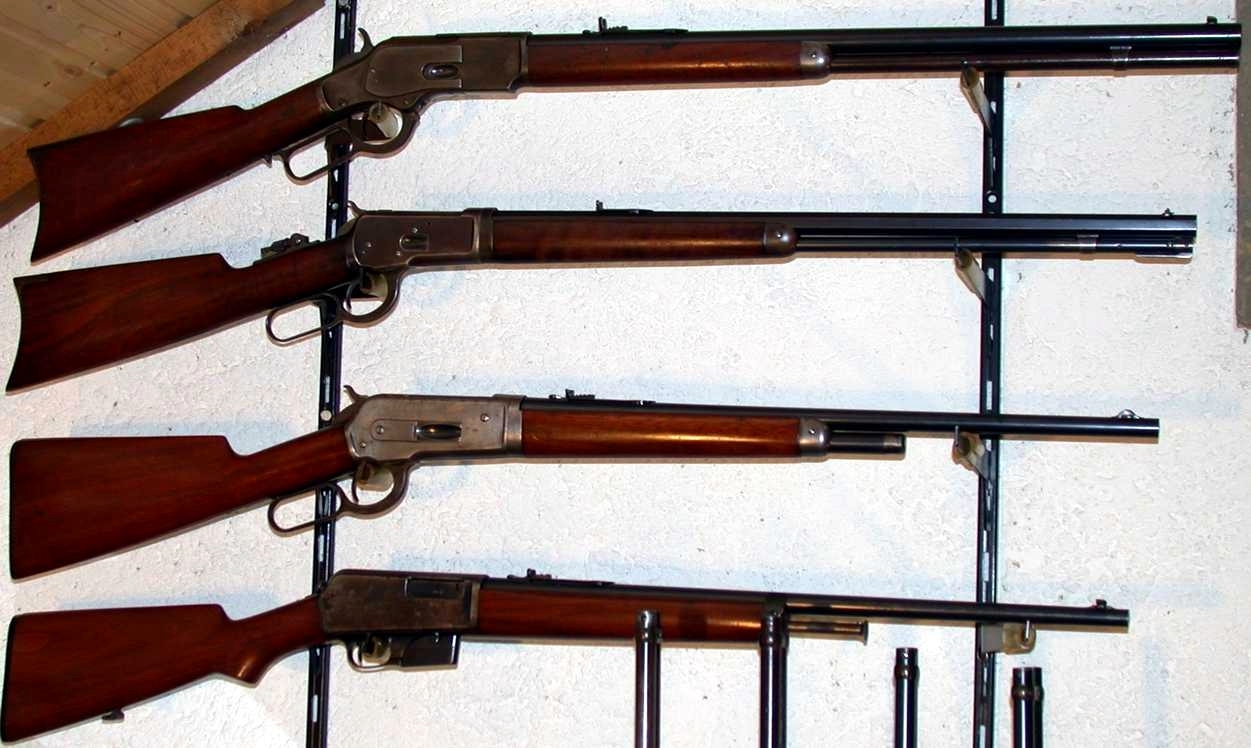
The visual presence of vintage Winchester self-loading rifles immediately signals their industrial-era origins. Thick steel receivers, substantial barrels, and deep walnut stocks give them a solid, almost architectural appearance. Unlike modern firearms shaped by weight reduction and modularity, these rifles emphasize permanence and strength. Machining marks, sharp edges, and carefully fitted wood reveal manufacturing methods rooted in skilled labor rather than automation. The proportions feel deliberate and purposeful, reflecting an era when firearms were expected to last a lifetime. For collectors, this aesthetic is not merely visual but tactile. The weight and balance reinforce the sense of handling a serious mechanical object, one built with durability and function as the primary goals, rather than convenience or trend-driven design.
Historical Connection to Early Semi-Automatic Adoption
Winchester’s self-loading rifles played a notable role in introducing semi-automatic technology to civilian shooters. During their debut, many hunters and sportsmen distrusted automatic actions, fearing malfunctions or loss of control. Winchester’s established reputation helped legitimize the concept, encouraging broader acceptance. These rifles appeared during a period of rapid industrial growth, when Americans were becoming more comfortable with machines performing complex tasks. Some models also found limited use in security and law enforcement roles, further expanding their visibility. Today, their historical value lies in this transitional role. They represent a moment when shooting culture began shifting away from purely manual operation, setting the stage for the widespread semi-automatic designs that would follow decades later.
Unique Proprietary Cartridges
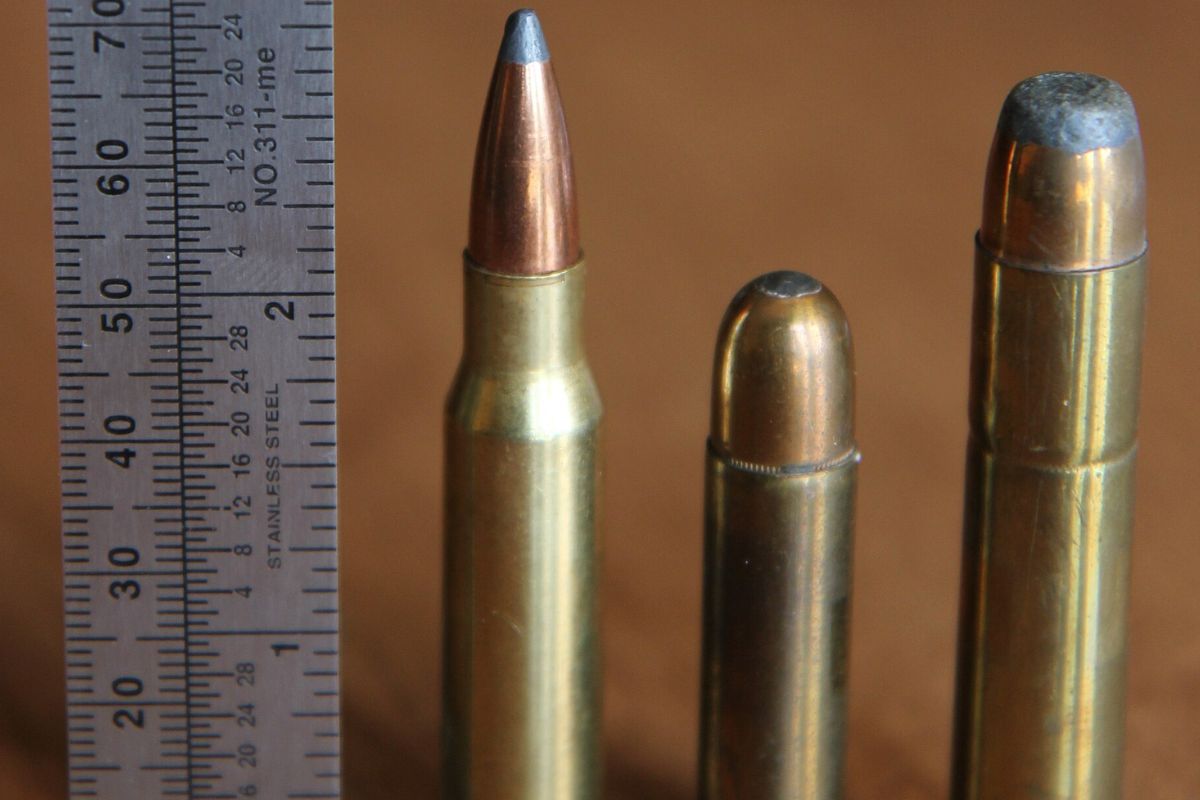
One defining feature of Winchester’s self-loading rifles was their reliance on proprietary cartridges developed specifically for semi-automatic function. Calibers such as .32, .35, and .401 Winchester Self-Loading were engineered to balance pressure, recoil, and reliability within early operating systems. While this limited cross-compatibility, it allowed engineers greater control over performance. These cartridges offered respectable power for hunting medium game and for defensive applications of the time. Today, their rarity adds to collector interest. Ammunition can be difficult to source, but this challenge enhances the rifles’ individuality. These proprietary rounds reflect a period when manufacturers prioritized innovation over standardization, accepting long-term limitations in exchange for short-term technical success.
Mechanical Personality and Shooting Experience

Shooting a vintage Winchester self-loading rifle delivers a sensory experience unlike modern semi-automatics. The rifles are heavier, the recoil impulse more pronounced, and the action’s movement clearly felt through the stock. Each shot is accompanied by audible mechanical feedback that reminds the shooter of the system at work. This is not inefficiency, but character. Modern rifles aim to isolate the shooter from internal movement, while these early designs make operation tangible. Enthusiasts appreciate this honesty in function. The rifles demand attention and deliberate handling, rewarding careful shooting rather than speed. For many owners, this engagement transforms shooting into an interactive historical exercise, connecting them directly with early twentieth-century firearm design philosophy.
Collector Value and Rarity
Original Winchester self-loading rifles have become increasingly valuable due to their age, limited production, and historical relevance. Many examples were used extensively, making well-preserved specimens especially desirable. Collectors evaluate originality carefully, looking for correct finishes, matching components, and unaltered stocks. Unlike Winchester’s lever-action rifles, which were produced in vast numbers, self-loading models remain comparatively scarce. This scarcity supports consistent collector demand. Values continue to rise not because of tactical utility, but because these rifles occupy a unique niche in firearms history. Each surviving example represents a finite resource. Ownership often feels more like stewardship, with collectors preserving mechanical artifacts that document an ambitious chapter in Winchester’s development.
Influence on Later Firearm Designs
Although improved designs eventually surpassed Winchester’s early self-loading rifles, their influence remains significant. They demonstrated that semi-automatic rifles could function reliably for civilian use, helping normalize the concept. Engineers gained practical insights into recoil management, spring tension, and feeding geometry that informed later platforms. While subsequent designs refined these principles, the foundational lessons came from early attempts like these. Firearms development is evolutionary, and these rifles represent an essential step rather than a failed experiment. Enthusiasts who study design history recognize their importance as transitional forms. Without such early efforts, the smooth, efficient semi-automatic rifles of today would likely have taken far longer to emerge.
Cultural and Storytelling Appeal
Beyond mechanics, vintage Winchester self-loading rifles carry cultural and narrative significance. Many were owned during periods of social change, industrial expansion, and shifting attitudes toward technology. Some accompanied hunters into newly settled regions, while guards or professionals carried others during uncertain times. These associations give the rifles emotional depth. Unlike modern firearms with brief ownership histories, these rifles often passed through multiple hands across generations. Each mark and modification can hint at past use. Collectors value this storytelling element because it transforms the rifle from an object into a historical witness. Discussing or displaying one often sparks broader conversations about American industry, innovation, and daily life in the early twentieth century.
Restoration and Preservation Challenges
Maintaining a vintage Winchester self-loading rifle presents challenges that appeal to dedicated enthusiasts. Replacement parts are scarce, documentation can be limited, and improper repairs risk damaging historical value. Successful restoration requires specialized knowledge and respect for originality. Many owners choose preservation over restoration, stabilizing existing conditions rather than replacing components. This careful approach reflects an understanding that these rifles are no longer replaceable commodities. The difficulty of upkeep discourages casual ownership but strengthens collector communities. Each preserved rifle represents hours of research and careful decision-making. This effort deepens the owner’s connection to the firearm, reinforcing the sense that preserving history is as important as functional operation.
Enduring Symbol of Innovation and Craft
Vintage Winchester self-loading rifles continue to draw attention because they embody a rare balance of innovation and craftsmanship. They reflect a time when manufacturers pursued ambitious ideas without certainty of success. While modern rifles excel in efficiency and ergonomics, these early designs offer authenticity and historical honesty. They reveal how engineers solved problems with limited resources, relying on mechanical skill rather than digital tools. For collectors and historians, they serve as tangible reminders that progress involves experimentation and risk. Their continued appeal lies not in outperforming modern firearms but in representing the origins of semi-automatic rifle development. That symbolic value ensures their relevance well into the future.

![Marines prepare for Okinawa [Image 4 of 5]](https://pub-b56d3d46034c4a2495fa075c4af501a4.r2.dev/2026/03/P6FG9spM-openverse-4df91c8e-d919-4dee-a194-8478932c302d.jpg "taiki-ishikawa-w6EMxsk8CDA-unsplash")