Every year, certain guns dominate sales charts, flood social media feeds, and show up on every “best of” list imaginable.
But sales volume and real-world performance are two very different things.
A 2024 National Shooting Sports Foundation report confirmed that over 16 million firearms were sold in the United States that year alone, yet consumer complaint rates for certain top-selling platforms remained disproportionately high relative to their market share.
Popularity is driven by marketing budgets, brand loyalty, and shelf placement as much as it is by genuine quality.
This list takes an honest look at ten guns that consistently top sales charts but carry enough documented shortcomings, reliability concerns, and buyer disappointment patterns to warrant serious caution before purchasing in 2026.
These are not bad guns across the board, but they are guns that underdeliver relative to what their reputation and price tag lead buyers to expect.
Taurus G3C
The Taurus G3C regularly appears on budget bestseller lists, and its 12-round 9mm capacity in a compact frame weighing 22 ounces sounds compelling at a $300 price point.
The problems surface quickly in real-world use.
Independent reliability testing has documented failure rates averaging 1 malfunction per 75 rounds with certain ammunition types, a figure that is genuinely unacceptable for a defensive carry firearm regardless of price tier.
The trigger resets inconsistently across production samples, with reset distances varying enough to disrupt rapid-fire accuracy during training drills.
Quality control across batches remains one of the most frequently cited complaints in owner forums, where some buyers report flawless function while others document persistent feeding issues from the first magazine.
At $300, the value proposition sounds strong until a malfunction happens when it matters most.
Ruger EC9s
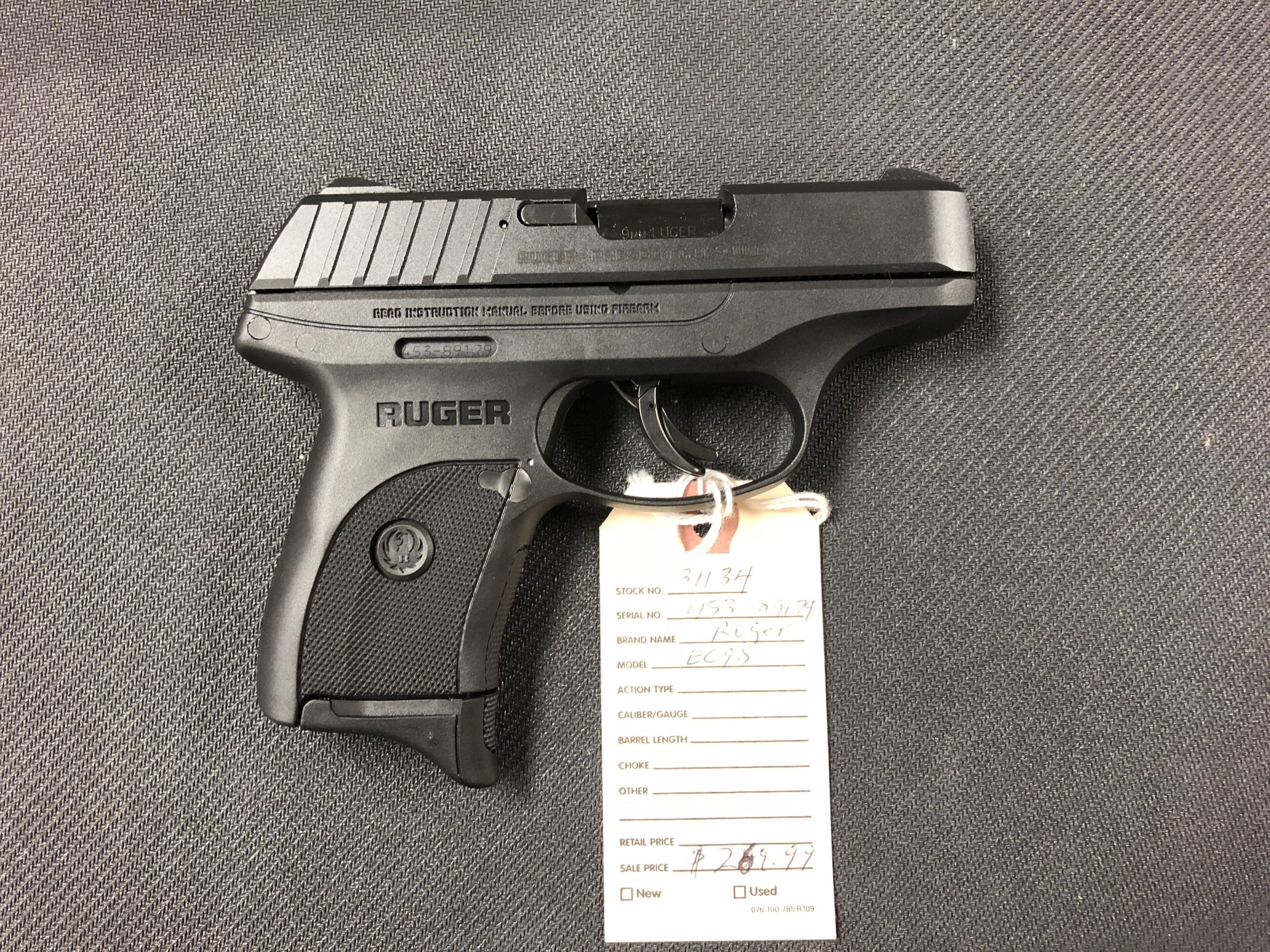
The Ruger EC9s sells in enormous volumes as one of the most affordable 9mm carry pistols on the market, retailing around $259 and holding 7 rounds in a slim package weighing just 17.2 ounces.
That price attracts first-time buyers who do not yet know what they are trading away.
The trigger pull measures a stiff 7 to 8 pounds with a long, gritty travel that makes accurate shooting beyond 7 metres genuinely difficult under anything resembling stress.
Fixed sights offer no adjustment capability, meaning buyers stuck with a misaligned example have no practical correction option without aftermarket investment.
The grip texture is insufficiently aggressive for confident retention during high-stress defensive situations involving wet or sweaty hands.
For $25,9, these compromises are understandable in isolation, but marketing it as a primary defensive carry option without acknowledging these limitations does buyers a meaningful disservice.
Mossberg 500 Flex
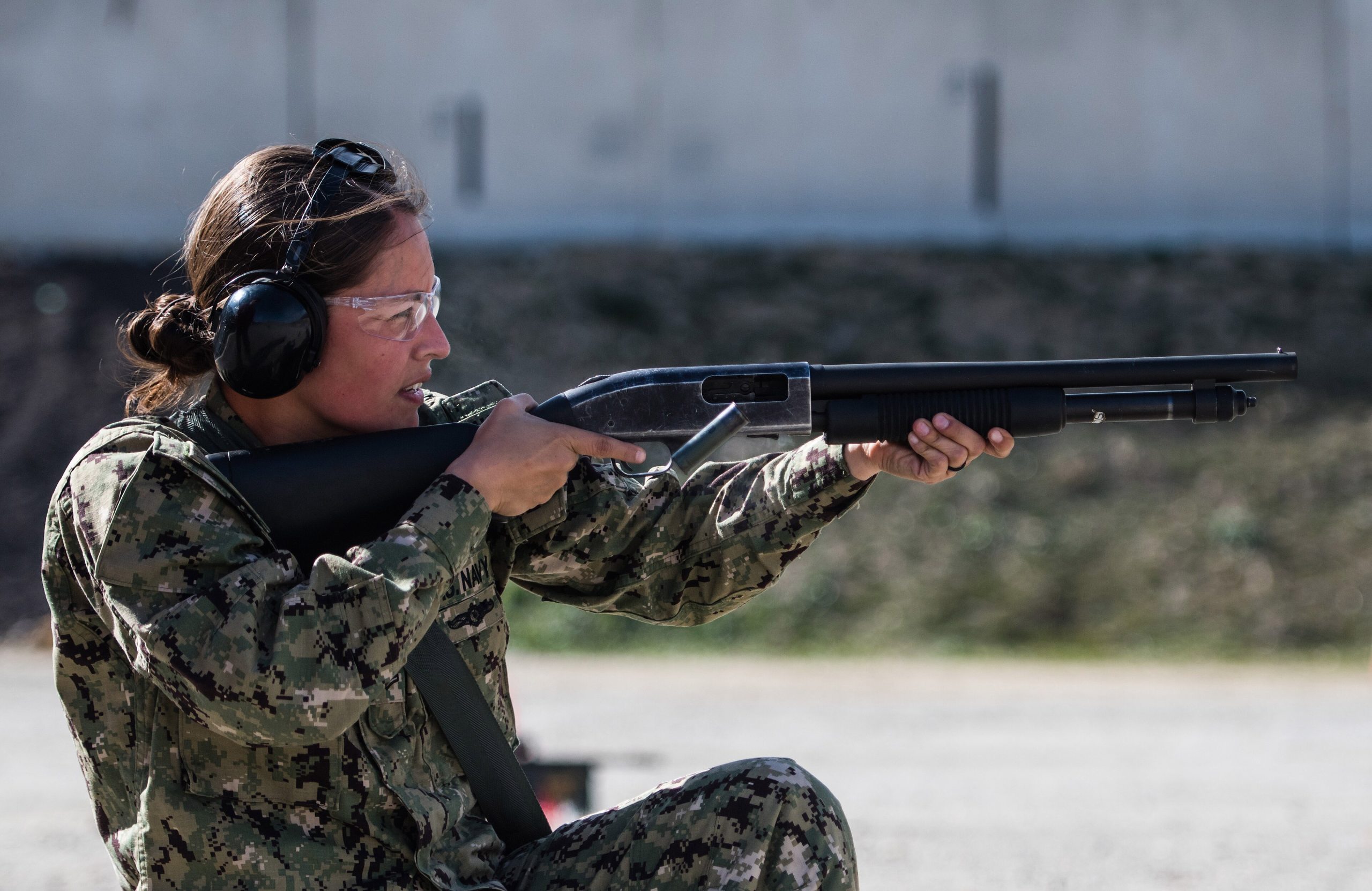
The standard Mossberg 500 is a genuinely reliable pump-action shotgun with a decades-long track record.
The Flex variant complicates that reputation unnecessarily.
The Flex system adds a tool-free stock and forend interchange mechanism that introduces play into the receiver connection points, and multiple owners have documented loosening at the stock interface after as few as 200 rounds of standard 12-gauge ammunition.
That loosening creates felt wobble during shooting that affects both accuracy and confidence, and the perception of overall build quality immediately.
The Flex system adds approximately $80 to $120 over comparable standard 500 configurations without delivering reliability improvements.
At around $500, buyers are paying a premium for modularity that introduces mechanical compromise into a platform that performed better before the additional complexity was added, making the standard 500 the smarter purchase for anyone prioritising function over reconfigurability.
Smith and Wesson SD9 VE
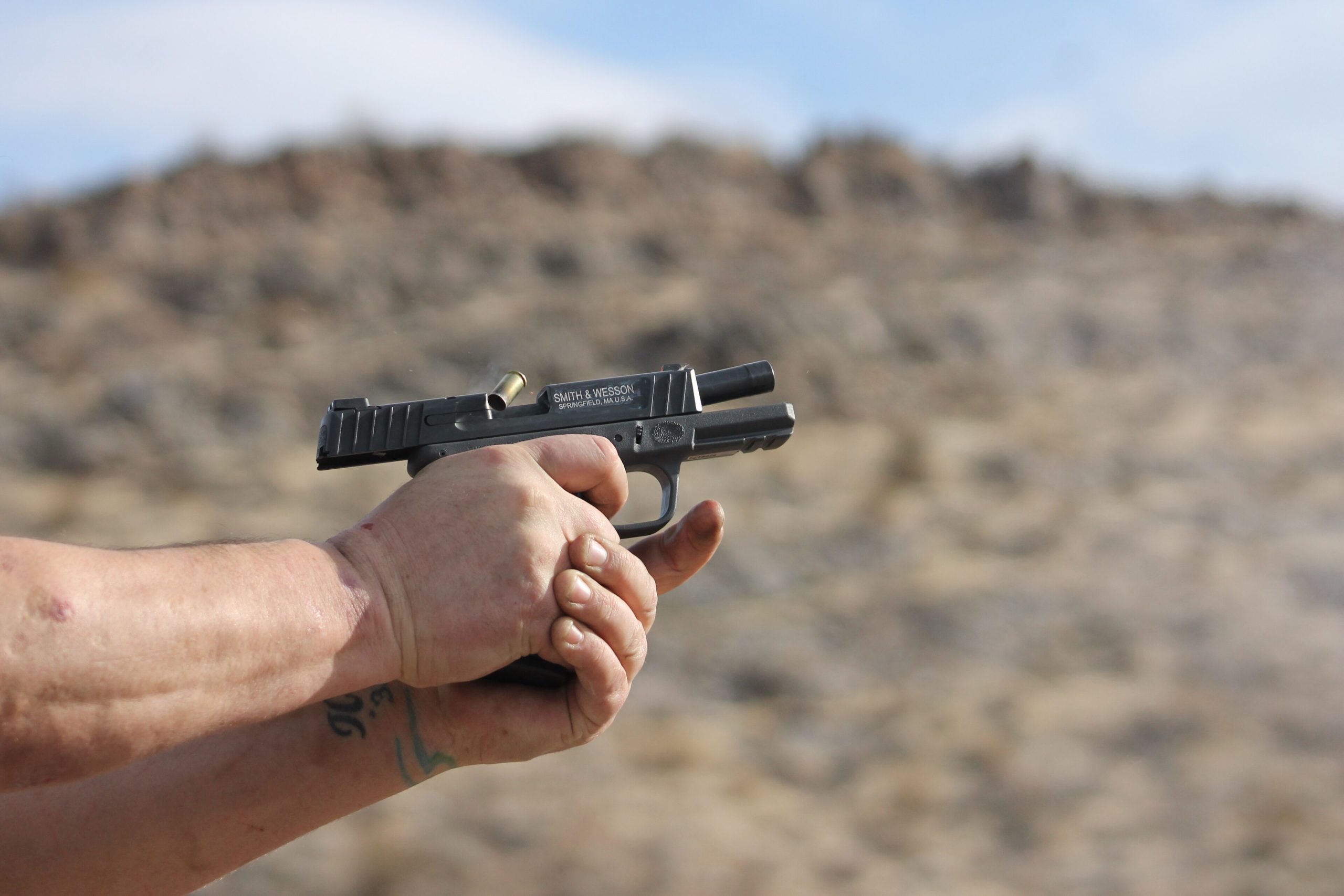
The SD9 VE has been a volume seller for Smith and Wesson for years, offering 16 rounds of 9mm in a full-size frame at a retail price around $389 that attracts budget-conscious buyers seeking a recognisable brand name.
The trigger is the platform’s most significant and most consistently documented problem.
The pull weight measures between 8 and 9.5 pounds with a polymer-on-polymer take-up that most shooters describe as mushy, inconsistent, and fatiguing during extended range sessions.
Smith and Wesson designed the trigger with an Integrated Trigger System intended to provide a consistent pull, but in practice, tice it produces one of the least satisfying factory triggers in the budget defensive pistol category.
Buyers who purchase the SD9 VE almost universally discover that an aftermarket trigger upgrade costing $75 to $150 is effectively mandatory, making the initial price saving less meaningful than it appears on the shelf.
Kel-Tec PF9
The Kel-Tec PF9 achieved genuine innovation when it launched as one of the slimmest 9mm pistols available, measuring just 0.88 inches wide and weighing 12.7 ounces in a package holding 7 rounds that virtually disappears in a pocket holster.
Sustained ownership tells a more complicated story.
Felt recoil from a 9mm cartridge in a sub-13-ounce frame is punishing enough that most owners report limiting range sessions to 50 rounds or fewer before discomfort forces a stop.
That recoil aversion directly limits the practice volume necessary to shoot the platform competently under stress.
Quality control inconsistency has been a persistent Kel-Tec criticism across multiple platforms, and the PF9 is no exception, with owner-reported reliability varying dramatically between individually purchased examples.
At around, $280 it attracts buyers who discover too late that the lightest option is rarely the most suitable one for regular training.
Diamondback DB15
The Diamondback DB15 AR-15 regularly appears in budget rifle roundups at a retail price around $499, offering direct impingement operation, a 16-inch barrel, and mil-spec component claims that sound reassuring to first-time AR buyers.
The execution consistently disappoints experienced shooters who handle one.
Trigger pull weights on production samples vary widely between 7.5 and 9.5 pounds, a range that reflects quality control inconsistency rather than intentional specification variation.
Finish quality on receivers and handguards shows tooling marks and surface irregularities that competitors at similar price points manage to avoid.
Independent reliability testing has documented bolt carrier group failures within 1,500 rounds on multiple reviewed examples, a service life interval that falls well below acceptable standards for a primary use defensive or sporting rifle.
A,t $499 buyers expect entry-level quality, but the DB15 delivers below-entry-level consistency that makes it difficult to recommend honestly.
Taurus TX22
The Taurus TX22 built a strong initial reputation as an affordable 16-round .22 LR training pistol that mimicked the controls and ergonomics of full-caliber defensive handguns at a retail price around $349.
The reliability picture with budget .22 ammunition complicates that training utility significantly.
Rimfire platforms are inherently more sensitive to ammunition quality than centerfire designs, and the TX22 demonstrates that sensitivity more acutely than competitors like the Ruger Mark IV and Smith and Wesson Victory.
Failure to fire rates with bulk .22 LR ammunition from major manufacturers average approximately 1 per 50 rounds in documented owner testing, introducing malfunction-clearing drills that undermine the consistent repetition training the platform is specifically marketed to provide.
The trigger resets longer than advertised across multiple production samples.
At $349 against proven alternatives, the TX22 asks buyers to accept rimfire unreliability in a training context where consistency matters most.
Bersa Thunder 380 CC
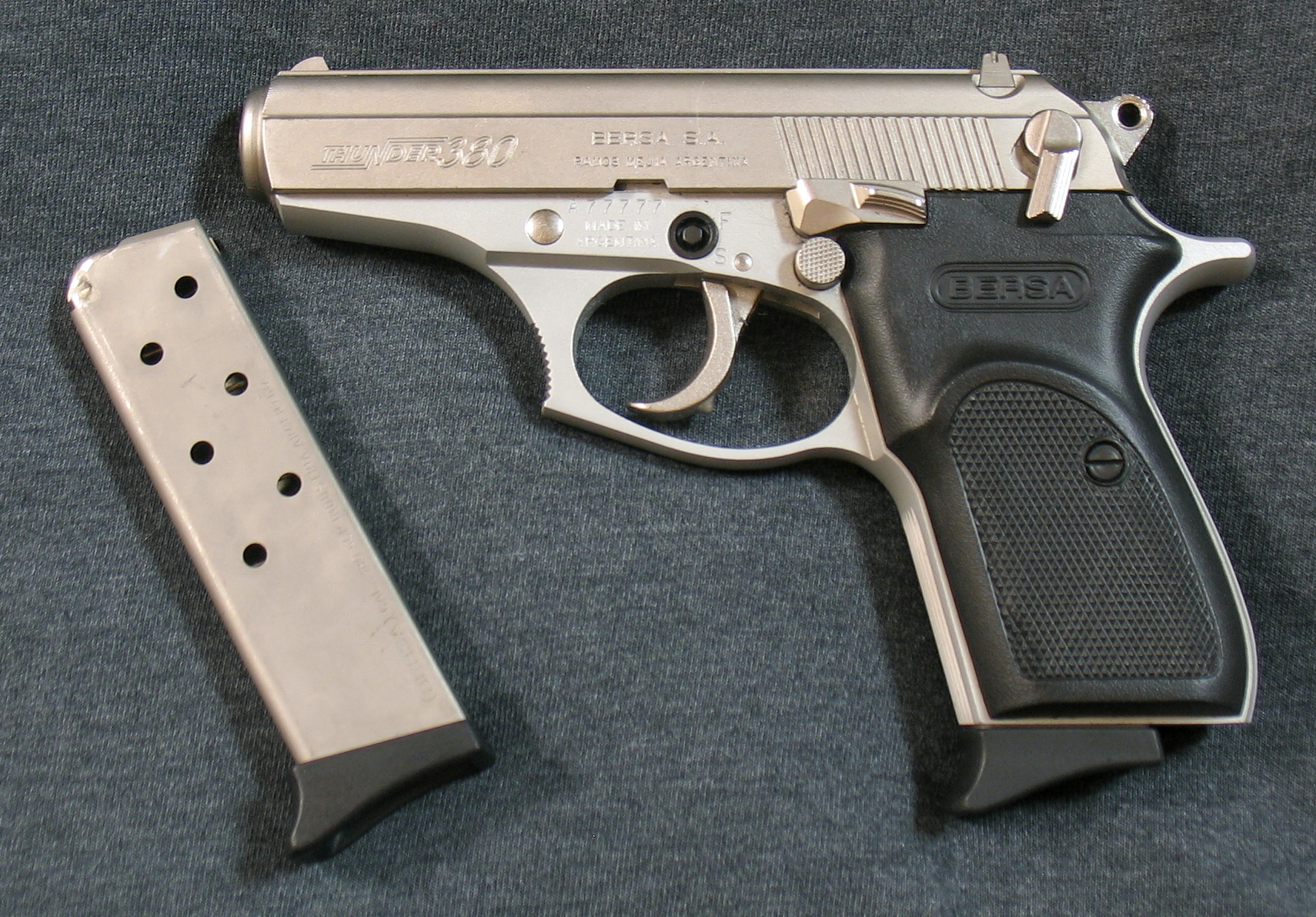
The standard Bersa Thunder 380 has earned a reasonable reputation for reliable function at an accessible price point, but the Carry Compact variant introduced to address concealed carry demand created new problems while solving the size equation.
The CC variant reduced grip length enough to cause feeding reliability issues with hollow point defensive ammunition that the standard Thunder 380 handles without difficulty.
Independent testing documented failure to feed rates of approximately 1 per 30 rounds with hollow point loads in early production CC examples, a figure that is categorically unacceptable in a firearm specifically marketed for defensive carry use.
The reduced grip also makes the already modest felt recoil management of the standard model noticeably worse.
At around $330, it sits above genuinely proven compact .380 alternatives like the Ruger LCP MAX.
Buyers choosing the Bersa name over better-performing alternatives at similar prices are paying for brand familiarity rather than demonstrable defensive reliability.
Savage Axis II
The Savage Axis II sells in substantial volume as an entry-level bolt-action hunting rifle retailing around $450, offering an AccuTrigger system and a factory-fitted stock that sounds like a compelling package for budget-conscious hunters.
The AccuTrigger is genuinely the platform’s strongest feature, delivering a consistent 2.5 to 6-pound adjustable pull that outperforms most factory triggers at this price point immediately.
Everything else on the Axis II reflects cost-reduction decisions that compromise the shooting experience meaningfully.
The synthetic stock flexes noticeably under cheek weld pressure, creating inconsistent stock-to-action contact that affects accuracy potential from shot to shot.
The barrel finish shows surface rust within a single wet hunting season for many owners without additional protective treatment.
At $450 against the Ruger American Rifle and Mossberg Patriot, delivering better overall packages, the Axis II’s single trigger advantage does not justify its other compromises for buyers willing to compare alternatives before committing.
Springfield Armory XD Mod.2 Service
The Springfield XD platform has sold millions of units on the strength of the grip safety feature and Springfield’s marketing emphasis on its Croatian HS2000 origins as a military and police service pistol.
The XD Mod.2 Service model in 9mm holds 16 rounds and retails around $449, numbers that look competitive until the trigger and ergonomics receive an honest evaluation.
The trigger pull averages 6.5 to 7.5 pounds with a take-up and break that experienced shooters consistently rank below the Glock 17, Smith and Wesson M&P, and Sig P320 at equivalent or lower price points.
The grip safety requires consistent high hand placement to disengage fully, creating potential reliability issues for shooters with smaller hands or non-standard grip geometry under stress.
Springfield’s marketing budget consistently outperforms the platform’s actual competitive positioning in the full-size defensive pistol category.
At $449, buyers deserve a trigger and ergonomic package that the XD Mod.2 Service simply does not deliver relative to what direct competitors offer at the same price.