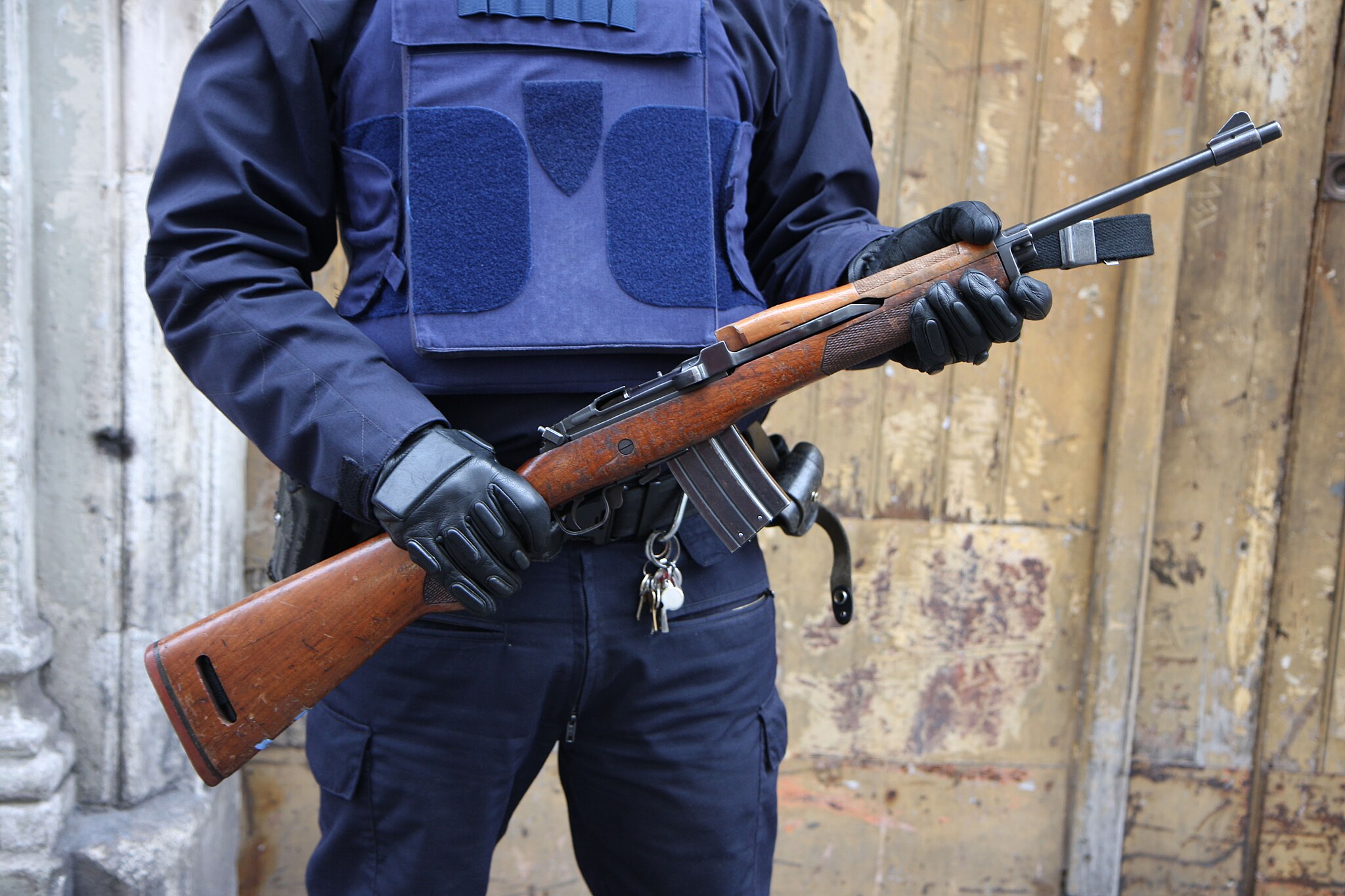
Few rifles spark as much quiet debate among survival planners as the Ruger Mini-14. At a glance, it appears ideal: lightweight, reliable, and chambered in common .223 or 5.56 ammunition. Yet opinions quickly split when deeper planning begins. Some value its traditional profile and mechanical simplicity, while others see outdated design choices that limit long-term usefulness. The Mini-14 sits at the crossroads between classic ranch rifle and modern defensive tool. Survival planning demands realism, not nostalgia, which is why this rifle continues to inspire both confidence and skepticism. Understanding the divide requires looking beyond reputation and examining how the Mini-14 fits into modern preparedness thinking.
Traditional Appearance Versus Tactical Reality
The Mini-14’s traditional rifle appearance appeals to planners who value discretion. It doesn’t attract the same attention as more modern tactical rifles, which can matter in unstable environments. However, survival planning also prioritizes adaptability. The Mini-14’s classic layout limits modular upgrades that many planners now consider essential. While the low-profile look can reduce scrutiny, it also restricts mounting options for optics, lights, and accessories. This creates a tension between blending in and being fully equipped. For some, subtlety outweighs flexibility. For others, the inability to adapt the rifle easily to changing threats becomes a significant drawback during long-term survival scenarios.
Reliability, Reputation, and Real-World Expectations
Supporters often praise the Mini-14 for its reliability, especially in dirty or harsh conditions. Its gas system is robust and forgiving, which aligns well with survival priorities. However, expectations sometimes exceed reality. While reliable, the Mini-14 is not immune to wear or maintenance needs. Spare parts availability can become a concern outside normal supply chains. Survival planners weigh whether long-term reliability includes ease of repair and component replacement. A rifle that runs well today but becomes difficult to service later may introduce risk. This gap between reputation and logistical reality fuels ongoing debate among preparedness-minded owners.
Accuracy Debates at Survival Distances

Accuracy is another dividing point. Early Mini-14 models earned criticism for inconsistent accuracy, especially compared to modern alternatives. While newer versions have improved, the reputation lingers. Survival planners differ on how much accuracy truly matters. Some argue that most defensive or hunting scenarios occur within practical ranges where the Mini-14 performs adequately. Others insist precision matters when ammunition is limited, and every shot counts. The debate centers on philosophy rather than numbers. Is “good enough” acceptable in survival planning, or should equipment always exceed minimum requirements? The Mini-14 sits squarely in that unresolved middle ground.
Magazine Availability and Compatibility Issues
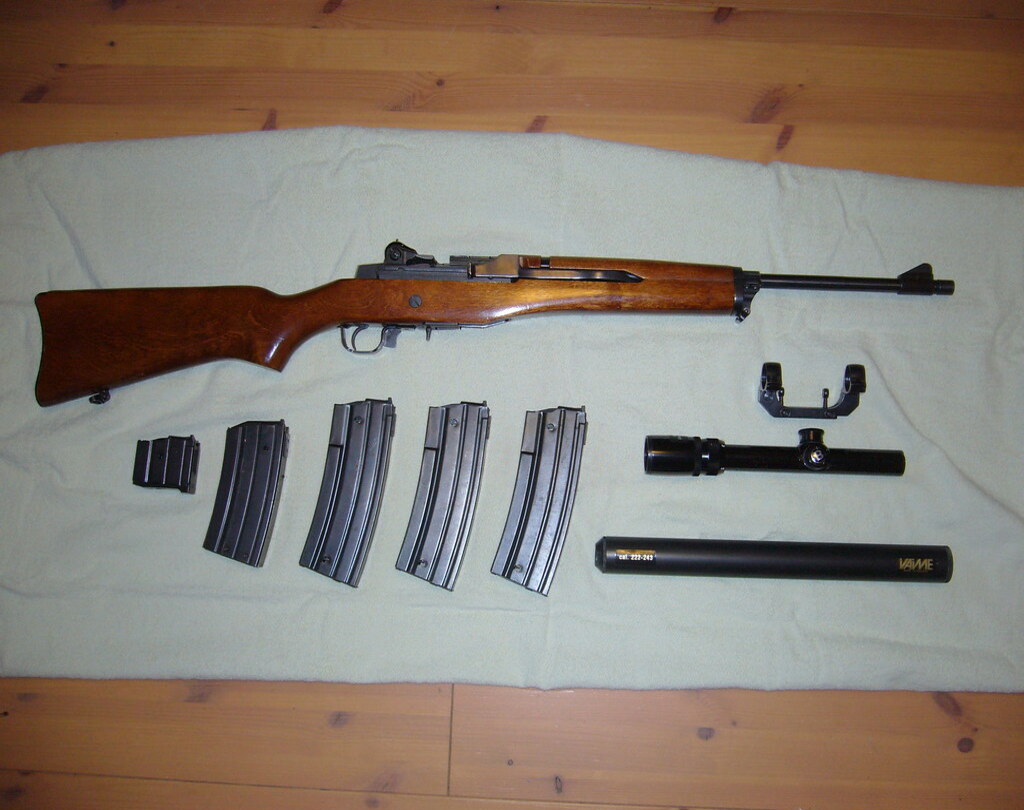
Magazines are critical in survival planning, and this is where the Mini-14 often loses support. Factory magazines are reliable but expensive and less common. Aftermarket options vary widely in quality. In contrast, other platforms benefit from standardized, widely available magazines. Survival planners value interchangeability and scavenging potential. A rifle that depends on proprietary magazines may struggle in prolonged disruptions. While dedicated owners stock up in advance, critics argue this adds another planning burden. The magazine issue doesn’t make the Mini-14 unusable, but it does introduce logistical friction that planners must consciously account for.
Maintenance Simplicity Versus Parts Scarcity
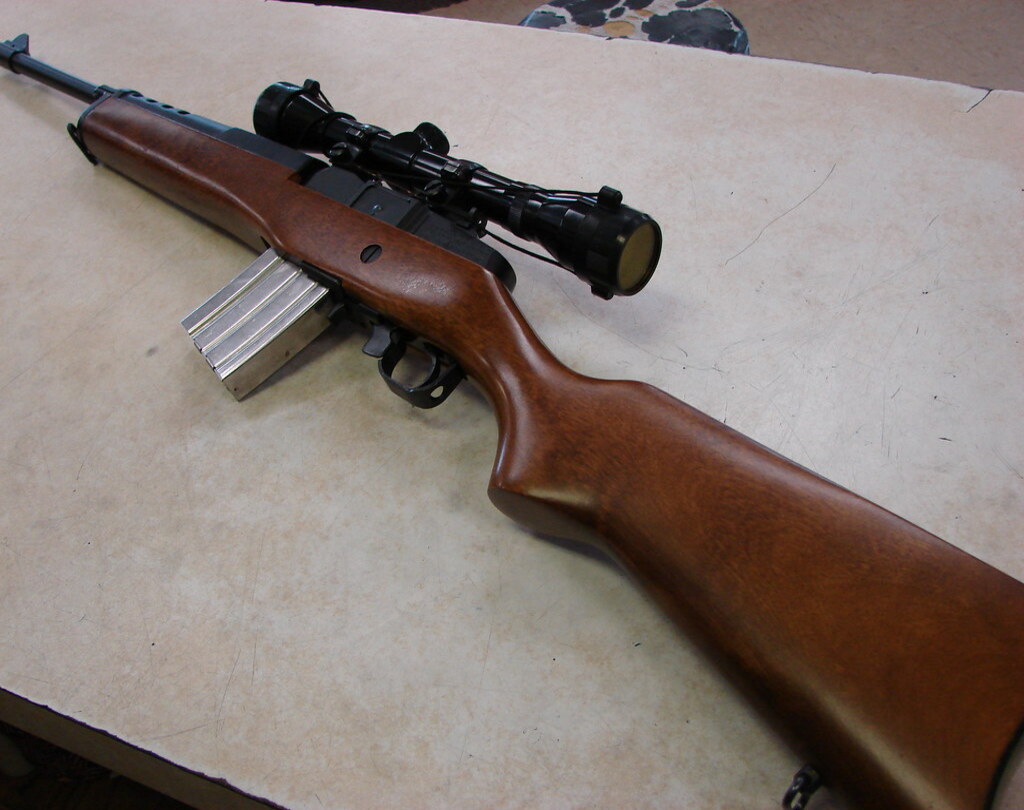
The Mini-14 is mechanically straightforward, which appeals to those who value simplicity under stress. Basic cleaning and operation are intuitive. However, simplicity doesn’t always equal sustainability. Replacement parts are less common than for more standardized rifles. Survival planning considers worst-case timelines, where factory support may not exist. A broken extractor or worn spring could sideline the rifle indefinitely. This contrast between easy maintenance and limited parts access divides opinion. Some trust careful upkeep to avoid failure. Others prefer platforms supported by broader parts ecosystems, reducing long-term uncertainty in austere conditions.
Ammunition Compatibility and Performance
Chambered in .223 or 5.56, the Mini-14 benefits from common ammunition availability. This aligns well with survival planning principles. However, some models show sensitivity to specific loads, affecting reliability or accuracy. Survival planners often stock mixed ammunition sources, which may not perform consistently across all rifles. While many Mini-14s handle varied loads fine, the uncertainty concerns some planners. Ammunition flexibility matters when resupply options are unpredictable. Supporters see this as a manageable issue through testing. Critics view it as another variable that complicates an already complex planning equation.
Ergonomics and Manual Controls
Ergonomics influences performance under stress. The Mini-14’s controls feel familiar to traditional rifle users but less intuitive to those trained on modern platforms. Safety placement, charging method, and reload speed can affect efficiency. Survival planners debate whether familiarity or speed matters more. Training can offset ergonomic limitations, but that requires time and repetition. Some appreciate the rifle’s straightforward handling. Others argue that slower manipulation increases risk during high-pressure encounters. The divide reflects broader differences in training philosophy, with the Mini-14 appealing more to traditionalists than modern tactical-minded planners.
Legal and Social Considerations
One advantage often cited is the Mini-14’s legal and social profile. In many regions, it avoids restrictions placed on more overtly tactical rifles. Survival planners operating within legal frameworks value equipment that doesn’t attract regulatory or public attention. This can simplify ownership and transport. However, critics argue that planning around perception rather than performance introduces compromise. Laws change, and survival situations may ignore legal distinctions entirely. Whether legal friendliness outweighs functional limitations remains a point of contention, reinforcing why the Mini-14 continues to split opinion rather than unify it.
Cost Versus Capability Analysis
Price plays a subtle role in the debate. The Mini-14 is not inexpensive, especially when factoring in magazines and accessories. Survival planners often compare total system cost rather than rifle price alone. For similar investments, alternative platforms may offer greater accuracy, modularity, and parts availability. Supporters argue the Mini-14’s build quality justifies its cost. Critics see diminishing returns compared to more versatile options. This cost-versus-capability calculation varies by individual priorities, ensuring no consensus emerges. The rifle’s value depends heavily on what each planner considers essential for survival readiness.