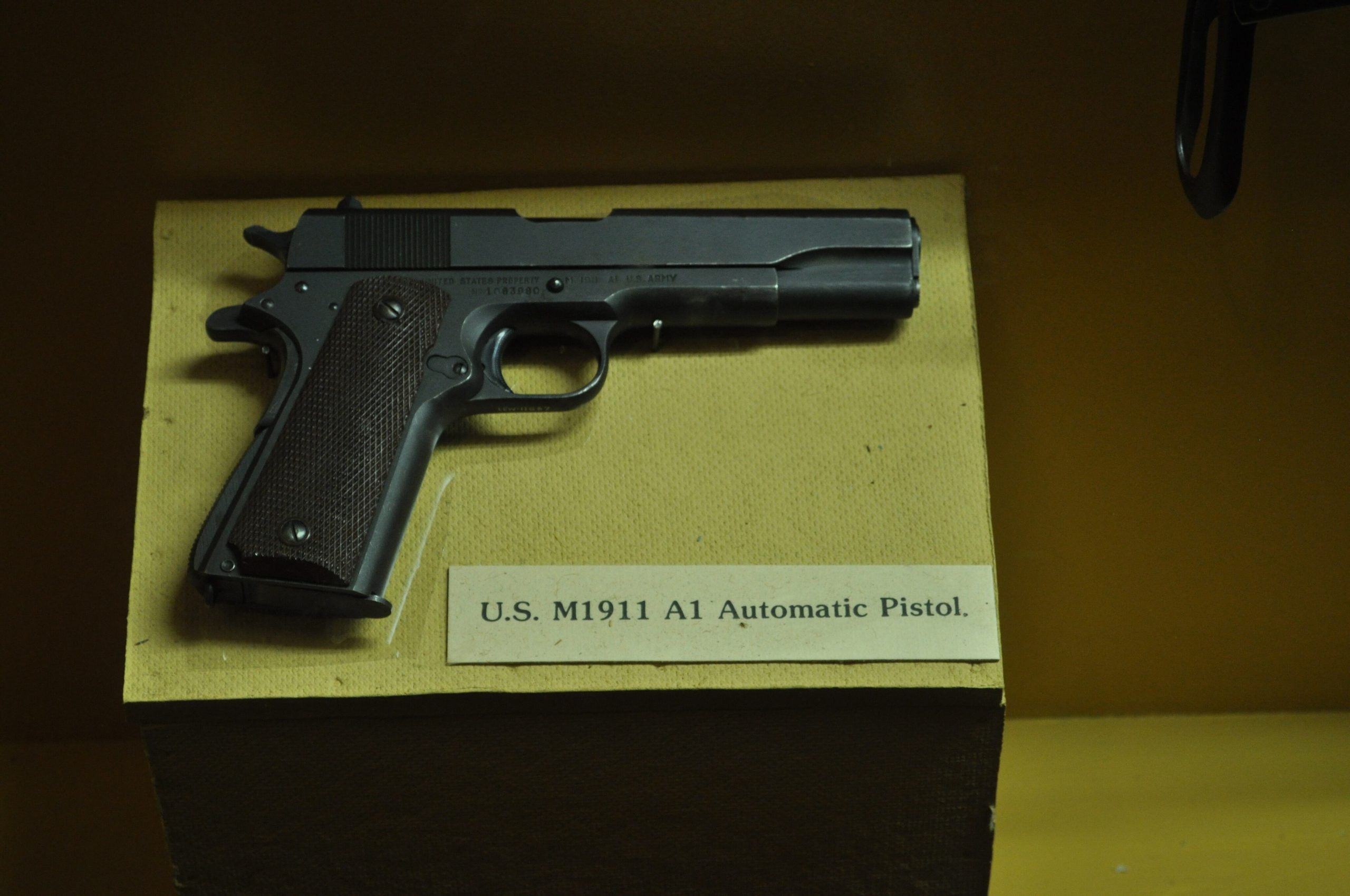
Few handguns carry the historical weight and lasting influence of the Colt Government Model. For more than a century, this iconic pistol has shaped expectations surrounding the .45 ACP cartridge, setting benchmarks for reliability, ergonomics, and practical performance. Its reputation did not emerge from marketing alone but from extensive military service, competitive shooting, and civilian adoption. Generations of shooters have measured other .45 caliber pistols against the standards established by this design. From trigger feel to mechanical durability, its characteristics helped define what enthusiasts consider a proper .45 ACP platform. Even as modern polymer-framed pistols dominate today’s market, the Government Model continues to symbolize craftsmanship and proven engineering. Its enduring presence reflects both mechanical excellence and cultural significance, making it one of the most studied and respected handgun designs ever produced.
Military Proven Durability
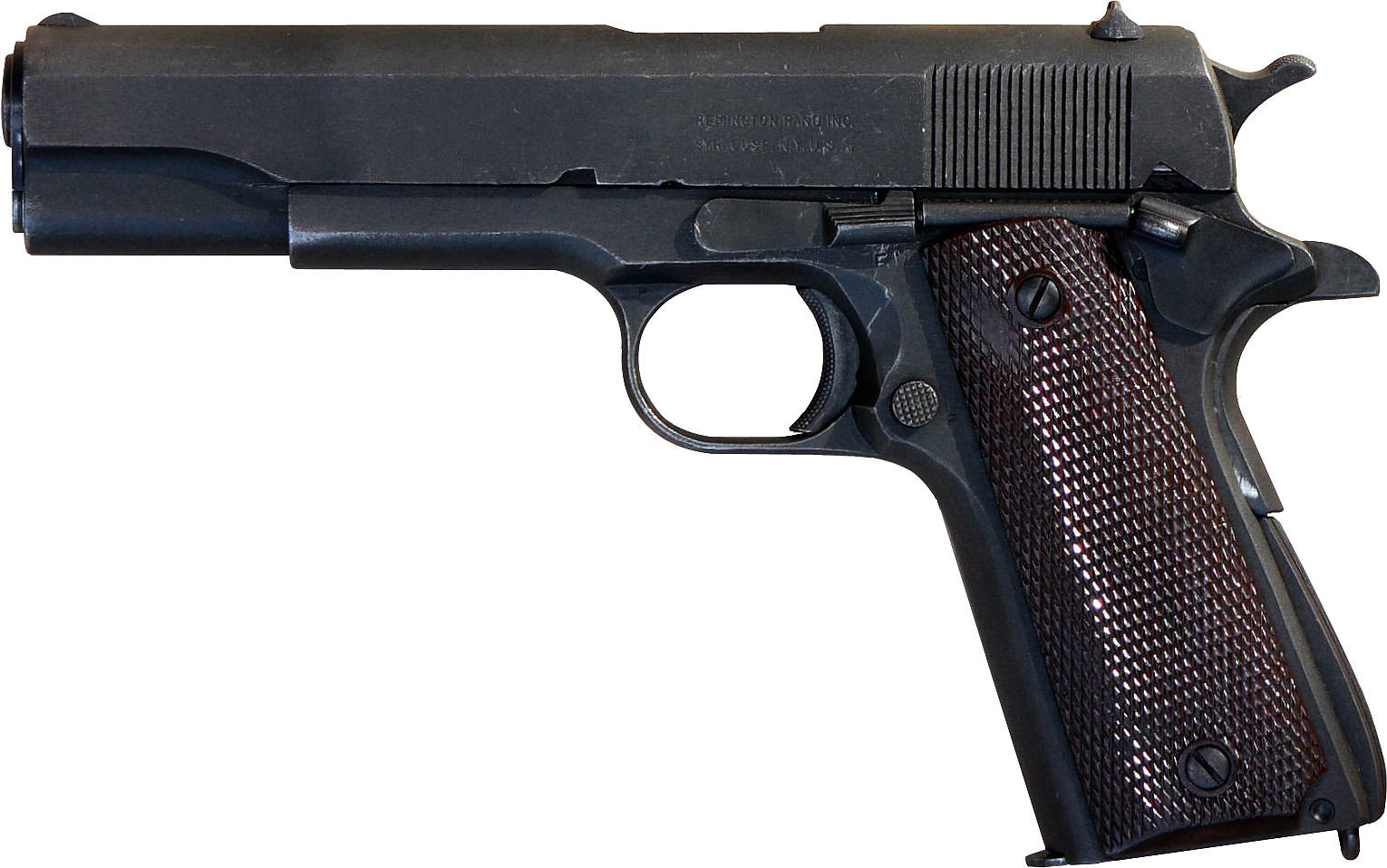
The Colt Government Model earned its reputation under conditions few commercial firearms ever face. Decades of military use demonstrated that the platform could withstand harsh environments, inconsistent maintenance, and heavy round counts. Battlefield exposure revealed strengths in mechanical simplicity and rugged construction that appealed to both armorers and individual service members. Reliability under stress became a defining trait rather than a marketing claim. While many later pistols offered innovation, few accumulated such an extensive service record across multiple conflicts. This sustained performance built deep institutional trust, reinforcing the perception that the design could be depended upon when failure carried serious consequences. Even today, durability remains central to the Government Model’s identity, influencing how shooters evaluate modern .45 ACP handguns.
The .45 ACP Benchmark

Few cartridges are as closely linked to a specific handgun as the .45 ACP is to the Government Model. The pistol’s design harmonized with the cartridge’s pressure characteristics, recoil impulse, and ballistic intent. Together, they created a shooting experience defined by manageable recoil, strong energy delivery, and predictable handling. This synergy shaped user expectations for what a .45 caliber sidearm should feel like. Competing platforms often invite comparison not only in accuracy or capacity but in how closely they replicate this balance. The Government Model effectively established the reference point by which many shooters judge recoil control and shooting comfort in .45 ACP firearms. Its continued relevance underscores how design and cartridge compatibility can define an entire category.
Trigger Characteristics and Control
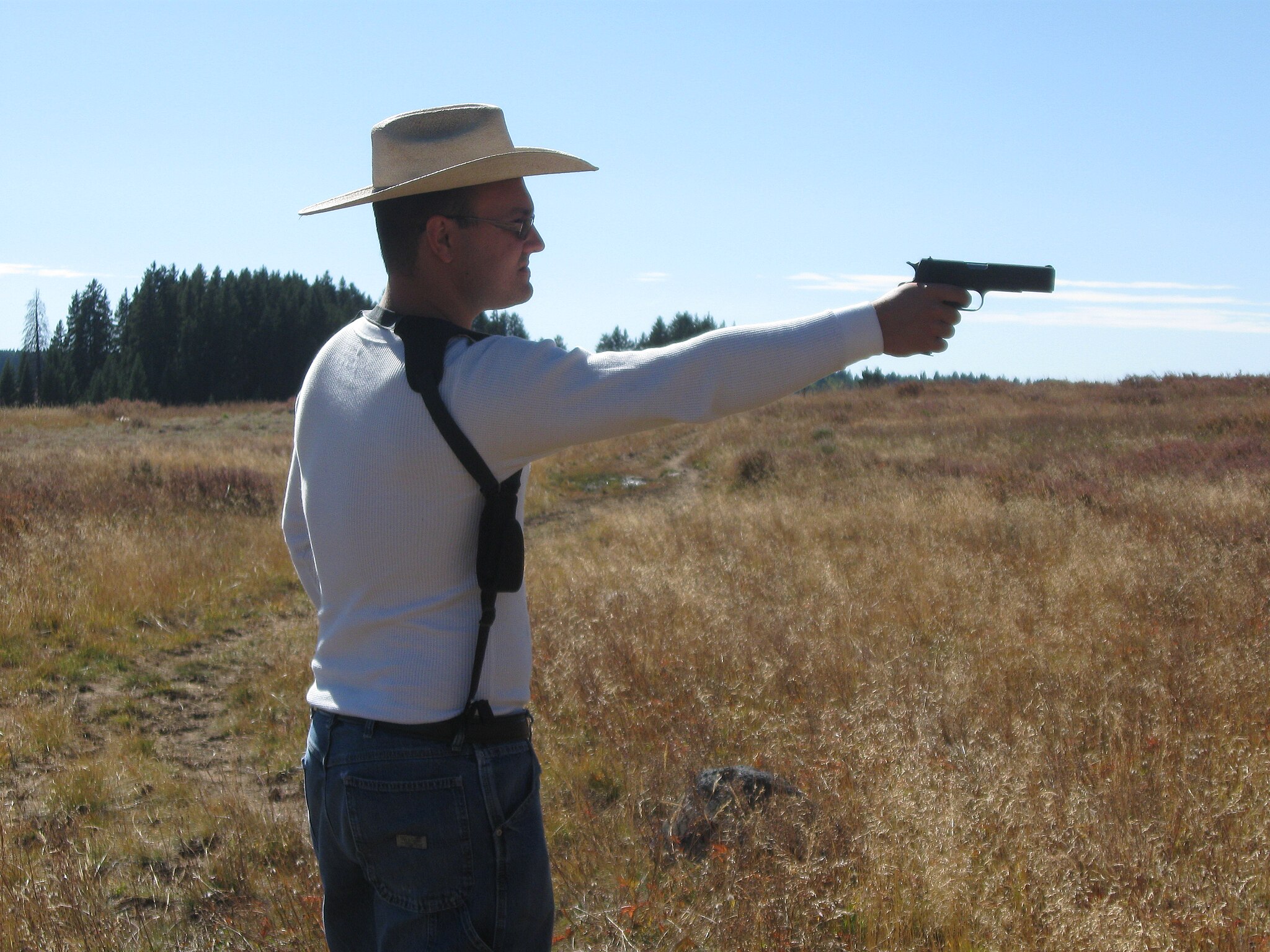
One of the Government Model’s most celebrated features is its trigger behavior. The single-action mechanism provides a consistent pull that many shooters find conducive to precision and repeatability. This predictable feel reduces variables that can disrupt sight alignment during firing. Enthusiasts often describe the trigger as contributing directly to practical accuracy rather than merely enhancing comfort. Over time, this characteristic became deeply associated with high-quality handgun performance. Even shooters accustomed to modern striker-fired systems frequently acknowledge the distinctive control advantages offered by this design. The trigger’s reputation reflects not only mechanical geometry but the way human factors interact with firearm engineering, reinforcing why the Government Model continues to influence preferences.
All Steel Stability and Balance
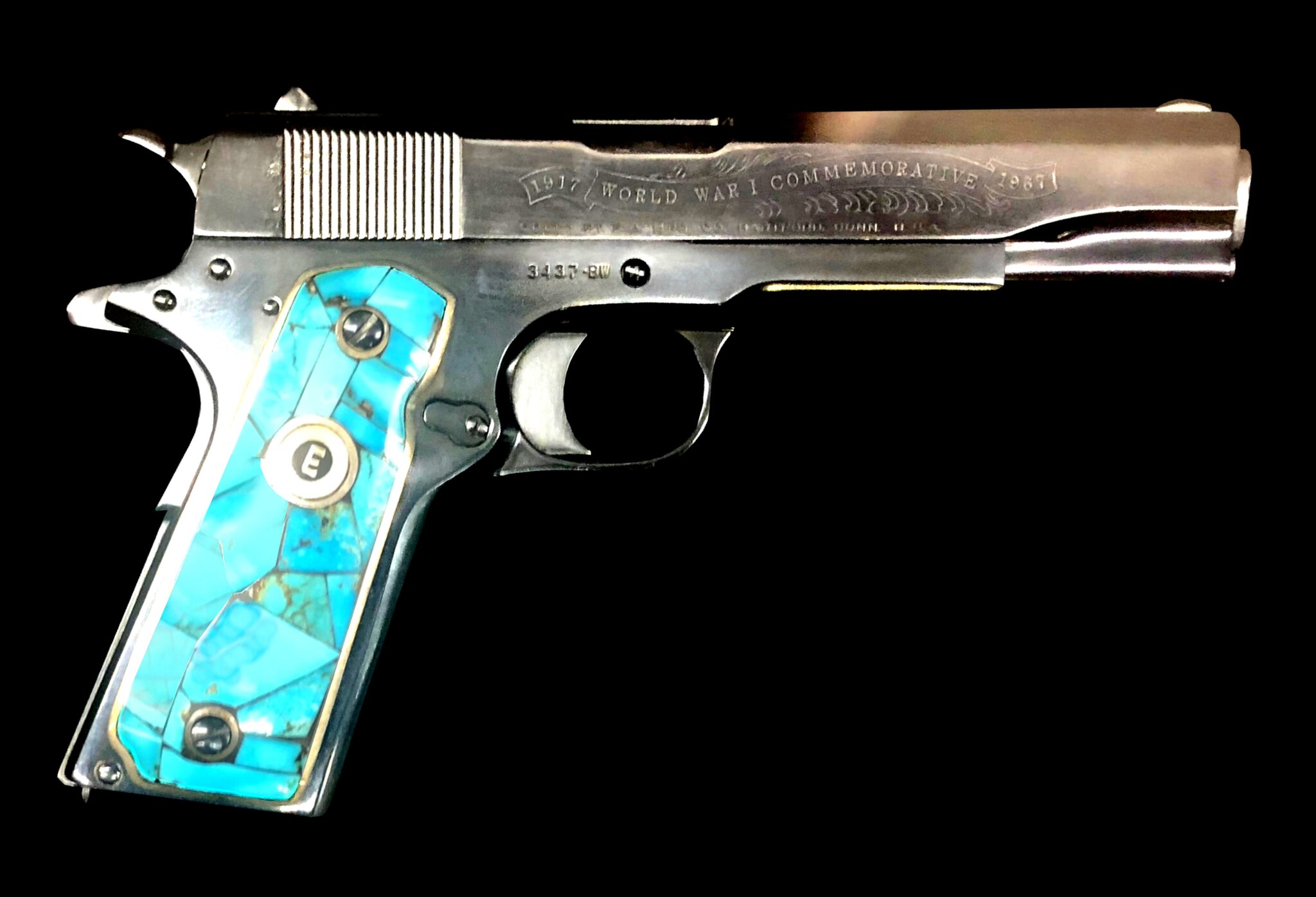
Weight, often viewed negatively in modern carry pistols, historically served as a performance advantage for the Government Model. It’s all steel construction moderates recoil and enhances shooting stability. The mass of the frame and slide helps dampen movement during firing, contributing to smoother follow-up shots. Balance across the hand supports consistent sight tracking, particularly during extended range sessions. While polymer materials prioritize portability, steel offers tactile solidity that many shooters associate with control and durability. This physical presence shapes user perception in subtle but meaningful ways. For enthusiasts who value shooting characteristics over minimal weight, the Government Model’s construction remains a compelling attribute that continues to inform comparisons with contemporary designs.
Mechanical Simplicity and Serviceability
The Government Model’s longevity owes much to its straightforward mechanical architecture. Components are accessible, widely understood, and supported by a vast ecosystem of parts and expertise. Armorers and gunsmiths have studied the platform for generations, creating a knowledge base rare in the firearms world. Maintenance, repair, and customization benefit from this accumulated familiarity. Shooters often appreciate designs that combine precision with practical serviceability, and this pistol exemplifies that balance. Its internal layout also encourages mechanical literacy, helping owners understand function and troubleshooting. In an era of increasingly complex systems, the Government Model demonstrates how clarity of design can foster both reliability and user confidence across decades of evolving firearm technology.
Ergonomics That Influenced Generations
Grip angle, control placement, and manual safety design helped the Government Model achieve intuitive handling characteristics. Its ergonomics accommodate a broad range of hand sizes while maintaining secure purchase during recoil. Many later handguns borrowed or adapted these principles, reflecting the design’s influence beyond its own lineage. Shooters frequently cite comfort and natural pointing ability as enduring strengths. These qualities are not accidental but products of careful dimensional relationships refined through extensive use. The pistol’s feel in hand often becomes part of its appeal, shaping subjective impressions of controllability and precision. Even modern firearms benefit indirectly from ergonomic lessons first popularized by this platform, illustrating its far-reaching impact.
Accuracy Through Design Stability
Practical accuracy in the Government Model stems from multiple interacting factors rather than any single innovation. Barrel lockup consistency, sight radius, and trigger behavior combine to support repeatable shot placement. Shooters often note that the design rewards disciplined technique, making it popular in competitive environments. Mechanical stability enhances confidence, particularly when firing at longer handgun distances. While technological advances introduced new accuracy solutions, this platform achieved respect through dependable performance rather than novelty. Its reputation continues to shape debates about what constitutes meaningful precision in service pistols. By emphasizing fundamentals of alignment and control, the Government Model remains a relevant reference in discussions of handgun accuracy.
Cultural and Historical Significance
Beyond technical attributes, the Government Model occupies a unique place in firearm history. Its presence in military service, law enforcement, cinema, and civilian ownership created widespread recognition. This visibility reinforced its status as more than a tool, elevating it to an enduring symbol of handgun design. Generations encountered the pistol through varied contexts, strengthening its identity across cultures and communities. Such prominence shapes perception and desirability in ways few firearms achieve. Even individuals who have never fired one often understand its reputation. The Government Model’s cultural footprint contributes to its continued relevance, illustrating how history and performance together sustain a firearm’s legacy over time.
Aftermarket and Customization Legacy
Few handguns benefit from an aftermarket ecosystem as extensive as that surrounding the Government Model. Parts availability, modification options, and specialized craftsmanship support extraordinary versatility. Shooters can tailor triggers, sights, finishes, and internal components to match individual preferences. This adaptability fosters long-term ownership and sustained enthusiasm. Entire industries emerged around refining and personalizing the platform, reinforcing its influence within the firearms community. Custom builds often serve as expressions of both technical appreciation and personal identity. The pistol’s design lends itself to such modification without sacrificing functional integrity. This unique combination of standardization and flexibility continues to attract enthusiasts seeking both tradition and personalization.
Enduring Relevance in Modern Contexts
Despite shifts toward lighter materials and higher capacity designs, the Government Model remains a respected presence. Its continued production and use reflect enduring appreciation for its shooting characteristics and historical pedigree. Many shooters view it as a benchmark rather than a relic, valuing its consistency and mechanical transparency. Modern preferences may differ, yet comparisons persist because the platform established foundational expectations. Its influence extends into training philosophies, competitive disciplines, and design language across the handgun market. The Government Model’s survival illustrates how proven engineering can coexist with innovation. More than a century after its introduction, it still defines discussions surrounding the .45 ACP standard.