
Debates about firearm ownership often drift toward accumulation, yet quantity rarely improves outcomes. More equipment can increase complexity, cost, and risk without strengthening readiness. Research on accidents and misuse consistently highlights human factors over inventory size. Skills, judgment, and accountability shape safety far more than collections. Communities that emphasize education, secure storage, and responsible culture report better results. Shifting focus from numbers to fundamentals reframes preparedness. The discussion below explores why stacking firearms falls short and where attention delivers meaningful gains, prioritizing training, storage, decision making, and community responsibility over unchecked accumulation and safety outcomes.
Training Over Inventory
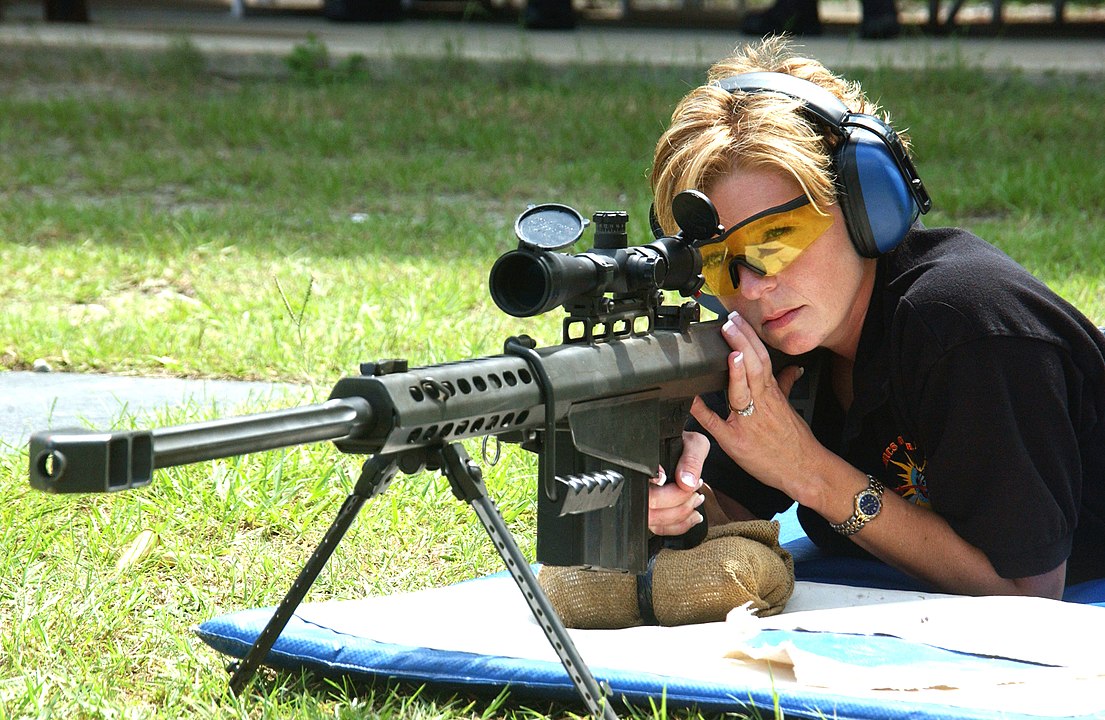
Training creates capability, confidence, and restraint that equipment alone cannot supply. Regular practice builds familiarity, safe handling habits, and stress management. Instruction clarifies laws, ethical responsibilities, and avoidance strategies. Without training, additional firearms add cognitive load and maintenance burdens. Experienced instructors emphasize repetition, feedback, and scenario awareness. Fitness and first aid complement marksmanship by improving endurance and emergency response. Time invested in learning compounds over the years. Fewer tools, mastered thoroughly, outperform larger arsenals managed casually, especially when conditions demand calm judgment, coordination, and adherence to safety protocols across diverse environments and evolving responsibilities for owners.
Secure Storage And Access Control
Secure storage reduces accidents, theft, and misuse while protecting households and communities. Quality safes, locking devices, and thoughtful placement limit unauthorized access. Storage choices should reflect household composition, local risks, and legal requirements. Organization and documentation prevent confusion during emergencies. Regular audits ensure locks function and inventories remain accurate. Insurance and serial records aid recovery if theft occurs. Investing in storage often delivers greater safety benefits than buying another firearm. Responsible access planning balances readiness with prevention, reinforcing trust and accountability for families, neighbors, institutions, and workplaces under varied circumstances over time periods in nationwide contexts.
Decision Making And De-Escalation
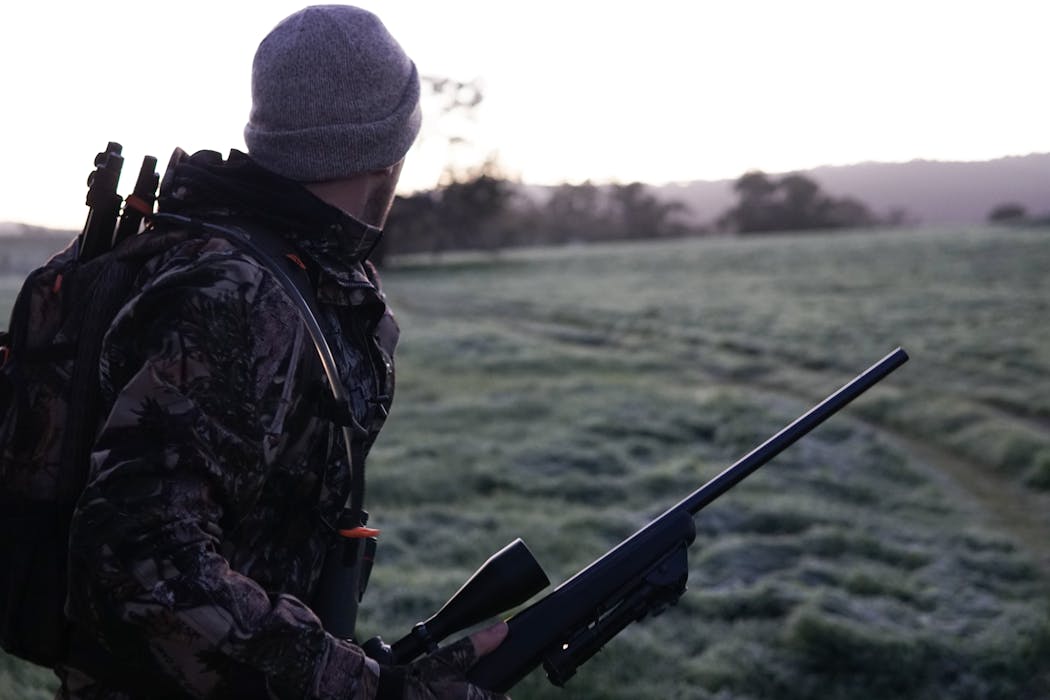
Sound decision-making matters more than inventory during moments of uncertainty. De-escalation, situational awareness, and restraint prevent harm before tools become relevant. Clear rules for engagement, avoidance, and retreat guide behavior under stress. Planning emphasizes recognizing warning signs and choosing safer alternatives. Mental rehearsal supports composure. Additional firearms cannot substitute for judgment shaped by training and values. Focusing on prevention reduces the likelihood of catastrophic errors. Prepared individuals prioritize safety margins, communication, and exit options, aligning actions with legal and ethical standards across workplaces, public spaces, homes, and unpredictable social situations during crises nationwide and globally.
Community Standards And Accountability
Community norms shape outcomes by setting expectations for behavior and responsibility. Programs promoting education, reporting, and support strengthen collective safety. Partnerships with instructors, retailers, and civic groups reinforce best practices. Transparency and accountability discourage risky behavior. Fewer purchases paired with higher standards improve trust. Data collection and evaluation guide improvements. When focus shifts from accumulation to stewardship, benefits extend beyond individuals. Emphasizing culture over counts aligns incentives with safety, legality, and respect, producing durable improvements without escalating risk for communities, institutions, families, and policymakers navigating complex societal challenges with shared responsibility goals and sustained outcomes.
Maintenance And Familiarity

Consistent maintenance preserves reliability and safety more effectively than adding equipment. Cleaning, inspection, and function checks prevent malfunctions that cause accidents. Familiarity with a limited set of tools improves muscle memory and reduces errors. Documentation of maintenance schedules supports accountability. Spare parts, proper lubrication, and safe transport matter. Owners who understand wear patterns anticipate failures early. Time spent maintaining core equipment strengthens readiness. Expanding collections often dilutes attention and increases neglected items. Focused care ensures dependable performance when needed, reinforcing safety through knowledge, routine, and respect for mechanical limits across changing conditions and environments over extended ownership periods.
Legal Knowledge And Responsibility
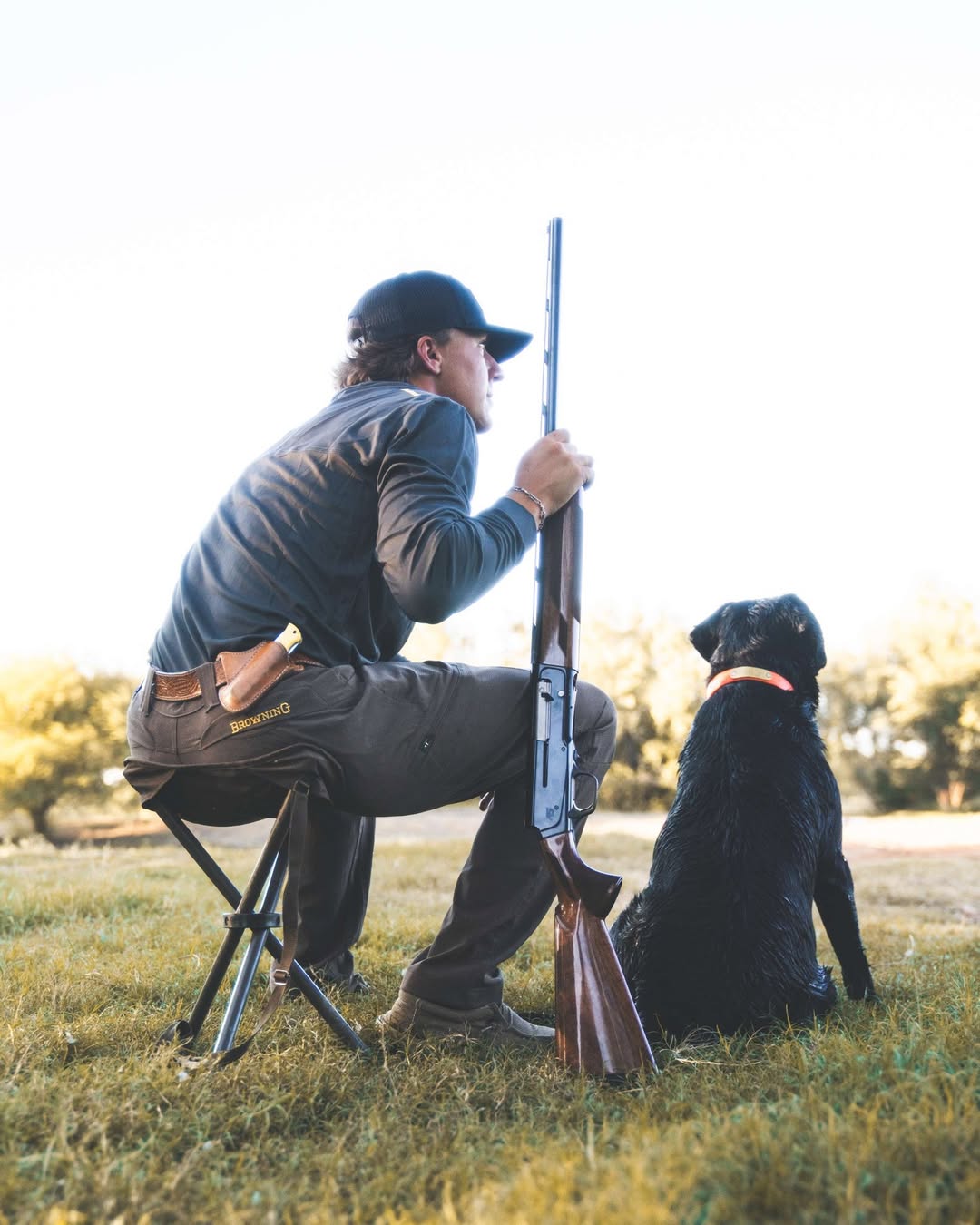
Understanding laws and regulations shapes responsible ownership more than expanding collections. Jurisdictions vary on storage, transport, use, and reporting. Staying current prevents costly mistakes and legal exposure. Education clarifies obligations during travel, emergencies, and transfers. Ethical responsibility extends beyond compliance to community impact. Clear boundaries guide decisions under pressure. Ignorance amplifies risk regardless of inventory size. Owners who prioritize legal literacy demonstrate stewardship and credibility. Emphasizing responsibility fosters trust with authorities and neighbors, supporting safer environments without escalation, confusion, or unintended consequences across diverse contexts and evolving policy landscapes nationwide and locally.