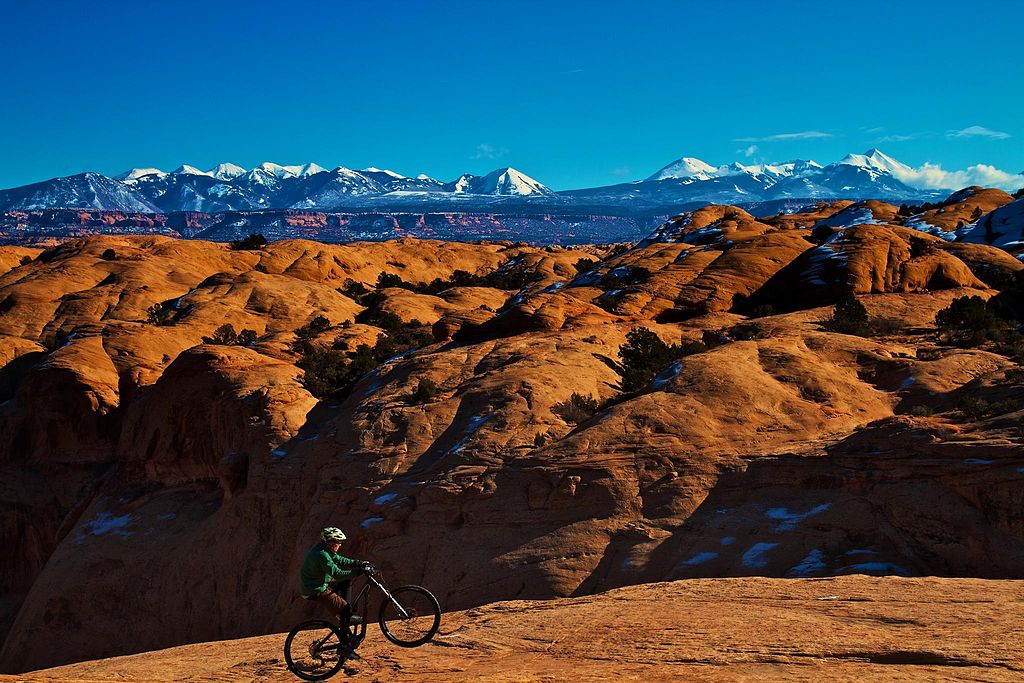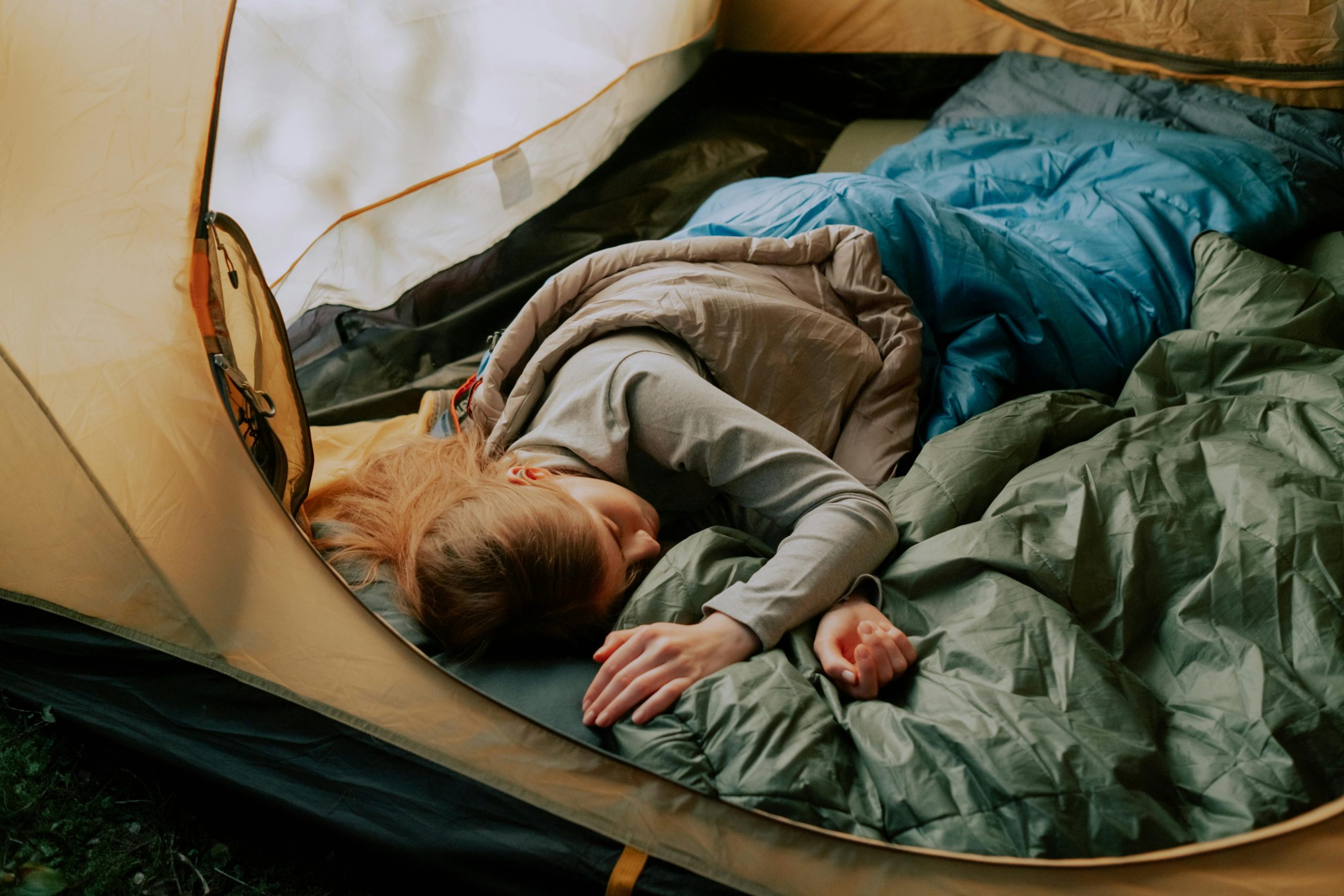
Sleeping bags often perform differently depending on the climate, and many people notice that a bag perfect for the Rockies becomes uncomfortable or nearly unusable in the Southern states. The Rockies offer cool, dry, and predictable mountain air, while the South brings warm nights, heavy humidity, and ground heat that changes how insulation behaves. Understanding these contrasts helps campers pick the right gear and avoid long, sweaty, restless nights outdoors.
Drastic Humidity Differences Between Regions
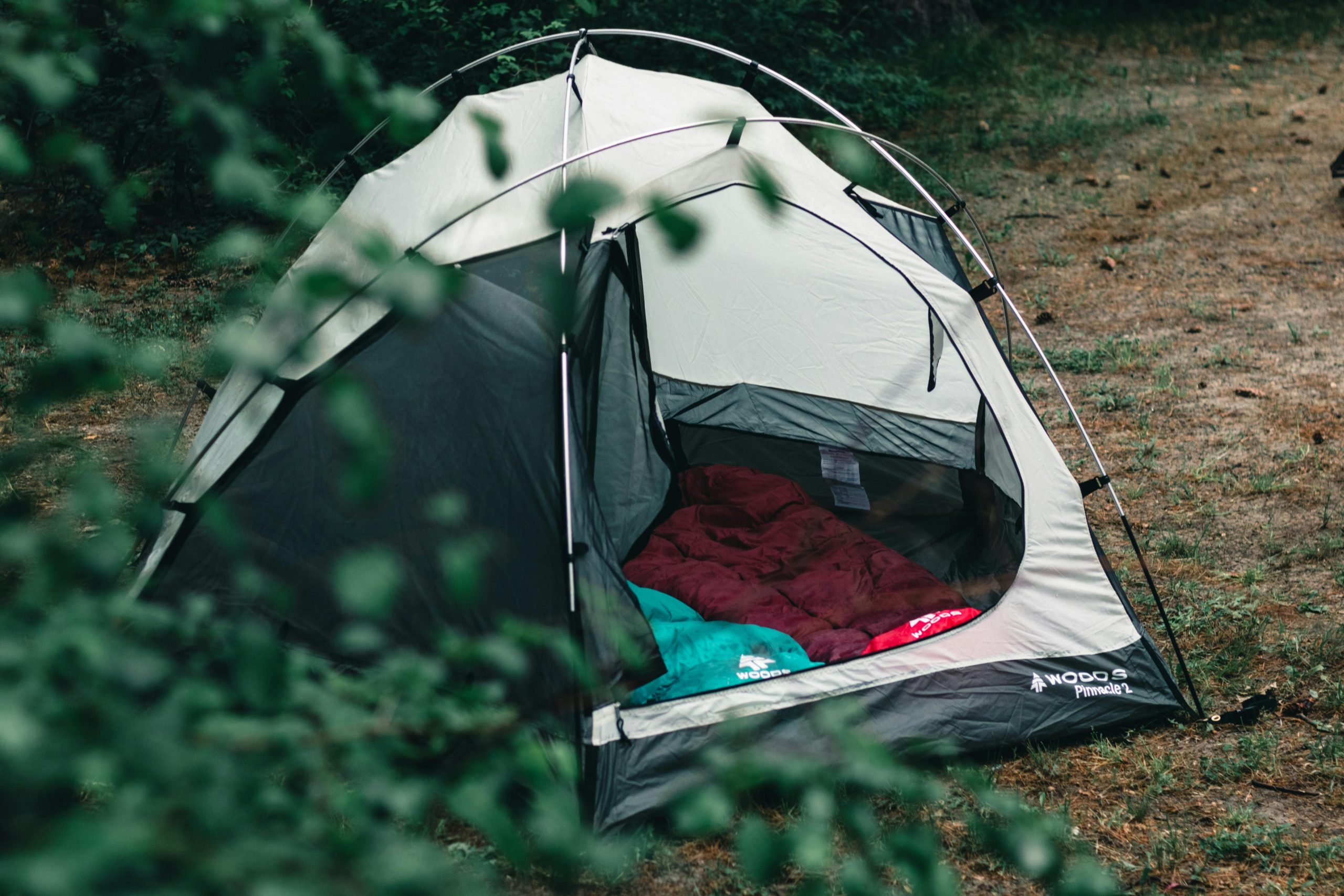
Humidity shapes how a sleeping bag feels on your skin. The Rockies have crisp, dry air that lets sweat evaporate fast, which keeps the body comfortable inside an insulated bag. In the South, thick humidity traps heat close to the skin and slows cooling, turning a warm-rated bag into a sticky cocoon. Even breezy nights feel heavier, and insulation that once felt cozy can suddenly feel suffocating in the moist Southern atmosphere.
Down Insulation Performs Best in Dry Mountain Air
Down excels in cold and dry climates because its loft stays full and fluffy. In the South, moisture in the air causes the feathers to clump, reducing warmth and airflow. This makes the bag feel damp and heavy even when the weather is mild. Without steady airflow and low moisture, down insulation struggles to breathe, which leads to discomfort throughout the night. The results vary sharply from the Rockies’ ideal dry conditions.
Synthetic Insulation Trades Breathability for Moisture Control
Synthetic bags handle moisture better than down, which makes them technically suitable for humid regions. The issue comes from the way synthetic fibers trap heat. On Southern nights, the insulation holds warmth too well and can feel stuffy, even with the zipper open. The bag may protect against moisture, but still overheat the user. What feels helpful during mountain storms can become overwhelming in warm, humid air closer to sea level.
Temperature Ratings: Ignore Real World Conditions
Sleeping bag ratings are tested in dry, controlled environments that do not reflect how humidity or sweat affects comfort. A 40-degree bag in the Rockies often matches its rating because the dry air helps regulate body heat. In the South, the same rating feels inaccurate since humidity and warm ground temperatures add extra warmth. Campers can feel too hot even when the thermometer matches the bag’s label, causing restless and sweaty nights.
Ventilation Design Matters Much More in the South
Bags designed for the Rockies focus on sealing in warmth with draft tubes and snug collars. Southern campers need airflow, not tight insulation. Many mountain-oriented bags lack proper vents or breathable fabrics, so unzipping them still traps heat inside. Southern humidity also prevents the fabric from releasing moisture efficiently. Without mesh panels or strategic zippers, the sleeper ends up caught in warm air with no natural way to cool off.
Ground Temperature Changes the Whole Sleeping Experience
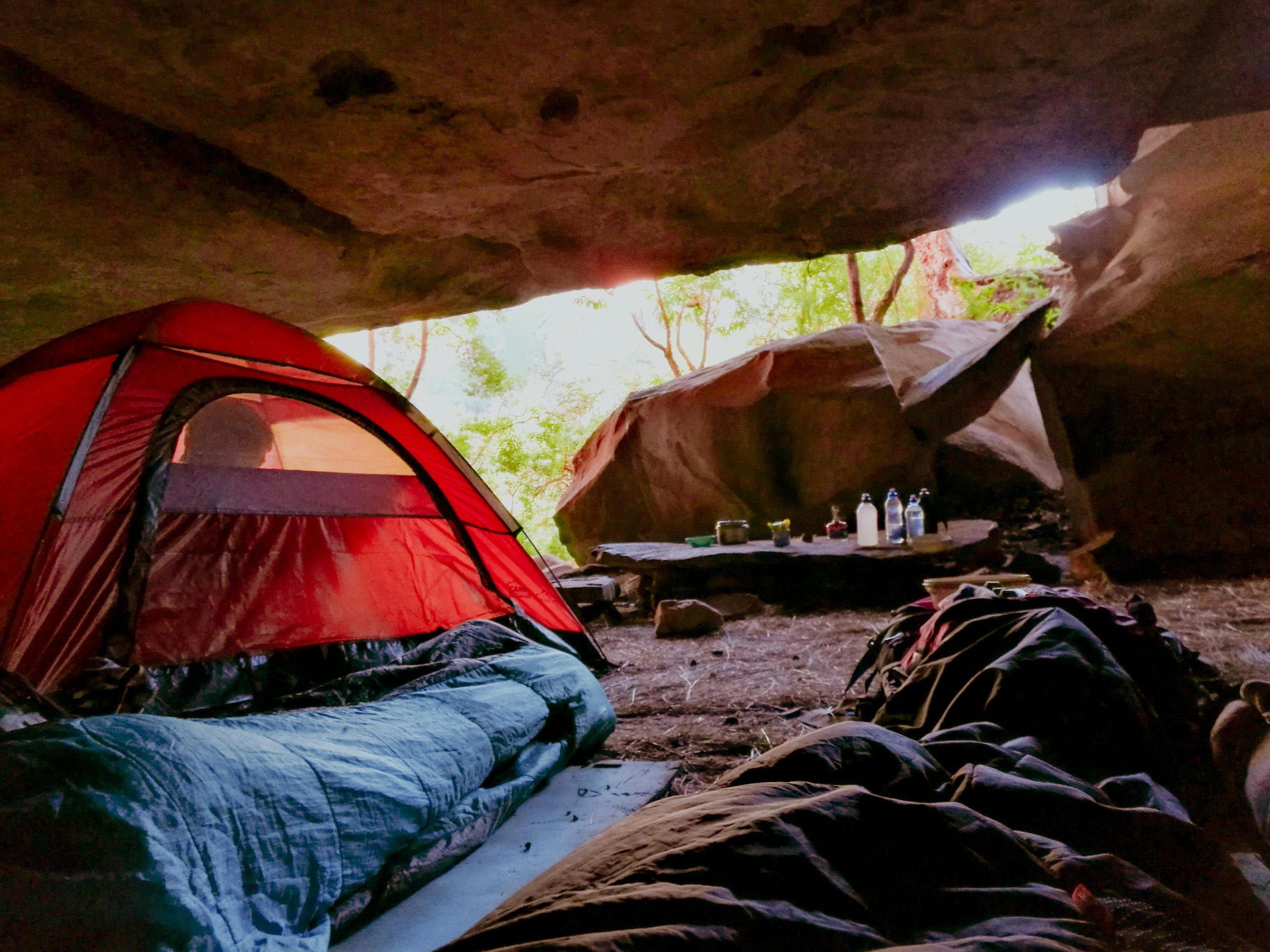
In the Rockies, cold ground pulls heat from the body fast, so insulated sleeping bags feel balanced and efficient. In the South, the ground often stays warm long after sunset. This radiates upward and heats the sleeping bag from below, creating a warm pocket that defeats the purpose of insulation. Even thin pads may not block the heat fully. The warmth beneath your body adds to the heat inside the bag, creating discomfort quickly.
Sweat Accumulates Faster in Humid Conditions
In dry climates, sweat evaporates fast and rarely pools inside the sleeping bag. In the South, sweat lingers on the skin and saturates the fabric. Once insulation absorbs moisture, it stops breathing and begins to feel sticky. This leads to a cycle of sweating, heat buildup, and more sweating. Even a cool breeze cannot fix the issue because humid air prevents the natural release of moisture, making the bag feel damp and heavy.
Fabric Breathability Changes Dramatically With Moisture
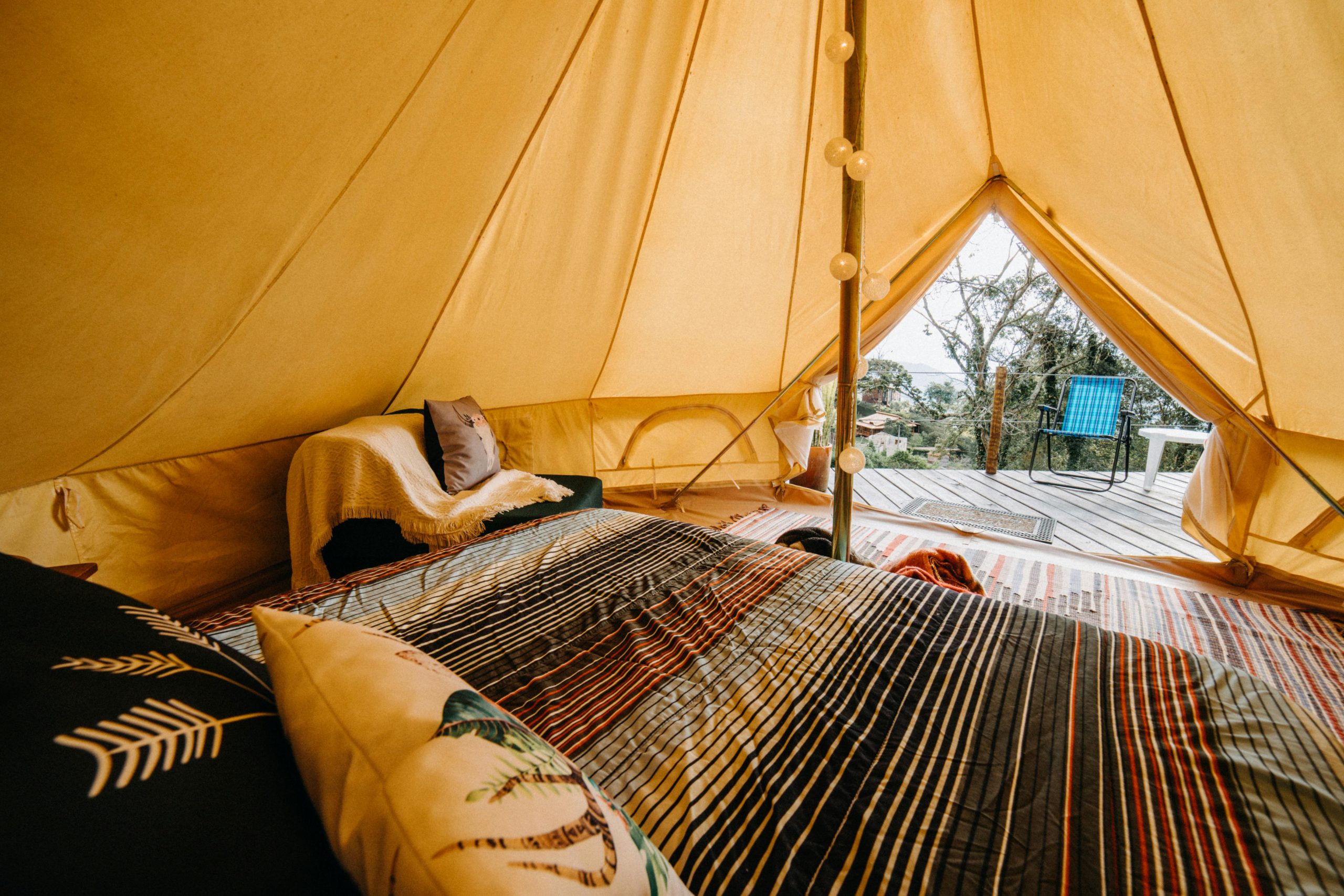
Sleeping bag fabrics breathe well in dry air, which is why they perform nicely in the Rockies. In the South, the same fabrics struggle because humidity blocks airflow through the fibers. As the sleeper warms up, the material traps heat and sweat, creating a muggy pocket inside the bag. Certain fabrics soften with moisture and cling to the skin, which adds to the discomfort. What felt smooth in mountain air can feel sticky in the South.
Body Temperature Reacts Differently in Humid Climates
Human bodies cool themselves through evaporation, which works well in the dry Rockies. In the South, sweat barely evaporates, and the skin stays wet longer. Because the body cannot cool itself efficiently, a warm-rated sleeping bag becomes too much to handle even on mild nights. Moist heat tricks the body into feeling hotter than it is, and a bag designed to retain warmth becomes a source of constant overheating and discomfort.
Bugs Influence How People Use Sleeping Bags

In the Rockies, high altitude and lower humidity keep bugs to a minimum, allowing campers to sleep partially unzipped. In the South, mosquitoes, no-see-ums, and biting flies force campers to seal their bags tightly or use extra covers. Closing the bag traps heat that has no escape path, which quickly leads to sweating and restlessness. Without built-in mesh vents or breathable openings, the confined environment becomes warm and muggy.