Packing for a hike often feels like a balancing act between preparedness and restraint. Many hikers assume carrying more gear always increases safety, yet experienced guides and rescue teams frequently see the opposite result. Overloaded packs strain the body, slow decision making, and increase the likelihood of accidents on the trail. Extra items can create a false sense of security that discourages skill development and situational awareness. Understanding how overpacking introduces physical and mental risks helps explain why lighter, intentional packing often leads to safer hiking experiences, especially in changing weather, difficult terrain, or long distances.
Physical Strain Increases Injury Risk
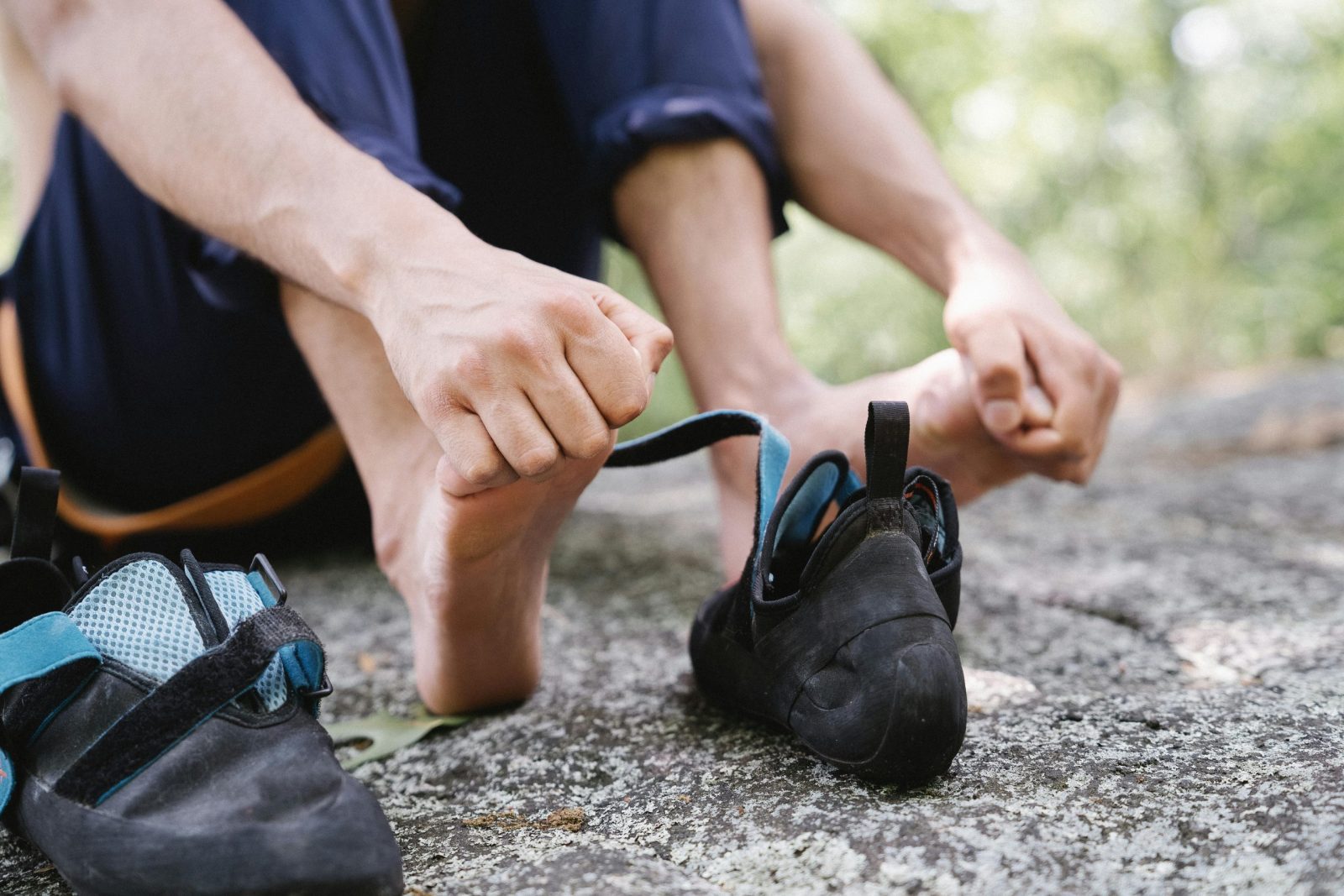
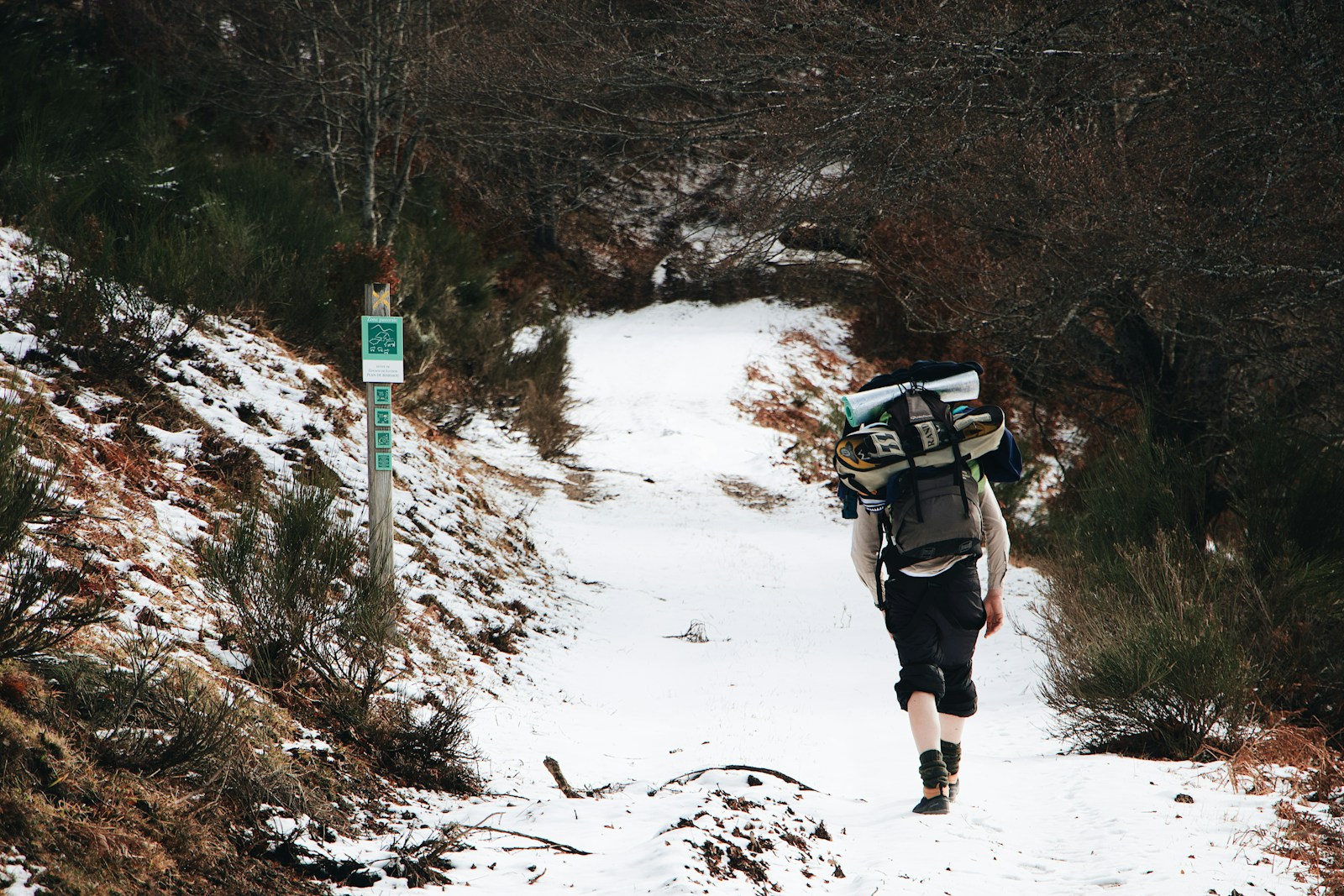
Physical strain is one of the most immediate dangers of overpacking. Heavy loads alter posture, stress joints, and accelerate fatigue, particularly on uneven or steep trails. Studies on backpack ergonomics show increased risk of knee injury and muscle strain as pack weight rises. Slower movement also increases exposure to heat, cold, or storms. When exhaustion sets in, balance and reaction time decline. This combination raises fall risk and makes simple obstacles more hazardous. Carrying only essential weight supports endurance and stability, allowing the body to respond more effectively to environmental challenges during extended backcountry travel.
Mental Fatigue Impairs Decision Making
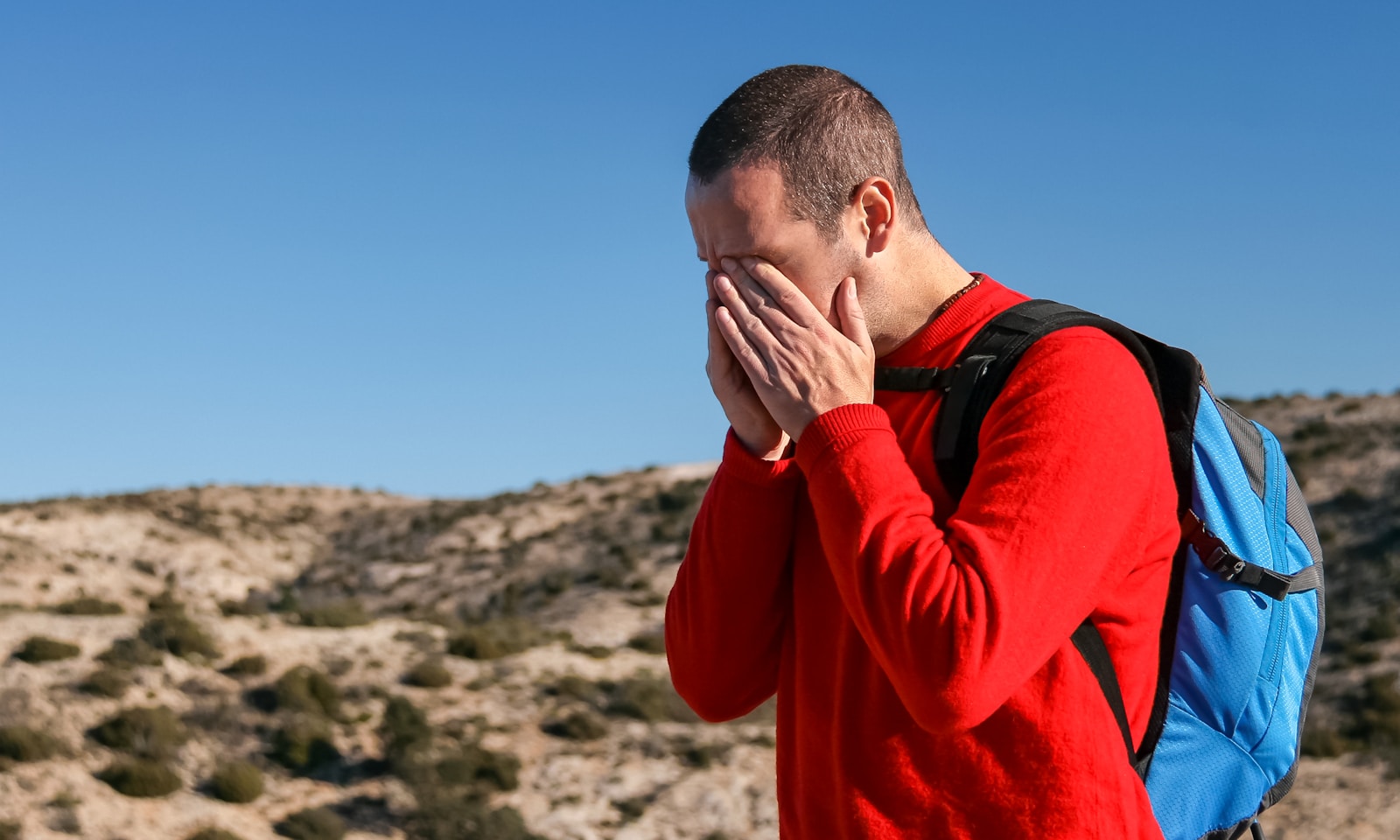
Mental fatigue often follows physical overload, creating dangerous judgment errors. A heavy pack demands constant attention to discomfort, distracting from navigation, weather assessment, and trail conditions. Decision making suffers as energy drains, leading to poor route choices or delayed responses to hazards. Search and rescue reports frequently note that exhausted hikers miss obvious signs or push past safe limits. Overpacking can also reduce willingness to stop and reassess because removing and repacking gear feels burdensome. A lighter load preserves mental clarity, supporting better awareness and timely decisions when conditions change unexpectedly during remote hiking situations.
Reduced Mobility During Emergencies
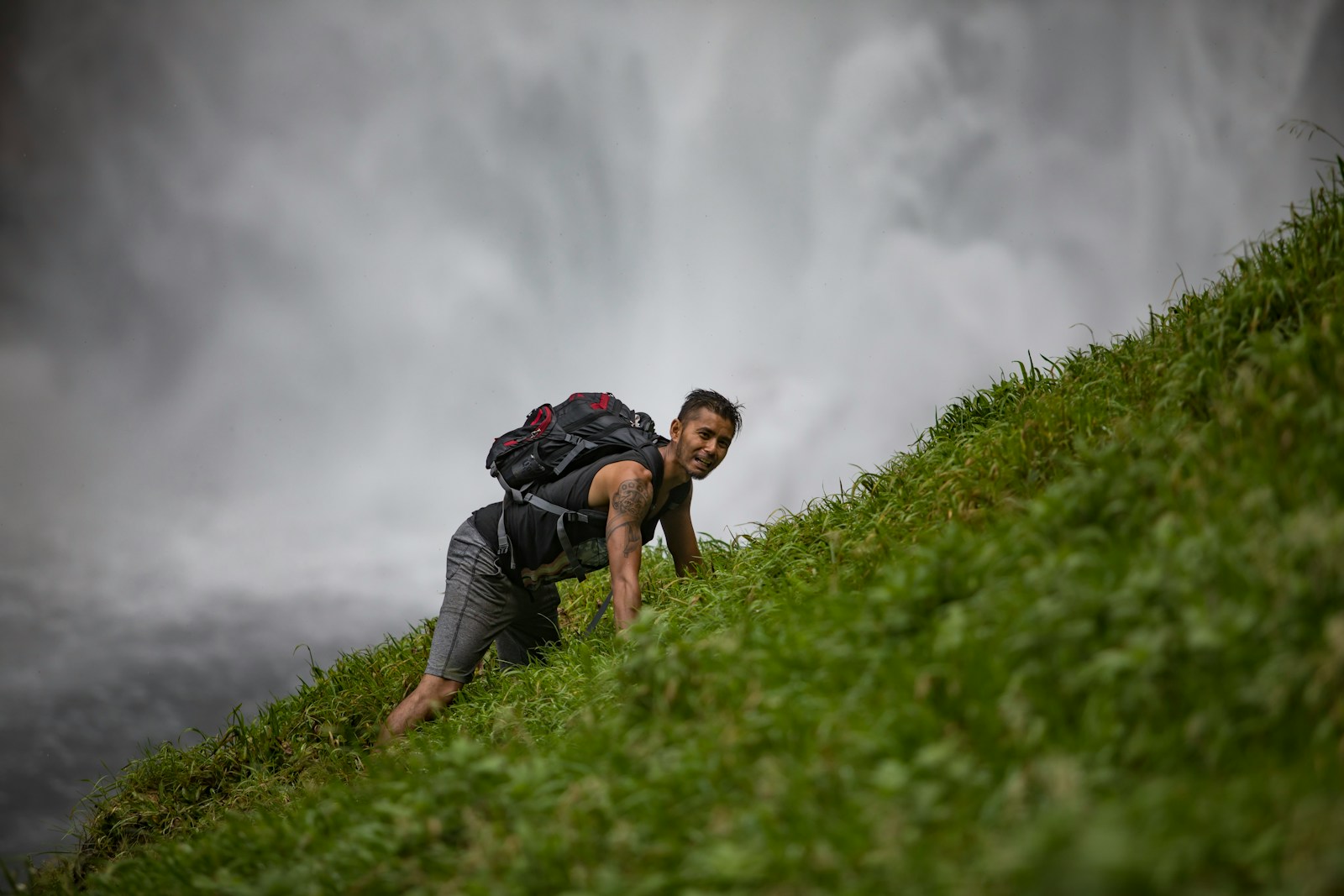
Overpacking can limit mobility during emergencies, when speed and flexibility matter most. Extra weight slows progress during sudden weather shifts, rising water crossings, or wildlife encounters. Bulky packs also complicate scrambling, descending steep slopes, or maintaining balance on narrow trails. In some cases, hikers abandon gear to escape danger, losing critical supplies in the process. Emergency response experts emphasize mobility as a key survival factor. Carrying a streamlined pack allows quicker movement, easier maneuvering, and more controlled responses when unexpected situations demand immediate action under physically demanding outdoor conditions that test endurance and awareness constantly.
Excess Gear Replaces Essential Skills
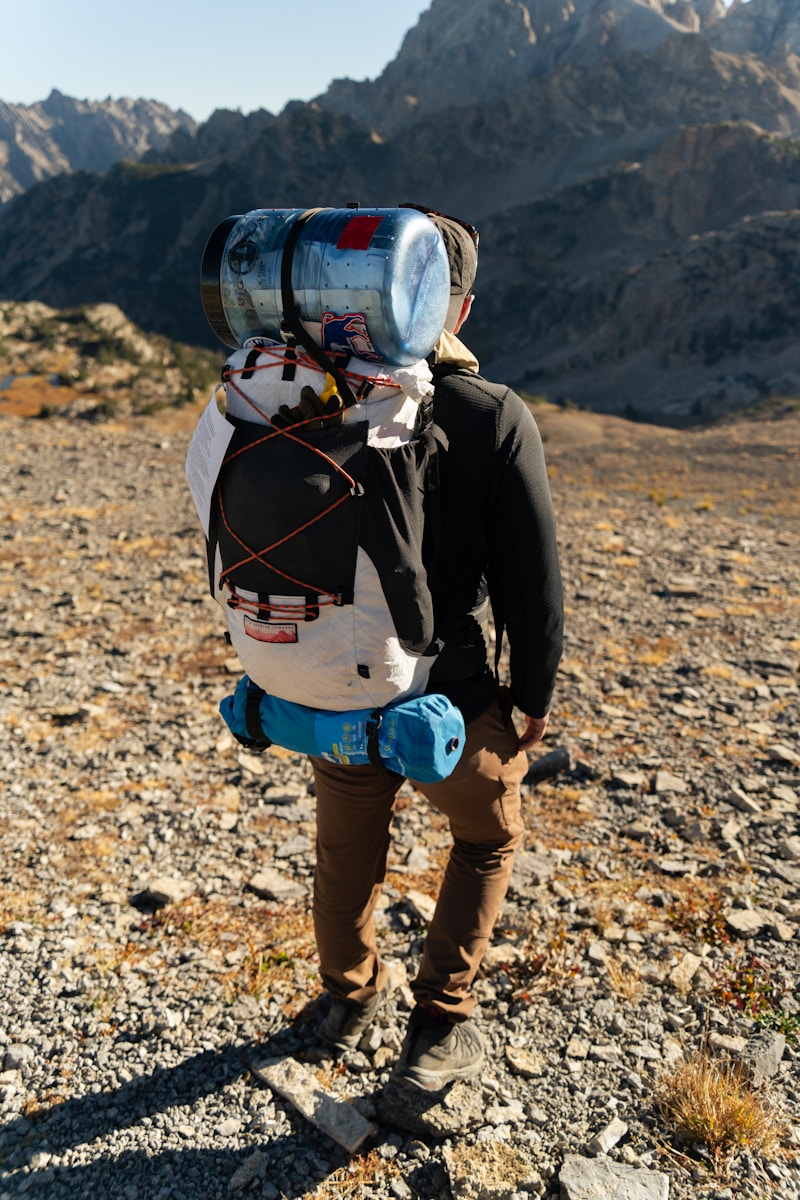
Excess gear often replaces skill development, which increases risk over time. Relying on equipment instead of navigation knowledge, weather reading, or pacing strategies creates vulnerability when items fail. Batteries die, tools break, and conditions exceed expectations. Experienced hikers prioritize competence over quantity, selecting gear that complements practiced skills. Overpacking may feel reassuring, yet it discourages learning efficient techniques. A thoughtful packing approach focuses on versatility and familiarity. This balance reduces dependence on excess items and supports confident, adaptable responses throughout a hike across varied terrain, weather, and endurance challenges commonly faced outdoors during longer trips.
Slower Pace Increases Exposure to Risk
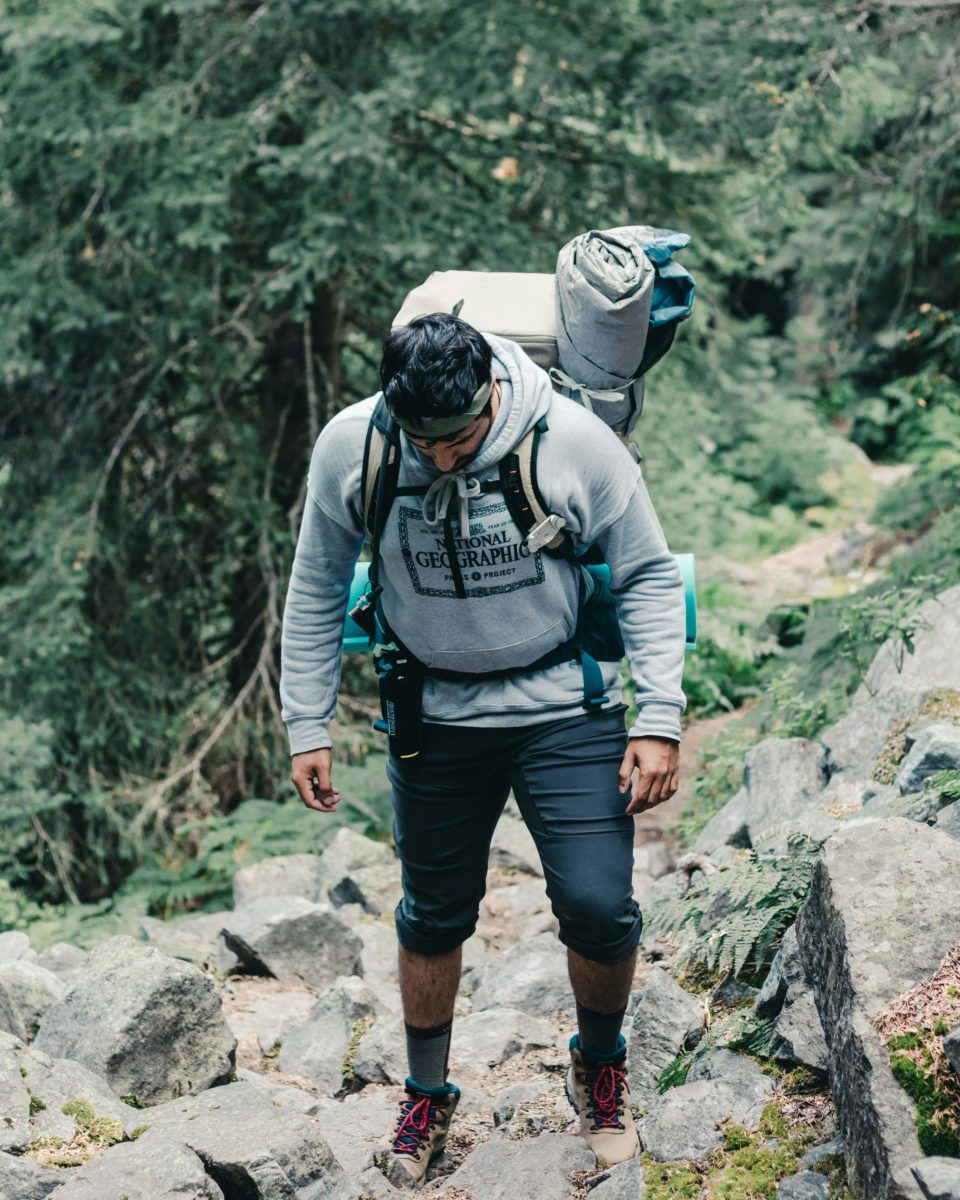
Carrying an overloaded pack often forces hikers to move more slowly than planned, increasing exposure to environmental hazards. Longer travel times raise the likelihood of encountering heat exhaustion, sudden storms, or darkness before reaching a safe stopping point. Delays can also complicate water management and calorie needs, especially on longer routes. Rescue data shows that many incidents occur late in the day when fatigue and fading light combine. A slower pace reduces flexibility to adjust plans when conditions shift. Maintaining a manageable load supports steady progress, better timing, and safer margins throughout the hike.