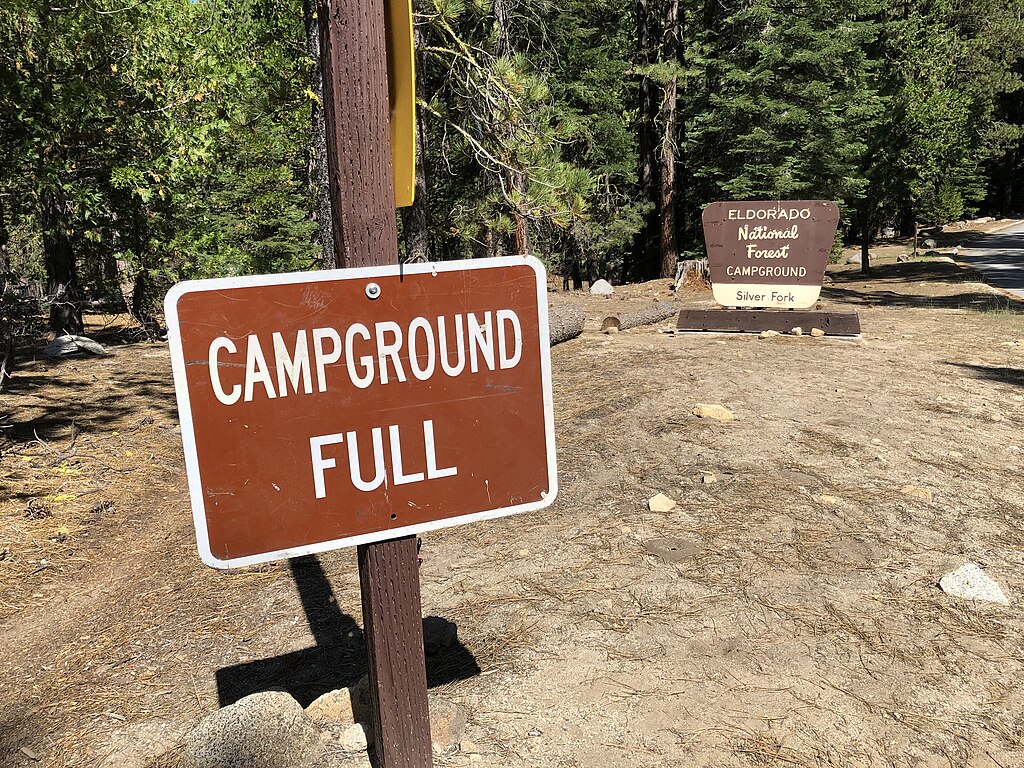
Across the country, wildlife agencies are rethinking long-standing hunting traditions, and baiting deer has become one of the most debated issues. While some hunters argue it helps manage herds and increases ethical shot placement, state officials increasingly see the practice as a contributor to disease spread, unnatural behaviour patterns, and stressed ecosystems. As populations grow and hunting pressure shifts, more states are tightening restrictions to protect both deer and habitat health. Below are ten key reasons behind this nationwide push, explained in detail to show why regulations continue to evolve.
Rising Concerns About Chronic Wasting Disease
Many states are tightening baiting rules due to growing fears about Chronic Wasting Disease, which spreads more easily when deer gather in unnaturally close groups. Bait piles create consistent contact points where saliva and other bodily fluids can accumulate, increasing the risk of transmission. Wildlife agencies worry that even small bait sites can serve as long-term contamination zones. With CWD expanding into new regions, states prefer precautionary restrictions instead of waiting for outbreaks that would be harder and more costly to control.
Unnatural Deer Congregation Creates Higher Infection Rates
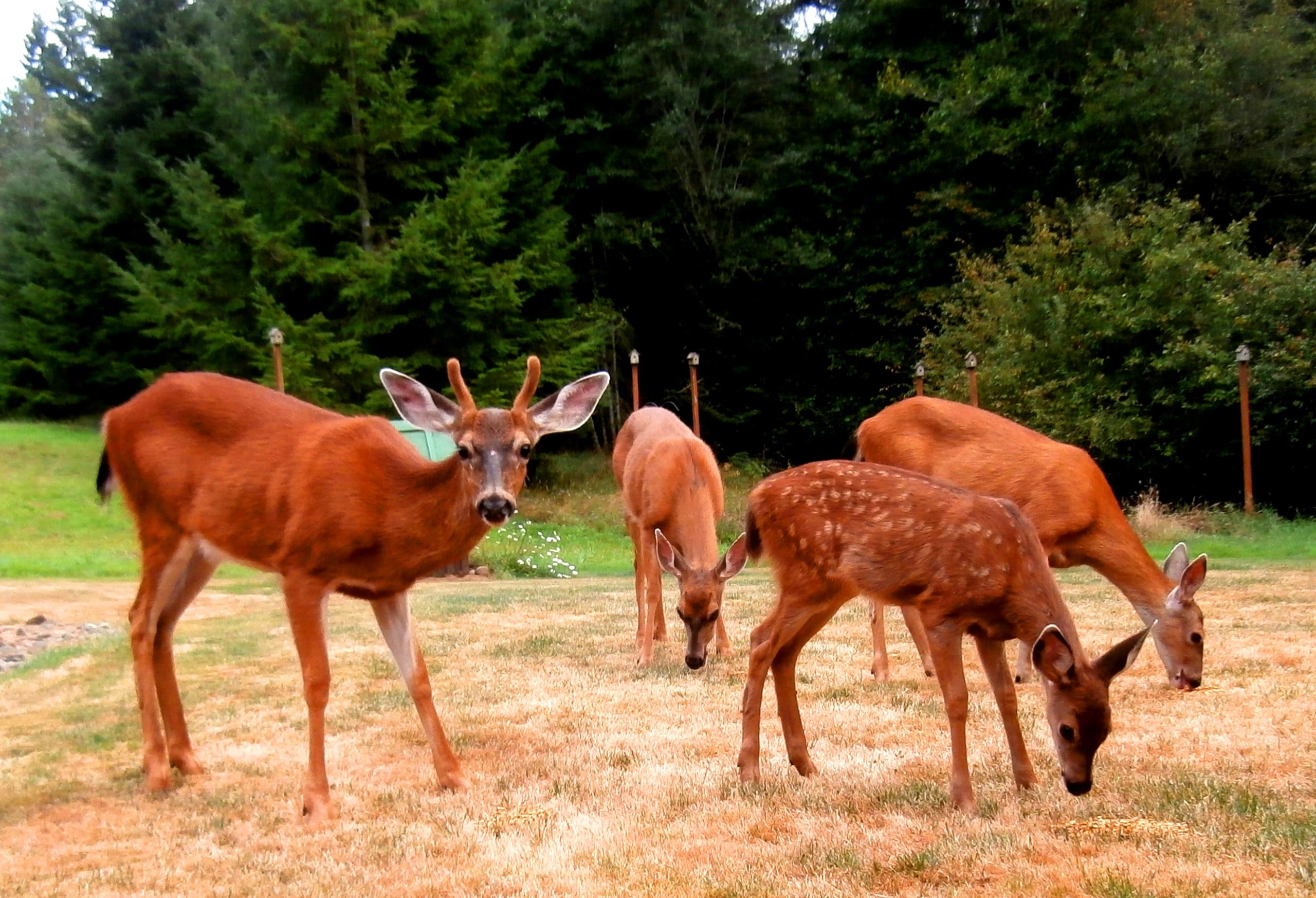
When food is concentrated in one location, deer tend to gather in larger numbers than they naturally would. This crowding not only increases disease transmission but also heightens stress and aggressive behaviour among animals competing for limited resources. States are tightening baiting laws because these conditions create faster infection cycles, especially during peak movement seasons. By reducing artificial gathering points, agencies hope to encourage healthier spacing, allowing herds to interact more naturally and reducing the likelihood of widespread biological issues.
Habitat Damage Around Bait Sites Is Becoming a Larger Problem
Repeated visits to bait sites often lead to trampled vegetation, disturbed soil, and damaged native plants. Over time, these areas can turn into barren patches that invite erosion and disrupt surrounding ecosystems. States see habitat protection as a priority, especially where deer numbers are already high, and human development is expanding. By limiting bait use, officials aim to reduce localised environmental degradation and encourage deer to forage across broader landscapes, supporting healthier plant diversity and more balanced ecological patterns.
Increased Human–Wildlife Conflict Near Residential Areas
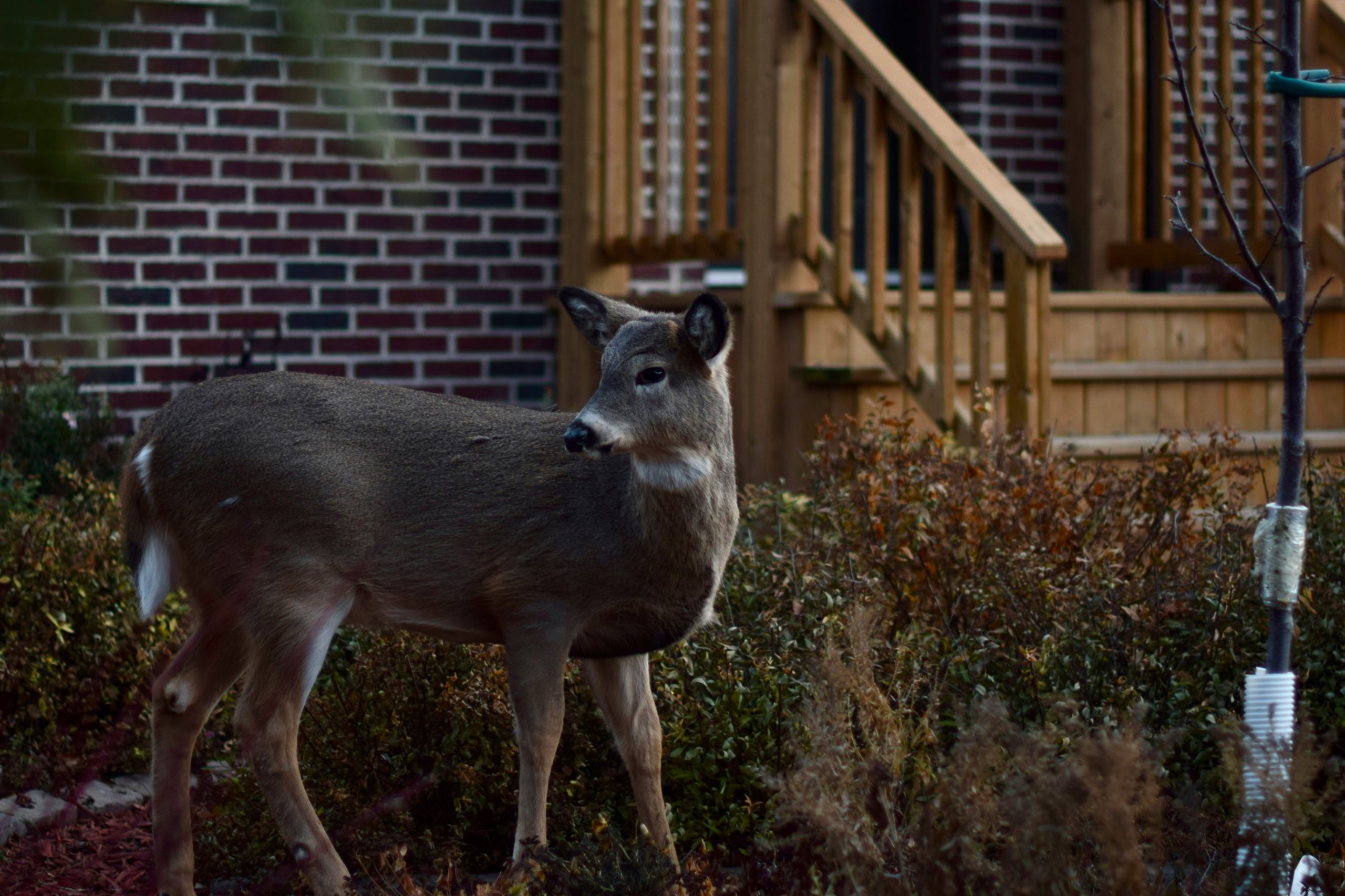
Some states have noticed that baiting encourages deer to spend more time near homes and agricultural fields, leading to an uptick in vehicle collisions, garden damage, and conflicts with property owners. When deer learn that food sources are predictable and human-provided, they often lose their natural wariness. Unsurprisingly, this raises frustration for homeowners and pushes states to implement stricter rules. Reducing baiting helps discourage deer from frequenting populated areas, improving safety while encouraging more natural movement across wild terrain.
Concerns Over Unfair Chase and Ethical Hunting Practices
States tightening baiting restrictions often cite concerns that concentrated food sources can make hunting feel less fair and more like controlled harvesting than true fieldcraft. While many hunters view baiting as a tool, regulators argue it may reduce the need for traditional skills such as tracking, reading terrain, or understanding wind patterns. The goal is not to penalise hunters but to preserve ethical standards that reflect the spirit of fair chase. By limiting baiting, states hope to maintain hunting traditions rooted in skill and respect.
Inconsistent Regulations Create Enforcement Challenges
Wildlife agencies have found that patchwork regulations across counties or regions make enforcement difficult. When some areas allow baiting, and others prohibit it, wardens spend more time verifying boundaries than ensuring compliance. This inconsistency also confuses hunters who travel between jurisdictions. States are tightening rules to create clearer, statewide standards that reduce misunderstandings and streamline enforcement. Uniform restrictions make it easier for officers to monitor activity while giving hunters a straightforward set of expectations regardless of where they hunt.
Overreliance on Baiting Reduces Natural Foraging Behaviour
Officials worry that habitual baiting encourages deer to depend on artificial food rather than on diverse, natural foraging. This reliance may reduce movement, limit nutrient variety, and contribute to imbalanced herd health. States tightening their rules believe that minimising baiting helps restore more natural feeding patterns, which boosts plant regeneration and strengthens overall ecosystems. By encouraging deer to spread out and browse naturally, agencies aim to support healthier populations and reduce long-term ecological disturbances linked to repeated bait placement.
Baiting Can Skew Population Surveys and Management Plans
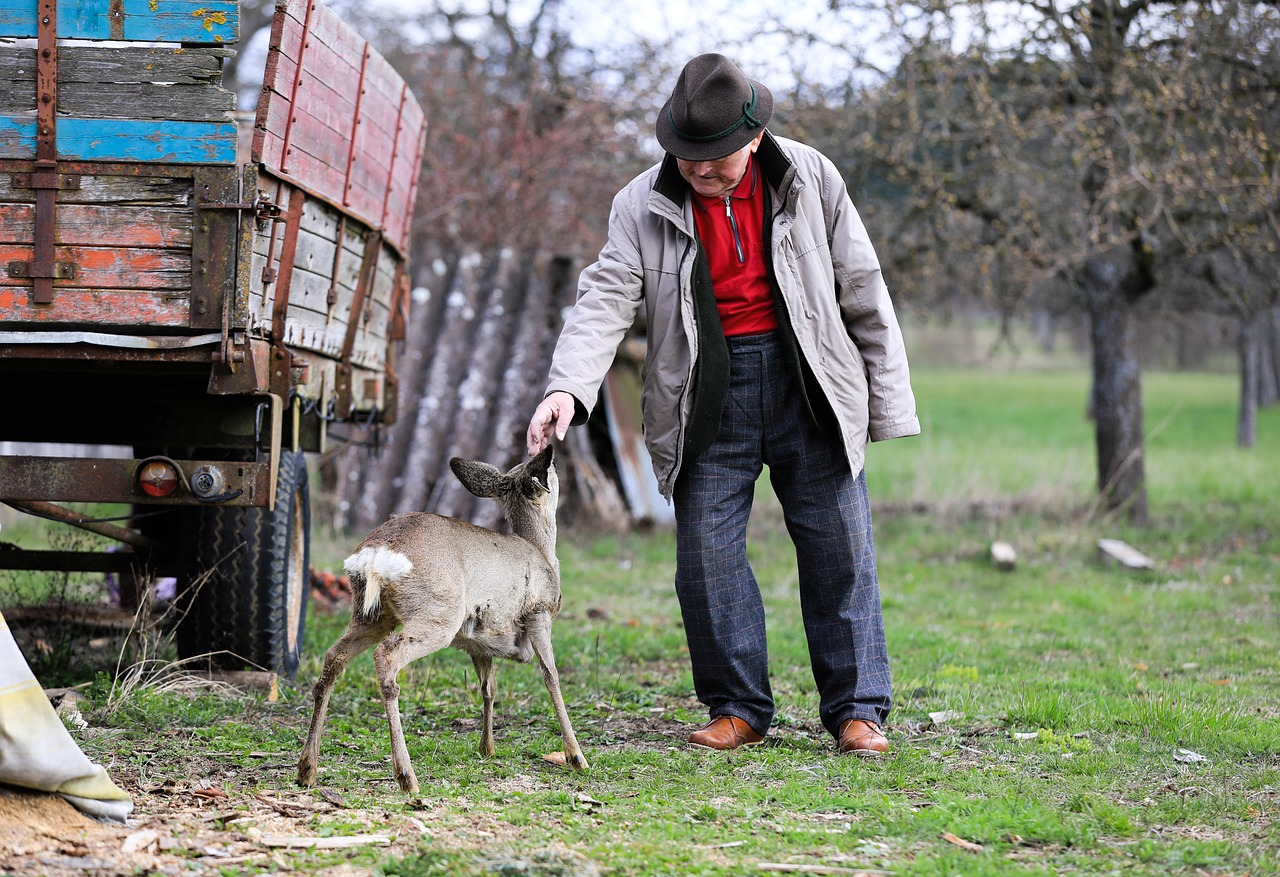
Many states rely on accurate surveys to set hunting quotas, but baiting can distort population data when deer cluster near food sources. Large gatherings may lead officials to believe herds are denser than they really are, complicating management decisions. Tightening baiting rules helps maintain more reliable counts, ensuring that harvest targets match the true condition of local populations. Without artificial feeding influencing deer distribution, agencies can make better-informed decisions that support sustainable wildlife management across the landscape.
Growth of Supplemental Feeding Compounds the Problem
As supplemental feeding becomes more popular, some hunters unintentionally create long-term baiting sites that continue to draw deer even outside the hunting season. This year-round influence disrupts natural movement and can pull animals into areas where they face more risk from predators or vehicles. States tightening baiting rules aim to reduce the cumulative effects of these unintentional feeding hotspots. By controlling such practices, officials hope to maintain predictable wildlife patterns and reduce the ecological stress caused by continuous human-provided food.
Public Pressure Is Increasing for Stronger Wildlife Protections
As more people engage in wildlife watching, outdoor recreation, and conservation advocacy, states face growing pressure to prioritise ecological health over convenience-based hunting methods. Public opinion plays a larger role in shaping regulations, and many communities want to see wildlife managed with long-term sustainability in mind. Tightening baiting rules aligns with these values by reducing disease risks, protecting habitats, and supporting more natural behaviours. States adopting strict policies often cite both scientific research and community expectations when updating their regulations.