Public land still carries enormous symbolic weight in American hunting culture. But in practice, a growing share of hunters are deciding that the romance is no longer enough.
Public land still matters, but the experience has changed
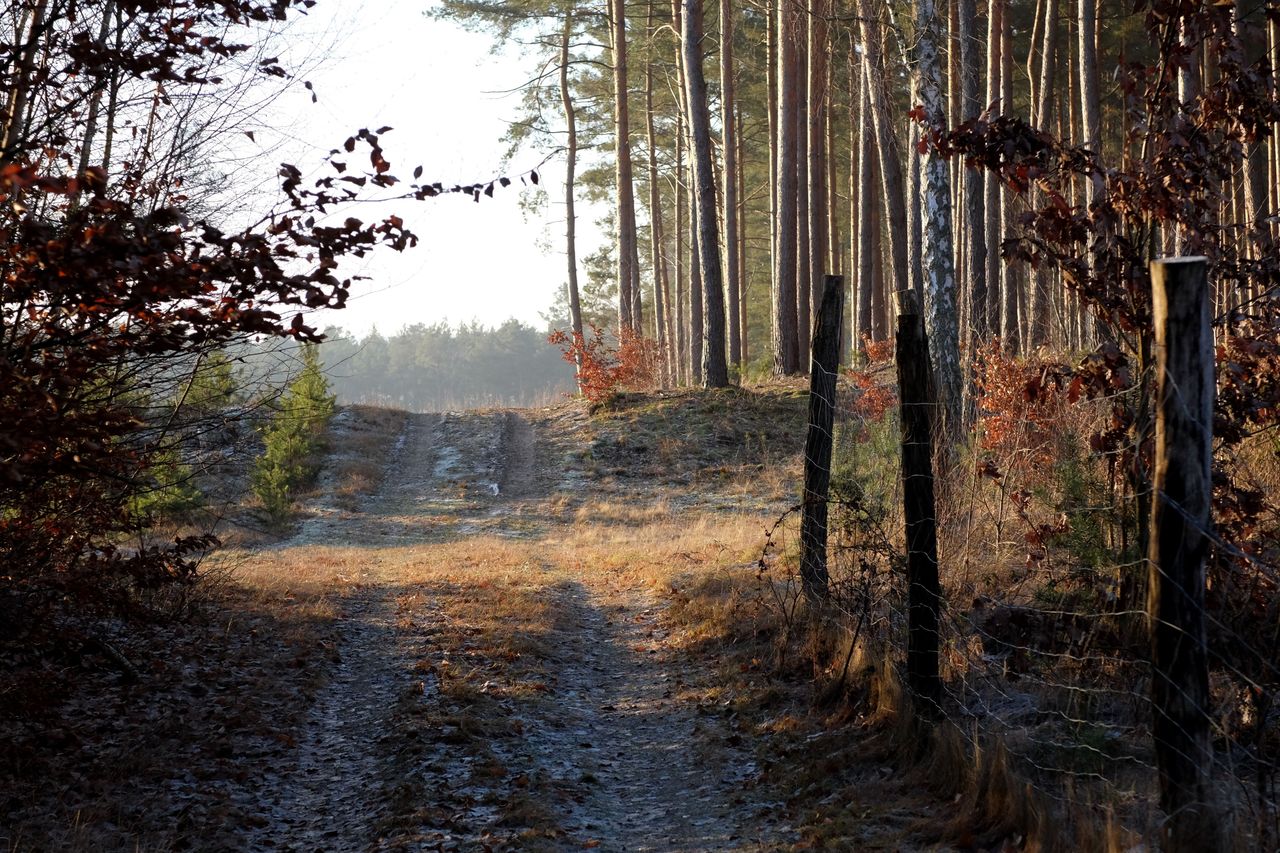
For generations, public land represented the democratic promise of hunting: if you had the tag, the skill, and the grit, you had a place to go. That ideal still resonates, especially in the West, where federal ownership remains vast and public access is woven into hunting identity. Yet the lived experience on the ground has become more complicated, and many hunters now view public land less as a default home base and more as a backup plan. The problem is not that public ground has lost all value. It is that the cost in time, uncertainty, and competition keeps rising.
The long arc of this shift is not new. A U.S. Fish and Wildlife Service analysis of private and public land use found a national trend away from public land hunting over the last decades of the 20th century, with the movement especially pronounced among big-game hunters. That same analysis showed that private land hunters tended to specialize in private access, while most public land hunters also hunted private ground when they could. In other words, even hunters strongly associated with public land often treated it as only part of a broader access strategy.
Recent research suggests that access frustrations have only deepened. A major National Shooting Sports Foundation and Responsive Management report found that hunters’ ratings of access to land dropped from 56% excellent or good in 2010 to 47% in 2021. The same study showed more hunters reporting problems tied to development, travel distance, unclear maps and signs, road closures, poor trail maintenance, and the cost of access. Those are not abstract complaints. They are the kinds of friction points that turn a hopeful trip into a wasted weekend.
Crowding is one of the most powerful drivers in that equation, even when it is not the only one. The same report found increasing concern over public land management, closures, and competing uses, all of which shape how crowded a place feels. A tract does not need wall-to-wall trucks at the trailhead to feel saturated; sometimes a handful of visible hunters, pressure on game, and limited legal entry points are enough to convince people to leave. Once that perception sets in, hunters start looking for control, predictability, and solitude elsewhere.
The private-land option offers what many hunters now value most
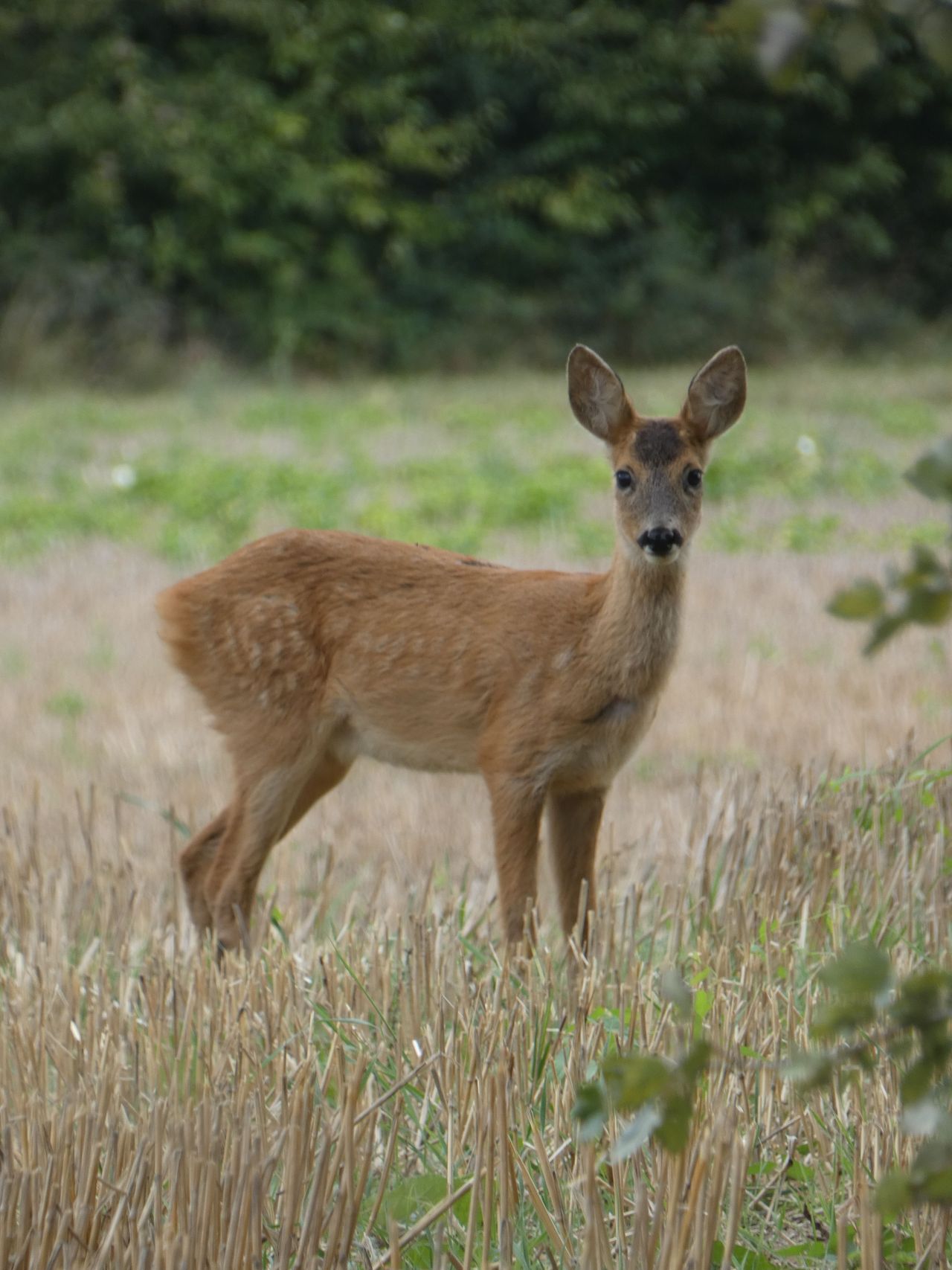
Private access answers a basic question public land often cannot: what are the odds this trip unfolds the way I planned? For hunters balancing work schedules, youth seasons, school calendars, and rising travel costs, certainty has become its own form of value. A private parcel, a family farm, a seasonal lease, or a managed club can provide a level of predictability that public ground rarely matches. Hunters may still love the challenge of public land, but many no longer want every part of the outing to feel uncertain.
That preference shows up in both behavior and economics. According to the U.S. Fish and Wildlife Service, hunting in the United States has long occurred mostly on private land, and by 2001 far more hunting days were logged on private ground than on public ground across major categories including big game, small game, and migratory birds. The same analysis found that private-land-only hunters paid a disproportionately large share of land ownership and leasing costs, indicating that a meaningful segment of the hunting public was already willing to spend real money to secure a better experience.
More recent economic work reinforces that point. A U.S. Forest Service study in Georgia found that hunting trips to leased and personally owned land generated more than twice the net benefit per trip of nonleased private land or public land. That does not mean public land has no value. It means hunters often perceive leased or owned access as producing better outcomes relative to the effort, expense, and stress involved. In practical terms, the hunter paying for a lease may be purchasing time efficiency, lower competition, safer logistics, and a stronger sense of control as much as game opportunity itself.
There is also a social dimension that matters. On private land, hunters are less likely to worry about a stranger setting up on the same field edge at dawn or hiking through a carefully scouted drainage. They can manage expectations, coordinate with landowners, and sometimes improve habitat directly. For parents bringing children, older hunters with limited mobility, or newcomers who need room to learn, those advantages can outweigh the emotional pull of public ground. The result is a subtle but powerful realignment: hunters increasingly prioritize quality of access over the mythology of access.
Access problems are not just about acreage, but about usable acreage
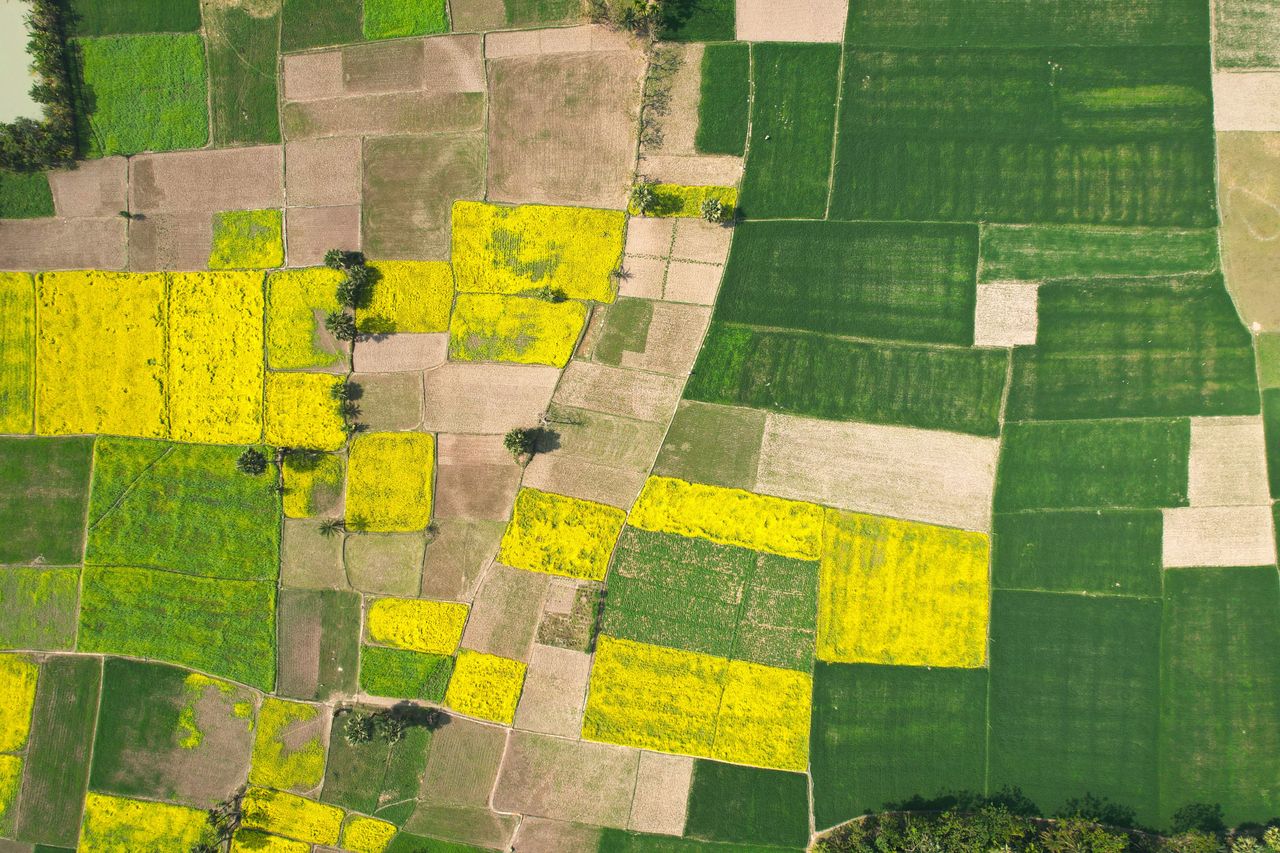
One of the biggest misunderstandings in the public-land debate is the assumption that more acres automatically mean more opportunity. On paper, the United States still has enormous public holdings, and conservation groups rightly defend them as essential. But usable access is what shapes hunter behavior, not map-scale abundance. If hunters cannot legally and practically reach a parcel, or if access points funnel everyone into the same narrow corridor, the land may as well be much smaller than advertised.
This is especially visible in the problem of landlocked public land. onX and its access reports have helped quantify how large the issue has become. The company’s recent reporting says 16.2 million acres of public land are inaccessible to the public, including 8.3 million acres of corner-locked land in the West. In a separate regional report, onX identified 174,000 acres of public land in parts of the South with no permanent legal access. These figures help explain why hunters can feel boxed out even in states celebrated for public ownership.
Private access programs partly compensate for that gap, but they also reveal the scale of the problem. onX’s Private Land, Public Access report estimates that roughly 30 million acres across 27 states are open through programs that enroll private land or leased public land for hunter use. In Idaho, Montana, and Wyoming, those programs unlock more than 1.26 million acres of otherwise inaccessible public land by effectively creating temporary bridges across enrolled private property. That is an ingenious workaround, but it is still a workaround, not a permanent solution.
Kansas offers one of the clearest examples of why hunters respond so strongly to these systems. The state’s Walk-In Hunting Access program provides more than 1 million acres annually, according to Kansas regulations, and onX reports that Kansas hunters have about 4.5 acres of available private access per licensed hunter through the program, roughly triple the acreage per hunter available on public land. When a temporary, incentive-based private access system delivers a less crowded and more usable experience than formal public acreage, hunters notice. Over time, many stop thinking in terms of public versus private ideology and start thinking in terms of whichever ground is actually huntable.
Technology, land markets, and rural change are speeding up the shift

Hunters are not making these choices in the same environment their parents did. Digital mapping, boundary data, and app-based scouting have made land ownership patterns more transparent than ever. That has helped hunters avoid trespass and find overlooked spots, but it has also exposed just how fragmented access really is. When you can see every parcel boundary, every checkerboard pattern, and every blocked route on a phone screen, the limits of public opportunity become harder to ignore and easier to compare against private alternatives.
At the same time, private access has become more organized and more commercial. Fee hunting is hardly new; USDA’s Economic Research Service noted years ago that some landowners were already marketing hunting opportunities as a source of farm income and wildlife habitat investment. What has changed is the professionalism and visibility of the market. In many regions, especially where deer, waterfowl, or upland birds attract strong demand, leases are now treated as a regular revenue stream rather than a casual side arrangement. Rising land values and competition for rural properties only intensify that trend.
Landowner attitudes matter too. U.S. Forest Service research found that owners who prioritize hunting on their property, post their land, or worry about privacy are less likely to provide public access. Another Forest Service study on the cost of acquiring public hunting access found that compensation matters, but so do concerns about hunting quality, property damage, and future ownership plans. For hunters, that means the old model of simply knocking on doors and asking permission has become less reliable. The private landscape is increasingly managed, monetized, or closed.
Meanwhile, the demographics and geography of hunting continue to complicate public access. The U.S. Fish and Wildlife Service has long noted that the availability of public land varies sharply by region, with the West far better supplied than many eastern population centers. Hunters in the East and South often face a different equation altogether: less nearby public ground, more fragmented private ownership, and heavier pressure on the public parcels that do exist. In those places, leaving public land behind is not always a luxury decision. Often, it is a response to a map that never offered much room in the first place.
Why the trend is likely to continue unless access improves dramatically
Nothing in the current landscape suggests this movement will slow on its own. If anything, the infrastructure around private access is getting stronger. Walk-in programs are expanding in importance, not fading. The National Shooting Sports Foundation report found hunter participation in walk-in access programs rose from 29% in 2010 to 35% in 2021, while agencies and nonprofits have continued pushing such models as practical tools for reducing crowding and expanding opportunity. USDA’s Voluntary Public Access and Habitat Incentive Program remains central to that effort, and the agency says the program received $52 million in 2026 funding to help states and Tribes open private land for public recreation.
That federal support is important, but it also underscores the deeper reality: policymakers increasingly see private land as essential to solving access problems that public land alone cannot solve. The Theodore Roosevelt Conservation Partnership has argued that lack of access remains the largest barrier to participation, and state and federal programs are responding accordingly. When the system designed to preserve hunter access depends more heavily on subsidizing entry onto private ground, hunters receive a clear market signal about where opportunity is moving.
Culturally, the shift may prove self-reinforcing. New hunters brought in through mentored experiences, leases, preserves, farm permission, or walk-in programs may never build the emotional attachment to public land that older generations had. They may see hunting less as a test of endurance on crowded public terrain and more as a managed experience built around efficient time use, dependable habitat, and lower conflict. That does not make them less authentic. It means their expectations were formed in a different access economy.
Public land will remain indispensable to American hunting, especially for western big-game hunters, budget-minded do-it-yourself hunters, and anyone committed to the ideal of open opportunity. But ideals do not erase friction. As long as hunters face crowding, inconsistent entry, inaccessible parcels, rising travel costs, and stronger private-market alternatives, more of them will keep drifting away from public ground. The trend is not driven by a loss of affection for public land. It is driven by a hardening conclusion that affection alone no longer makes it work.