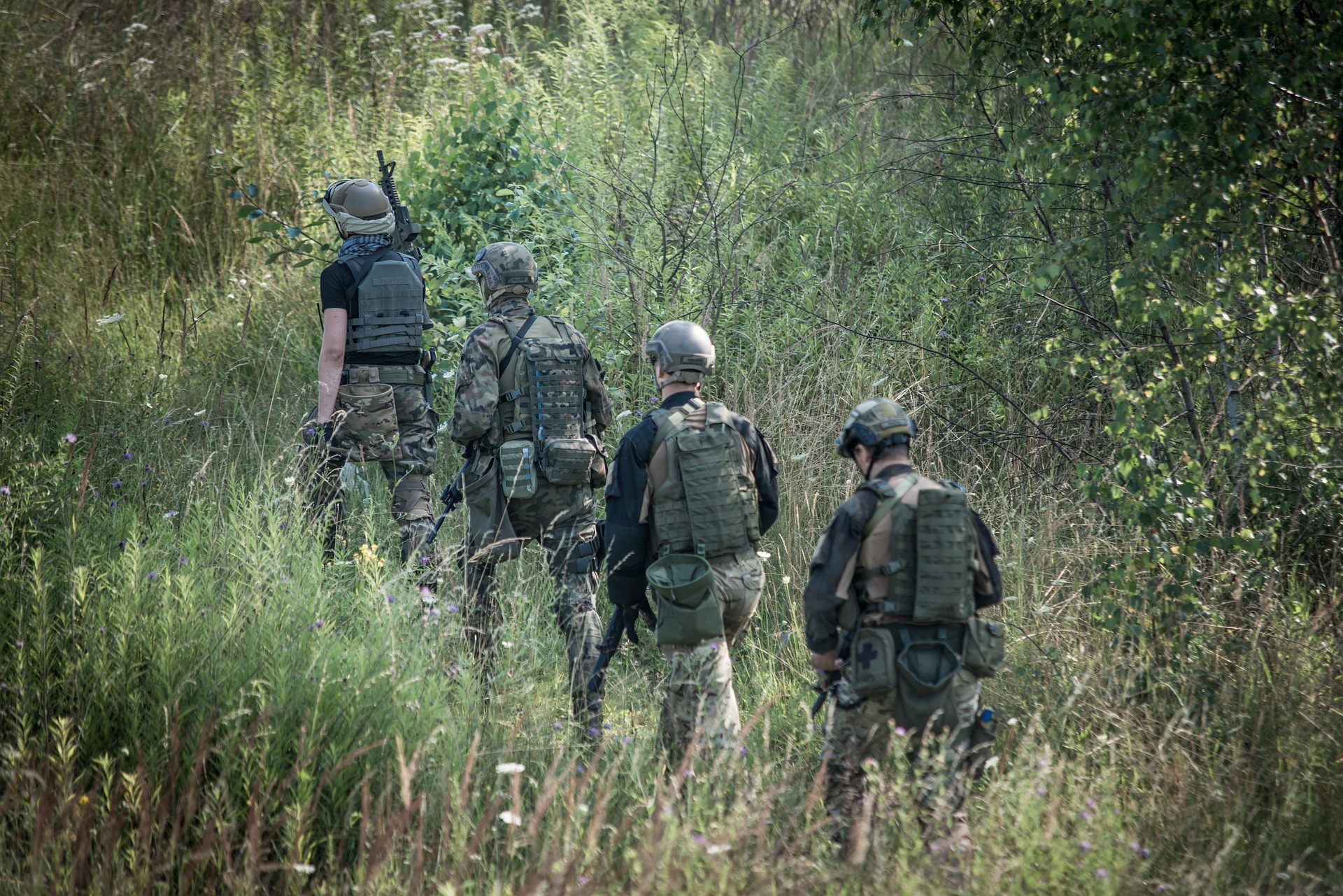
Military loadouts often look appealing to civilian hikers, campers, and survival enthusiasts because they project toughness, preparedness, and proven reliability. The logic feels sound: if gear works in combat, it should excel in the outdoors. However, military equipment is built around mission profiles that differ greatly from recreational or even serious civilian outdoor use. Weight tolerance, logistics, replacement cycles, and human cost assumptions are fundamentally different. Soldiers operate within structured systems, while civilians rely on personal endurance, self-rescue, and long-term comfort. What appears rugged often becomes inefficient, uncomfortable, or unsafe in civilian settings. Understanding why military loadouts fail to scale properly helps outdoor users choose smarter, lighter, and more practical equipment for real-world wilderness travel.
Military Gear Is Designed for Short-Term Missions
Military loadouts are engineered around finite missions with defined objectives, not long-term self-supported living. Soldiers may carry extreme weight knowing resupply, extraction, or rotation is scheduled. Civilian outdoor users don’t have that luxury. A hiker or camper must carry gear that remains manageable day after day without guaranteed relief. Military packs prioritize durability and modular attachment over balance and ergonomic comfort. Over time, this leads to fatigue, joint strain, and inefficient movement for civilians. What works for a soldier during a 72-hour operation can become punishing during a weeklong trek. The mismatch lies in the assumed recovery systems that civilians simply do not have access to in wilderness settings.
Excessive Weight Reduces Civilian Mobility
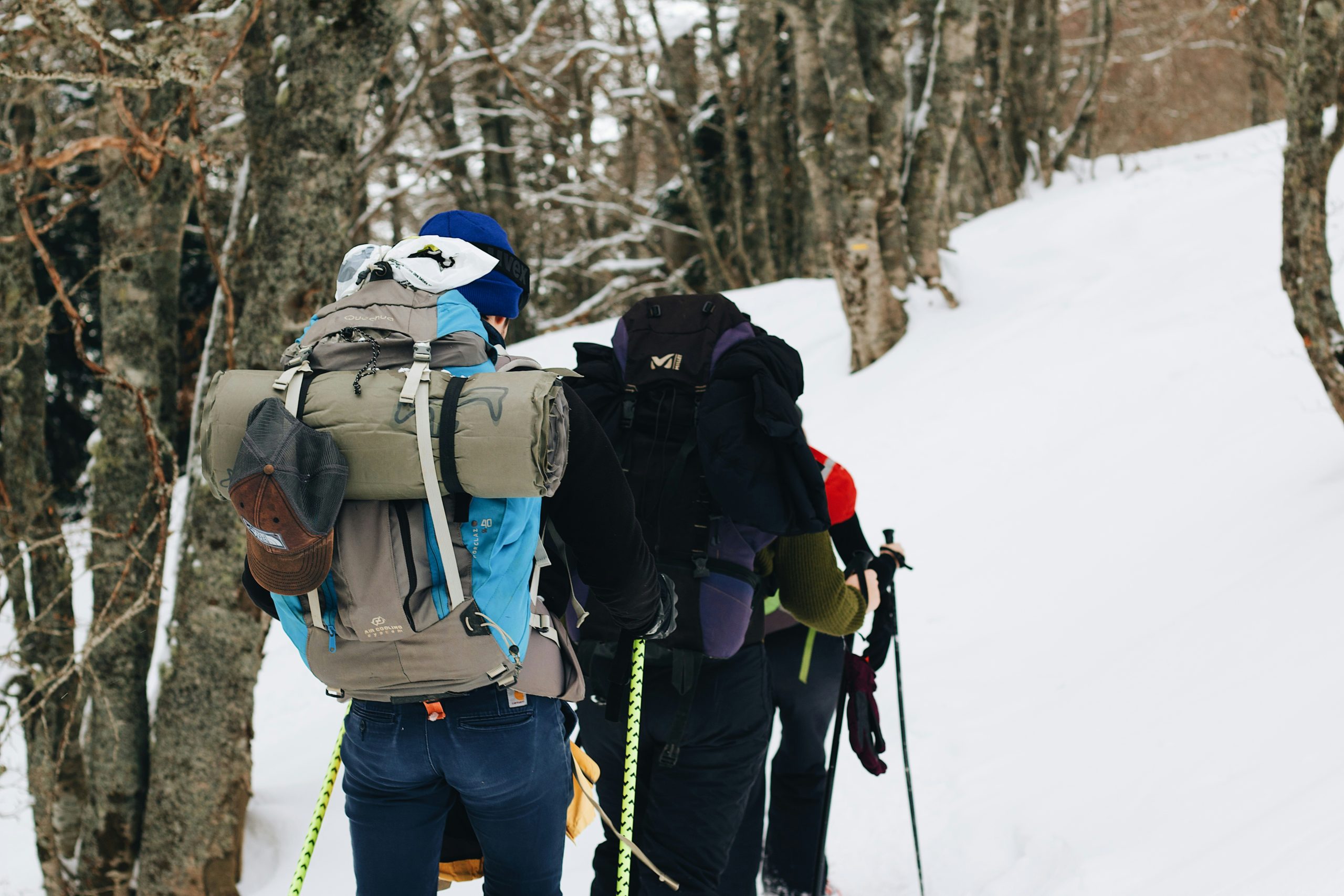
Military doctrine accepts heavy loads as a tradeoff for capability and redundancy. Civilian outdoor travel rewards the opposite. Carrying excess weight slows pace, increases injury risk, and limits route options. Tactical vests, armored carriers, and overbuilt packs distribute weight poorly for uneven terrain. Civilians benefit more from weight-conscious load planning that emphasizes movement efficiency. In backcountry environments, speed and endurance often matter more than carrying every possible contingency item. Military gear assumes multiple personnel sharing burdens, while civilians often operate solo or in small groups. This difference makes military-style loadouts a liability rather than an advantage when traveling on foot for extended distances.
Military Equipment Prioritizes Durability Over Comfort
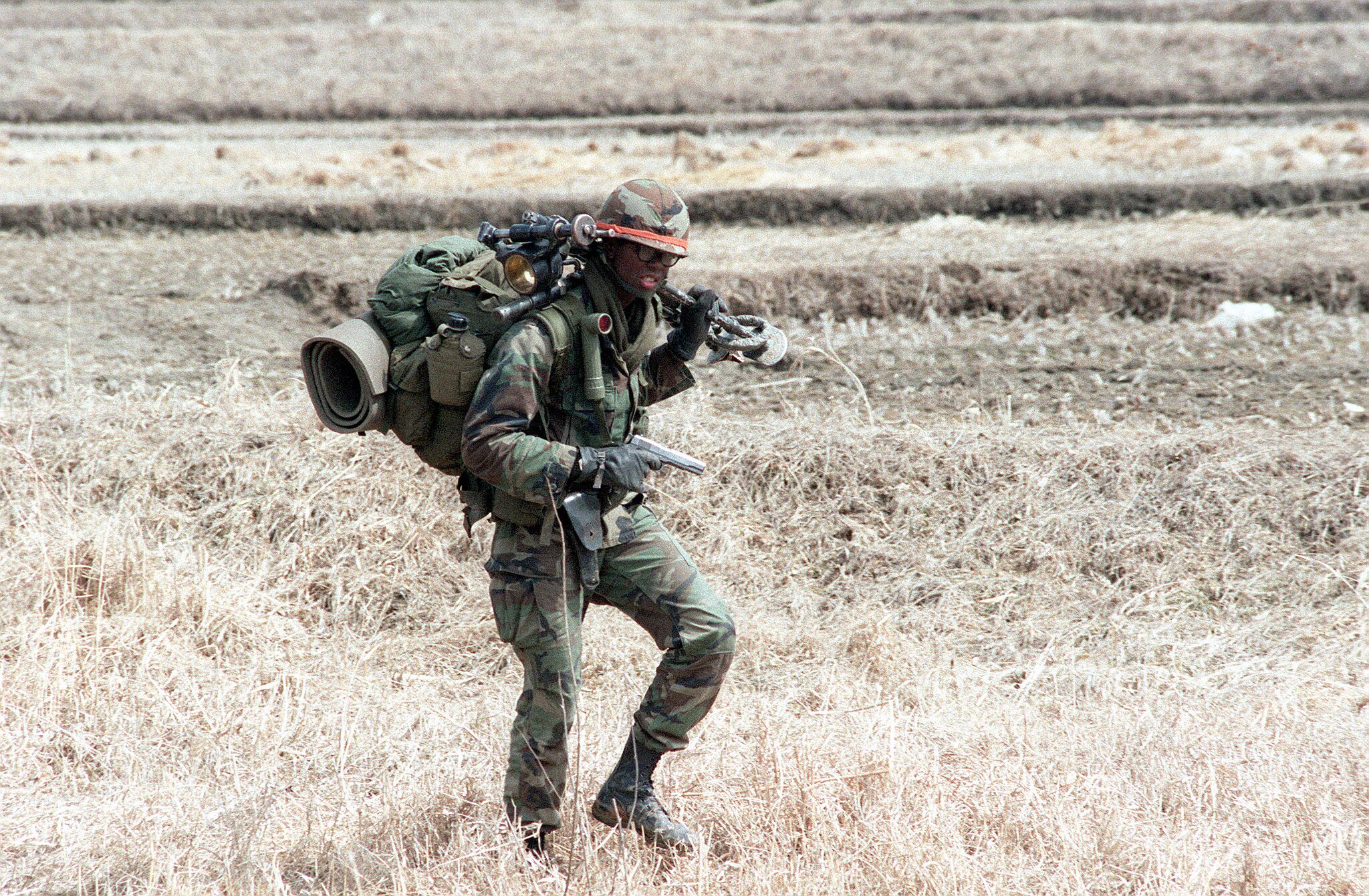
Military gear is designed to survive abuse, not to feel good over time. Thick webbing, stiff fabrics, and rigid frames withstand harsh treatment but cause friction, hot spots, and pressure points. Soldiers tolerate discomfort as part of operational necessity. Civilian outdoor users don’t need to. Blisters, chafing, and sore shoulders quickly turn trips into ordeals. Modern outdoor gear uses lighter materials, flexible suspension systems, and body-conscious shaping. Military equipment often ignores individual fit, assuming standardized body types. Comfort directly impacts decision-making and safety outdoors. When discomfort escalates, mistakes follow, making durability alone a poor tradeoff for civilian use.
Military Loadouts Assume External Support Systems
Military operations function within vast support networks. Medical evacuation, communications, logistics, and intelligence back every decision. Civilian outdoor users must be self-reliant. Military gear often omits items civilians need, assuming support exists elsewhere. Conversely, it includes equipment that civilians cannot practically use without team coordination. Radios, signaling systems, and tactical tools may be useless without infrastructure. Outdoor travelers need gear that supports autonomy, not dependency. Relying on equipment designed around external rescue expectations creates dangerous gaps in preparedness. Civilian loadouts must emphasize navigation, shelter, and sustainment rather than combat-oriented functionality that assumes rapid intervention if things go wrong.
Tactical Design Conflicts With Outdoor Efficiency
Military gear emphasizes modularity and rapid access under combat stress. Civilian outdoor use favors simplicity and efficiency. Multiple pouches, straps, and attachment points snag on the brush and waste energy. Tactical layouts can slow routine tasks like cooking, filtering water, or setting up shelter. Outdoor gear evolves to reduce motion, minimize steps, and conserve calories. Military designs accept inefficiency for adaptability across mission types. Civilian trips usually have clear goals and predictable needs. Streamlined layouts outperform tactical complexity when fatigue sets in. What looks organized in a staging area becomes cumbersome when repeated hundreds of times on a trail.
Camouflage and Tactical Colors Create Civilian Risks
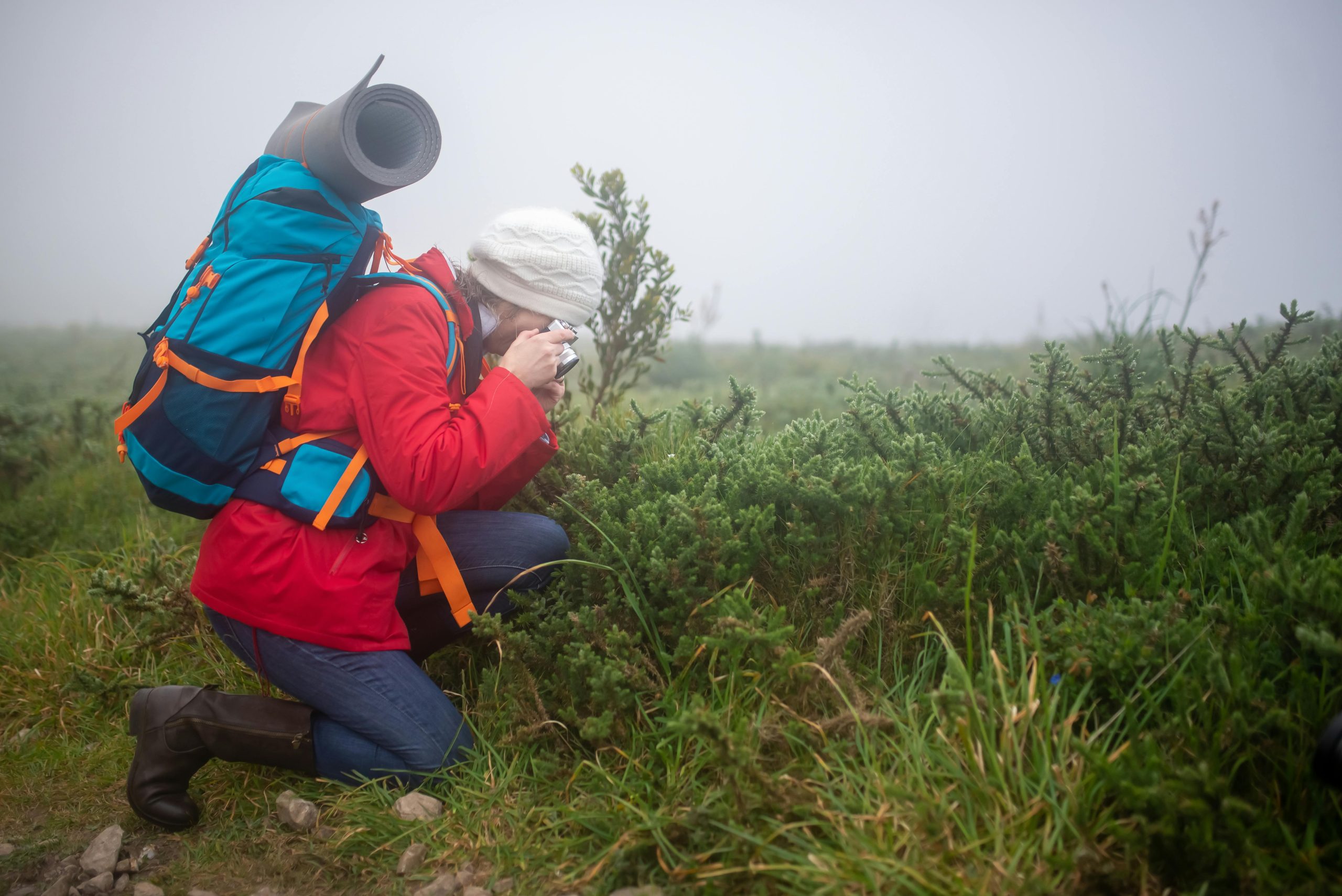
Military color schemes prioritize concealment from human threats. In civilian outdoor environments, visibility often enhances safety. Camouflage can hinder rescue efforts and reduce situational awareness. High-visibility elements help partners track each other in poor weather or dense terrain. Military gear avoids reflective materials that outdoor equipment uses strategically. Tactical aesthetics may look appealing, but conflict with best safety practices. Outdoor emergencies benefit from gear that stands out, not blends in. Military coloration also absorbs heat differently and may perform poorly in varied environments. Civilian users gain more from adaptable, visible designs than from concealment-focused military palettes.
Military Equipment Ignores Civilian Legal Constraints
Many military-style items create legal complications for civilians. Knives, body armor, communication devices, and certain optics may be restricted depending on jurisdiction. Military loadouts assume authorization and exemption from civilian law. Outdoor users must navigate public lands, private property, and regulations. Carrying tactical equipment can draw unwanted attention or create misunderstandings. It may also restrict access to certain areas or services. Outdoor gear is designed to remain neutral and compliant across regions. Legal simplicity matters when traveling. Civilian users benefit from equipment that blends into recreational contexts rather than mimicking combat readiness where it isn’t appropriate.
Military Training Compensates for Gear Limitations
Soldiers receive extensive training to mitigate the downsides of their equipment. Conditioning, drills, and team coordination offset weight and discomfort. Civilians usually lack this level of preparation. Military loadouts assume practiced movement patterns and support roles. Without training, complex systems become liabilities. Buckles, straps, and retention features can confuse or slow untrained users. Outdoor gear is designed for intuitive use under stress. When cold, tired, or injured, simplicity matters. Civilian outdoor safety improves when equipment works naturally rather than requiring procedural knowledge developed through months of instruction.
Combat Redundancy Conflicts With Civilian Sustainability
Military loadouts favor redundancy because failure in combat is catastrophic. Civilians must balance redundancy with sustainability. Carrying multiple backups increases weight and drains energy. Outdoor planning relies on risk assessment rather than total duplication. Military gear encourages “just in case” packing that overwhelms civilian capacity. Sustainable outdoor travel values multipurpose items and repairability. Military equipment often resists modification and field repair. When something breaks, replacement is expected. Civilians must adapt, improvise, and conserve. Loadouts designed around unlimited supply chains undermine long-term efficiency in wilderness environments where every ounce matters.
Military Gear Encourages the Wrong Mindset
Perhaps the biggest issue is psychological. Military loadouts promote a combat-oriented mindset that doesn’t align with outdoor recreation or survival. Nature rewards observation, adaptability, and restraint. Overly tactical thinking can lead to unnecessary risk-taking or confrontation. Civilian outdoor use benefits from humility and efficiency rather than dominance. Military equipment can give a false sense of preparedness while masking real vulnerabilities like navigation skills or weather awareness. Gear should support decision-making, not replace it. Outdoor competence grows from understandingthe environment and limits, not from imitating systems built for entirely different human objectives.