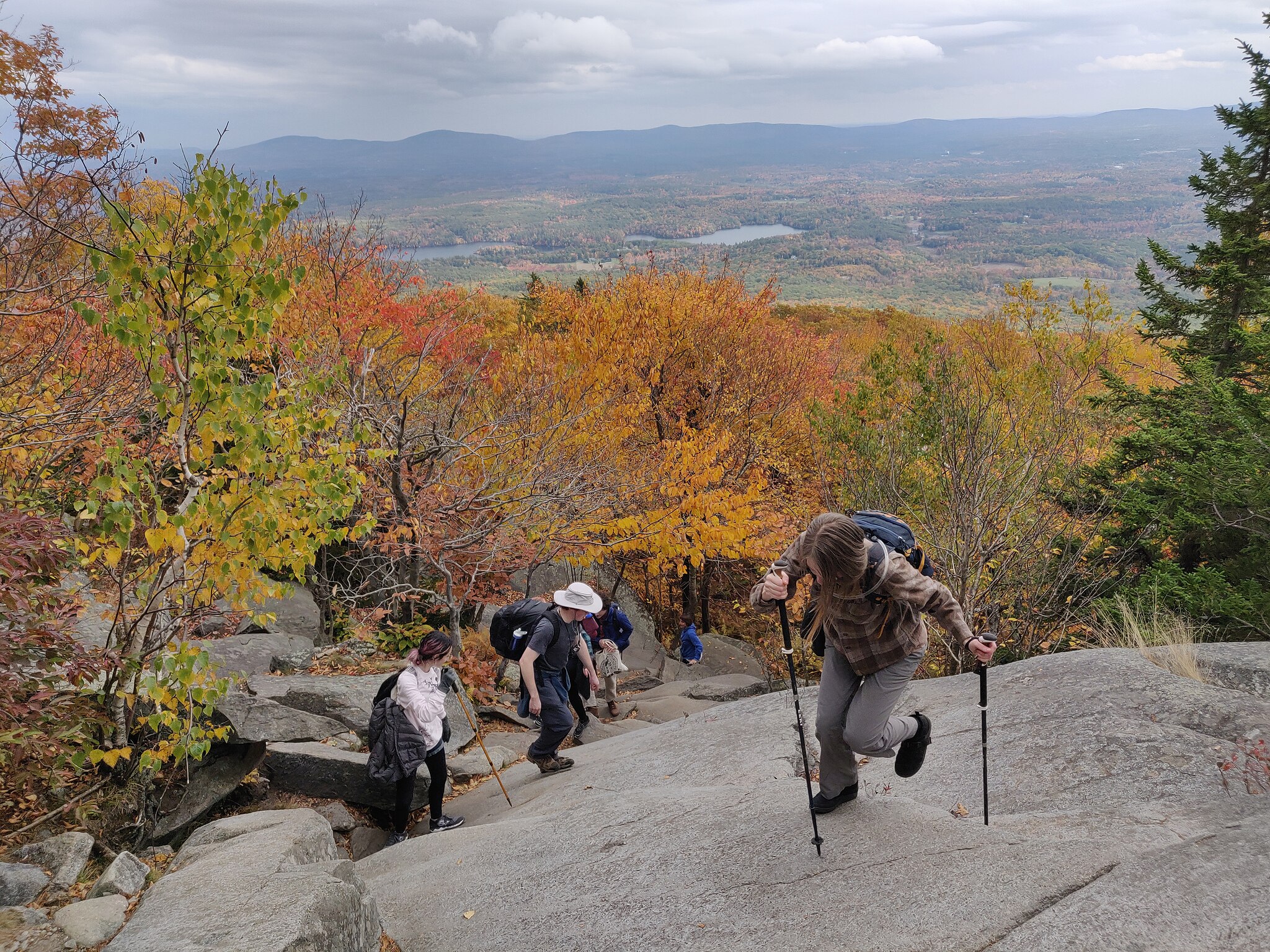
At first glance, hiking in the White Mountains of New Hampshire seems easier than trekking through the Rockies. The peaks are lower, the distances shorter, and the trails often appear less dramatic on maps. Yet many hikers are surprised to find that days in the Whites feel more exhausting, punishing, and mentally draining than longer outings at much higher elevations out west. This difference comes down to a combination of terrain, weather, trail design, and environmental intensity. The Whites demand constant attention, balance, and effort, leaving little room for steady rhythm or recovery. Elevation alone does not determine difficulty. Instead, the way the land rises, breaks, and fights movement creates a unique challenge. Understanding why the Whites feel harder helps explain why experience in the Rockies does not always translate into comfort in the New England mountains.
Relentless Elevation Gain Without Long Breaks
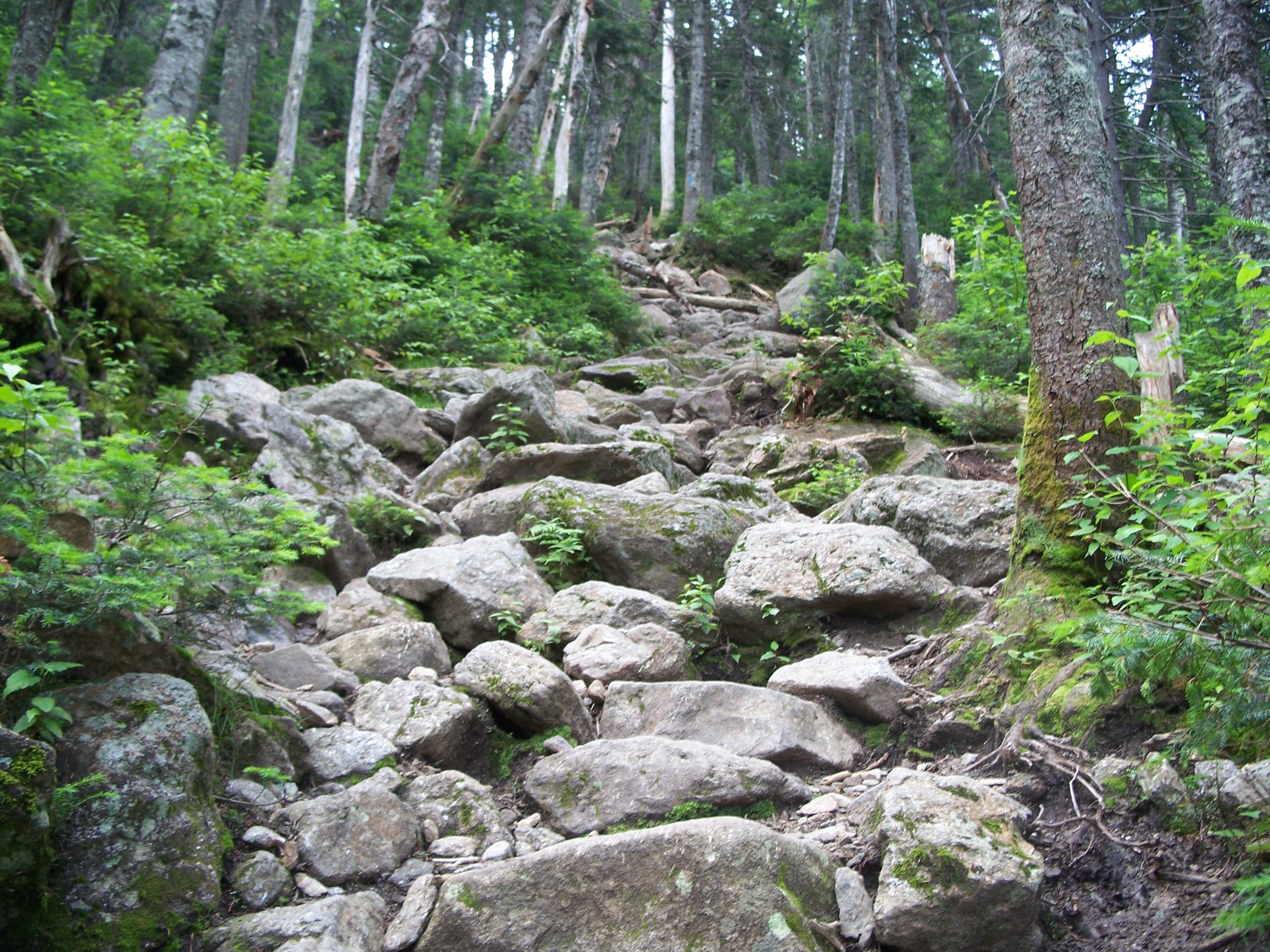
White Mountain trails are notorious for delivering steep elevation gain in short, continuous bursts. Unlike many Rocky Mountain routes that use gradual switchbacks to manage ascent, trails in the Whites often go straight up the fall line. Hikers face sustained climbing with few flat sections to recover breathing or leg strength. Elevation gain is packed into fewer miles, which increases muscular fatigue even when the total distance seems modest. This design forces constant engagement from stabilizing muscles and keeps heart rates elevated for longer periods. The lack of extended relief sections prevents settling into a comfortable rhythm. Over time, this stop-and-go strain feels more exhausting than a longer but smoother climb at a higher altitude. The terrain never truly relaxes, and neither does the hiker.
Constant Rock Scrambling Underfoot
Footing in the White Mountains demands relentless attention. Trails are littered with roots, slick granite slabs, loose rocks, and uneven stair-like boulders. Each step requires balance, foot placement, and micro-adjustments, especially on descents. In contrast, many Rocky Mountain trails offer longer stretches of packed dirt or gravel that allow consistent movement. In the Whites, the lower body never settles into autopilot. Ankles, knees, and hips absorb constant irregular impact, which accelerates fatigue. Wet conditions make rock surfaces especially slippery, forcing cautious movement that slows pace and increases mental strain. Even short hikes can leave legs feeling overworked because the terrain engages muscles continuously rather than intermittently.
Dense Forest Limits Visual Relief
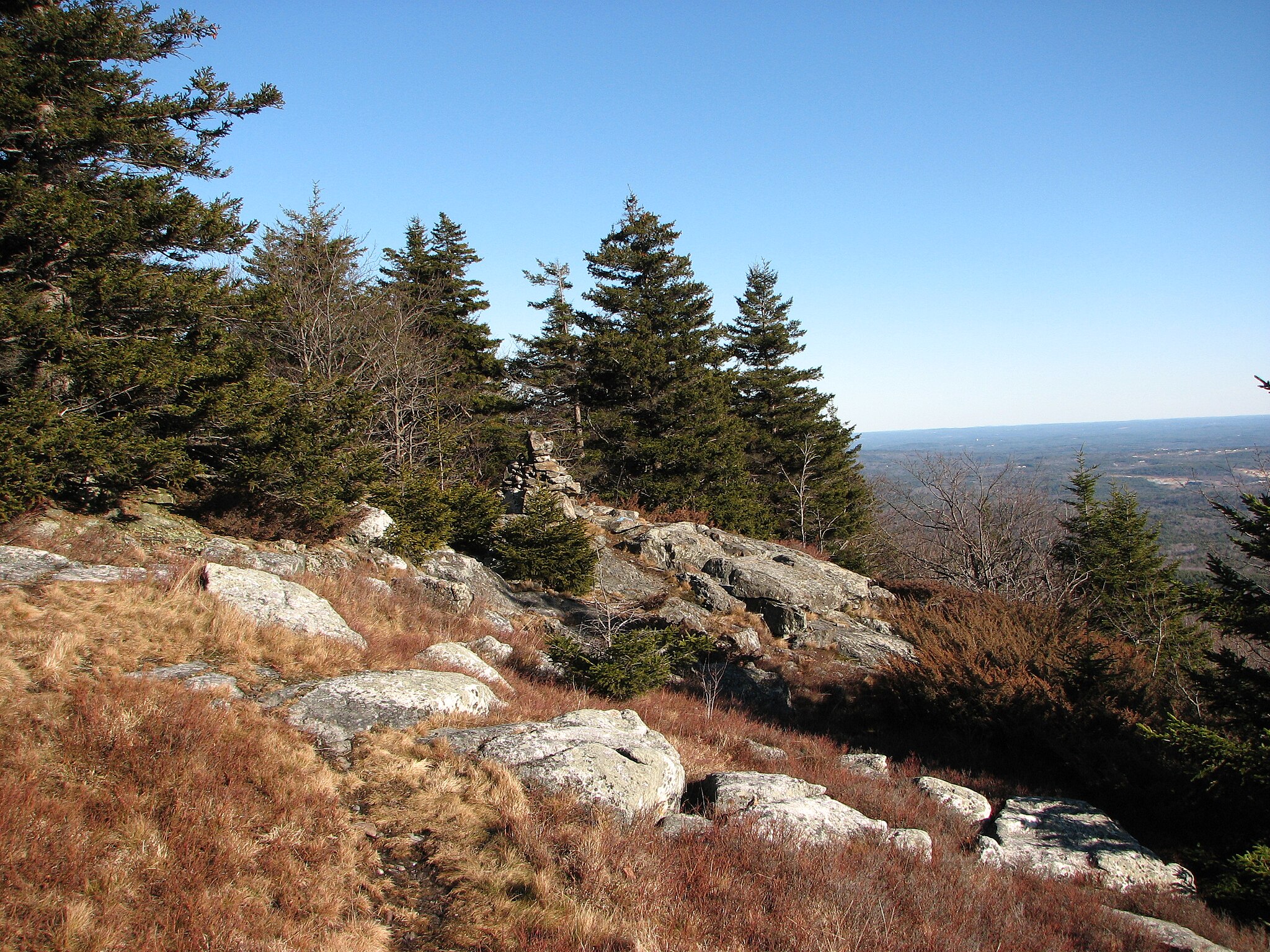
Much of the White Mountains is cloaked in thick forest, limiting long-distance views during ascents. In the Rockies, expansive vistas often break up the effort, offering visual rewards and mental relief even during difficult climbs. In the Whites, hikers may spend hours staring at roots, rocks, and tree trunks without a clear sense of progress. This lack of visual feedback can make climbs feel longer and more draining than they actually are. Without distant landmarks, effort feels endless. The forest also reduces airflow, increasing humidity and heat buildup on warm days. Mental fatigue builds faster when effort is not balanced by scenery or perspective, making the hike feel more demanding overall.
Rapid and Unpredictable Weather Shifts
Weather in the White Mountains changes with startling speed. Clouds can form quickly, rain can arrive without warning, and temperatures can drop sharply even in summer. This unpredictability forces hikers to stay alert and adaptable at all times. Wind exposure above treeline can feel harsher than expected due to the compact, rugged terrain. Unlike many Rocky Mountain areas where forecasts are more reliable, the Whites create constant uncertainty. Preparing for sudden shifts adds mental pressure, while hiking through cold rain or mist increases physical strain. The body works harder to regulate temperature, draining energy faster. Weather becomes an active obstacle rather than a background condition.
Trails That Punish Descents
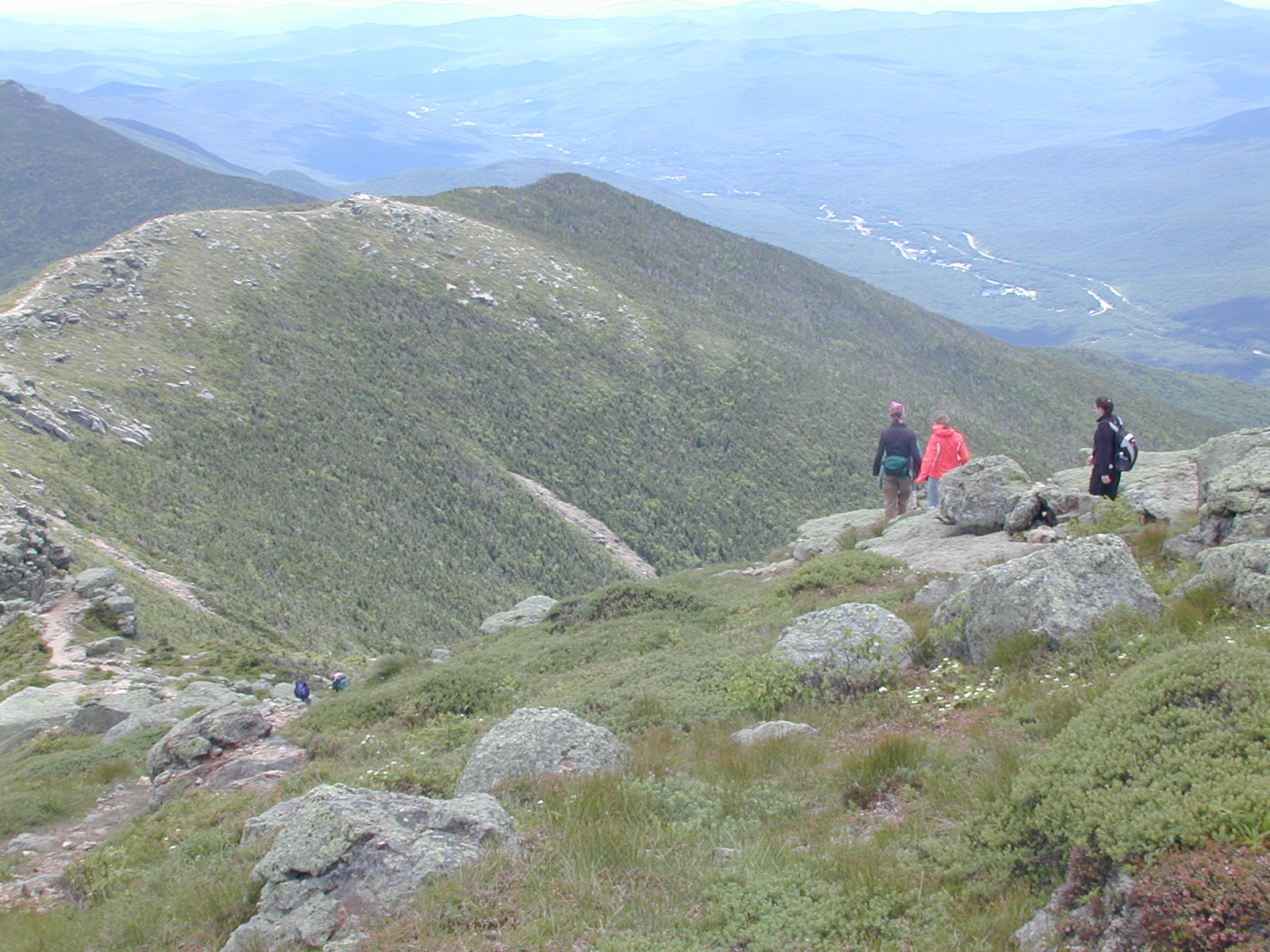
Descending in the White Mountains is often harder than climbing. Steep grades, slick rock faces, and root-covered paths place intense strain on knees and stabilizing muscles. Unlike the Rockies, where long switchbacks moderate downhill impact, White Mountain descents can feel relentless and technical. Each step downhill requires controlled braking, increasing muscle fatigue and joint stress. Wet or icy conditions magnify the difficulty, turning descents into slow, careful negotiations rather than recovery periods. The mental focus required to avoid slips compounds exhaustion. By the time the trail finally levels out, legs are often more tired than expected from the climb alone.
High Humidity Increases Energy Drain
The White Mountains often feel more physically taxing due to higher humidity levels, especially in summer. Moist air interferes with the body’s ability to cool itself through evaporation, causing faster overheating. Sweat does not evaporate efficiently, leaving hikers feeling heavy, damp, and uncomfortable. In contrast, the drier air of many Rocky Mountain regions allows better temperature regulation even at higher elevations. Increased humidity elevates heart rate and accelerates dehydration, reducing endurance over time. Energy drains faster, and recovery between efforts becomes harder. The environment quietly amplifies fatigue without dramatic elevation or distance changes.
Minimal Trail Maintenance Philosophy
Many White Mountain trails retain a rugged, minimally altered character. Rather than smoothing paths or adding extensive switchbacks, trail builders often let the terrain dictate difficulty. This philosophy preserves wilderness character but increases physical challenge. Hikers must climb over obstacles rather than around them, lift their feet higher, and constantly adapt stride length. Rocky Mountain trails are often designed for stock use or heavy traffic, resulting in more graded surfaces. In the Whites, the trail itself becomes a workout. Every mile demands active engagement rather than passive movement, which compounds fatigue over even short distances.
Shorter Distances Create False Confidence
The relatively modest mileage and lower summit elevations in the White Mountains often create a misleading sense of ease. Hikes appear manageable on paper, encouraging faster starts and aggressive pacing. Unlike many Rocky Mountain routes that begin with gradual approaches, White Mountain trails frequently introduce steep, technical terrain almost immediately. The body has little time to warm up or adapt before sustained effort begins. Early overexertion drains energy reserves quickly, making later sections feel disproportionately difficult. This false confidence leads to hydration mistakes, poor pacing, and early fatigue. What seems like a “short day hike” can turn into a punishing experience because intensity arrives without warning and recovery opportunities remain scarce.
Persistent Wetness Increases Physical Strain
Moisture is a defining feature of hiking in the White Mountains. Streams, seepage, shaded forest floors, and frequent rainfall keep trails damp even during dry periods. Wet rocks and roots force careful movement, slowing pace, and increasing muscular tension. Footwear often becomes soaked early, leading to discomfort, blisters, and cold stress. Constant moisture prevents the body from relaxing into efficient movement, as balance and traction must be reassessed with every step. In contrast to many Rocky Mountain trails that dry quickly, the Whites demand ongoing caution. This persistent dampness quietly compounds fatigue, turning ordinary effort into sustained strain over time.
Mental Fatigue From Constant Engagement
White Mountain hiking rarely allows the mind to disengage. Uneven footing, sudden drops, slick surfaces, and rapid weather shifts require constant attention. There area few extended stretches of easy walking where mental effort can ease. Every step demands awareness, whether navigating rocks, managing balance, or watching for trail markers. This continuous engagement creates cognitive fatigue that builds alongside physical exhaustion. By the end of the hike, mental weariness often matches sore legs and aching joints. The lack of psychological recovery makes even shorter hikes feel draining, reinforcing the reputation of the Whites as deceptively demanding terrain.