Nature is full of deception, and beauty often masks danger. Experts warn that these harmless-looking creatures can turn deadly fast because they rely on potent toxins for defense. Travelers frequently mistake these adorable or colorful animals for docile playthings during their exotic vacations. Touching them often results in severe medical emergencies that require immediate hospitalization to prevent fatality. Understanding the hidden threats behind those innocent eyes is crucial for safety in the wild. This guide identifies six specific species that demand extreme caution despite their charming appearances. Respecting wildlife from a distance is the only way to ensure survival.
Slow Loris
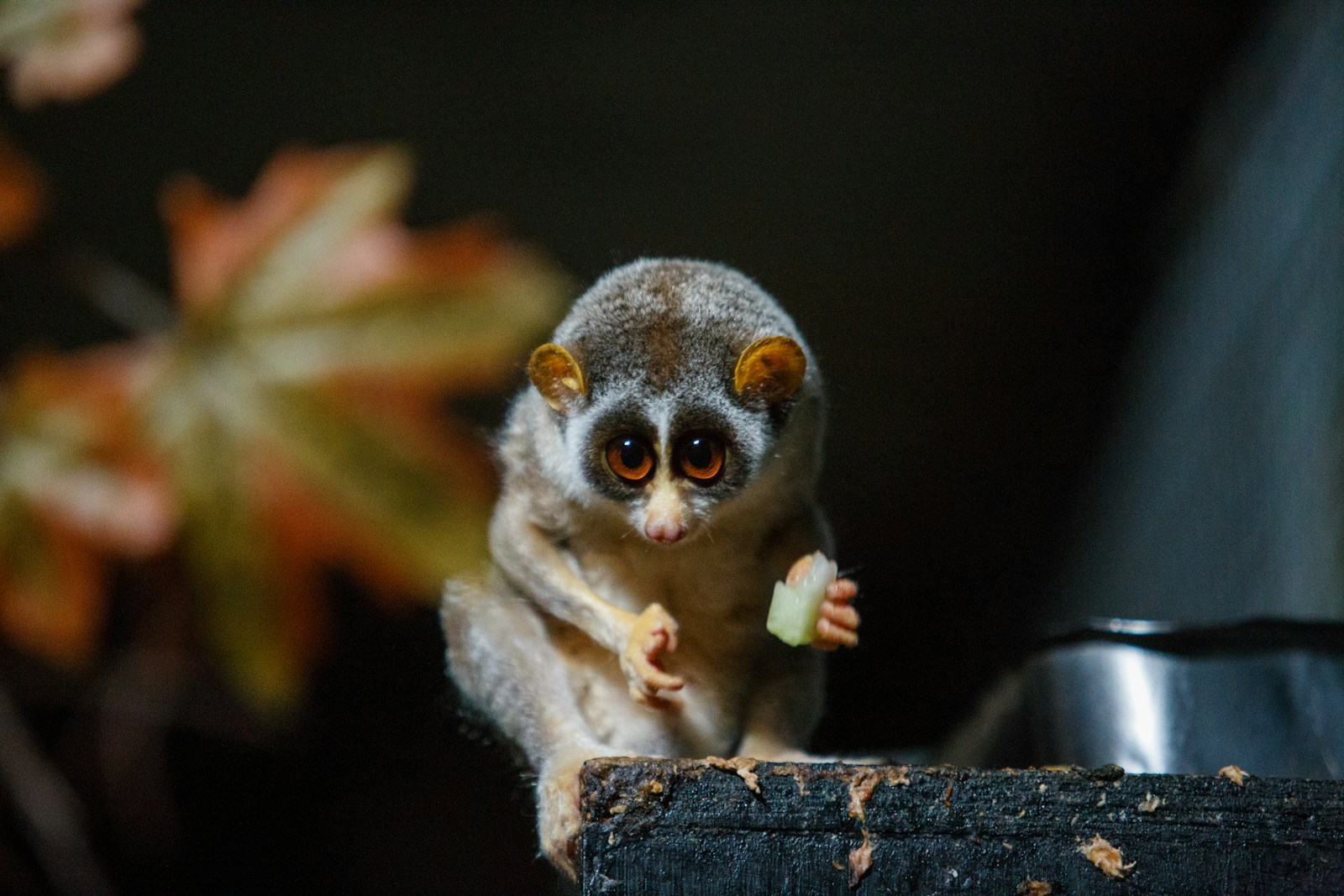
The slow loris appears to be a shy and cuddly primate with massive eyes that evoke sympathy. However, this small mammal is the only venomous primate in the world and delivers a painful bite. It produces a toxin from a gland on its arm and mixes it with saliva before striking. This venom causes anaphylactic shock in humans and can lead to death if untreated quickly. Social media videos often show them being tickled, but this raises their stress levels significantly. Their defensive bite is a serious threat that often catches tourists completely off guard.
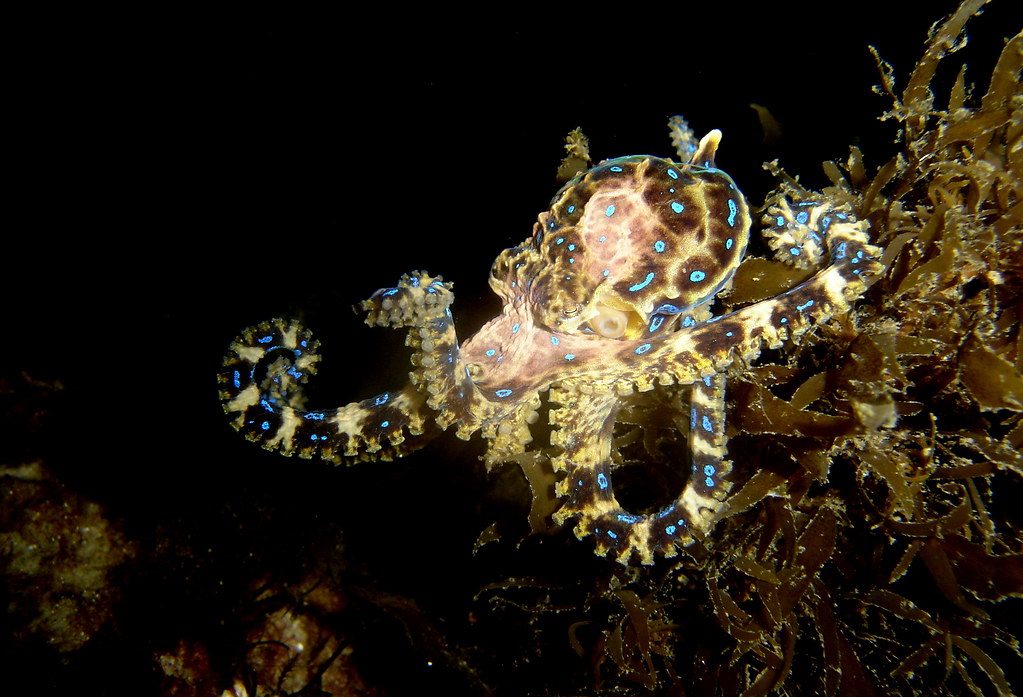
Blue-Ringed Octopus
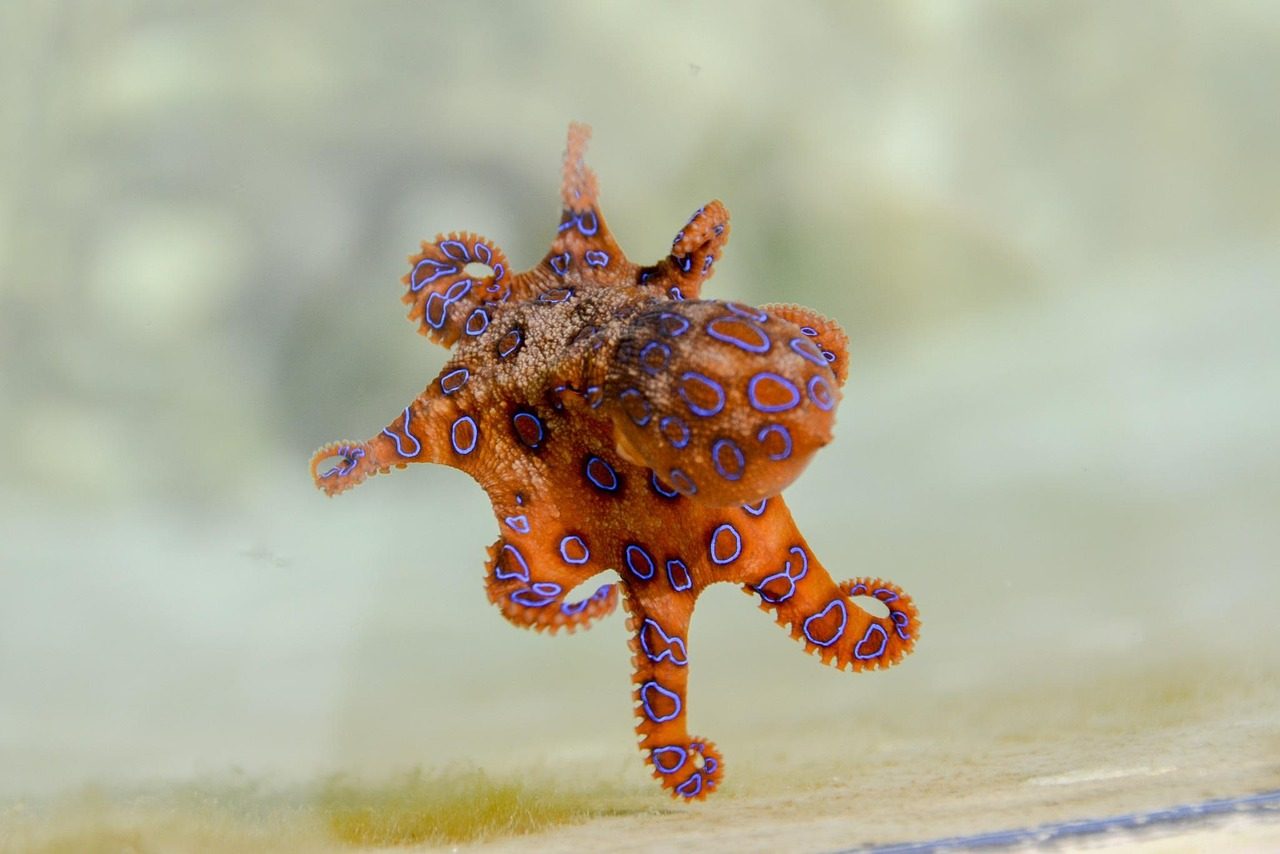
Divers often try to touch the tiny and colorful blue-ringed octopus because of its beautiful psychedelic patterns. This golf-ball-sized creature carries enough tetrodotoxin to kill twenty-six adult humans within minutes of contact. The bite is often painless and leaves the victim unaware that they have been envenomated until paralysis sets in. Respiratory failure occurs rapidly while the person remains fully conscious but unable to move or breathe. There is no known antivenom available, so artificial respiration is the only hope for survival. Its small size makes it one of the most deceptive killers in the ocean.
Poison Dart Frog
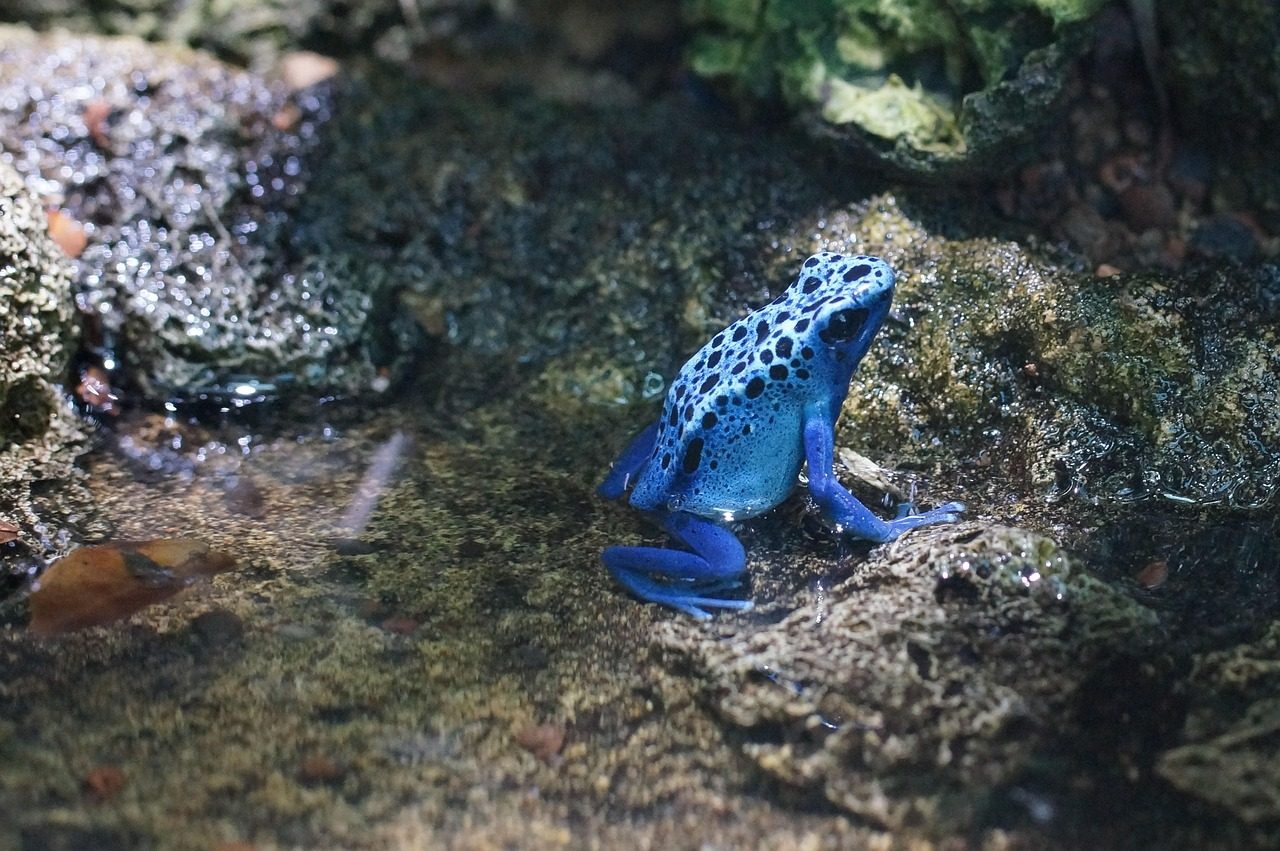
The brilliant colors of the poison dart frog serve as a warning rather than an invitation. These amphibians carry enough poison in their skin to stop the human heart almost instantly. Indigenous tribes historically used these secretions on the tips of blowdarts for hunting game in the jungle. Touching the frog directly allows the toxins to enter through pores or small cuts in the skin. Their striking appearance makes them popular subjects for photographers who may get too close. Admiring them from a safe distance is essential to avoid accidental poisoning in the rainforest.
Cone Snail
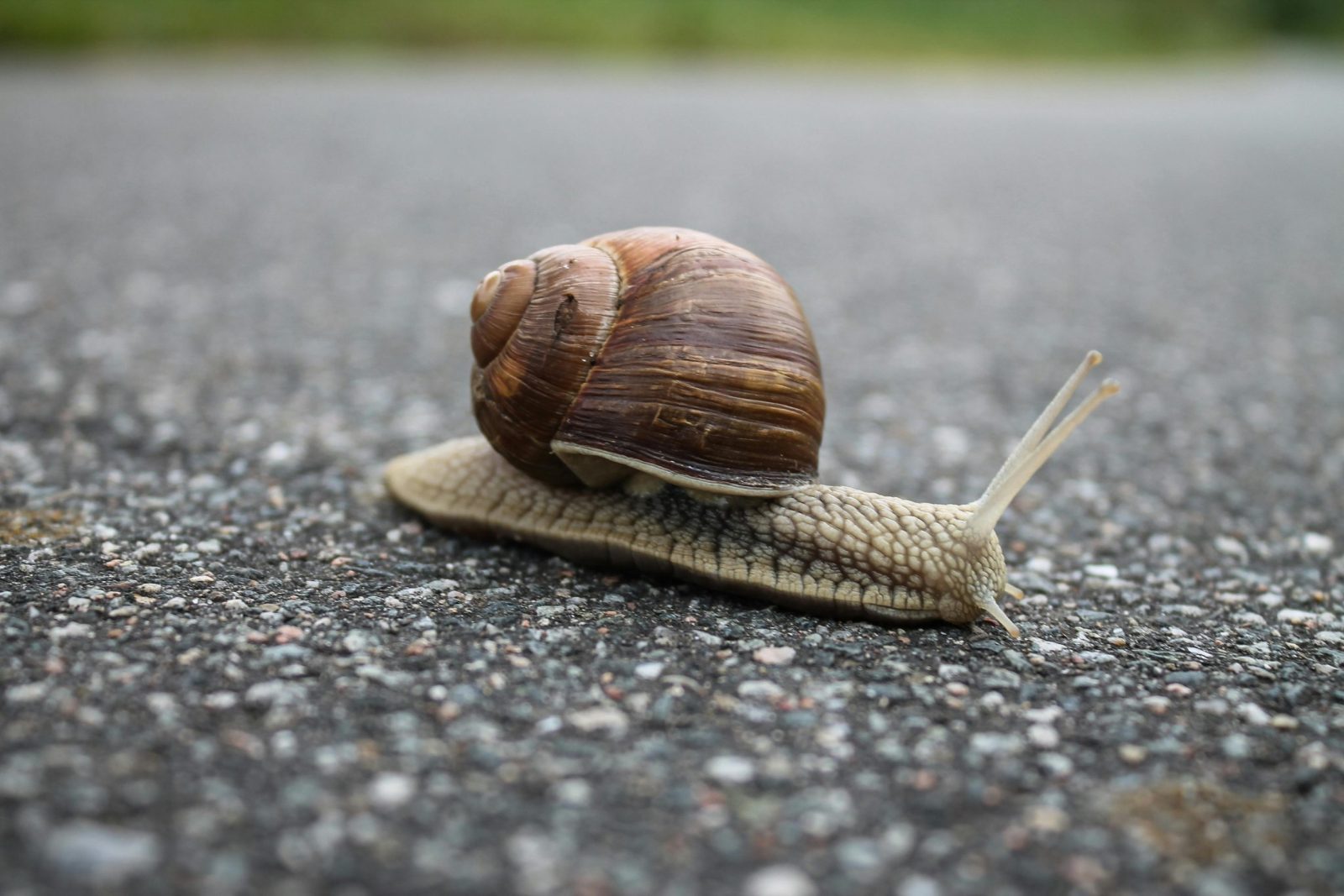
Beachcombers love collecting the intricately patterned shells of the geography cone snail found in tropical waters. Picking up this marine snail triggers a defensive reaction where it fires a harpoon-like tooth. This modified tooth injects a complex venom cocktail that paralyzes muscles and shuts down breathing. The sting is sometimes compared to a bee sting, but the consequences are far more severe. Medical intervention must happen immediately to support respiration while the body processes the toxins. It remains one of the most dangerous creatures for shell collectors to handle without thick gloves.
Pufferfish
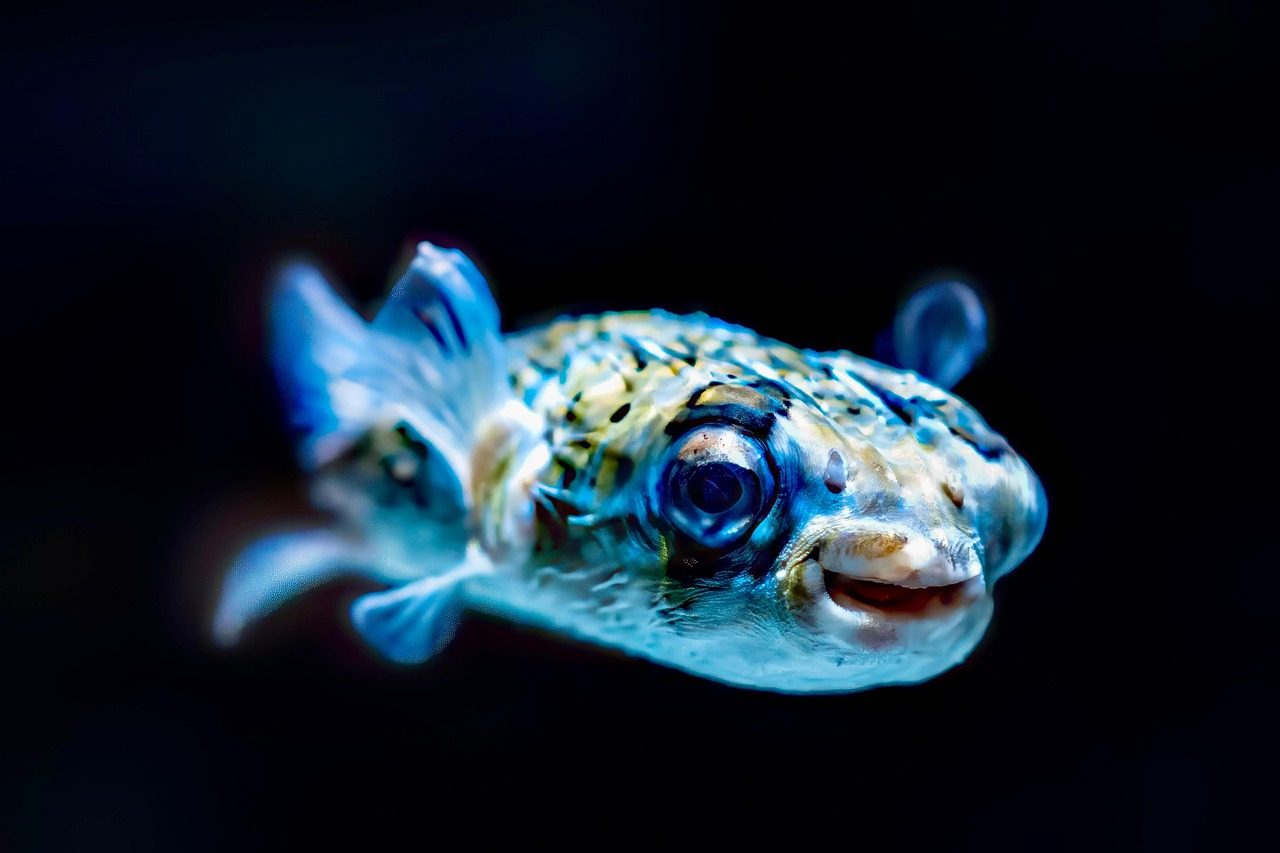
Pufferfish look comical when they inflate their bodies to ward off potential predators in the reef. This defense mechanism often hides the fact that their internal organs contain lethal amounts of tetrodotoxin. Eating the fish improperly prepared is a delicacy known as fugu that kills diners every year. Even touching the spines of certain species can deliver a nasty injury that becomes infected. Their cute faces and slow swimming speeds make them seem approachable to snorkelers and swimmers. However, the neurotoxin they carry is twelve hundred times more poisonous than cyanide to humans.
Male Platypus
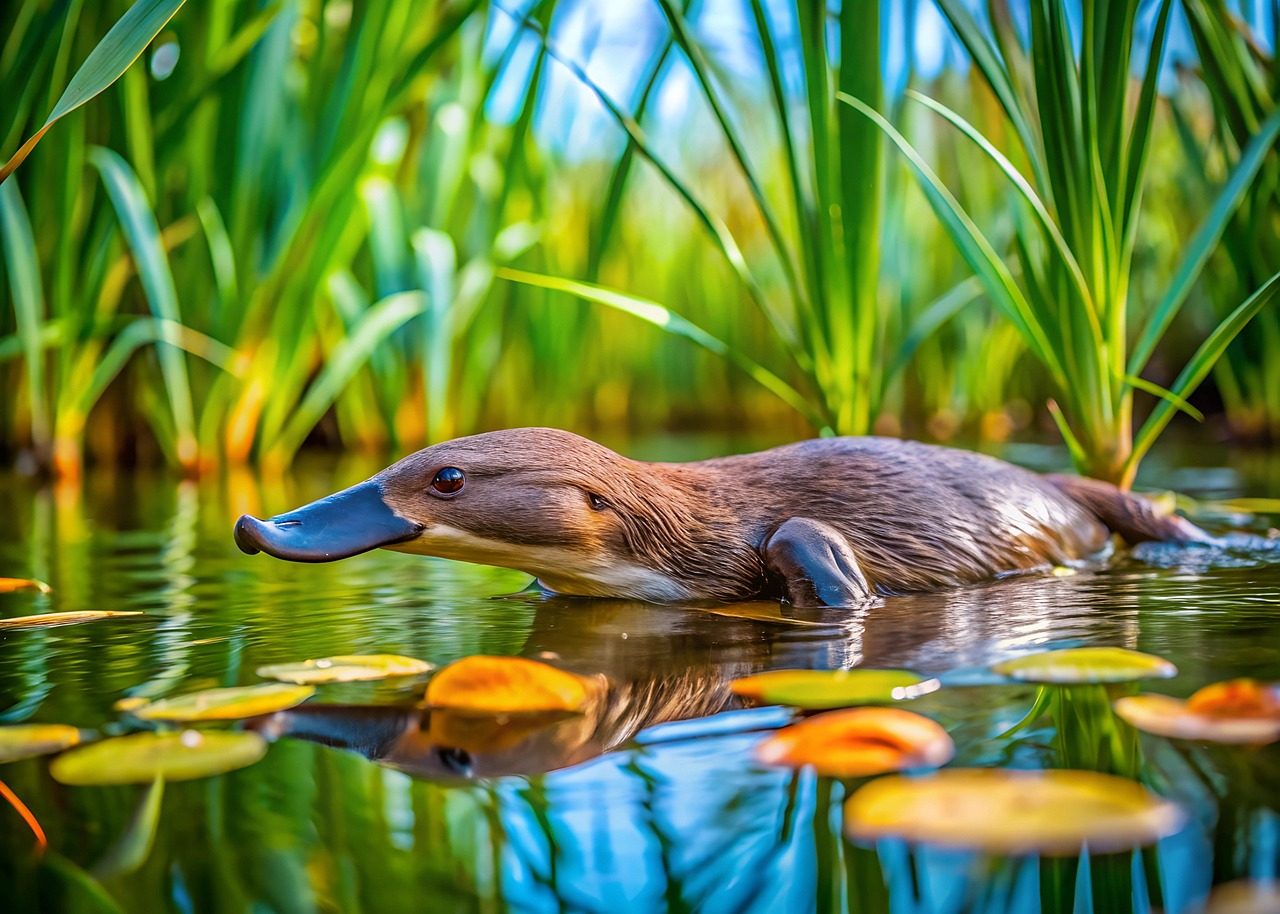
The platypus is a strange and seemingly goofy mix of a duck and a beaver. Few people realize that the male of the species possesses sharp venomous spurs on its hind legs. This venom causes excruciating pain that cannot be alleviated by standard morphine or painkillers. Swimmers who accidentally provoke a male during mating season risk receiving a debilitating sting. The pain can last for weeks and leaves the victim incapacitated with extreme sensitivity to touch. This unique mammal proves that even the oddest-looking creatures have evolved powerful weapons for self-defense.