Bear encounters near residential areas are rising across the United States, and this trend is no longer limited to remote mountain towns or forest edges. Suburbs, rural communities, and even semi-urban neighborhoods are seeing more frequent sightings, property damage, and close-range encounters. This increase is not caused by aggressive bears seeking conflict, but by a growing overlap between human activity and bear survival needs. As landscapes change and food availability shifts, bears adapt quickly, often faster than people expect. Understanding why bears are moving closer to homes helps reduce fear, prevent dangerous mistakes, and guide smarter coexistence strategies that protect both people and wildlife.
Easy Access to Human Food Sources
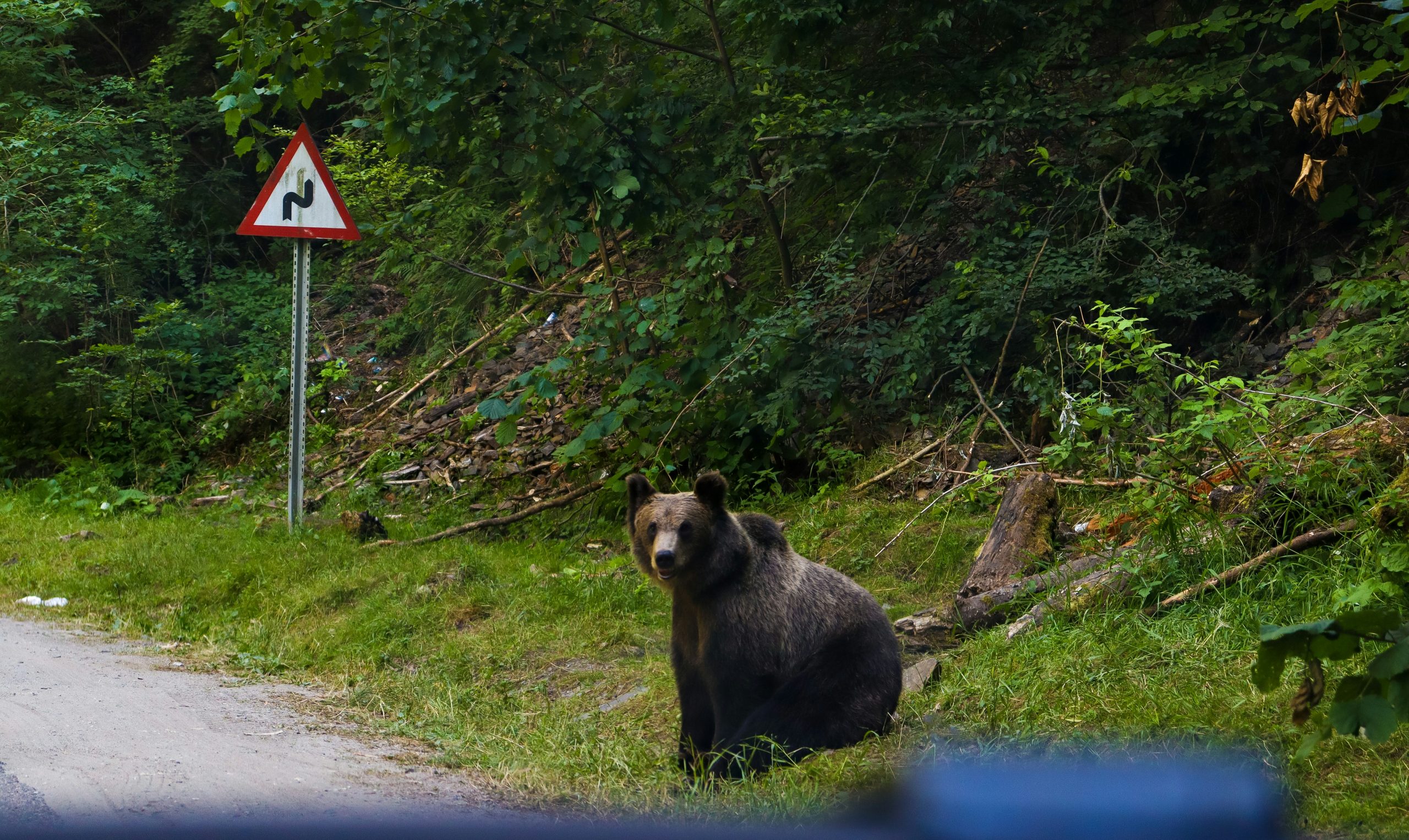
One of the most powerful reasons bears approach homes is the availability of high-calorie human food. Trash cans filled with leftovers, pet food left outside, bird feeders, compost bins, grills, and fallen fruit create concentrated food sources that are far easier to access than wild forage. Bears are driven by efficiency, and a single successful food reward can outweigh hours of natural foraging. Once a bear finds food near a home, it often returns repeatedly, sometimes night after night. Mothers may even lead cubs back to the same locations, passing on learned behavior. Over time, bears begin associating residential areas with reliable nutrition rather than danger, making encounters increasingly frequent and harder to stop.
Expanding Suburbs Into Bear Habitat
As housing developments expand outward, they increasingly overlap with long-established bear territory. Forests are fragmented by roads, driveways, cabins, and subdivisions, yet bears continue to use the same ridgelines, valleys, and water corridors they have followed for generations. From a bear’s perspective, the landscape hasn’t disappeared; it has simply been built over. When homes are placed along natural travel routes or feeding areas, encounters become inevitable. Bears aren’t invading neighborhoods intentionally; neighborhoods are often built directly into bear movement zones. This overlap forces bears and humans into closer proximity, especially during feeding seasons, leading to more sightings, property damage, and surprise encounters.
Poor Natural Food Years
In years when natural food sources fail, bears are pushed closer to human environments. Droughts, late spring frosts, wildfires, and unpredictable weather patterns can severely reduce berries, nuts, roots, and insects that bears depend on. When these foods are scarce, bears must travel farther and expend more energy to survive. Residential areas become attractive alternatives because food is concentrated, predictable, and easy to access. During consecutive poor food years, bears may permanently alter their behavior, relying more on human-provided sources even after wild conditions improve. These shifts increase the likelihood of recurring encounters and long-term conflict near homes.
Bears’ High Intelligence and Adaptability
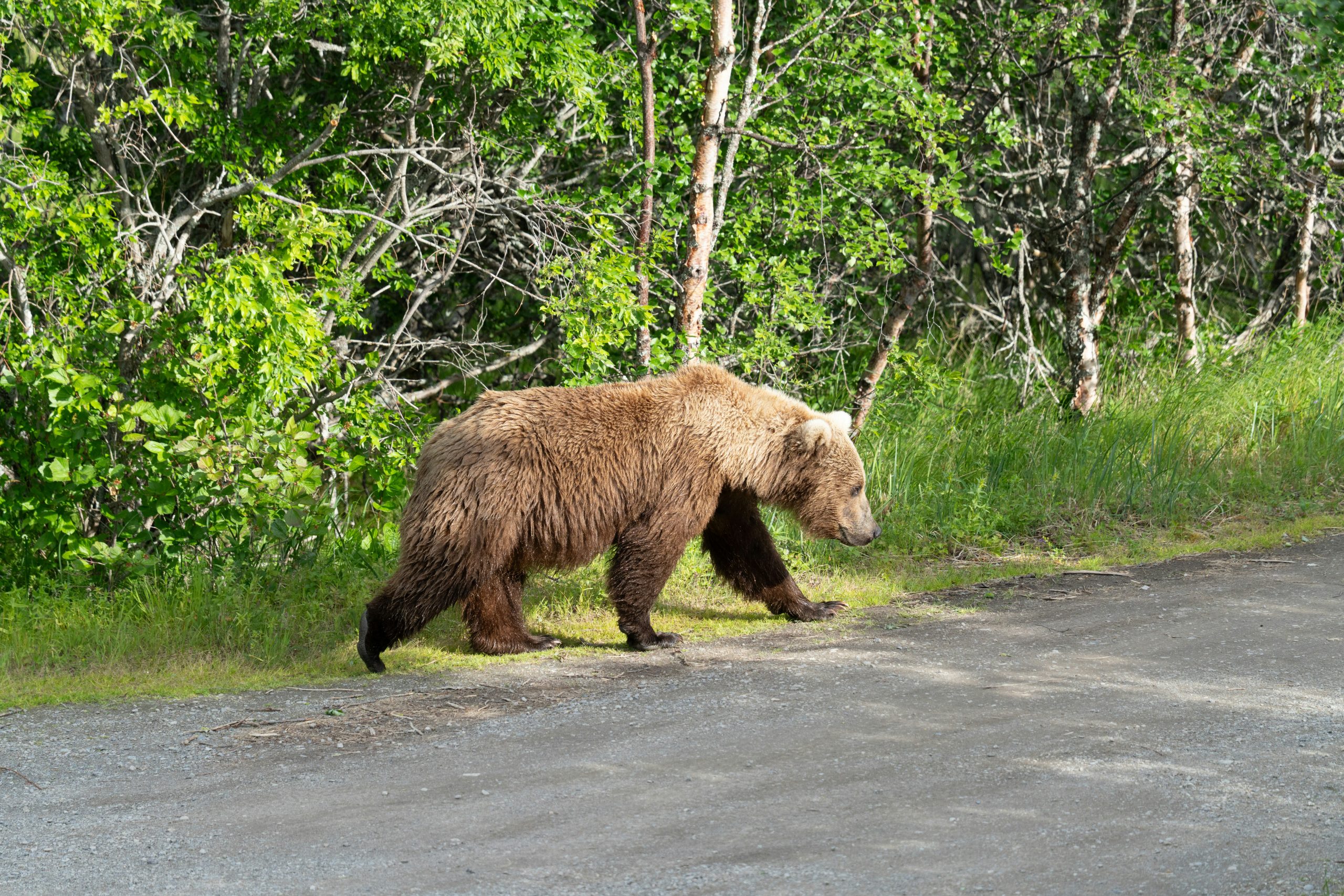
Bears are exceptionally intelligent animals with strong memory and problem-solving skills. They quickly learn which neighborhoods offer food, which trash containers are easiest to open, and what times human activity is lowest. Some bears even learn trash pickup schedules or recognize specific properties where food has been accessible before. This intelligence allows bears to adapt rapidly to changing environments, but it also increases conflict when they apply those skills in residential areas. Younger bears, especially those dispersing to find territory, are particularly curious and willing to test boundaries. Once a bear succeeds near homes, it often repeats the behavior with growing confidence.
Reduced Hunting Pressure and Protection Laws
In many states, bear populations have grown due to conservation success, reduced hunting pressure, or expanded legal protections. While these measures help stabilize ecosystems, they can also lead to higher bear densities in certain regions. As populations increase, competition for natural food intensifies, pushing some bears, especially younger or weaker individuals, toward human environments. Bears that have never experienced negative consequences from humans may show less caution around homes. This doesn’t mean bears are aggressive, but it does mean they are more willing to move through neighborhoods, increasing visibility and the chance of close encounters that concern residents.
Improper Trash Management
Unsecured trash is one of the most common and preventable causes of bear activity near homes. Standard garbage cans are easily opened by bears, and once they succeed, they often return repeatedly. The smell of food waste can travel long distances, especially in warm weather. Even one poorly secured bin can attract multiple bears and turn an entire street into a feeding route. When trash remains accessible over time, bears begin to patrol neighborhoods regularly. This behavior escalates from occasional sightings to property damage and dangerous proximity, often forcing wildlife officials to intervene once bears become too comfortable around people.
Seasonal Behavior and Calorie Needs
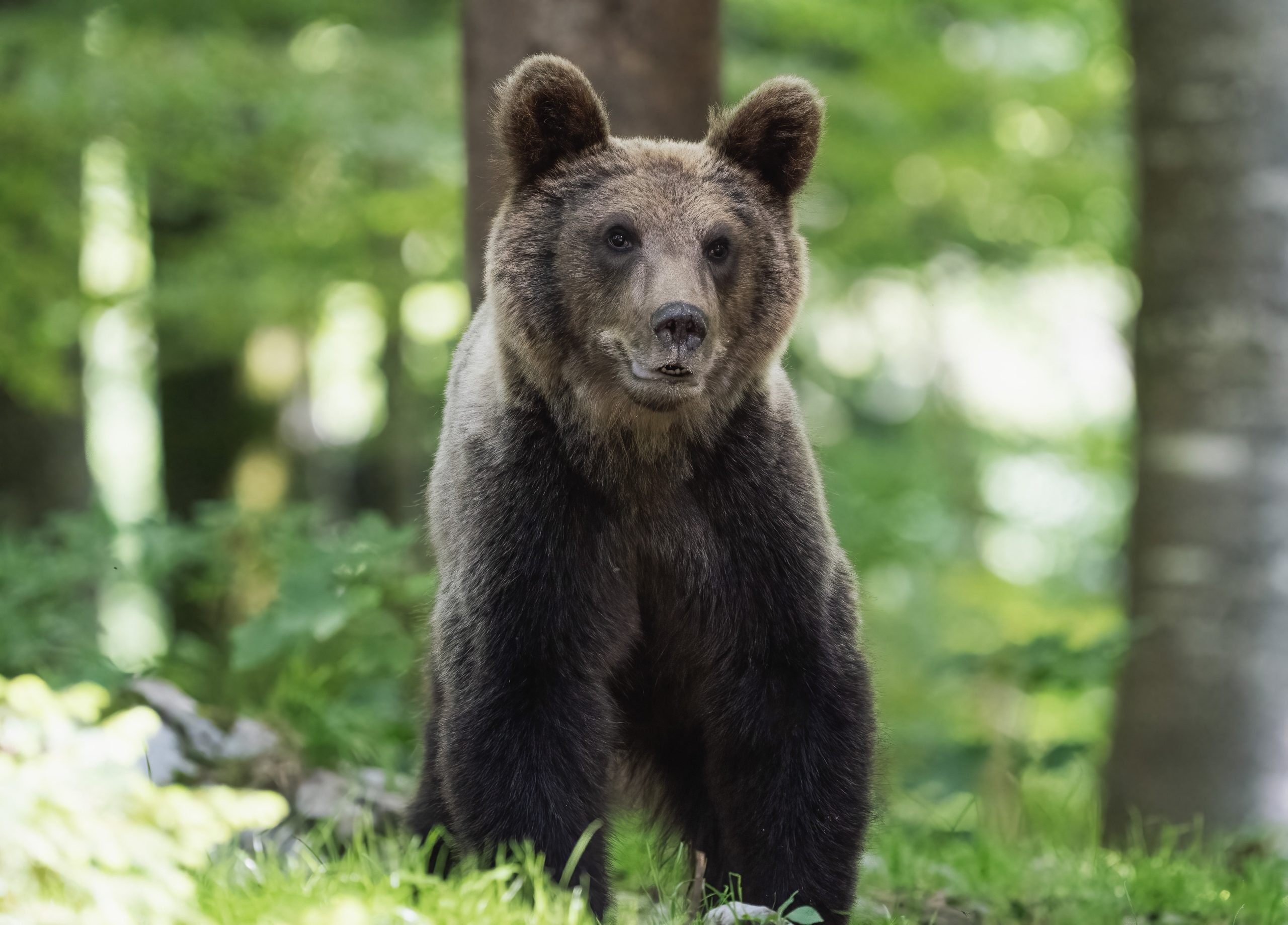
Bear encounters naturally increase during certain seasons, especially late summer and fall. During this time, bears enter hyperphagia, a biological phase where they must consume massive amounts of calories to prepare for winter. Their activity increases, and they become less selective and more willing to take risks. Residential areas offer quick, energy-rich food that supports this intense feeding demand. Spring can also bring encounters as bears emerge hungry from hibernation and search widely for nourishment. Seasonal pressures don’t cause the problem alone, but they significantly amplify existing attractants around homes.
Loss of Natural Fear of Humans
When bears repeatedly encounter people without negative consequences, their natural caution begins to fade. Bears that walk through yards, cross roads, or forage near homes without being deterred may stop viewing humans as threats. This loss of fear is dangerous for both bears and people. Bears that linger too long near homes are more likely to be involved in aggressive incidents or vehicle collisions. Unfortunately, bears that lose their wariness are often euthanized for public safety. Maintaining healthy fear through deterrents, noise, and responsible behavior is essential for long-term coexistence.
Climate Change Altering Bear Patterns
Climate change is subtly reshaping bear behavior and movement. Warmer winters can shorten hibernation periods, increasing the time bears are active near human areas. Changes in rainfall affect plant growth cycles, altering when and where natural foods become available. As food timing becomes less predictable, bears range more widely and experiment with new food sources. Residential areas, with consistent access to waste and ornamental plants, become increasingly attractive. These long-term environmental shifts contribute to more frequent and less predictable bear encounters near homes.
Human Curiosity and Unintentional Encouragement
Some bear encounters increase because of human behavior that unintentionally rewards bears. Leaving food out to observe bears, taking close-range photos, or quietly watching instead of deterring reinforces the idea that people pose little risk. Even passive tolerance teaches bears that approaching homes is acceptable. Over time, these small actions accumulate across neighborhoods, creating bears that move confidently through residential areas. While curiosity is natural, it often leads to outcomes that are dangerous for people and deadly for bears once authorities are forced to intervene.