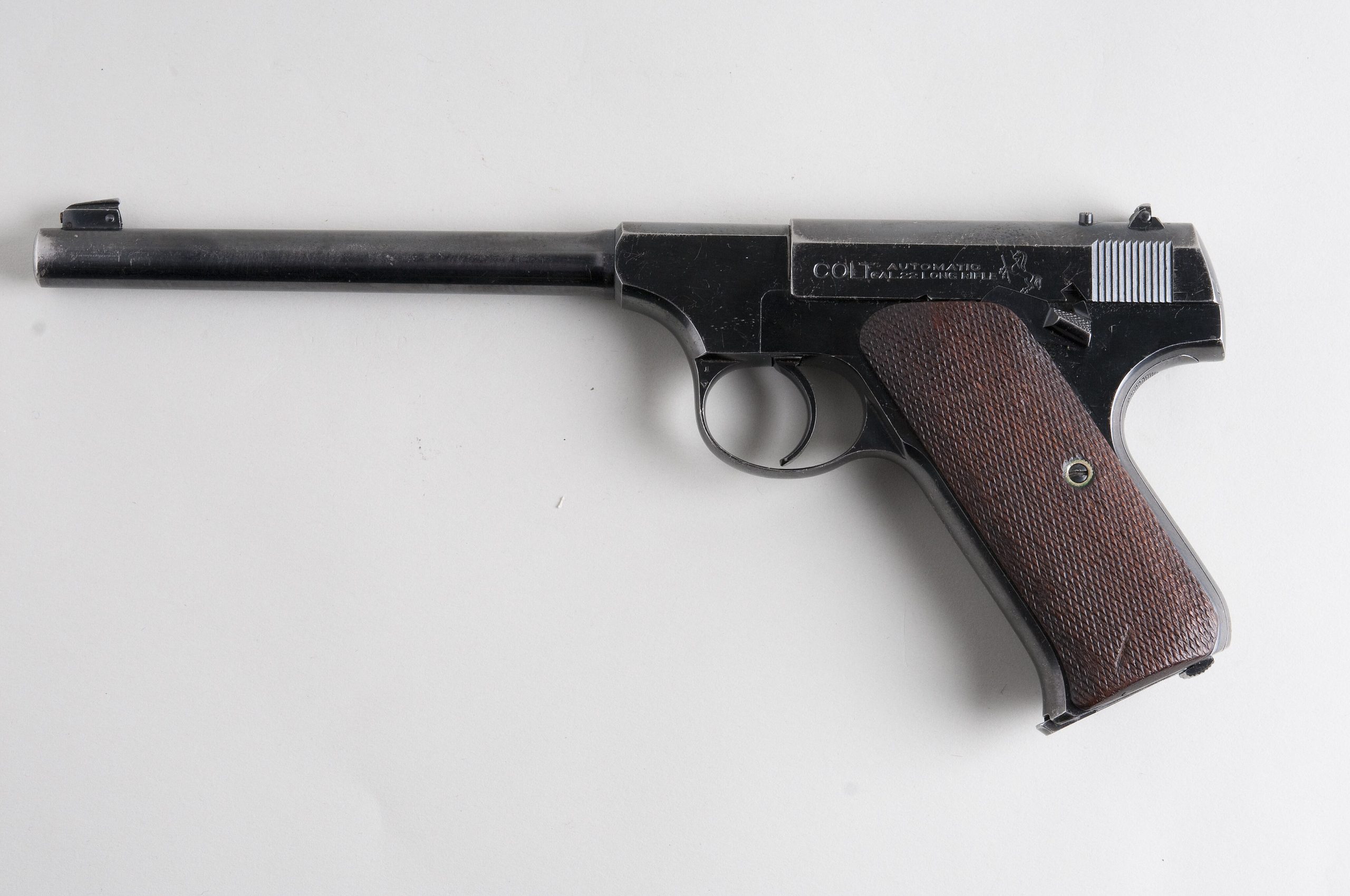
Few rimfire pistols have earned the long-standing admiration enjoyed by the Colt Woodsman. Introduced during an era when craftsmanship and mechanical elegance defined firearm design, this .22 caliber pistol became a favorite among target shooters, outdoorsmen, and enthusiasts who valued precision. While decades of technological development have reshaped modern handguns, the Woodsman continues to hold a respected place in firearm history. Its reputation does not rest on nostalgia alone. Many of its design principles, ergonomics, and shooting characteristics remain surprisingly relevant. Examining what this classic pistol still does well reveals why it remains admired by collectors and shooters alike, even in a marketplace filled with modern alternatives.
Natural Grip Ergonomics

One of the most enduring strengths of the Colt Woodsman lies in its remarkably comfortable grip design. The angle and contour feel intuitive the moment the pistol is picked up, allowing the hand to settle into a stable, controlled position without conscious adjustment. This natural pointing quality contributes to consistent accuracy, particularly for deliberate target shooting. Unlike many modern pistols shaped primarily for compactness or manufacturing efficiency, the Woodsman’s grip reflects careful attention to human anatomy. Shooters often note how easily the sights align when presenting the firearm. That effortless alignment reduces fatigue and encourages steadier shooting sessions. Good ergonomics never become outdated, and the Woodsman demonstrates how thoughtful grip geometry can significantly influence practical performance and overall shooting confidence.
Excellent Balance and Weight Distribution
The Woodsman’s balance remains another feature that continues to impress experienced shooters. Its weight distribution creates a steady, planted feel without becoming cumbersome. The pistol neither feels excessively muzzle heavy nor awkwardly light, striking a harmony that aids precision. Proper balance allows smoother sight tracking and more controlled follow-up shots. Even extended range sessions feel manageable due to the firearm’s predictable handling characteristics. Many contemporary designs pursue minimal weight, sometimes sacrificing stability in the process. The Woodsman illustrates how moderate weight, intelligently positioned, can improve control rather than hinder it. This balance also supports beginners developing fundamental marksmanship skills, reinforcing consistent hand placement and movement. Stability, after all, remains central to accurate shooting regardless of technological trends.
Crisp and Predictable Trigger Feel
Trigger quality significantly shapes shooting experience, and the Colt Woodsman’s trigger is widely regarded as one of its defining virtues. The break feels clean and predictable, encouraging deliberate shot control. A well-tuned trigger minimizes unnecessary movement during firing, supporting accuracy. Rather than feeling spongy or inconsistent, the Woodsman’s trigger rewards careful pressure with a reliable response. This characteristic proves particularly valuable in target shooting, where precision matters most. While modern firearms often rely on polymer components or heavier trigger pulls for safety and liability considerations, the Woodsman reflects an earlier philosophy emphasizing refinement. Shooters appreciate how such a trigger fosters confidence and repeatability. Decades later, that smooth trigger behavior still stands as a reminder that mechanical simplicity often enhances shooting performance.
Reliable Rimfire Performance

Rimfire cartridges present unique reliability challenges compared to centerfire ammunition, yet the Woodsman developed a reputation for dependable function when properly maintained. Its design accommodates the characteristics of .22 caliber ammunition with notable consistency. Smooth feeding and extraction contribute to afrustration-freee shooting rhythm, particularly important for recreational and training purposes. Reliability in a rimfire pistol requires precise timing and careful engineering, qualities evident in the Woodsman’s long service record. Many owners value its ability to cycle a variety of ammunition types without excessive sensitivity. Consistent operation enhances user trust and reduces distractions during shooting. Reliability, even more than innovation, often determines a firearm’s practical longevity. In this regard, the Woodsman’s enduring reputation reflects thoughtful mechanical design rather than mere historical sentiment.
Clean and Elegant Mechanical Design
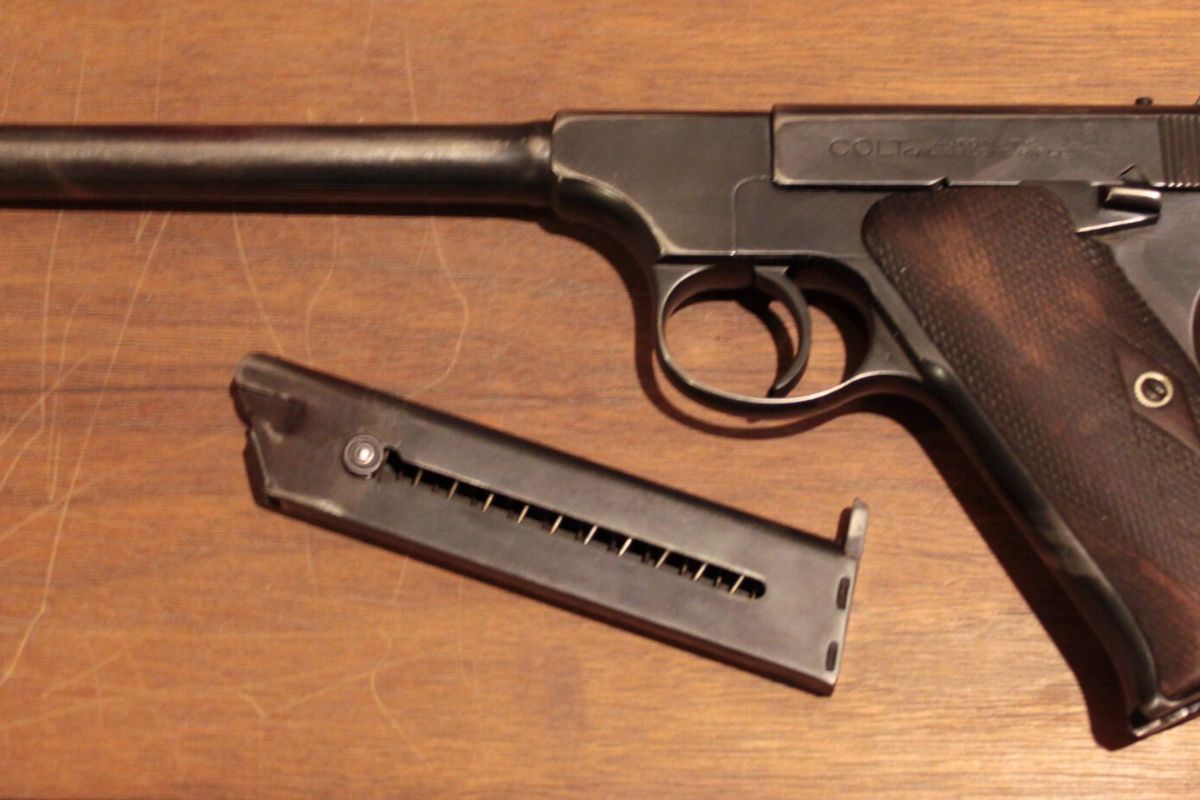
The Woodsman’s internal and external design reveal a mechanical elegance rarely associated with mass-produced firearms today. Lines appear purposeful, surfaces refined, and controls logically arranged. This clarity of design contributes not only to aesthetics but also to functional understanding. Shooters can intuitively grasp how the pistol operates without encountering unnecessary complications. Mechanical simplicity tends to promote durability and ease of maintenance, both central to long-term usability. Modern firearms frequently incorporate complex systems to achieve specialized goals, sometimes increasing potential failure points. The Woodsman exemplifies how restrained engineering can produce a reliable, user-friendly platform. Its design feels cohesive rather than crowded. That sense of mechanical harmony remains one of the reasons enthusiasts continue to admire the pistol decades after its introduction.
Accuracy That Still Commands Respect
Accuracy remains the ultimate measure of a target-oriented rimfire pistol, and the Colt Woodsman continues to earn praise in this regard. Its barrel quality, sight configuration, and overall stability combine to deliver impressive precision. Shooters frequently observe tight grouping capability that rivals many newer designs. Consistent accuracy reflects careful manufacturing standards and thoughtful component alignment. Rather than relying on modern enhancements or electronic aids, the Woodsman achieves precision through fundamental mechanical integrity. The reliability of shot placement enhances its appeal for training, recreational shooting, and informal competition. Accuracy does not lose relevance with time. Even as materials and production methods evolve, the Woodsman demonstrates that well-executed fundamentals remain central to effective firearm performance and user satisfaction.
Intuitive Sight Picture
The sighting system of the Woodsman emphasizes clarity and ease of use. Shooters often find the sight picture clean and naturally aligned, aiding rapid target acquisition. Clear visual reference points reduce aiming uncertainty and encourage consistent shooting habits. Unlike some contemporary pistols prioritizing compactness over sight radius, the Woodsman benefits from proportions that support deliberate aiming. Good sights enhance both precision and confidence, particularly for new shooters mastering fundamentals. The Woodsman’s sight design reflects a period when target shooting strongly influenced handgun development. That heritage remains evident in its user-friendly visual alignment. Effective sights contribute directly to shooting success, regardless of era. The Woodsman’s continued praise in this area underscores how practical visibility and alignment remain timeless priorities.
Durable All-Metal Construction
Material selection profoundly affects longevity, and the Woodsman’s all-metal construction contributes significantly to its enduring reputation. Steel and alloy components resist wear and maintain structural integrity across extensive use. While modern polymer-framed firearms offer undeniable advantages, traditional metal designs often convey a distinct sense of solidity and resilience. Owners appreciate how the Woodsman’s construction tolerates decades of handling and firing when properly cared for. Durability supports reliability, accuracy, and long-term value. The pistol’s continued presence in collections and shooting circles illustrates how robust materials influence service life. Strength and stability derived from metal construction remain relevant considerations. The Woodsman’s survival across generations highlights the practical benefits of sturdy, well-machined components designed for sustained performance.
Comfortable Shooting Characteristics
Recoil management and shooting comfort remain central to user experience. Chambered in .22 caliber, the Woodsman offers mild recoil and minimal muzzle disturbance, encouraging relaxed yet precise shooting sessions. Comfortable firing behavior allows shooters to focus on technique rather than compensation. Reduced recoil also makes the pistol appealing for extended practice and skill development. Many modern firearms emphasize defensive roles, sometimes prioritizing compactness over shooting ease. The Woodsman’s design heritage reflects target and recreational priorities, resulting in a notably smooth shooting experience. Comfort enhances accessibility, particularly for beginners and casual users. The Woodsman demonstrates how manageable recoil and predictable handling contribute to long-term enjoyment and proficiency, reinforcing its lasting appeal among diverse shooting communities.
Timeless Design Appeal
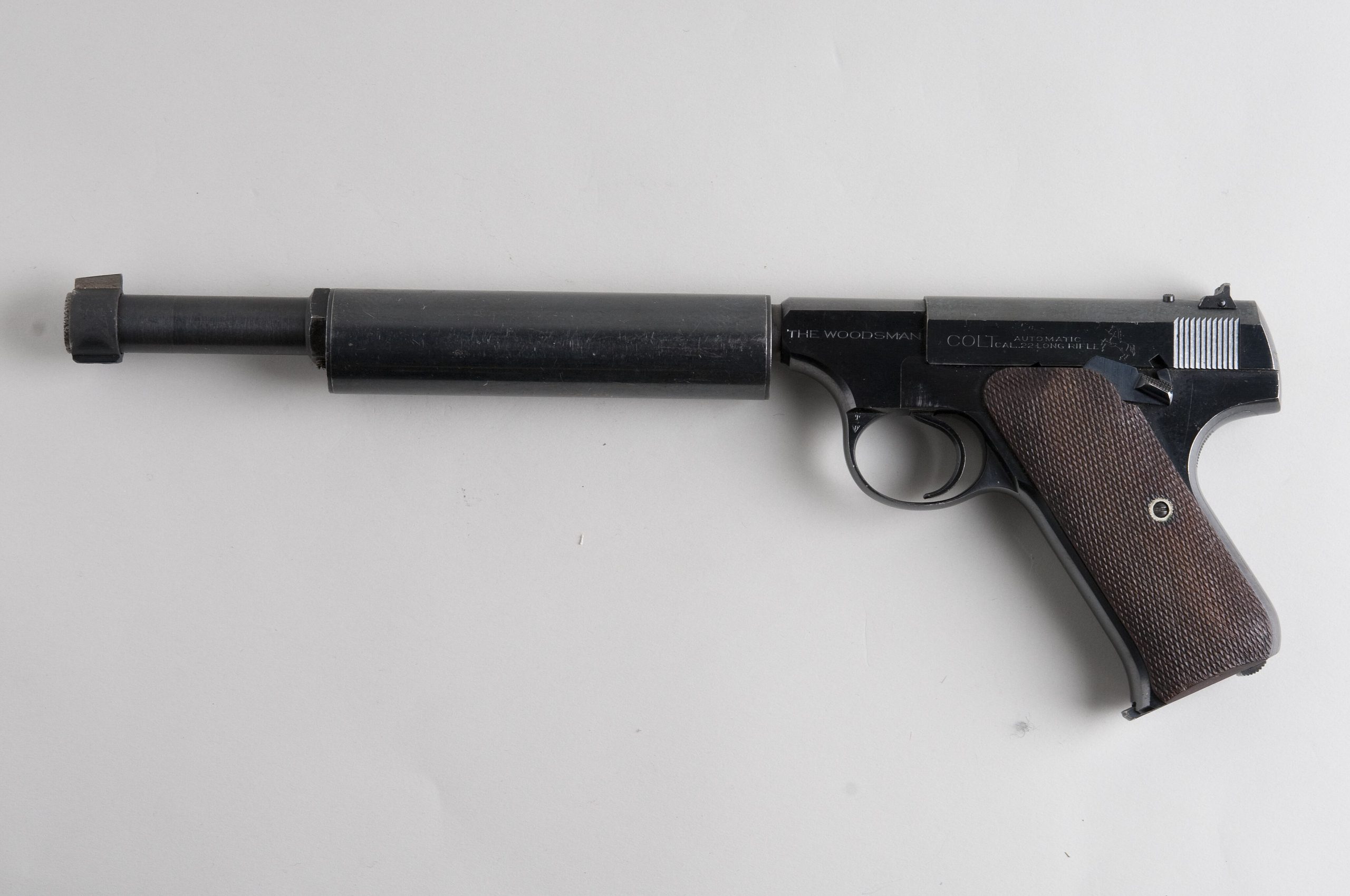
Beyond measurable performance traits, the Colt Woodsman retains an undeniable visual and historical appeal. Its proportions, finish, and craftsmanship evoke a design philosophy centered on refinement and utility. Enthusiasts often admire its understated elegance, which contrasts with many aggressively styled modern firearms. Timeless design extends beyond appearance. It reflects a balance of form, function, and mechanical coherence. The Woodsman’s continued admiration stems partly from how naturally it integrates these elements. Collectors and shooters alike recognize that enduring appeal rarely arises by accident. The pistol’s longevity in public memory underscores the lasting value of thoughtful engineering and aesthetic restraint. Even amid technological change, the Woodsman’s design language continues to resonate with those who appreciate classic firearm artistry.