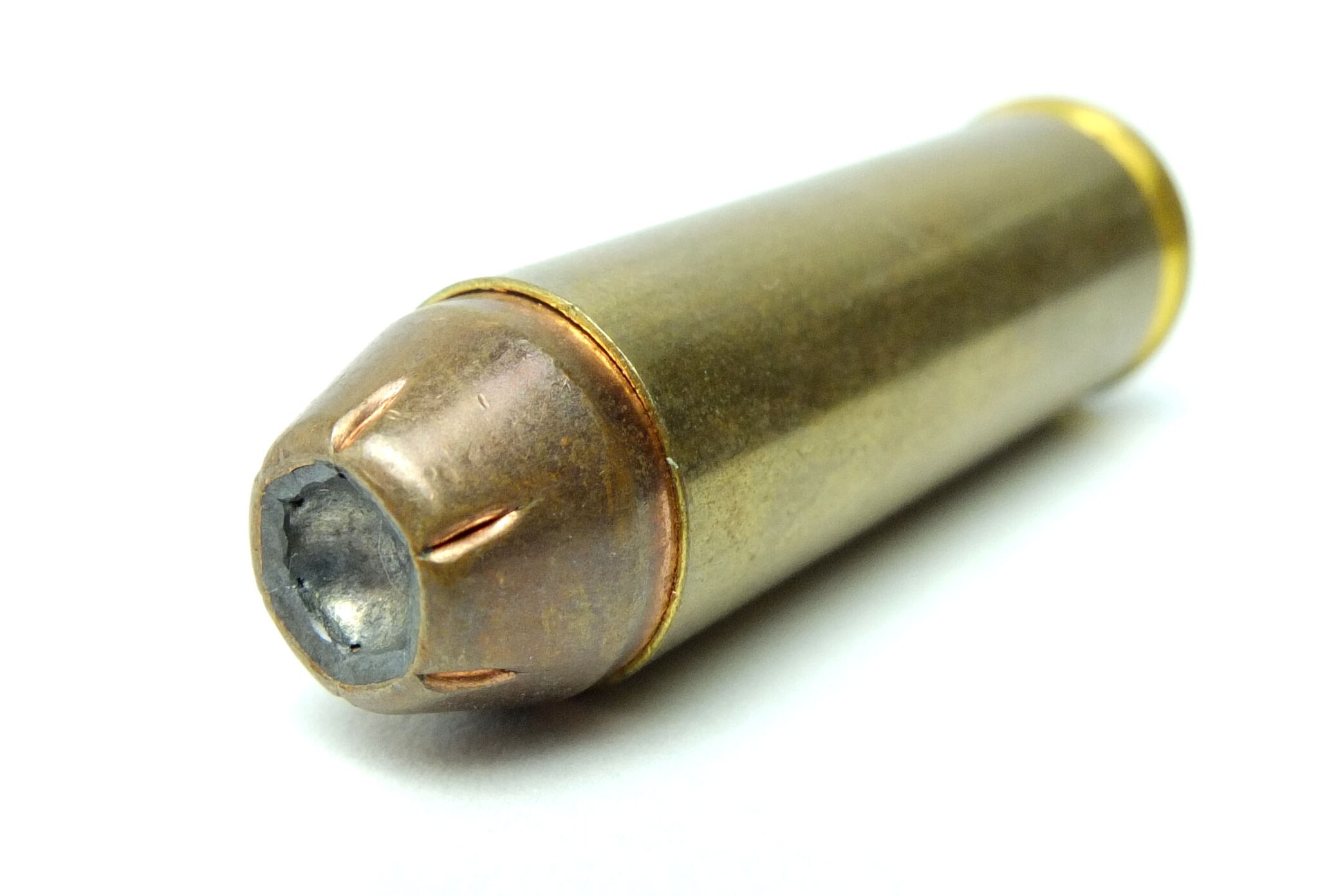
The Dum-Dum bullet is one of the most controversial pieces of ammunition ever created, not because it was advanced, but because it was brutally effective. Developed during the late nineteenth century, this expanding bullet changed how wounds looked on the battlefield and how war was discussed in international law. Unlike standard full metal jacket rounds, Dum-Dum bullets were designed to deform on impact, transferring maximum force into the target. The injuries they caused shocked military doctors and observers alike. As reports spread, outrage followed, eventually pushing governments to reconsider what was acceptable in armed conflict. The story of the Dum-Dum bullet is not just about weapons, but about morality, suffering, and the first serious attempts to limit cruelty in modern warfare.
Origin of the Dum-Dum Bullet
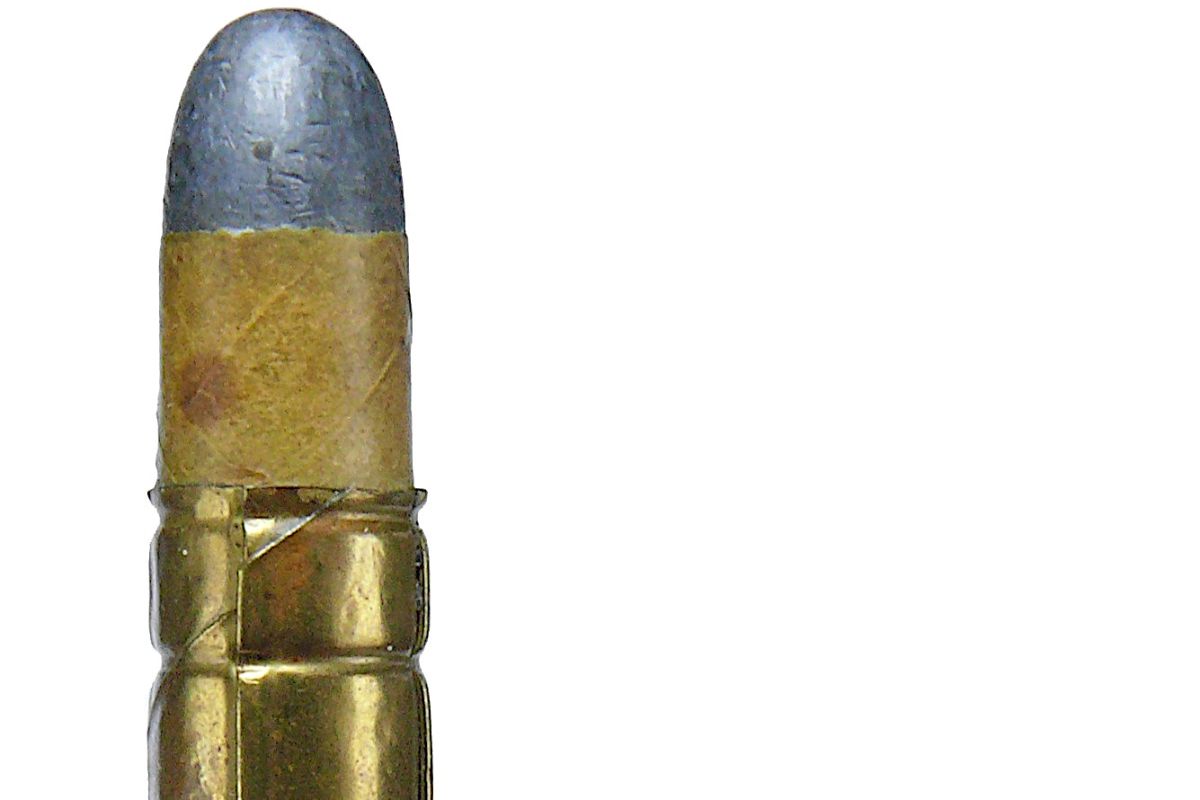
The Dum-Dum bullet was developed in the 1890s at the British Dum Dum Arsenal near Calcutta in colonial India. British forces faced opponents who often continued fighting after being hit by standard ammunition. Military designers sought a round that could stop attackers more quickly. The solution was a bullet with an exposed lead tip or weakened jacket that expanded on impact. This expansion caused larger wounds and reduced the chance of overpenetration. While effective from a tactical standpoint, the bullet produced injuries that were immediately noticeable and far more severe. Field surgeons reported shattered bones and extensive tissue damage. What began as a practical solution to battlefield challenges quickly became a symbol of excessive force and raised ethical concerns across Europe.
How Dum-Dum Bullets Work

Dum-Dum bullets are designed to expand when they strike a target. Unlike full metal jacket rounds, which retain their shape, these bullets flatten or mushroom upon impact. This expansion increases the bullet’s diameter, causing greater energy transfer into the body. The result is a wider wound channel, extensive internal damage, and a higher likelihood of immediate incapacitation. While this might sound efficient from a military perspective, the medical consequences were horrifying. Doctors encountered wounds that were difficult to treat and often fatal due to blood loss or infection. The bullet’s behavior inside the body made recovery far less likely. This mechanical simplicity is exactly what made the Dum-Dum bullet both effective and deeply controversial.
Battlefield Reactions and Medical Reports
When Dum-Dum bullets were first used in combat, reactions were swift and intense. Military doctors documented injuries unlike anything they had seen before. Limbs were shattered beyond repair, soft tissue was torn apart, and survival rates dropped sharply. Even when soldiers lived, amputations were common. These reports circulated among medical communities and governments, fueling outrage. Observers argued that such wounds went beyond what was necessary to disable an enemy. The psychological impact was also severe, as soldiers feared not just death, but catastrophic injury. The bullet became a talking point in newspapers and political debates. Medical evidence played a crucial role in shaping international opinion and ultimately led to calls for regulation.
International Law Takes Notice
By the late 1890s, concerns about Dum-Dum bullets reached international forums. Governments began discussing whether certain weapons caused unnecessary suffering. This debate culminated in the 1899 Hague Convention, where expanding bullets were formally addressed. Delegates argued that warfare should have limits, even between enemies. The Dum-Dum bullet was cited as a clear example of a weapon that crossed ethical boundaries. The agreement banned bullets that expand or flatten easily in the human body during international warfare. This marked one of the earliest attempts to regulate weapons based on humanitarian principles. The decision set a precedent that military effectiveness alone could not justify excessive human suffering.
Why the Ban Focused on Warfare
The ban on Dum-Dum bullets applied specifically to international warfare, not civilian or law enforcement use. Lawmakers recognized that the goals of war differed from policing. On the battlefield, the aim was to neutralize enemy forces, not cause extreme injury. Expanding bullets were seen as unnecessarily cruel in this context. However, in civilian settings, stopping power could reduce the risk of bullets passing through targets and harming others. This distinction allowed expanding ammunition to remain legal for hunting and police use in many countries. The contrast highlights how context shapes ethical judgments. What is considered unacceptable in war can be justified in civilian safety scenarios.
Misconceptions About Dum-Dum Bullets
Many people believe Dum-Dum bullets are illegal everywhere, which is not true. The ban applies to their use in international armed conflict between nations that signed the Hague Convention. In civilian life, similar expanding bullets are widely used for hunting and self-defense. Another misconception is that Dum-Dum bullets explode inside the body. They do not explode, but expand mechanically due to exposed lead or hollow points. These misunderstandings often stem from dramatic descriptions of battlefield injuries. Clarifying these facts helps separate emotional reactions from technical reality. While the injuries are severe, the bullet’s operation is simple and predictable, which is why it remains relevant today.
Use in Modern Conflicts
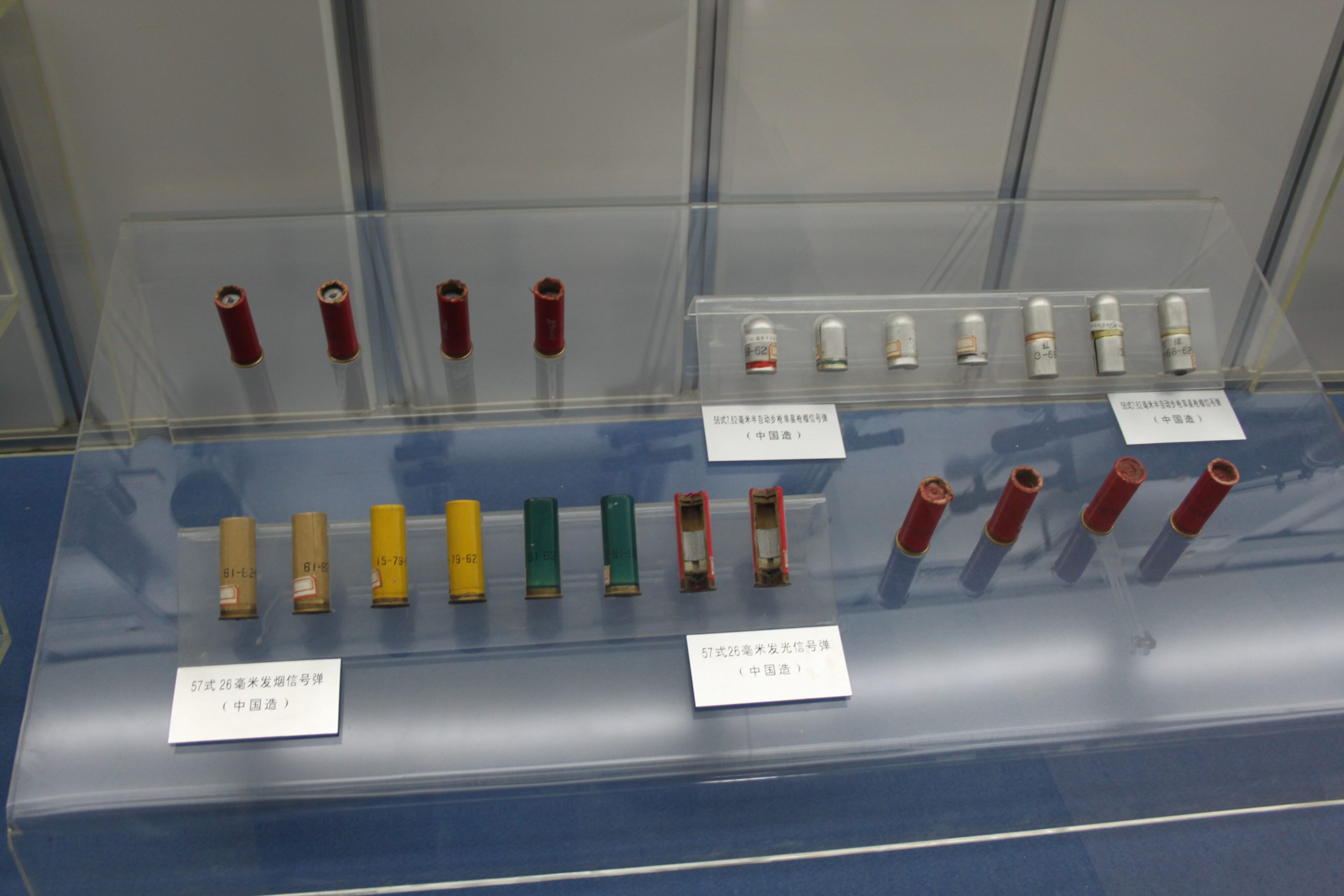
Officially, modern militaries adhere to the ban on expanding bullets in warfare. Full metal jacket ammunition remains the standard issue for most armed forces. However, controversies still arise when non-state actors or irregular forces use expanding rounds. Some special operations units have also sparked debate by using ammunition designed to reduce ricochet or increase accuracy, blurring legal lines. These situations reignite discussions about the spirit of the law versus technical compliance. While Dum-Dum bullets themselves are rarely issued today, their legacy continues to influence how new ammunition is evaluated under international humanitarian law.
Ethical Debate and Humanitarian Impact
The Dum-Dum bullet forced the world to confront an uncomfortable question. Should there be limits on how much suffering a weapon can cause? Supporters argued that faster incapacitation could shorten battles and save lives. Critics countered that extreme injuries violated basic human dignity. This debate shaped modern humanitarian law and influenced later bans on chemical and biological weapons. The Dum-Dum controversy showed that technology alone should not dictate warfare practices. Ethical considerations gained a permanent place in military decision-making. The bullet’s legacy extends far beyond its physical design, serving as a turning point in how war is morally assessed.
Influence on Modern Ammunition Design
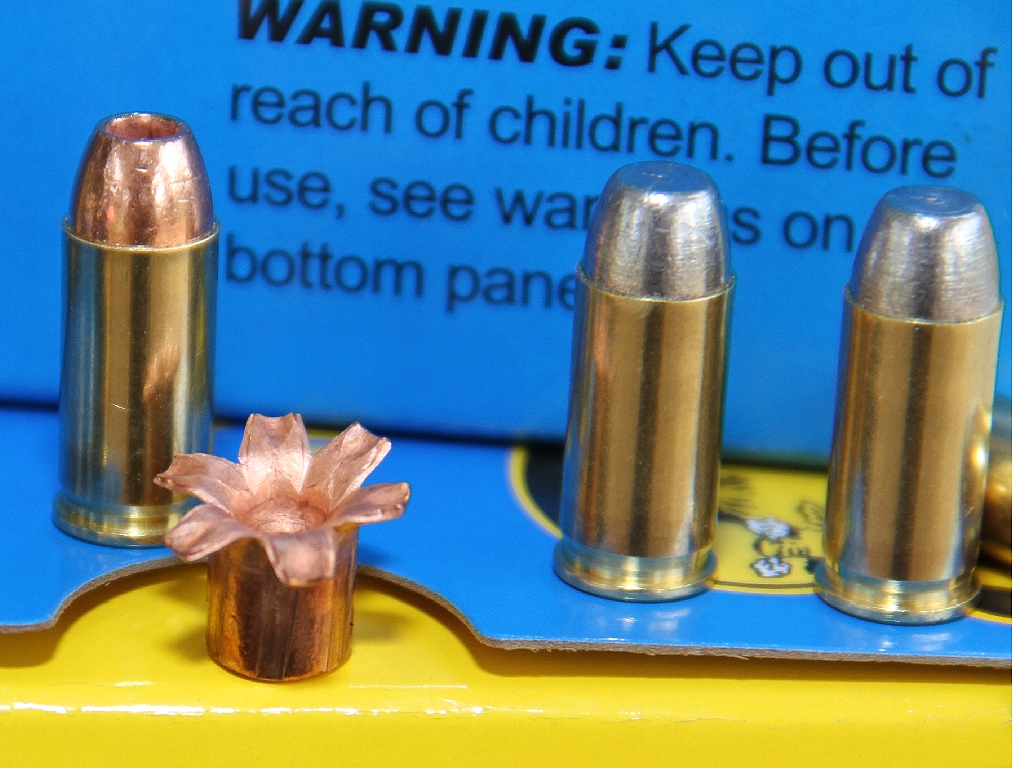
Even though Dum-Dum bullets are banned in war, their principles influenced modern ammunition development. Designers studied expansion mechanics to improve hunting and law enforcement rounds. Controlled expansion bullets were created to balance stopping power with predictable penetration. In military contexts, engineers focused on accuracy and stability instead. The clear legal boundary forced innovation in other areas, such as body armor and trauma care. The ban did not halt progress, but redirected it. Today’s ammunition reflects lessons learned from Dum-Dum bullets without repeating their most controversial aspects.
Why the Dum-Dum Bullet Still Matters
More than a century later, the Dum-Dum bullet remains a powerful symbol. It represents the moment when the world acknowledged that not all weapons should be allowed, no matter how effective. Its ban laid the groundwork for future arms control agreements. Understanding its history helps explain why international laws exist and how they evolve. The Dum-Dum bullet reminds us that warfare is shaped not only by technology, but by shared values. Its story continues to inform debates about ethics, legality, and human suffering in conflict zones around the world.