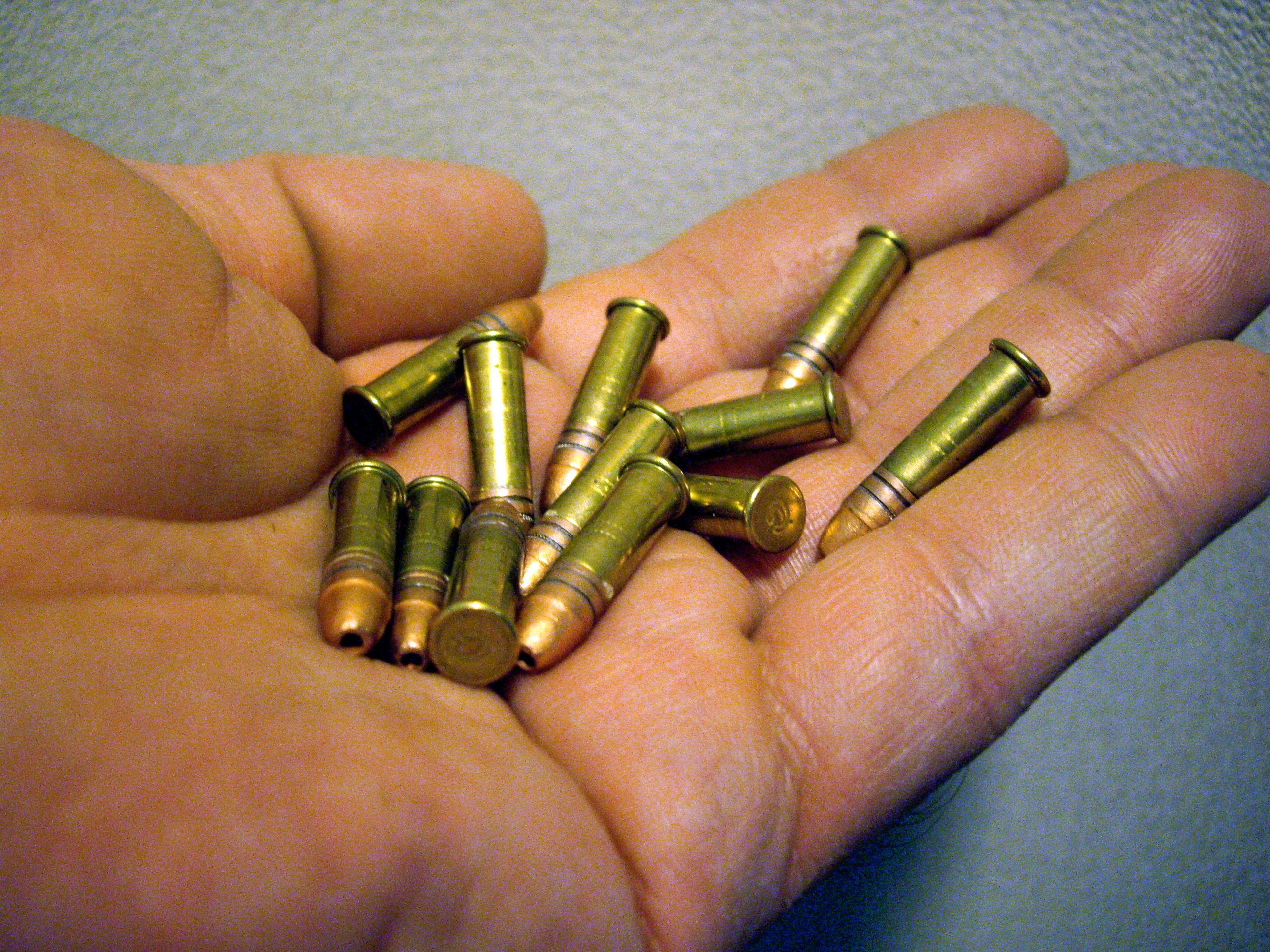
.22 LR ammunition has a reputation for lasting forever, and in many cases, that reputation is well earned. Shooters often discover decades-old boxes still capable of firing, which leads to the assumption that rimfire ammo is immune to time. In reality, .22 LR cartridges are chemically active objects that slowly respond to their environment. Heat, moisture, air exposure, and storage conditions all influence how long the powder, priming compound, and bullet remain reliable. While aging does not always make .22 LR unsafe, it can affect accuracy, ignition consistency, and overall performance. Understanding what actually happens as these small cartridges age helps shooters store ammo smarter, recognize warning signs, and decide when old rounds are still usable or better left unfired.
Primer Compound Slowly Loses Sensitivity
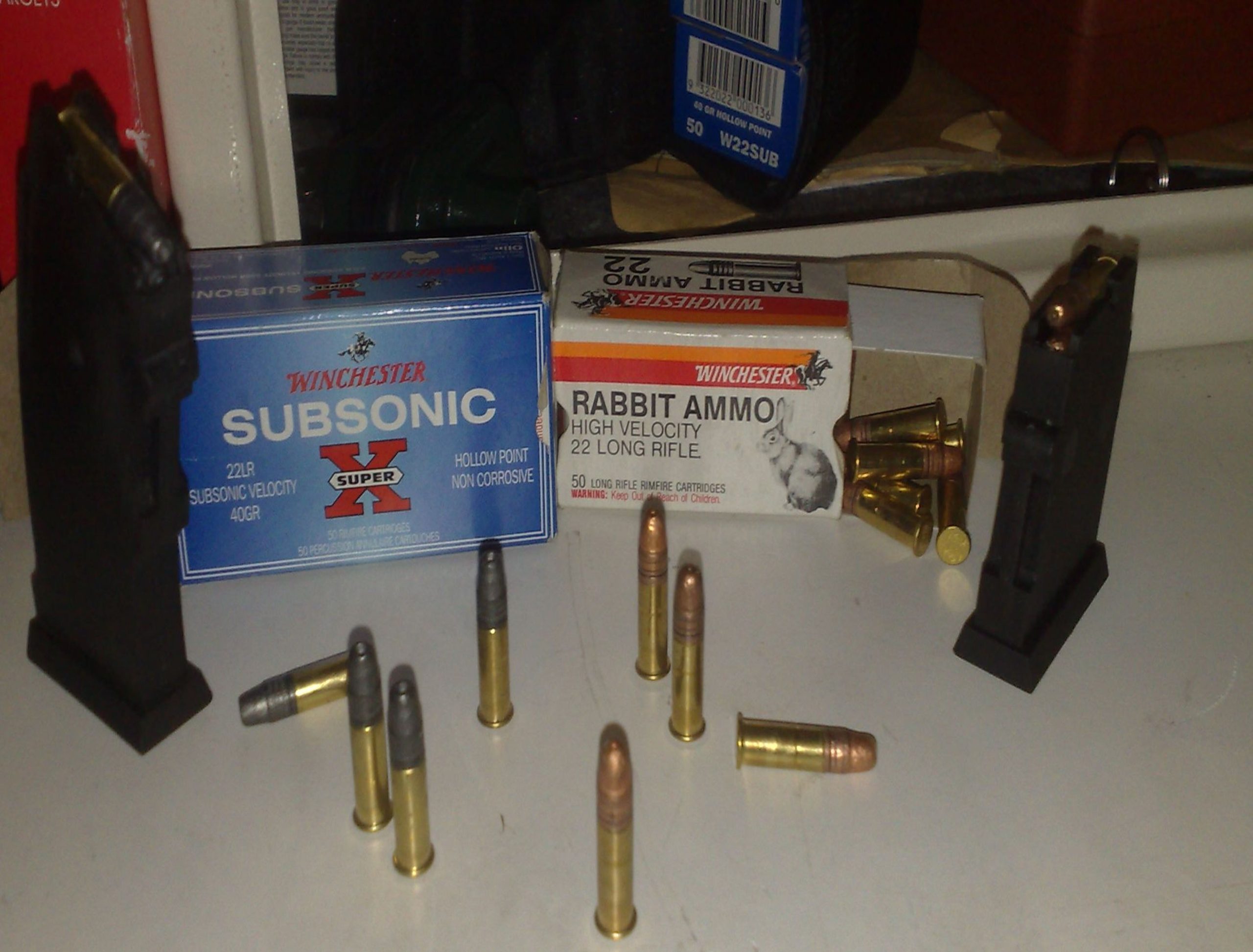
The priming compound in .22 LR ammo is spun into the rim and is more vulnerable to age than many shooters realize. Over long periods, especially when exposed to humidity or temperature swings, this compound can harden or chemically degrade. As sensitivity decreases, firing pin strikes may fail to fully ignite the primer, resulting in misfires or delayed ignition. Rimfire ammo depends on uniform primer distribution, so even minor degradation can lead to inconsistent performance. Older cartridges may still fire, but reliability often becomes unpredictable. This is why it is very old .22 LR ammo frequently shows scattered failures even when the brass and bullet appear visually perfect.
Powder Can Degrade and Burn Unevenly
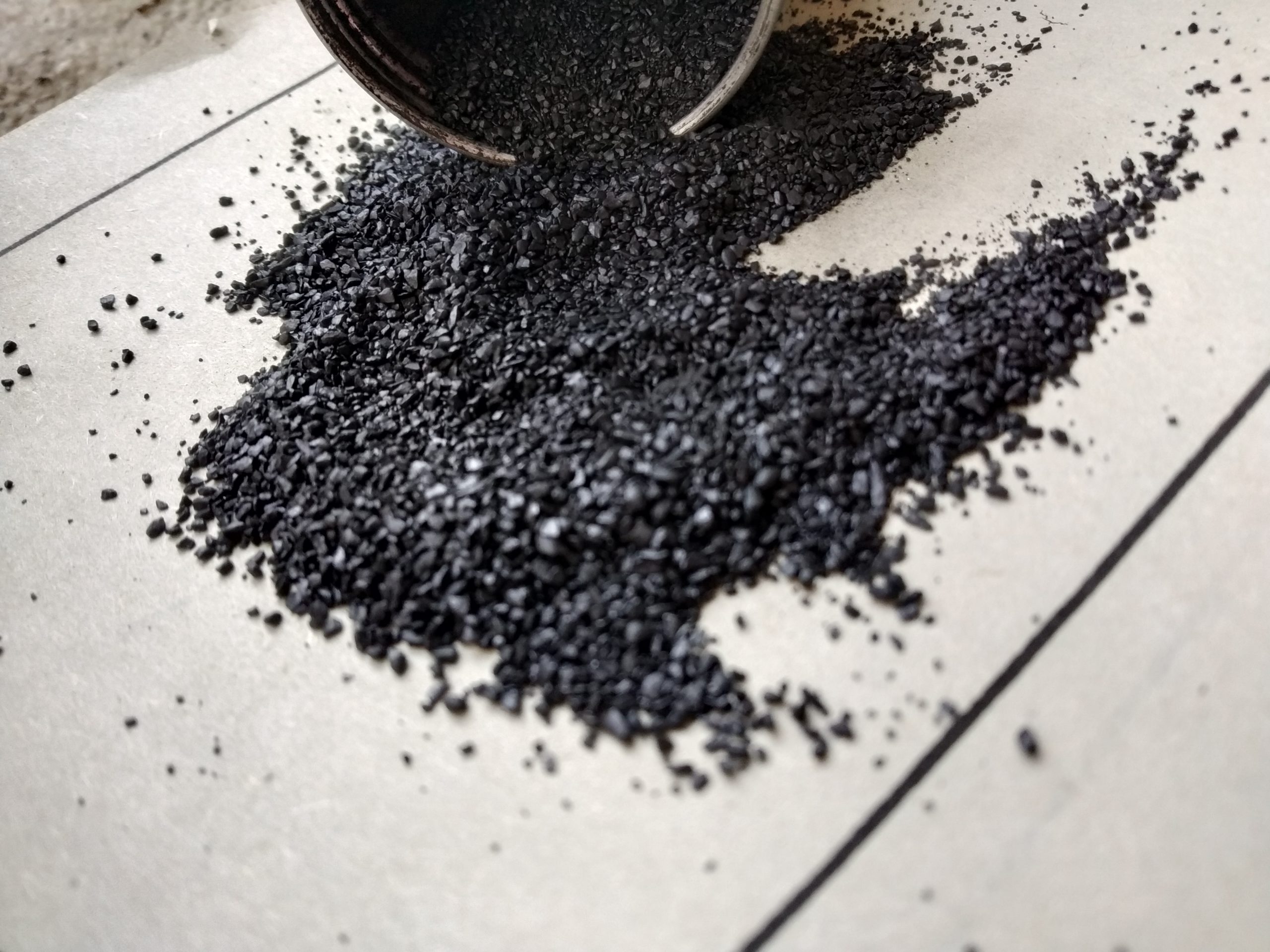
Smokeless powder inside .22 LR cartridges is stable but not immortal. Over-extended storage, chemical stabilizers slowly break down, especially if the ammo is kept in warm or poorly ventilated areas. Degraded powder may burn slower, faster, or unevenly, which can cause weak shots, inconsistent velocities, or unusual report sounds. In extreme cases, powder breakdown produces acidic gases that further accelerate cartridge deterioration. While catastrophic failures are rare with .22 LR, performance degradation is common in aged ammo. Shooters may notice erratic accuracy or rounds that sound noticeably underpowered compared to fresh ammunition.
Brass Cases Can Corrode From the Inside Out
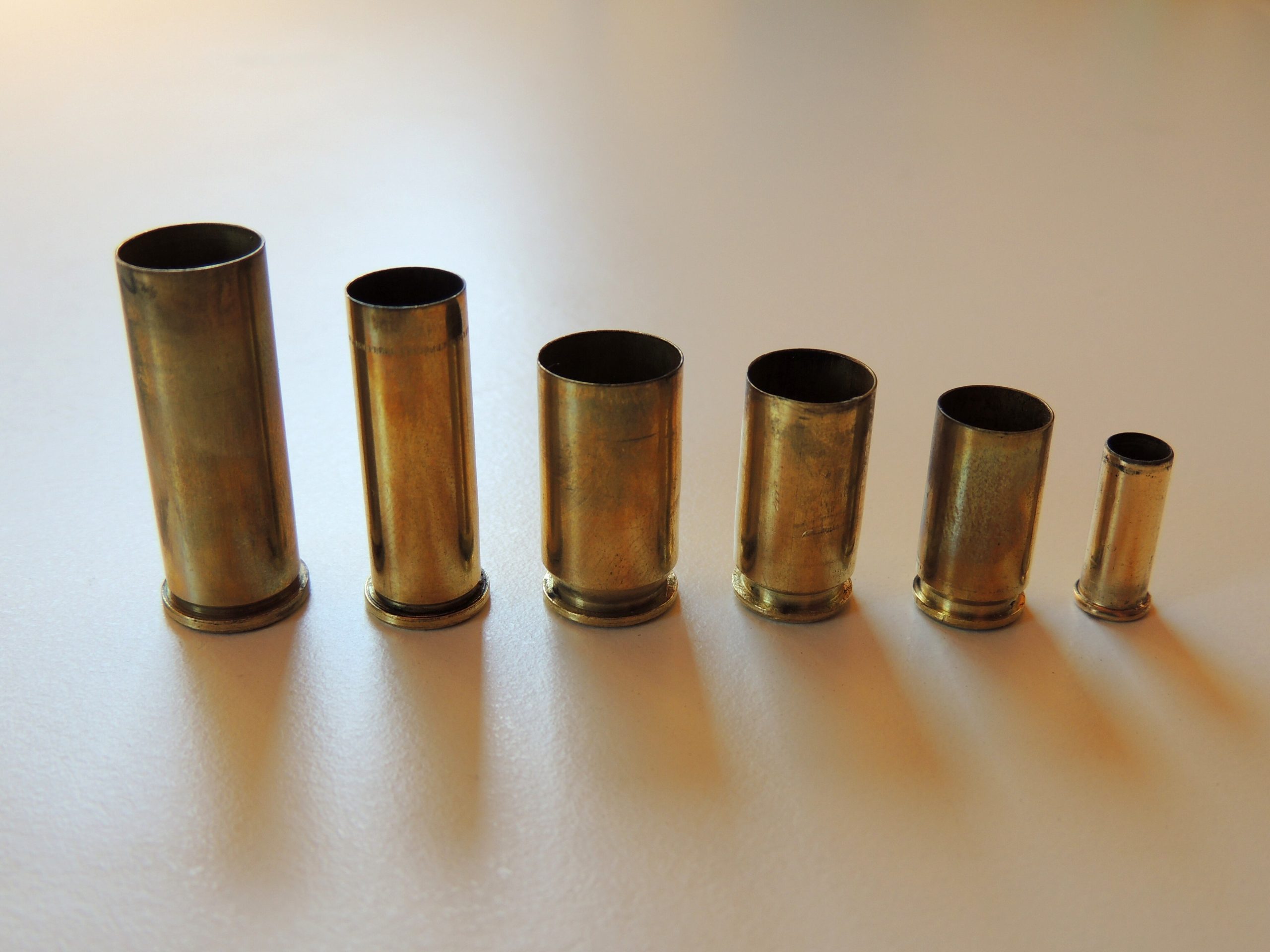
Brass cases appear solid, but long-term storage can invite corrosion, especially in humid environments. Moisture and airborne contaminants slowly attack brass, sometimes starting on the inside where damage is invisible. Internal corrosion weakens the case wall and can interfere with proper chamber sealing. Externally, tarnish is mostly cosmetic, but deep pitting or flaking is a red flag. Corroded cases may split on firing or fail to extract cleanly. While .22 LR operates at relatively low pressure, compromised brass still poses reliability issues and can damage extractors or chambers over time.
Bullet Lubricant Can Dry Out or Harden
Most .22 LR bullets are coated with a thin wax or lubricant designed to reduce barrel fouling and friction. Over many years, this lubricant can dry out, harden, or collect dust and debris. When that happens, bullets may experience increased resistance as they travel down the barrel. This leads to inconsistent velocities, reduced accuracy, and sometimes excessive lead fouling. Hardened lubricant can also cause feeding issues in semi-automatic firearms. Even if the cartridge fires normally, dried bullet lube subtly degrades performance, especially in precision shooting where consistency matters most.
Rim Deformation Becomes More Likely Over Time
The rim of a .22 LR cartridge is thin and easily deformed, especially when ammo is stored loosely in bulk containers. Over time, pressure from stacking, vibration during transport, or improper packaging can flatten or dent the rim. Because rimfire ignition depends entirely on rim compression, even minor damage can result in misfires or inconsistent ignition. Older ammo that has been moved repeatedly or stored without rigid protection often shows this issue. Deformed rims may also cause feeding problems or failures to chamber smoothly. In semi-automatic firearms, damaged rims can lead to repeated stoppages that frustrate shooters and interrupt reliability during extended shooting sessions.
Accuracy Declines Long Before Ammo Completely Fails

One of the most misleading aspects of aging .22 LR ammunition is that accuracy often degrades well before outright failures appear. As primer sensitivity weakens and powder burn becomes less consistent, muzzle velocities begin to vary from shot to shot. These variations may be small, but they compound over distance, causing noticeably wider groups and unpredictable point-of-impact shifts. Shooters frequently blame their rifle, optic, or shooting fundamentals without realizing that the ammunition itself has changed. This inconsistency becomes especially apparent when shooting from a rest or comparing old ammo against newer batches. Even though rounds still fire and cycle, the loss of uniformity makes reliable precision difficult. For hunters and target shooters alike, this gradual accuracy decay often signals aging ammo long before misfires become common.
Storage Conditions Ultimately Matter More Than Age Alone
Calendar age is far less important than how .22 LR ammunition is stored over its lifetime. Ammo kept in a cool, dry, and sealed environment can remain dependable for decades, while poorly stored ammo may degrade in just a few years. Heat accelerates chemical reactions in primers and powder, while humidity promotes corrosion and lubricant breakdown. Garages, sheds, and vehicles expose ammo to constant temperature swings that dramatically shorten its lifespan. Even repeated opening of containers allows moist air to enter, compounding damage over time. Many shooters are surprised to find that properly stored older ammo outperforms newer ammo that was left in harsh conditions. Consistent storage practices are the single most important factor in preserving long-term rimfire reliability.
Semi-Automatic Firearms Reveal Aging Problems First
Semi-automatic firearms are far less forgiving of aging .22 LR ammunition than bolt-actions or revolvers. As powder charges weaken or vary, the reduced energy may fail to fully cycle the action, leading to stovepipes, failures to eject, or short-stroking. Dried bullet lubricant increases friction, while rim deformation interferes with smooth feeding from magazines. These issues often appear intermittently, making diagnosis frustrating. Shooters may clean or repair firearms unnecessarily, not realizing that ammunition inconsistency is the root cause. Because semi-autos rely on precise energy balance, even small performance losses become obvious. This is why old rimfire ammo that works acceptably in manual-action firearms often performs poorly in semi-automatic platforms.
Old .22 LR Ammo Is Usually Safe but Increasingly Unpredictable
Aged .22 LR ammunition rarely becomes dangerous in a catastrophic way, but unpredictability increases as components deteriorate. Misfires, weak shots, and hangfires occur more frequently, requiring strict adherence to safe handling procedures. Delayed ignition can catch shooters off guard, especially those unfamiliar with older ammo behavior. Maintaining muzzle discipline after a click instead of a bang becomes essential. While case ruptures or severe failures are uncommon, reliability uncertainty grows with every decade of storage. This unpredictability makes old ammo unsuitable for training new shooters or for any situation where dependable performance is expected. Testing small quantities before extended use is always recommended when dealing with older rimfire ammunition.
Proper Storage Can Preserve .22 LR Ammo for Generations
When stored correctly, .22 LR ammunition can remain functional for an exceptionally long time, sometimes spanning generations. Airtight containers, desiccant packs, stable indoor temperatures, and minimal handling slow the chemical and physical aging process dramatically. Keeping ammo away from direct sunlight, moisture, and frequent temperature changes preserves primer sensitivity, powder stability, and brass integrity. Organized storage, including labeling and rotating stock, prevents extreme aging while maintaining predictability. Shooters who treat ammo storage as preservation rather than simple stacking often discover that decades-old cartridges still perform reliably. Neglect, however, accelerates degradation far faster than most people expect, regardless of the ammo’s original quality.