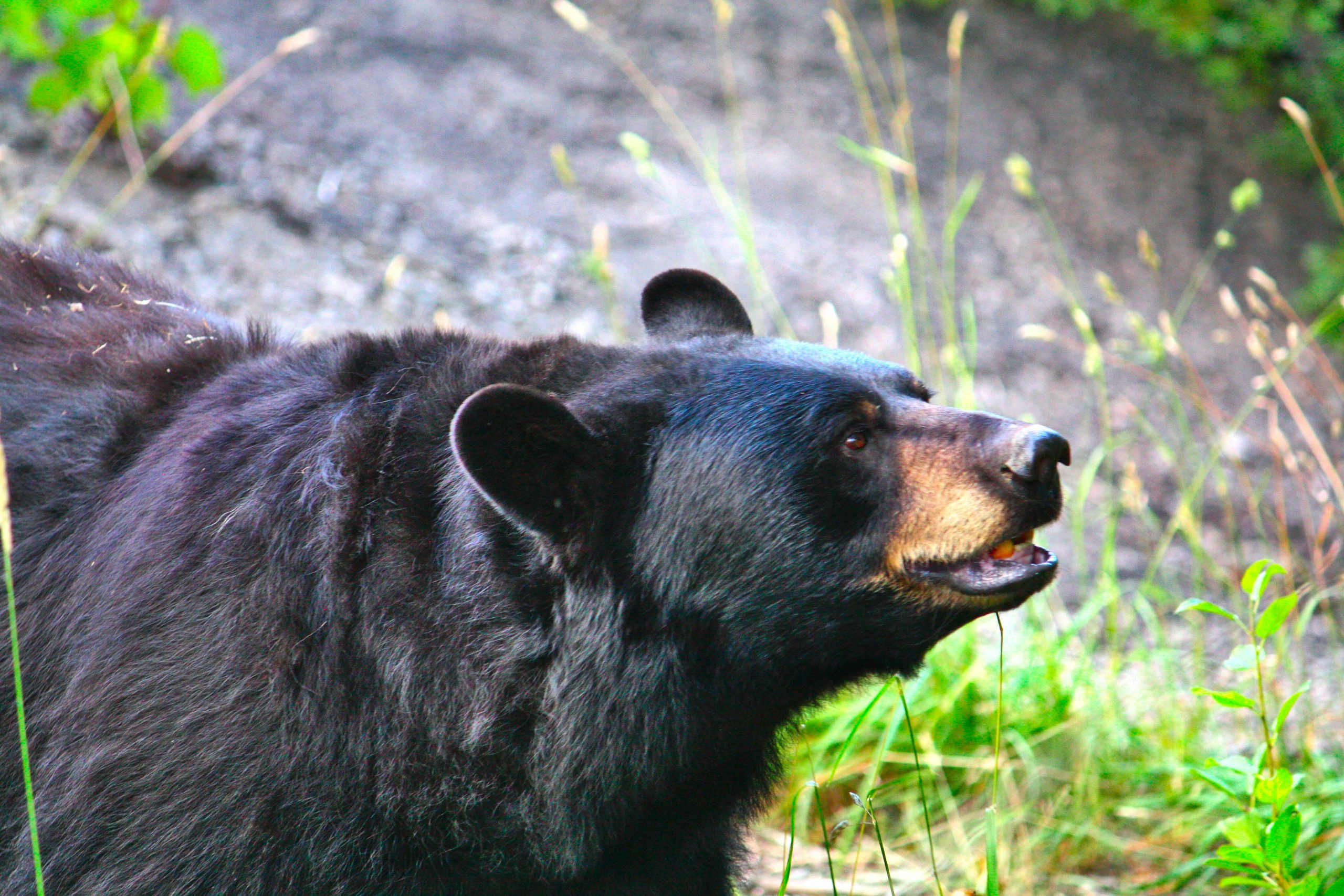
Black bears behave very differently when they feel calm, secure, and unchallenged. Without fear driving their actions, they shift into routines focused on feeding, conserving energy, social tolerance, and environmental awareness. These behaviors often surprise people who expect bears to act aggressively at all times. In reality, a relaxed black bear is usually deliberate, observant, and quietly purposeful. Understanding what bears do when they are not stressed helps explain why they sometimes linger near homes, move slowly through open areas, or seem indifferent to distant human presence. These actions are not signs of tameness, but of confidence shaped by experience and environment.
They Focus Heavily on Efficient Feeding
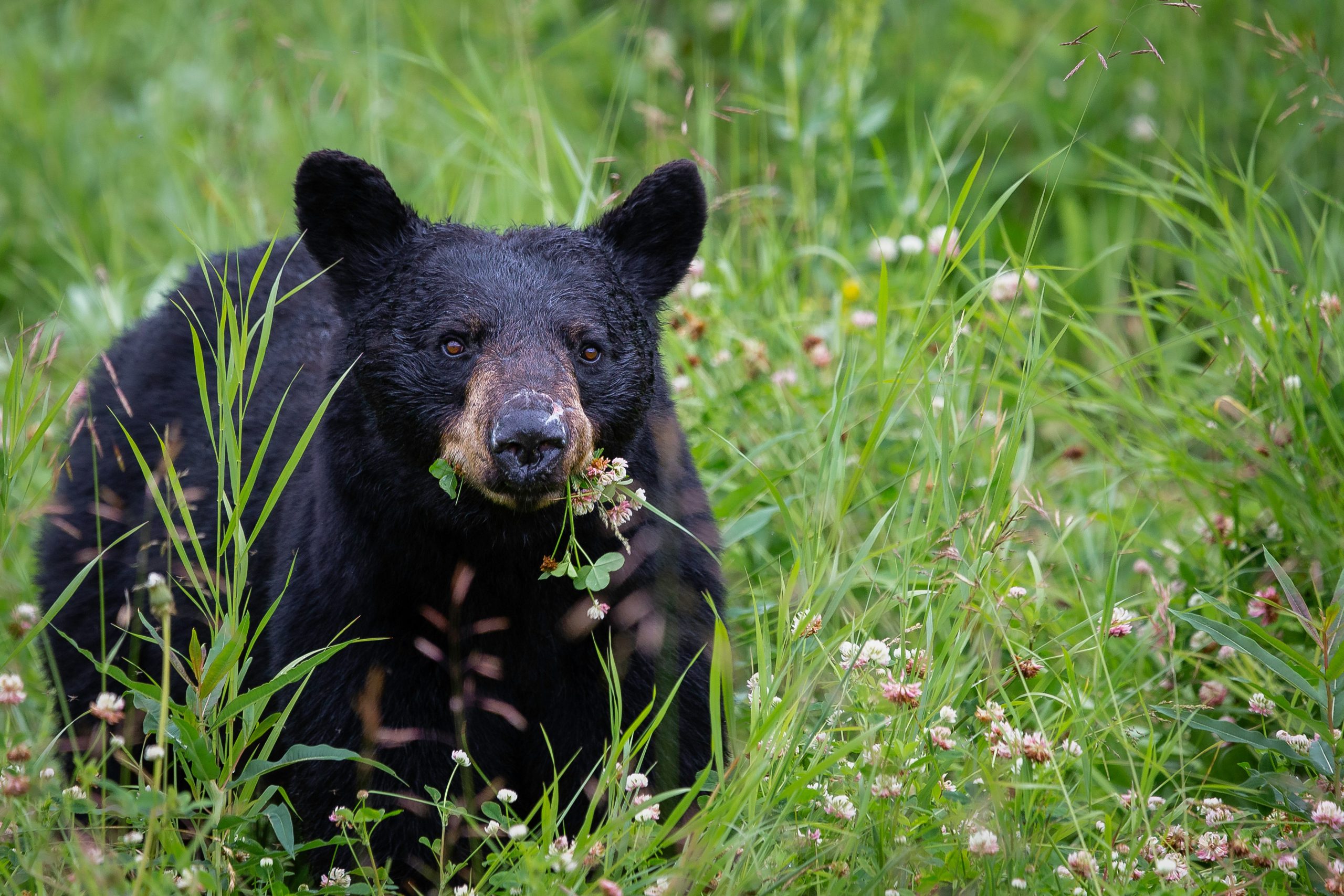
When black bears don’t feel threatened, most of their time is devoted to feeding efficiently rather than defensively. They move slowly between food sources, carefully selecting items that provide the highest calorie return for the least effort. Bears may graze on berries, dig for roots, strip bark, or forage for insects with deliberate patience. Their movements appear calm and methodical because they are not constantly scanning for danger. A relaxed bear often pauses to smell the air, evaluate options, and return to productive spots repeatedly. This feeding behavior reflects energy conservation, not laziness, and allows bears to meet nutritional needs without unnecessary risk or exertion.
They Travel Predictable Routes
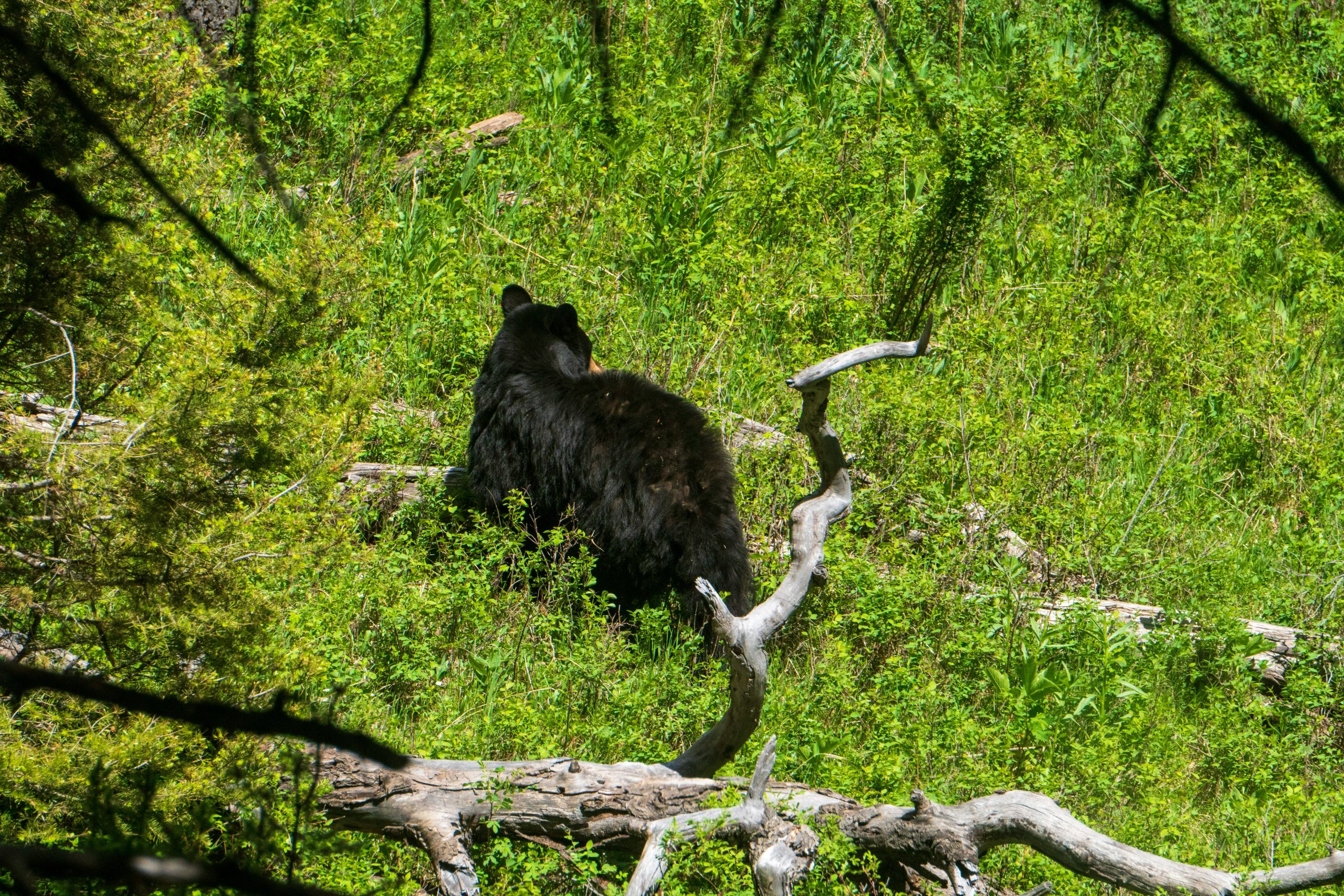
A calm black bear often follows established travel paths rather than moving randomly. These routes may include ridgelines, creek beds, logging roads, or forest edges that provide easy movement and good visibility. When not stressed, bears prefer familiarity and efficiency over exploration. They may use the same trail repeatedly over days or weeks, especially if it connects reliable food sources. This predictable movement helps explain why bears are frequently spotted in the same locations. It is not curiosity, but routine. A relaxed bear sees no need to change course unless food availability, scent cues, or environmental conditions shift significantly.
They Tolerate Distant Activity
When bears feel safe, they often tolerate distant human or animal activity without reacting strongly. A calm bear may continue feeding or walking even if it hears voices, vehicles, or machinery far away. This tolerance does not mean the bear is unaware; it is constantly assessing distance, direction, and intent. If activity remains predictable and non-confrontational, the bear sees no reason to flee. This behavior can be misinterpreted as friendliness or indifference, but it is actually a calculated response based on experience. The bear remains alert, ready to disengage if the situation changes suddenly.
They Display Relaxed Body Language
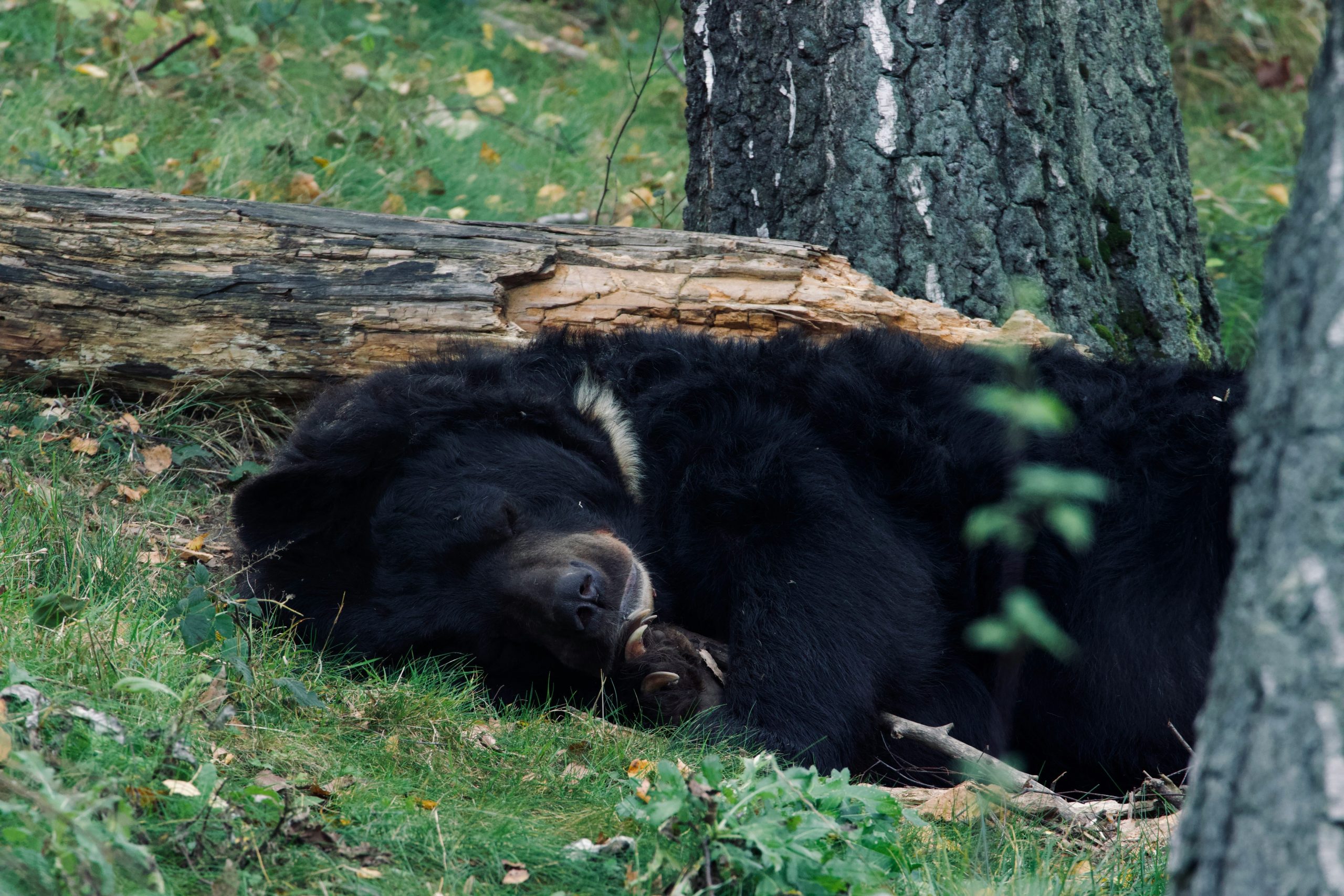
Non-threatened black bears show clear physical signs of calmness. Their ears remain upright or neutral, movements are smooth, and their posture appears loose rather than stiff. They walk with a steady pace, stop frequently to sniff, and may even sit or lie down while feeding. There is little vocalization, bluff charging, or exaggerated movement. These signals indicate the bear does not feel pressured to defend itself or escape. Observing relaxed body language is one of the clearest indicators that a bear perceives no immediate danger in its surroundings, even though it remains capable of rapid response if needed.
They Conserve Energy Whenever Possible
When not threatened, black bears prioritize conserving energy. They avoid unnecessary running, climbing, or aggressive displays because these actions burn calories quickly. Instead, they move deliberately and rest often between feeding sessions. A relaxed bear may nap in shaded areas, lounge near food sources, or remain inactive during the hottest parts of the day. This behavior is especially common outside mating season. Energy conservation is critical for survival, particularly before winter or after den emergence. Calm conditions allow bears to balance feeding and rest efficiently without constant stress draining their reserves.
They Show Limited Social Tolerance
Black bears are generally solitary, but when they feel secure, they may tolerate the presence of other bears at shared food sources. This tolerance is not friendliness, but a temporary truce driven by low competition and low stress. Bears may feed within sight of one another while avoiding direct interaction. Subtle signals like body orientation and spacing help prevent conflict. When resources are abundant and no threats are present, bears see little reason to fight. However, this tolerance disappears quickly if food becomes scarce or if a bear feels crowded or challenged. This tolerance only lasts as long as space and food remain sufficient, and it can vanish instantly if tension rises.
They Investigate Slowly and Carefully
A relaxed bear investigates new smells or objects with caution rather than alarm. Instead of charging or retreating immediately, it may circle, sniff, paw lightly, or observe from a short distance. This slow assessment allows the bear to gather information without escalating risk. Calm investigation is often mistaken for curiosity, but it is a survival strategy rooted in experience. Bears that do not feel threatened trust their ability to withdraw if needed. This behavior explains why bears sometimes linger near unfamiliar items or structures instead of reacting dramatically. Slow investigation helps bears avoid mistakes, allowing them to retreat without panic if conditions suddenly change.
They Remain Environmentally Aware
Even when calm, black bears never stop monitoring their surroundings. Their heads lift frequently, noses test the air, and ears adjust toward subtle sounds. This constant awareness allows them to remain relaxed without being vulnerable. A non-threatened bear is not distracted; it is simply confident that it can respond quickly if conditions change. This balance between calm behavior and alertness is a hallmark of an experienced bear. It allows them to function efficiently while minimizing unnecessary stress or confrontation. Even relaxed bears constantly scan wind, sound, and movement, maintaining readiness without obvious agitation.
They Use Time Strategically
When bears feel safe, they organize their activity around optimal timing rather than urgency. They may feed early in the morning, rest midday, and resume movement later in the evening. This rhythm reduces energy loss and avoids environmental discomfort like heat. A relaxed bear does not rush unless motivated by hunger or competition. This predictable timing is one reason bears often appear consistently at certain hours. Their schedule reflects strategy, not habit alone, shaped by comfort, food availability, and past success .Strategic timing reduces stress, limits competition, and allows bears to feed when conditions are most favorable.
They Avoid Unnecessary Conflict
A calm black bear prefers avoidance over confrontation. If another animal or person enters its space unexpectedly, the bear often chooses to move away quietly rather than escalate. Conflict wastes energy and increases injury risk. When bears feel secure, they have no need to prove dominance. This preference for avoidance explains why many encounters end with the bear leaving calmly. However, this behavior depends entirely on the bear continuing to feel unthreatened. Sudden movements, close approach, or cornering can instantly change the respons e.Avoidance is a survival choice, not weakness, helping bears conserve energy and prevent injury whenever possible.