Conservation efforts frequently focus on charismatic megafauna like pandas and tigers while ignoring less attractive species. Ugly and endangered creatures deserve saving too because they play irreplaceable roles in their local environments. Public perception often dictates funding, which leaves distinct but unappealing animals on the brink of extinction without support. Biodiversity relies on a complex web where slimy amphibians and bald scavengers are just as critical as majestic mammals. Losing these weird organisms means losing millions of years of unique evolutionary history. Protecting the unloved members of the animal kingdom is essential for maintaining a truly healthy and resilient planet.
Essential Ecosystem Roles
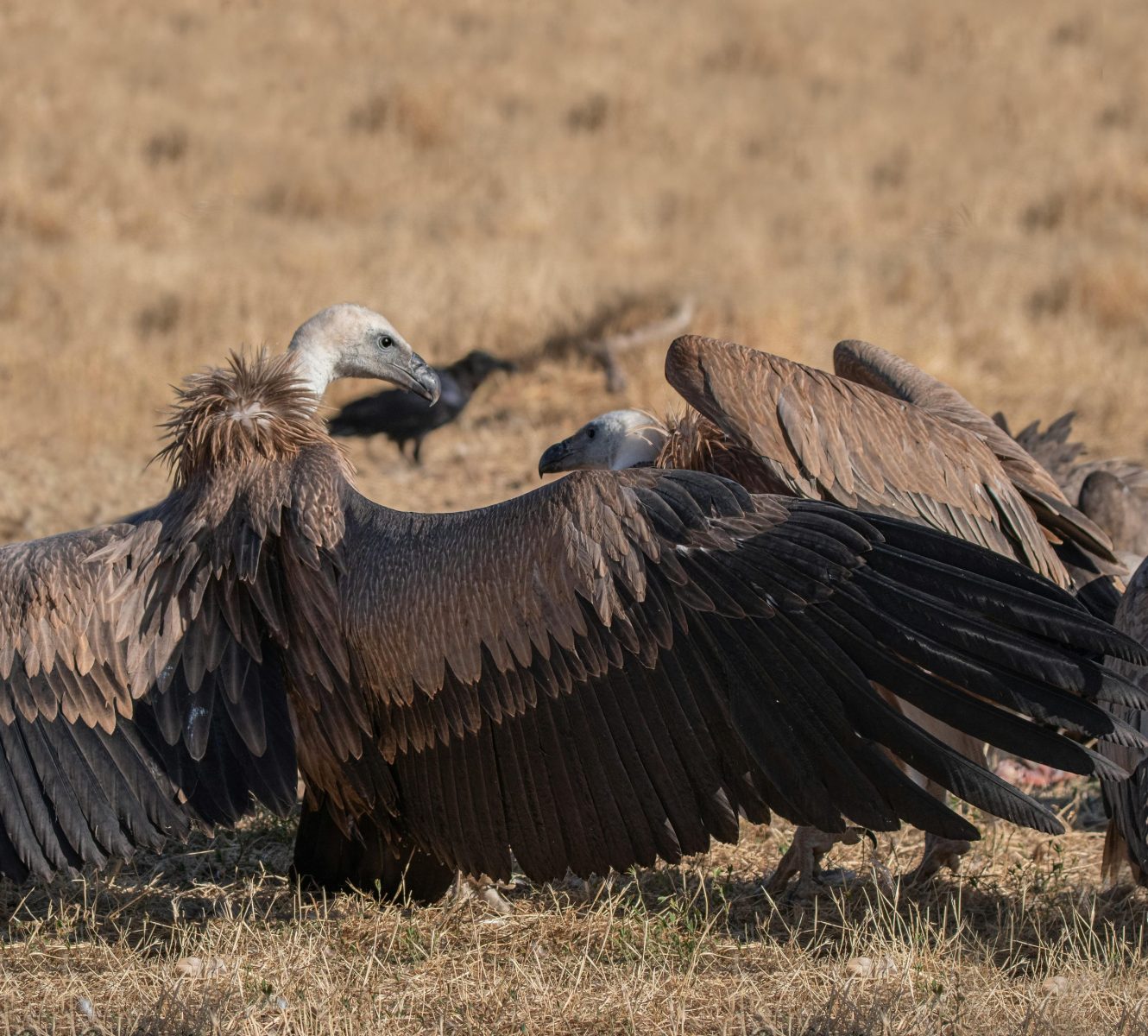
Many aesthetically challenged animals act as essential ecosystem engineers that maintain the health of their habitats. Vultures may look unsettling with their bald heads, but they prevent disease outbreaks by consuming rotting carcasses. Blobfish and hagfish clean the ocean floor by disposing of organic waste that would otherwise pollute the water. Removing these specialized scavengers disrupts the natural cycle of nutrients and leads to environmental collapse. Their physical appearance is often a direct result of the harsh niches they occupy. Appreciating their function over their form is a necessary step toward effective and holistic global conservation.
Medical Science Potential
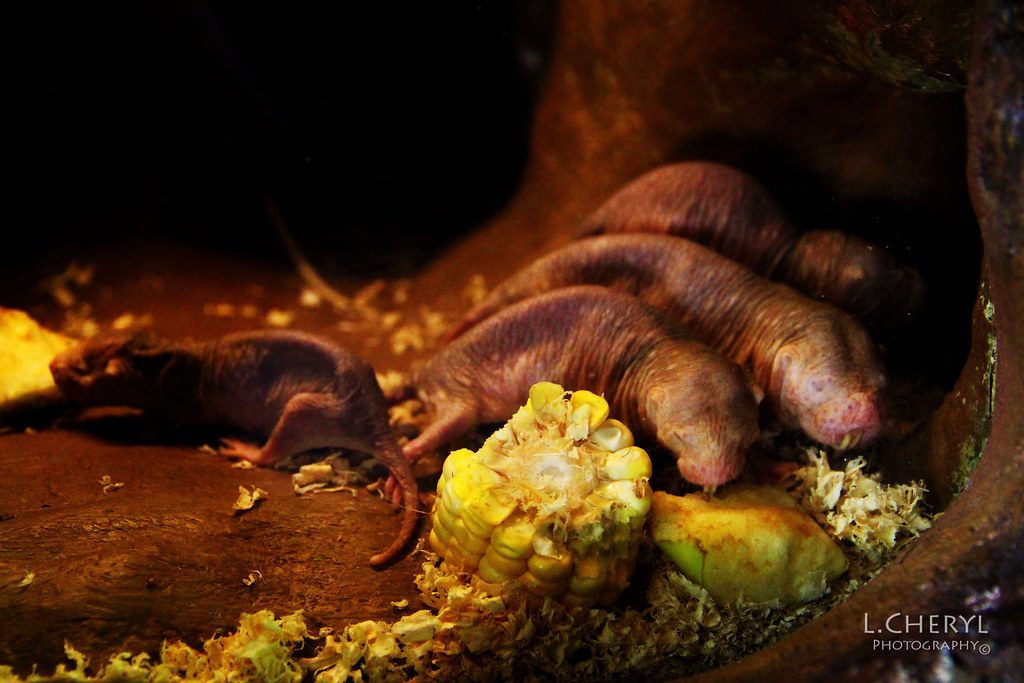
Weird biology often holds the key to groundbreaking medical discoveries that can save human lives. The naked mole rat is hairless and wrinkled but possesses an incredible resistance to cancer and aging. Axolotls are salamanders that can regenerate entire limbs and organs, including parts of their own brains. Studying these unique traits provides scientists with invaluable insights into human health and potential treatments for diseases. Allowing these species to vanish before their secrets are unlocked would be a tragedy for science. Their survival is directly linked to the future of medical advancement and general human well-being.
Evolutionary Distinctness
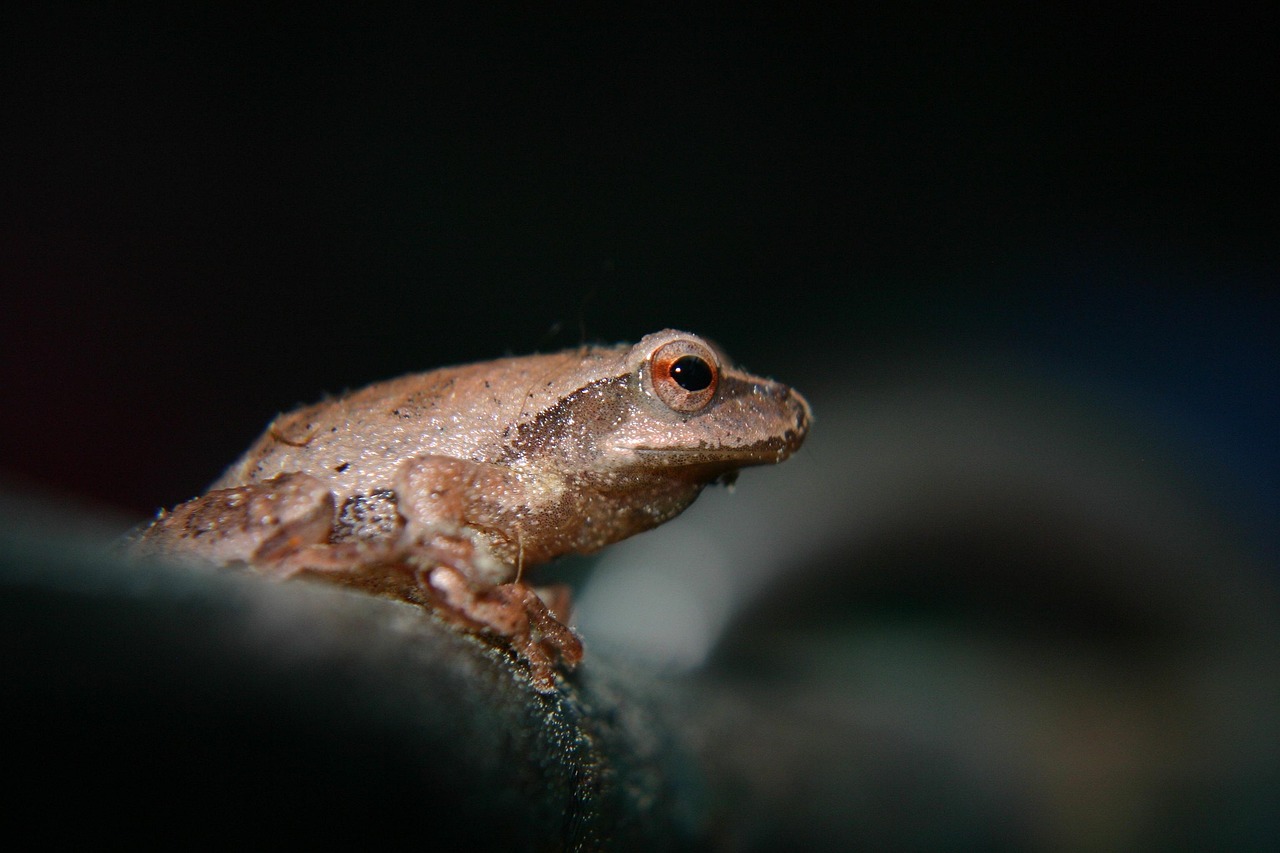
Some of the strangest-looking animals represent entire branches of the evolutionary tree found nowhere else. The purple frog of India looks like a bloated mass, but it is a living fossil that survived millions of years. These distinct lineages carry genetic information that differs vastly from more common and popular species. Preserving them ensures that the full range of Earth’s biological history remains intact for future generations. Losing such a unique creature is far worse than losing a subspecies of a common animal. They are irreplaceable chapters in the long story of life on this planet.
Overcoming Funding Bias
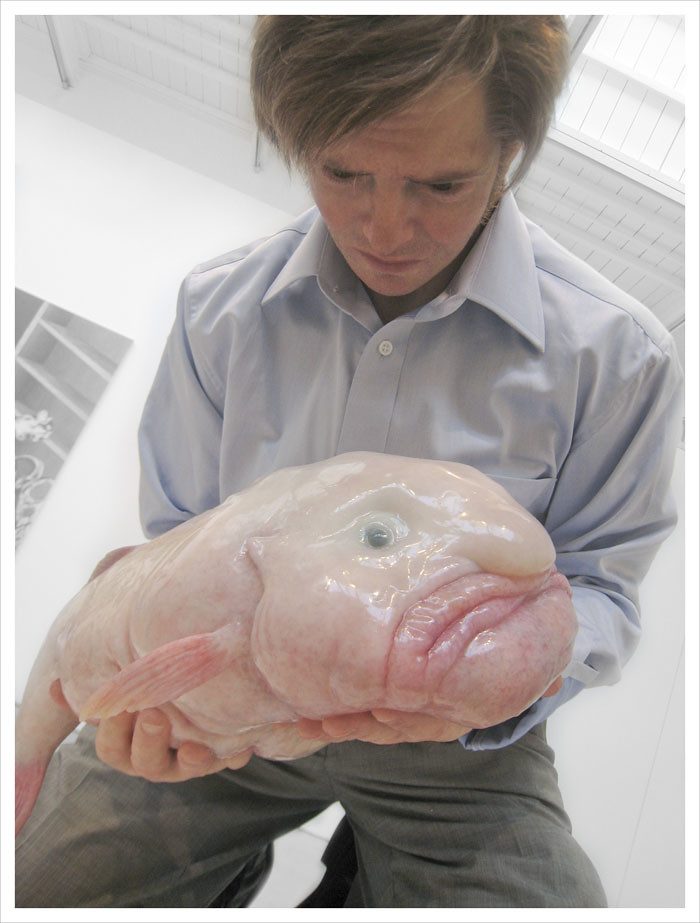
Human preference for cute animals creates a significant funding bias that dooms many ugly species to extinction. Conservation groups struggle to raise money for blobfish or aye-ayes compared to koalas or dolphins. This disparity means that critical research and protection programs for unappealing creatures are often underfunded or nonexistent. Educating the public about the value of all life forms helps shift resources toward the animals that need them most. True stewardship requires protecting biodiversity based on ecological need rather than visual appeal. Every species has an intrinsic right to exist regardless of human aesthetic standards.