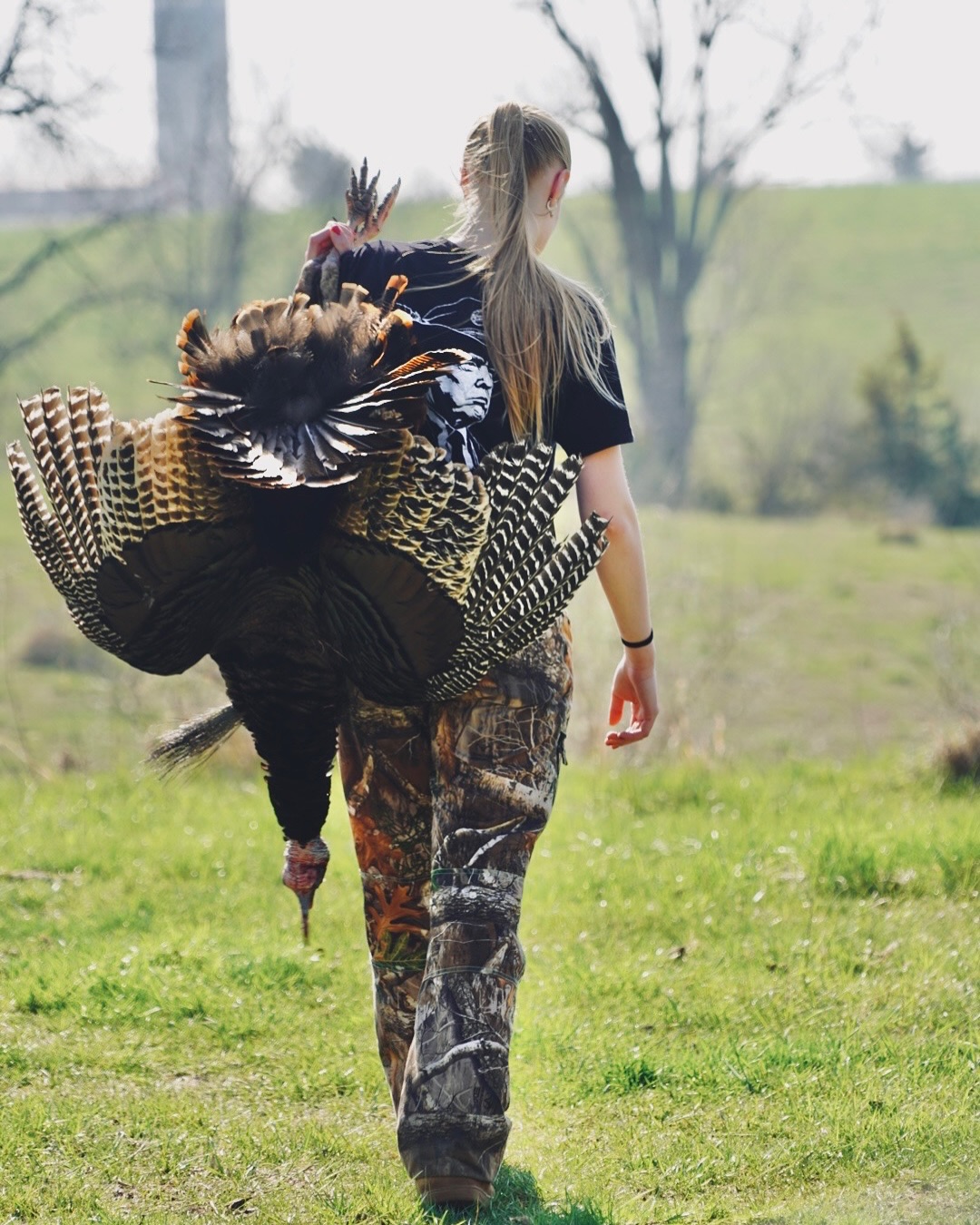
Turkey hunting continues to evolve as new gear and improved technology enhance the experience for those who spend spring mornings listening for distant gobbles in the woods. Among the most significant advancements in recent years, Tungsten Super Shot has transformed expectations for pattern density, downrange energy, and overall effectiveness. The material’s remarkable density allows manufacturers to build smaller pellets that retain strong penetration while creating patterns far tighter than traditional lead loads. These qualities contribute to cleaner harvests and improved confidence in varied terrain where visibility shifts quickly. Many hunters appreciate how TSS performs across different shotgun gauges, making lighter setups more practical without sacrificing lethality. As word spreads through hunting communities and field reports continue to show consistent results, TSS has become a preferred choice for those who value reliable performance and ethical shot placement during spring turkey seasons across the United States.
What Makes TSS Different from Traditional Shot Materials
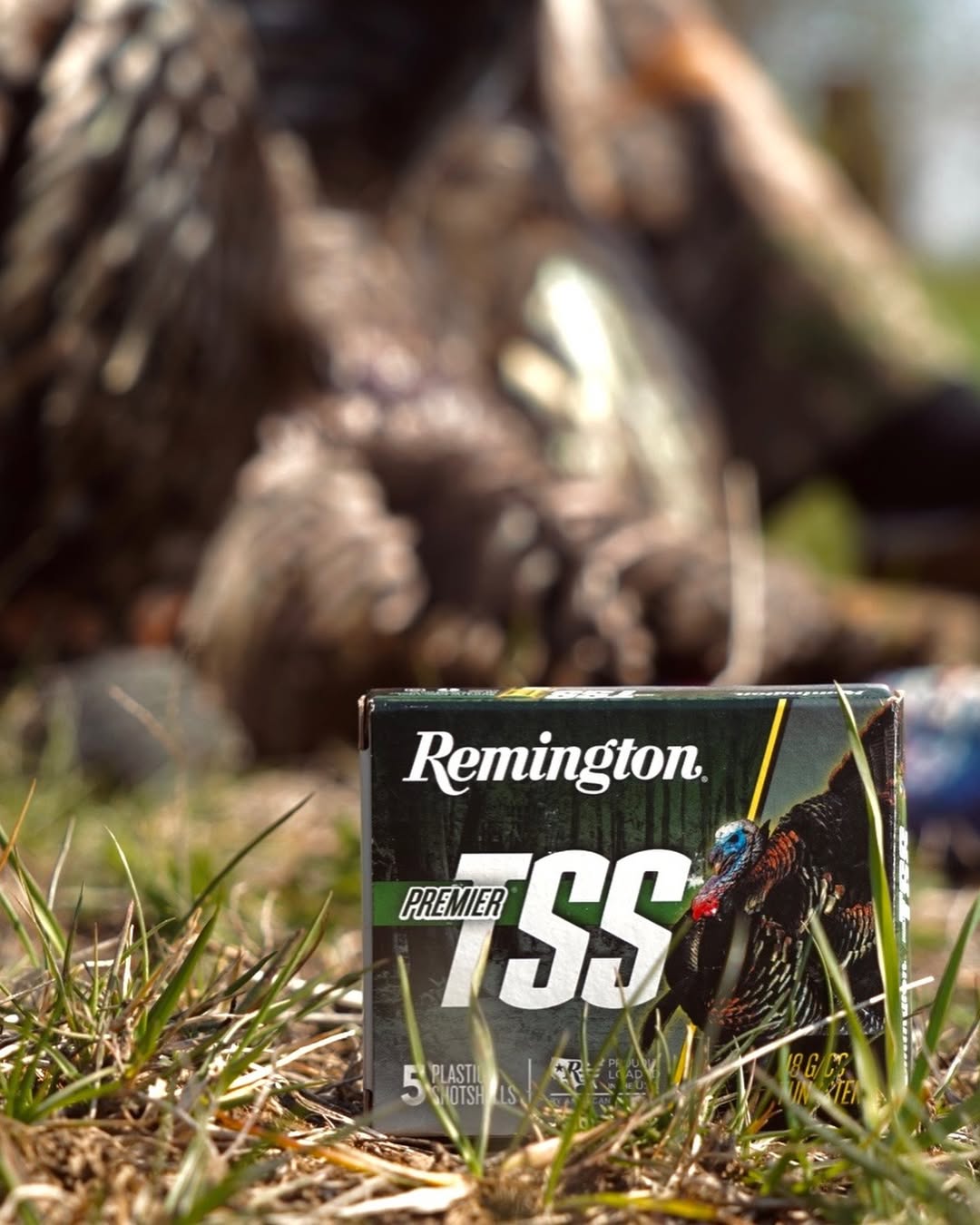
TSS differs from traditional shot materials because its density significantly exceeds that of lead and steel, allowing manufacturers to use smaller pellets that retain considerable downrange energy. These smaller pellets increase the number that can be packed into each shell, which creates tighter, more consistent patterns that maintain uniformity across varied distances. Tungsten’s hardness also limits pellet deformation, ensuring each projectile maintains its shape as it travels through the barrel and toward the target. This stability matters in turkey hunting, where pinpoint accuracy determines success. Many hunters appreciate how TSS expands the effective range of smaller gauges, opening new possibilities for youth hunters and those who prefer lighter shotguns. Its material advantages create a fundamentally different experience from traditional loads, offering performance benefits noticeable from the patterning board to the field.
How TSS Extends the Effective Range in Turkey Hunting
TSS extends effective range in turkey hunting because its extraordinary density and consistent flight characteristics allow pellets to penetrate deeply, even at distances where traditional loads lose momentum. These pellets maintain energy as they move downrange, ensuring that pattern density remains high and target impact stays strong. Hunters often witness this difference on pattern boards where TSS produces clean, even spreads that hold tight far beyond typical expectations for other materials. This increased reach proves valuable in open terrain or when wary birds refuse to close the final yards. By maintaining lethality at extended distances, TSS provides confidence during unpredictable hunts where opportunities may appear briefly. The durability and shape retention of tungsten pellets further support this performance, creating a shot load capable of delivering ethical results across varied environments.
Why Smaller Gauges Perform Better with TSS
Smaller gauges perform better with TSS because the ammunition’s density allows each shell to carry an impressive pellet count despite the reduced hull size. This creates tight, uniform patterns that rival or surpass those produced by larger gauges using traditional lead. Many hunters choose twenty-gauge or even .410 shotguns for greater maneuverability in dense spring woods, and TSS makes these lighter firearms more effective without increasing recoil significantly. The combination of reduced weight and improved ballistic performance appeals to those who navigate steep hillsides, thick understory, or long walks to remote roost sites. The smaller pellet size also supports a consistent pattern shape, making these gauges highly capable during hunts that require precise shot placement. TSS ultimately empowers smaller platforms to perform beyond historical expectations, expanding their role in modern turkey hunting.
Pattern Density and Why It Matters
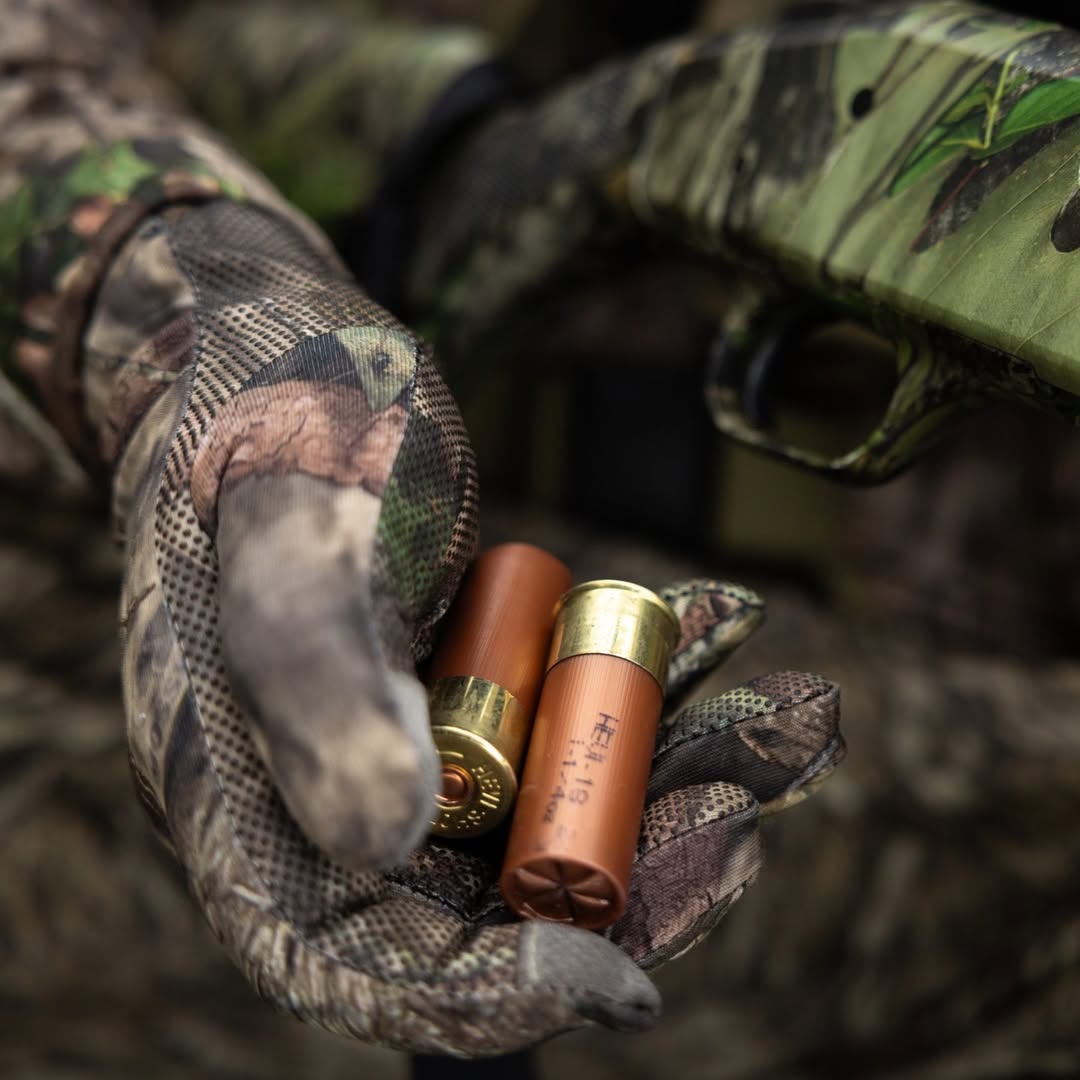
Pattern density matters in turkey hunting because only a small portion of the target area is vital, making consistency and precision essential. TSS excels in this area by delivering a high number of uniformly shaped pellets that travel together without spreading unpredictably at longer ranges. These dense patterns ensure that enough pellets reach the turkey’s head and neck region, increasing the likelihood of a clean, ethical harvest. Hunters often see this benefit during preseason patterning sessions where TSS creates strikingly concentrated impacts compared to traditional loads. This reliability becomes especially valuable when birds approach from odd angles or appear suddenly from behind terrain features. The combination of smaller pellets, high density, and stable flight translates into improved field performance across diverse and challenging conditions.
Performance in Varying Terrain and Conditions
TSS performs effectively across a wide range of terrain and conditions commonly encountered during spring turkey seasons. Dense forests, rolling fields, and brushy creek bottoms all present unique challenges that demand consistent shot behavior. The tight patterns created by TSS help maintain accuracy in areas where branches or uneven vegetation may obstruct partial lines of sight. In open country, the extended range offers advantages when birds remain cautious and refuse to commit fully. Weather conditions, including wind and humidity, influence shot performance, yet TSS pellets retain energy well enough to minimize these impacts. This versatility appeals to hunters who travel across states or split their seasons between multiple habitats. TSS provides a dependable foundation for navigating unpredictable conditions throughout the spring.
Challenges and Considerations with TSS
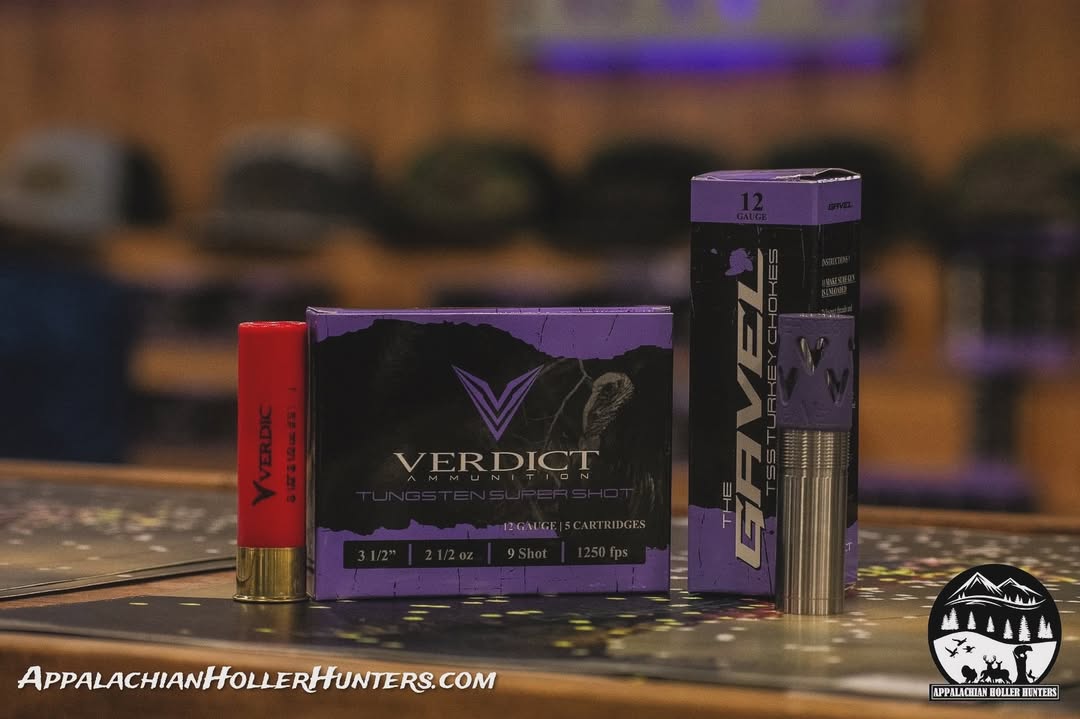
TSS brings exceptional performance, but it also introduces considerations that hunters must weigh before adopting it as their primary turkey load. The cost remains the most notable factor because tungsten production and specialized shell construction make TSS significantly more expensive than traditional lead or steel options. This increased price often prompts hunters to limit practice shots and reserve TSS for serious preseason patterning and the hunt itself. Additionally, the material’s hardness requires compatible choke tubes to avoid barrel damage, making equipment pairing essential. Availability can vary across regions during peak seasons, especially for less common gauges. Despite these challenges, many hunters find the advantages compelling enough to justify the investment, particularly when prioritizing ethical kills and consistent long-range patterns during demanding spring hunts.
Why Many Turkey Hunters Continue Choosing TSS
Many turkey hunters continue choosing TSS because repeated field success reinforces its reputation for dependable, high-performance results. Each spring, stories circulate about clean harvests at distances that once seemed improbable with traditional loads, and these experiences build trust in the ammunition’s capabilities. Hunters value how TSS enhances confidence in complex terrain or during brief moments when decisive shots matter most. The improved performance in smaller gauges also appeals to families introducing new hunters to the sport, as lightweight shotguns become more effective tools. Over time, these factors contribute to TSS becoming a staple in modern turkey hunting setups. Its blend of precision, penetration, and pattern consistency supports a reliable and enjoyable experience, encouraging more hunters to incorporate it into their spring traditions across the United States.