What began as a peaceful night outdoors turned into a fight for survival in less time than it takes to shout a warning. The campground, tucked into what appeared to be a quiet and stable valley, offered no hint of danger hours earlier. Nature, however, had been building pressure silently. When the mountainside gave way, the transformation was instant and unforgiving. This account isn’t about spectacle, but about how quickly safety can disappear when conditions align. Understanding how landslides happen, how warning signs are missed, and how people react under sudden threat reveals why awareness matters as much as preparation when traveling in unpredictable terrain.
A Quiet Campsite Before Everything Changed
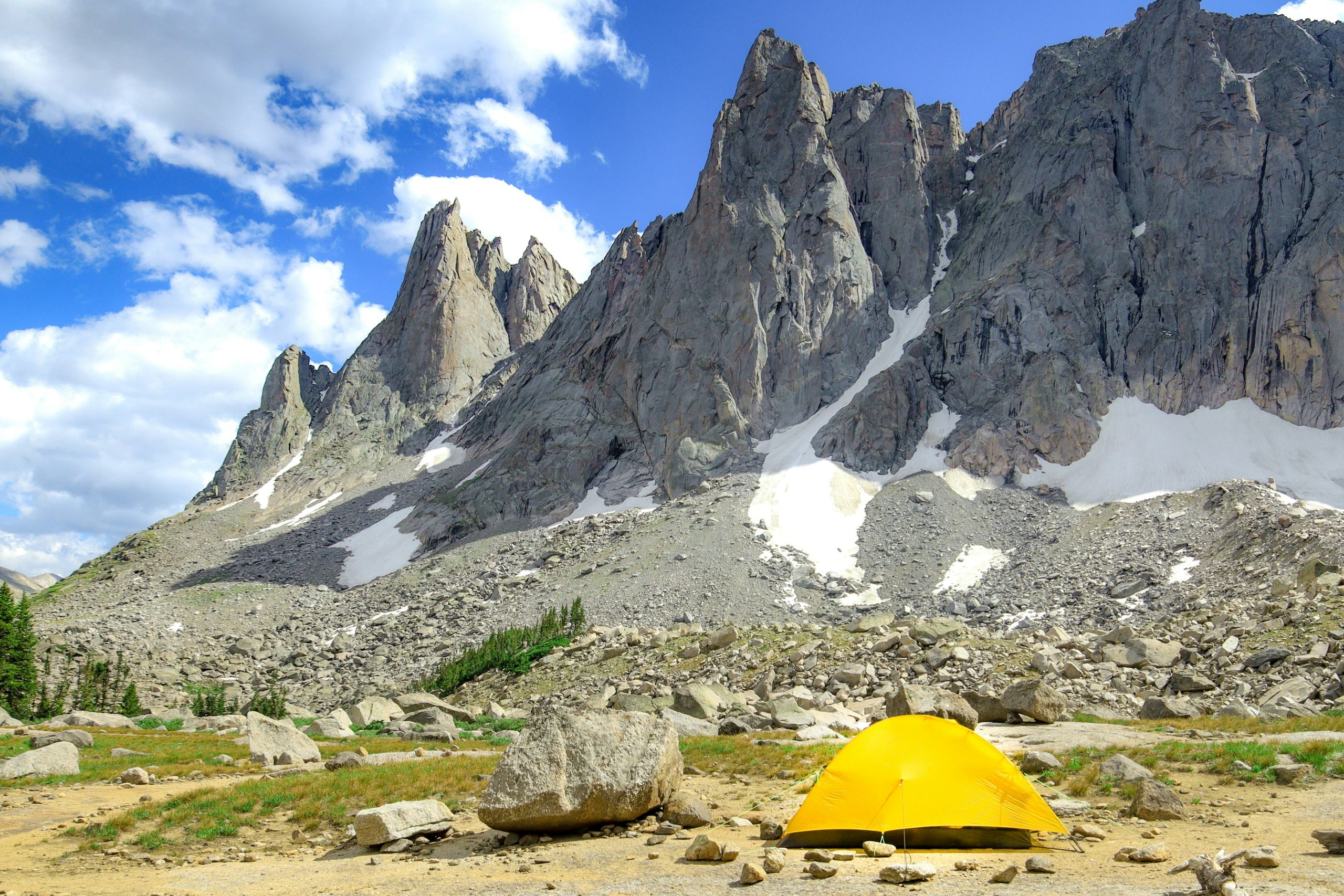
The campground had been calm, with only the usual nighttime sounds breaking the silence. Trees stood still, the air felt heavy, and nothing suggested immediate danger. Campers settled into routines, trusting the location’s established reputation. The tourist later recalled how ordinary everything felt just minutes before the event. That sense of normalcy played a role in how unprepared everyone was. When environments appear stable, people relax their guard. In mountainous regions, this comfort can be misleading. The absence of obvious warning signs often creates a false sense of security, making sudden disasters feel even more shocking when they strike.
The First Signs Were Easy to Miss
Subtle indicators appeared before the collapse, but they blended into the background. Small sounds, slight ground movement, and shifting debris are easy to ignore, especially at night. The tourist admitted he noticed something felt “off” but dismissed it as wildlife or wind. This reaction is common. Human brains are wired to downplay unfamiliar signals when no immediate threat is visible. In landslide-prone areas, these early signs matter. Recognizing them requires knowledge and attention, two things many casual travelers don’t realize they need until it’s too late.
Seconds of Chaos Changed Everything
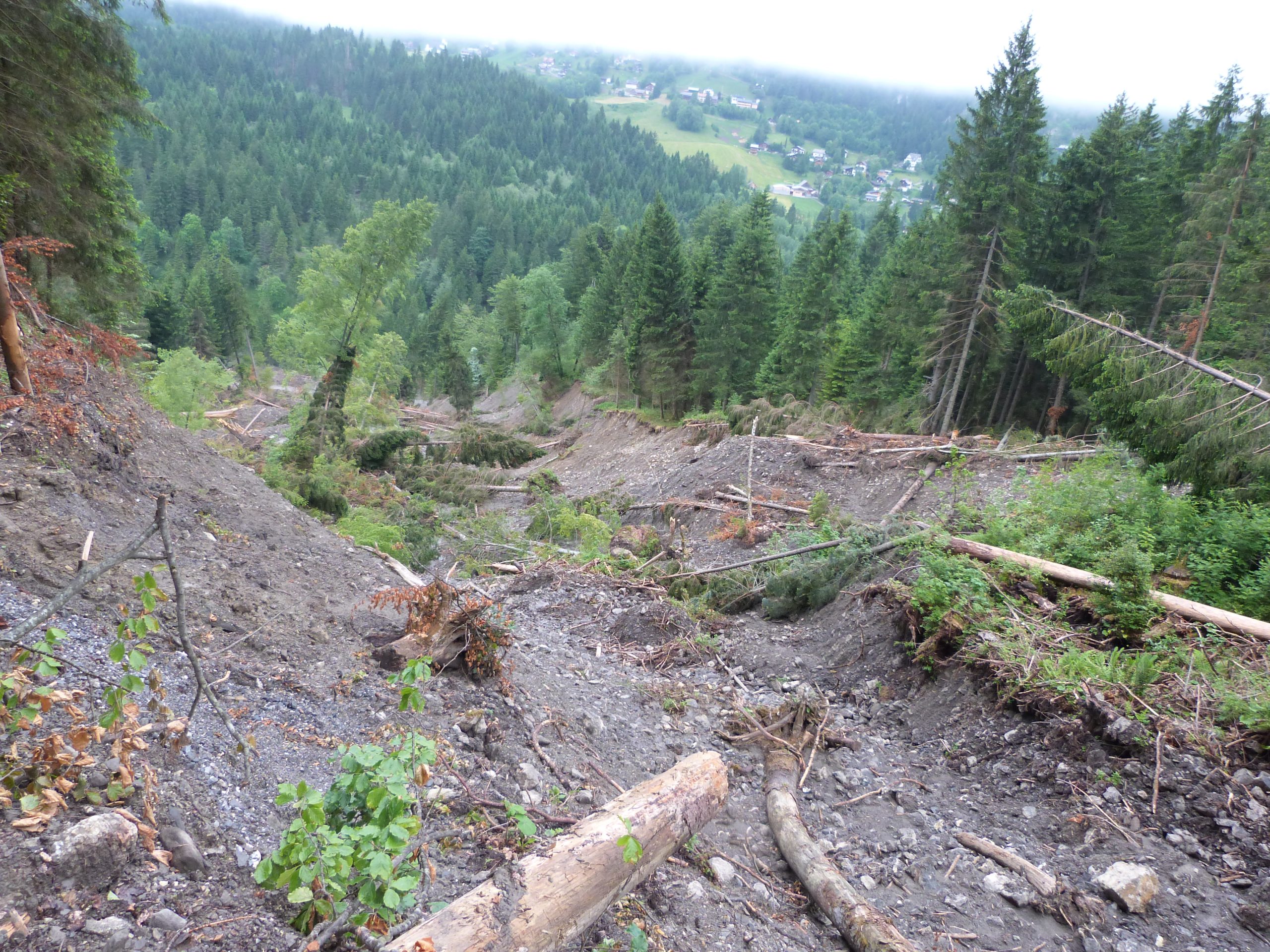
When the slope finally gave way, there was no gradual buildup, only sudden violence. Earth, rock, and debris rushed downward with overwhelming force. Tents collapsed instantly, gear vanished, and familiar landmarks disappeared. The tourist described the sound as a deep, continuous roar that drowned out thought. In moments like this, decision-making becomes instinctive. There is no time to plan, only to react. The speed of the event explains why landslides are among the most dangerous natural hazards. Survival often depends on position, timing, and sheer chance rather than strength or preparation.
Trapped With No Clear Escape
As the debris settled, the tourist realized he was partially buried and unable to move freely. Darkness, pressure, and confusion combined into panic. Breathing became difficult as dust filled the air. He described the fear as overwhelming, driven by the uncertainty of whether the ground would shift again. Being trapped amplifies fear because options disappear. Unlike storms or floods, landslides leave little room for escape once they begin. This helplessness explains why survivors often describe the experience as feeling sudden, personal, and deeply terrifying.
Fighting Panic to Stay Alive
Survival required mental control as much as physical effort. The tourist focused on breathing slowly and conserving energy, even as fear surged. Panic, he realized, would only worsen the situation. In extreme events, managing fear becomes critical. Clear thinking allows small decisions like shifting weight carefully or calling out at the right moment to matter. This psychological battle often determines outcomes. Training and experience can help, but even without them, awareness of panic’s dangers can give someone a fighting chance during moments when everything feels out of control.
The Role of Weather and Terrain
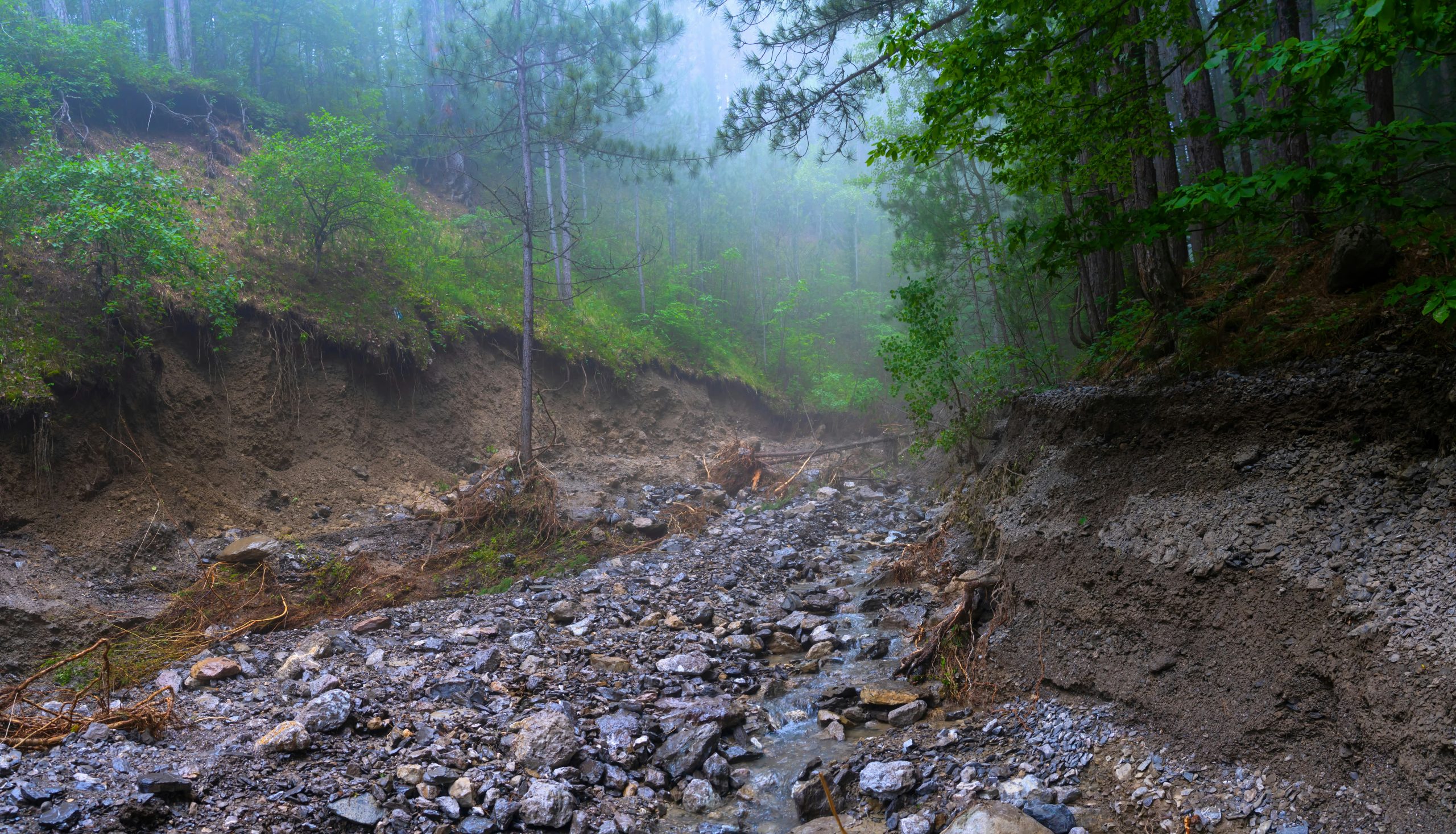
Heavy rainfall in the days leading up to the incident had saturated the ground. Slopes that looked solid were quietly destabilized by water seeping beneath the surface. Campgrounds in mountainous areas often sit in visually appealing locations that are also geologically active. Terrain shapes risk, even when it appears harmless. The combination of steep slopes, loose soil, and weather creates conditions where failure can happen suddenly. Understanding this connection helps explain why landslides often surprise people who believed they were camping in safe, established areas.
Rescue Efforts Under Dangerous Conditions
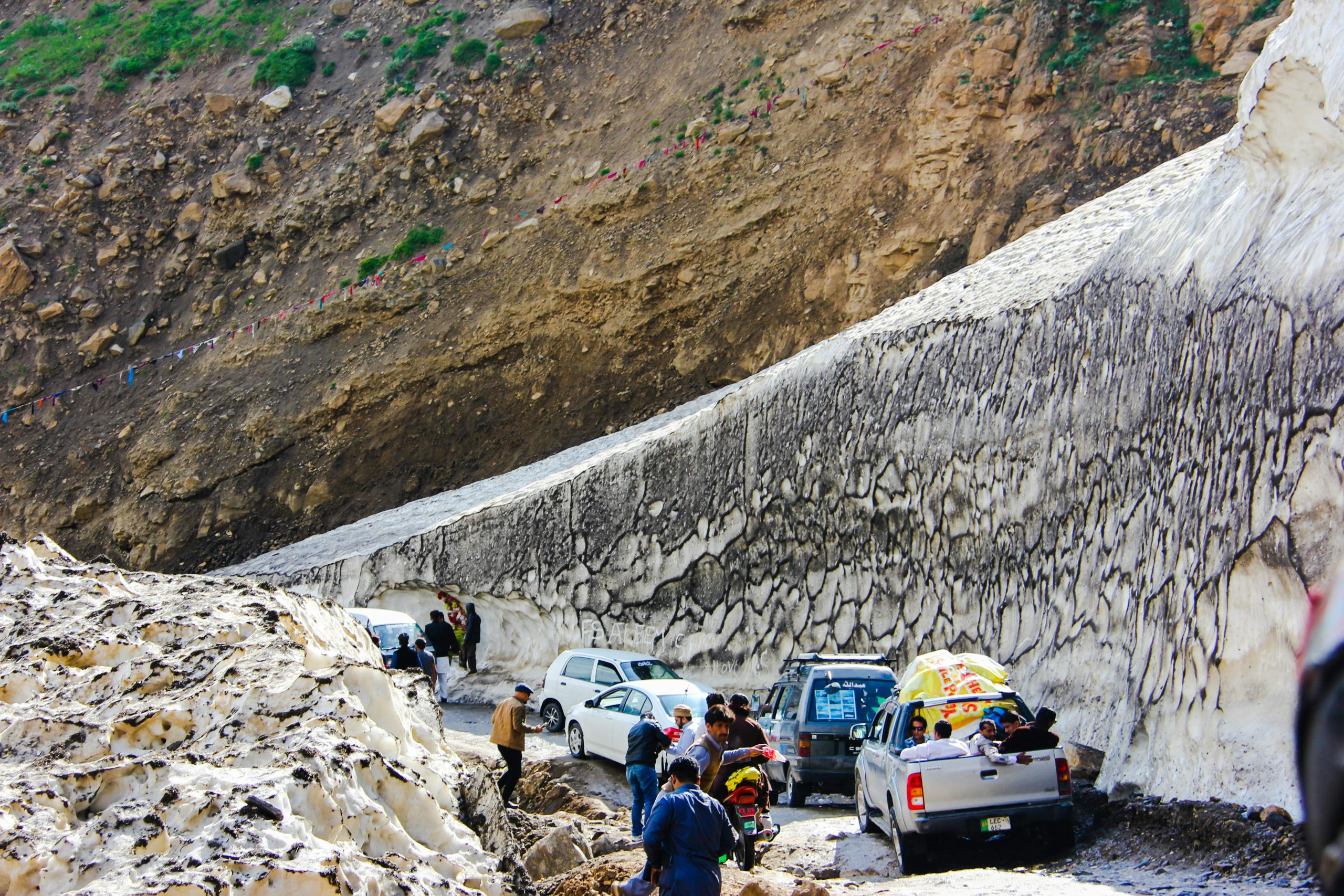
Rescue teams faced serious risks reaching the site. Unstable ground made movement hazardous, and the possibility of secondary slides slowed progress. Every step required caution. The tourist recalled hearing distant voices before seeing anyone, a sound that brought both hope and anxiety. Rescuers had to balance urgency with safety, knowing that rushing could cause more harm. Landslide rescues are complex because the environment remains unpredictable long after the initial collapse. This reality explains why response times can feel slow to victims waiting beneath debris.
Aftermath and Emotional Impact
Surviving the landslide didn’t end the ordeal. The emotional impact followed long after physical safety was restored. The tourist described lingering fear, disrupted sleep, and a heightened awareness of environmental sounds. Such reactions are common after sudden disasters. Trauma doesn’t require prolonged exposure; a single intense event can leave lasting effects. Processing what happened often takes time and support. Understanding these emotional consequences matters because survival stories don’t end at rescue; they continue through recovery, reflection, and changed perspectives on risk and vulnerability.
Lessons for Outdoor Travelers
The incident highlights how important situational awareness is when camping in unfamiliar terrain. Researching locations, understanding weather patterns, and recognizing geological risks can reduce danger. While no preparation guarantees safety, informed decisions improve odds. The tourist emphasized that he never considered landslides before the trip. Many travelers don’t. Education, even basic, can change how people choose campsites and respond to warning signs. Nature doesn’t announce its intentions clearly. Responsibility lies with those entering these environments to respect their unpredictability.
How Quickly Safety Can Disappear
Perhaps the most striking lesson is how fast circumstances changed. What felt safe one moment became deadly the next. This speed challenges the assumption that danger builds slowly or visibly. Landslides defy that expectation. The tourist’s experience serves as a reminder that safety in nature is temporary, not guaranteed. Respecting that reality doesn’t mean avoiding adventure; it means approaching it with humility. Awareness, caution, and preparation don’t remove risk, but they help travelers understand that the margin between calm and chaos can be incredibly thin.