Wildlife dangers in the United States are often misunderstood. Large predators may look intimidating, but many injuries and fatalities come from animals that people underestimate or encounter frequently. Geography, climate, and human activity all influence how often people cross paths with dangerous wildlife. States with diverse ecosystems tend to host multiple species capable of causing serious harm. Understanding these risks does not mean avoiding nature entirely. Instead, awareness helps people travel, hike, and live more safely. The states below stand out because of consistent wildlife encounters that require caution, preparation, and respect for the natural environment.
1. Alaska
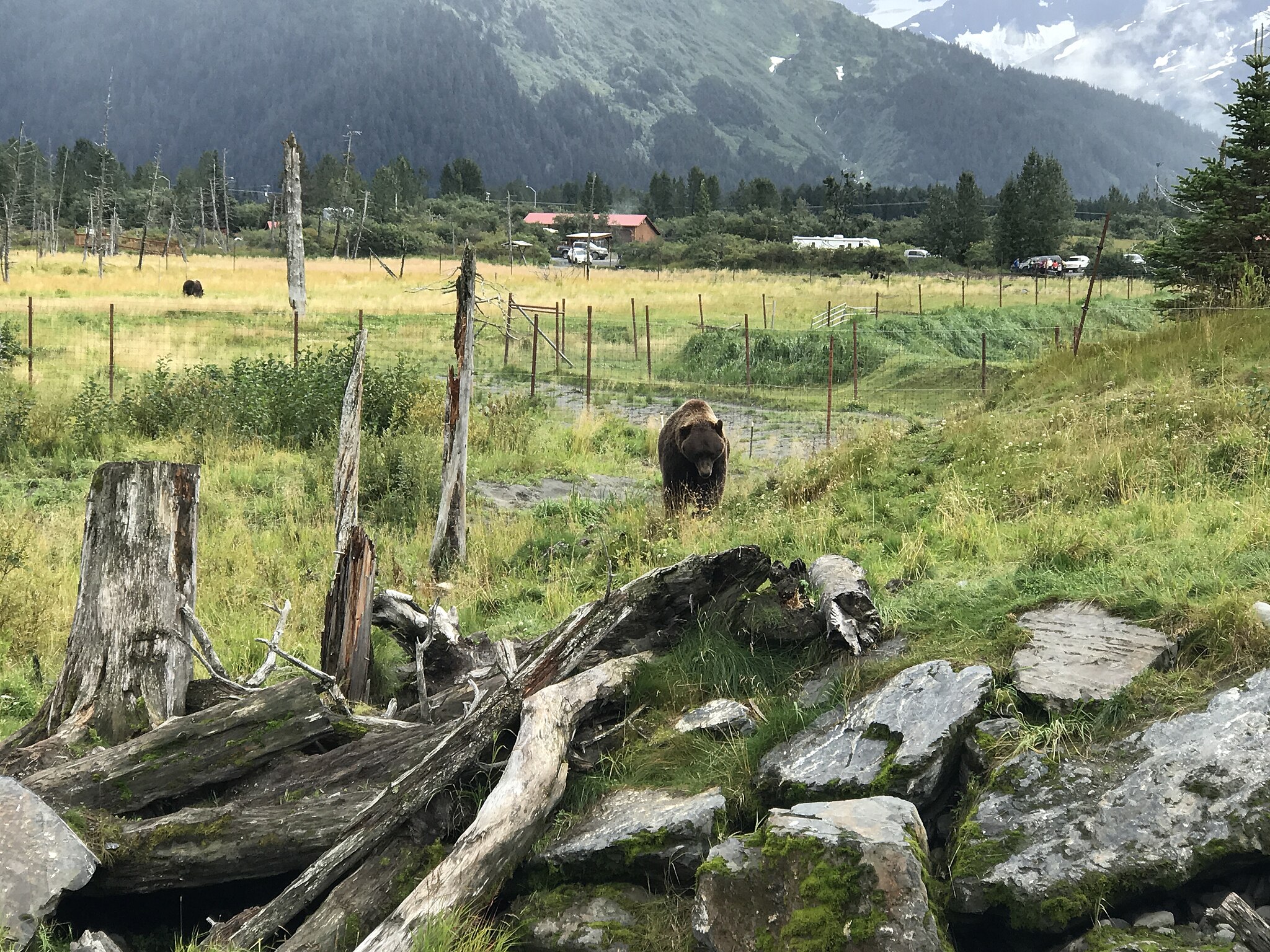
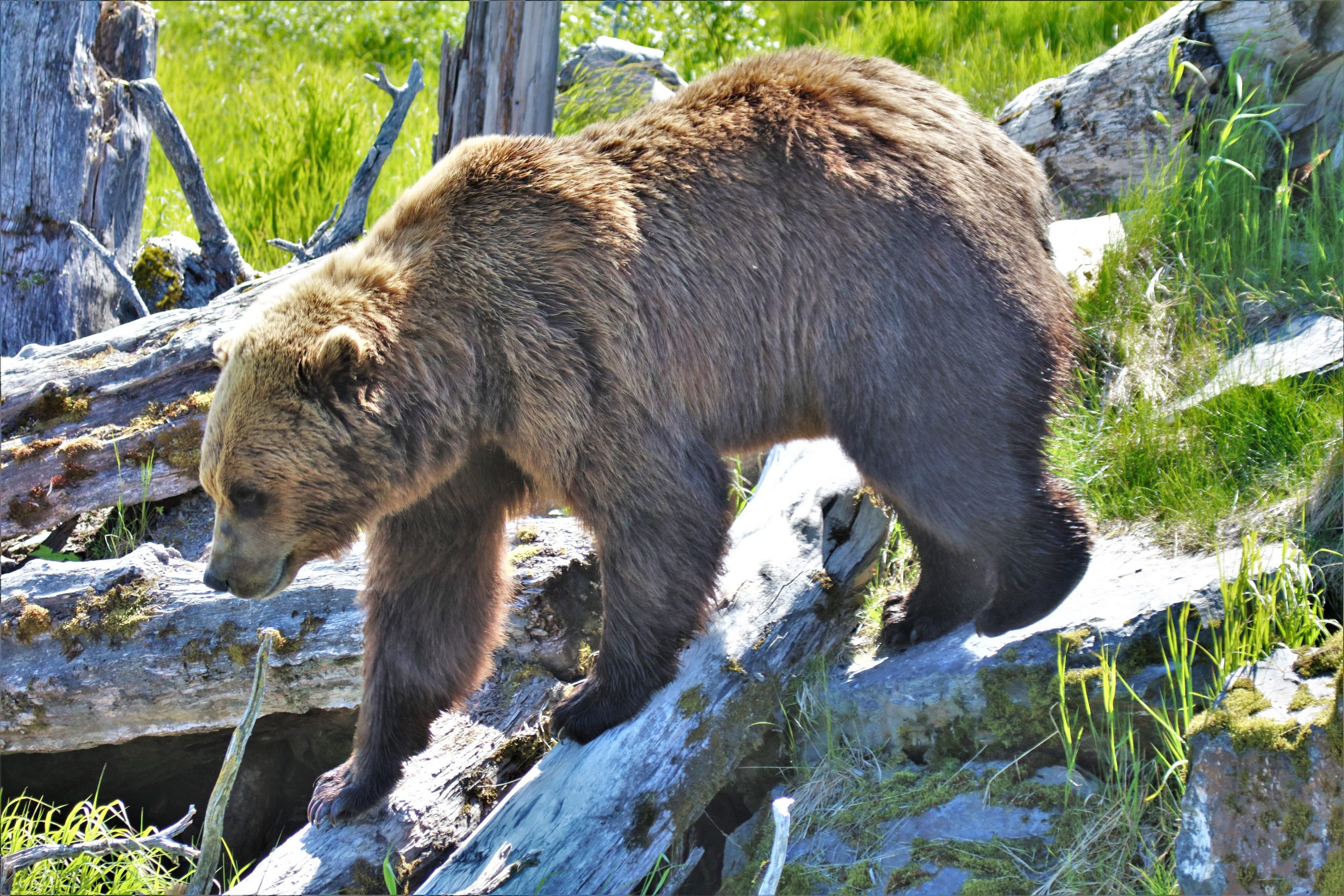
Alaska ranks among the most dangerous states for wildlife encounters due to its vast wilderness and powerful animal populations. Brown bears, moose, and wolves live close to hiking areas and rural communities. Moose, despite their calm appearance, cause many serious injuries because of their size and unpredictable behavior. Bears pose risks during fishing and backcountry travel, especially when surprised. Alaska’s remote terrain often delays emergency response, increasing danger during incidents. Cold conditions can also limit escape options. Wildlife encounters here are not rare events but a regular reality of daily life.
2. Florida
Florida’s wildlife danger comes from frequency rather than size alone. Alligators inhabit lakes, canals, and even residential areas, leading to frequent human encounters. Venomous snakes are common, especially in wetlands and suburban edges. Florida’s warm climate keeps animals active year-round, increasing interaction risk. In coastal waters, sharks add another layer of concern. The state’s dense population means people often share space with wildlife unknowingly. Many incidents occur close to home rather than remote areas, making Florida uniquely risky despite its developed landscape.
3. Texas
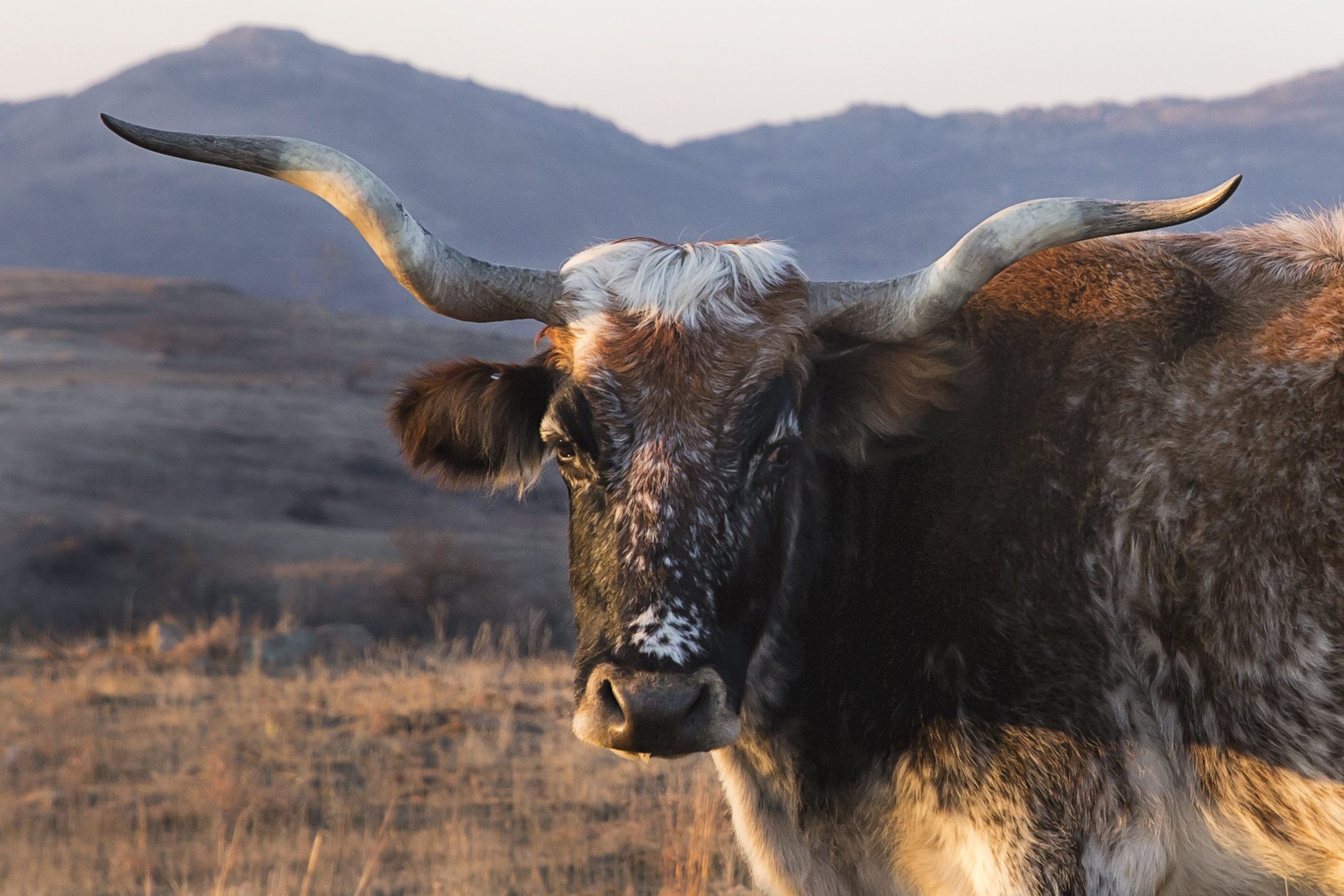
Texas hosts a wide range of dangerous wildlife due to its massive size and varied environments. Venomous snakes, feral hogs, and large predators inhabit different regions. Feral hogs are especially dangerous because they travel in groups and act aggressively when threatened. Venomous spiders and scorpions add to the risk in warmer areas. Rural land use increases close contact between people and animals. Texas also sees frequent outdoor activity year-round, raising exposure. Wildlife threats here are diverse and often underestimated.
4. Arizona
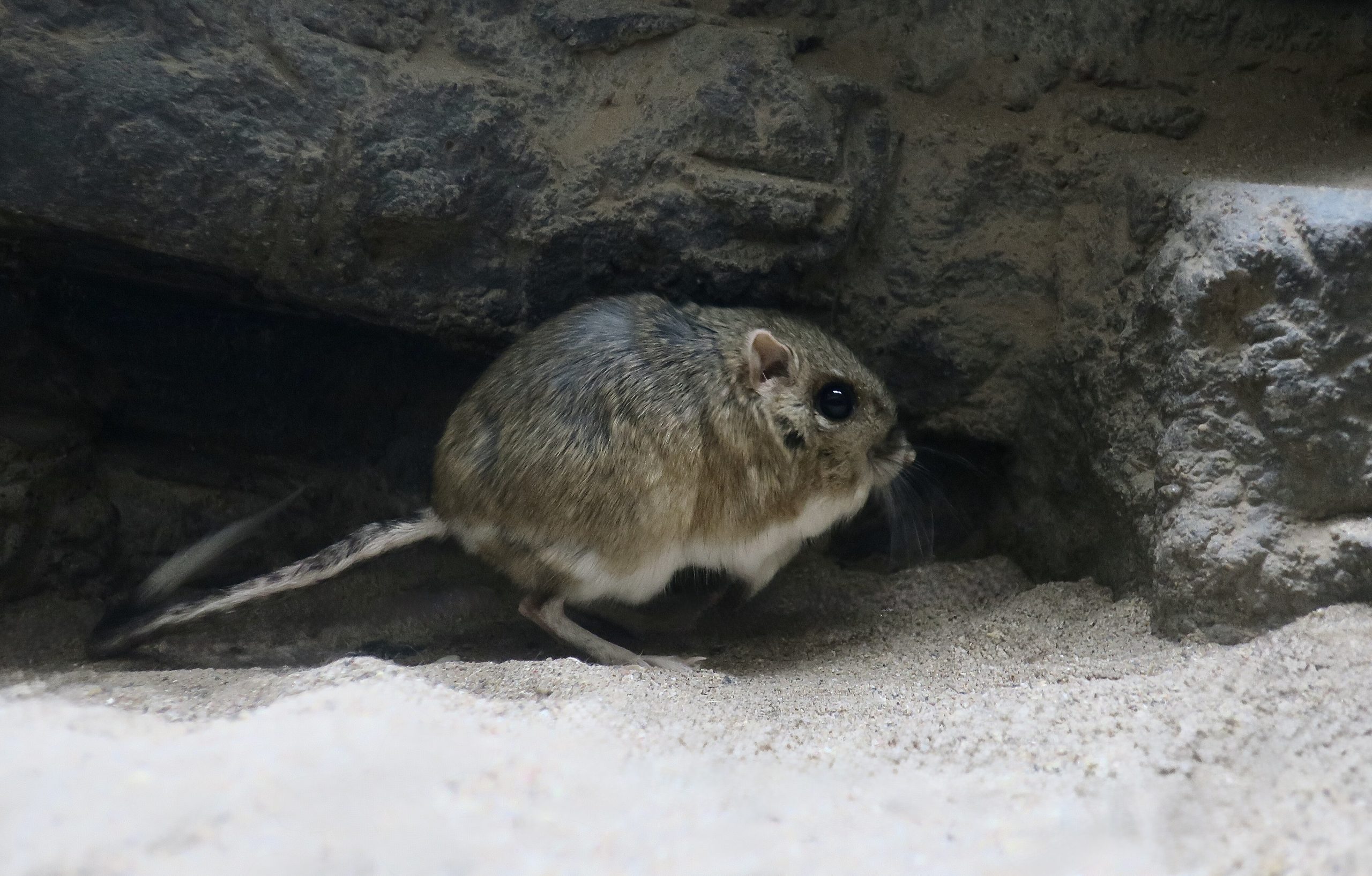
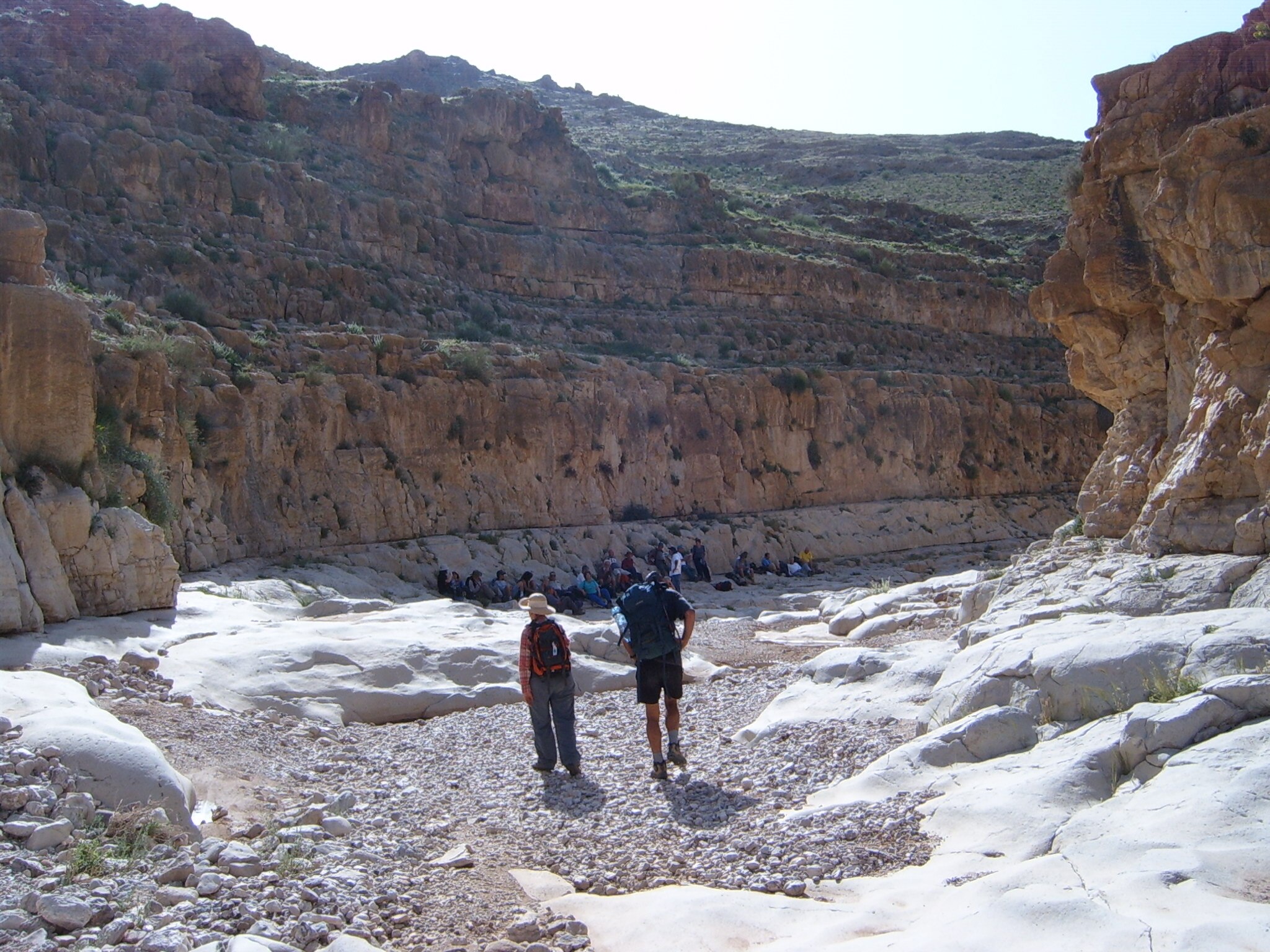
Arizona’s wildlife dangers are strongly tied to venomous species and harsh terrain. Rattlesnakes are widespread and active for much of the year. Scorpions and spiders pose risks indoors and outdoors. Desert environments limit visibility and escape options during encounters. Large mammals like mountain lions are less common but still present. Heat and dehydration can worsen outcomes during wildlife incidents. Many encounters happen on popular trails where visitors underestimate the environment. Arizona’s risks are subtle but persistent for the unprepared.
5. California
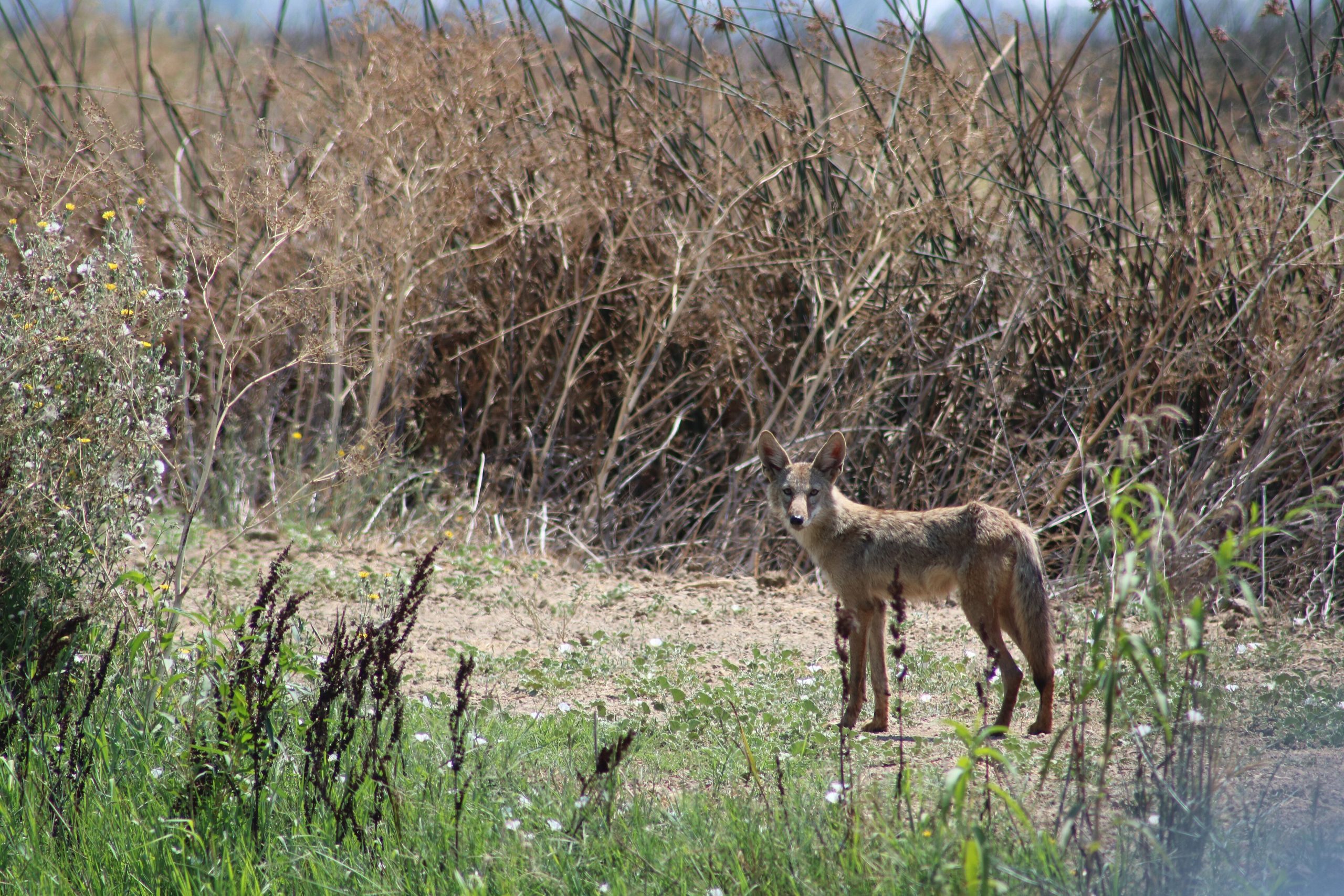
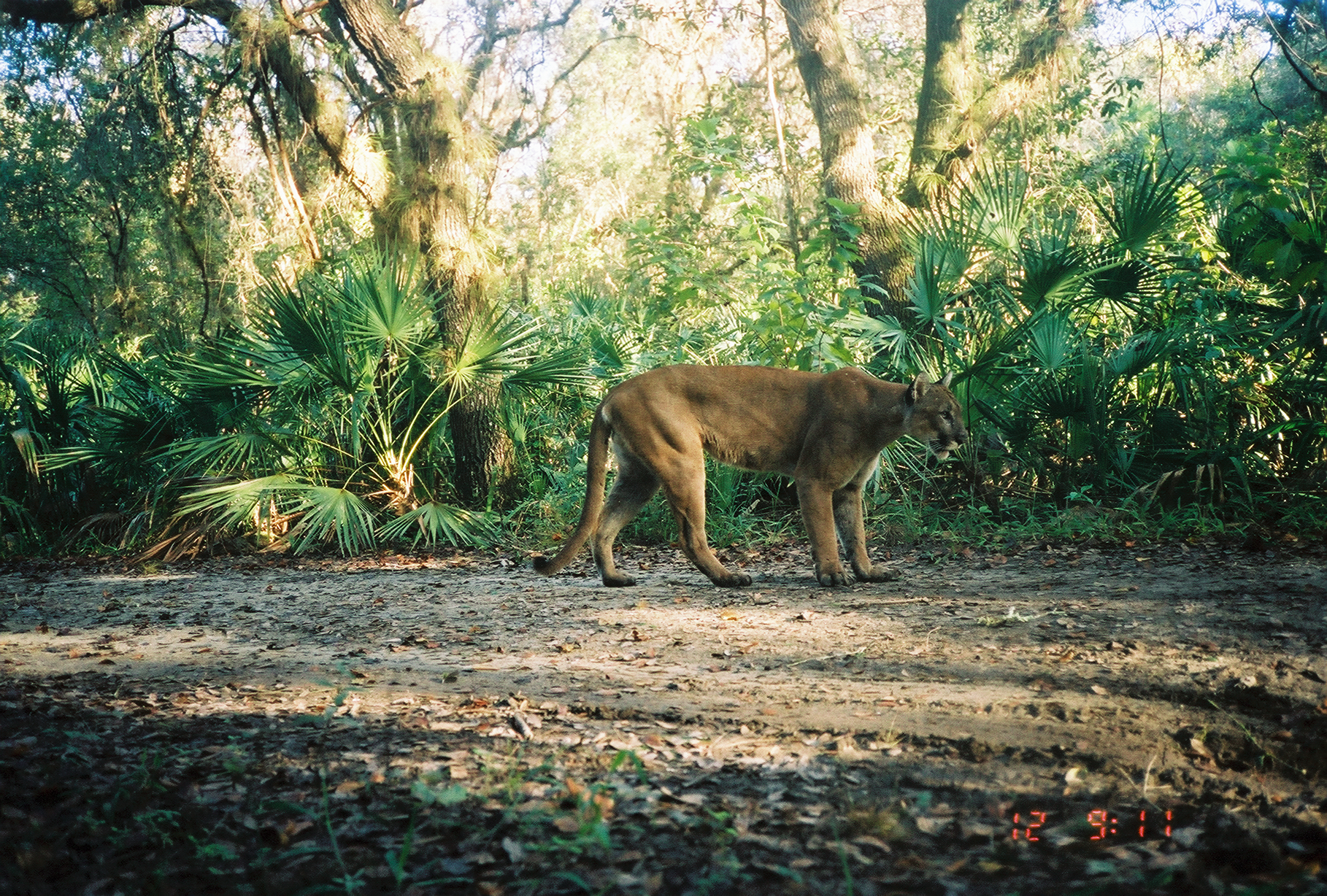
California’s wildlife dangers stem from ecological diversity. Mountain lions inhabit areas near growing suburbs, increasing unexpected encounters. Black bears frequently enter residential zones searching for food. Coastal waters introduce shark risks, particularly for surfers. Venomous snakes remain a concern in rural regions. Wildfires and habitat loss push animals closer to human spaces. High outdoor activity levels raise exposure. California’s wildlife threats vary by region, making awareness essential whether in mountains, forests, deserts, or coastal zones.