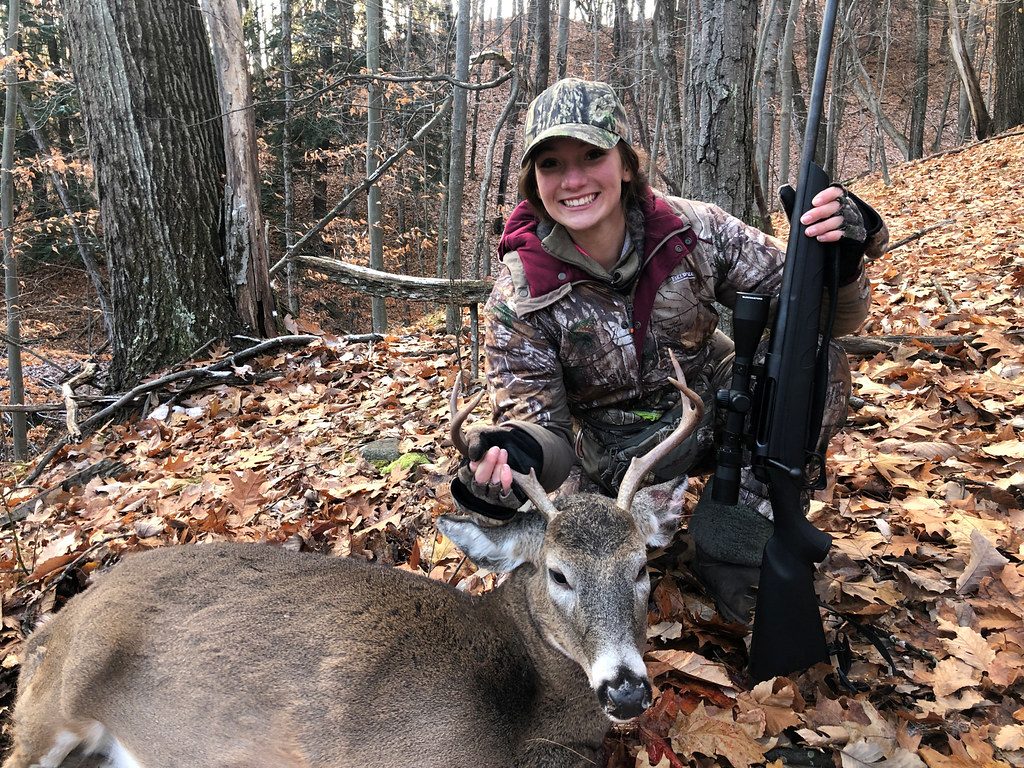
Shooting at a local range provides a controlled environment that rarely mimics real hunting conditions. Many marksmen wonder about the top five reasons hunters perform worse in the field than at the range. Target practice involves flat ground, perfect weather, and zero physical exhaustion. Transitioning from comfortable benches to rugged wilderness landscapes introduces unexpected challenges that quickly ruin accuracy. Even experienced individuals struggle when adrenaline suddenly floods their system. Understanding these common environmental and physical barriers helps enthusiasts prepare effectively for actual hunts. Recognizing these hidden difficulties ensures a much more successful and ethical harvest during the upcoming season.
Unpredictable Natural Weather Conditions
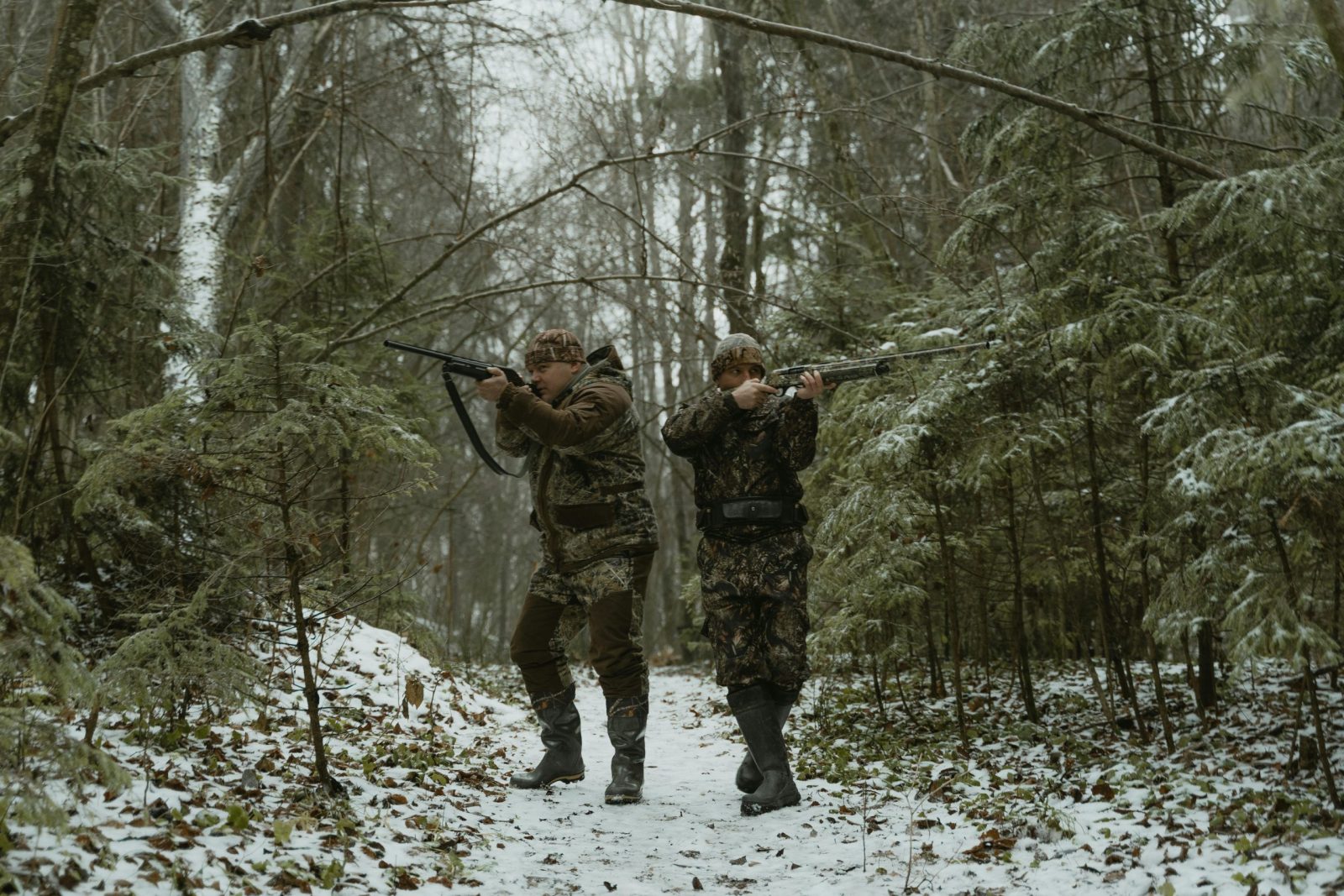
Indoor ranges provide perfect climate control and excellent lighting for consistent shooting. Outdoor targets at a local club usually sit perfectly still under calm skies. The actual wilderness presents harsh winds, blinding sunlight, and freezing rain that completely alter bullet trajectories. Strong wind gusts easily push a precise shot several inches off target. Freezing temperatures numb bare fingers and severely compromise fine motor skills required for a smooth trigger pull. Heavy rain obscures expensive optics and ruins clear visibility during critical moments. Hunters must practice outside in terrible weather to truly prepare for these inevitable natural disruptions.
Intense Physical Exhaustion and Fatigue
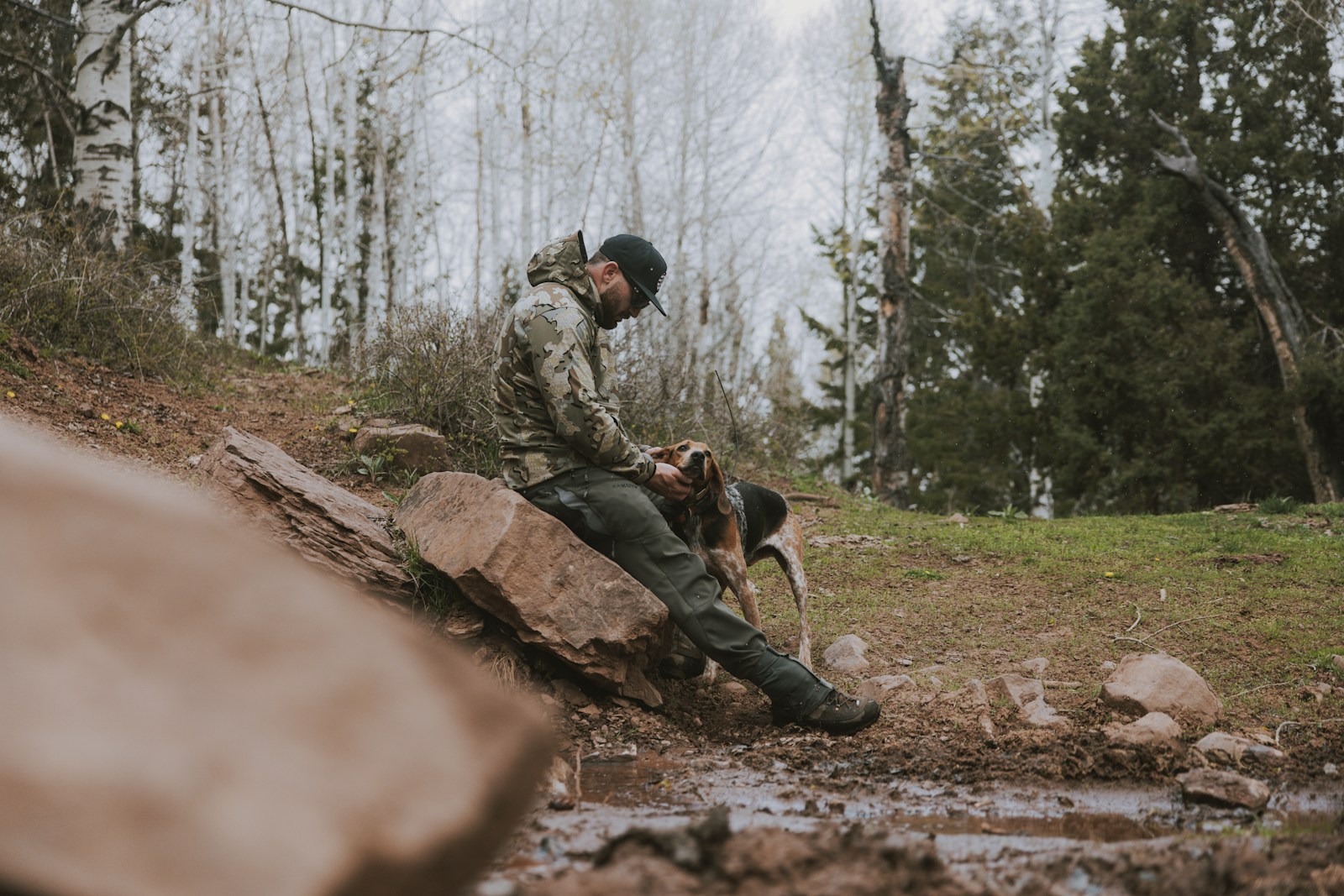
Walking from a parked truck to a shooting bench requires minimal effort. Stalking an animal across miles of steep mountainous terrain absolutely drains human energy reserves. Carrying heavy equipment through thick brush elevates heart rates and forces rapid breathing. Attempting to hold a heavy rifle completely steady becomes nearly impossible when muscles ache from hours of intense hiking. Exhaustion induces heavy panting that causes the crosshairs to bounce wildly across the target. Physical fatigue ultimately destroys concentration and completely ruins steady marksmanship. Cardiovascular fitness remains just as important as marksmanship training for any serious wilderness expedition.
Uncomfortable and Improvised Shooting Positions
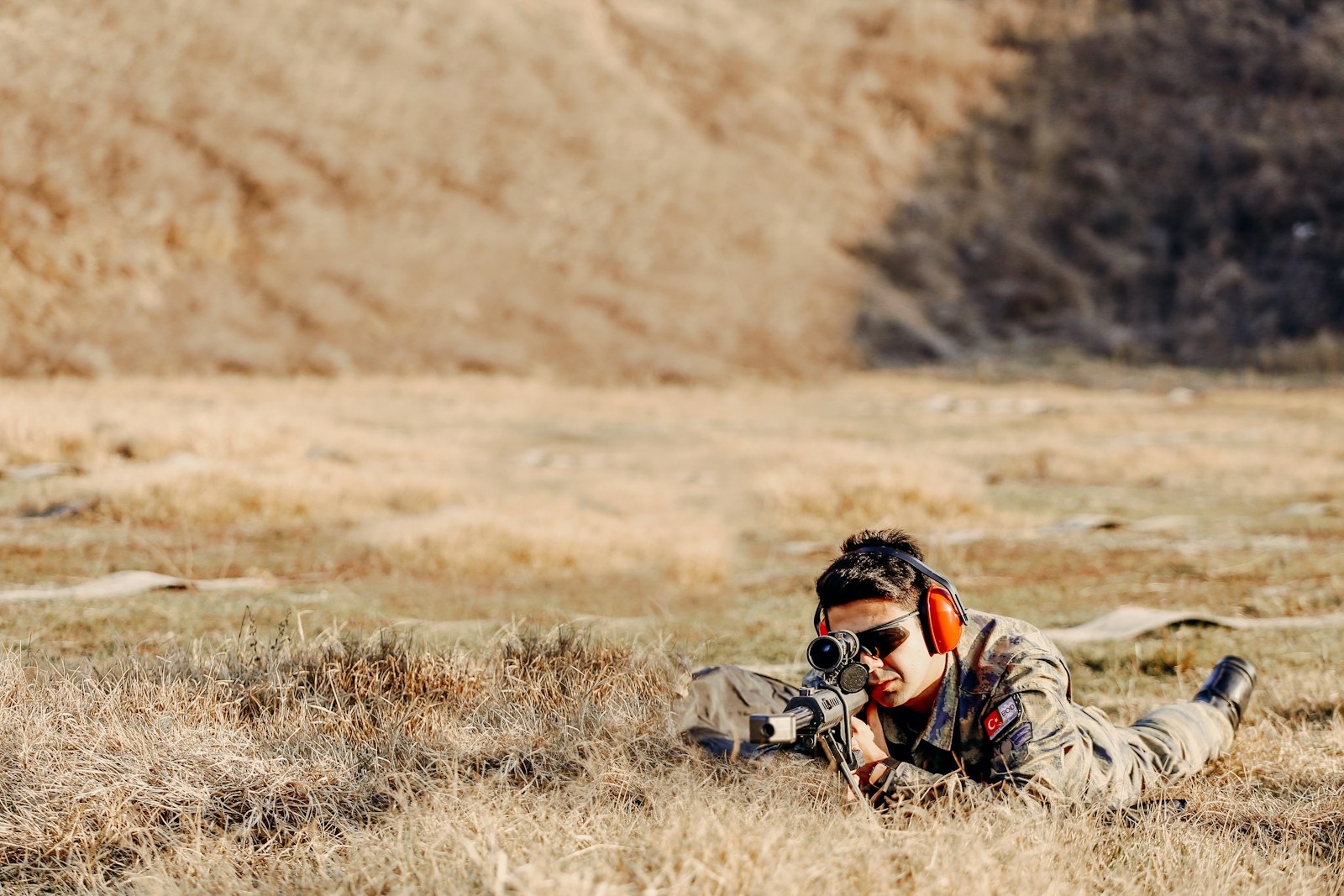
Range sessions typically involve sitting comfortably at a sturdy wooden table with supportive sandbags. The natural world rarely provides a perfectly flat surface for setting up a stable shot. Hunters frequently find themselves kneeling awkwardly behind sharp rocks or leaning around thick tree trunks. These improvised field positions lack proper structural support and introduce severe muscle tension. Shooting from a steep hillside drastically alters body alignment and negatively impacts recoil management. Practicing exclusively from a solid bench leaves marksmen completely unprepared for the strange angles demanded by thick forests. Mastering diverse field positions guarantees a cleaner shot.
Massive Surges of Pure Adrenaline
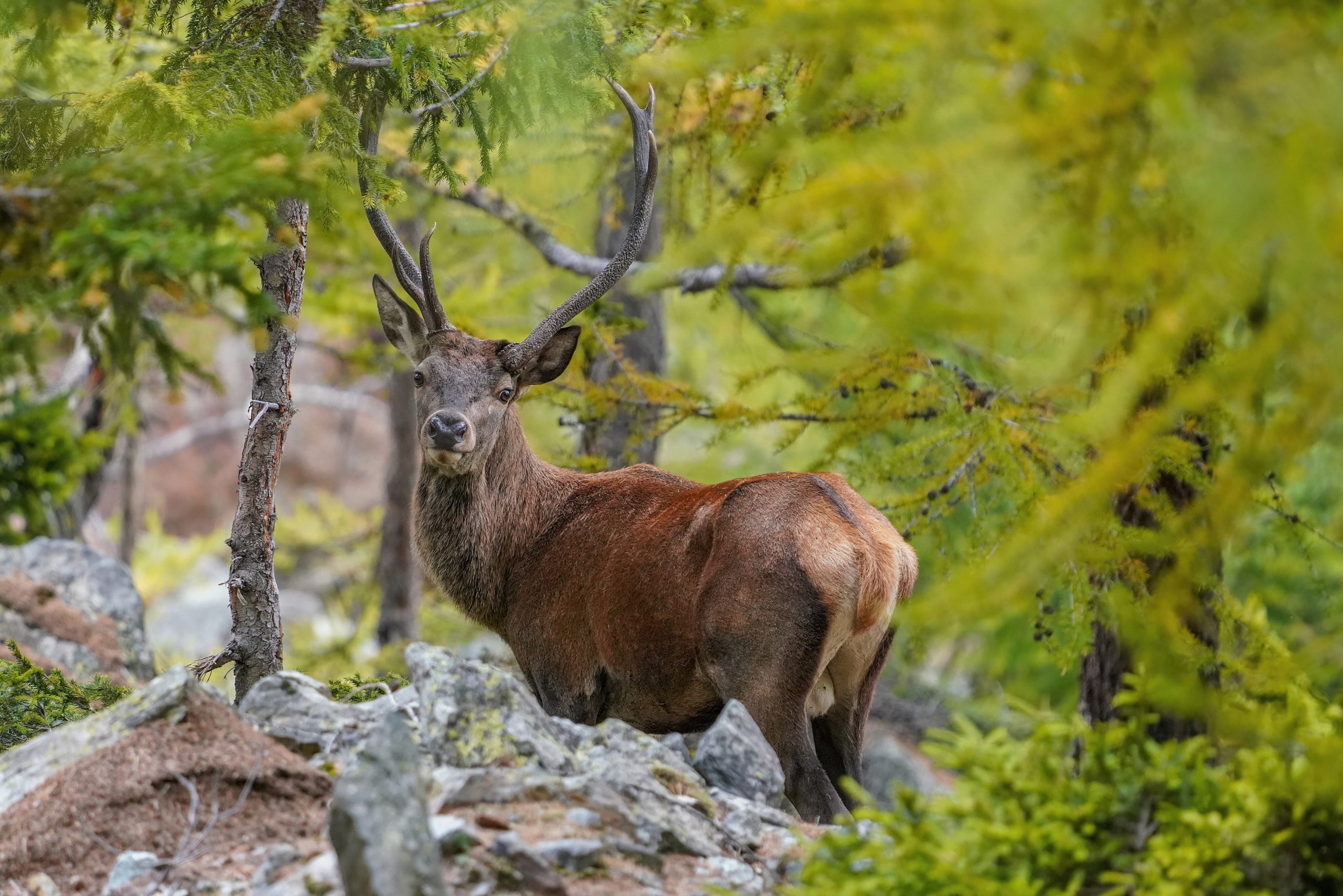
Punching holes in paper targets generates very little emotional excitement during a relaxed afternoon. Spotting a magnificent deer suddenly stepping into a clearing triggers an overwhelming biological response instantly. The human body floods with intense adrenaline that causes uncontrollable shaking in the hands and knees. This phenomenon goes by the famous nickname of buck fever among outdoor enthusiasts everywhere. Rapid heartbeats and nervous tremors make keeping the reticle steady a monumental task for anyone. Learning how to control nervous breathing takes years of dedicated field experience. Mental discipline proves essential when confronting actual wildlife in close quarters.
Misjudging Unknown Distances and Angles
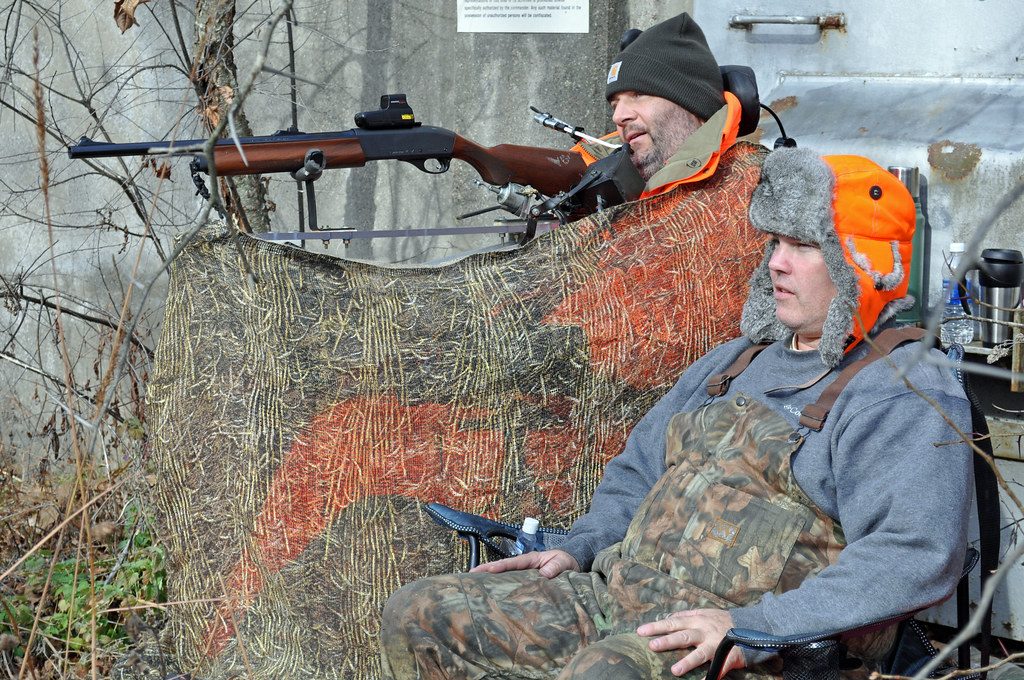
Standard ranges feature clearly marked yardage signs that eliminate any guesswork for the shooter. The vast wilderness provides absolutely no visual clues regarding how far away an animal stands. Optical illusions created by deep valleys or flat plains easily trick the human eye. Guessing the wrong distance causes hunters to aim incorrectly and miss their intended mark entirely. Shooting across steep canyons introduces complex mathematical angles that change bullet drop significantly. Relying purely on natural vision usually results in tremendous disappointment. Carrying a reliable laser rangefinder completely removes this dangerous guesswork and improves overall accuracy instantly.