Hunting your first big game animal is an experience that blends patience, preparation, and respect for nature. Success requires more than just a firearm or bow—it demands knowledge, strategy, and an understanding of wildlife behavior. For beginners, stepping into the field unprepared can result in missed opportunities, frustration, or even unsafe situations. From gear selection to scouting and ethical practices, mastering the basics is essential. The following fifteen tips cover the most critical aspects of planning, preparation, and execution, giving new hunters the confidence and skills to enjoy a safe, productive, and rewarding first big game trip.
1. Choose the Right Firearm or Bow
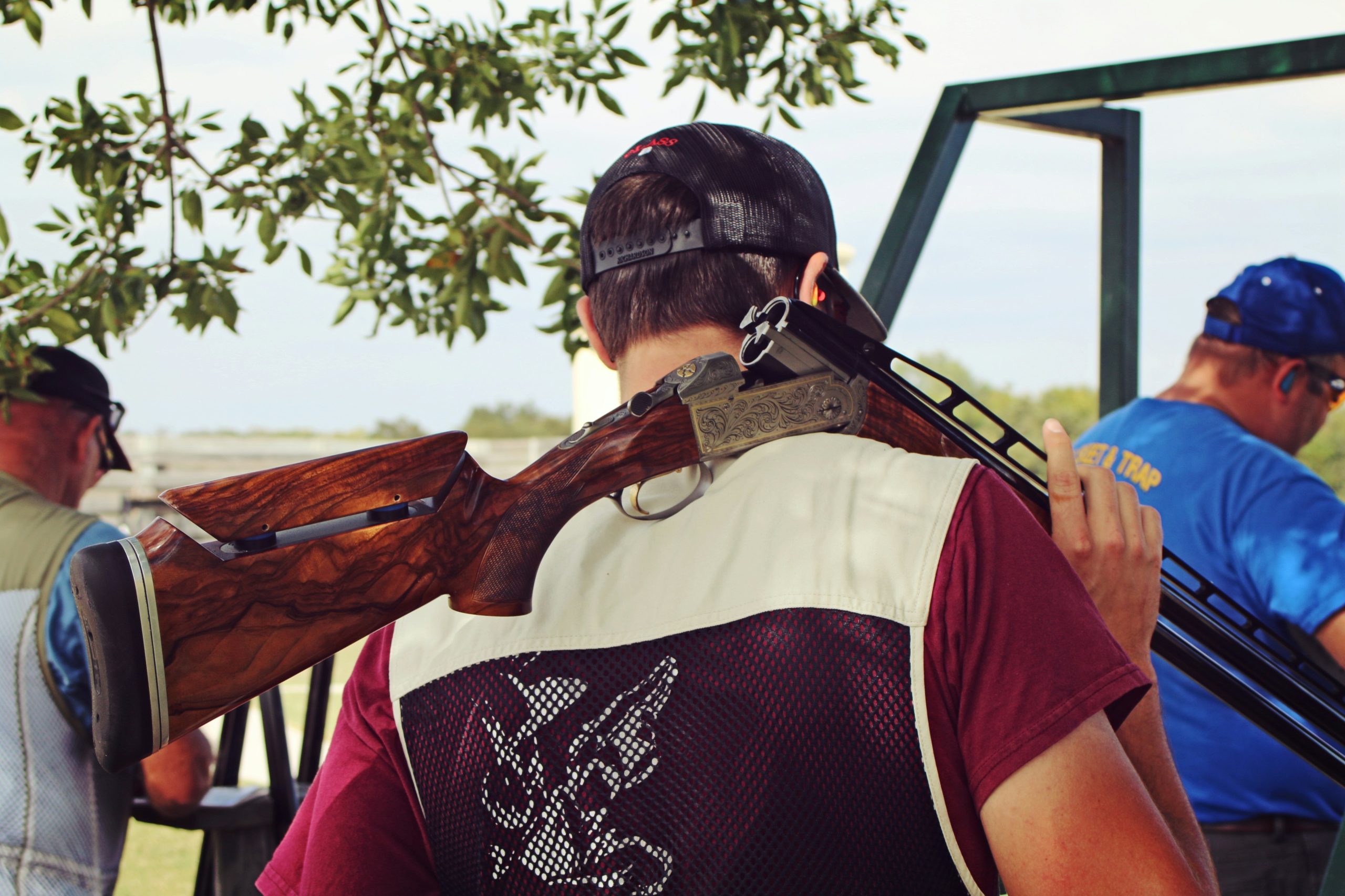
Selecting the right firearm or bow is the first step toward success. Beginners should focus on a weapon they can handle comfortably and accurately. Consider factors like caliber, draw weight, ergonomics, and recoil management. Trying multiple options at the range before your trip helps determine which feels intuitive and controllable. Proper selection improves confidence, accuracy, and safety. Beginners often overlook maintenance and sighting adjustments, but a reliable, familiar weapon ensures that your first hunt is a learning experience rather than a frustrating struggle, making preparation essential for both success and enjoyment.
2. Know Your Local Hunting Regulations
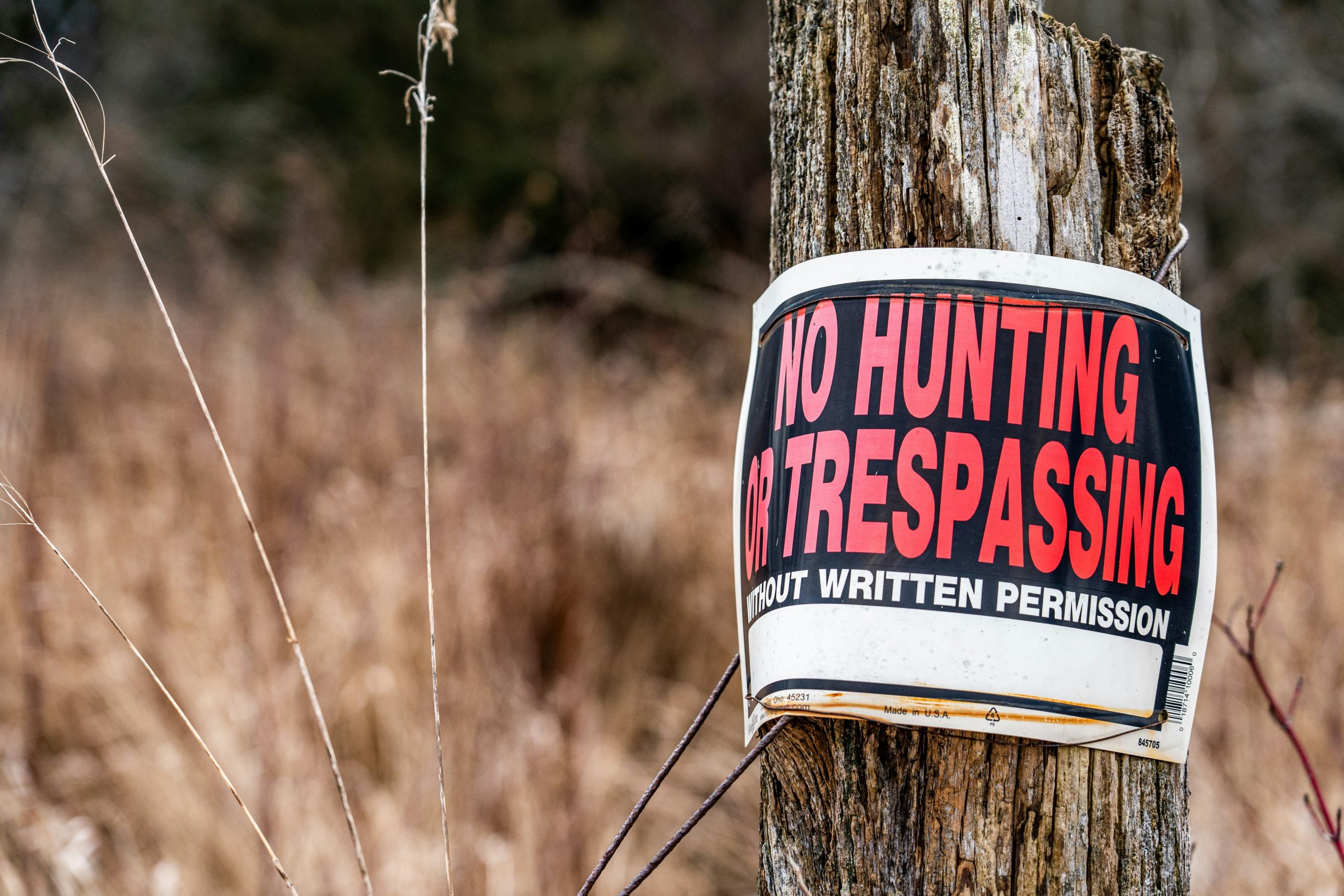
Every state has specific hunting regulations, including seasons, bag limits, and permissible methods. Understanding these rules prevents violations that could result in fines, lost privileges, or worse. Beginners should consult state wildlife agencies’ websites for licensing requirements, special permits, and reporting protocols. Regulations often differ by county, game type, and hunting method, so thorough research is critical. Planning around legal requirements not only keeps your hunt compliant but also promotes ethical hunting practices. Knowledge of rules ensures that your time in the field is productive, safe, and respects both the ecosystem and your community.
3. Scout the Hunting Area in Advance
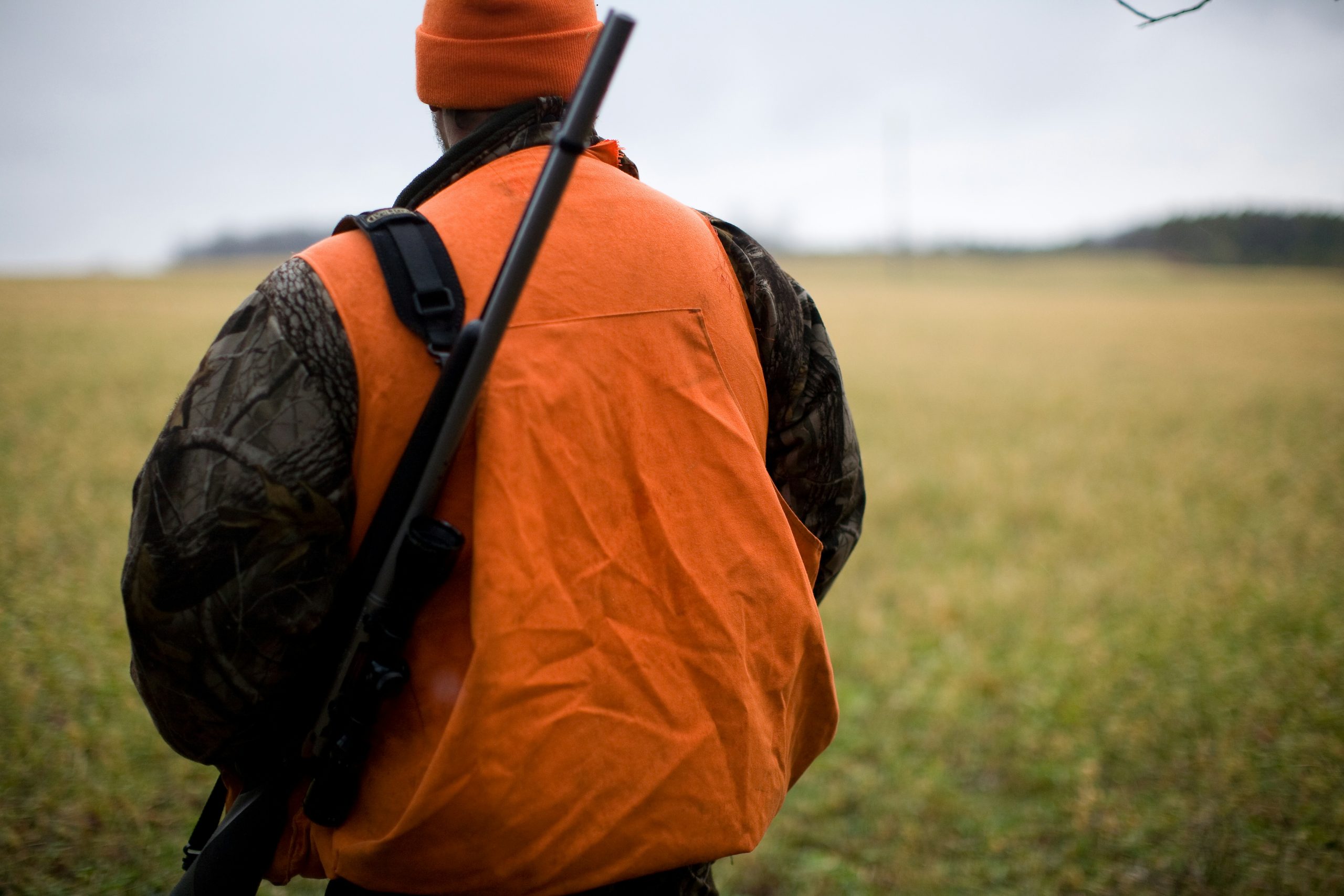
Scouting the hunting area before your trip is essential for locating game, understanding terrain, and planning movement. Observe animal trails, bedding areas, and feeding sites to anticipate wildlife behavior. Topography maps, trail cameras, and local guides can reveal high-traffic zones. Visit at different times of day to note patterns and environmental cues. Scouting reduces wasted time and increases safety by familiarizing you with obstacles, water sources, and access points. The more you know about the area beforehand, the more strategic your approach, improving the odds of a clean and ethical harvest while reducing surprises in the field.
4. Practice Shooting Skills Regularly
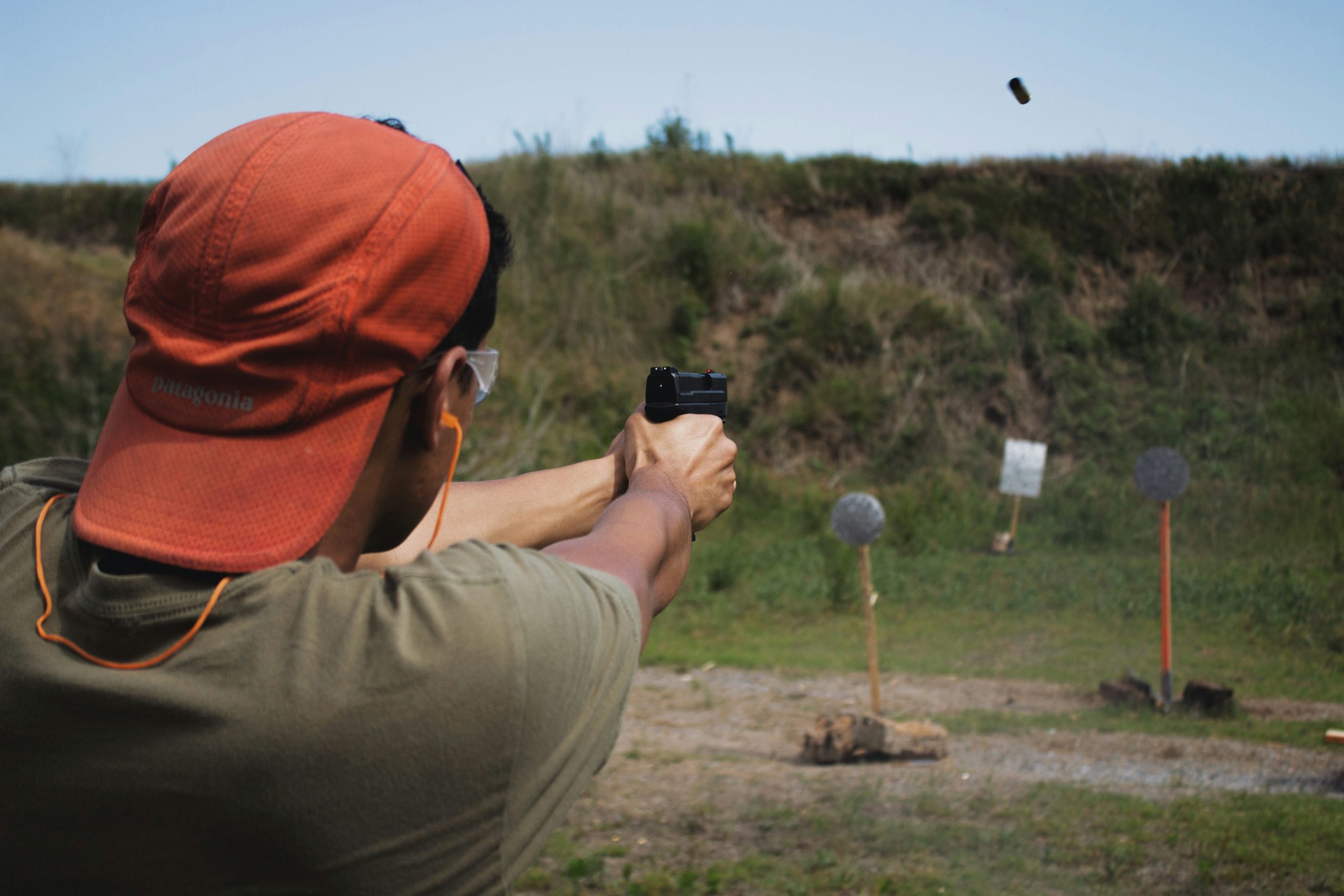
Accuracy is crucial for ethical hunting. Beginners should devote time to consistent practice with their chosen firearm or bow. Focus on proper stance, breathing, sight alignment, and trigger control. Shooting from varied positions and simulated hunting scenarios helps develop versatility and confidence. Practicing at realistic distances prepares you for real-world conditions. Repetition builds muscle memory, reduces nervousness, and increases efficiency. Without adequate practice, even the best equipment cannot guarantee success. Developing proficiency ensures that shots are ethical, humane, and more likely to result in a clean harvest, reinforcing the responsibility inherent in hunting.
5. Understand Game Behavior and Habits
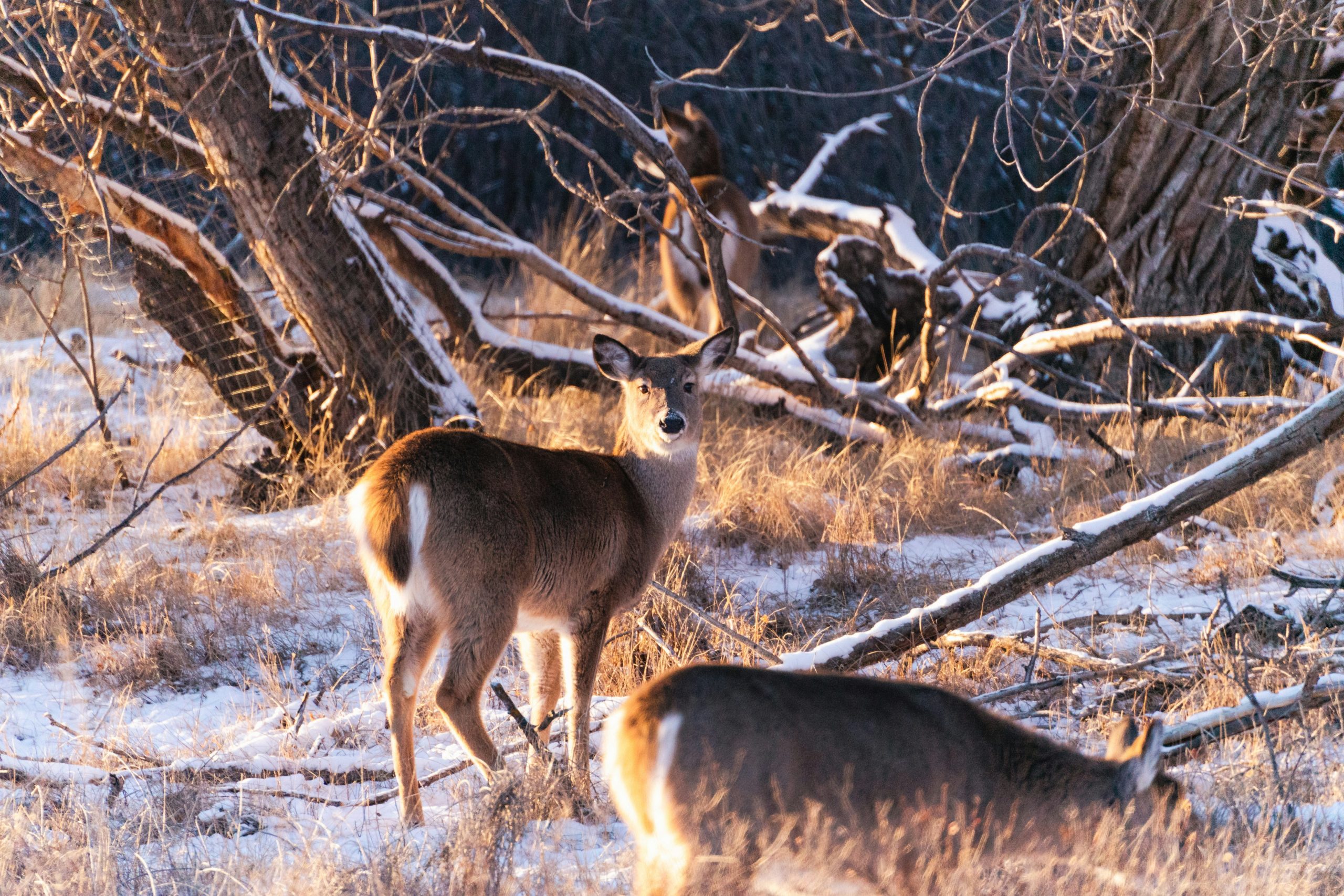
Success depends on knowing how your chosen species moves, feeds, and rests. Study wildlife patterns through observation, books, or local experts. Understand seasonal behavior, food preferences, and activity times. Recognize signs such as tracks, scat, rubs, and bedding areas to anticipate movement. Knowledge of animal behavior helps plan approach routes, ambush points, and timing. Beginners who neglect this often waste energy and miss opportunities. Observing patterns allows hunters to predict presence without spooking animals, resulting in safer, more efficient hunts. Understanding behavior also deepens appreciation for wildlife and encourages ethical, respectful practices.
6. Wear Appropriate Clothing and Camouflage
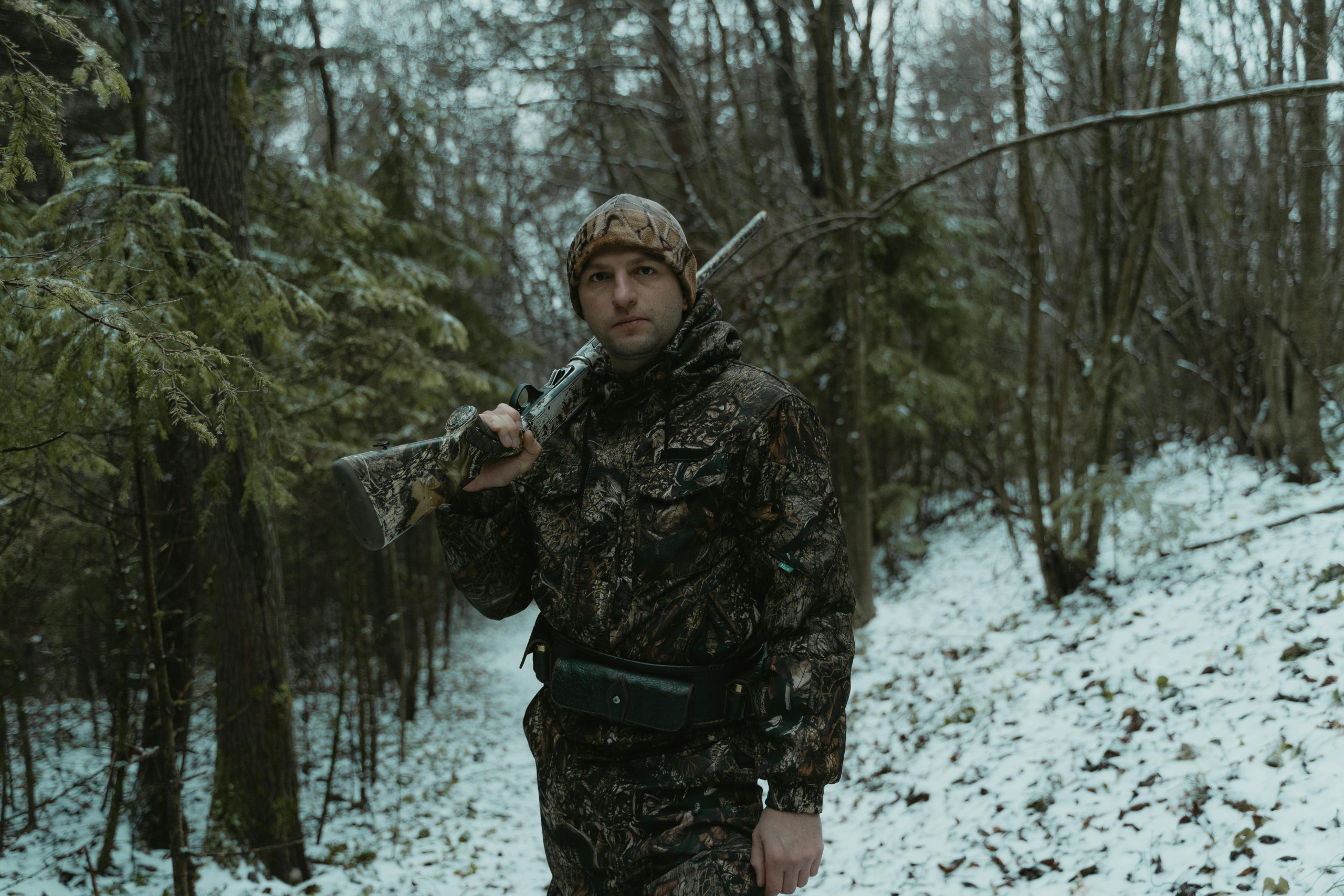
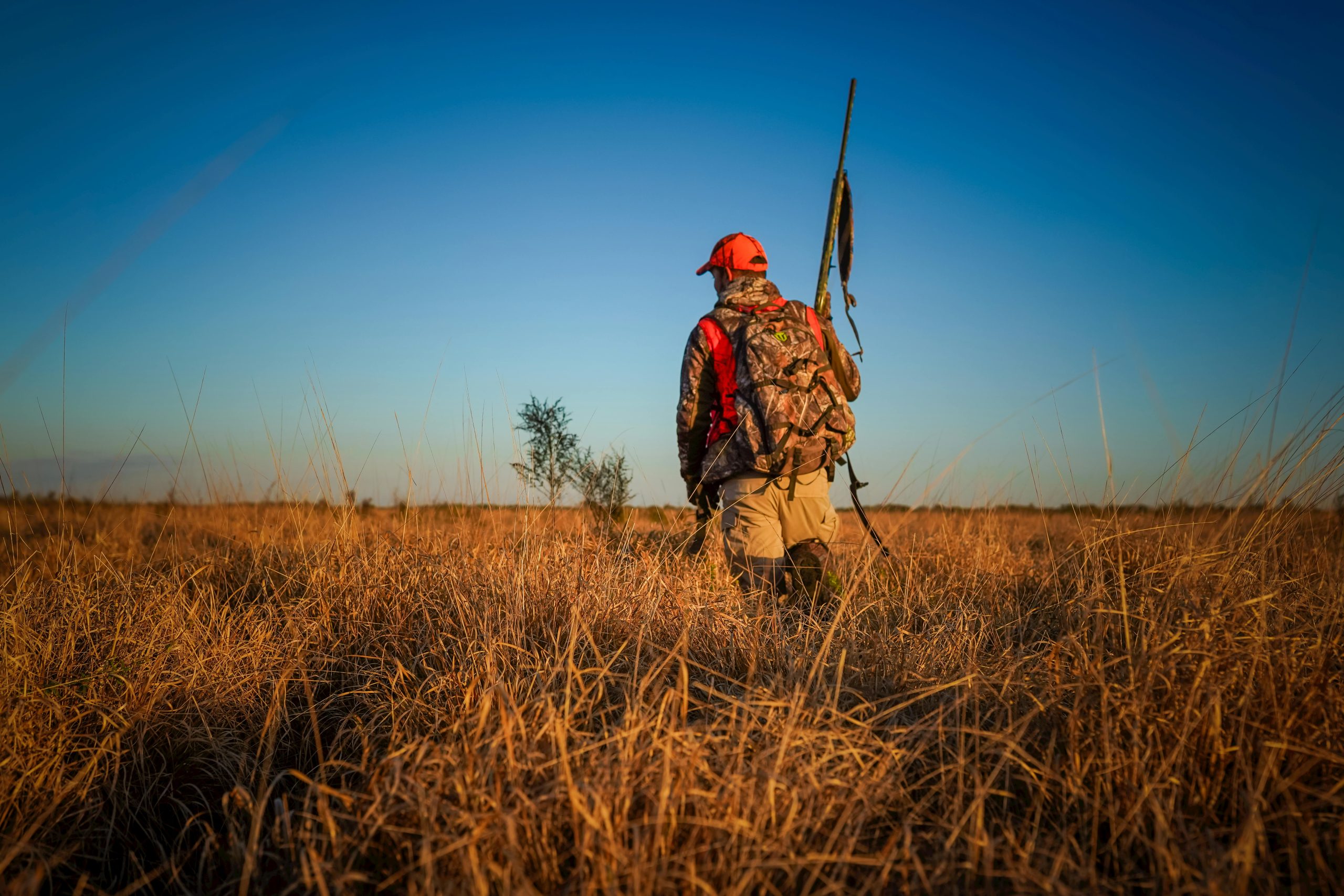
Choosing the right clothing impacts comfort, safety, and concealment. Dress in layers to regulate body temperature, considering early mornings and late afternoons. Select materials that minimize noise and scent while providing durability. Camouflage patterns should match the local environment, helping you blend with terrain and vegetation. Don’t forget sturdy boots with ankle support, moisture management, and weather protection. Reflective or blaze orange elements may be legally required for visibility to other hunters. Appropriate gear reduces fatigue, maintains safety, and allows you to move quietly, improving chances of remaining undetected while tracking or approaching game.
7. Bring Essential Gear and Supplies
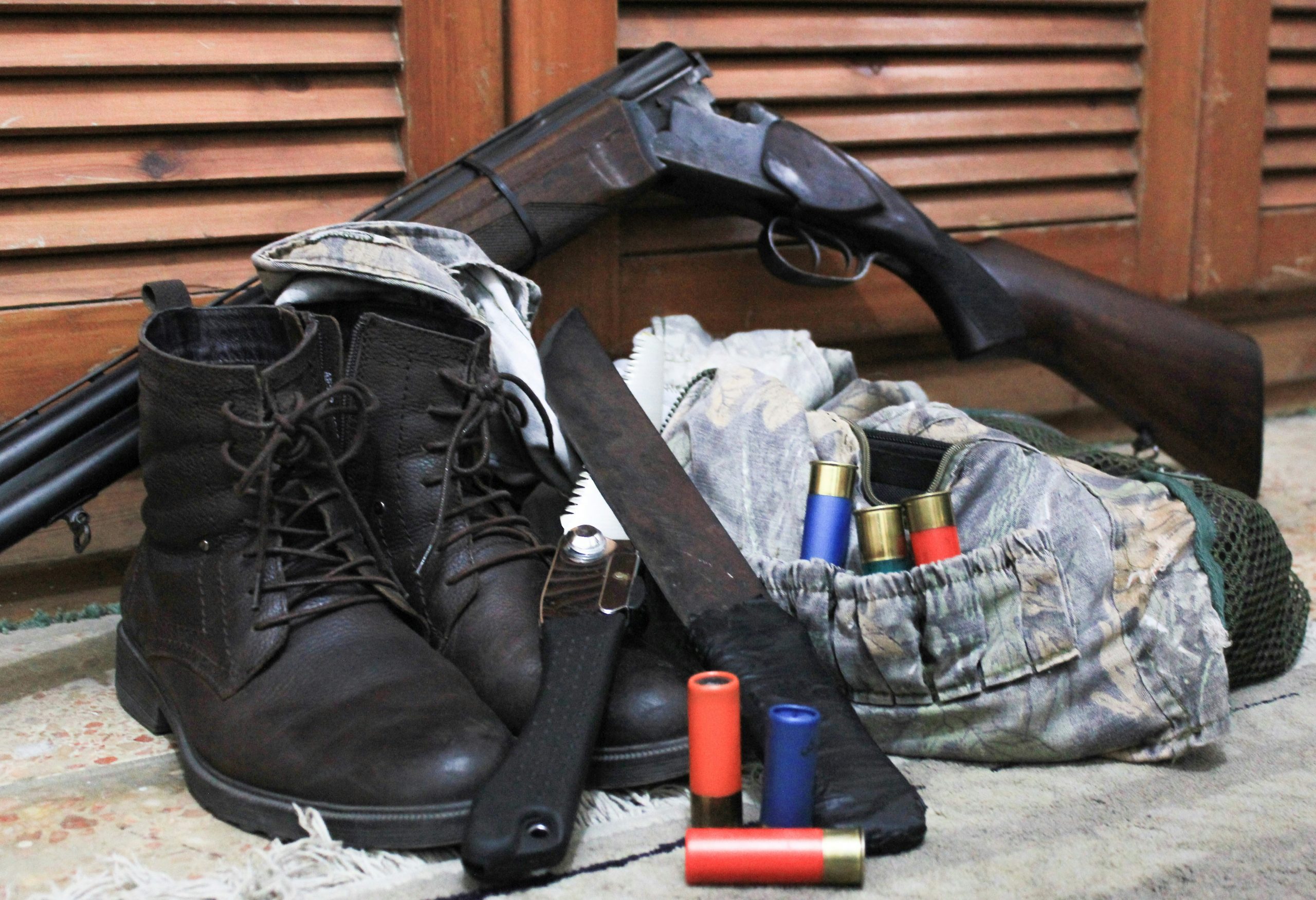
Beyond weapons, hunters need a well-stocked kit. Essentials include a hunting knife, binoculars, a rangefinder, a first-aid kit, water, snacks, and a GPS or a compass. Game bags, rope, and emergency signaling devices ensure preparedness for unexpected situations. Packing light while covering necessities increases mobility and efficiency. Neglecting supplies can turn a short outing into a stressful experience. Preparing for environmental challenges—rain, rough terrain, or long distances—is crucial. Thoughtful gear selection enhances safety, comfort, and effectiveness, allowing you to focus on tracking, observing, and harvesting game responsibly without unnecessary distractions.
8. Learn to Track and Read Signs
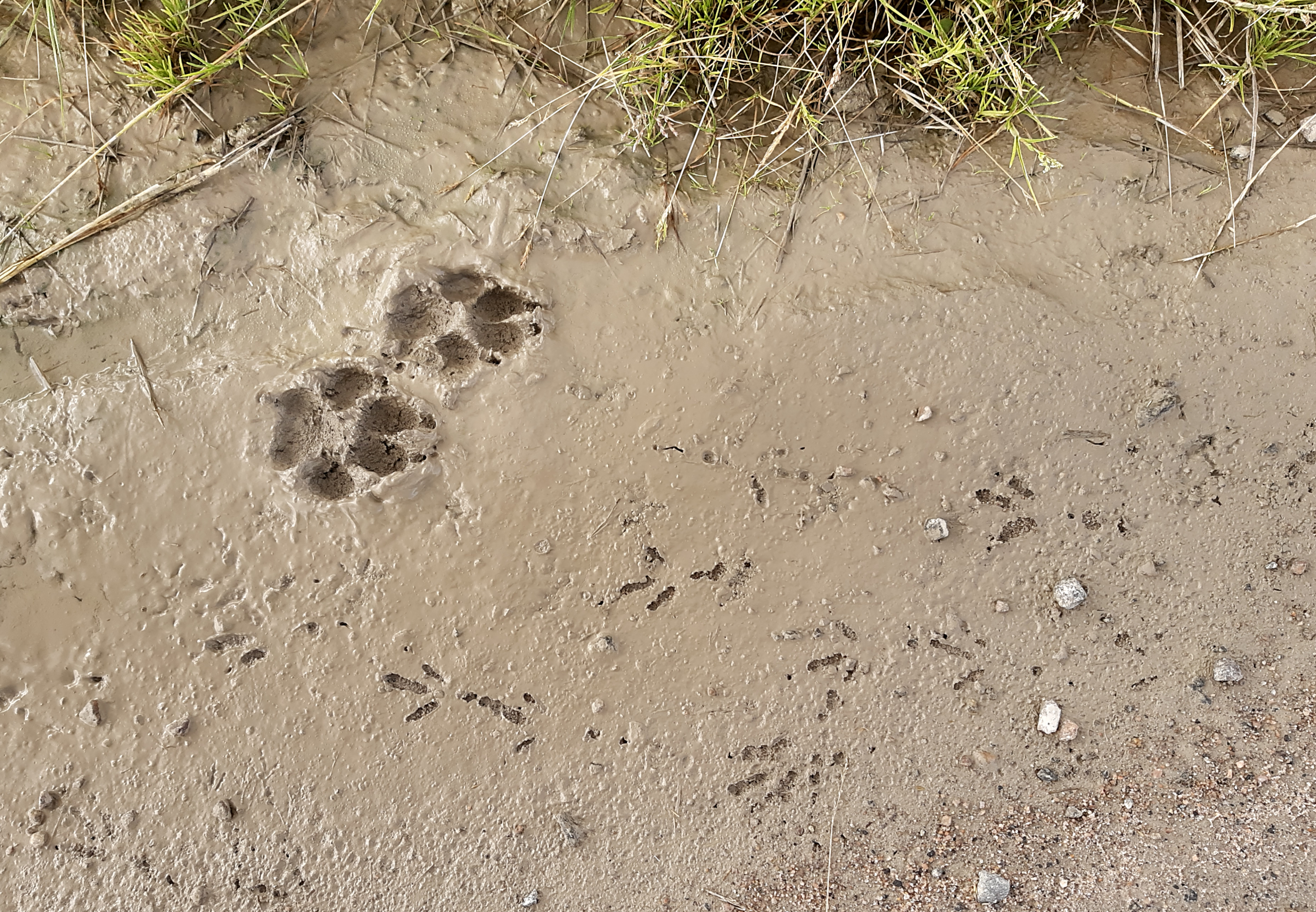
Tracking skills help locate game and interpret movement. Learn to read footprints, scat, bedding areas, and feeding marks. Understand how weather and terrain affect tracks. Observation allows hunters to follow trails without spooking animals. Proper tracking reduces wasted effort and increases the likelihood of ethical shots. Beginners should start in familiar areas, gradually applying techniques in more challenging terrain. Tracking combines patience, observation, and deduction. Developing this skill enhances awareness, improves field strategy, and builds confidence, making the hunt both safer and more rewarding while fostering a deeper connection with the natural environment.
9. Prioritize Safety Above All Else
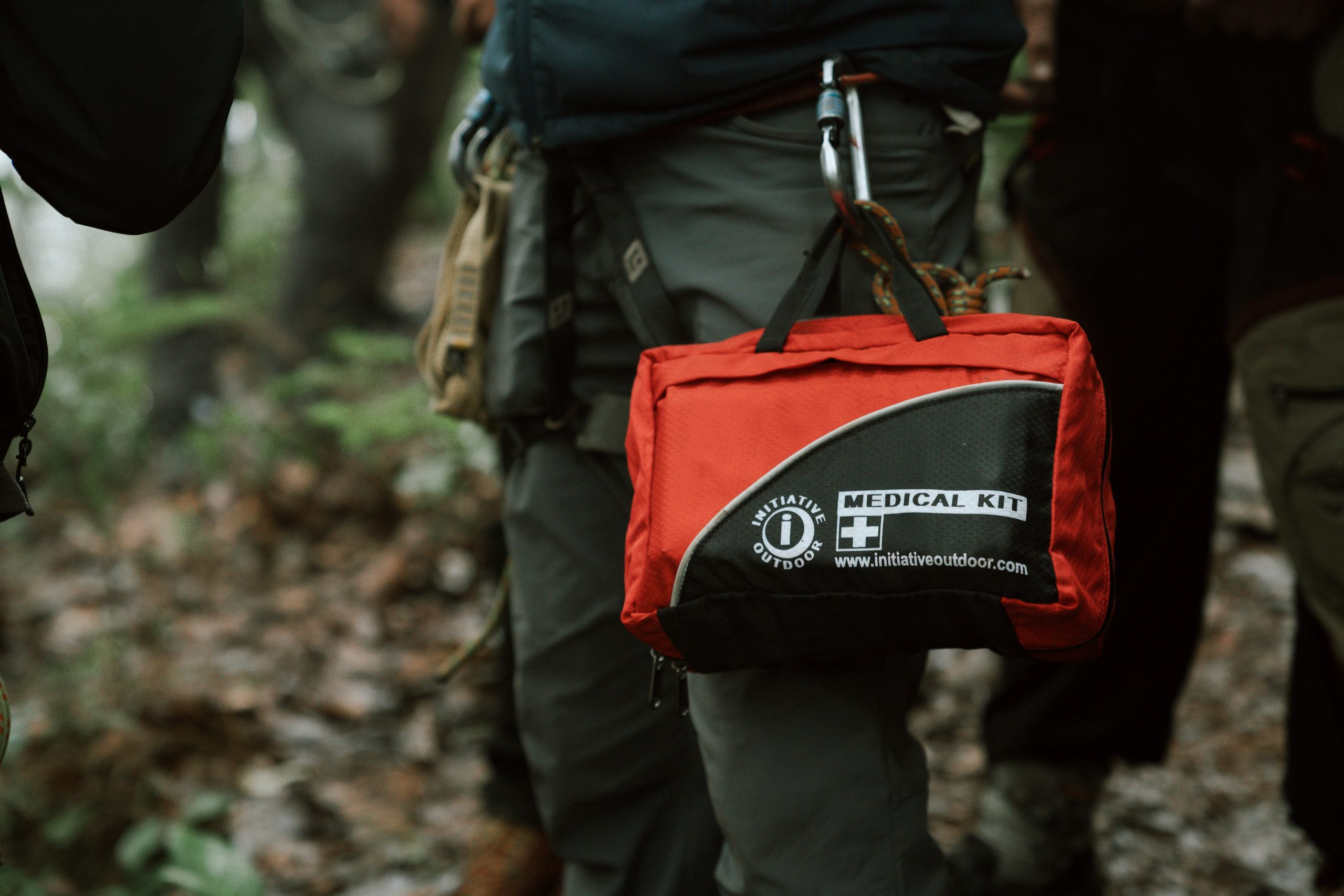
Safety is non-negotiable in hunting. Always assume every firearm is loaded, keep the muzzle pointed in a safe direction, and be certain of your target and beyond. Use blaze orange when required, communicate with fellow hunters, and carry a first-aid kit. Safety routines reduce accidents and injuries, which are more common among inexperienced hunters. Proper handling, planning escape routes, and awareness of surroundings minimize risk. Beginners should attend hunter safety courses to understand rules, procedures, and emergency protocols. Prioritizing safety ensures the hunt is memorable for positive reasons rather than preventable incidents.
10. Plan for Shot Placement and Ethical Harvest
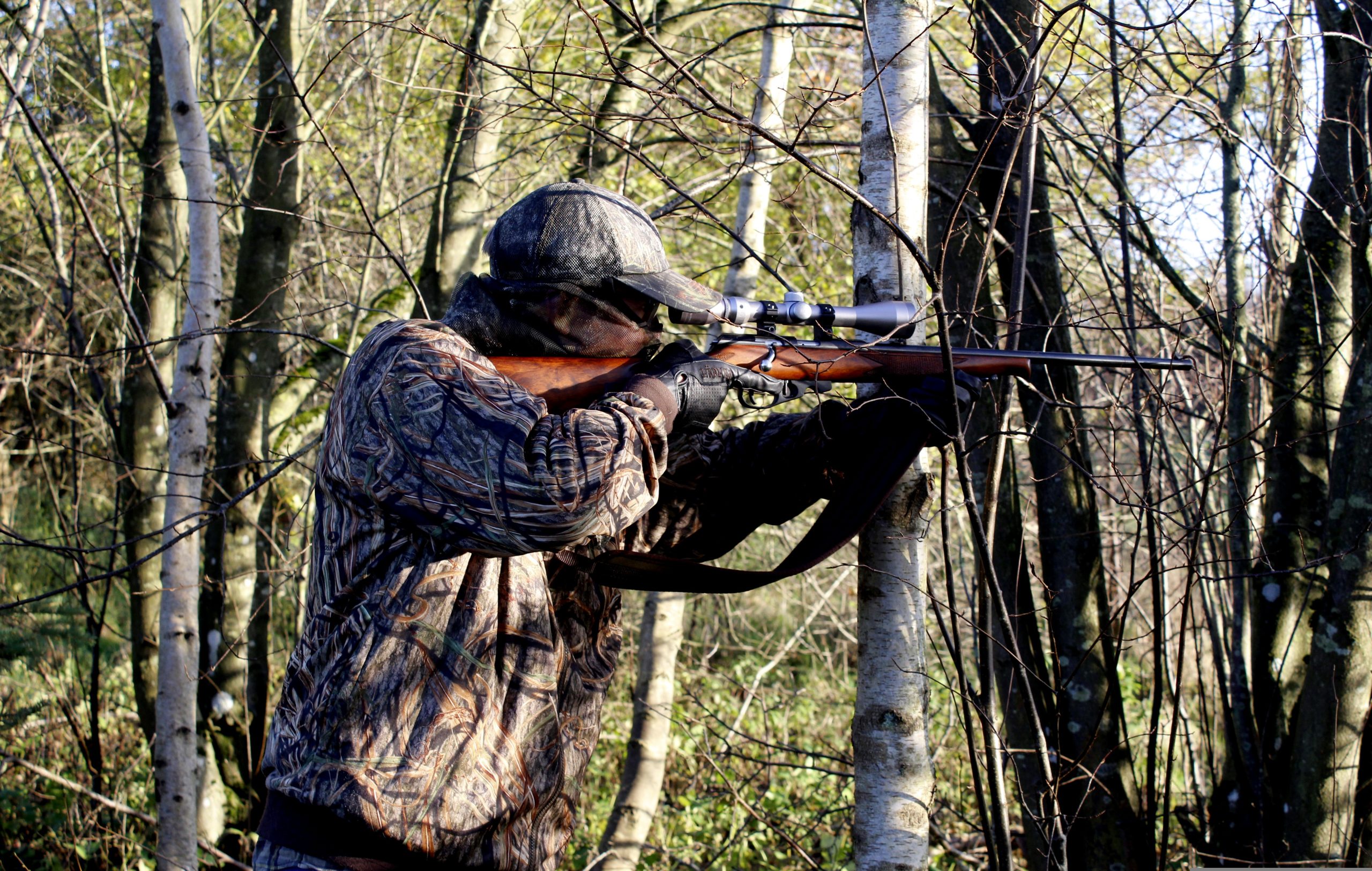
Ethical hunting requires clean, humane shots. Study the anatomy of the game to target vital organs for quick, humane kills. Avoid risky shots from poor angles or excessive distances. Practice on targets to refine precision. Proper placement reduces suffering and respects the animal while increasing retrieval success. Beginners often struggle with confidence, but understanding anatomy and practicing ensures responsibility. Ethical shooting also reflects respect for regulations, property, and conservation. Planning each shot carefully promotes safety, efficiency, and moral integrity, demonstrating that hunting is not just about harvesting but about stewardship and responsibility.
11. Understand Weather and Environmental Conditions

Weather can affect animal behavior, safety, and tracking. Rain, snow, and wind influence movement patterns and scent dispersion. Temperature changes affect the energy levels of both hunter and prey. Understanding weather allows proper clothing, gear adjustments, and strategy adaptations. Beginners should monitor forecasts and local conditions, planning entry and exit times accordingly. Preparing for environmental challenges ensures comfort, safety, and success. Ignoring these factors can compromise performance and increase risk. Awareness of conditions fosters adaptive thinking, ensuring a more productive and secure hunting experience in unpredictable outdoor environments.
12. Practice Patience and Observation
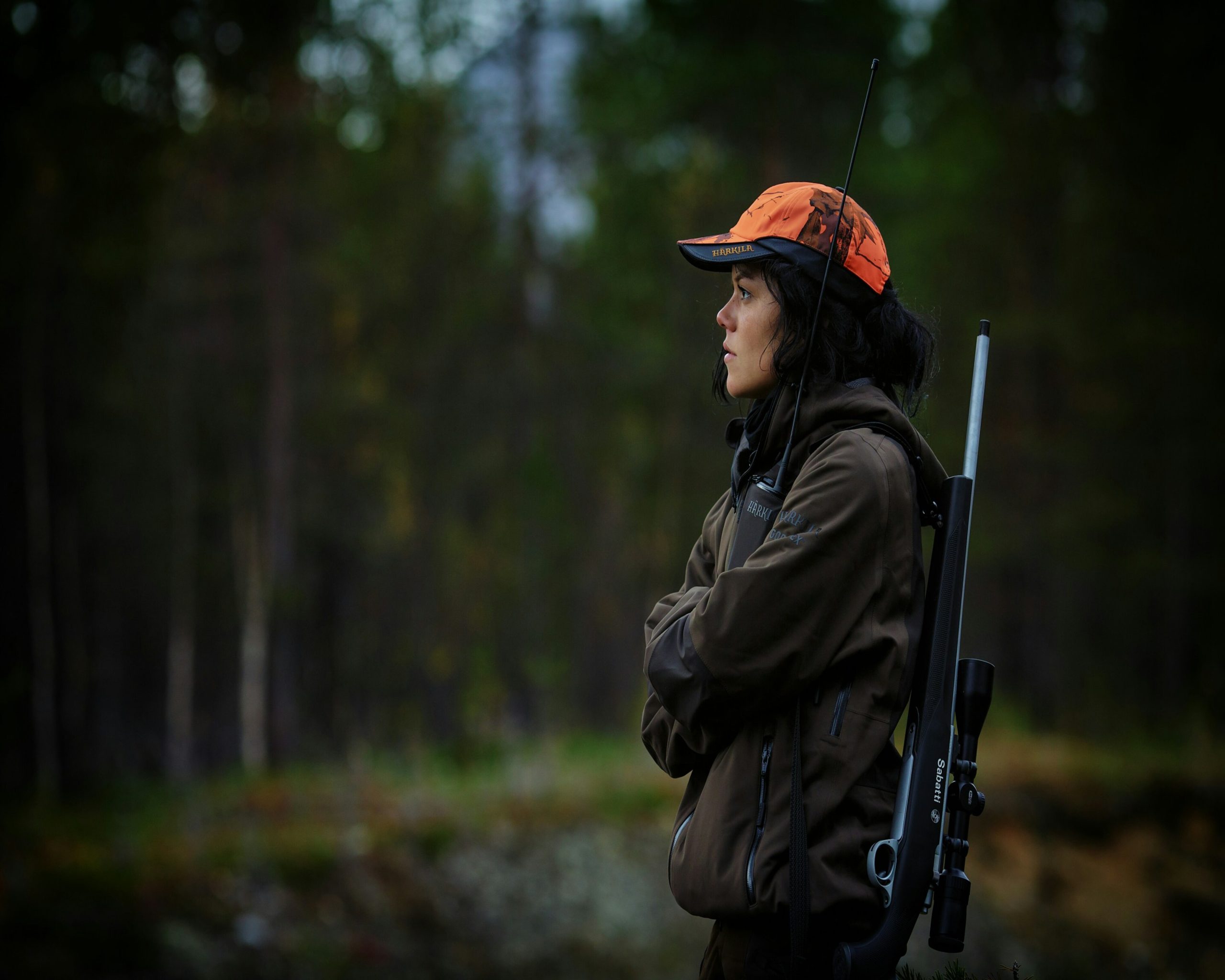
Hunting often requires long periods of stillness and focus. Beginners must learn to observe subtle cues, animal movement, and environmental sounds. Avoid rushing or making unnecessary noise that could spook the game. Patience increases accuracy and ethical decision-making. Observing behavior patterns while waiting can reveal opportunities that might otherwise be missed. Developing patience transforms hunting from a physical activity into a mental and strategic exercise. The ability to wait quietly enhances respect for the animal, improves situational awareness, and increases the likelihood of a successful and responsible harvest.
13. Plan Your Hunt Logistics

Preparation goes beyond weapons and gear. Plan travel routes, accommodations, permits, and timing carefully. Factor in daylight hours, hunting area accessibility, and emergency contingencies. Share your itinerary with friends or family to ensure safety. Knowing the terrain, parking, and trail access reduces stress and wasted effort. Beginners often underestimate the importance of logistics, which can turn a promising hunt into a frustrating experience. Efficient planning allows focus on tracking, shooting, and observing game, ensuring that your first hunting trip is smooth, enjoyable, and well-organized.
14. Prepare for Field Dressing and Meat Handling
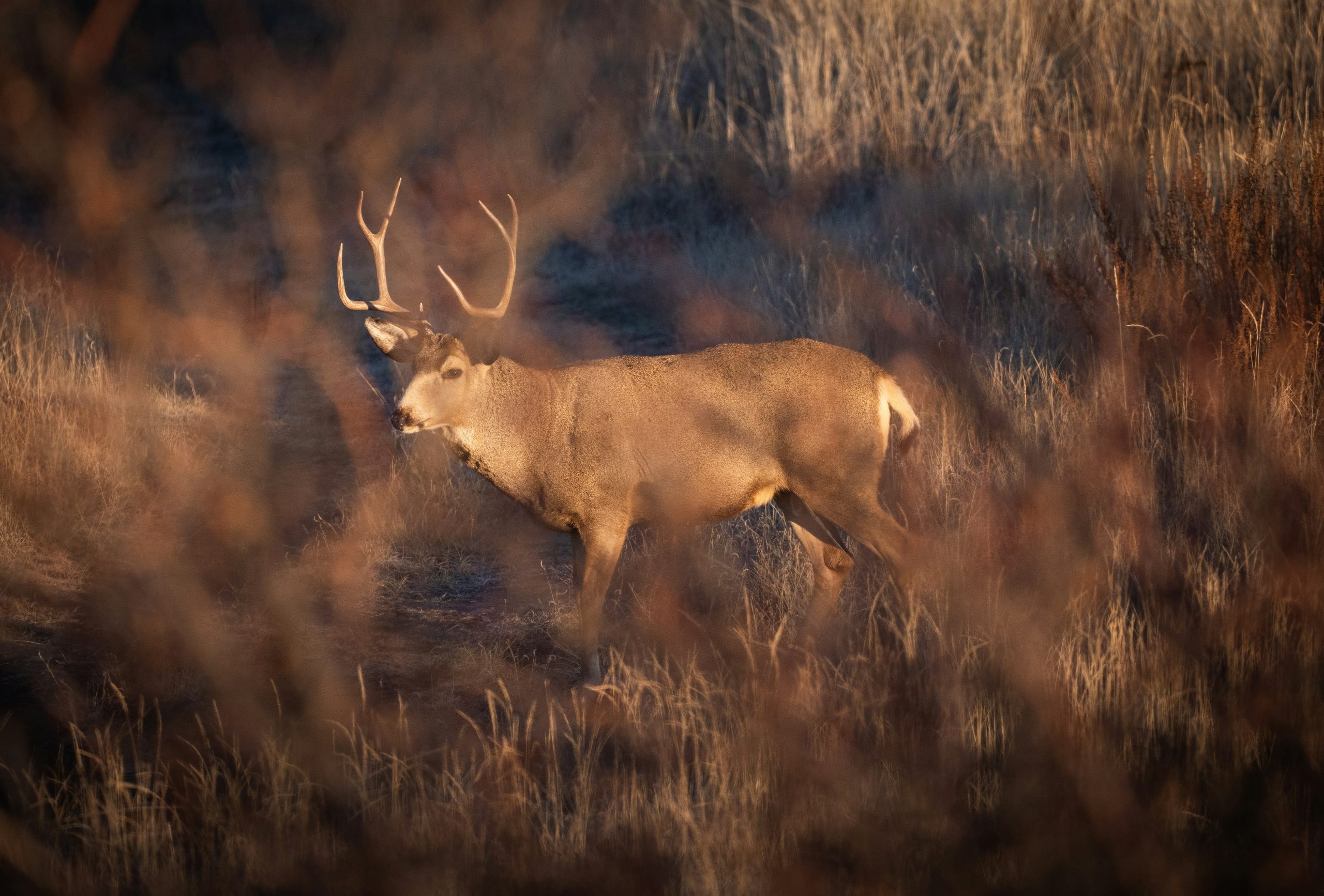
Harvesting an animal requires skill in field dressing and meat preservation. Learn proper techniques for skinning, gutting, and transporting game. Bring gloves, knives, and appropriate containers. Understanding anatomy, hygiene, and local regulations ensures meat quality and prevents contamination. Field dressing quickly reduces spoilage and increases safety. Beginners often overlook this stage, but preparation is essential for both ethical practice and culinary enjoyment. Mastering this skill reflects respect for the animal, ensures responsible use of resources, and completes the cycle of ethical hunting from harvest to table.
15. Respect Nature and Other Hunters
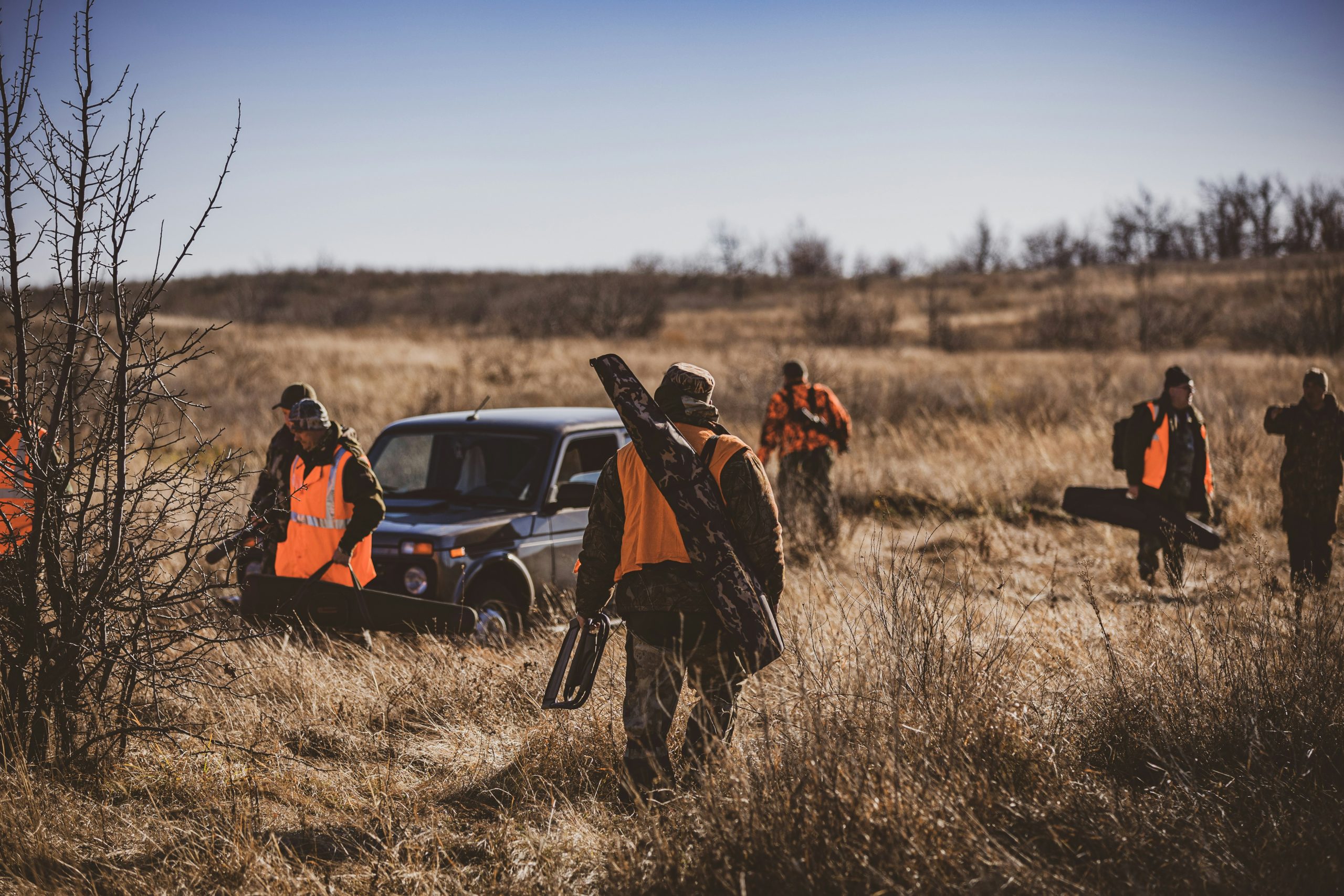
Hunting is not just about the harvest; it’s about participating responsibly in a shared ecosystem. Respect wildlife, private property, and other hunters. Avoid disturbing habitats unnecessarily and follow all ethical guidelines. Leave no trace, minimize litter, and consider conservation practices like habitat preservation and sustainable harvest. Respectful behavior fosters positive relationships with the community, landowners, and fellow enthusiasts. Beginners who embrace ethical principles gain trust, safety, and satisfaction. Understanding that hunting is part of a broader natural system enriches the experience and ensures that your presence in the outdoors benefits both people and wildlife.