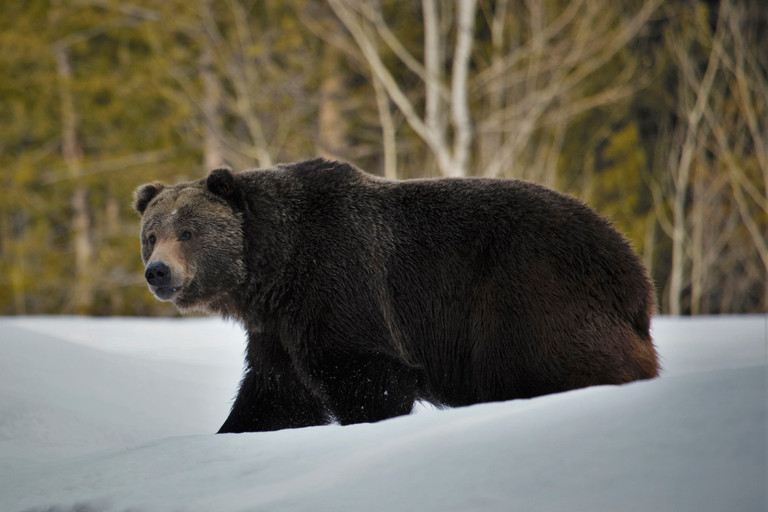
Grizzly bears are among the most formidable predators in North America, yet not every creature flees at the sight of these giants. Some animals possess remarkable adaptations, strength, or defensive strategies that allow them to stand their ground and even repel a grizzly. Studying these encounters reveals nature’s balance, where size is not the only factor in survival. From sharp claws to powerful horns, speed, or sheer aggression, these species illustrate that intelligence, weaponry, and resilience can sometimes overcome overwhelming odds. Understanding them offers insight into predator-prey dynamics and animal behavior.
1. Moose
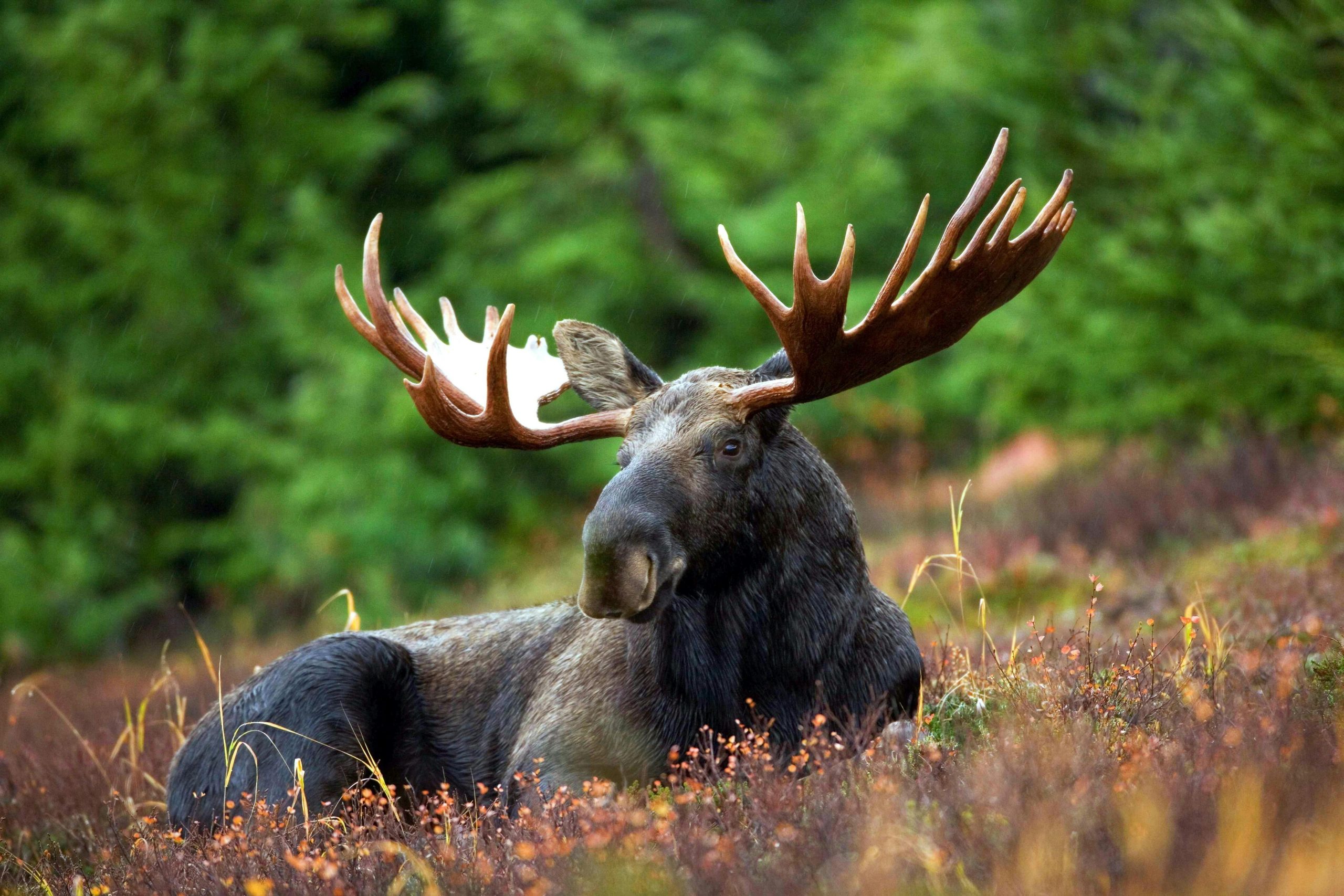
Moose may appear awkward, but they are formidable opponents to grizzlies. Standing over six feet tall and weighing up to 1,500 pounds, a moose can use its massive antlers and powerful hooves to strike with devastating force. Female moose, especially those protecting calves, are aggressive and unpredictable. Grizzlies may attempt an approach, but even a single well-placed kick can injure or deter a bear. Moose rely on size, speed, and sharp reflexes to maintain distance, illustrating how sheer physical power, combined with defensive behavior, creates a credible deterrent against one of North America’s largest predators.
2. Bison
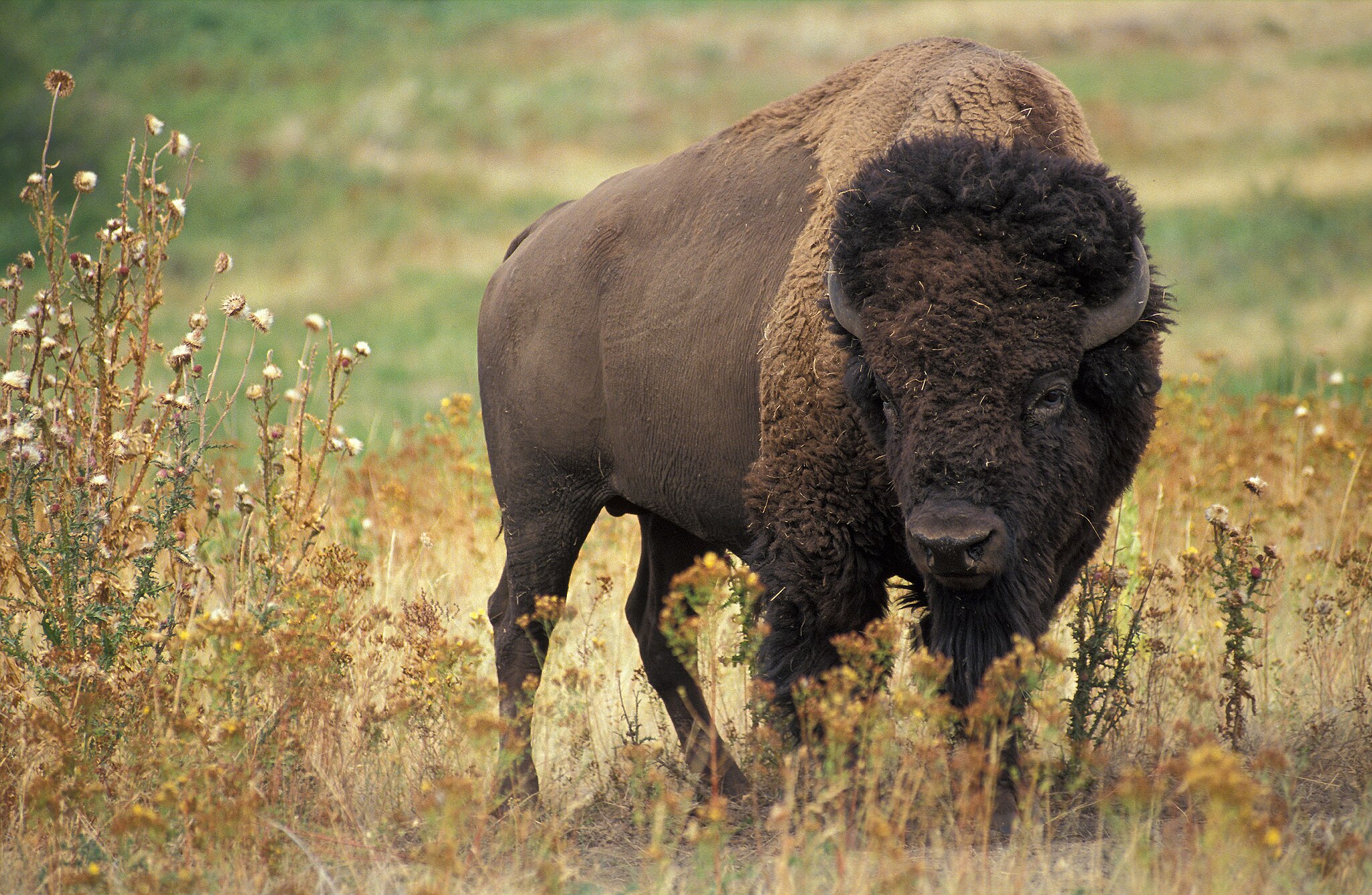
Bison are North America’s living tanks. Adult males weigh up to 2,000 pounds, with dense muscle and thick hides. When threatened by a grizzly, bison often face the predator head-on, using powerful charges to intimidate. Even young bears struggle to penetrate a bison’s defenses without risking injury. Herd behavior amplifies protection, as bison group together and form defensive circles. Their hooves, horns, and sheer momentum allow them to fight back effectively. These ungulates demonstrate that coordinated defense, size, and strength can make even apex predators hesitate before attacking, earning bison a legendary status in wildlife survival.
3. Wolverine
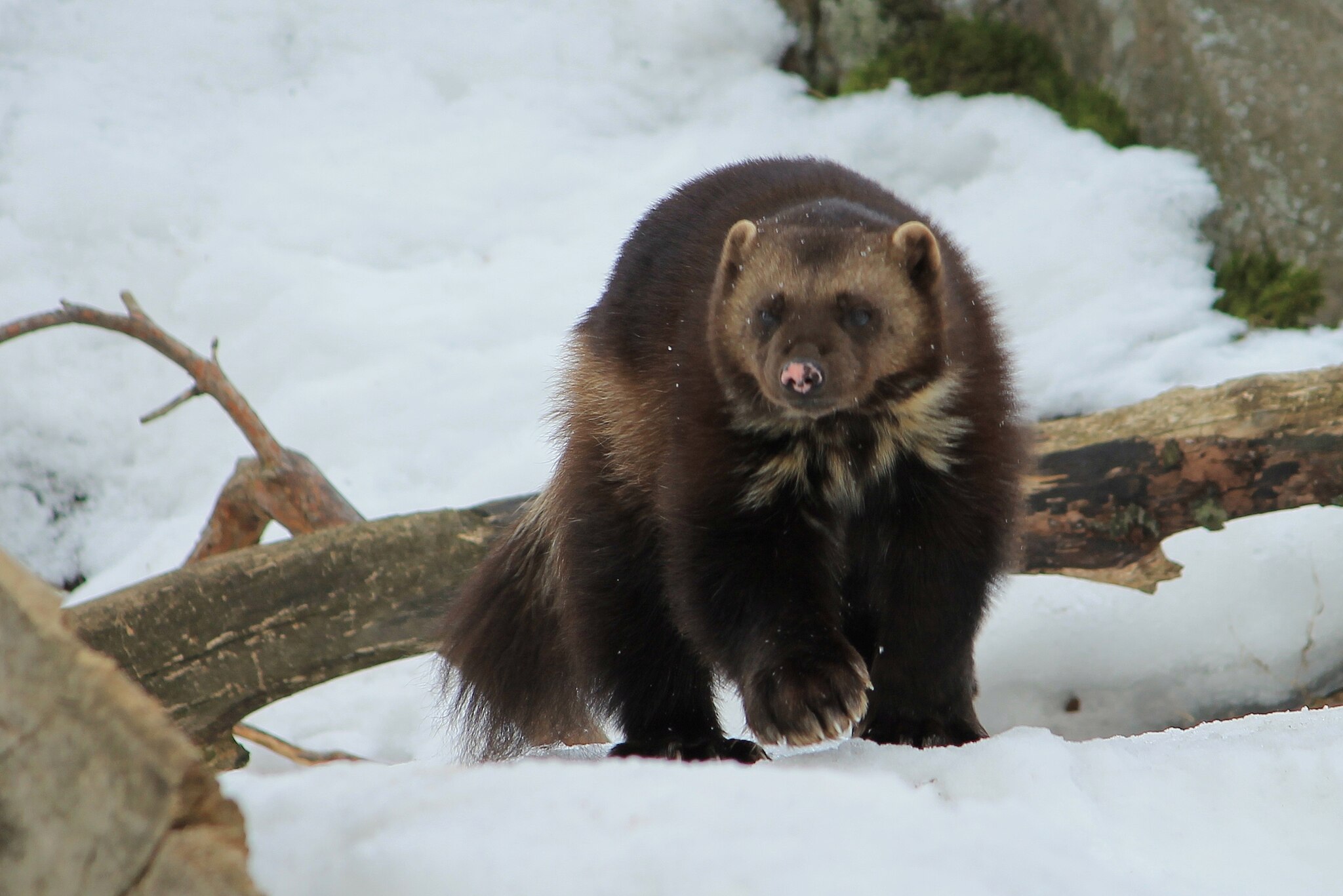
Despite weighing less than 50 pounds, wolverines are notorious for their fearless nature. These muscular carnivores attack larger animals with astonishing aggression and razor-sharp claws. Wolverines rely on tenacity, agility, and intelligence to fend off predators, including grizzlies. Their thick fur protects them from bites and scratches, while their aggressive display often intimidates larger threats. Though size is on the bear’s side, wolverines compensate with relentless ferocity, unpredictability, and endurance. A grizzly may reconsider when faced with a determined, unpredictable opponent. Wolverines exemplify how courage and strategy sometimes outweigh brute size in predator encounters.
4. Musk Ox
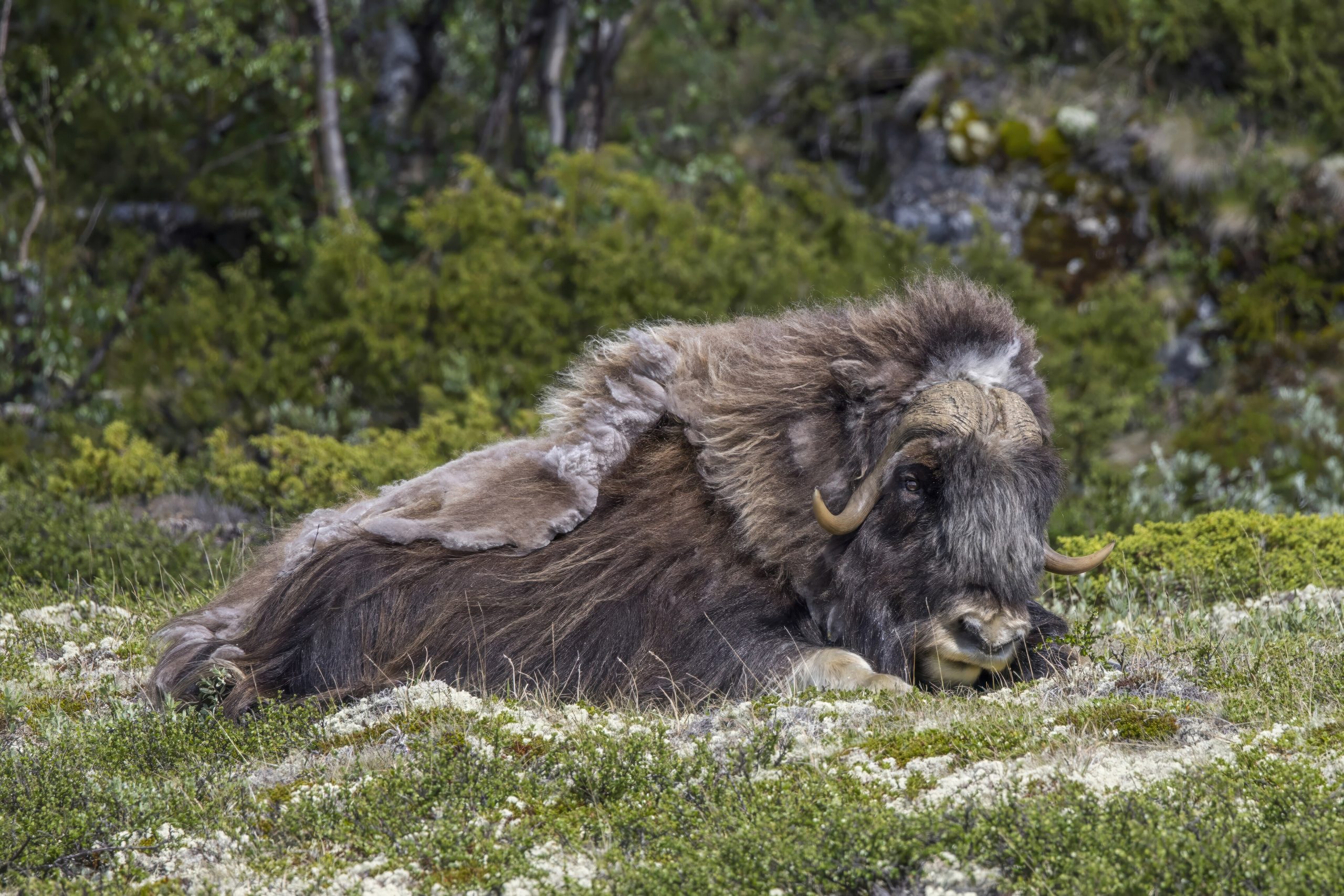
Musk oxen survive harsh tundra conditions by using an impressive defensive strategy against predators. They form a tight circle with calves protected in the center and adults facing outward, presenting horns and thick hides to any approaching grizzly. Individual strength is reinforced by coordinated group behavior, making attacks risky for bears. The combination of sharp horns, heavy bodies, and a disciplined formation ensures that musk oxen can repel predators effectively. Grizzlies, which normally hunt alone, find this group tactic dangerous. Musk oxen prove that strategy and cooperation are as critical to survival as individual power.
5. African Elephant
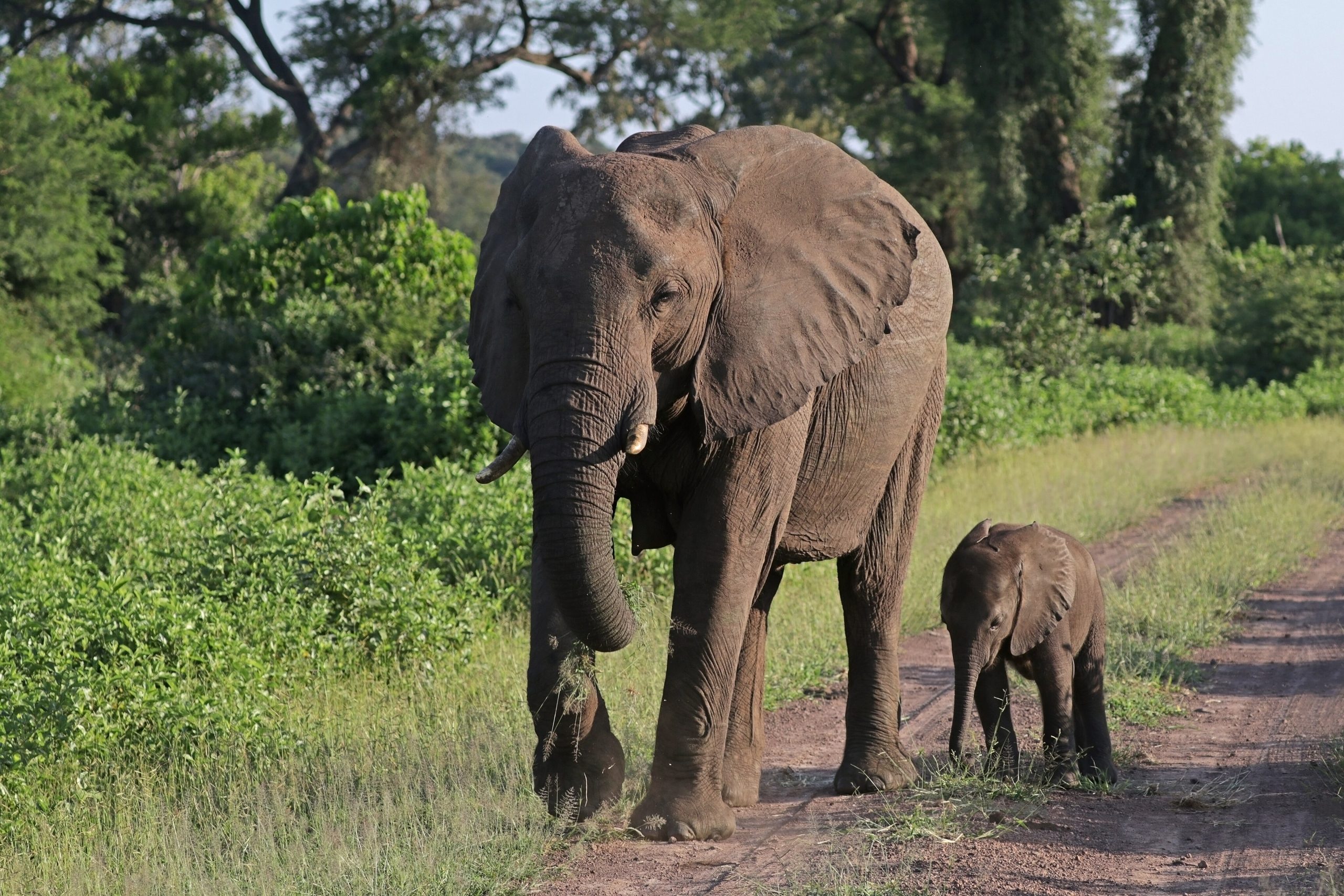
While grizzlies and elephants rarely meet in the wild, elephants demonstrate how sheer size can dominate predators. Adult males can weigh over 12,000 pounds and deliver powerful tusk strikes. Even smaller predators recognize the risk of injury and often retreat. Elephants also have thick skin and intelligence to detect threats early. While a grizzly is formidable, the elephant’s size, power, and awareness make it a predator deterrent by default. This example shows that in the animal kingdom, overwhelming size combined with defensive tactics can prevent attacks before confrontation occurs.
6. Cape Buffalo
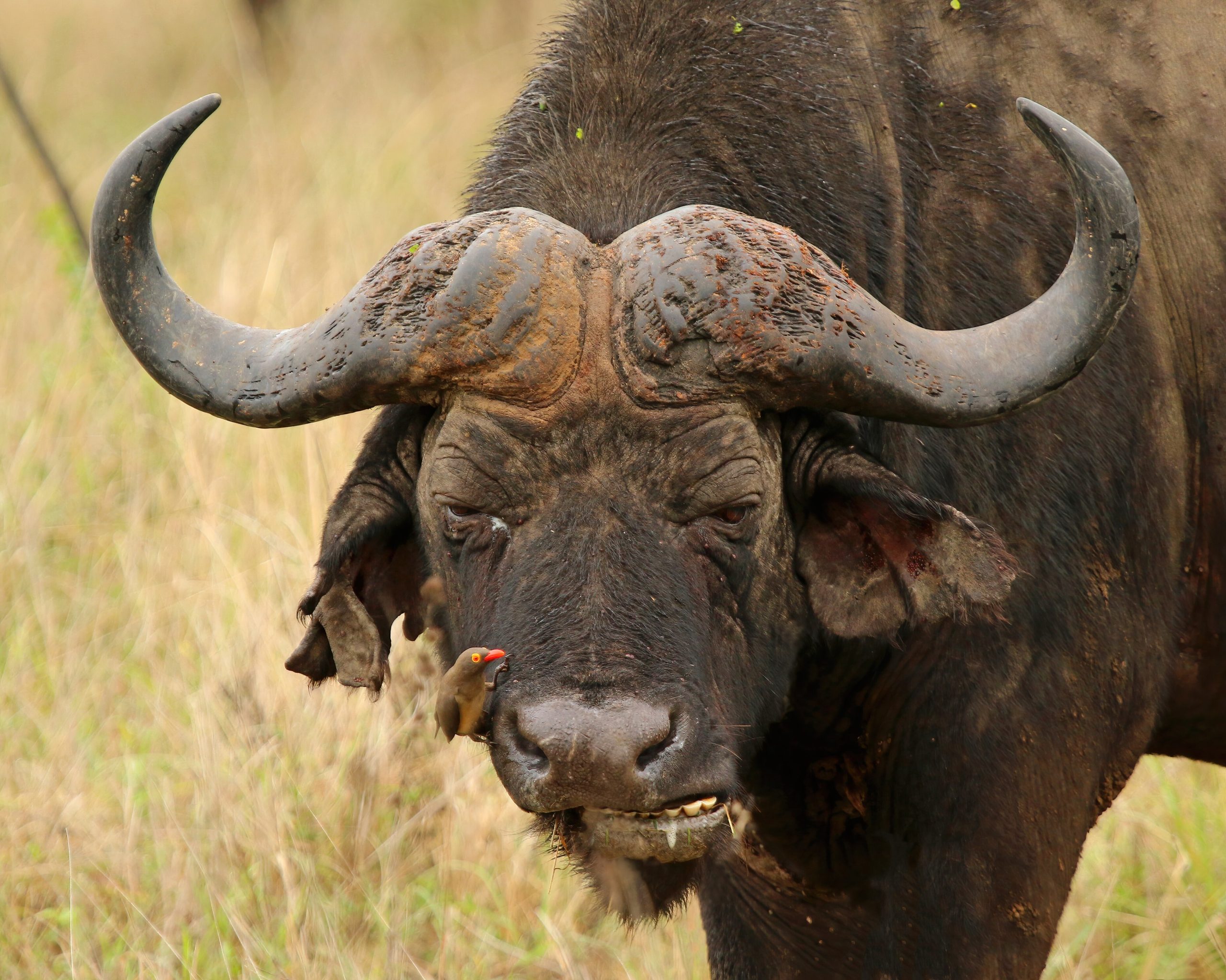
Cape buffalo are aggressive and unpredictable. In Africa, lions frequently attempt to hunt them, but their behavior against grizzly-like predators demonstrates similar principles. Weighing over 1,800 pounds and equipped with curved horns, they charge effectively to protect themselves or their herd. Herding behavior amplifies safety, as multiple individuals can confront a threat simultaneously. Even a single determined buffalo can seriously injure a predator. Their reputation as dangerous animals reflects their willingness to fight back, making them an important example of how aggression, weapons, and collective defense can turn the tables against apex predators.
7. Honey Badger
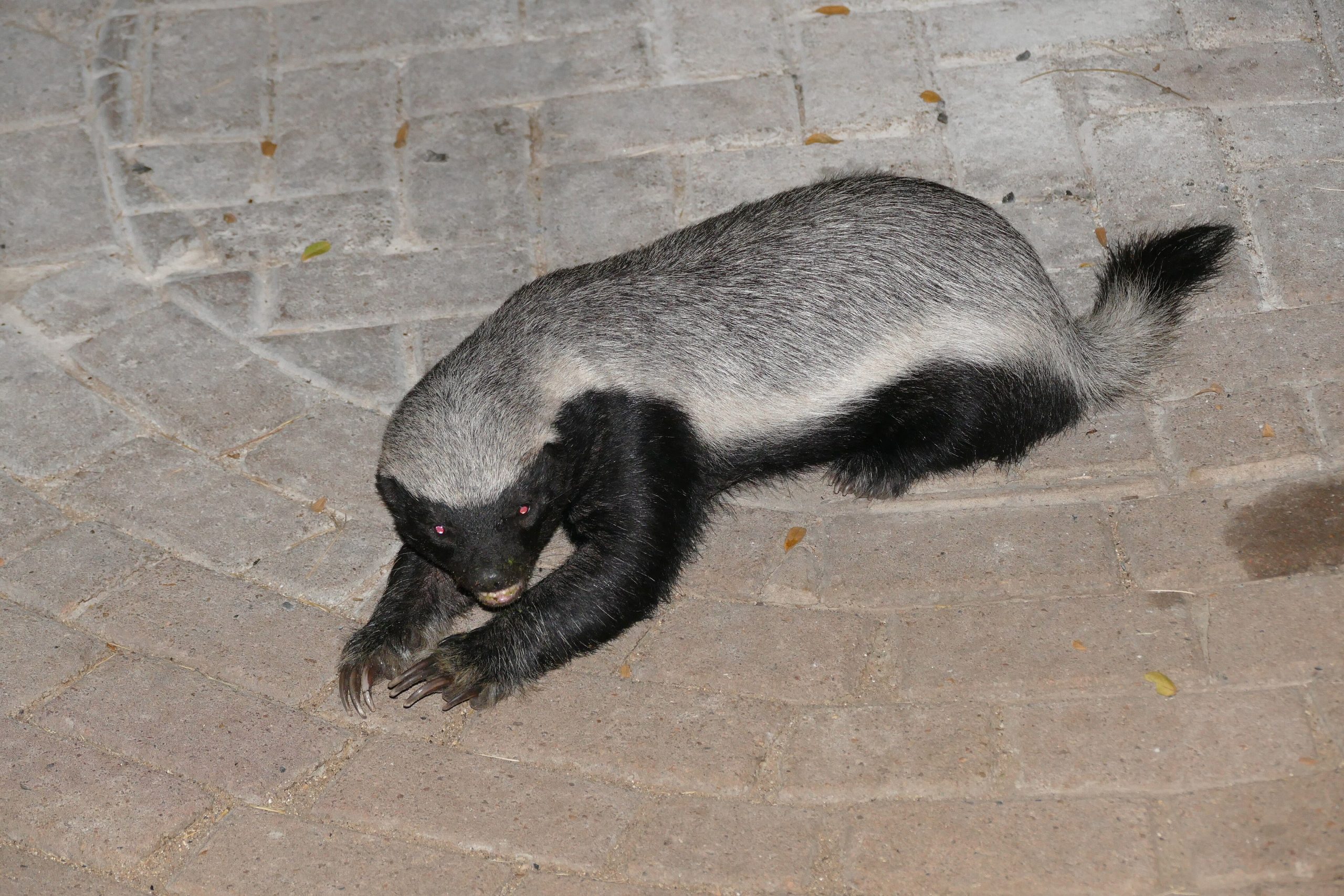
Honey badgers are small but notoriously fearless. Weighing under 30 pounds, they take on animals many times their size. Thick skin protects against bites, and their sharp claws allow swift, aggressive retaliation. Honey badgers do not hesitate to attack when threatened, and their audacity often forces predators, even grizzlies in hypothetical encounters, to back off. Coupled with relentless energy and cunning, honey badgers exemplify how aggression, resilience, and defensive strategy enable a small animal to survive in the presence of much larger threats. Size alone does not always determine dominance.