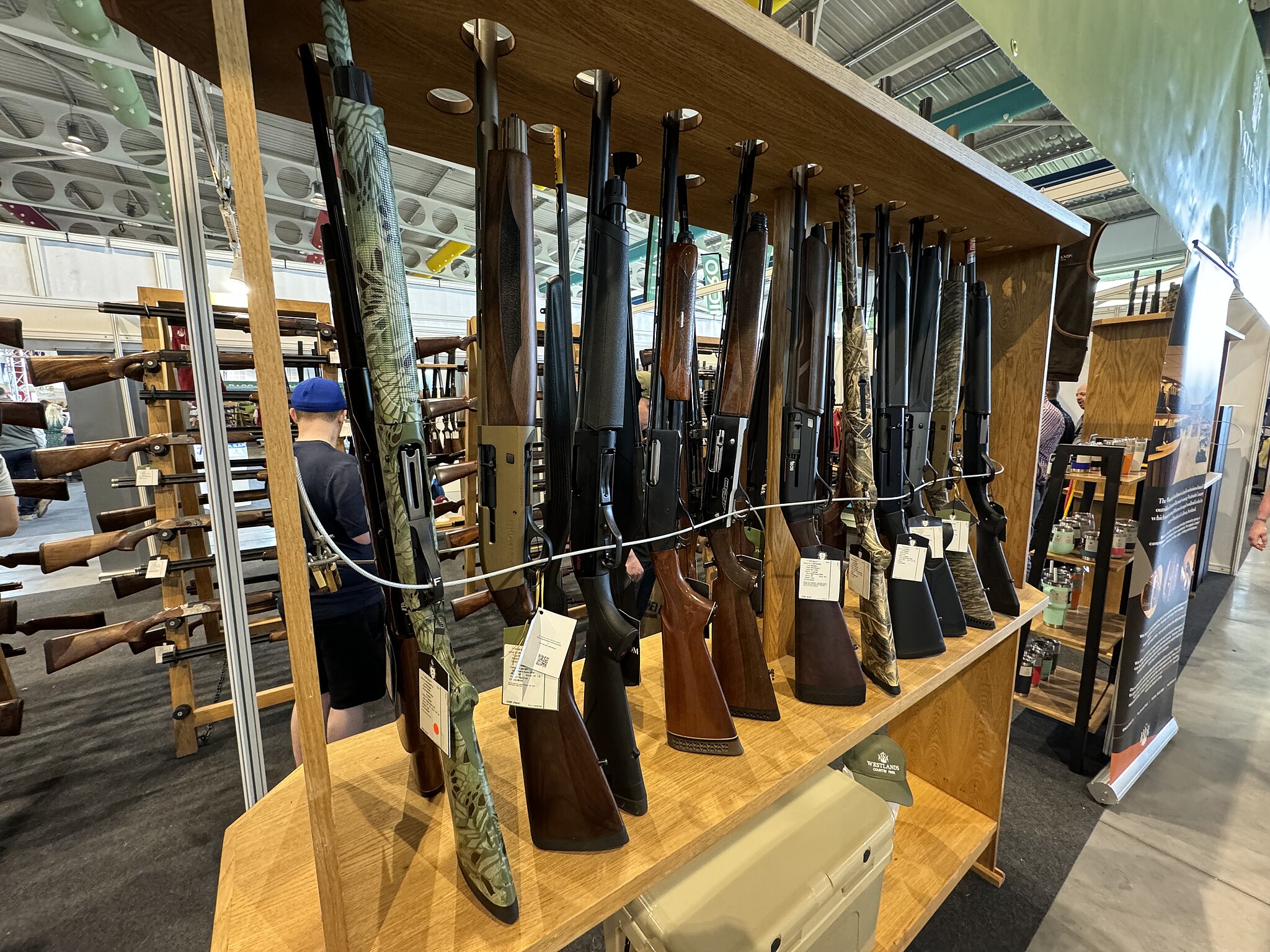
Shotguns have evolved dramatically over the past century. Advances in materials, ergonomics, recoil management, and manufacturing precision have transformed what shooters expect from modern firearms. Yet many older designs remain in circulation, often admired for nostalgia rather than practical performance. While classic models carry historical charm, certain platforms struggle to meet contemporary standards for reliability, adaptability, and user comfort. Outdated designs are not necessarily ineffective, but they frequently demand compromises that modern alternatives have already solved. Weight, limited capacity, slow operation, and maintenance challenges can all reduce practicality. Examining these aging categories highlights how firearm technology has progressed and why some legacy systems now feel disconnected from current expectations.
1. Early Fixed-Choke Hunting Shotguns
Fixed-choke shotguns once dominated the hunting world, but their lack of flexibility limits modern usefulness. These barrels were permanently configured for a specific shot pattern, restricting adaptability across different game or distances. Shooters today benefit from interchangeable choke systems that allow quick adjustments without replacing the barrel. Fixed chokes force users to accept compromises or maintain multiple firearms. Ammunition performance has also diversified, making adjustable pattern control increasingly valuable. While such shotguns often display excellent craftsmanship, their rigidity conflicts with modern versatility demands. Hunters and sport shooters typically prefer platforms offering broader adaptability. Fixed configurations reflect an era when customization was limited, and evolving expectations have largely relegated them to specialty or collector roles.
2. Heavy Single-Shot Utility Models

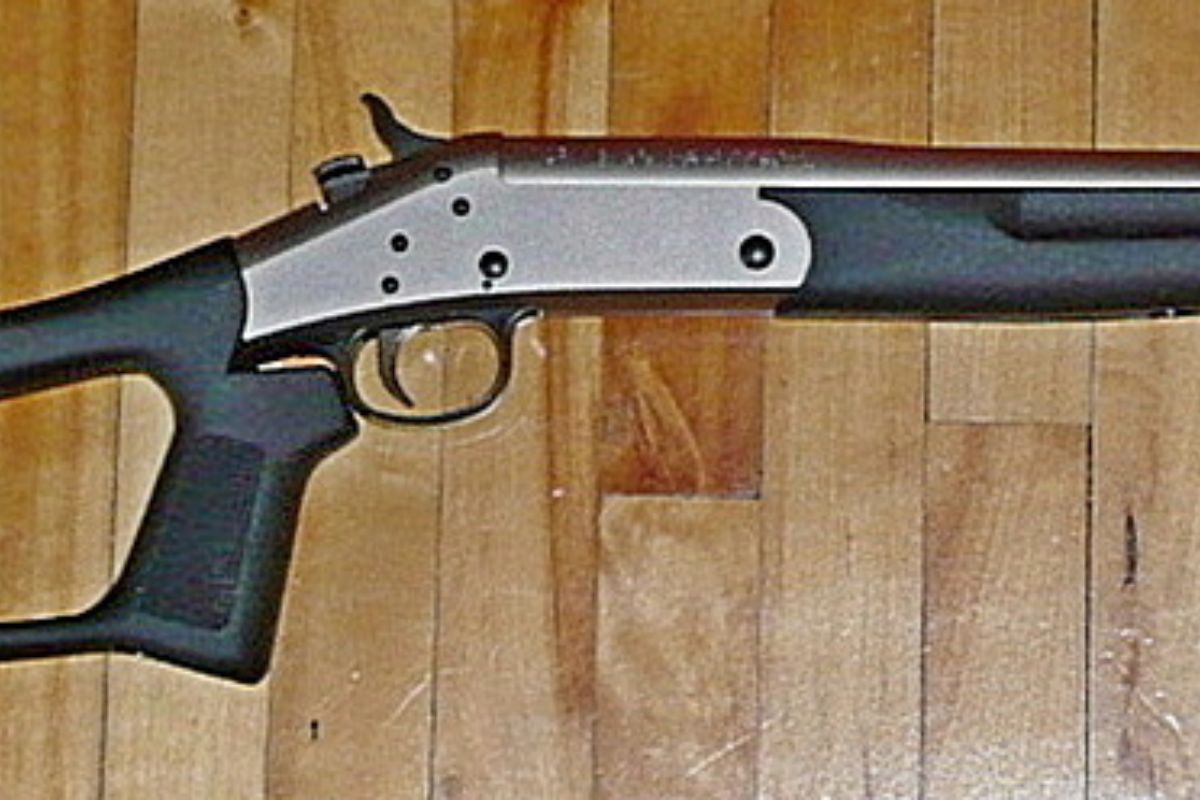
Single-shot shotguns earned reputations for simplicity and durability, yet their limited capacity restricts practicality in many modern contexts. Requiring manual reloading after each discharge slows operation and reduces efficiency. Contemporary shooters often expect faster follow-up capability, especially in sporting or defensive scenarios. While lightweight and mechanically straightforward, these designs demand precision and patience that newer systems mitigate. Reloading interruptions also affect rhythm and concentration. Modern repeating shotguns provide greater flexibility without significantly increasing complexity. Single-shot platforms still serve niche purposes but struggle to compete with evolving user expectations. Their minimalism appeals to traditionalists, yet capacity limitations highlight technological progress in firearm functionality and responsiveness.
3. Early Long-Recoil Semi-Automatics
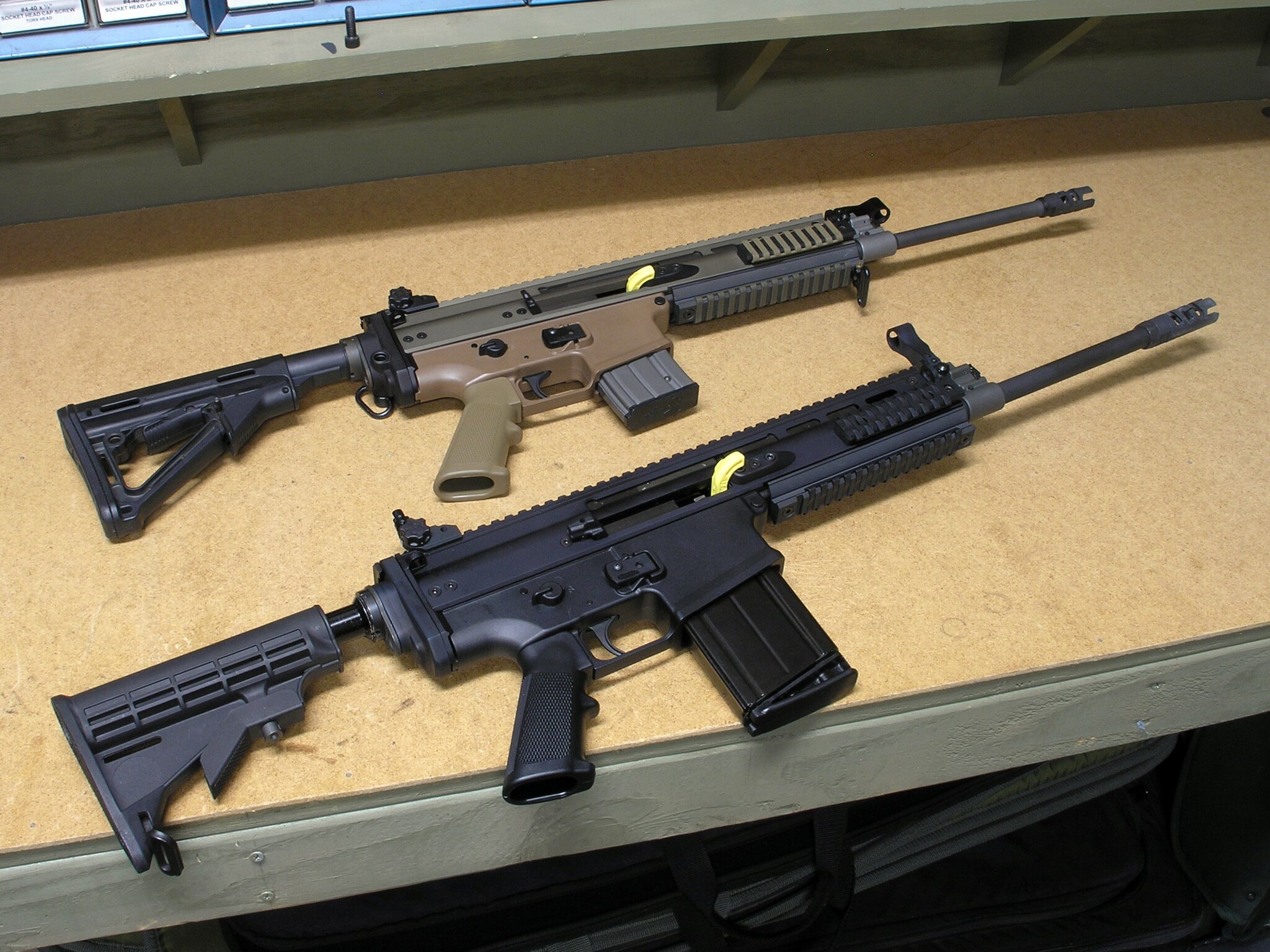
Long-recoil systems represented important innovation milestones but introduced mechanical behavior less refined than modern gas or inertia designs. These actions rely on substantial barrel movement during cycling, which can affect balance and perceived recoil characteristics. Maintenance demands and component wear sometimes exceed contemporary standards. Shooters accustomed to smoother cycling platforms may find older recoil systems less predictable or comfortable. Ammunition sensitivity further complicates reliability. While historically significant, these mechanisms reflect developmental stages rather than optimal solutions. Advances in engineering have produced more efficient operating systems. Long-recoil designs remain fascinating from a historical perspective, but often feel dated compared to modern semi-automatic performance expectations.
4. Obsolete Black Powder Era Shotguns

Shotguns designed specifically for black powder cartridges illustrate the dramatic shift in ammunition technology. Pressure curves, residue characteristics, and material requirements differ substantially from smokeless powder systems. Continued use requires careful ammunition compatibility awareness. Cleaning demands are higher due to fouling. Performance expectations also diverge significantly from contemporary standards. While such firearms hold undeniable historical value, they lack the efficiency and convenience modern shooters prioritize. Ammunition availability further restricts practicality. Black powder designs represent technological heritage rather than current utility. Their operational characteristics reflect a bygone era of firearm development.
5. Early External Hammer Doubles

External hammer double-barrel shotguns carry an undeniable visual appeal, yet their operation introduces slower handling compared to internal hammer systems. Cocking procedures add steps that modern designs eliminate. Exposed mechanisms may also increase snagging risks during movement. Contemporary shotguns emphasize streamlined operation and minimal external interference. While mechanically sound, these designs reflect historical manufacturing constraints rather than ergonomic optimization. Shooters often favor simplified controls and faster readiness. External hammer models remain admired by collectors but illustrate how firearm interfaces have evolved. Efficiency and handling priorities have shifted toward integrated mechanisms.
6. Excessively Long-Barreled Field Guns
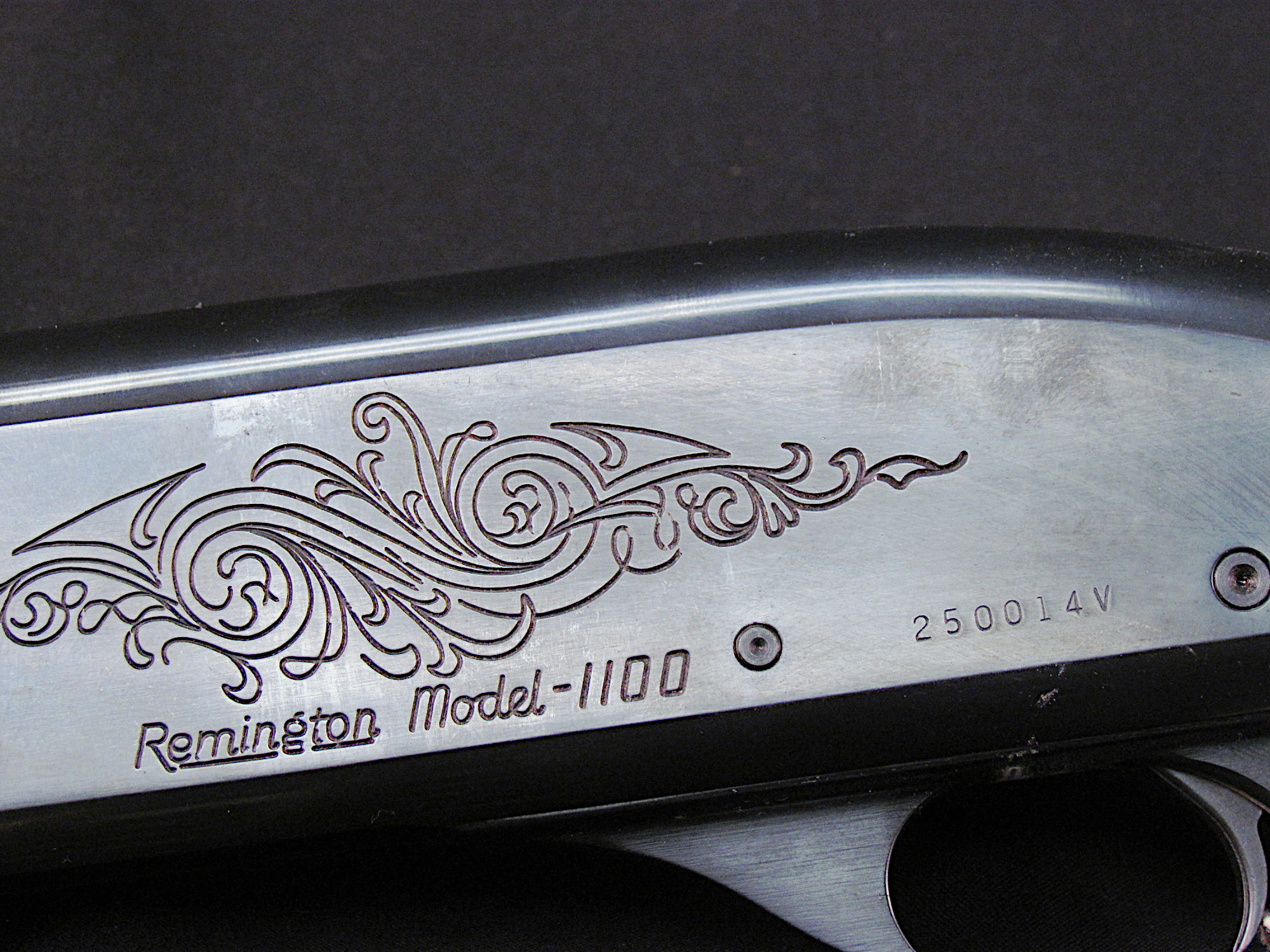
Older shotguns frequently featured very long barrels intended for specific ballistic theories and shooting styles. While beneficial in certain contexts, excessive length can hinder maneuverability and portability. Modern barrel designs achieve comparable performance with more practical dimensions. Handling balance and storage convenience have become greater priorities. Long barrels may complicate transport and dynamic movement. Advances in choke systems and ammunition engineering reduced dependence on extreme barrel length. Contemporary shooters typically prefer adaptable, compact configurations. These legacy designs reveal changing perspectives on firearm ergonomics and performance optimization.
7. Low-Capacity Early Pump Designs
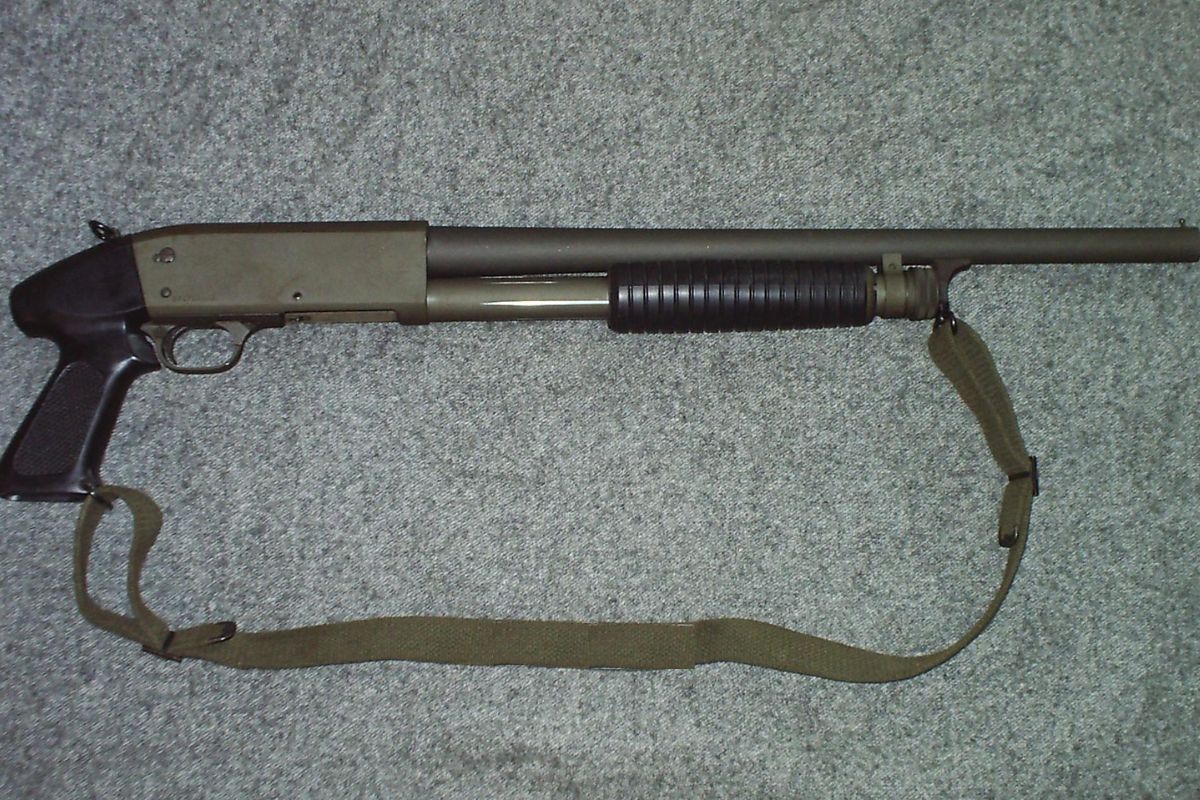
Early pump-action shotguns established enduring mechanical principles but often offered limited magazine capacity and less refined ergonomics. Modern iterations improved materials, smoother cycling, and user comfort. Reduced capacity constrains versatility in various applications. Shooters now expect improved handling efficiency and adaptability. Advances in manufacturing precision enhanced reliability and durability. Older designs may feel heavier or less balanced. While historically influential, these early platforms highlight ongoing refinement in repeating shotgun systems. Technological progress reshaped user expectations.
8. Aging Military Surplus Platforms
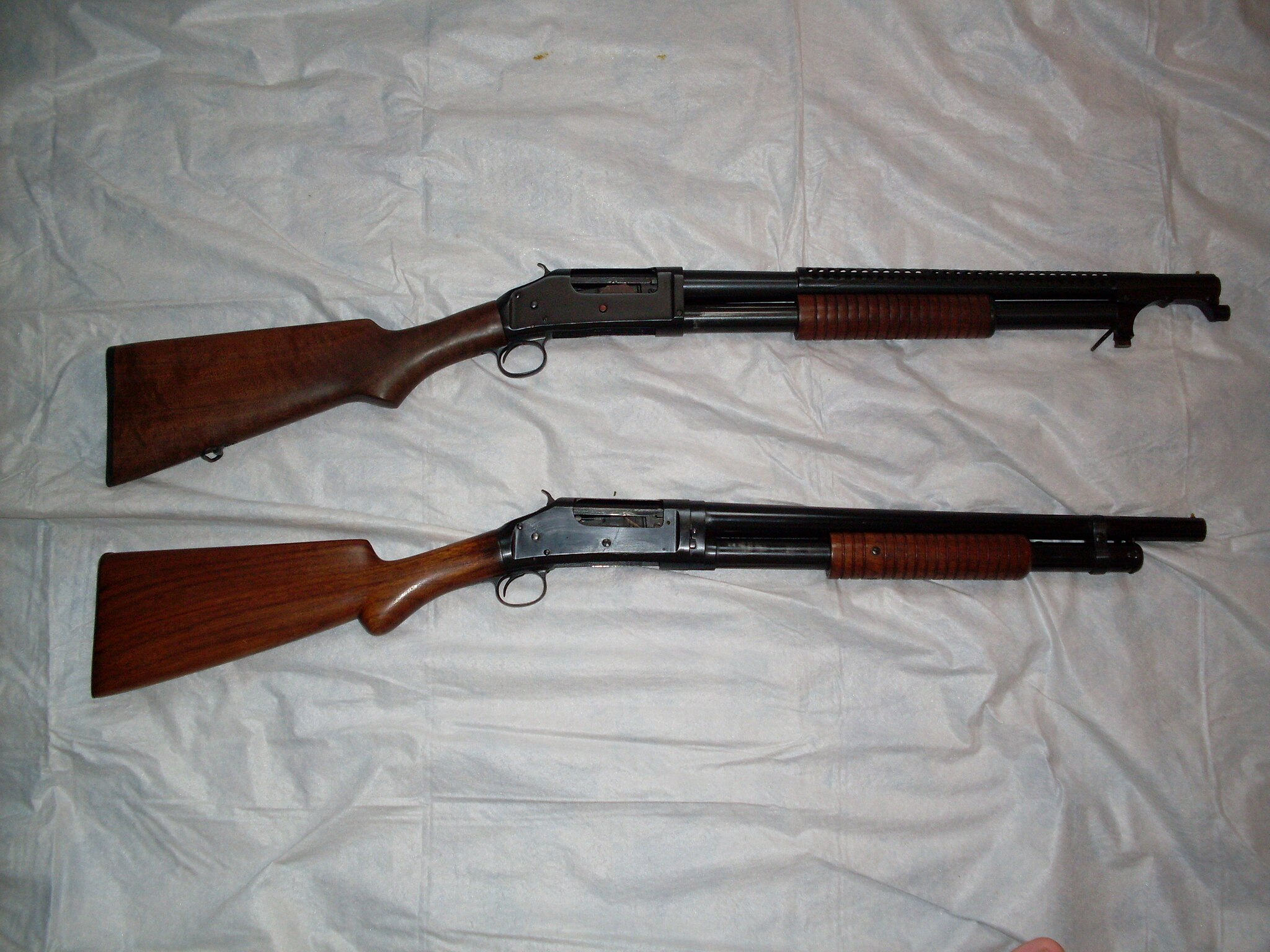
Surplus shotguns designed for specific historical roles sometimes lack features valued in modern civilian contexts. Weight, ergonomics, and accessory compatibility may feel restrictive. Maintenance challenges increase with age and parts scarcity. Contemporary designs emphasize modularity and adaptability. Surplus firearms offer heritage appeal yet may demand compromises. Reliability depends heavily on preservation and condition. Modern manufacturing methods provide improved consistency. Surplus platforms illustrate how purpose-driven designs evolve alongside changing requirements.
9. Early Lightweight Alloy Experiments
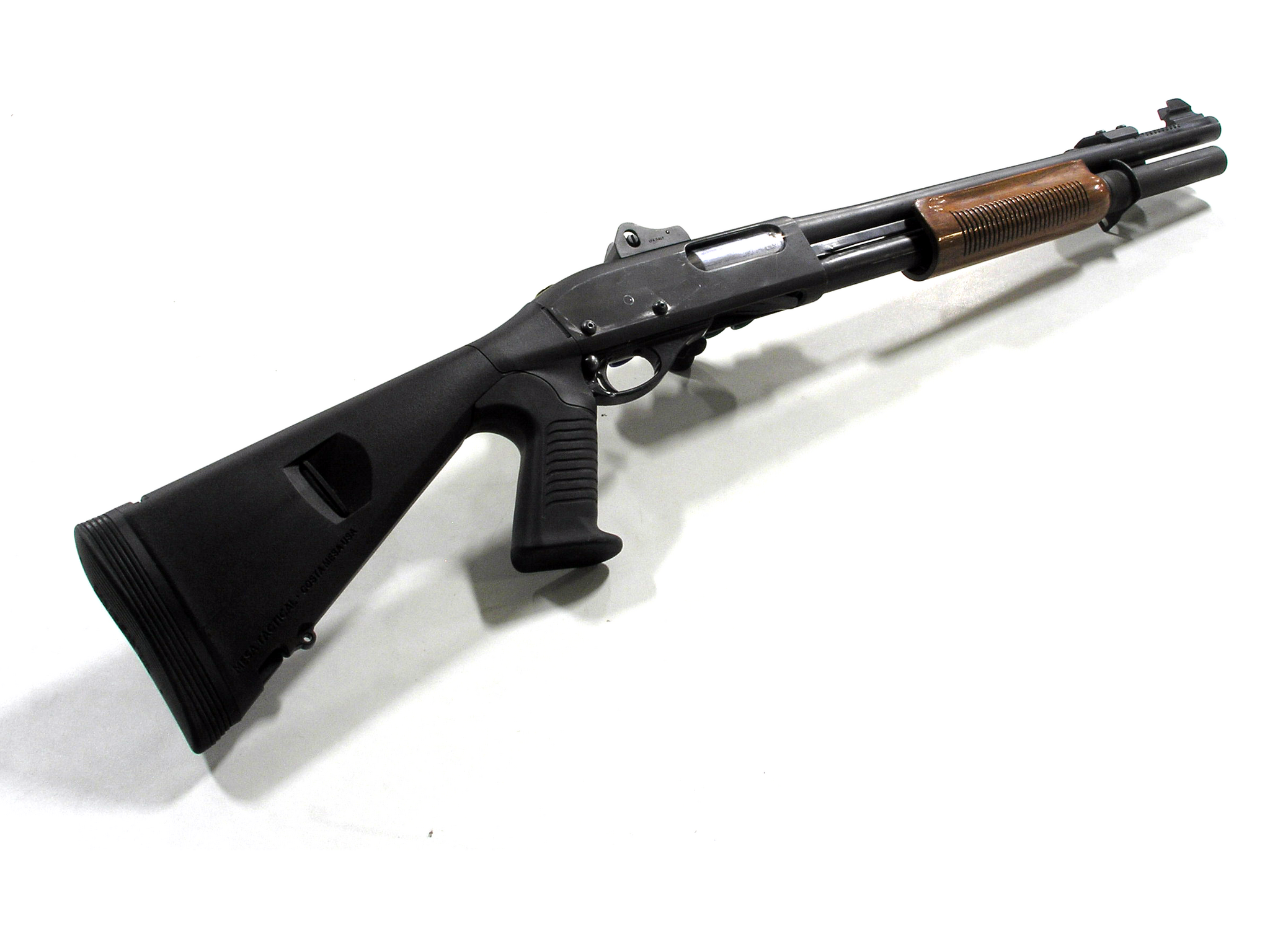
Initial attempts at reducing shotgun weight through early alloy usage occasionally introduced durability concerns. Material science advancements later improved strength-to-weight ratios. Older lightweight models may display increased wear over time. Shooters now benefit from refined metallurgy and engineering. Structural longevity became central to design priorities. Early experiments reflect innovation stages rather than final solutions. Modern materials offer better resilience. These designs underscore the evolution of firearm construction technologies.
10. Non-Standard Gauge Legacy Models
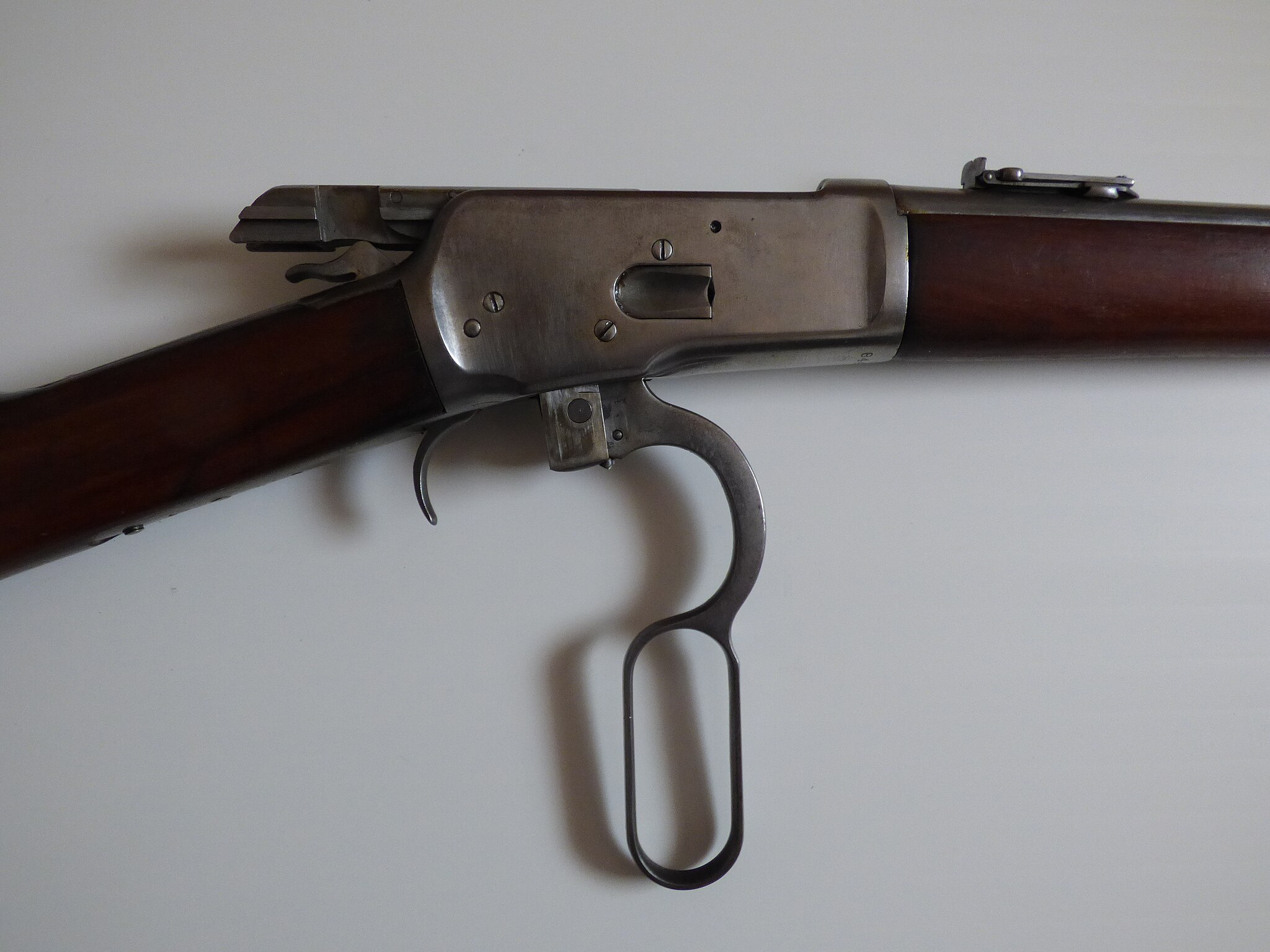
Shotguns chambered in uncommon or declining gauges face increasing ammunition availability challenges. Limited production restricts practicality for regular use. Standardized gauges dominate due to supply stability and versatility. Owners of rare gauges often encounter sourcing difficulties. Modern shooters typically prioritize logistical convenience. While ballistically capable, non-standard gauges illustrate market-driven evolution. Practicality increasingly favors widely supported chamberings. These firearms represent historical diversity rather than mainstream relevance.
11. Early Semi-Auto Designs with Complex Maintenance
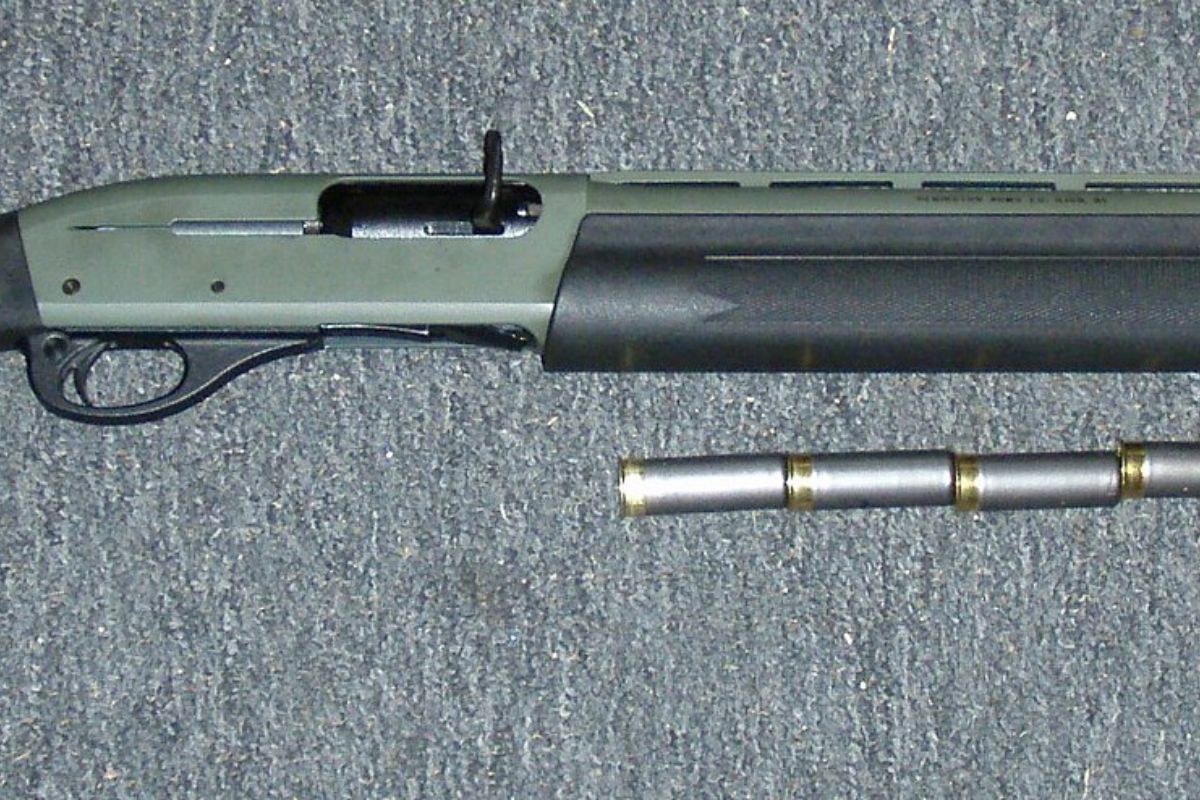
Some early semi-automatic shotguns required intricate disassembly and cleaning routines compared to contemporary platforms. Complexity can discourage consistent maintenance. Modern designs emphasize user-friendly servicing and durability. Reduced maintenance barriers support reliability. Older mechanisms reflect earlier engineering trade-offs. Shooters often prefer simplified upkeep. Advances in design streamlined mechanical systems. Maintenance practicality became a defining factor in firearm usability.
12. Overly Specialized Legacy Sporting Shotguns

Certain older sporting shotguns were optimized for narrow roles, limiting cross-purpose adaptability. Modern firearms often serve multiple functions through modular features. Specialization restricts versatility and convenience. Evolving shooter preferences emphasize flexibility. Legacy specialization reflects historical shooting cultures. Contemporary users typically value broader application potential. These designs highlight shifts in consumer priorities and technological capability.