These 12 revolvers will fail you when it is life or death because certain mechanical designs simply cannot handle the intense pressure of a modern defensive encounter today. While many shooters appreciate the classic aesthetic and perceived simplicity of a rotating cylinder, specific models suffer from inherent flaws that compromise absolute reliability in a crisis. Factors such as poor metallurgy and fragile internal springs or outdated lockwork can lead to catastrophic timing issues when every single second counts for survival. Understanding these potential pitfalls is essential for anyone selecting a dependable tool for protection rather than just a historic and interesting curiosity.
The Nagant M1895 Revolver
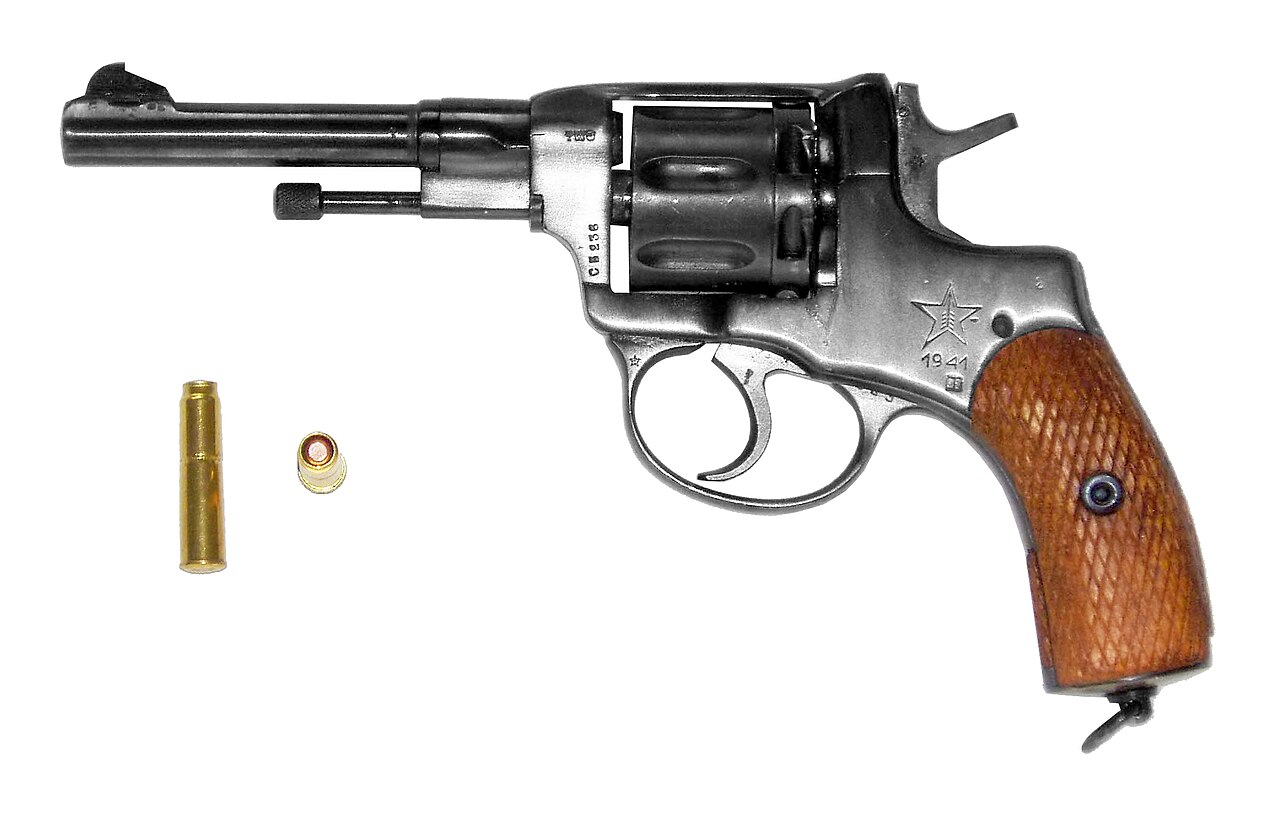
The Nagant M1895 revolver features a unique gas seal design that results in an incredibly heavy and exhausting double-action trigger pull for most modern shooters. This mechanical complexity makes it nearly impossible to fire multiple rounds quickly and accurately during a fast-moving defensive encounter in the wild. The slow reloading process involves a small gate and a manual ejector rod, which adds a dangerous delay during a life-threatening crisis. While the firearm remains a fascinating historical piece, its practical utility as a serious self-defense tool is essentially nonexistent. Reliable protection requires a much simpler and faster manual.
The Iver Johnson Safety Automatic
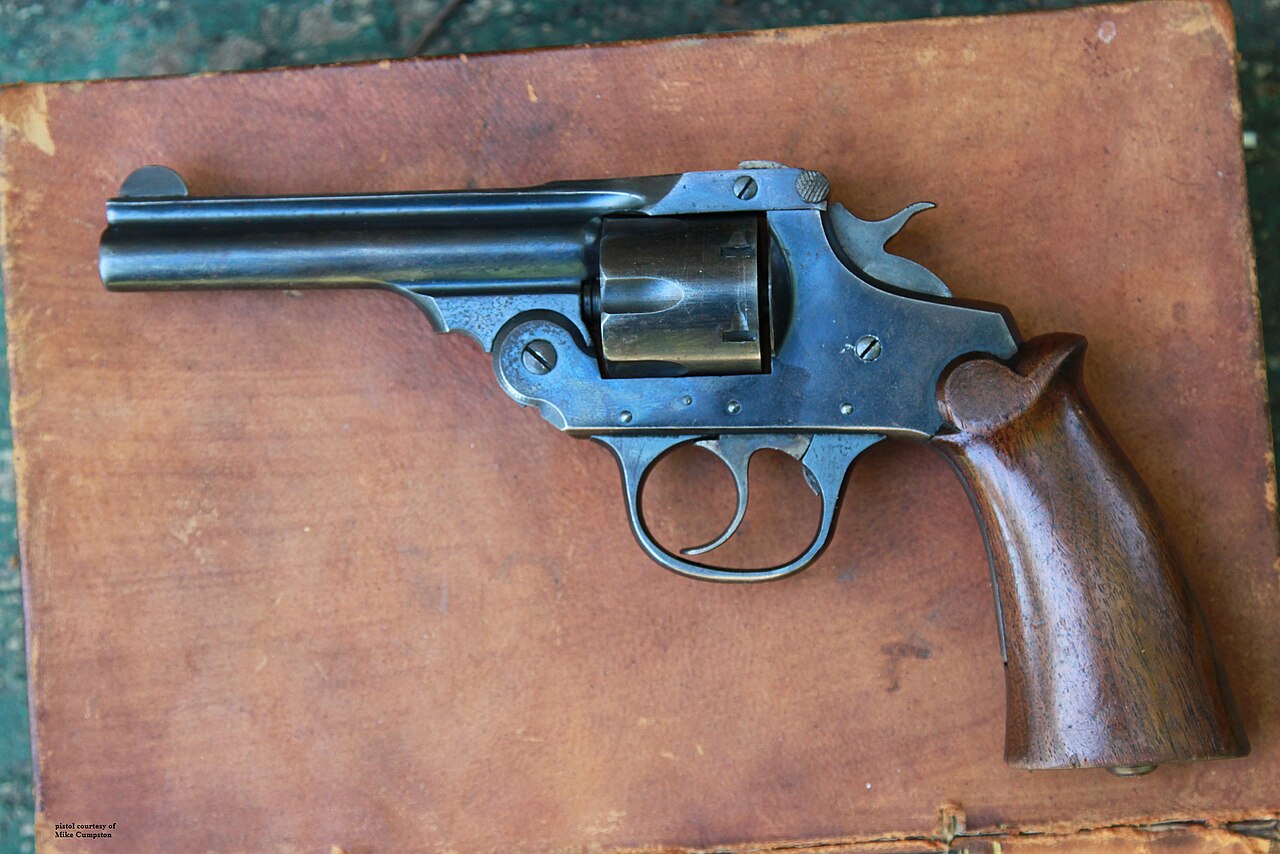
The Iver Johnson Safety Automatic utilized a top break design that was popular during the early twentieth century for its easy and fast ejection of spent casings. However, these older revolvers were originally designed for black powder cartridges and often lack the structural strength to handle modern high-pressure ammunition today. The hinge mechanism can become loose or even fail completely after years of use, which leads to dangerous timing issues or catastrophic frame breakage. Many experts warn that these aging firearms are simply too fragile for the rigors of modern personal protection. They remain better suited for a display case than a holster.
The Harrington Richardson Young American
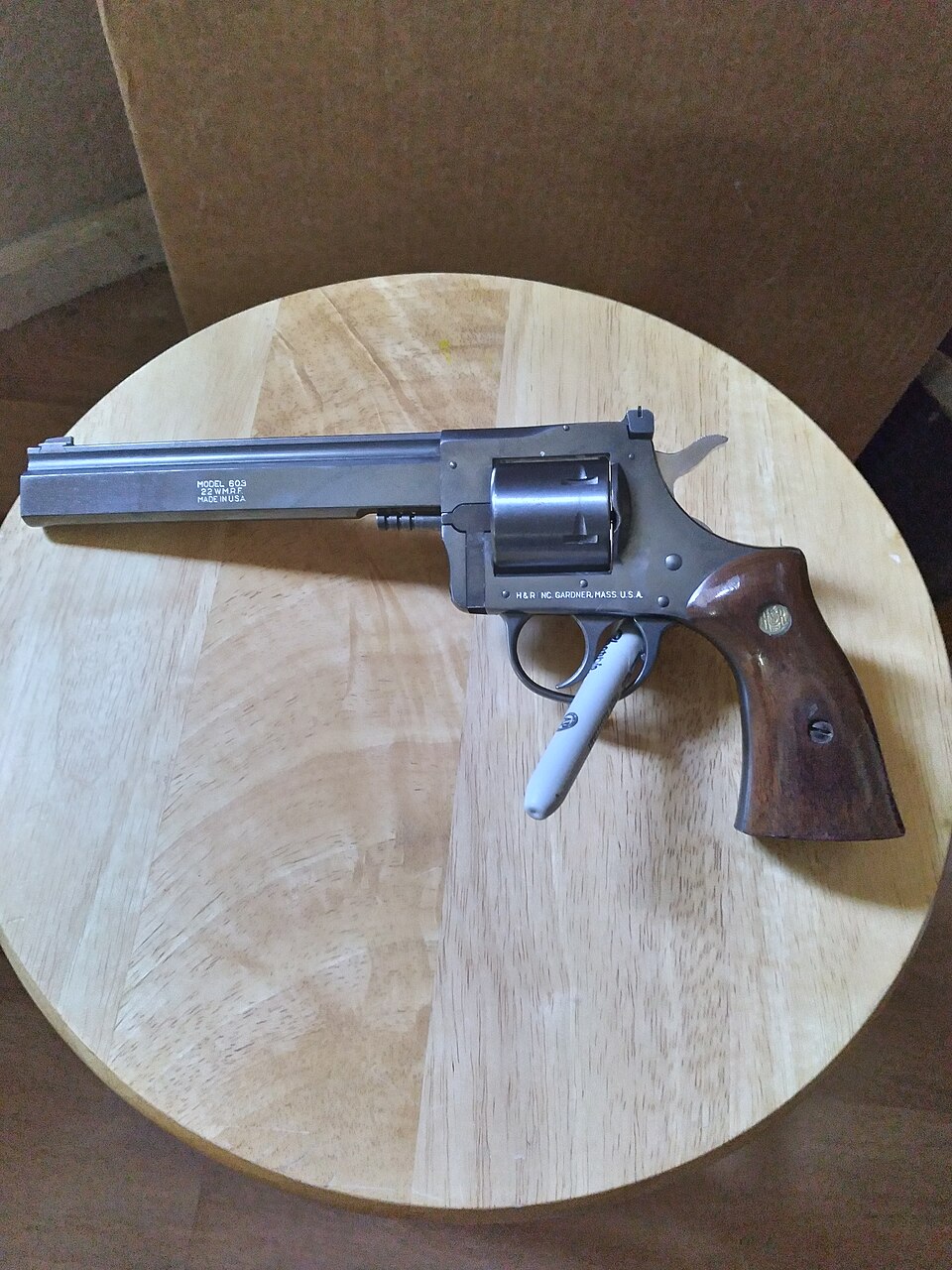
The Harrington and Richardson Young American was a very inexpensive and small pocket revolver intended for deep concealment during a much different era of American history. These firearms frequently suffer from very poor metallurgy and internal components that wear out rapidly after only a few dozen rounds of practice. The lack of a robust cylinder lock means that the alignment between the barrel and the chamber can become dangerously inconsistent over time. Using such an underpowered and mechanically unreliable weapon during a modern emergency is a gamble that most responsible owners should avoid. Precision and durability are critical for any successful defense.
The Smith And Wesson Safety Hammerless
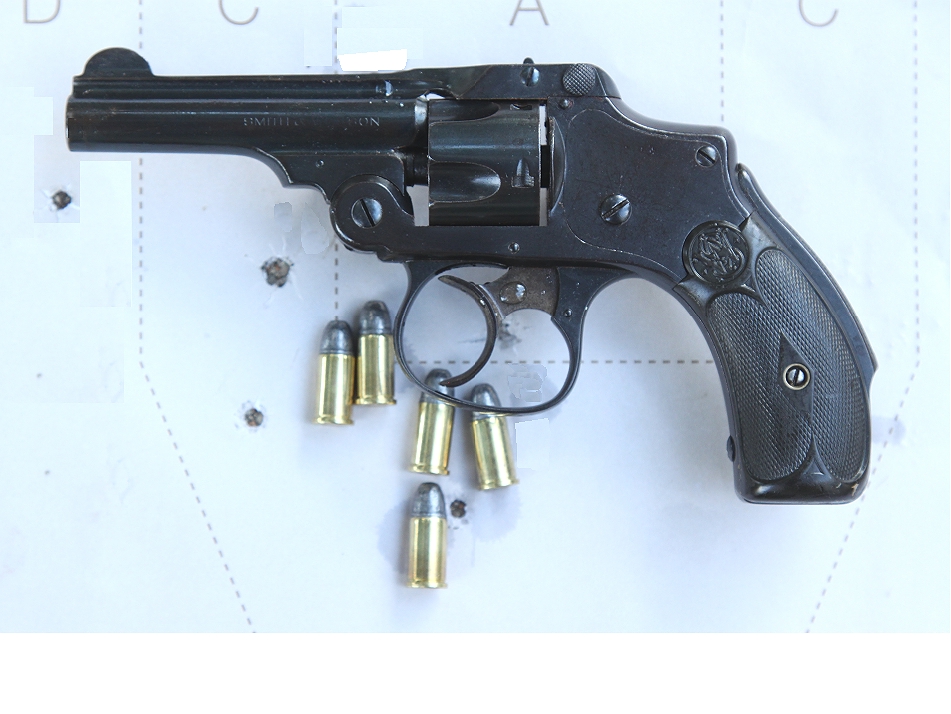
The Smith and Wesson Safety Hammerless featured an innovative grip safety, but the small caliber and weak springs often led to inconsistent firing in the field. This hammerless design was meant to prevent snagging during a rapid draw, but the resulting trigger pull is often described as vague and difficult to master. Because the internal parts are so small and delicate, they are prone to breaking if the firearm is dropped or handled roughly during a crisis. Most defensive experts believe that these antique models lack the power and ruggedness required for effective home or personal and daily protection.
The British Webley Mark IV
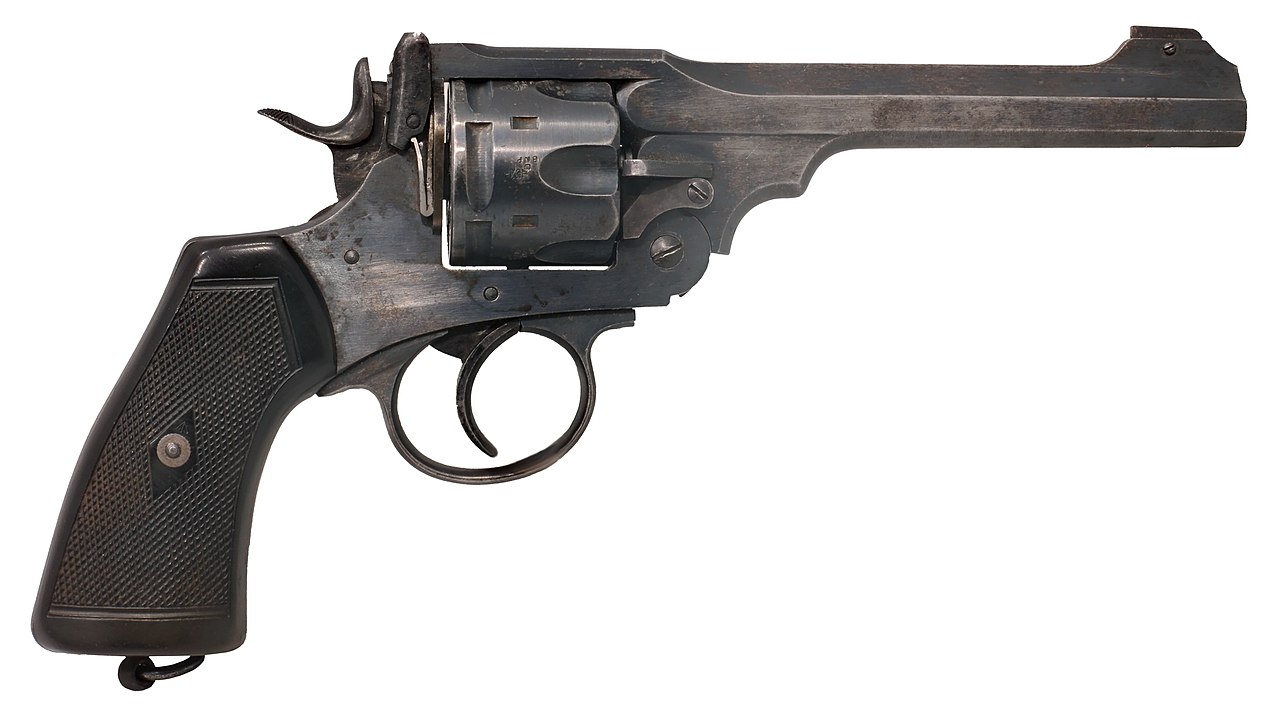
The British Webley Mark IV is a rugged military sidearm, yet the top-break action can develop significant play in the locking latch over many decades. If the frame does not lock up perfectly tight, the resulting gap between the cylinder and the barrel can lead to a dangerous loss of pressure. This specific mechanical failure often causes erratic velocities or even a total failure to fire when the user needs it most. While these revolvers served honorably in world wars, their age and the wear on the internal components make them a risky choice for a modern and serious.
The Colt M1892 Army Navy
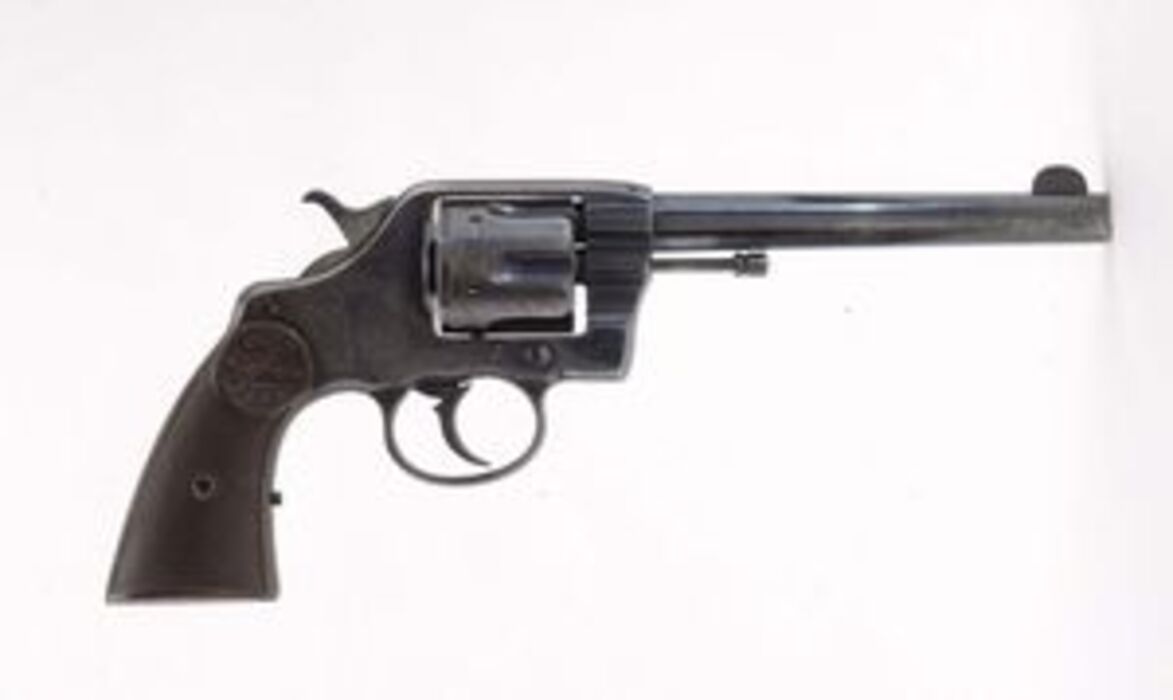
The Colt M1892 Army-Navy was the first general issue double-action revolver with a swing-out cylinder for the United States military forces. Unfortunately, this early design featured a clockwise cylinder rotation that often pushed the assembly out of alignment with the barrel during heavy and regular use. This timing flaw led to frequent malfunctions and was a primary reason for its relatively short service life compared to later and better models. Any enthusiast relying on this historic piece for protection should be aware of the mechanical instability that can occur during a high-stress and rapid-firing encounter.
The Charter Arms Undercover Early
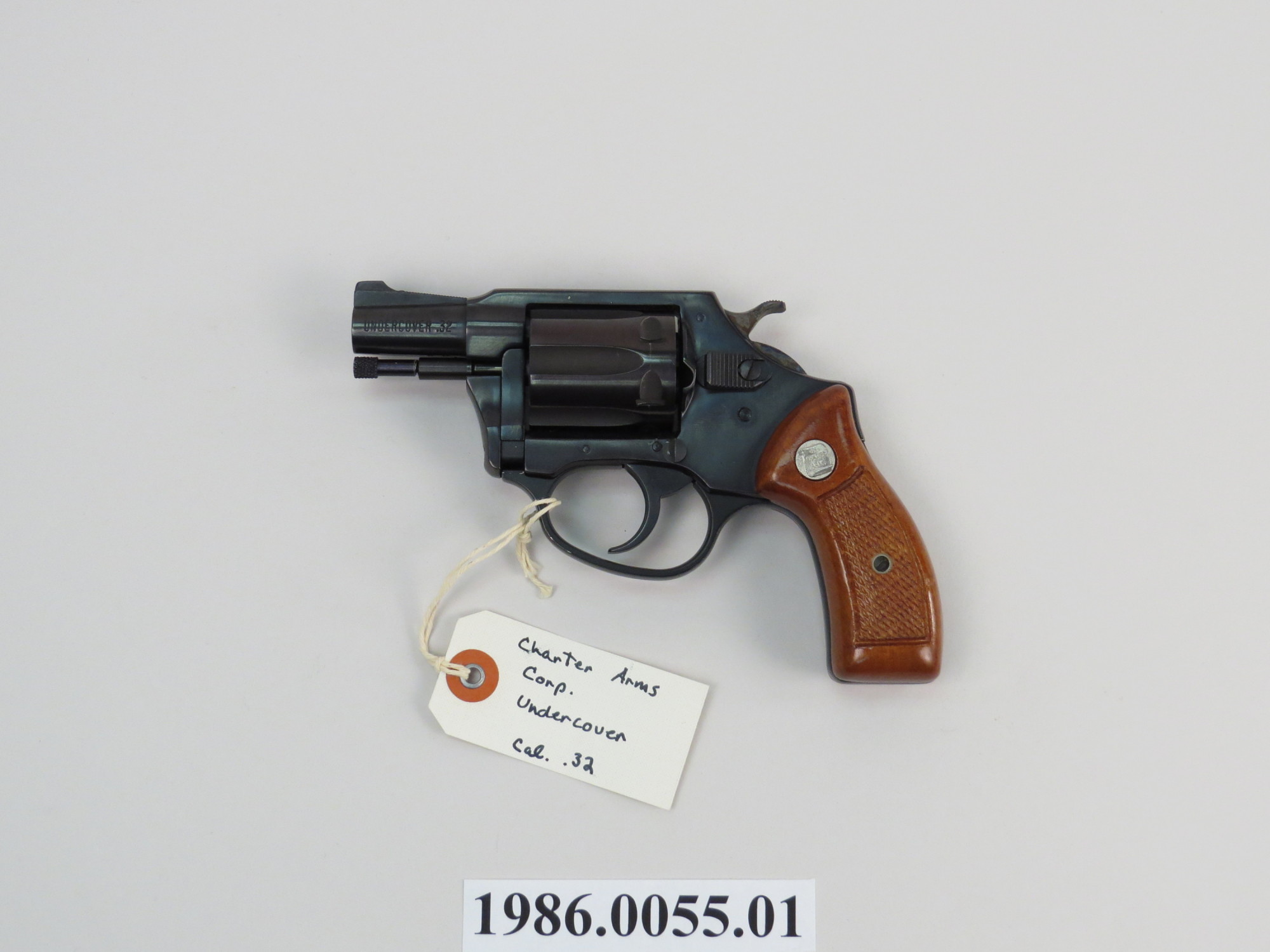
The early production models of the Charter Arms Undercover frequently faced criticism for their inconsistent quality control and the use of very soft internal parts. Many owners reported that the timing of the cylinder would skip or fail entirely after relatively low round counts during a normal practice session. While modern versions have improved the older units significantly, they remain notorious for being finicky and prone to unexpected mechanical breakage in the field. Relying on a revolver with a history of such poor performance is a major risk when facing a life-or-death situation in a dark environment.
The Rohm RG-10 Revolver
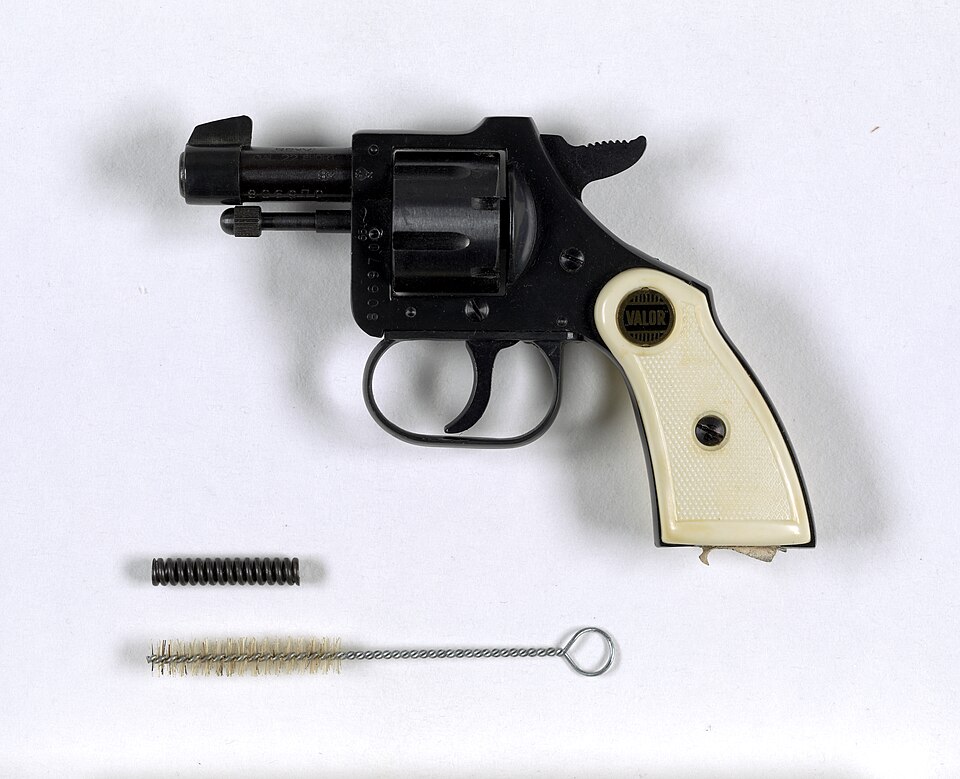
The Rohm RG-10 revolver is a notorious example of a very low-quality firearm produced using inexpensive zinc alloys that lack basic structural integrity. These pistols are famous for having parts that literally crumble or break during a firing sequence, which makes them incredibly dangerous for the person holding the weapon. The sights are nearly non-existent, and the accuracy is so poor that hitting a target beyond a few feet is a significant challenge. Most firearms experts consider these weapons to be completely unsafe for any purpose. They represent the absolute bottom of the market and should never be used.
The Arminius HW Series
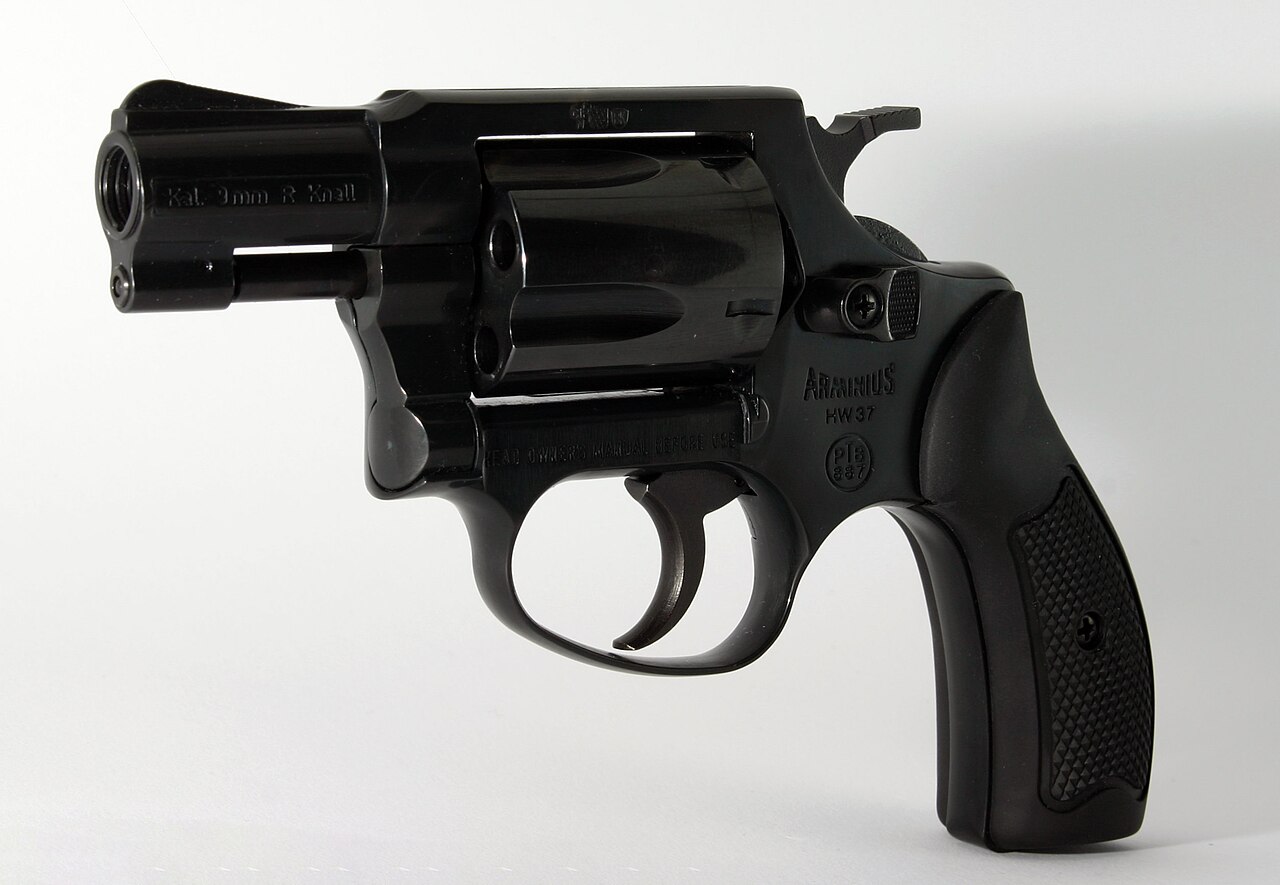
The Arminius HW series consists of inexpensive revolvers that often suffer from poor finishing and internal components that lack the precision needed for total reliability. Many users find that the cylinder lockup is loose, which causes the lead to shave off the bullet as it enters the barrel. This specific issue not only ruins accuracy but also sprays hot metal and debris toward the shooter and any bystanders. While the price point remains attractive, the trade-off in terms of safety and mechanical consistency is simply too high for a defensive tool. Quality should always come before cost.
The Heritage Rough Rider
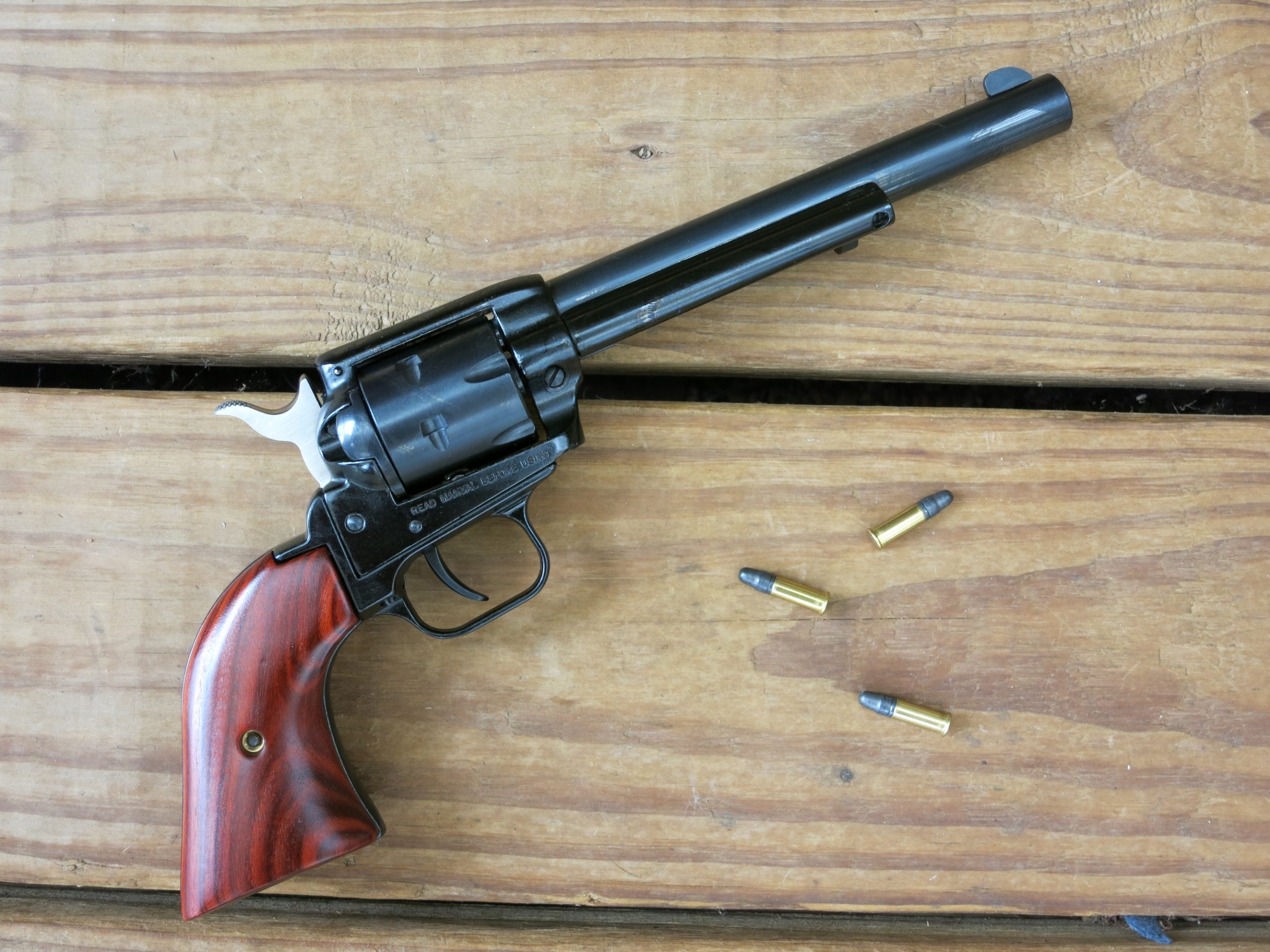
The Heritage Rough Rider is a popular and very affordable single-action revolver, but its primary design is intended for casual plinking rather than defense. The manual safety on a revolver is an unconventional and potentially confusing feature that can hinder a fast response during a high-stress emergency. Because it is a single-action-only weapon, the user must manually cock the hammer for every single shot, which is much slower than a modern double-action. The materials used in construction are also not meant to withstand the daily wear and tear of a dedicated and serious carry.
The Taurus Model 85 Early
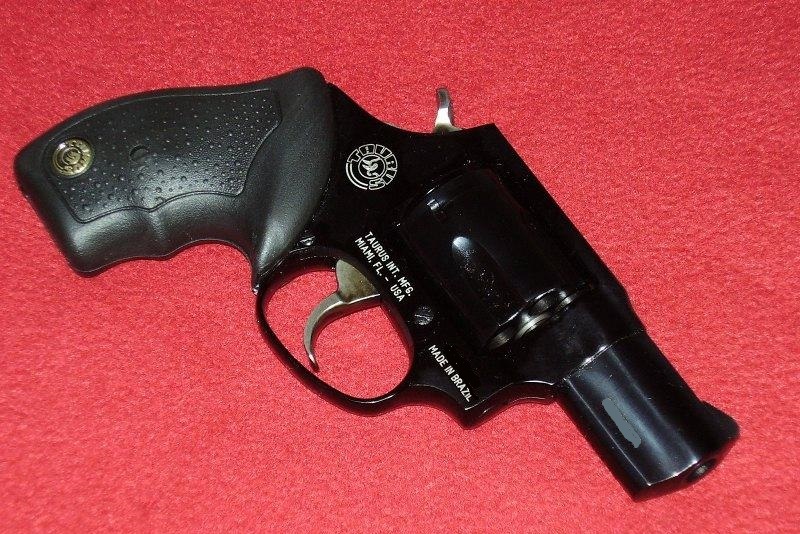
The early models of the Taurus Model 85 were known for having a very gritty trigger pull and occasional timing issues right out of the box. While the company has worked hard to improve its reputation, these older revolvers still appear on the used market and can be very problematic. Inconsistent manufacturing standards meant that some units worked well while others suffered from frequent malfunctions during a sequence. A defensive revolver must be absolutely consistent, and any history of mechanical failure makes a specific model a poor choice for protection. Reliability is the most important factor for any safe firearm.
The Rossi Princess Revolver
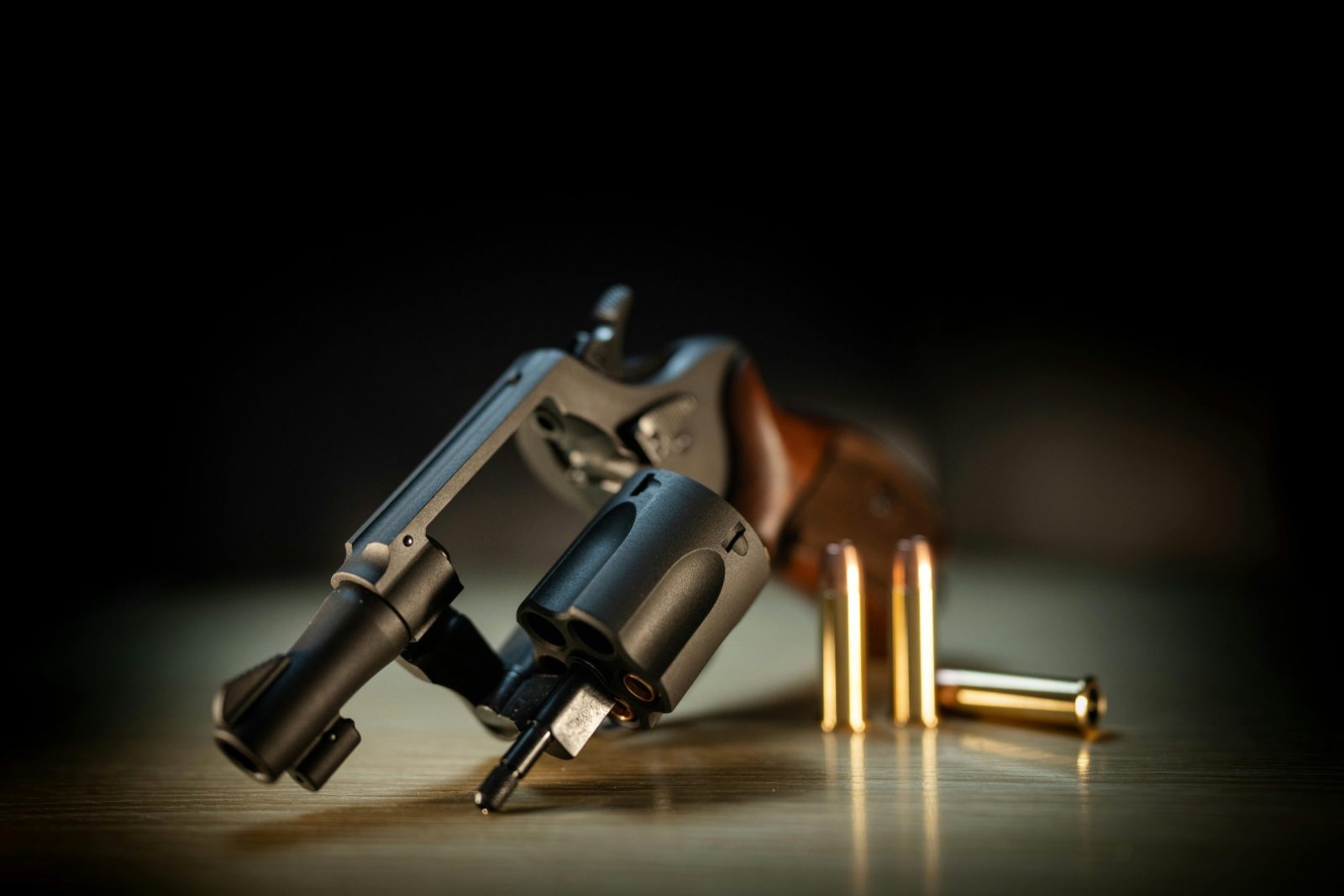
The Rossi Princess was a small and delicate nickel-plated revolver that prioritized a tiny and attractive aesthetic over actual functional and rugged durability. Its very small frame and thin parts were prone to bending or breaking if the firearm was used with anything other than very light loads. The tiny sights and minuscule grip make it nearly impossible for a person to shoot accurately under the intense pressure of a real-world threat. Most experts agree that this model lacks the necessary build quality and firepower to be a viable option for serious and personal life protection.