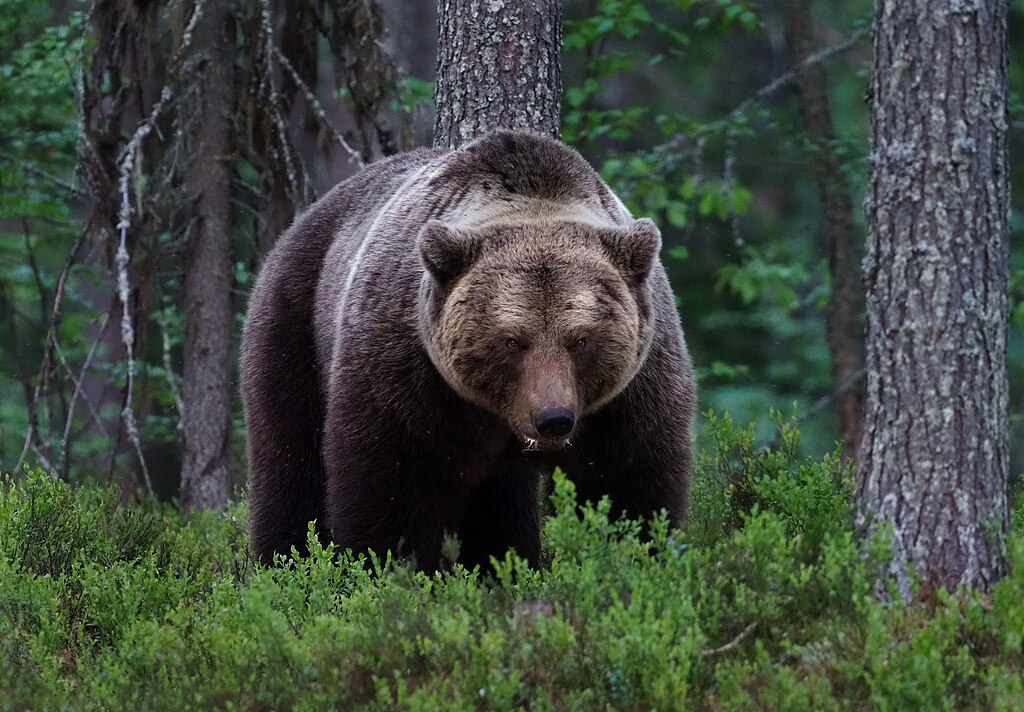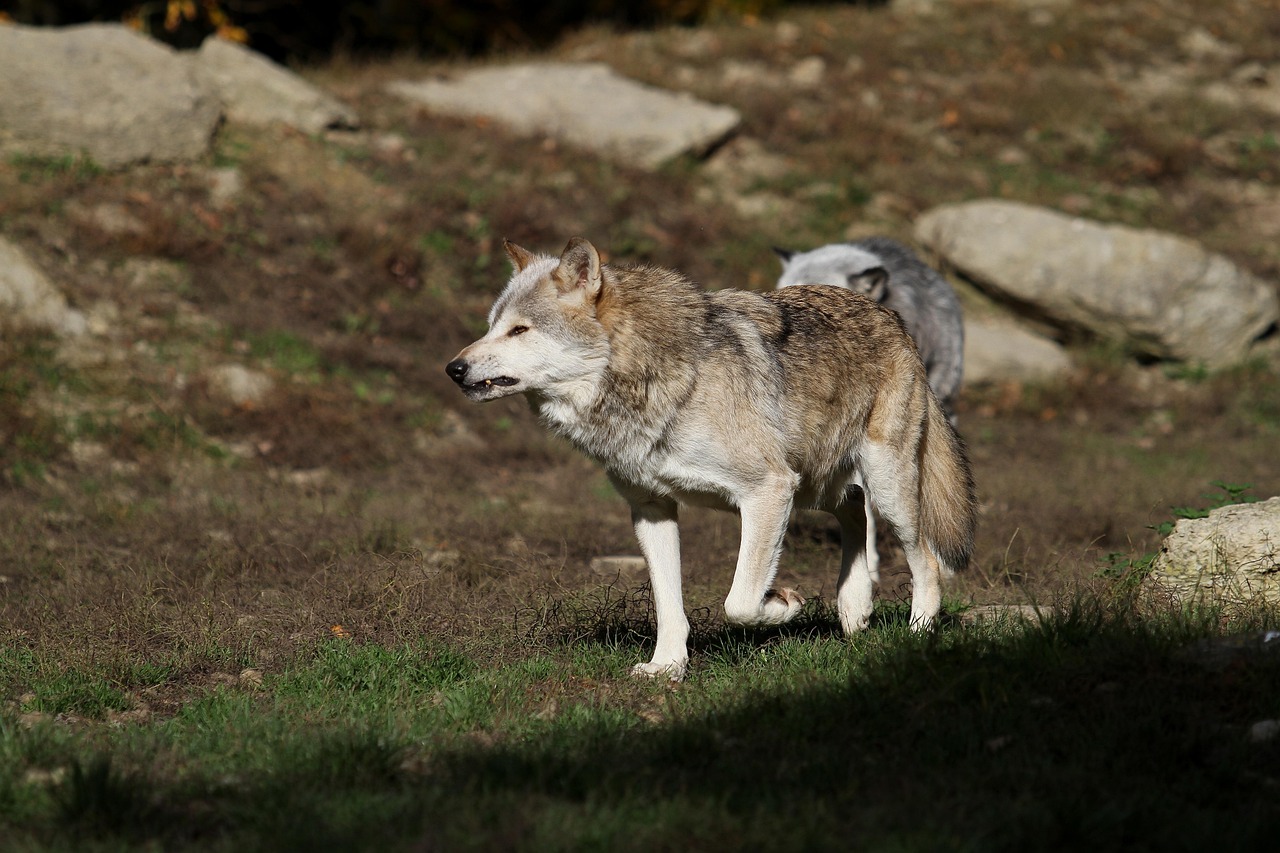
The Beast of Gévaudan terrorised eighteenth-century France with unmatched brutality and precision. This mysterious creature targeted civilians in the remote southern provinces and left a trail of destruction that completely baffled local authorities. Historians estimate that this single predator killed over one hundred people during a bloody three-year reign of terror in the countryside. King Louis XV eventually sent his finest soldiers and royal huntsmen to track down the monster as panic spread rapidly across the entire nation. This legendary saga remains one of the most terrifying examples of a man-eating wolf in recorded human history.
The First Attacks
The attacks began in the summer of seventeen sixty four when a young woman tending cattle was approached by a massive beast. Her bulls successfully drove the predator away, but the creature soon found easier prey among the local shepherdesses. The first confirmed victim was a fourteen-year-old girl named Jeanne Boulet, who was killed near the village of Langogne. Terror quickly gripped the region as the wolf continued to strike lone individuals in open fields. Survivors reported that the animal displayed an unusual lack of fear toward humans and firearms. It seemed to hunt for sport.
A Royal Intervention
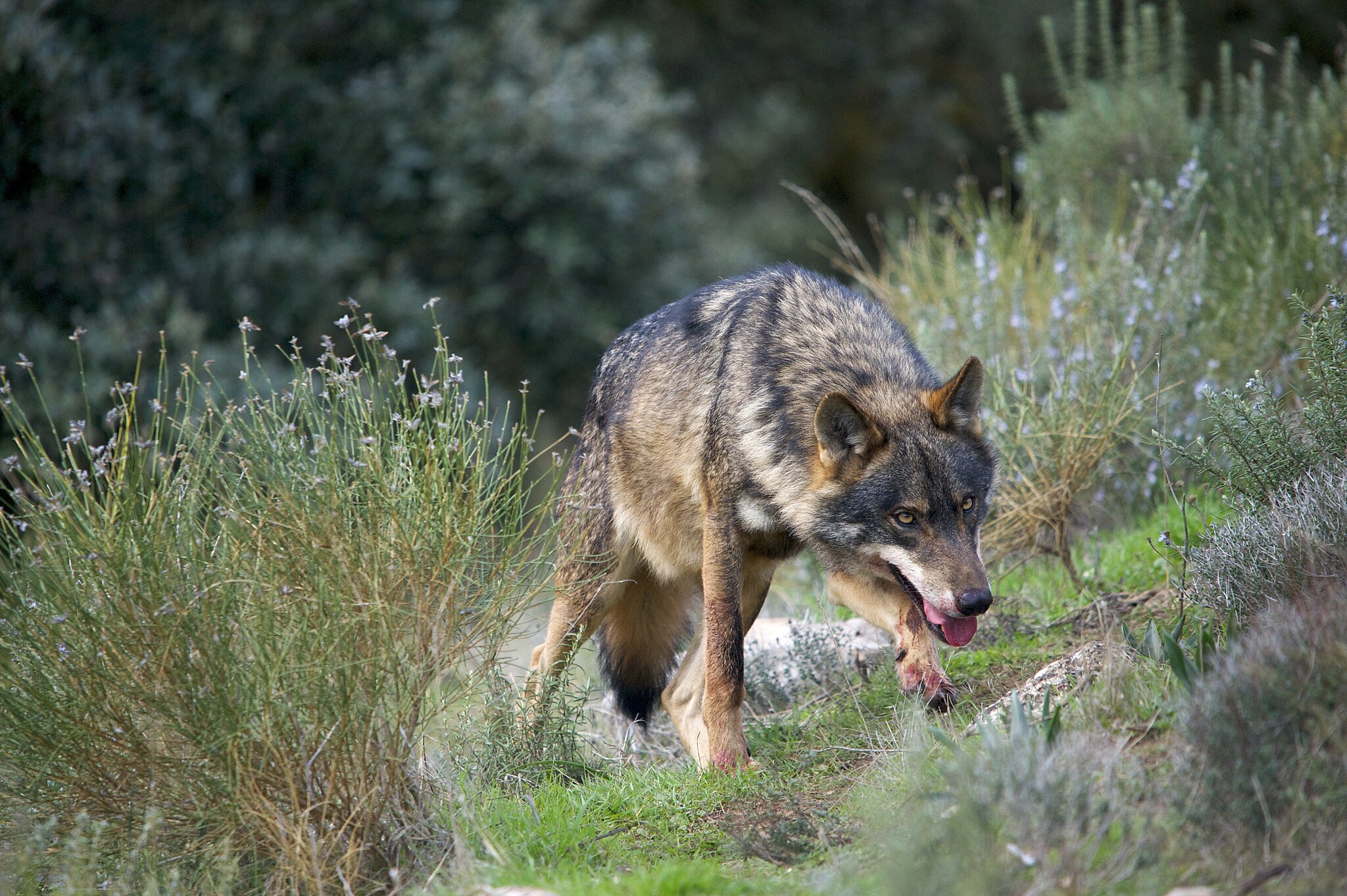
News of the savage killings eventually reached the royal court in Versailles and demanded the immediate attention of King Louis XV. The monarch viewed the situation as a direct embarrassment to his reign and dispatched his personal gunbearer to end the crisis. Professional wolf hunters and dragoon soldiers flooded the Gévaudan region to organise massive search parties involving thousands of local peasants. They laid poisoned bait and set intricate traps throughout the dense forests, hoping to snare the elusive killer. Despite these immense efforts, the cunning beast evaded capture and continued its deadly rampage. The public grew increasingly desperate.
The Beast’s Description
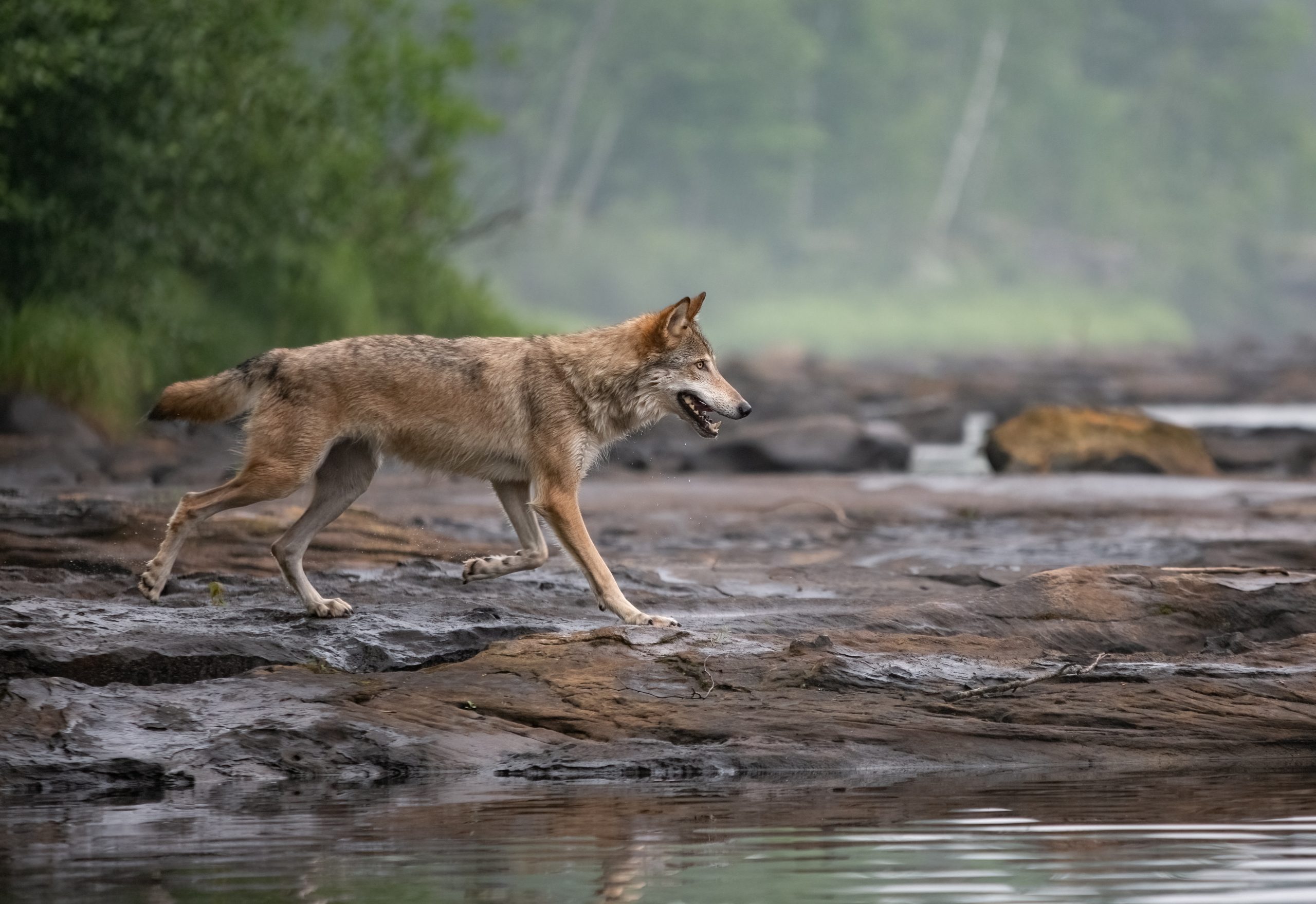
Eyewitness accounts described a terrifying creature that appeared significantly larger and stronger than any common European wolf found in the wild. It reportedly possessed a reddish coat with a dark stripe running down its back and a very long tail. Some peasants claimed the animal had hoofed feet or supernatural abilities that allowed it to survive direct musket shots. These exaggerated descriptions led many to believe that the predator was actually a hyena or an exotic hybrid escaped from a private collection. The monster seemed to possess an intelligence that allowed it to outsmart the most experienced trackers.
The Fall Of The Beast
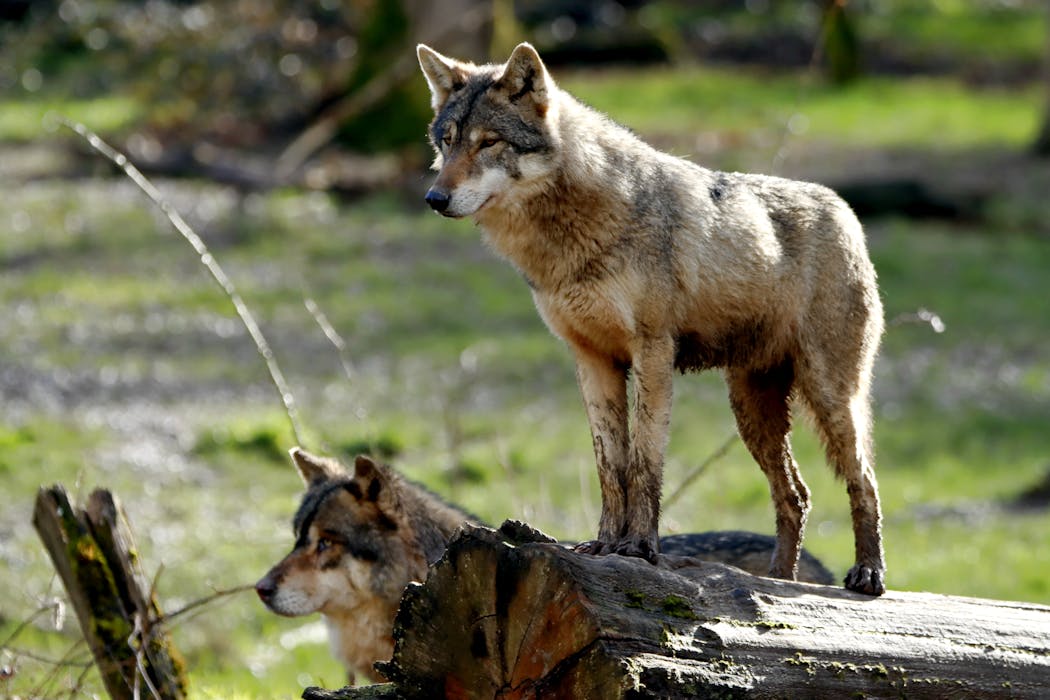
The reign of terror finally ended in June seventeen sixty seven when a local hunter named Jean Chastel confronted the beast. Chastel participated in a hunt organised by a local nobleman and reportedly shot the creature with a blessed silver bullet. The massive wolf fell dead instantly and was paraded through the surrounding towns to prove that the nightmare was truly over. Autopsy reports revealed human remains inside the stomach of the animal, which confirmed its identity as the man-eater. This legendary kill restored peace to the province and cemented the hunter as a national hero.
Scientific Explanations
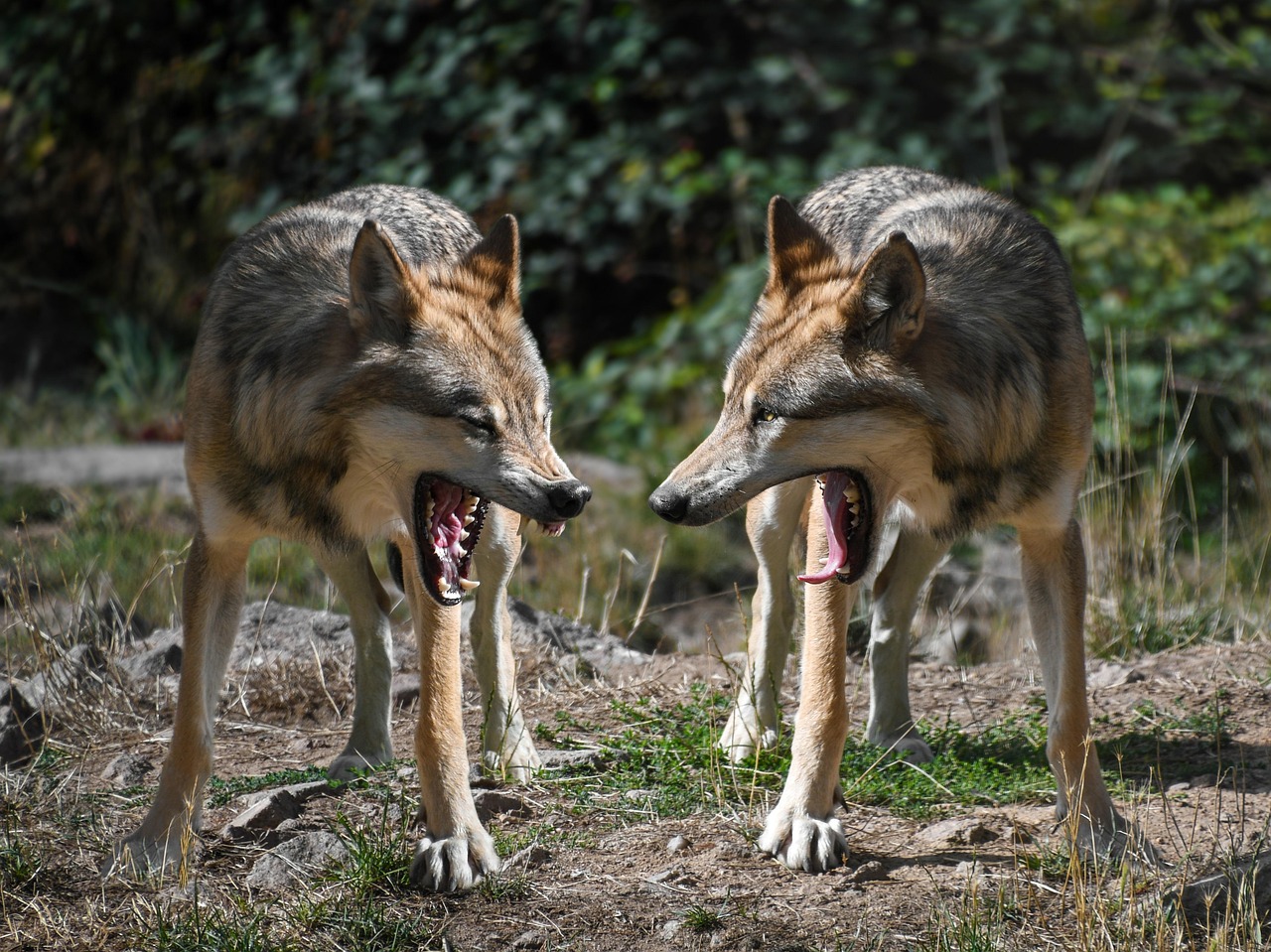
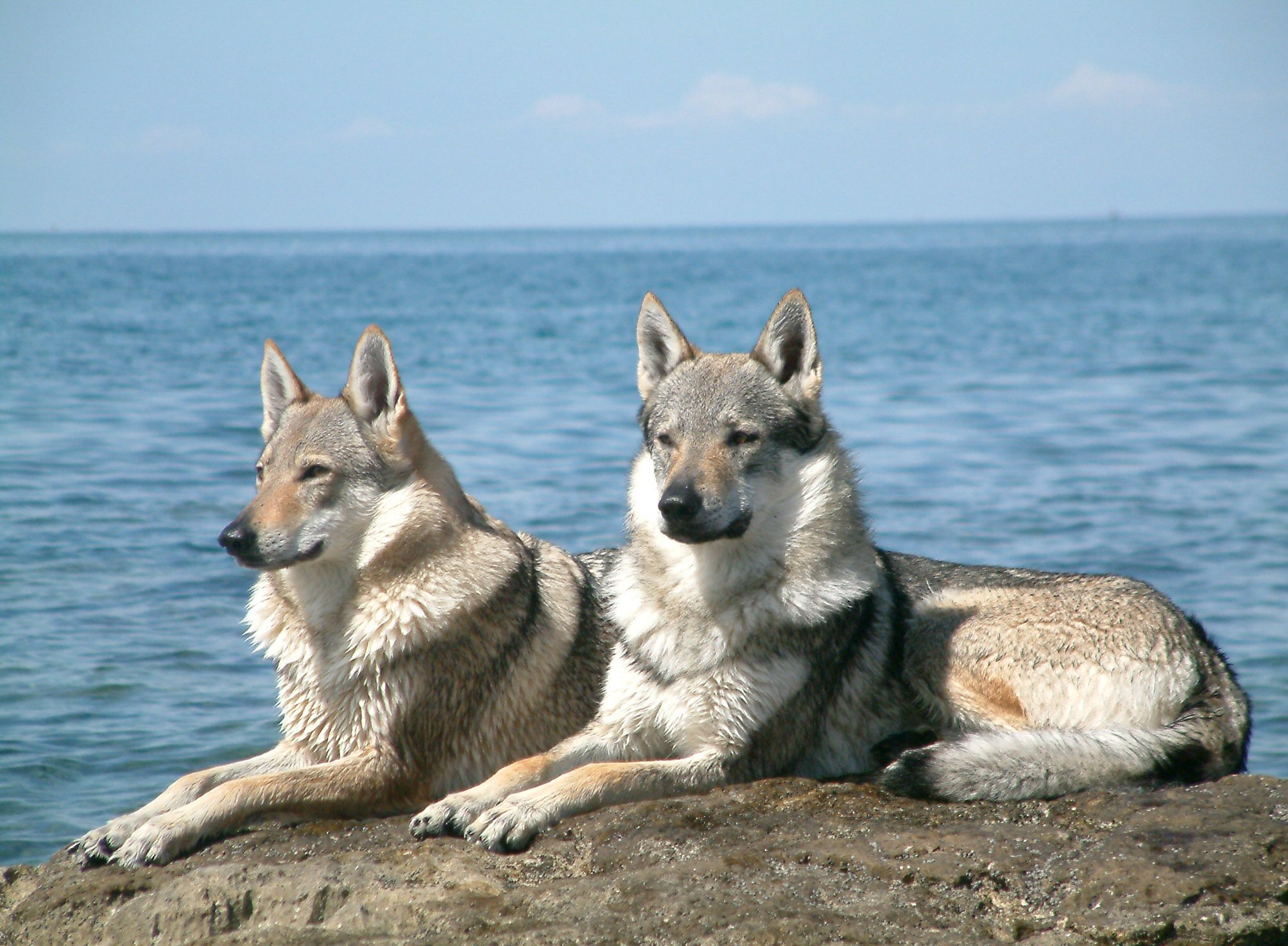
Modern zoologists continue to debate the true identity of the Beast of Gévaudan centuries after the attacks ceased. Most experts agree that the attacks were likely the work of a large pack of wolves rather than a single, solitary animal. Others suggest that the beast may have been a wolf-dog hybrid trained by a human master to attack specific targets. The high number of fatalities and the boldness of the predator suggest a level of habituation to humans that is rare in wild wolves. The mystery remains one of the most fascinating cryptozoological cases in history.