Picking the right trail isn’t just about lacing up your boots and heading out; it starts with understanding yourself as a hiker first.
Every trail tells a different story, and not every story is written for every person who reads it.
Whether you’re chasing summit views at 10,000 feet or wandering through a quiet woodland loop on a slow Sunday morning, the connection between hiker and trail determines the entire quality of the experience.
This guide unpacks the eight most important factors to consider so you can stop guessing and start choosing trails that genuinely fit your pace, your body, your gear, and your sense of adventure.
Know Your Fitness Level Before You Go
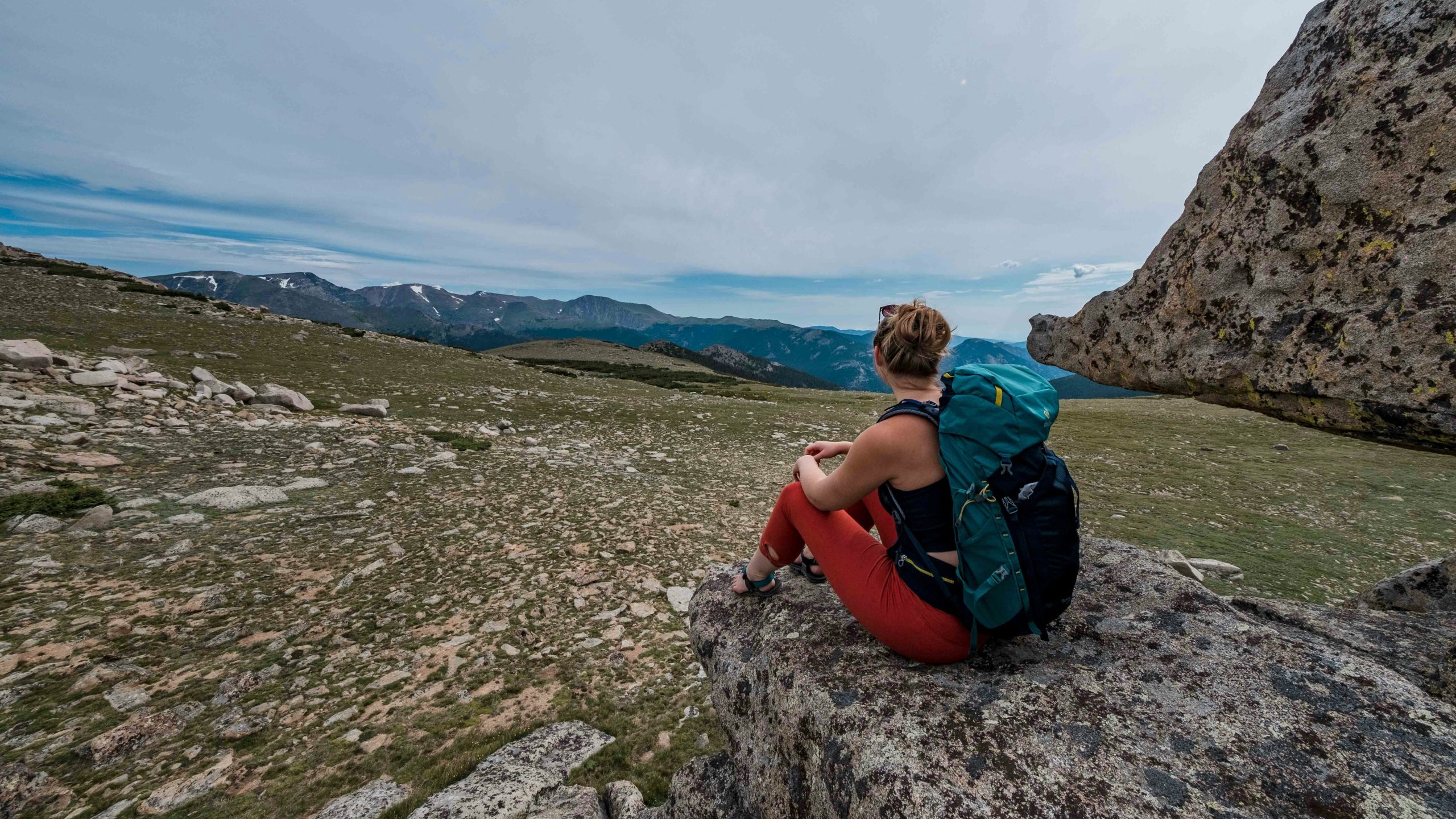
Most hikers overestimate their stamina on Day 1, and the trail never forgives that gap.
Beginners should stick to routes under 5 miles with no more than 500 feet of elevation gain.
Intermediate hikers handle 8 to 12-mile stretches with around 1,500 feet of vertical rise comfortably.
Advanced trekkers regularly take on distances beyond 15 miles with over 3,000 feet of gain.
Your weekly activity hours and natural recovery speed both shape how your legs respond on the trail.
Tracking your flat-ground pace, typically around 2.5 mph for most healthy adults, gives you a solid baseline.
Feeling breathless within the first half-mile is a clear signal to reconsider the route you’ve chosen.
Understanding Trail Difficulty Ratings
Trail ratings across most systems, Easy, Moderate, Sand, and Strenuous, are not globally standardized, which surprises many first-timers.
In the U.S., the Shenandoah Hiking Difficulty formula uses both distance and elevation to calculate a numerical score.
A score below 50 is easy; anything above 150 is strenuous.
Always read the full trail description, not just the rating label slapped on the listing.
A trail rated Moderate in Colorado at high altitude performs very differently from one at sea level.
Technical terrain exposure, surface type, and weather all play into how that label actually feels on your legs.
Never let a simple word like “Easy” override your own research into real conditions on the ground.
How Elevation Gain Shapes Your Experience
Elevation gain is the single most underestimated variable for newer hikers planning their first mountain route.
Climbing 1,000 feet per mile is considered steep by nearly every trail standard in the world.
Most recreational hikers manage 500 to 700 feet per mile comfortably before the effort starts feeling punishing.
A 4-mile trail that gains 2,500 feet total is far harder than a flat 10-mile loop.
Your lungs notice the altitude shift above 8,000 feet, where oxygen availability drops roughly 3% per 1,000 feet gained.
Descent fatigue is real. Going downhill stresses your knees 3 times more than the climb does.
Calculate gain per mile, not just the total, for an accurate sense of what’s actually waiting ahead.
Reading Trail Conditions Like a Pro
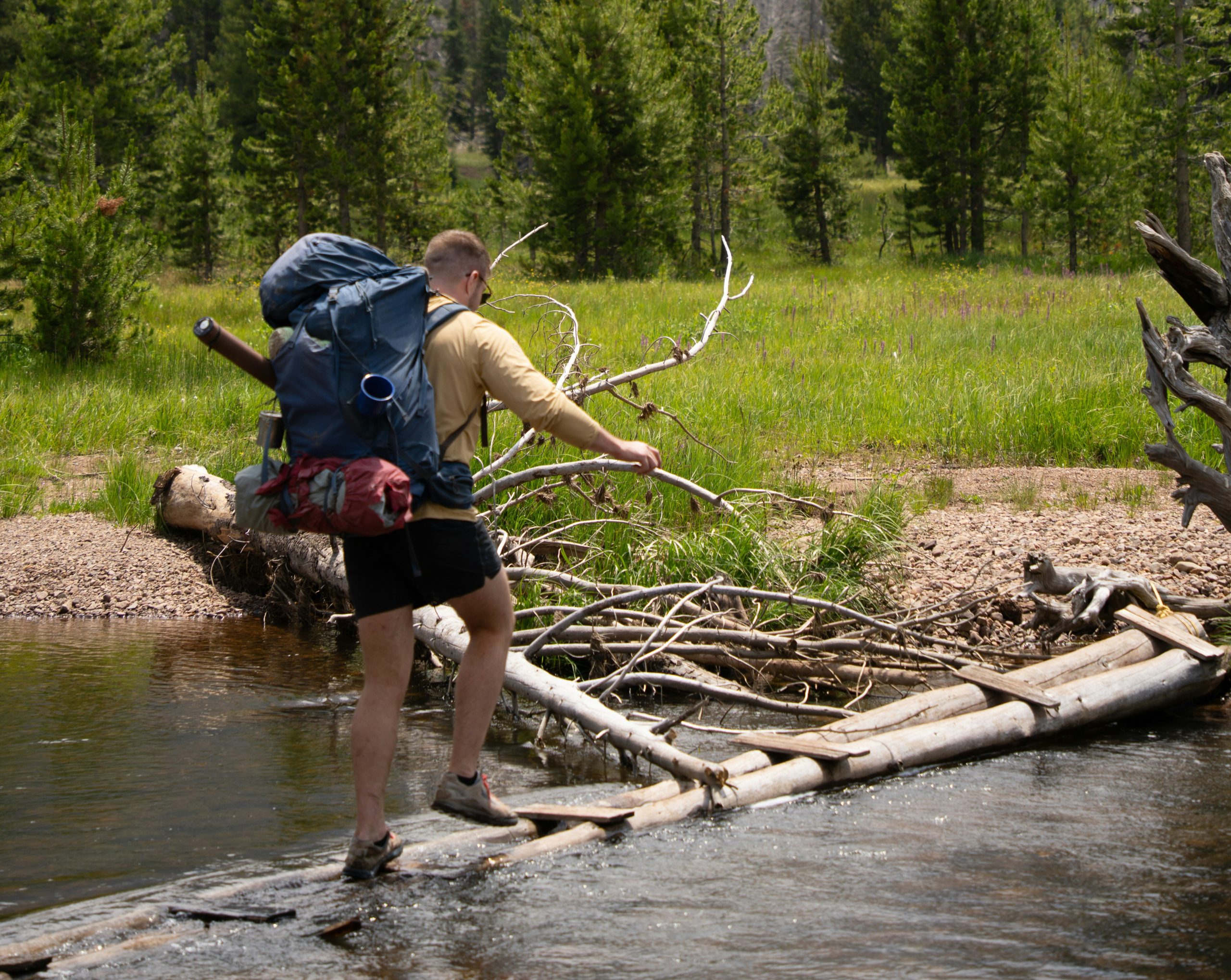
Trail conditions shift faster than most apps update, making real-time awareness essential before you go.
Snow lingers on north-facing slopes well into June, even on trails that officially open in May.
Mud season, March through early May across the Northeast U.S. , urns moderate trails into slow, energy-draining slogs.
Over 60% of trail injuries occur on wet or loose surfaces where traction becomes unpredictable.
Check ranger updates, AllTrails reviews, and local hiking forums within 48 hours of your departure.
Stream crossings after heavy rain can rise 2 to 3 feet, creating genuinely dangerous passage points mid-route.
Never assume last week’s conditions match today’s trails, which are living environments that shift fast and without warning.
Matching Trail Length to Your Schedule
Underestimating time on trail is one of the most common reasons hikers get caught out after dark.
A standard hiking pace runs at 2 to 2.5 mph on flat ground, dropping to 1 to 1.5 mph on steep terrain.
Naismith’s Rule adds 1 hour for every 1,000 feet of elevation gained, a method trusted by mountaineers worldwide.
A 10-mile trail with 2,000 feet of gain should take a fit hiker around 5 to 6hours round-trip.p
Always add at least 30 minutes of buffer per 5 miles for rest breaks, photos, and snack stops along the way.
Starting a trail longer than 6 miles after noon is generally poor planning by most wilderness safety standards.
Match trail length to available daylight hours, not just your level of ambition.
Gear Selection Based on Trail Type
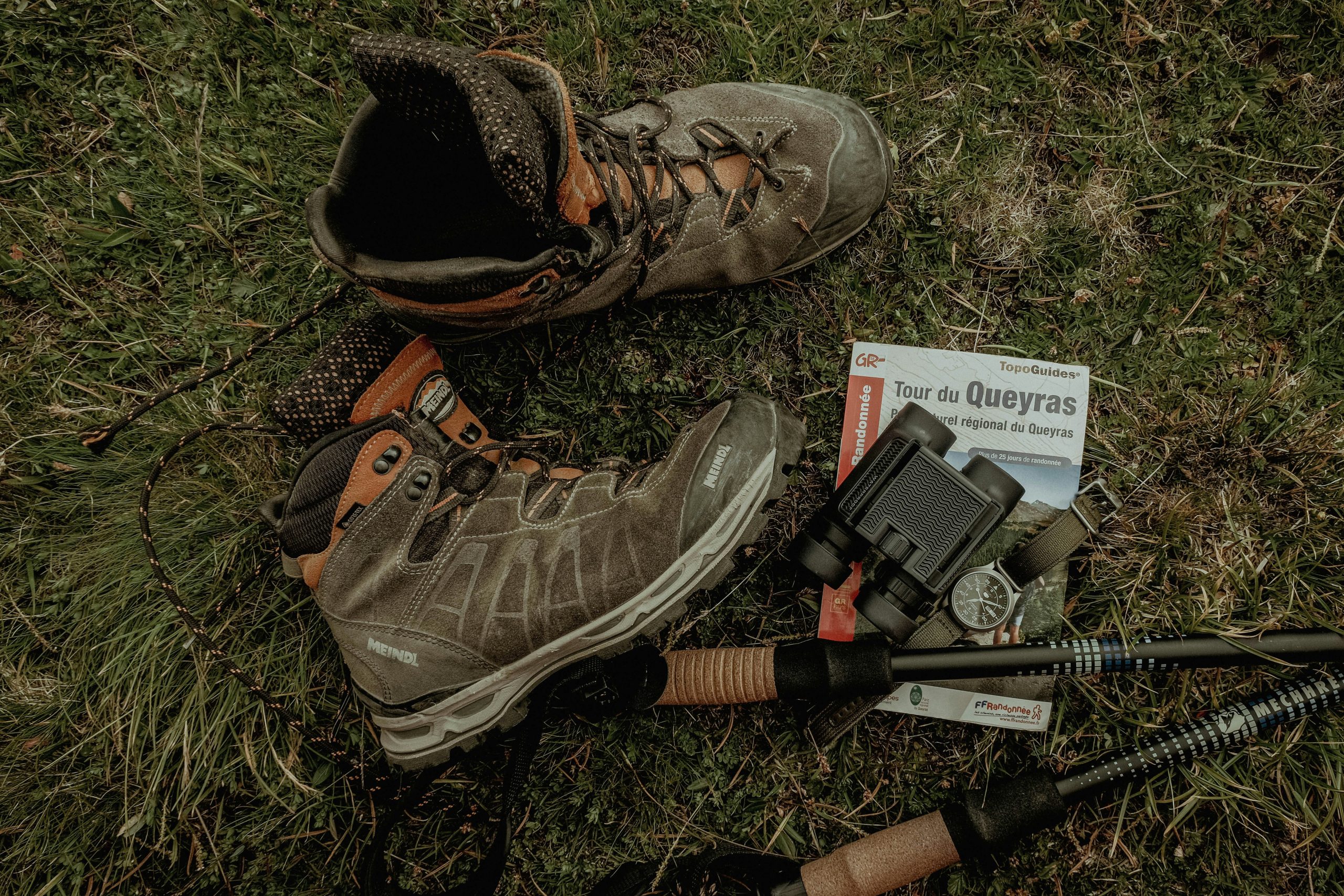
Your gear should match the terrain, not just the distance. This is where many hikers go fundamentally wrong.
A simple 3-mile walk needs little more than water, sunscreen, and a pair of supportive shoes.
Technical routes above 10,000 feet need trekking poles, layered clothing, and at least 3 liters of water.
The Ten Essentials include navigation tools, first aid, fire materials, and emergency shelter for any backcountry trip.
A loaded day pack for a strenuous hike typically weighs 20 to 30 pounds more than most beginners anticipate.
Waterproof boots reduce blister risk by up to 40% on wet surfaces compared to standard trail runners.
Never cut safety essentials for the sake of a lighter pack on remote or exposed terrain.
Solo vs. Group Hiking: What Really Changes
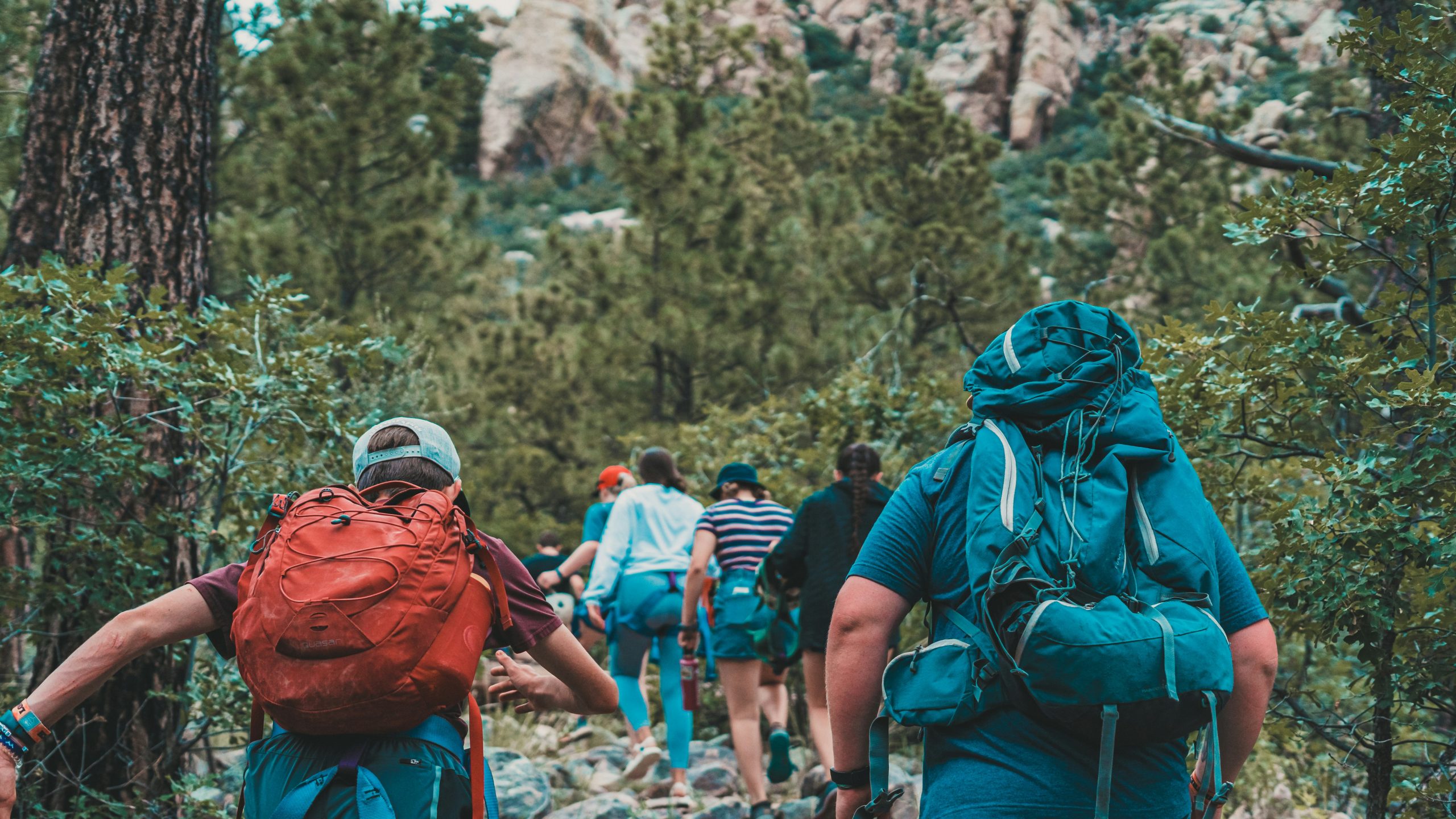
Hiking solo and hiking with others are genuinely different experiences that demand completely different preparation.
Solo hikers move roughly 15 to 20% faster on average since there’s no pace adjustment needed for a group.
However, solo hiking carries a greater risk; over 65% of search-and-rescue operations involve lone hikers.
Always share your itinerary, expected return time, and emergency contacts before departing alone.
Group hiking slows your pace but increases safety, morale, and the ability to split gear weight across multiple packs.
A group of 4 to 6 is widely considered optimal for balancing both safety and low environmental impact on shared trails.
Both styles are valid, but neither is without risk, so plan accordingly every single time you head out.
Seasonal Timing and Trail Choice
Timing your hike correctly can mean the difference between fighting crowds and having the trail entirely to yourself.
Spring brings blooming wildflowers but unstable weather, with temperature swings reaching up to 30°F in a single mountain day.
Summer offers up to 16 hours of daylight near the solstice, but trail traffic peaks sharply from June through August.
Fall is widely considered the best hiking season, with cooler temperatures, vibrant color, and 40% less congestion after Labor Day.
Winter hiking is underrated, with snowshoe and microspike routes delivering stunning solitude on otherwise packed trails.
Research historical weather patterns for your target region across all 4 seasons before committing to any departure date.
The calendar you choose shapes the trail you actually experience.