Flat-shooting rifle cartridges are seductive. They promise stretched distances, minimal holdover, and confidence when targets move farther out than expected.
The problem is that physics always sends the bill later. To achieve laser-like trajectories, many cartridges push small bullets extremely fast using large powder charges, creating intense heat and pressure in the throat of the barrel.
Accuracy may be stunning early on, but barrel life often shortens dramatically. Shooters who choose these rounds usually do so knowingly, accepting faster wear in exchange for performance.
Understanding which cartridges deliver this tradeoff helps shooters decide whether flat trajectory is worth the cost in longevity.
.220 Swift
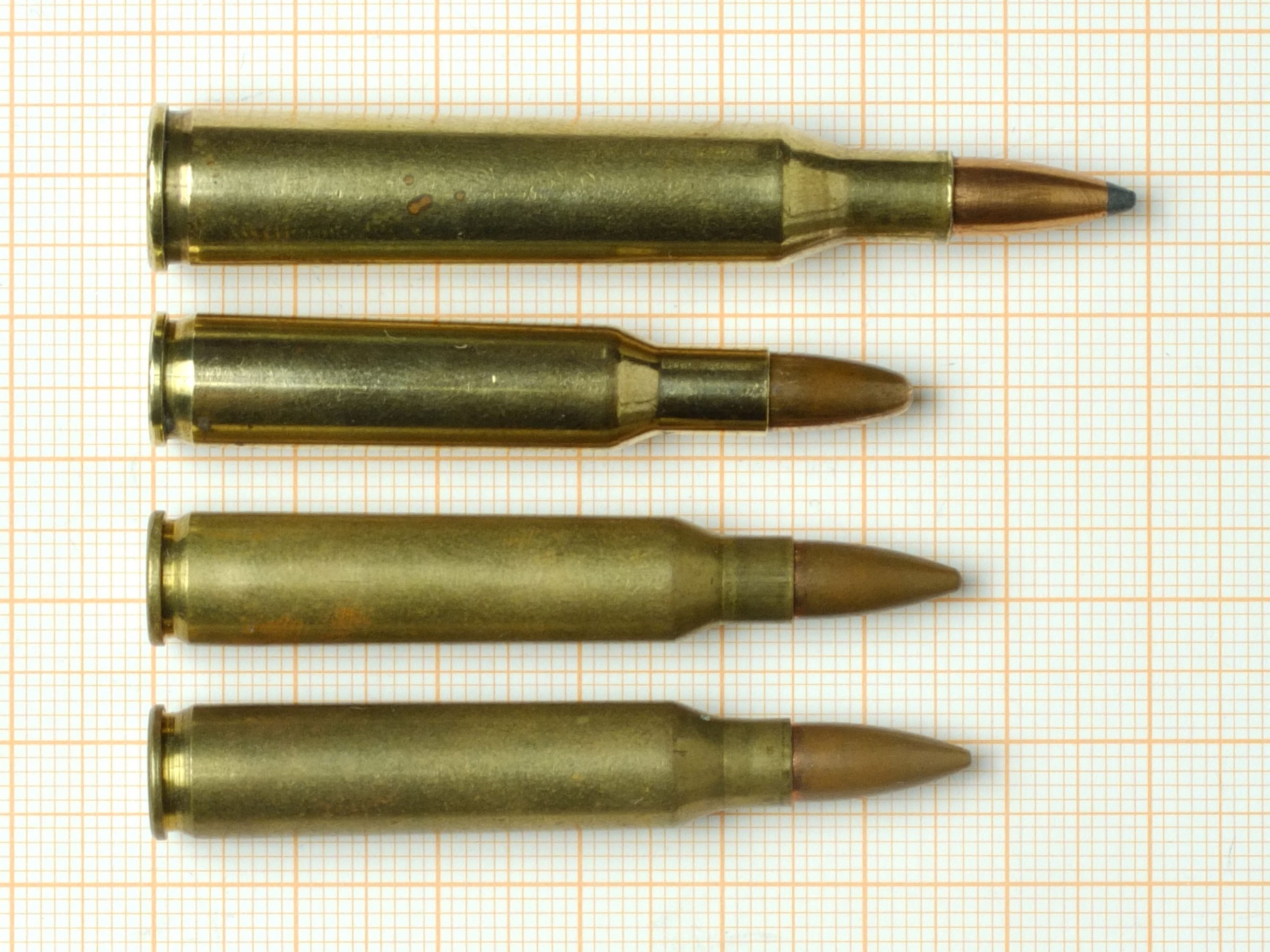
The .220 Swift is legendary for velocity and equally infamous for barrel wear.
Designed to push light bullets at blistering speeds, it produces extremely flat trajectories that make it a sensation among varmint shooters.
That performance comes at a cost. High velocity combined with large powder charges creates intense throat erosion, especially during long shooting sessions.
Early barrels suffered badly, cementing its reputation as a barrel burner. Modern steel helps, but the physics remain unchanged.
Shooters who manage heat carefully can extend life, yet most accept that the Swift trades longevity for raw speed and reach.
That reality makes careful shot pacing essential for anyone chasing accuracy.
.22-250 Remington
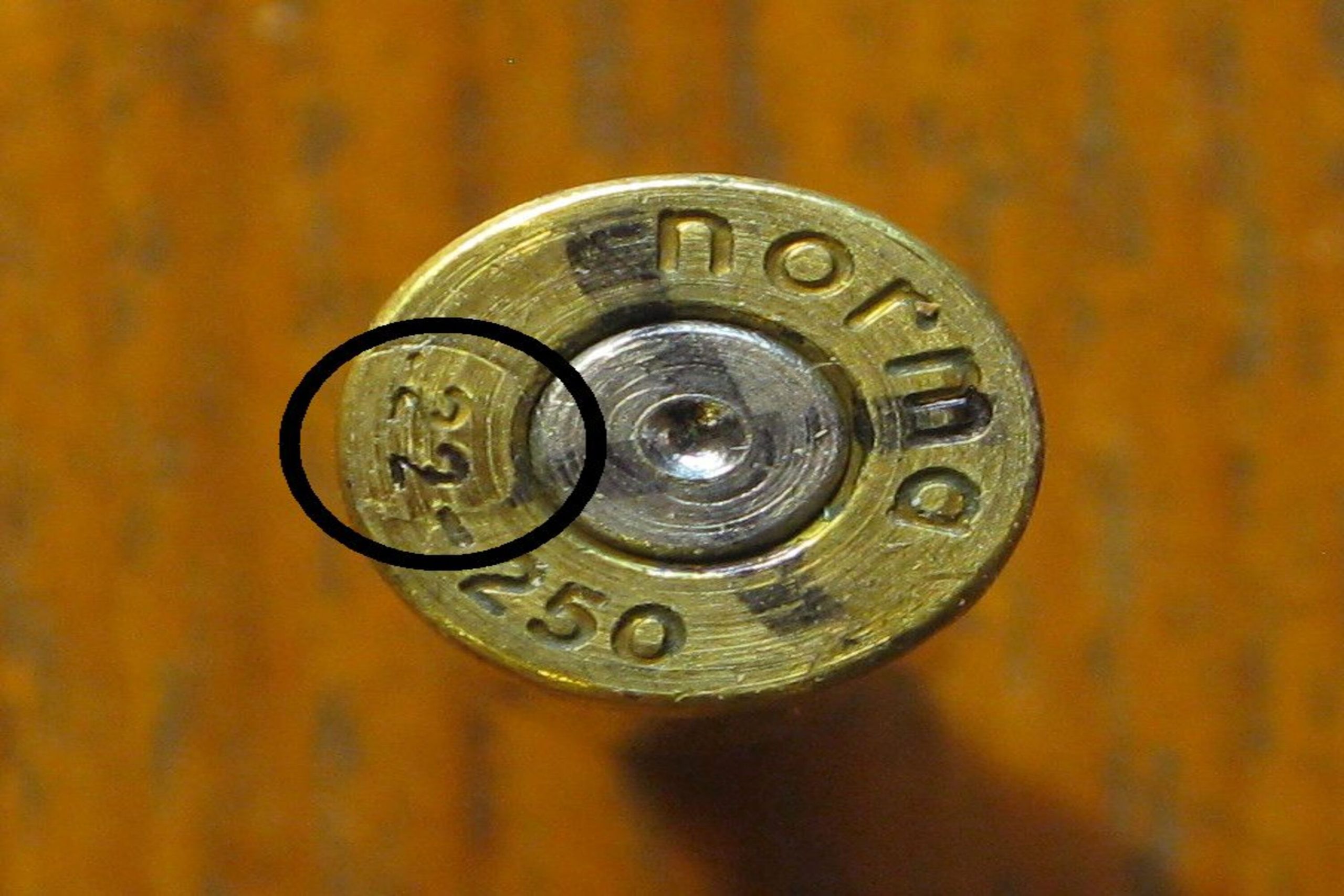
The .22-250 Remington delivers impressive flatness while remaining more practical than the Swift.
It offers excellent accuracy and reach, making it a favorite for long-range varmint hunting.
However, pushing .22-caliber bullets fast enough to flatten trajectory means significant heat at the throat.
Rapid firing accelerates erosion quickly. Many shooters get respectable barrel life by pacing shots, but high-volume use shortens it noticeably.
The cartridge rewards discipline and punishes impatience.
Its popularity endures because the balance still favors performance, even though barrel replacement eventually becomes part of ownership.
.243 Winchester
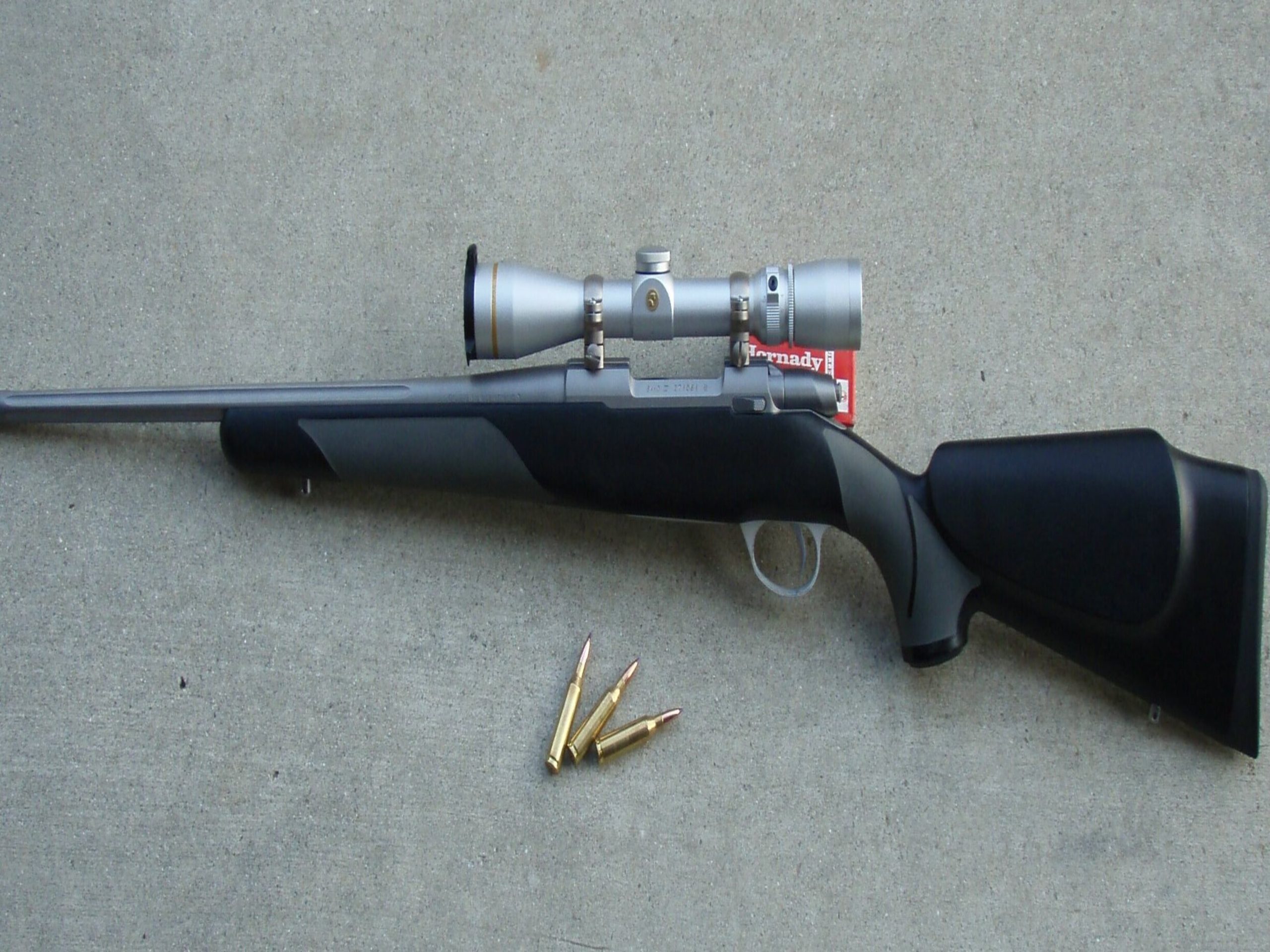
The .243 Winchester sits at the edge of the barrel-burner conversation.
Its flat trajectory comes from combining light bullets with substantial powder charges.
When used moderately, barrel life can be reasonable. When pushed hard, wear accelerates quickly.
High-velocity loads generate heat that erodes the throat faster than larger-caliber alternatives.
Shooters chasing maximum speed often see accuracy decline sooner than expected. Still, its versatility keeps it popular.
The .243 offers reach, manageable recoil, and precision, but it quietly demands respect if long barrel life is a priority. Many shooters learntheirs limits only after accuracy begins fading.
.257 Weatherby Magnum
The .257 Weatherby Magnum is built around speed.
It launches bullets so fast that holdover becomes nearly irrelevant at typical long-range distances.
That extreme performance requires massive powder charges and high pressures, which punish barrels relentlessly.
Throat erosion happens quickly, even with careful firing schedules. Shooters who choose this cartridge usually do so with eyes open, knowing barrel replacement is inevitable.
Accuracy remains outstanding early in a barrel’s life, which is why loyalty remains strong. It’s a cartridge for shooters who value trajectory above economy or longevity.
.264 Winchester Magnum
The .264 Winchester Magnum earned early fame for flat shooting and long-range promise.
Unfortunately, it also earned a reputation for rapid barrel wear.
The combination of high velocity and relatively small bore produces extreme heat concentration.
Early barrels suffered badly, and even modern barrels show limited life compared to slower cartridges.
Shooters who pace shots carefully can manage wear, but aggressive use shortens the accuracy lifespan quickly.
Despite this, the cartridge still appeals to those who want classic magnum performance and don’t mind paying for it in barrel life. Its reputation was shaped as much by wear as by performance.
6.5-284 Norma
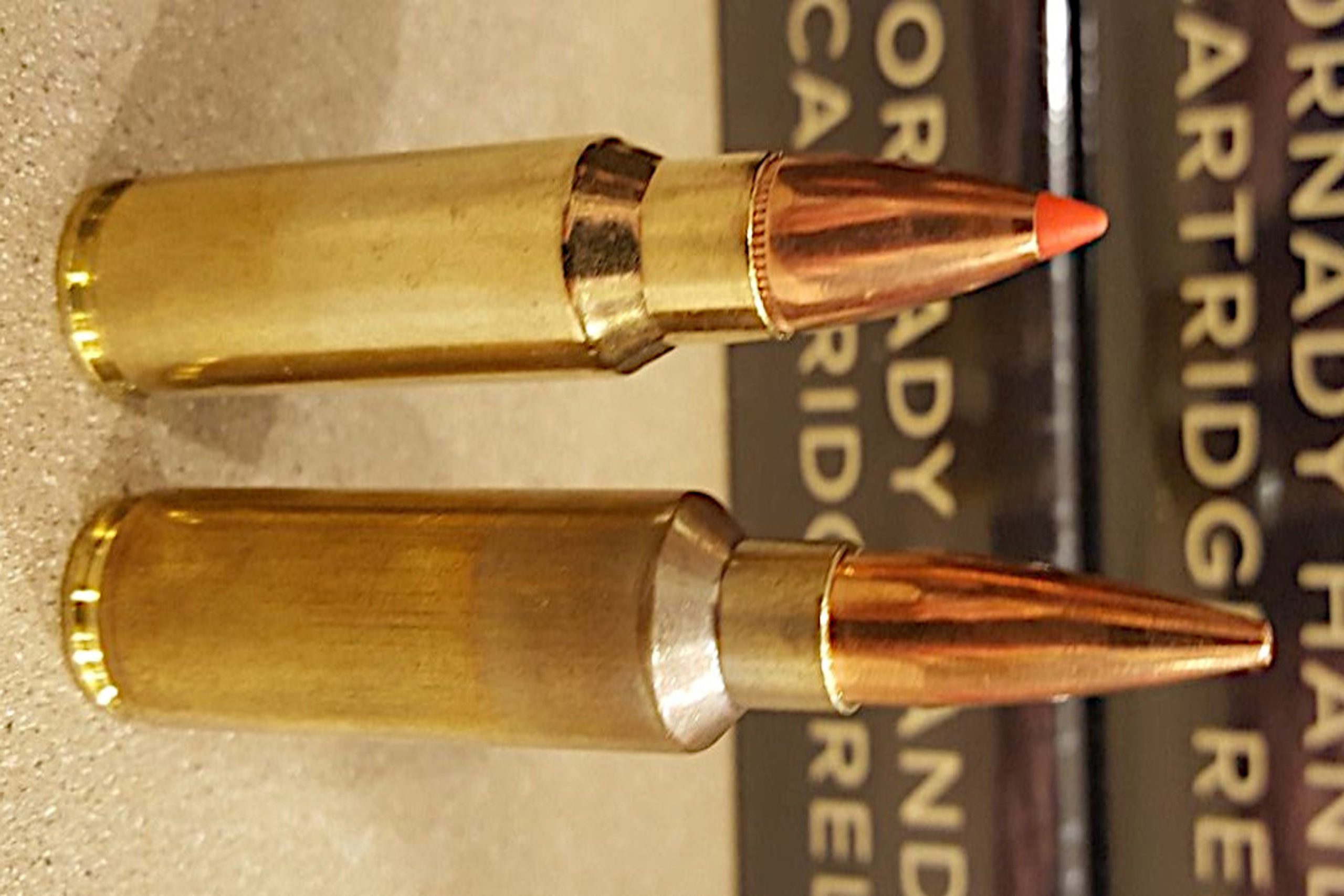
The 6.5-284 Norma is loved for precision and flat trajectory, especially in competition circles.
It pushes high-BC bullets fast enough to minimize wind drift and drop.
That performance comes from a large powder charge relative to bore size.
Heat builds rapidly, and throat erosion follows. Competitive shooters often accept shorter barrel life as part of the game, replacing barrels regularly.
For precision work, the tradeoff feels worthwhile. For casual shooters, the maintenance cost can be surprising.
The cartridge excels, but it is not forgiving of heavy use. Competition shooters accept wear as part of peak performance.
.28 Nosler
The .28 Nosler represents modern flat-shooting extremes.
Designed for maximum velocity with heavy, sleek bullets, it delivers remarkable long-range performance.
That achievement requires enormous powder volume and pressure. Barrel wear is aggressive, even by magnum standards.
Throat erosion happens quickly, especially with frequent firing. Shooters drawn to the cartridge typically prioritize hunting performance or long-range dominance over barrel economy.
Accuracy is excellent early on, which reinforces loyalty. Ownership often includes accepting that barrels are consumable components rather than long-term investments.
.300 Remington Ultra Magnum
The .300 RUM pushes heavy bullets at extraordinary speeds, producing flat trajectories at distances where others struggle.
This power comes from huge powder charges that generate extreme heat. Barrel life suffers accordingly.
Even careful shooters notice accuracy degradation sooner than with traditional .300 magnums.
The cartridge excels in long-range hunting and extreme-distance shooting, but it demands restraint.
Long strings of fire accelerate wear dramatically. Shooters who accept the cost are rewarded with reach and authority, but barrel replacement becomes part of the long-term equation.
.224 Lancer
The .224 Lancer is a newer example of the flat-shooting barrel-burner formula.
Designed to push high-BC bullets at extreme velocity, it delivers impressive downrange performance.
That speed concentrates heat intensely at the throat. Barrel wear appears quickly if firing schedules aren’t controlled.
Shooters experimenting with the cartridge often discover that accuracy peaks early and declines faster than expected.
Like many high-performance rounds, it rewards careful use and punishes excess. Its appeal lies in performance, but longevity remains the unavoidable tradeoff.
Early accuracy impresses, but longevity quickly becomes the concern.