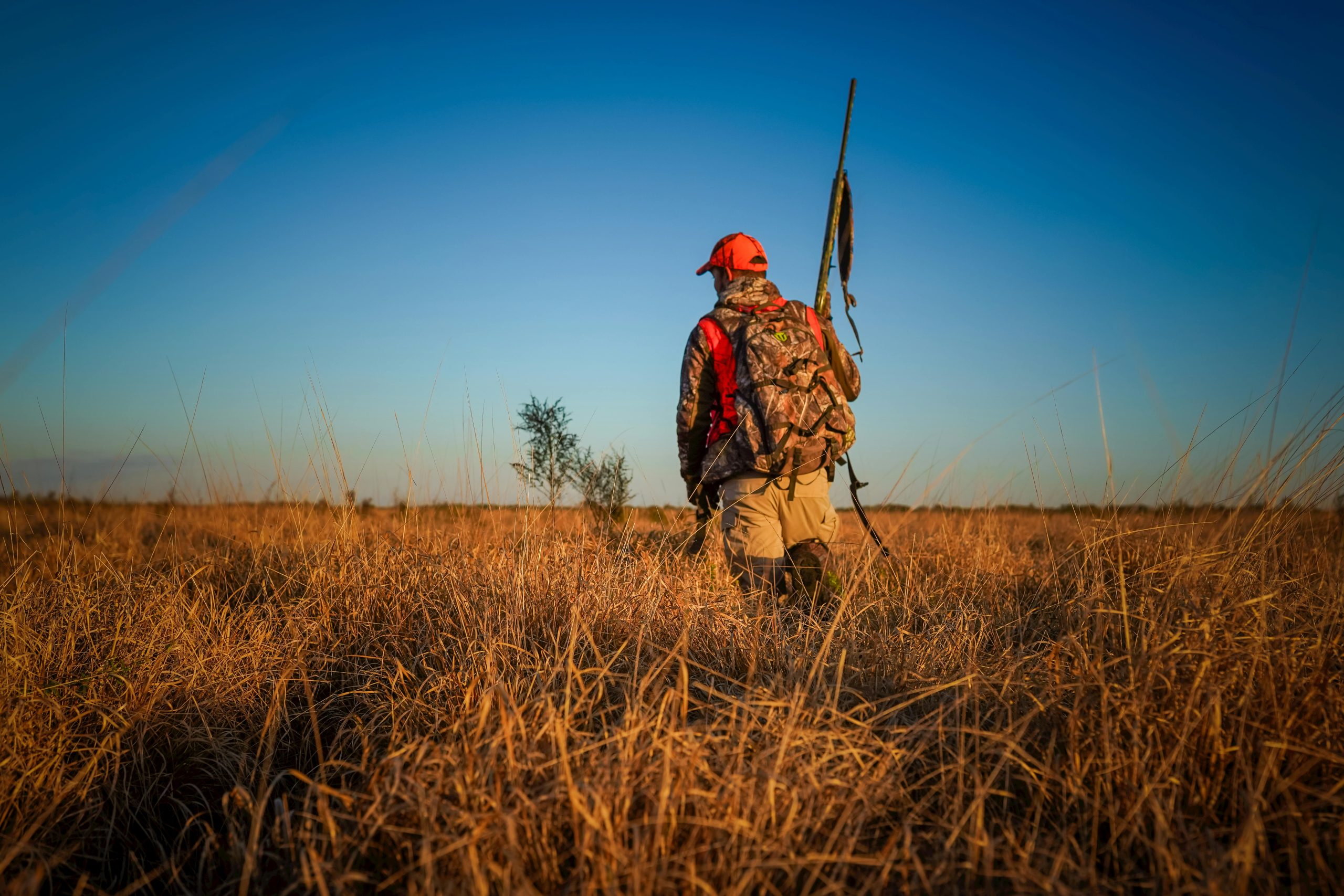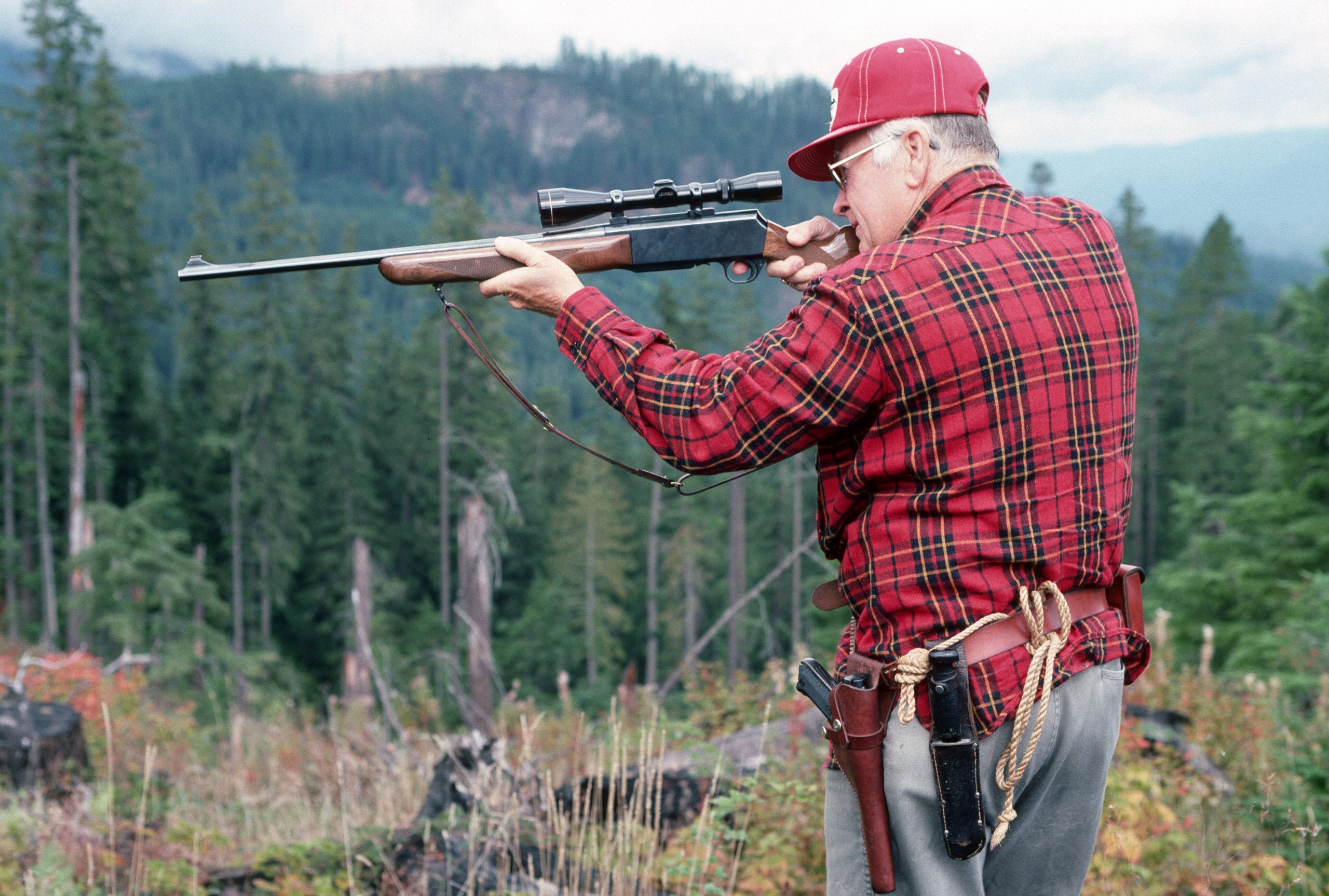
Modern hunting gear promises comfort, efficiency, and better performance, yet many upgrades quietly sabotage the one advantage hunters value most: silence. Noise does not always come from careless movement or dry leaves. It often comes from equipment designed without real-world stalking in mind. High-tech fabrics, rigid accessories, and convenience-focused add-ons can create unnatural sounds that travel farther than most hunters realize. Animals evolved to detect subtle irregular noises, not just loud crashes. A faint synthetic rustle or hollow knock can stand out sharply in a quiet forest. The problem is that these sounds often appear only after hours of movement, when patience is already thin. Understanding which upgrades increase noise is essential because awareness alone can restore the edge that technology sometimes steals.
Technical Fabric Clothing That Whispers Too Loud

Performance hunting clothing often relies on synthetic blends built for breathability and moisture control. While these materials excel during long hikes, many produce a sharp, repetitive swish when brushed together. Unlike natural fabric noise, this sound has a consistent rhythm that animals quickly identify as unnatural. The issue becomes worse in cold weather, when fabrics stiffen and amplify friction. Hunters moving slowly may not hear it themselves, yet deer and elk pick it up instantly. Wind-resistant outer layers also trap air, releasing faint pops as you shift positions. The danger lies in confidence. Expensive clothing feels advanced, but sound discipline matters more than moisture control once the game is near. Natural fibers or brushed finishes often outperform technical fabrics when silence decides success.
Hard-Shell Backpacks That Knock and Echo
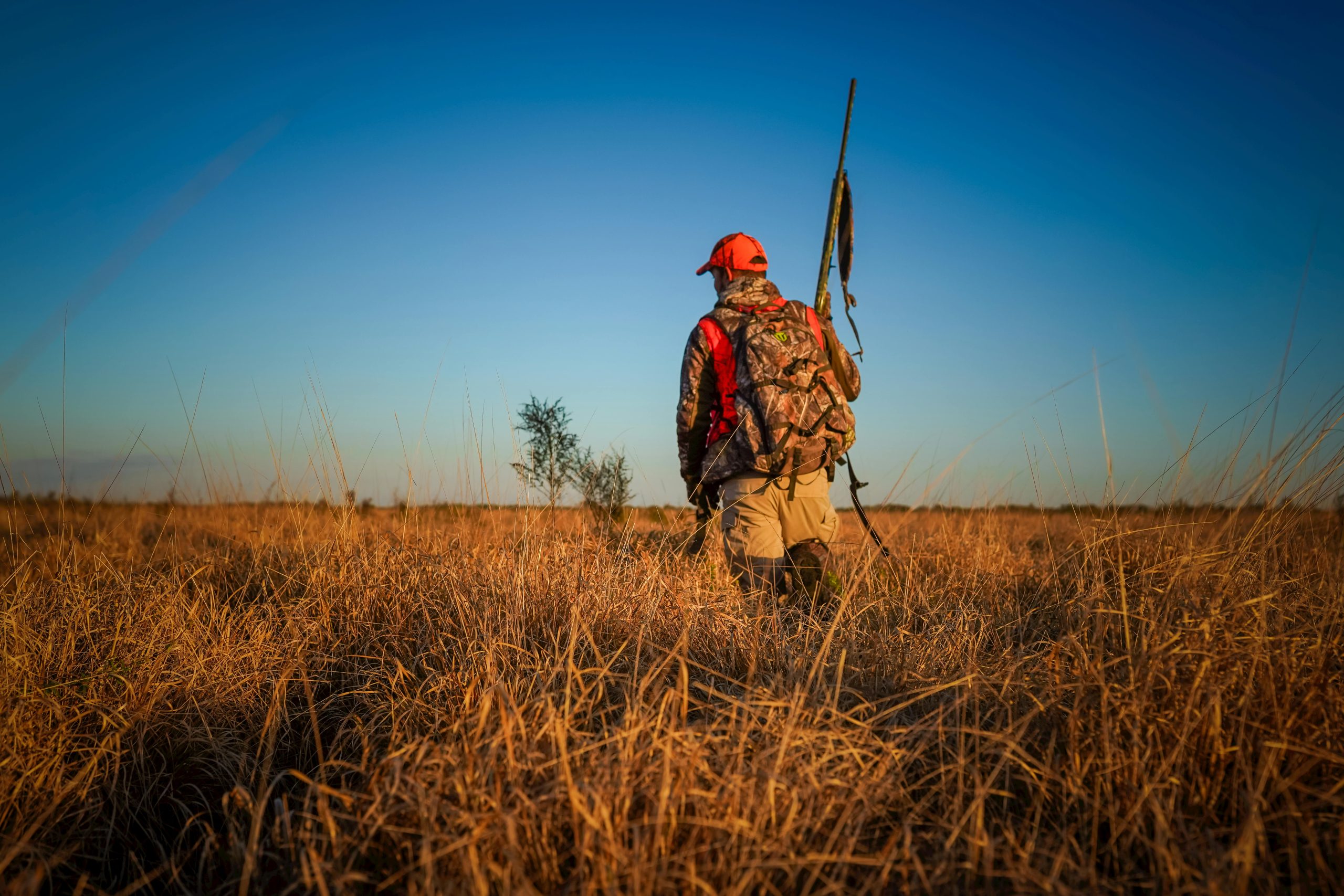
Modern backpacks prioritize structure, airflow, and load balance. Many include rigid frames, molded backs, and plastic hardware that create subtle knocking sounds with each step. Buckles tap against frames, zipper pulls bounce, and internal items shift inside stiff compartments. These sounds echo lightly, especially in still morning air. Hunters often assume backpacks only matter during long approaches, but stalking with them magnifies the problem. Even a quiet step can trigger a hollow tap behind your shoulders. Animals interpret these irregular echoes as movement from something unfamiliar. Soft, minimalist packs or carefully padded interiors dramatically reduce sound. Noise from behind is especially dangerous because it contradicts natural predator movement patterns that animals instinctively track.
Rangefinding Binoculars With Unforgiving Surfaces

Integrated optics reduces weight andimprovese efficiency, but they often add noise through hard edges and exposed surfaces. Rangefinding binoculars frequently use smooth polymer housings that click against jackets, rifle stocks, or chest rigs. The sound is faint but sharp, especially when lifted quickly. Even the act of pressing buttons can produce audible clicks in quiet conditions. Chest-mounted systems sometimes amplify this by allowing optics to swing slightly with movement. Animals are especially alert to chest-level motion, where predators usually focus their activity. Wrapping optics in textured covers or using soft harness systems helps. Without these adjustments, advanced optics can betray your presence long before you ever spot your target.
Synthetic Sling Straps That Rub Relentlessly
Upgraded slings emphasize durability and grip, but many use rubberized or nylon materials that generate friction noise. As you walk, the sling rubs against clothing or gear, producing a repetitive squeak or rasp. This sound is easy to ignore at first because it blends into movement, but animals hear it as a continuous signal. Unlike a single snap, this noise repeats at walking cadence, making it easier to track. Slings also shift during shoulder changes, creating sudden pops. Traditional leather or suede-backed slings absorb motion and dampen sound far better. The problem is not volume but consistency, which signals intent and movement to prey long before visibility becomes a factor.
Modular Rifle Accessories That Loosen Over Time
Rails, adjustable stocks, and removable accessories add versatility, yet they also introduce multiple contact points. Even slightly loose components can create faint ticking or tapping noises as you move. These sounds often appear only after hours of carrying, once the screws settle, or temperatures change. Hunters rarely notice because the noise stops when standing still. Animals, however, detect it during approach. Adjustable cheek risers and folding mechanisms are common offenders. Each micro-movement creates a metallic or polymer click that feels insignificant but travels surprisingly far. Regular tightening helps, but simplicity is quieter by design. A fixed, well-balanced setup often outperforms complex builds when silence matters most.
Waterproof Boots With Stiff Soles
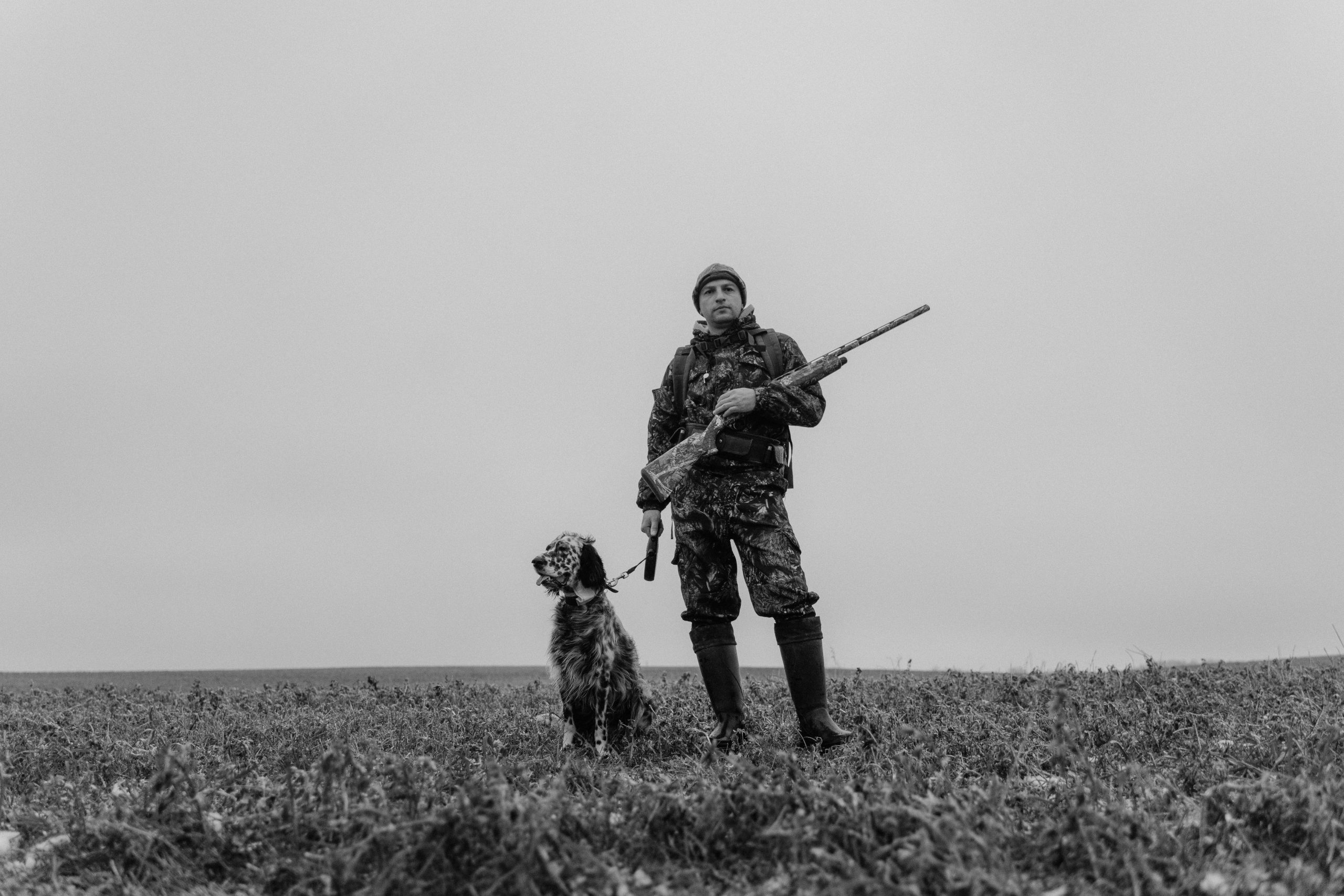
Waterproof footwear is a favorite upgrade, yet rigid soles can amplify ground noise. Instead of flexing naturally, stiff boots slap lightly against rock, roots, and frozen soil. This creates sharper impact sounds than softer, broken-in footwear. Many modern boots also use reinforced heel counters that click against debris when stepping backward or downhill. The sound profile is especially dangerous in dry conditions, where natural footfalls should be muted. Hunters often blame terrain, not footwear. However, softer soles and flexible midsoles allowa better feel and quieter placement. Waterproofing is valuable, but excessive rigidity trades silence for durability in ways that can cost opportunities.
Lightweight Tripods That Rattle When Deployed
Compact tripods promise stability without weight, but lightweight materials often vibrate and rattle during setup. Extending legs produces faint snapping sounds, while locking mechanisms click audibly in cold air. Carbon and aluminum transmit sound efficiently, especially when bumped accidentally. Hunters frequently deploy tripods quickly when spotting game, precisely when silence is most critical. Even placing the tripod down can produce a hollow tap. Animals are highly sensitive to sudden, unfamiliar noises that interrupt natural sound patterns. Using padded leg wraps or slower deployment helps, but heavier, dampened designs remain quieter. Speed means nothing if the setup alerts what you are trying to observe.
Rain Gear That Crinkles With Every Breath
Rain protection is essential, yet many waterproof shells produce a crisp crinkle that carries farther than expected. This sound is most noticeable during slow movement, when every shift becomes audible. Breathable membranes stiffen in cooler weather, making the noise sharper. Unlike wind or foliage, this sound lacks randomness. It follows the body’s motion precisely, which animals recognize quickly. Hunters often overestimate wind cover, assuming rain masks noise. In reality, forests often go quiet during light rain, making synthetic fabric sounds stand out even more. Quiet-treated rain gear or oversized ponchos reduce friction and allow more natural movement without announcing each step.
Electronic Ear Protection Used in the Field
Electronic hearing protection excels at the range, but field use introduces unexpected noise. Amplified ambient sound makes fabric movement, breathing, and gear contact seem louder to the wearer, encouraging awkward motion. Worse, some units produce faint feedback or clicking when adjusting volume. Wind passing over microphones creates artificial noise that masks natural cues while still broadcasting movement sounds outward. Animals do not hear amplification, but they react to the unnatural rhythms caused by altered movement patterns. Hunters relying on electronics may move less intuitively, creating detectable disturbances. Passive awareness often results in smoother, quieter motion that aligns better with natural soundscapes.
Convenience Add-Ons That Multiply Small Sounds
The most dangerous upgrades are small conveniences added over time. Gear hooks, accessory pouches, hydration clips, and quick-release mounts each add potential contact points. Individually, they seem harmless, but together they create a chain of minor noises. A clip taps a buckle, which nudges a zipper, which shifts a pouch. This cascading effect produces irregular sound patternsthat animals find alarming. Hunters rarely test full setups in silent conditions before heading out. Simplifying gear reduces not just weight but acoustic clutter. The quietest hunters are not those with the newest tools, but those who understand how every item contributes to the sound they carry through the woods.