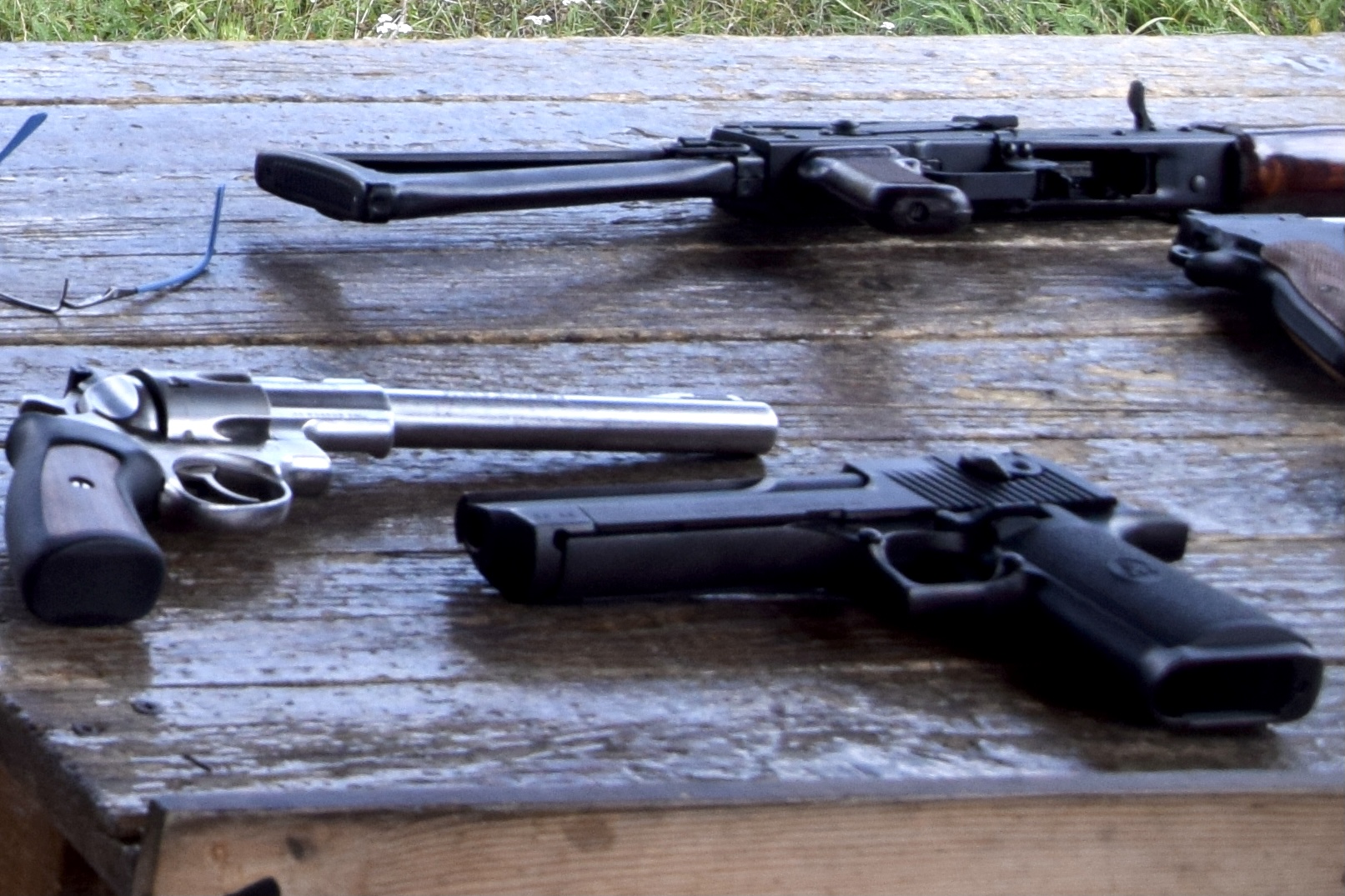
Online gun culture thrives on bold claims, dramatic range clips, and glowing first impressions. Hype spreads quickly, often fueled by aesthetics, brand loyalty, or selective experiences rather than long-term ownership realities. Yet many firearms that look exceptional on screens can feel surprisingly different in actual hands. Ergonomics, recoil behavior, trigger quality, balance, and reliability under routine conditions tend to matter more than internet buzz. None of this makes a firearm objectively bad, but it highlights how expectations can clash with practical experience. The following examples reflect commonly discussed disappointments where enthusiasm sometimes exceeds real-world satisfaction. Individual preferences always vary, but these patterns frequently appear among new buyers navigating marketing noise and social media influence.
Ultra Compact Pocket Pistols
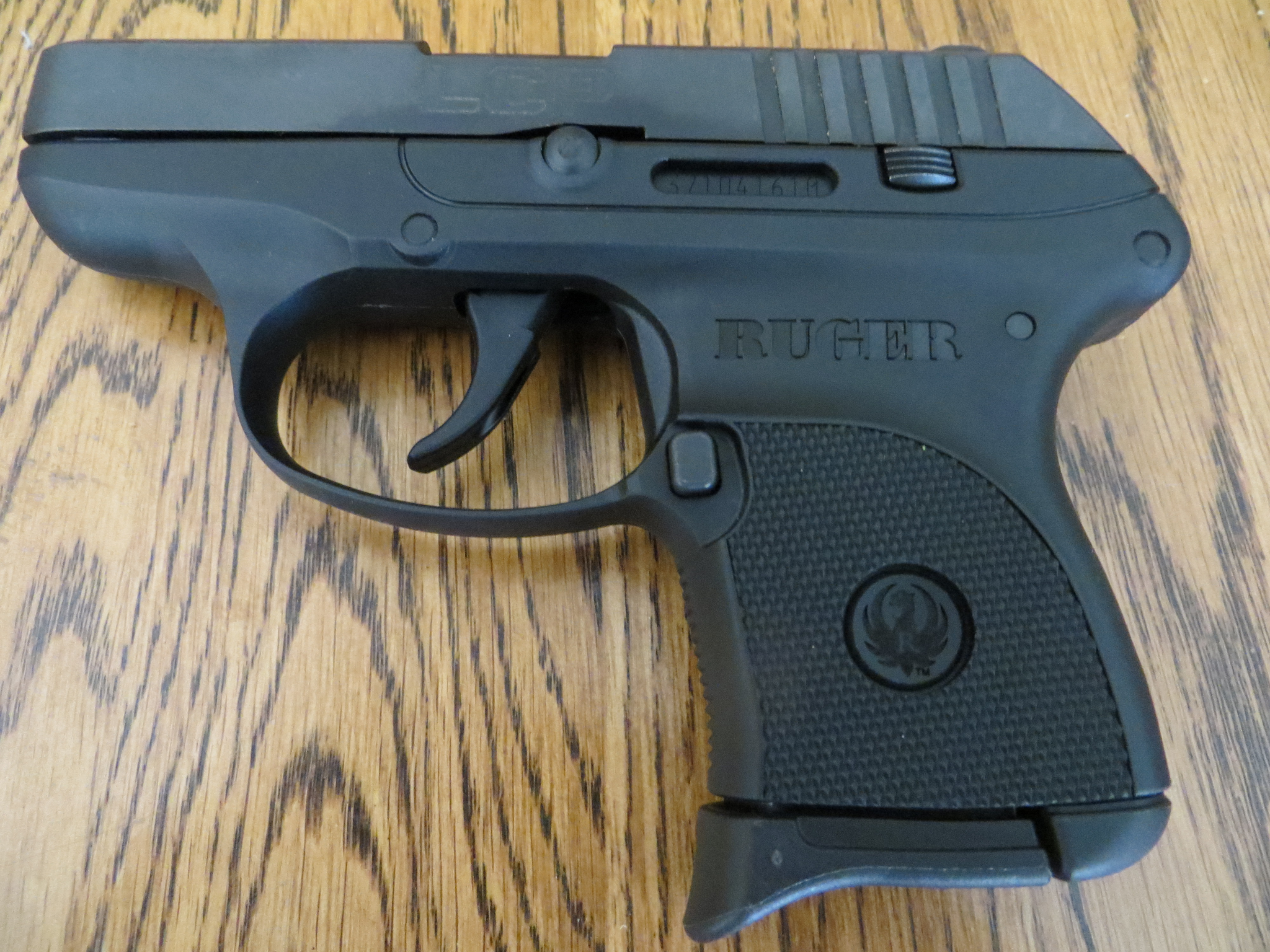
Pocket pistols generate enormous excitement due to their concealability and sleek profiles. Promotional videos often emphasize convenience, lightweight, and discreet carry advantages. In practice, however, their tiny frames can introduce compromises that surprise first-time owners. Short grips may feel unstable, especially for shooters with larger hands, reducing confidence and control. Recoil often feels sharper than expected because minimal mass absorbs less energy. Sight radius limitations can also affect accuracy, turning rapid follow-up shots into a challenge. While perfectly functional within their design goals, these pistols sometimes disappoint buyers expecting comfort comparable to larger handguns. The gap between visual appeal and handling experience becomes evident quickly.
Lightweight Snub Nose Revolvers
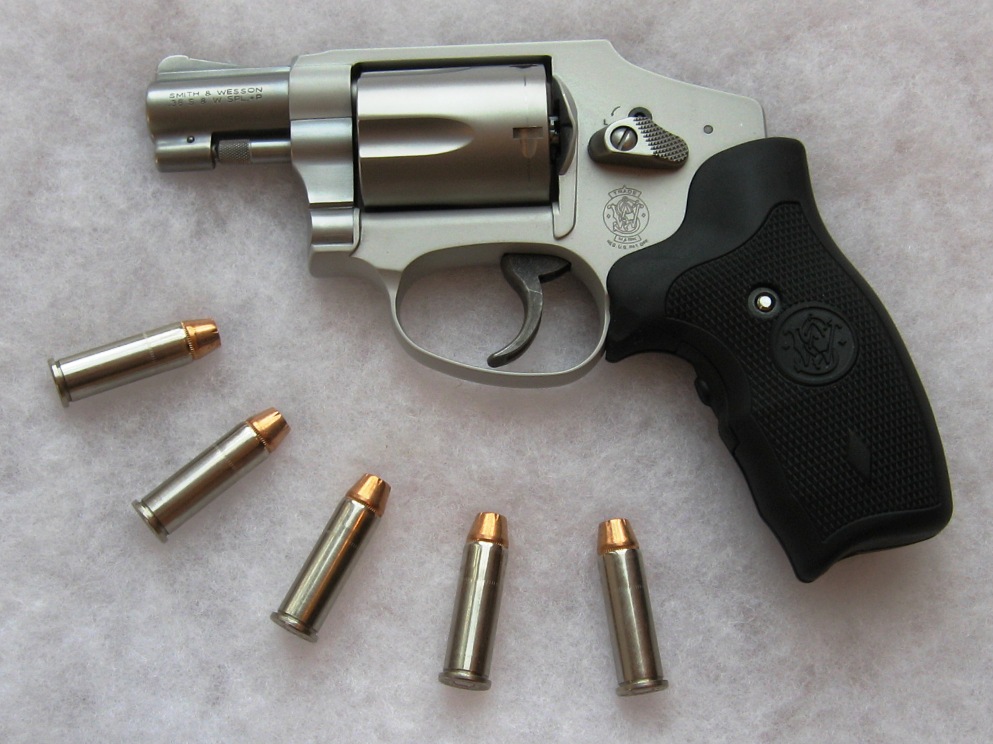
Snub nose revolvers enjoy a legendary reputation for simplicity and reliability. Online discussions frequently praise their durability and ease of maintenance. Yet lightweight variants can produce unexpected discomfort during extended shooting sessions. Reduced barrel length and minimal weight amplify perceived recoil, often more than newcomers anticipate. Trigger pulls, typically heavier in double-action designs, may feel demanding without regular practice. Grips can be small, limiting leverage and comfort. Despite their mechanical dependability, many users discover that enjoyable range time requires more adaptation than videos suggest. Expectations shaped by nostalgia or cinematic portrayals rarely capture these subtle but important handling realities.
Budget Priced Tactical Style Rifles
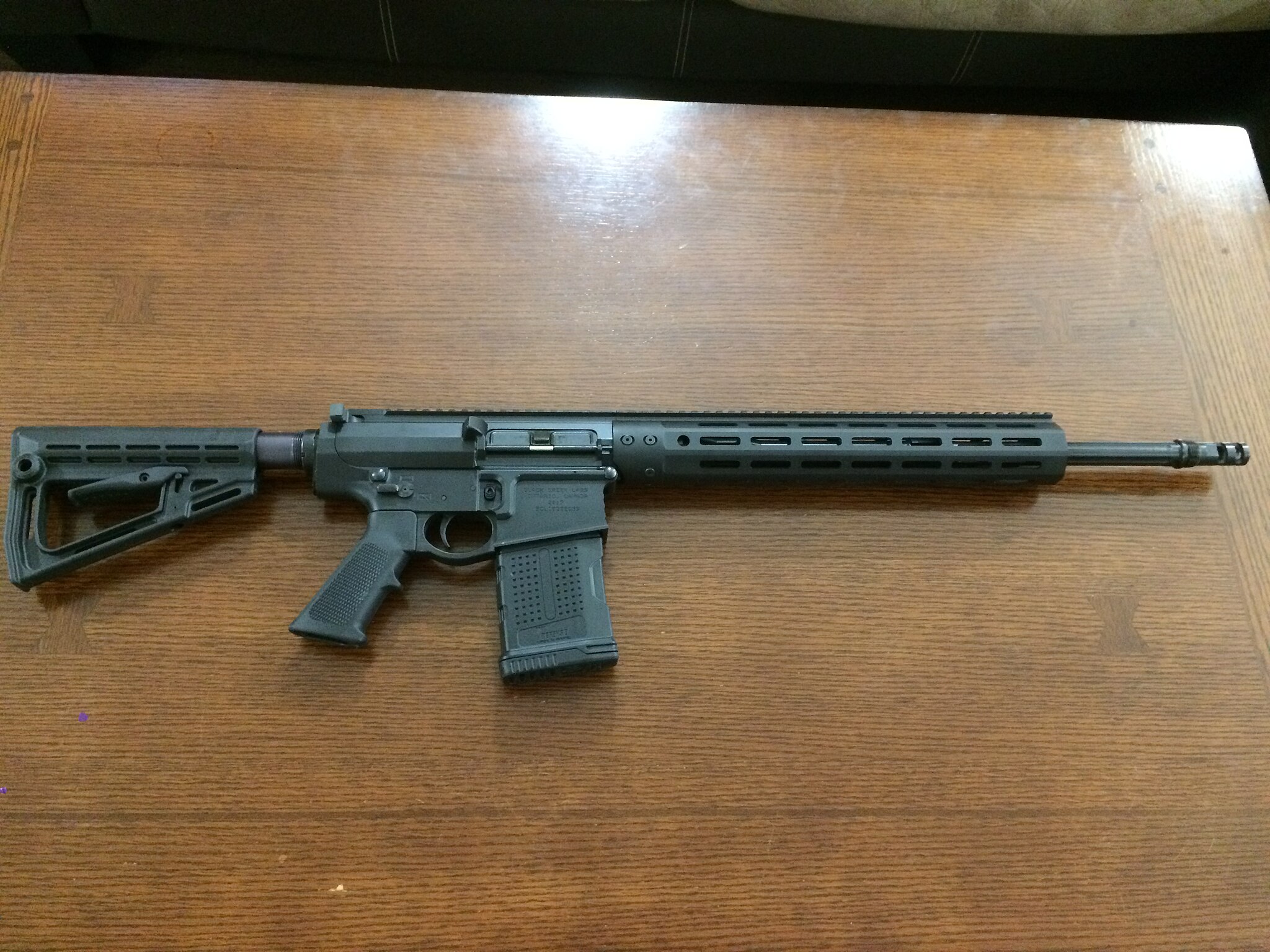
Affordable tactical-style rifles dominate online spaces with aggressive styling and attractive pricing. Marketing frequently highlights versatility and modern features. Initial impressions can be strong, especially when comparing specifications alone. However, fit, finish, and long-term durability sometimes diverge from expectations. Controls may feel less refined, materials can appear cost-driven, and consistency may vary across units. None of this guarantees poor performance, but buyers often anticipate premium quality based on appearance. The contrast between visual design and tactile feedback becomes noticeable with regular handling. Internet enthusiasm rarely conveys these nuances, leading some owners to reassess value perceptions after purchase.
Micro-Sized Defensive Handguns
Micro handguns attract attention by promising serious capability within extremely small dimensions. Reviewers often celebrate their concealment advantages and modern engineering. Real-world experience, though, can introduce trade-offs not obvious in highlight reels. Slim grips may challenge stability, particularly during rapid fire. Reduced slide mass can influence recoil feel, making shots seem snappier. Controls are necessarily compact, sometimes affecting ease of manipulation. While highly practical for specific roles, comfort and shootability may not match broader expectations. Buyers drawn primarily by size often realize that smaller dimensions require greater technique and adjustment than promotional content implies.
Entry-Level Shotguns with Tactical Features
Shotguns marketed with tactical features frequently gain traction through dramatic visuals and bold claims. Rail systems, aggressive furniture, and accessory compatibility create strong first impressions. Handling these models, however, may reveal differences between aesthetics and ergonomics. Weight distribution can feel front-heavy, affecting balance and fatigue during extended use. Controls and action smoothness sometimes lack refinement compared to higher-tier options. Recoil management may also feel more demanding than anticipated. None of these factors negate utility, but they highlight how styling does not always translate into comfort. Online excitement often overlooks these subtle yet influential aspects of ownership.
Polymer Frame Pistols with Minimal Grip Texture
Polymer frame pistols often receive praise for durability, corrosion resistance, and modern design. Many appear highly attractive in photos and videos. Yet grip texture plays a critical role that can be underestimated during initial evaluation. Smooth or lightly textured surfaces may feel adequate in casual handling but prove less secure during actual firing. Sweaty or wet conditions can further expose this limitation. Owners expecting universally comfortable ergonomics sometimes encounter unexpected control challenges. While aftermarket solutions exist, the initial disappointment frequently stems from overlooked tactile details. Internet reviews rarely communicate how grip feel evolves during sustained shooting.
Heavily Stylized Competition-Inspired Pistols
Competition-inspired pistols, particularly visually striking variants, often generate strong online admiration. Extended controls and distinctive aesthetics imply superior performance. For everyday users, though, these enhancements may not deliver proportional benefits. Larger controls can feel unfamiliar or cumbersome outside competitive contexts. Balance and weight may differ from expectations shaped by visuals alone. Maintenance demands or sensitivity to ammunition variations can also surprise new owners. While excellent within intended roles, practical satisfaction depends heavily on user needs. The disconnect arises when buyers equate specialized design cues with universal advantages. Real-world experience tends to recalibrate those assumptions quickly.
Economical Imported Handguns with Flashy Finishes
Flashy finishes and attractive pricing can make certain imported handguns highly visible online. Promotional materials often emphasize value and styling. Initial impressions may be positive, particularly for cost-conscious buyers. However, consistency, refinement, and support infrastructure sometimes vary across brands. Trigger feel, material quality, or long term durability may not fully align with expectations. None of this implies inherent flaws, but it illustrates how presentation can overshadow practical considerations. Owners occasionally find that visual appeal does not guarantee comparable handling satisfaction. Internet discussions tend to amplify highlights while minimizing everyday usability factors.
Minimalist Single-Shot Firearms
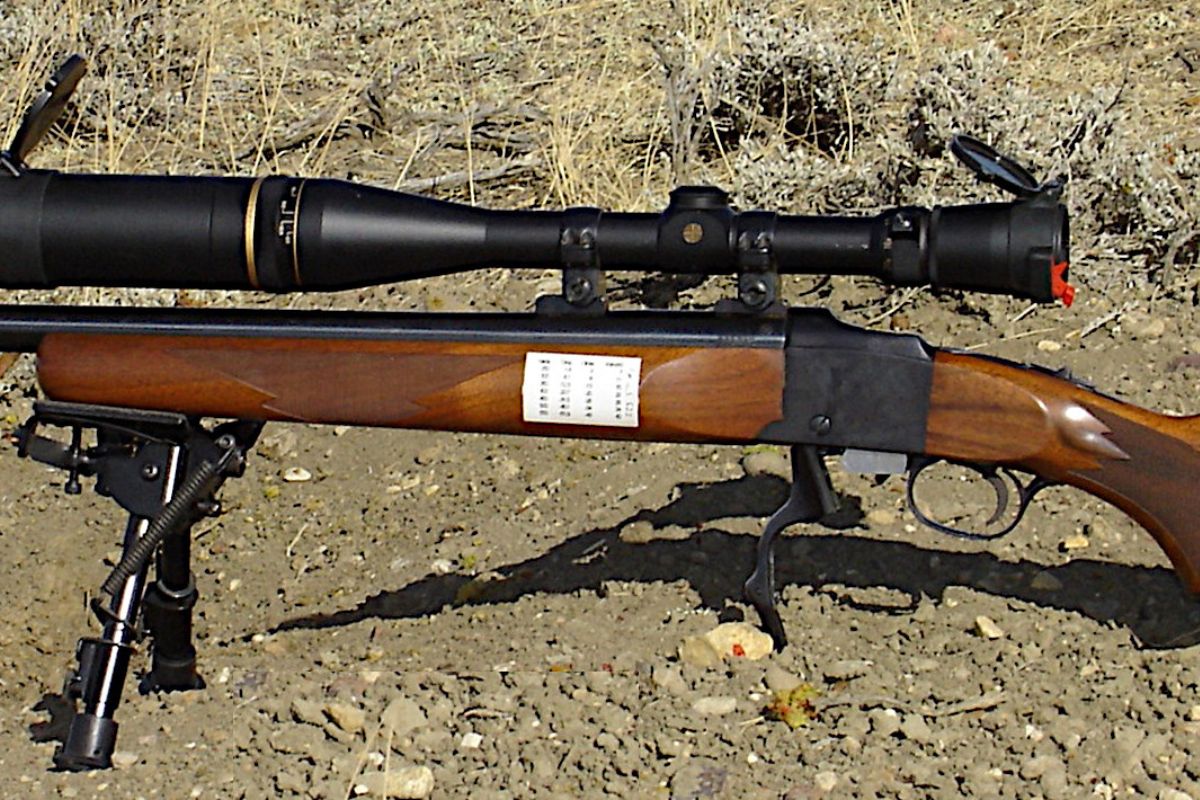
Minimalist single-shot firearms often earn admiration for simplicity and distinctive character. Online communities celebrate their mechanical elegance and nostalgic charm. Yet practical use can differ from romanticized portrayals. Slow reloading and limited versatility may challenge users expecting broader functionality. Ergonomics and recoil characteristics vary widely depending on design. While perfectly suited for specific purposes, these firearms sometimes disappoint buyers influenced by aesthetics rather than application. The novelty factor that drives online enthusiasm does not always sustain long-term satisfaction. Realistic expectations prove essential when evaluating such specialized platforms.
Extremely Lightweight Defensive Revolvers
Extremely lightweight defensive revolvers frequently attract attention for portability and discreet carry potential. Marketing often highlights comfort and convenience advantages. In practice, low mass can intensify recoil, influencing shooting comfort more than anticipated. Short grips and compact dimensions may reduce perceived control. Trigger characteristics can also require adaptation. These factors do not undermine reliability, but they reshape the ownership experience. Buyers expecting effortless handling sometimes discover that lightweight designs demand greater technique. Online praise rarely conveys how dramatically weight influences shooting dynamics. The result is a familiar pattern where enthusiasm meets unexpected reality.