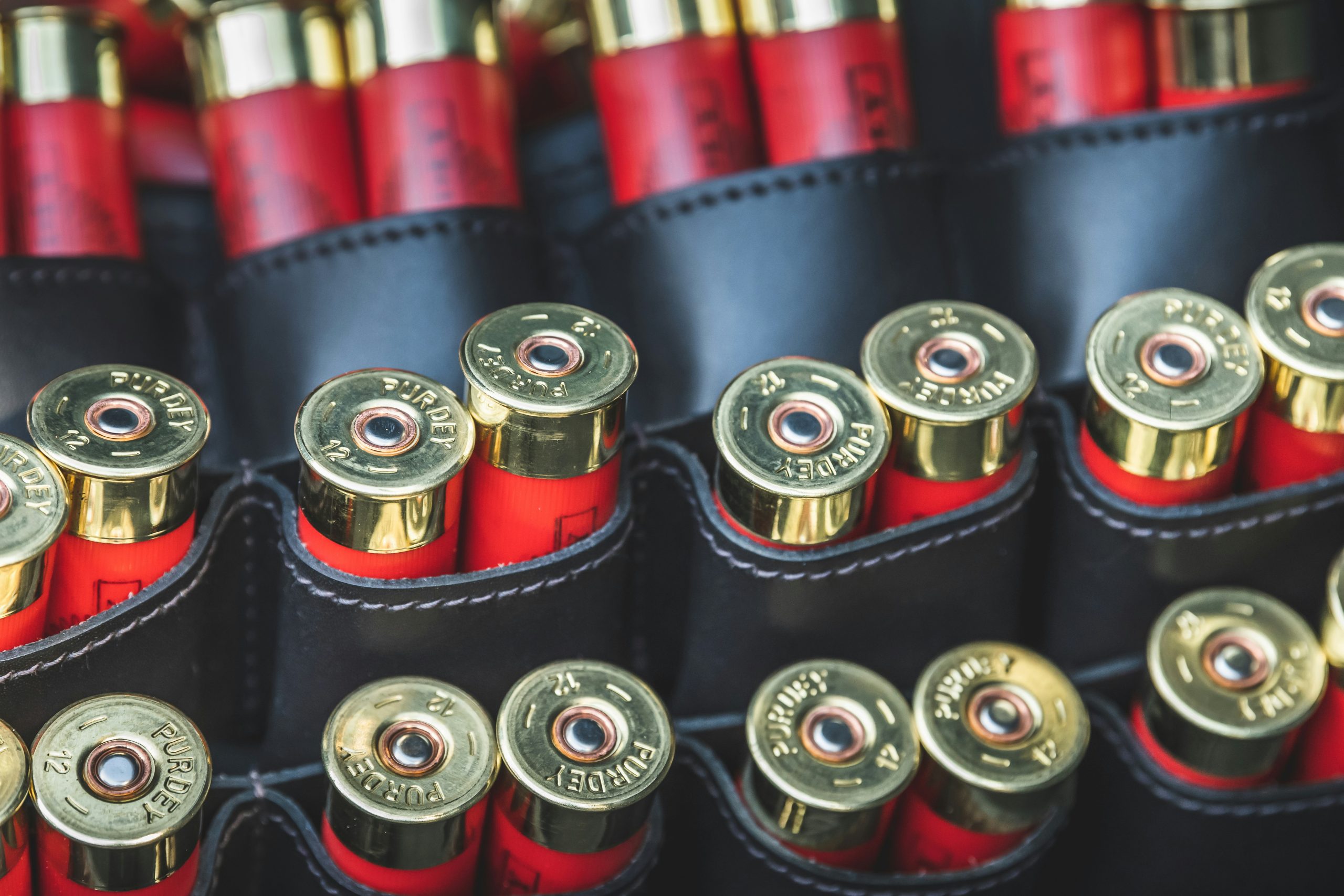
Walk into almost any gun store in America, and you will hear the same handful of calibers recommended again and again. Marketing, military contracts, and decades of advertising have quietly shaped what shooters believe are the “best” options. Yet behind the scenes, many experienced armorers, historians, and ballistics researchers know the story is far more complicated. Some cartridges were overshadowed by politics, others by manufacturing economics, and a few simply threatened to outperform the calibers that companies were already heavily invested in producing. Over time, certain rounds gained reputations that never matched their real performance, while others disappeared despite impressive capabilities. Understanding these overlooked or misunderstood calibers reveals how technology, logistics, and marketing quietly influence what ends up in civilian gun cabinets and military arsenals alike.
1. .41 Remington Magnum
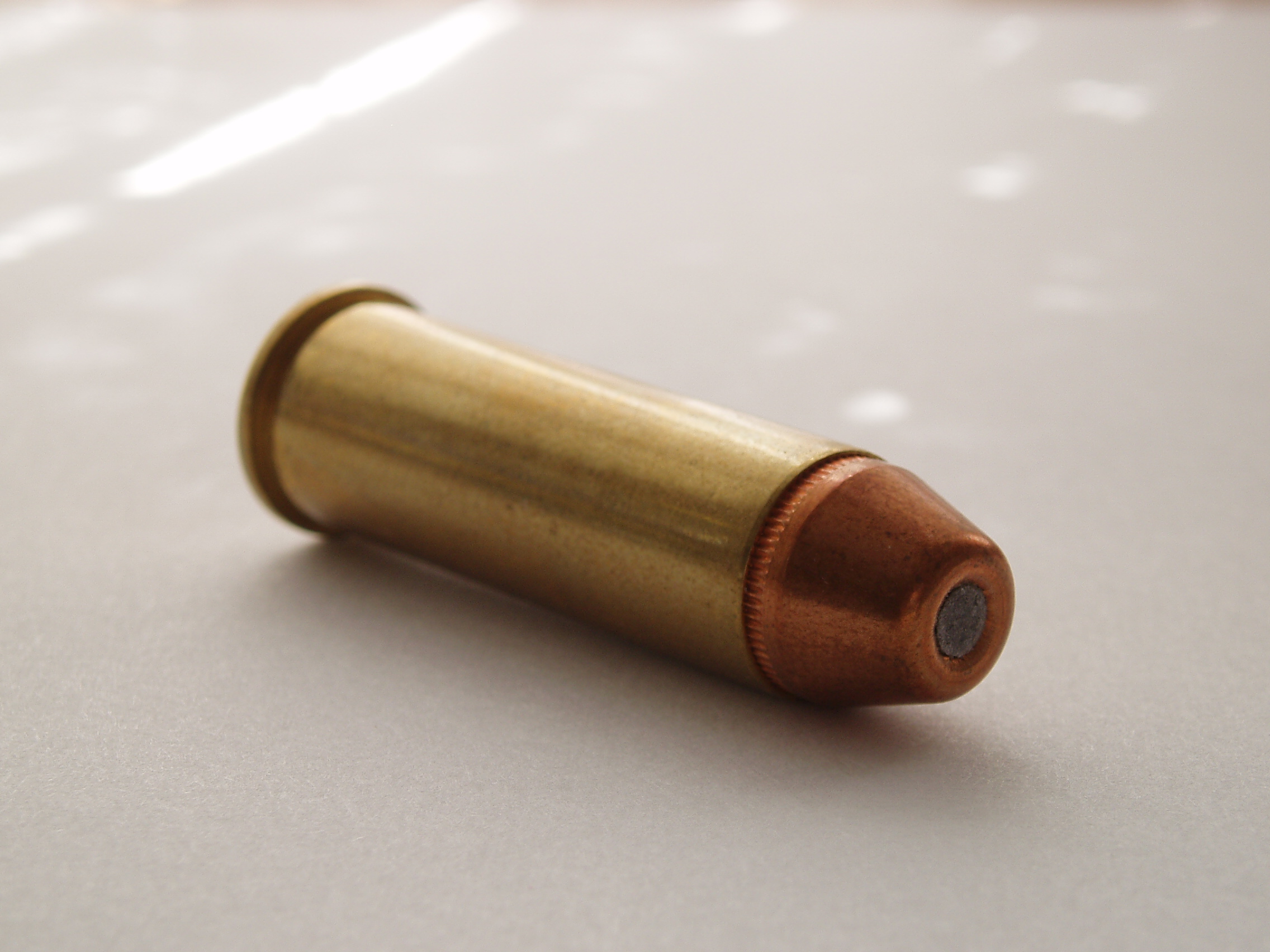
When the .41 Remington Magnum appeared in the mid-1960s, it was meant to solve a problem that law enforcement agencies struggled with for years. The powerful .44 Magnum was often considered excessive for police duty, while the .357 Magnum sometimes lacked the deep penetration officers wanted in certain situations. The .41 Magnum landed perfectly between those two extremes. It delivered excellent energy, strong penetration, and manageable recoil when loaded properly. However, the cartridge arrived at the wrong time. Departments were already transitioning away from revolvers, and gun manufacturers focused their marketing around existing magnum lines. As a result, the .41 Magnum quietly faded from mainstream attention despite its balanced performance and loyal following among experienced handgun hunters.
2. 10mm Auto
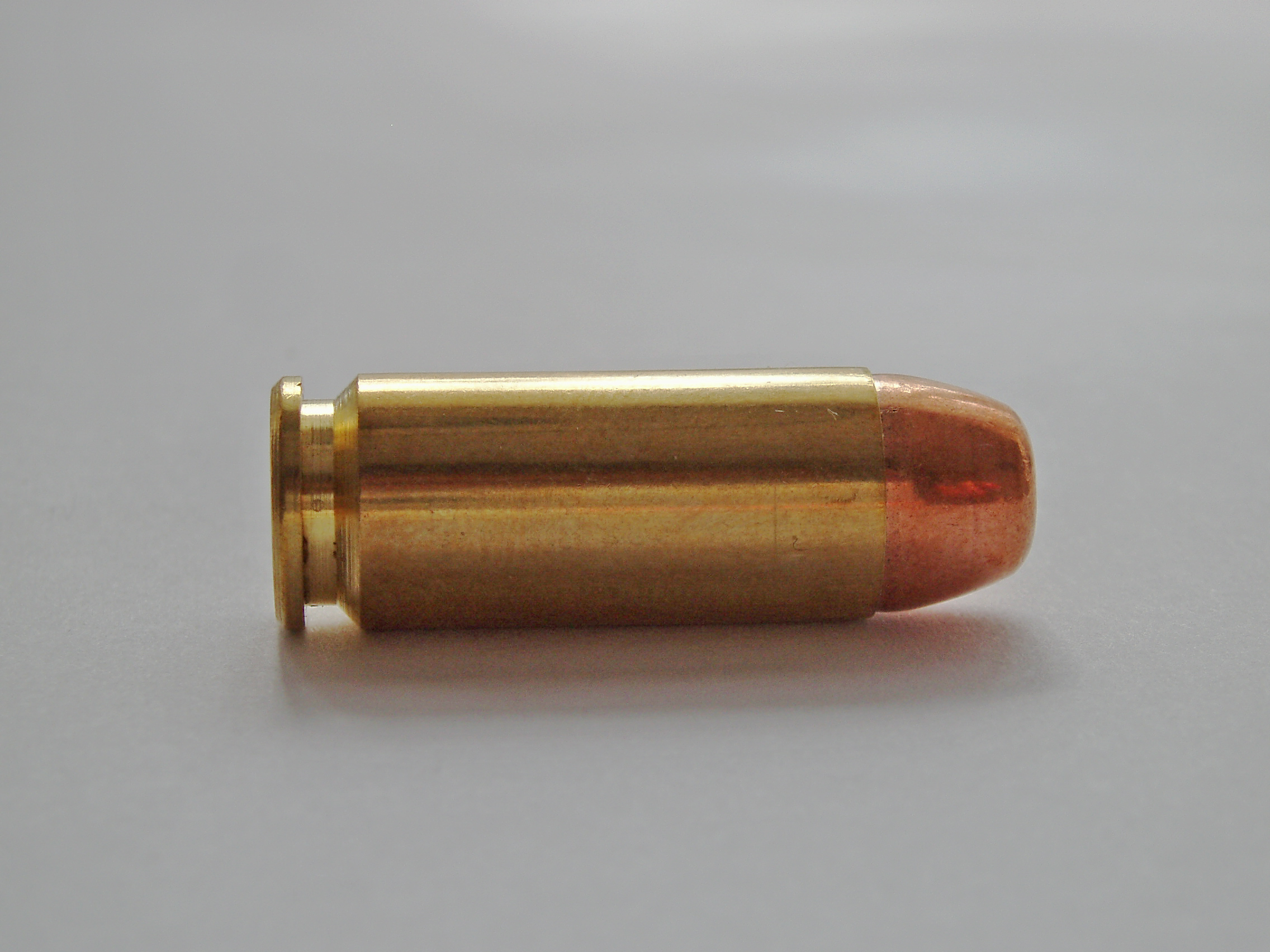
The 10mm Auto briefly gained enormous attention during the late 1980s when it was adopted by federal law enforcement after extensive ballistic testing. On paper, the cartridge delivered impressive velocity, strong penetration, and significantly higher energy than the 9mm. In many ways, it was exactly what ballistic experts wanted in a service pistol. Yet its downfall came from practicality. Early pistols chambered for 10mm were large; recoil was sharper than many shooters preferred, and training costs increased. Agencies eventually reduced the cartridge’s power, which later evolved into the .40 S&W. Ironically, modern handgun designs now handle full-power 10mm loads much better, and many shooters are rediscovering how capable the cartridge truly is in both defensive and outdoor roles.
3. .327 Federal Magnum
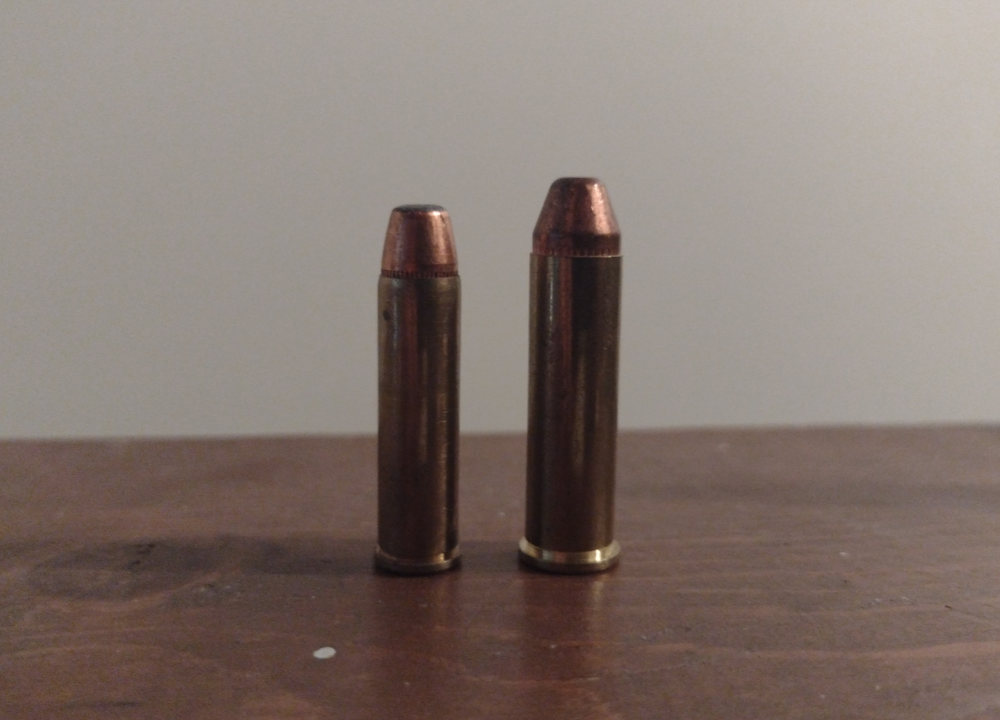
The .327 Federal Magnum is one of the most technically impressive revolver cartridges introduced in recent decades, yet it remains surprisingly uncommon. Developed to deliver magnum-level velocity in smaller revolvers, the cartridge pushes lightweight bullets at extremely high speeds while producing less recoil than larger magnums. An additional advantage is capacity. Because the round is narrower than traditional .38 or .357 cartridges, revolvers can often hold an extra round in the cylinder. Despite these advantages, the caliber never received widespread marketing support. Many shooters were already comfortable with established revolver cartridges, and retailers rarely promoted the .327’s unique benefits. Those who use it regularly, however, often praise its remarkable balance of speed, controllability, and energy.
4. .224 Valkyrie
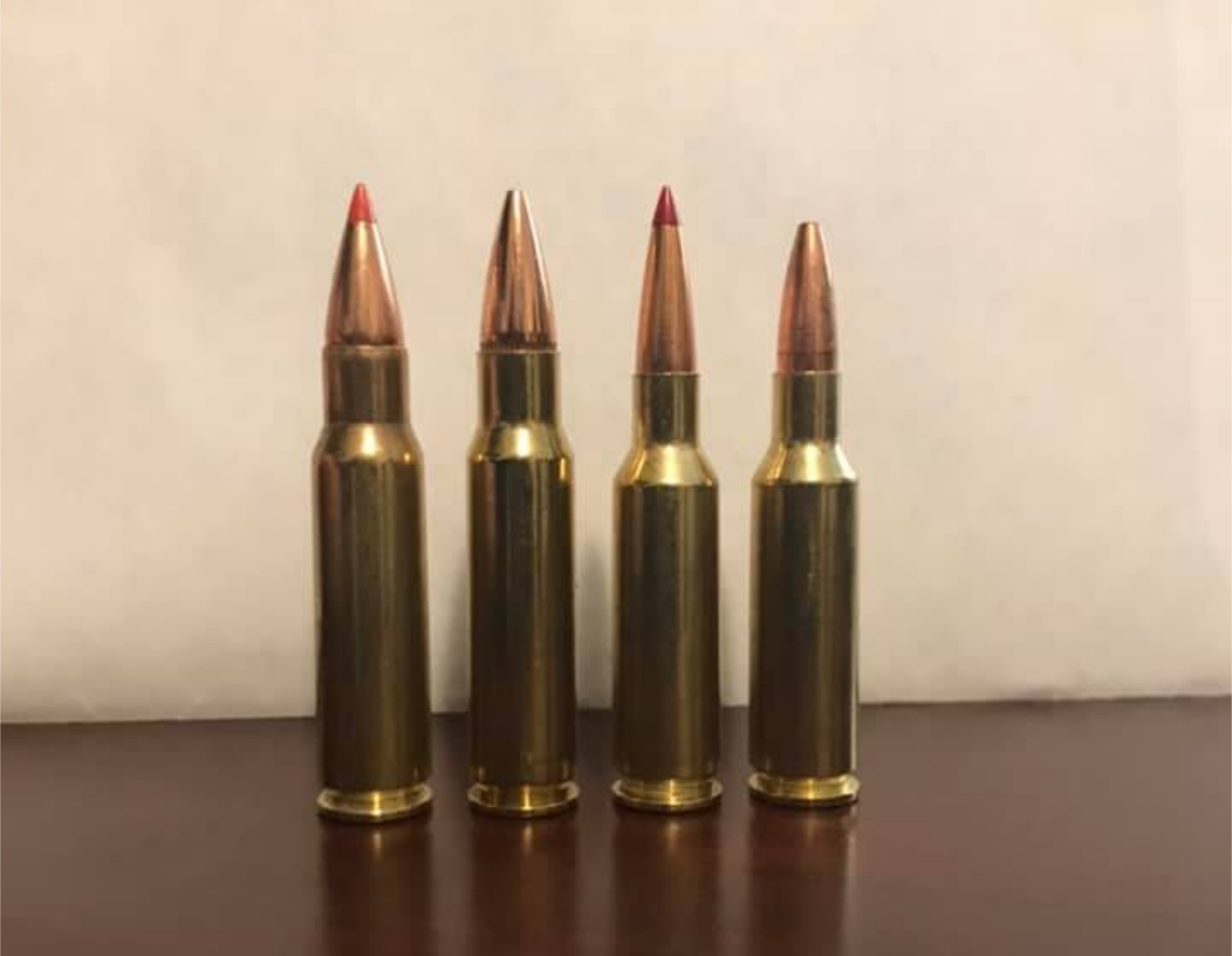
When the .224 Valkyrie was introduced, it promised something ambitious: extremely long-range performance from the compact AR-15 platform. Designed around heavy, high-ballistic-coefficient bullets, the cartridge allowed shooters to reach distances that previously required larger rifle calibers. Early enthusiasm was enormous, especially among competitive shooters and long-range enthusiasts. However, the cartridge’s reputation suffered due to inconsistent early rifle barrels and ammunition loads that failed to deliver the advertised accuracy. As those problems were gradually corrected, many shooters began to realize the design itself was never the issue. In capable rifles with optimized loads, the .224 Valkyrie can still achieve remarkable long-distance performance while maintaining the light recoil and efficiency that made the AR-15 platform so popular.
5. .45 GAP
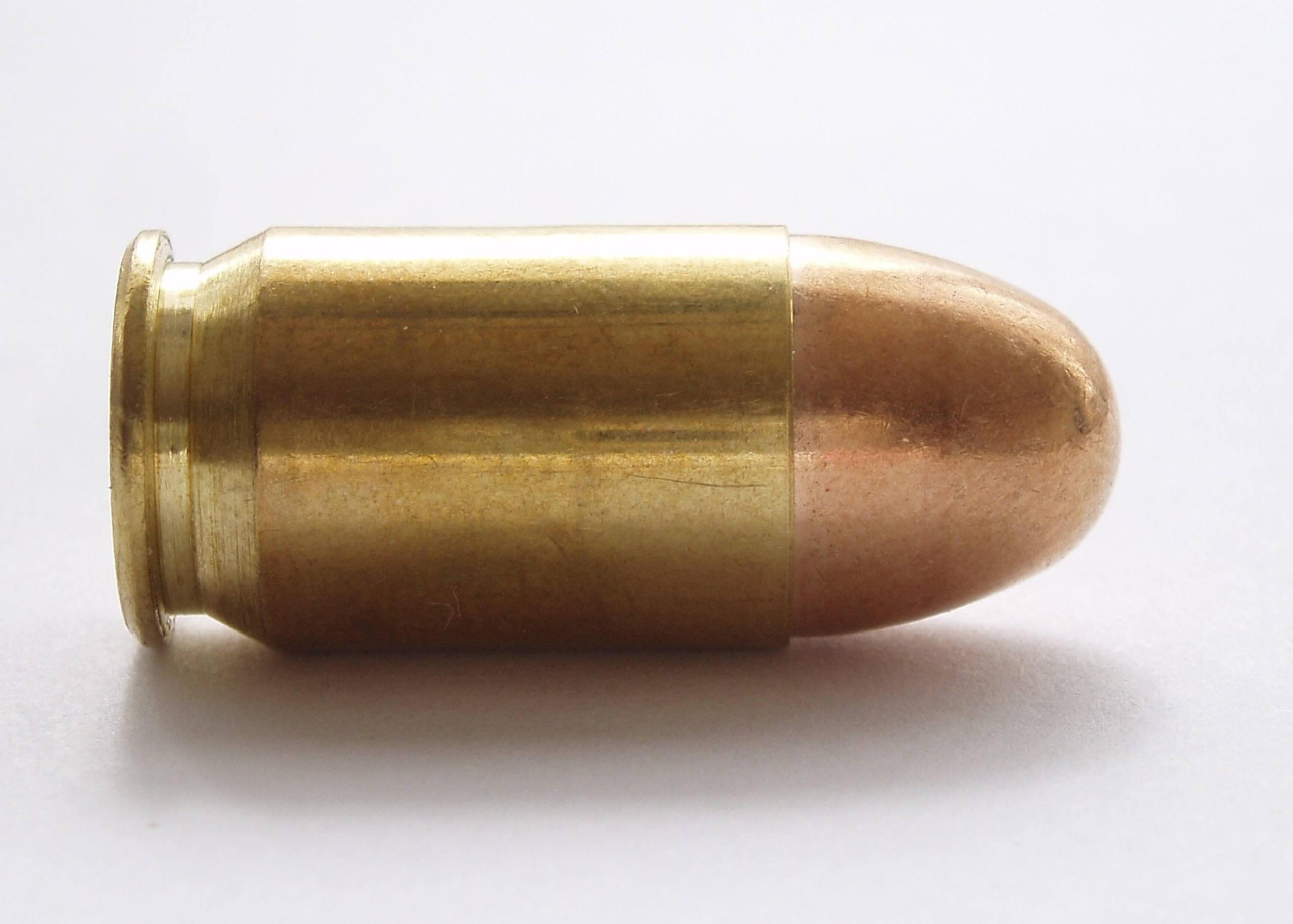
The .45 GAP, or Glock Automatic Pistol cartridge, was designed with a specific goal in mind: delivering .45-caliber performance from a shorter handgun frame. By shortening the case and increasing operating pressure, engineers managed to replicate the ballistic performance of the classic .45 ACP while allowing for more compact pistol designs. In theory, it solved a real ergonomic problem for shooters with smaller hands. Yet the cartridge faced an uphill battle from the start. Ammunition availability remained limited, and most shooters were already deeply invested in the century-old .45 ACP ecosystem. Without widespread manufacturer support or strong civilian demand, the .45 GAP gradually became a niche caliber despite achieving exactly what its designers intended.
6. 6.5 Grendel
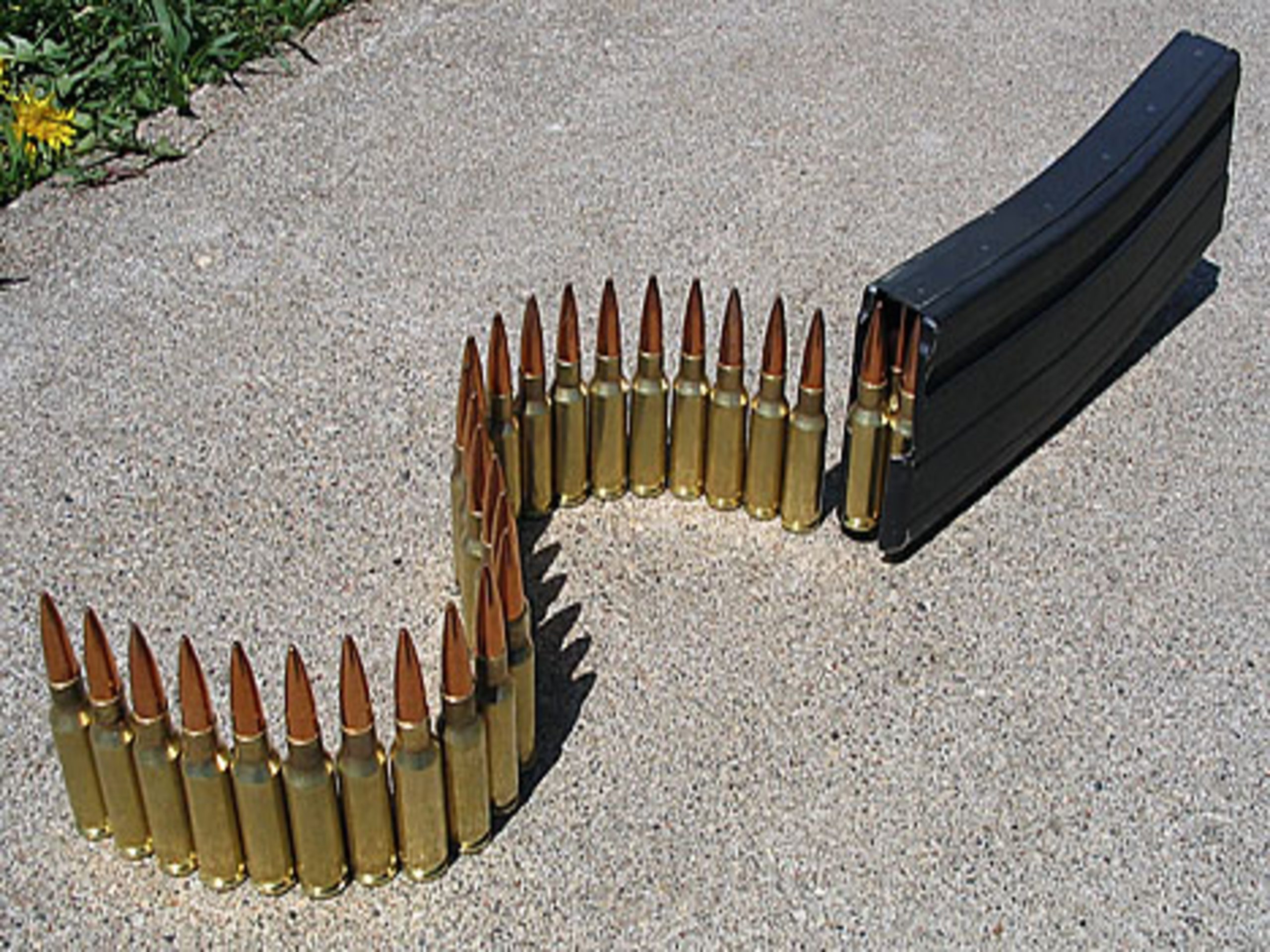
The 6.5 Grendel quietly built a reputation among experienced shooters as one of the most efficient cartridges ever designed for the AR-15 platform. While the popular 5.56 NATO excels at light recoil and high capacity, the Grendel focuses on improved ballistic performance at medium and extended ranges. Its heavier, aerodynamically efficient bullets retain energy far better than typical 5.56 projectiles. This gives the cartridge stronger performance for hunting and long-distance shooting without requiring a larger rifle platform. Despite these advantages, it remained somewhat overshadowed by the explosive popularity of 5.56 and later cartridges like 6.5 Creedmoor. Among those who use it regularly, however, the Grendel is often described as one of the most practical upgrades available for AR-style rifles.
7. .357 SIG
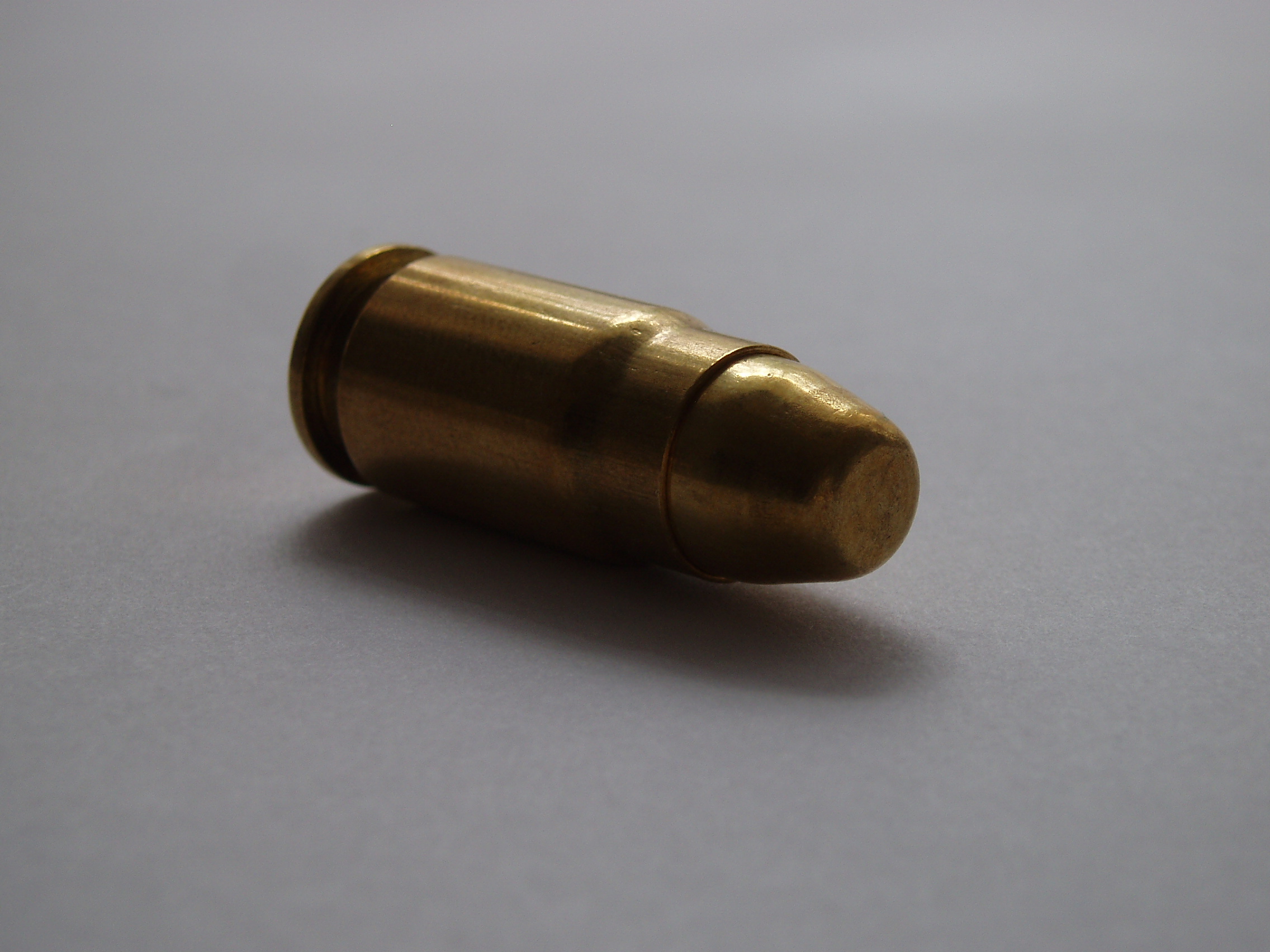
The .357 SIG was developed to replicate the famous stopping power of the .357 Magnum revolver cartridge in a semi-automatic pistol platform. By necking down a .40-caliber case to hold a 9mm projectile, engineers created a round capable of very high velocities and excellent barrier penetration. Law enforcement agencies adopted it for a time because of its consistent performance through windshields and other intermediate obstacles. Yet the cartridge’s sharp recoil, louder report, and higher ammunition cost prevented widespread civilian adoption. Over time, improved modern 9mm ammunition narrowed the performance gap significantly. Even so, the .357 SIG remains one of the most technically fascinating service pistol cartridges ever developed.
8. 5.7×28mm
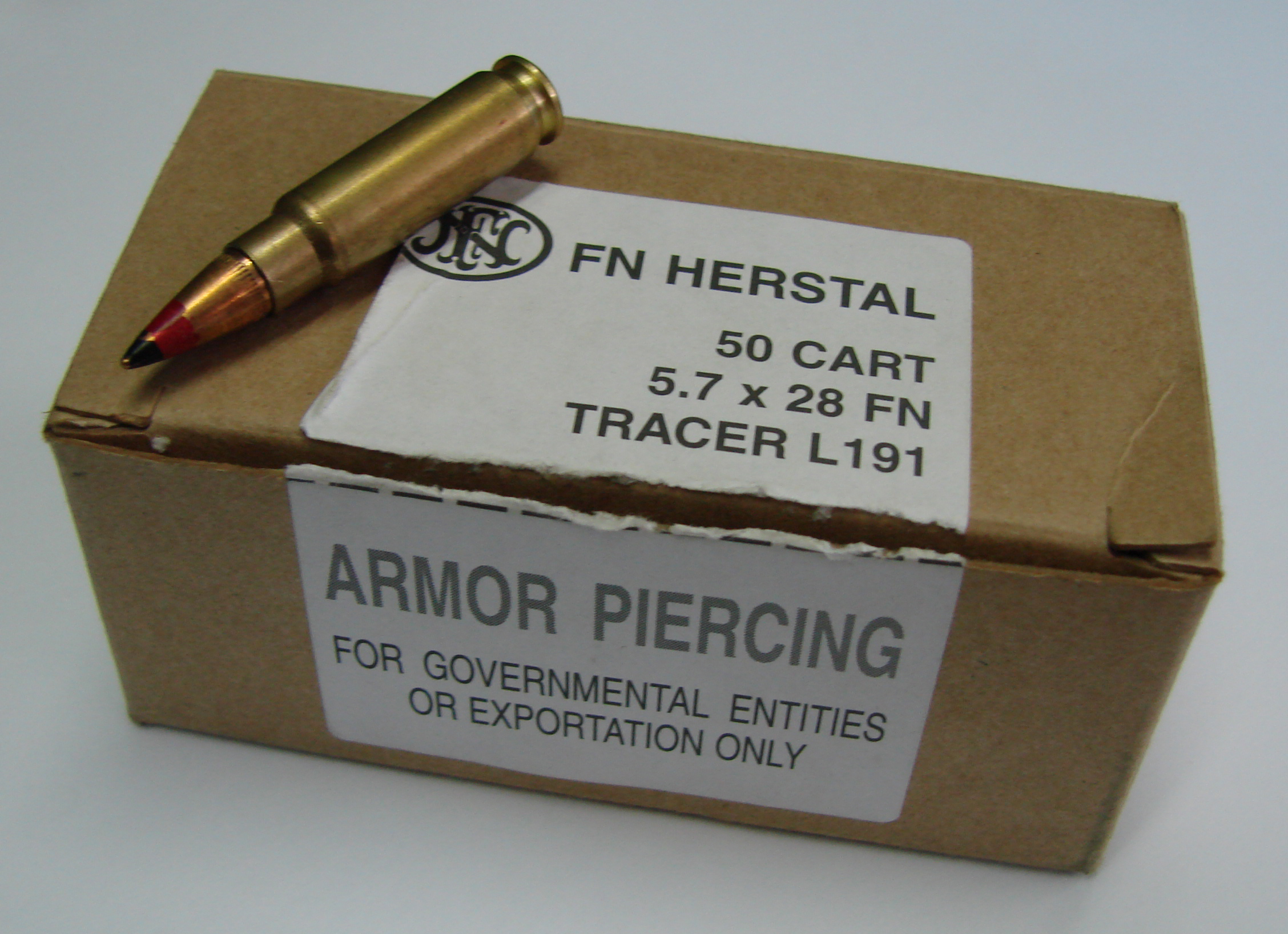
The 5.7×28mm cartridge was originally designed for specialized military and defensive applications where low recoil, high velocity, and compact weapon systems were essential. Fired from lightweight firearms, the cartridge produces minimal recoil while achieving impressive speeds. This allows shooters to maintain excellent control during rapid fire. The round also offers a flatter trajectory than many traditional handgun calibers. Despite these advantages, civilian understanding of the cartridge has often been clouded by myths and controversy. Some critics dismissed it as underpowered, while others exaggerated its capabilities. In reality, the 5.7×28mm occupies a unique niche between handgun and rifle cartridges, offering performance characteristics that few other rounds can match.
9 .30 Carbine
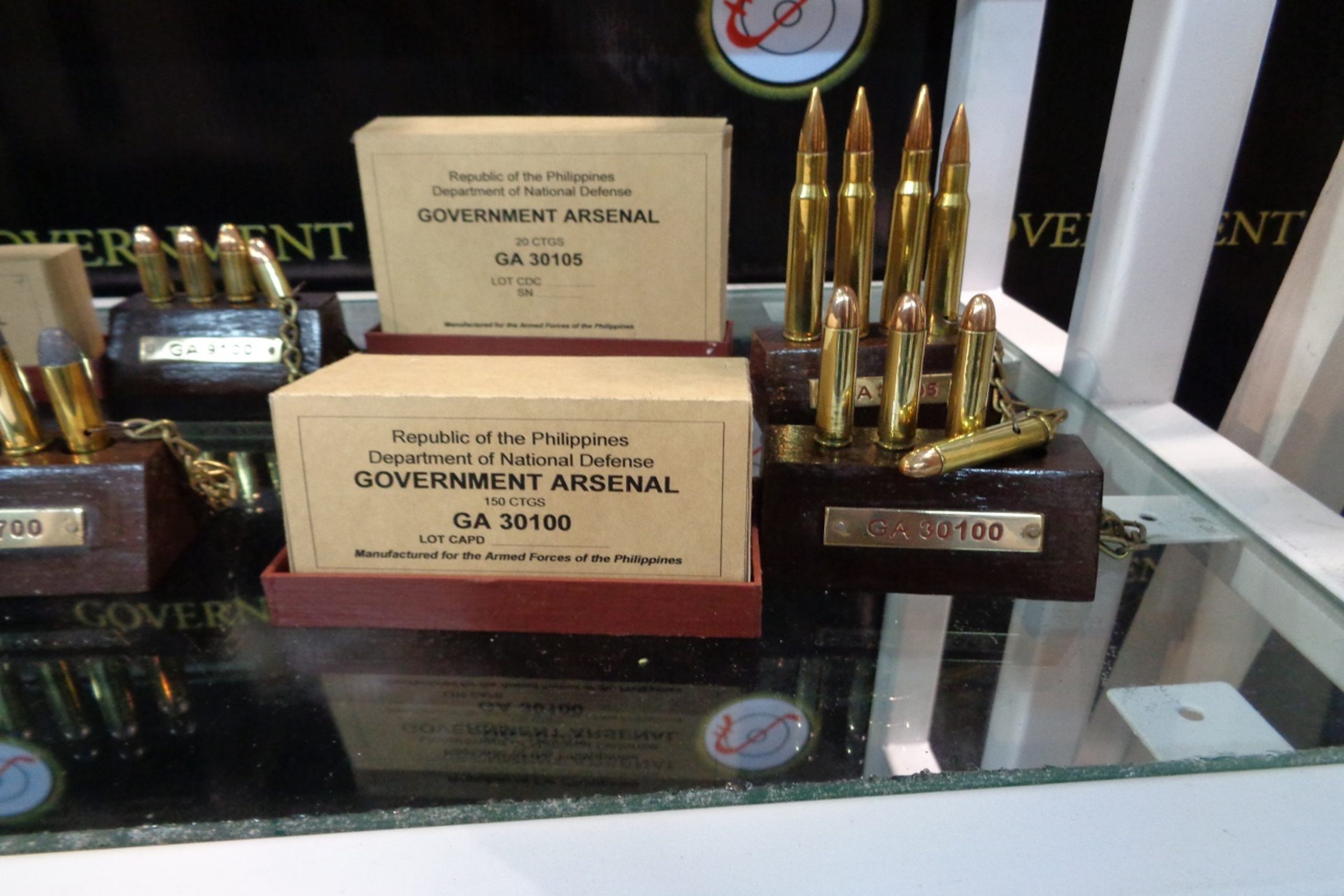
The .30 Carbine is often misunderstood because of the unusual firearm it was created for during World War II. Designed for the lightweight M1 Carbine rifle, the cartridge offered soldiers a compact weapon that was easier to carry than a full-size battle rifle. While critics later compared its performance unfavorably to larger military cartridges, that comparison missed the original design purpose entirely. The .30 Carbine was never meant to replace traditional rifles. Instead, it filled the gap between pistols and full-power rifles, offering better range and accuracy than handguns with far less recoil than larger service rifles. In many ways, it anticipated the modern concept of lightweight intermediate-cartridge firearms decades ahead of its time.
10. 6.8 SPC
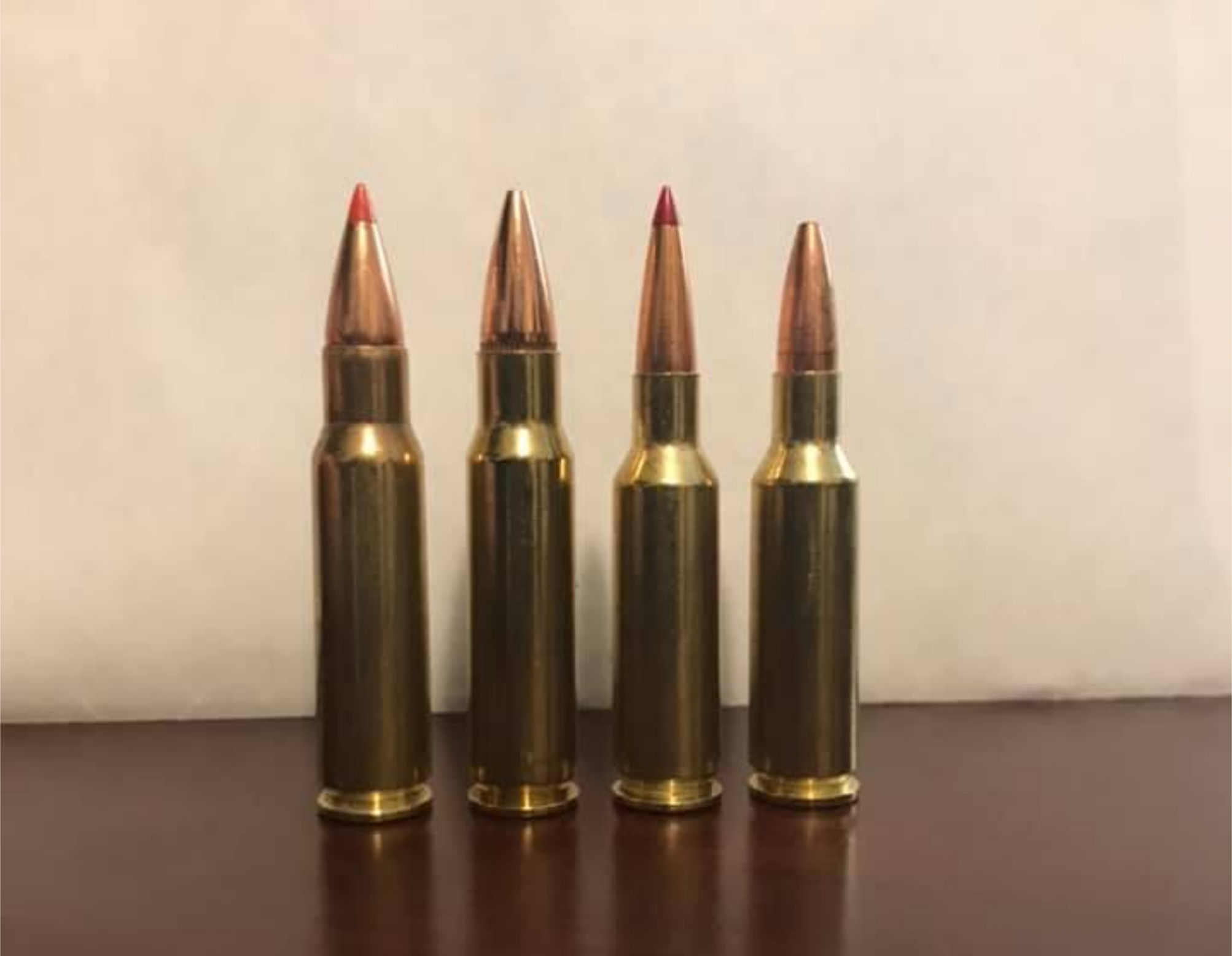
The 6.8 SPC, or Special Purpose Cartridge, emerged from military research that sought improved performance over the standard 5.56 NATO round in close and medium-range combat scenarios. Developed with input from soldiers and ballistic engineers, the cartridge delivered heavier bullets and stronger terminal energy while still functioning within modified AR-15 platforms. Early versions struggled due to inconsistent chamber specifications and underpowered commercial ammunition, which limited their potential. Over time, updated designs and improved loads corrected many of these issues. Despite never fully replacing 5.56 in military service, the 6.8 SPC remains highly respected among hunters and shooters who appreciate its balance of recoil, accuracy, and real-world effectiveness.
11. .220 Swift
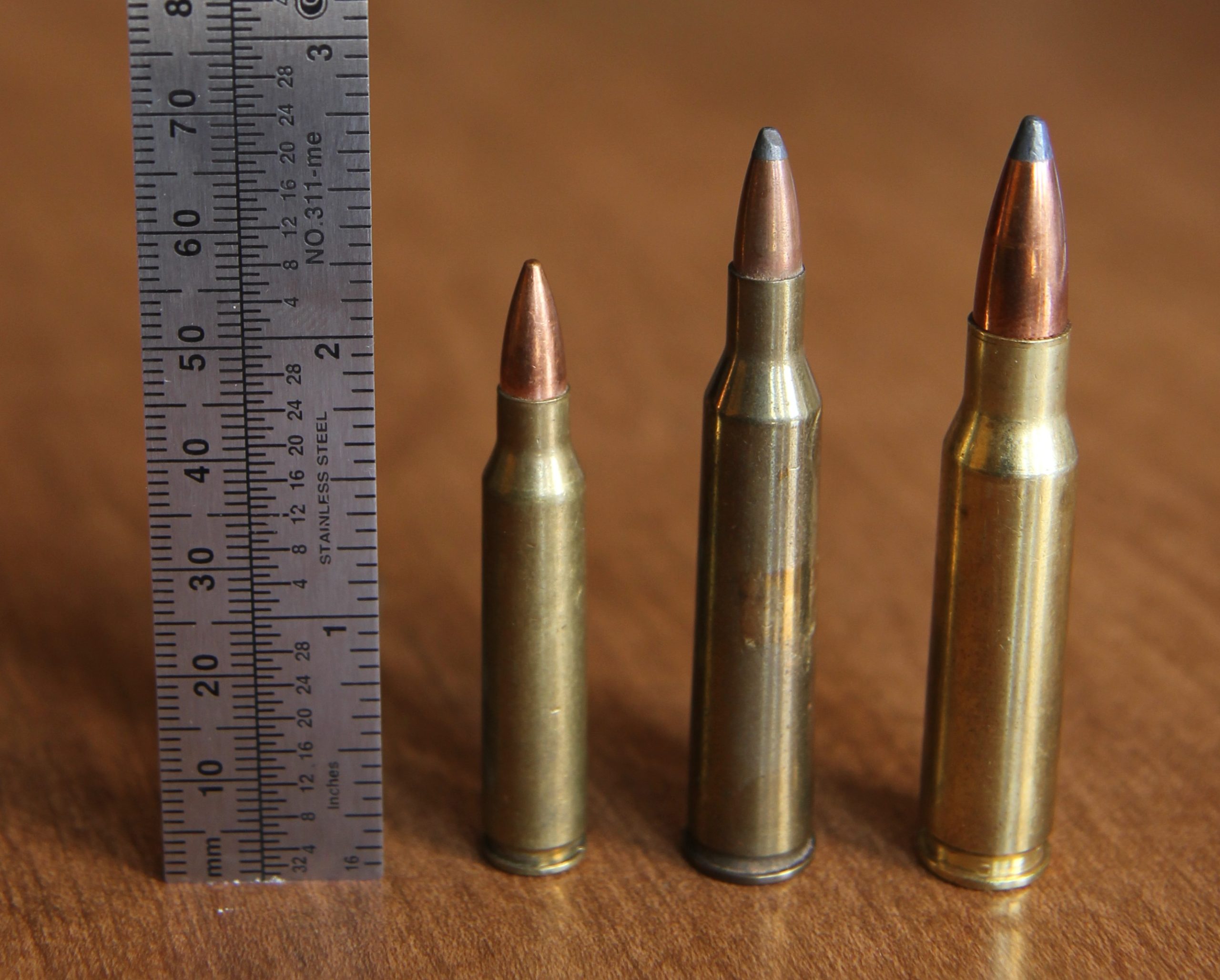
The .220 Swift once held the title of the fastest commercial rifle cartridge in the world. Introduced in the 1930s, it pushed lightweight bullets to astonishing velocities that were unheard of at the time. The cartridge quickly gained popularity among varmint hunters because of its extremely flat trajectory and explosive impact on small targets at long distances. However, early rifles sometimes experienced rapid barrel wear due to the intense speeds and heat generated by the cartridge. Over time, that reputation overshadowed its remarkable accuracy and long-range potential. Modern barrel materials and improved powders have largely addressed those early concerns, yet the .220 Swift remains an overlooked legend in the world of high-velocity rifle cartridges.