The Evolution of Glock: A Look at All 5 Generations showcases how one company changed the firearms industry forever. Gaston Glock introduced his polymer masterpiece in the early eighties and silenced critics who doubted plastic could withstand combat. Each subsequent iteration refined the original design based on feedback from police officers and military units around the globe. Engineers focused on reliability and durability while slowly improving ergonomics to fit a wider range of hand sizes. This guide explores the specific changes that defined each era of production history. It highlights the relentless pursuit of mechanical perfection that continues today.
Generation 1
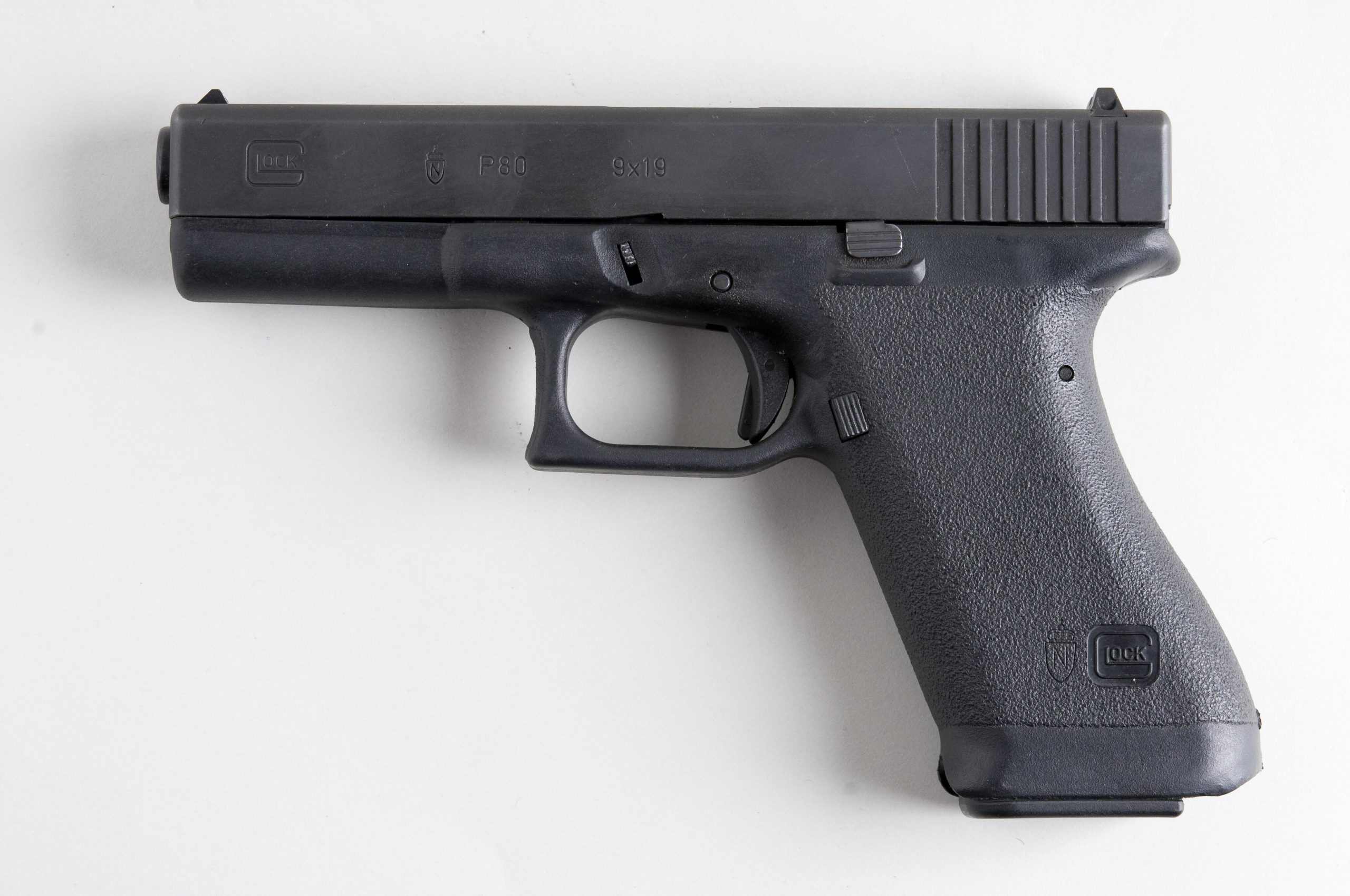
Generation 1 marked the arrival of the legendary Glock 17, which immediately disrupted the revolver-dominated market. These early pistols featured a distinct pebble texture on the grip frame that wrapped completely around the handle. The skinny barrel profile and simple two-pin construction made them incredibly lightweight and easy to manufacture quickly. Collectors prize these original models today because few remain in pristine condition after decades of hard use. The smooth dust cover lacked an accessory rail, which gave the gun a sleek and uncluttered appearance. It established the baseline for reliability that every future model would follow.
Generation 2
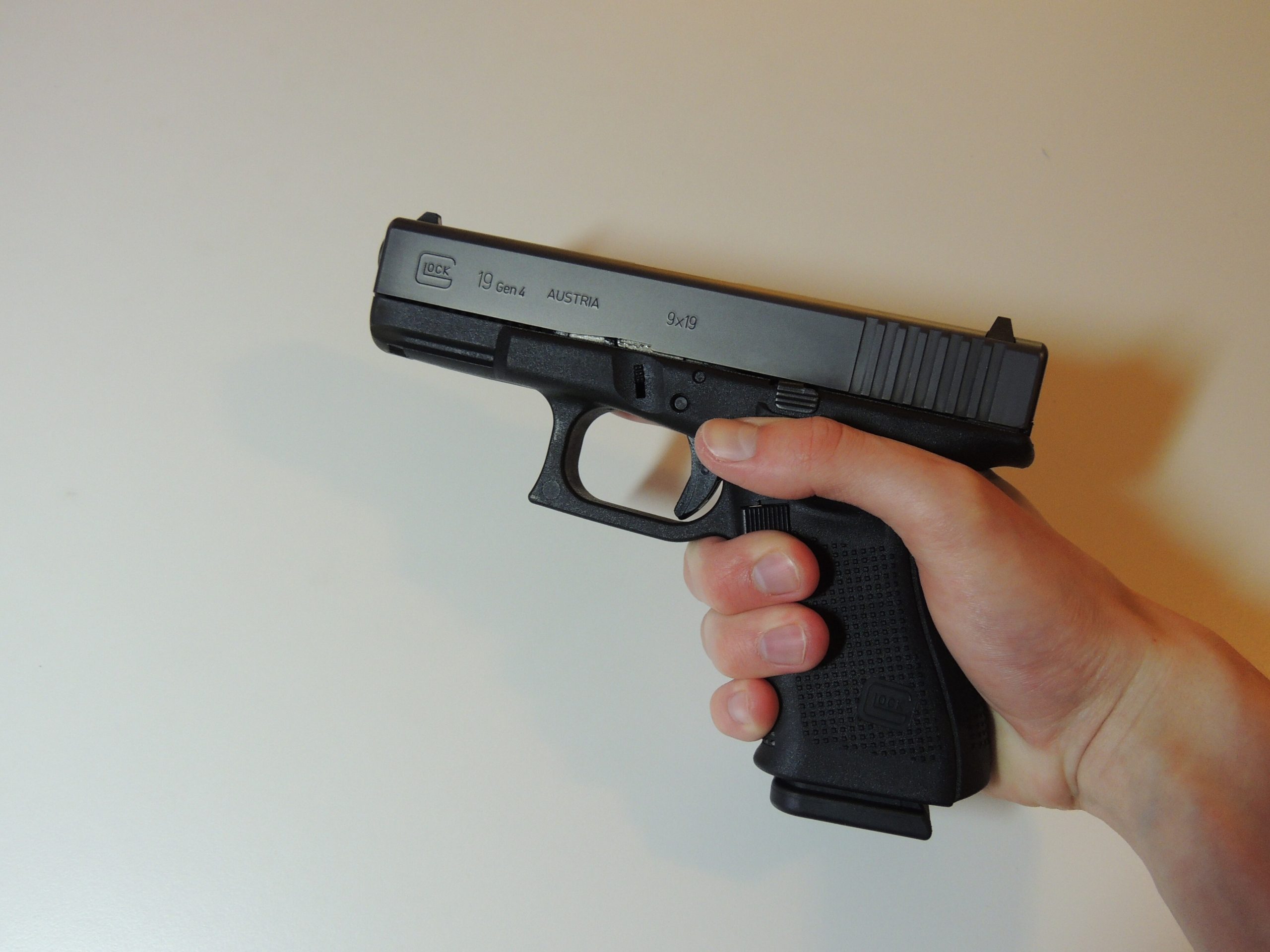
The release of Generation 2 saw the expansion of the line to include the compact Glock 19 and the caliber-diversified Glock 22. Engineers added checkering to the front strap and back strap to improve traction during rapid-fire sequences. A steel serial number plate was embedded into the dust cover to comply with new federal import regulations. Internally, the recoil spring assembly was upgraded to a captured unit, which simplified field stripping and maintenance significantly. This era proved that the platform could handle the snappy recoil of the forty caliber Smith and Wesson cartridge without failing.
Generation 3
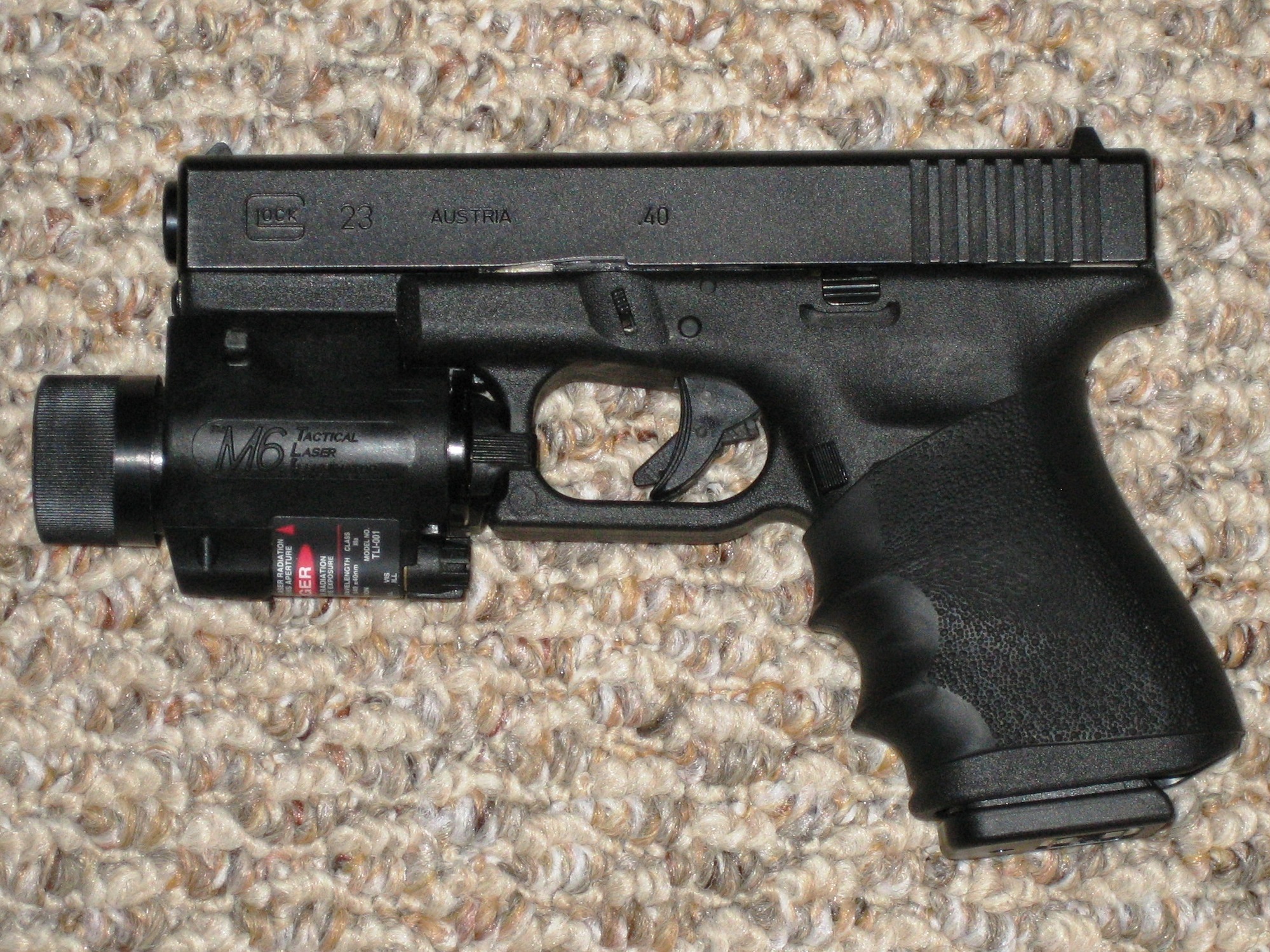
Generation 3 brought the most significant visual changes with the addition of the Universal Glock Rail for mounting lights. The introduction of the subcompact Glock 26 and the tactical Glock 34 demonstrated the versatility of the updated frame. Finger grooves were added to the front strap to help shooters achieve a consistent grip during high-stress situations. A second locking block pin was included above the trigger to increase durability for high-pressure ammunition types. This generation became the most widely used police service pistol in history. It remains in production today due to its immense popularity globally.
Generation 4
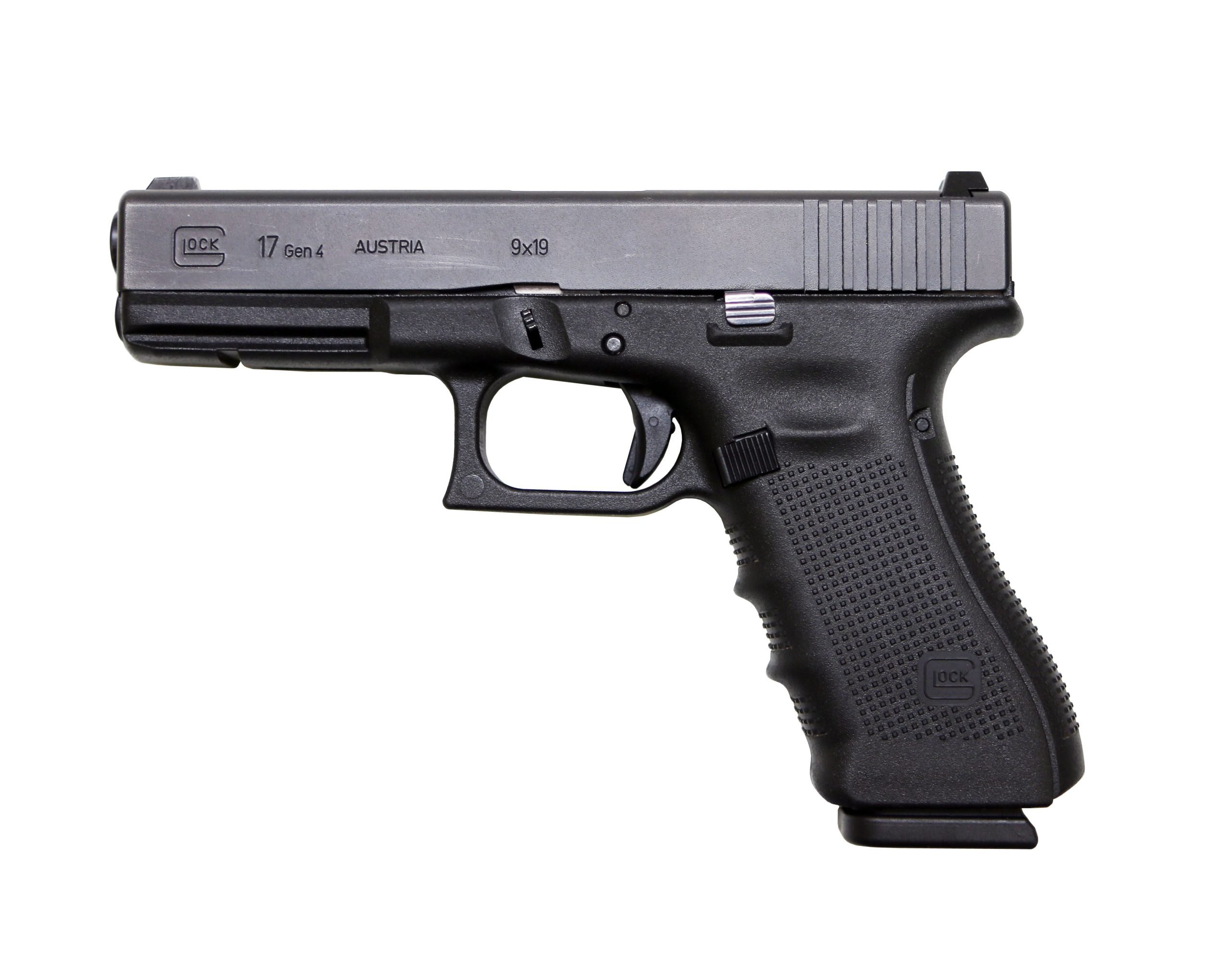
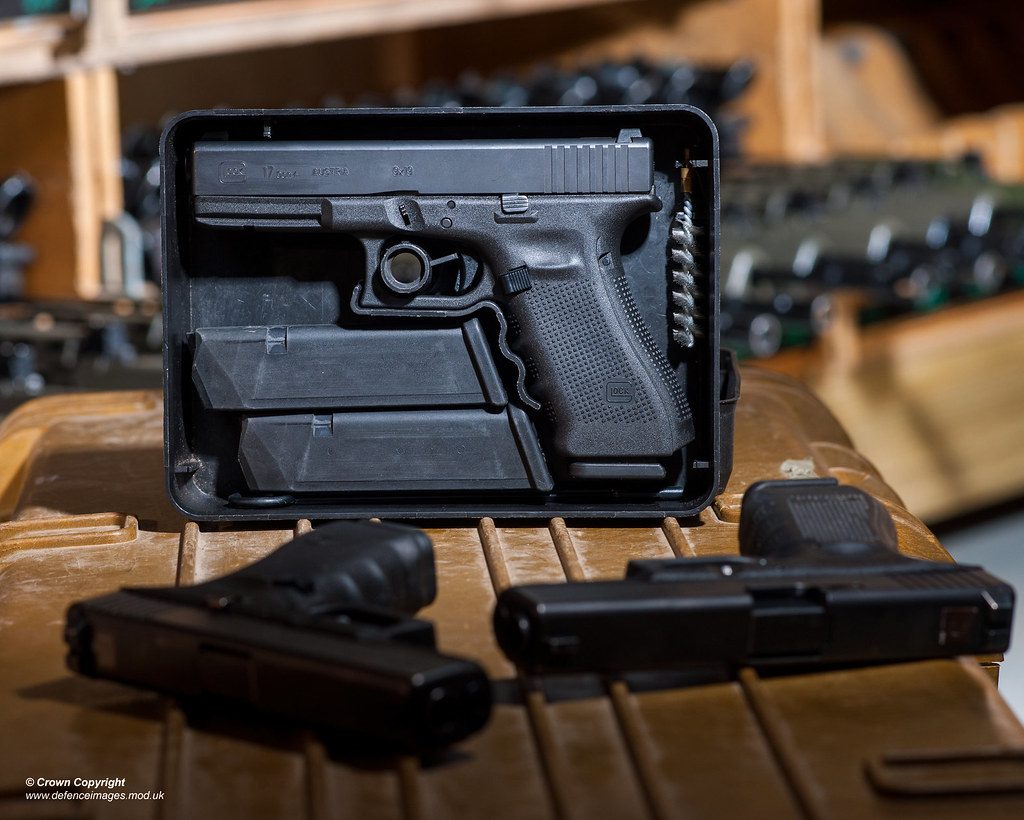
Generation 4 addressed the ergonomic complaints of shooters by introducing the Glock 17 Gen 4 with a modular backstrap system. Users could now attach different panels to change the grip circumference and trigger reach distance instantly. The texturing was updated to a more aggressive rough texture frame pattern that provided a secure hold in wet conditions. A larger magazine release button was made reversible to accommodate left-handed operators for the first time. The dual recoil spring assembly was redesigned to dampen the recoil impulse and increase service life. It represented a major leap forward in user customization.
Generation 5
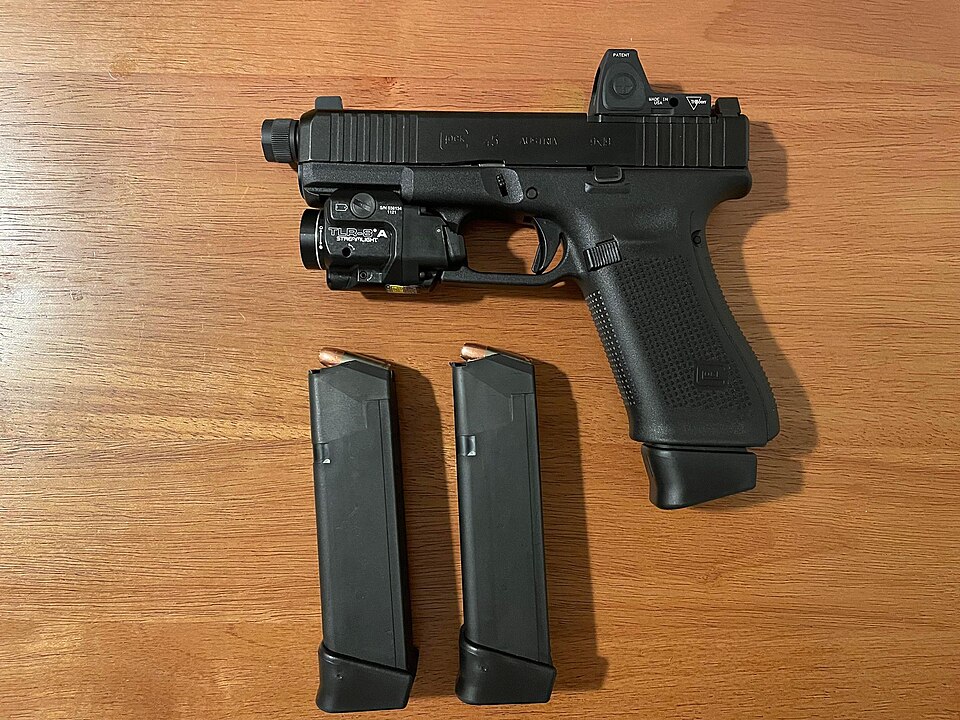
Generation 5 removed the finger grooves completely and introduced the Glock 19X and Glock 45 crossover models to the market. The slide finish was upgraded to a diamond-like coating that offered superior resistance to scratching and corrosion. A flared magazine well was added to speed up reloads during high-stress competitions or duty use. The barrel featured new marksman rifling that promised tighter groups and better accuracy with a wider variety of ammunition. Ambidextrous slide stop levers were included to make the weapon truly friendly for all shooters. It combines classic lines with modern mechanical enhancements.