Survival advice is everywhere, passed down through stories, movies, military folklore, and now endless online content. The problem is that not all survival wisdom is grounded in reality. Some ideas sound tough, heroic, or reassuring, which makes them easy to believe and hard to question. In real emergencies, however, these myths can push people toward choices that increase risk instead of reducing it. True survival is rarely dramatic. It depends on clear thinking, energy management, and understanding how the human body and environment actually behave under stress. Many fatal mistakes happen not because people lack effort, but because they trusted ideas that felt right rather than those that worked. This article examines eight common survival myths that persist despite evidence to the contrary, explaining why they are dangerous and how they can quietly lead people toward decisions that cost lives in real-world survival situations.
1. You Must Keep Moving at All Costs
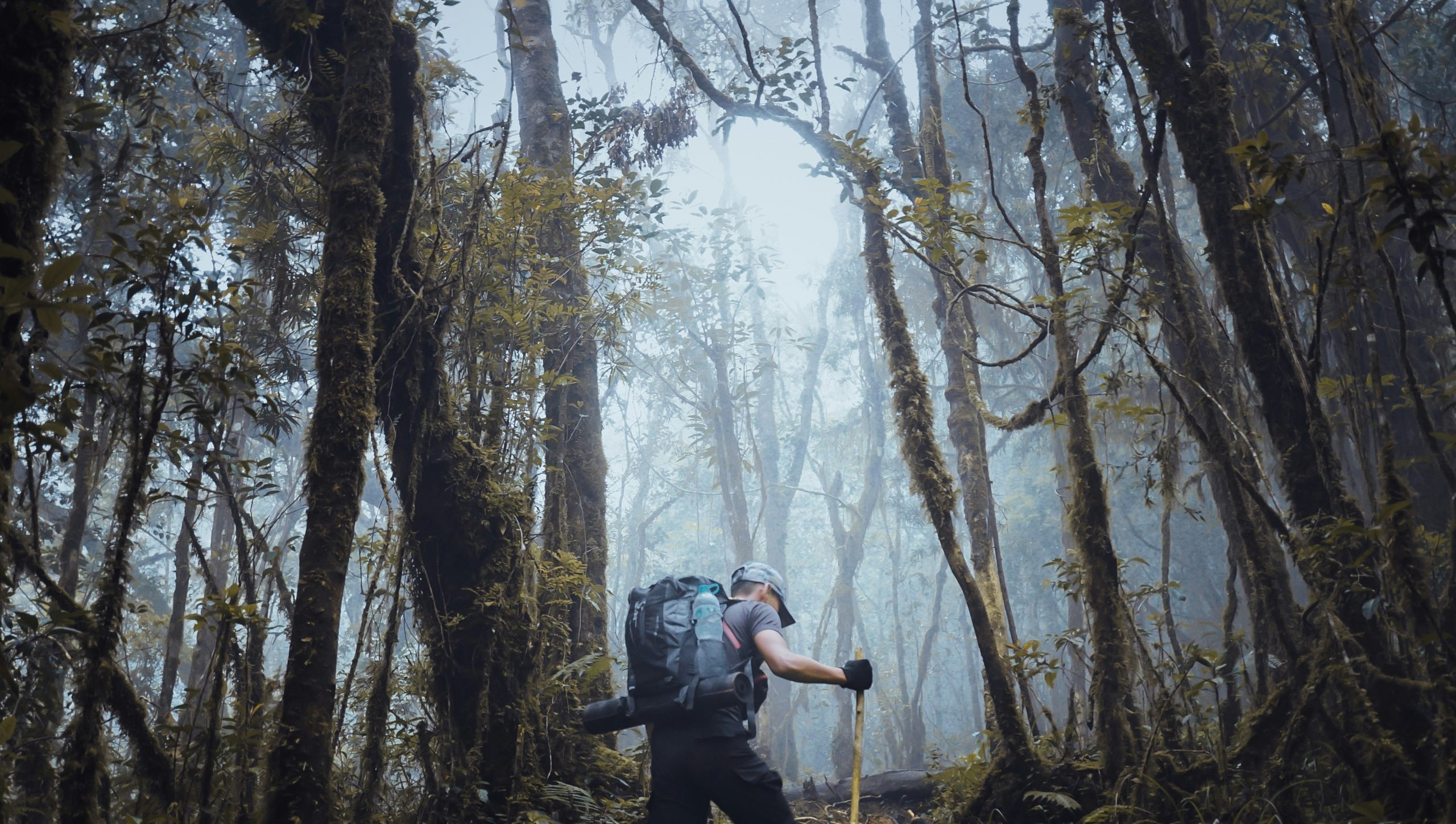
One of the most dangerous survival myths is the belief that constant movement increases chances of rescue. Movies often show characters pushing forward relentlessly, but in reality, unnecessary movement wastes calories, water, and mental clarity. When people are lost, they frequently walk in circles without realizing it, increasing the distance from known locations. Fatigue sets in quickly, making injuries more likely and judgment worse. In many cases, staying put after establishing shelter and signaling improves survival odds, especially when search efforts are underway. Movement should be deliberate, informed, and limited. This myth persists because action feels productive during panic. However, survival favors conserving energy and reducing variables. Moving simply to feel proactive often turns manageable situations into life-threatening ones by draining the very resources needed to stay alive.
2. Toughing It Out Builds Survival Strength
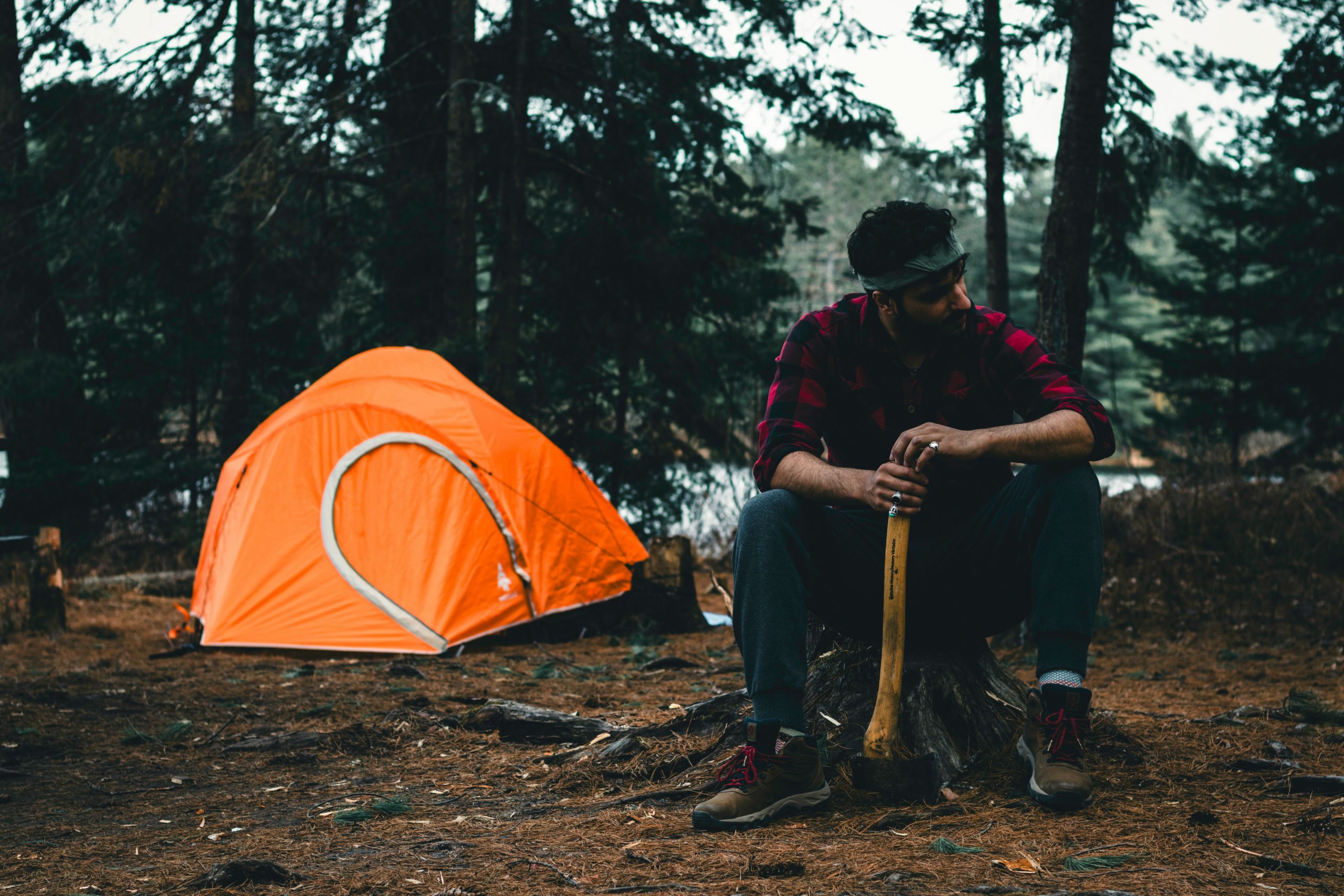
Another harmful myth is that enduring pain, hunger, or exposure without complaint makes someone more capable of surviving. While mental resilience matters, ignoring physical limits often accelerates failure. Cold injuries, dehydration, and exhaustion rarely announce themselves dramatically at first. They creep in quietly and reduce coordination, decision-making, and awareness. People who believe toughness means ignoring warning signs delay rest, shelter, or treatment until recovery becomes impossible. Survival is not a test of pride. It is a balancing act between effort and recovery. This myth is especially dangerous because it discourages adaptability. Those who rest, eat, and shelter early often outlast those who push themselves past safe limits, proving that awareness matters more than bravado.
3. You Can Rely on Finding Food Quickly
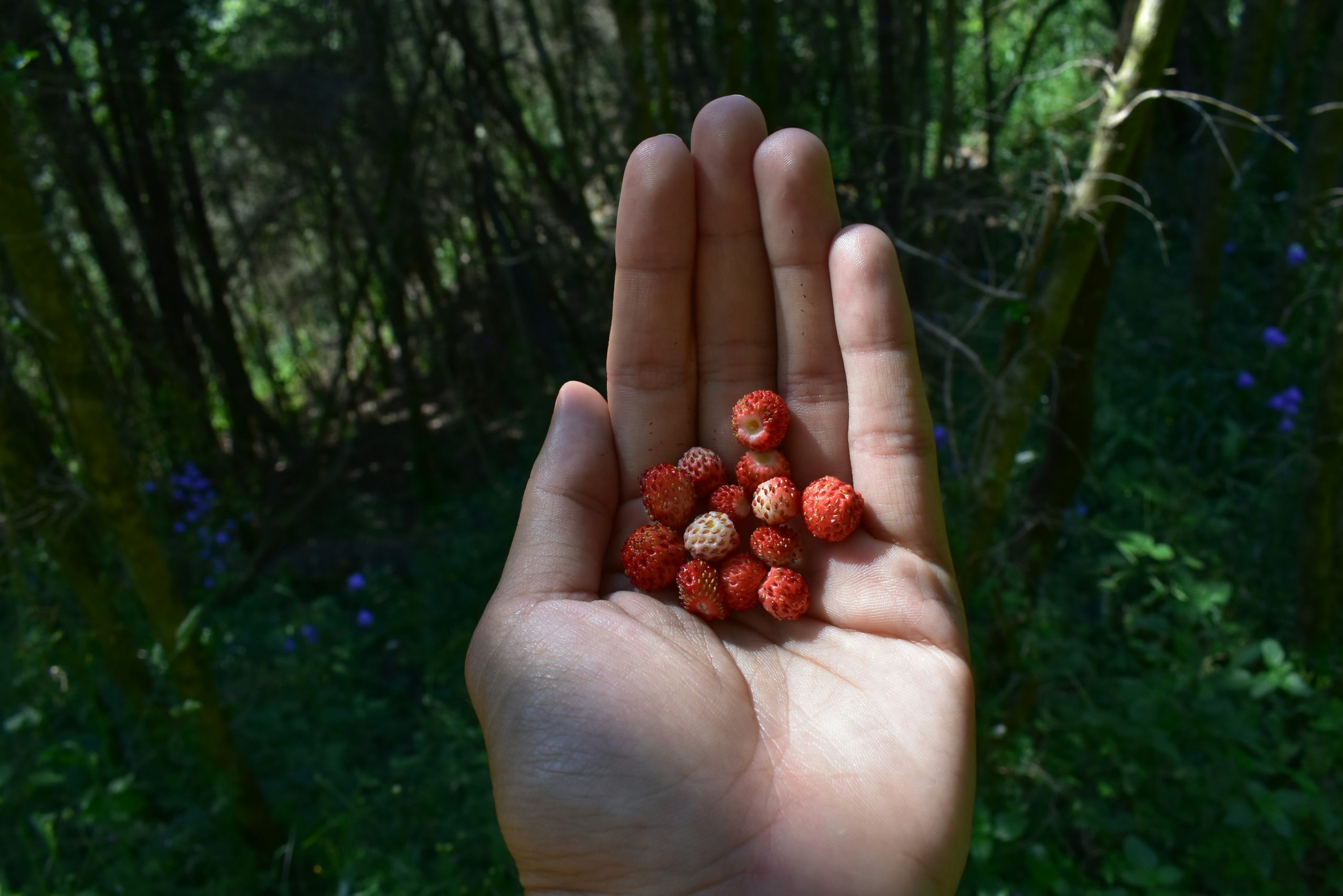
Many survival myths suggest that finding food should be a top priority. In reality, most people can survive weeks without food but only days without water. Hunting, trapping, and foraging require skill, tools, and energy that beginners rarely possess under stress. Chasing food too early leads to wasted effort, injuries, and calorie deficits. This myth often causes people to ignore shelter, hydration, and signaling, which are far more urgent. The idea persists because survival shows and stories highlight dramatic food acquisition. Real survival focuses on stabilizing conditions first. Once safety, water, and shelter are secured, food becomes relevant. Prioritizing it too soon often distracts from what actually keeps people alive in the short term.
4. Drinking Any Water Is Better Than None
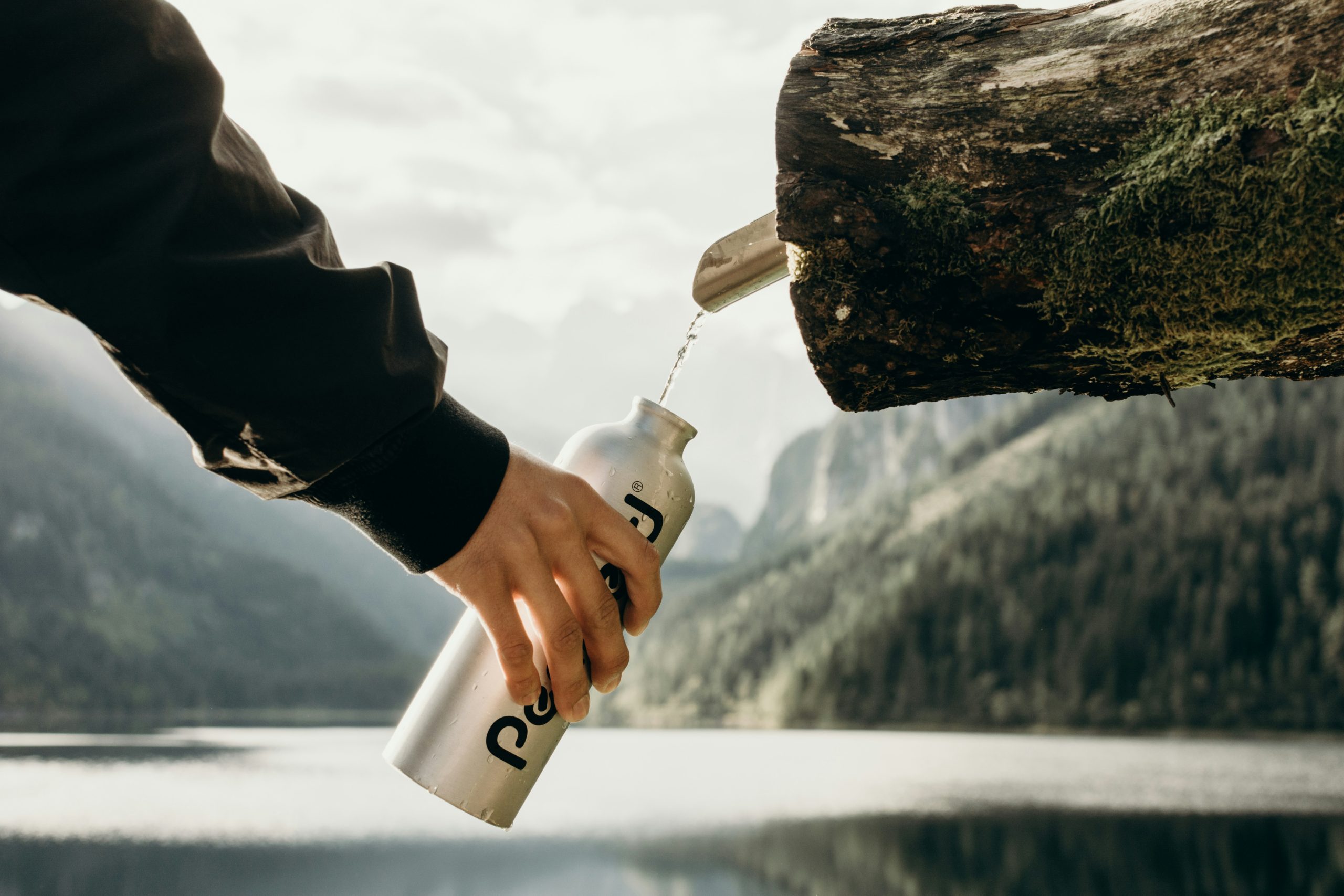
A common and dangerous belief is that any water source is safe in an emergency. Drinking contaminated water can cause severe illness, dehydration, and weakness that worsen survival chances. Symptoms like vomiting and diarrhea rapidly drain fluids and energy. This myth often leads people to drink from stagnant pools, animal tracks, or polluted streams without treatment. While dehydration is serious, poisoning the body can be worse. The idea persists because thirst creates urgency and overrides caution. Survival requires balancing risks. Sometimes, rationing clean water and seeking better sources is safer than consuming unsafe water that compromises the body’s ability to function when strength and clarity are needed most.
5. Fire Solves Most Survival Problems
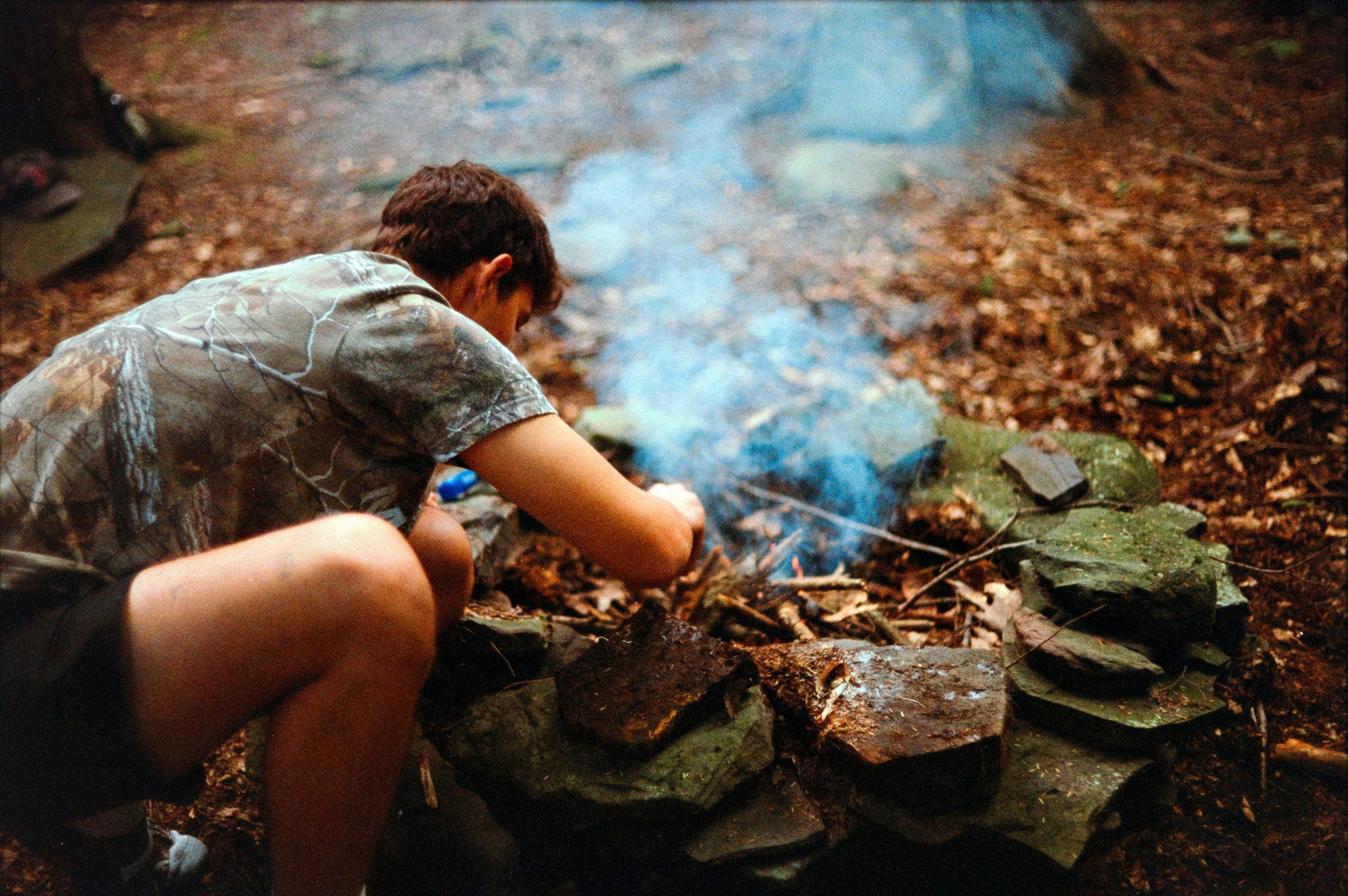
Fire is often portrayed as the ultimate survival solution, capable of fixing cold, fear, signaling, and morale instantly. While fire is valuable, relying on it too heavily can be dangerous. In wet, windy, or high-risk fire conditions, building a fire may be impossible or unsafe. People who focus entirely on fire sometimes neglect shelter construction or insulation, leaving them exposed if the fire fails. Fire also consumes energy and attention. This myth persists because fire feels powerful and symbolic. In reality, passive shelter and body heat retention often provide more reliable protection. Fire is a tool, not a guarantee, and survival plans that depend on it alone are fragile.
6. Rescue Will Happen Quickly
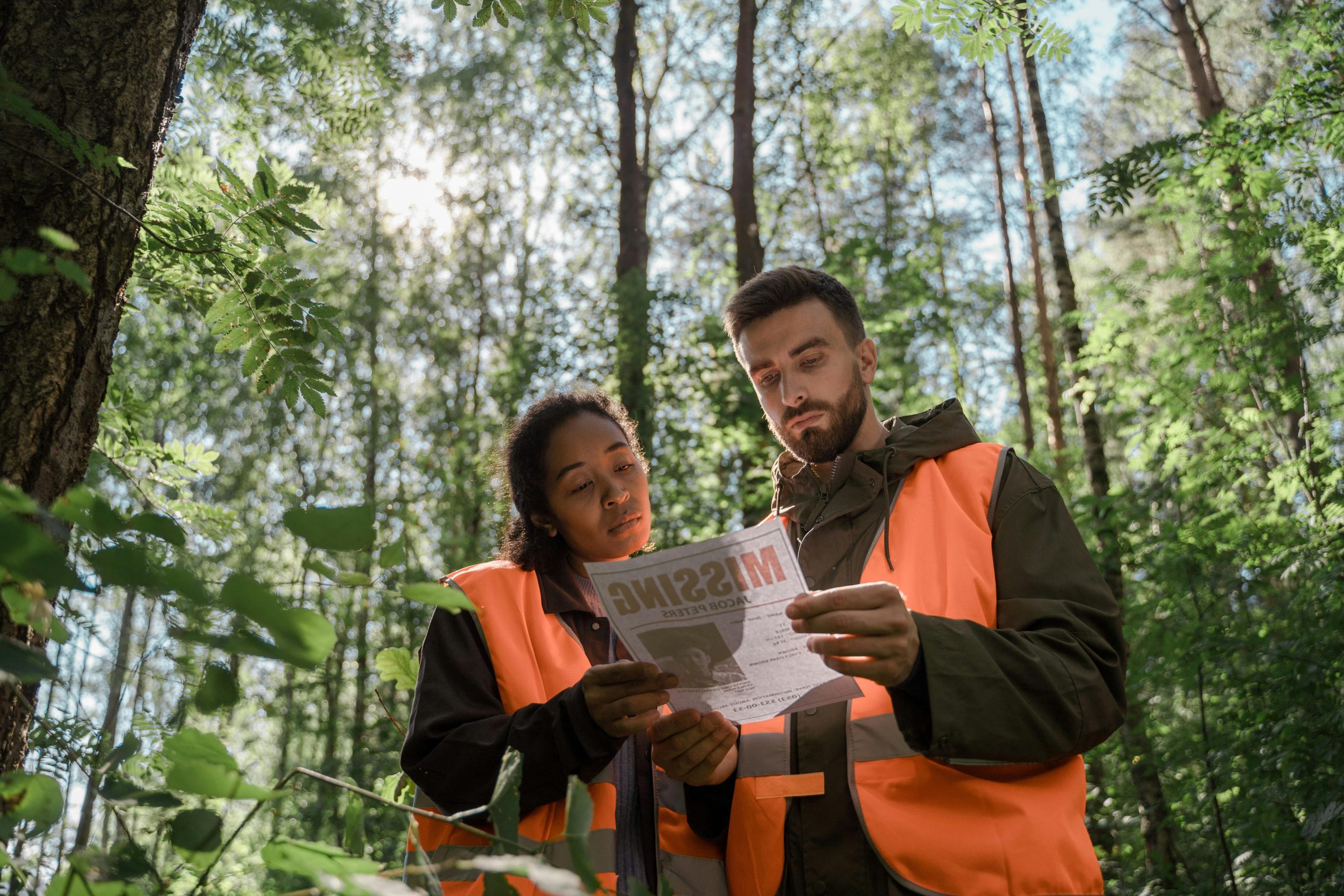
Many people underestimate how long rescues take, assuming help will arrive within hours. This belief encourages risky behavior, delayed preparation, and poor decision-making. Search operations depend on information, terrain, weather, and resources, all of which can slow response. Those who expecta quick rescue may ration poorly or skip shelter building. When rescue is delayed, panic sets in. This myth persists because technology creates a false sense of immediacy. In reality, surviving the first night often matters more than waiting for help. Planning as if rescue will take days improves outcomes, even if help arrives sooner than expected.
7. Survival Skills Are Instinctive
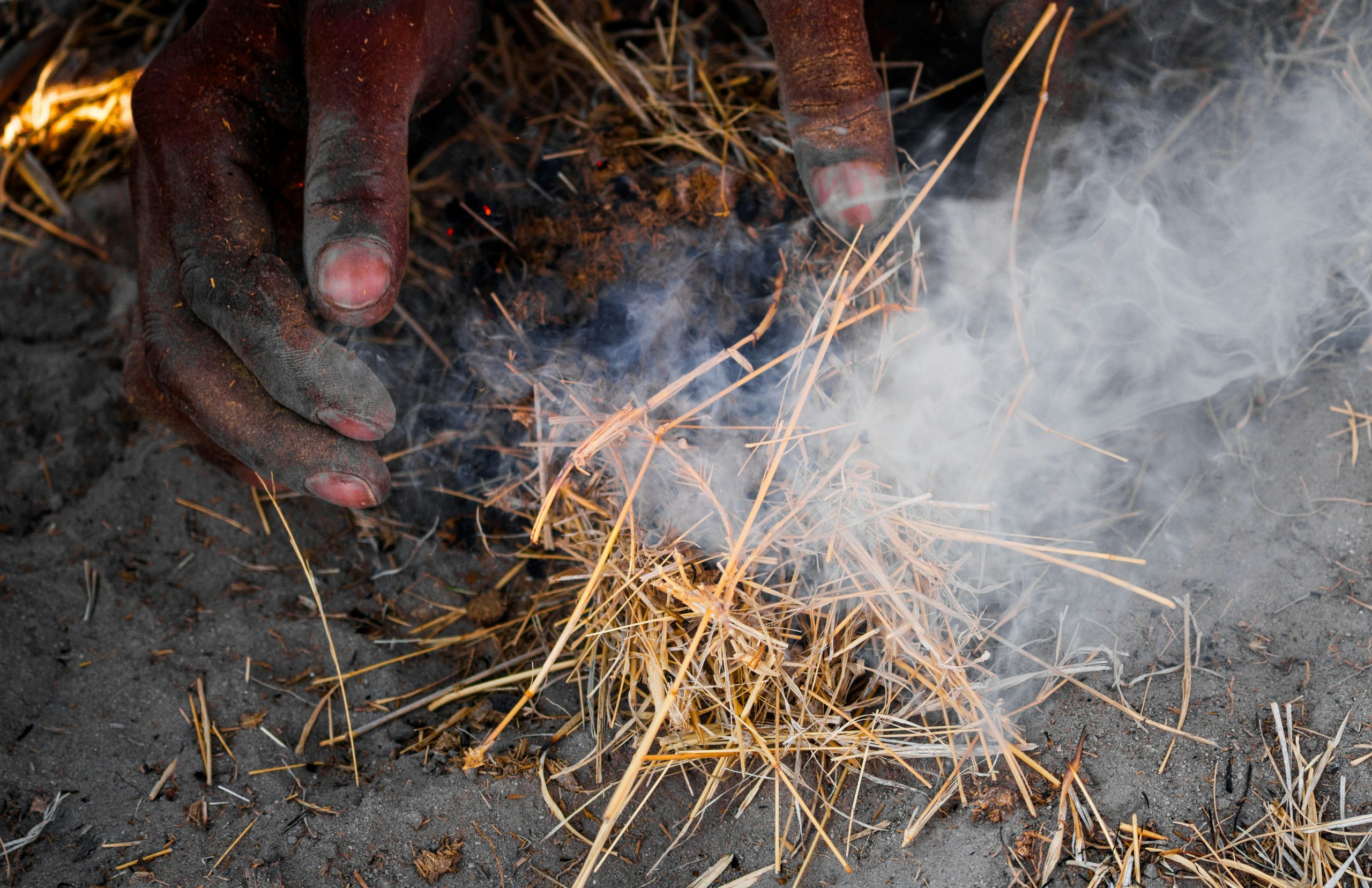
Another dangerous myth is that survival skills will naturally emerge under pressure. Stress actually reduces fine motor skills, memory, and problem-solving ability. Without prior practice, people struggle to tie knots, start fires, or navigate effectively. This myth encourages people to skip training, assuming instinct will take over. In reality, practiced habits replace panic. Survival skills must be learned and rehearsed to function when adrenaline is high. Those who rely on instinct alone often freeze or repeat ineffective actions. The wilderness does not reward improvisation without preparation. Skills earned beforehand become lifelines when thinking clearly is hardest.
8. Confidence Matters More Than Caution

Confidence is often celebrated in survival stories, but unchecked confidence can be deadly. Overconfidence leads people to underestimate terrain, weather, and personal limits. It discourages backup plans and redundancy. This myth persists because confidence feels reassuring and decisive. In reality, caution preserves options. Careful planning, conservative choices, and humility keep people alive longer than bold decisions. Survival favors those who question assumptions and adapt early. Confidence without caution narrows choices until none remain. Recognizing uncertainty is not weakness; it is awareness. Those who respect risk rather than dismiss it are far more likely to survive when conditions turn against them.