Introduced in the late nineteenth century, the .30-30 Winchester refuses to fade quietly into history.
In a world dominated by high-velocity cartridges, polymer stocks, and tactical trends, this old lever-gun round continues to earn loyalty from hunters and practical shooters alike.
Its reputation isn’t built on raw speed or long-range ballistics, but on consistency, manageable recoil, and real-world effectiveness.
Generations have trusted it to put meat in the freezer and solve problems without drama.
The .30-30’s staying power comes from its balance of enough power to matter, mild enough to shoot well, and practical enough to work across terrain and experience levels.
Longevity alone doesn’t explain its survival; performance does.
It Was Designed for Real Hunting Distances
The .30-30 was built for the distances where most hunting actually happens.
Dense woods, rolling hills, and brushy terrain rarely allow for extreme range shots, and this cartridge thrives in that environment.
Its effective range aligns perfectly with ethical hunting distances, delivering dependable penetration and clean terminal performance without excessive recoil.
Shooters don’t need complex range estimation or advanced optics to use it well. The cartridge performs best where visibility is limited and quick decisions matter.
That practical focus is why it has remained relevant while many specialized rounds faded. It wasn’t designed to impress on paper; it was designed to work in the field.
Recoil Makes It Accessible to More Shooters
One of the .30-30’s most enduring strengths is its manageable recoil.
It delivers enough energy to humanely take game without punishing the shooter.
This makes it approachable for younger hunters, smaller-framed shooters, and those who value comfort over brute force.
Reduced recoil encourages better shooting habits, quicker follow-up shots, and longer practice sessions.
Confidence matters, and shooters tend to perform better with rifles they aren’t afraid of.
The cartridge strikes a rare balance between power and control, which helps explain why it’s often recommended as a first deer rifle and why many never feel the need to replace it.
Lever-Action Rifles Keep It Relevant
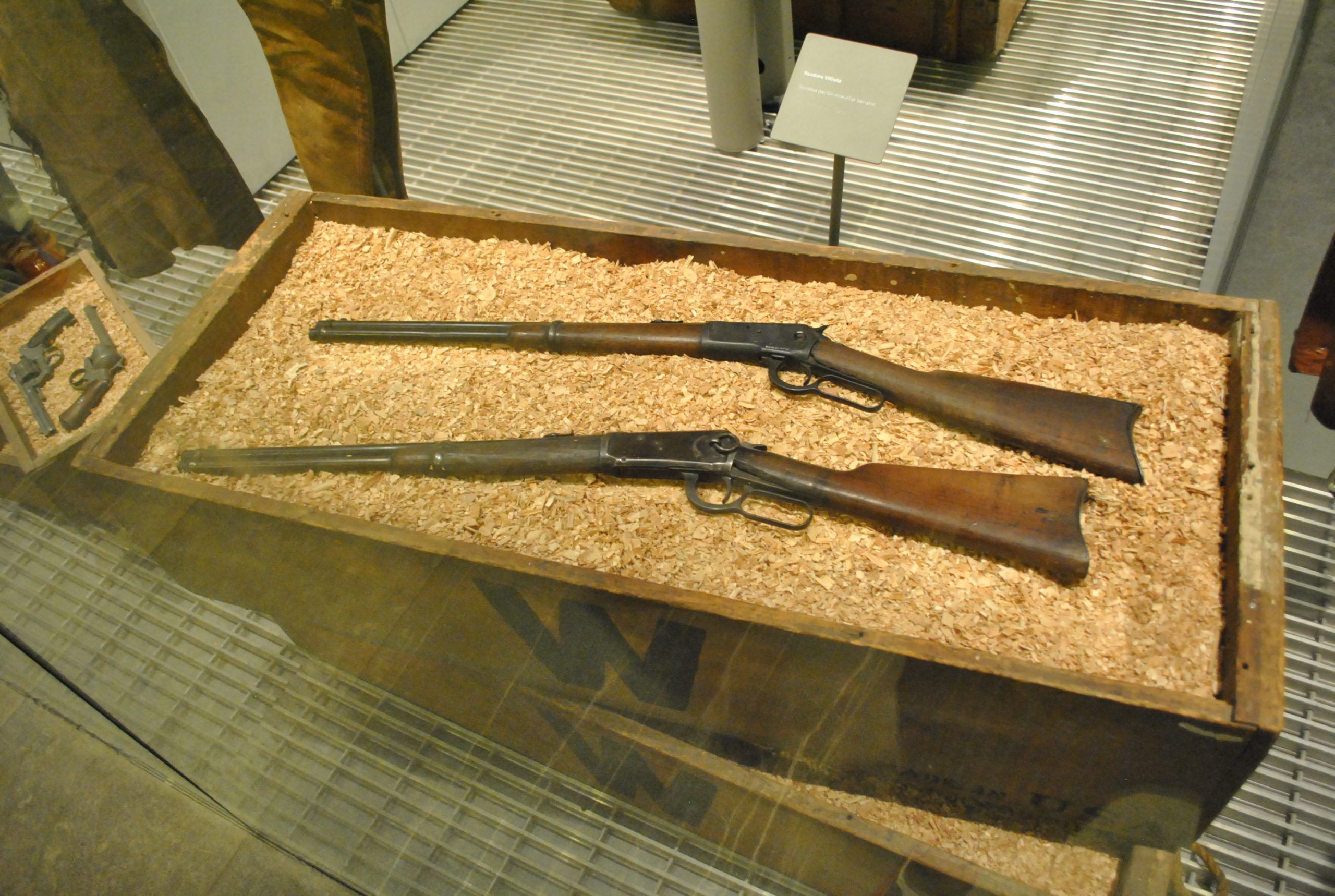
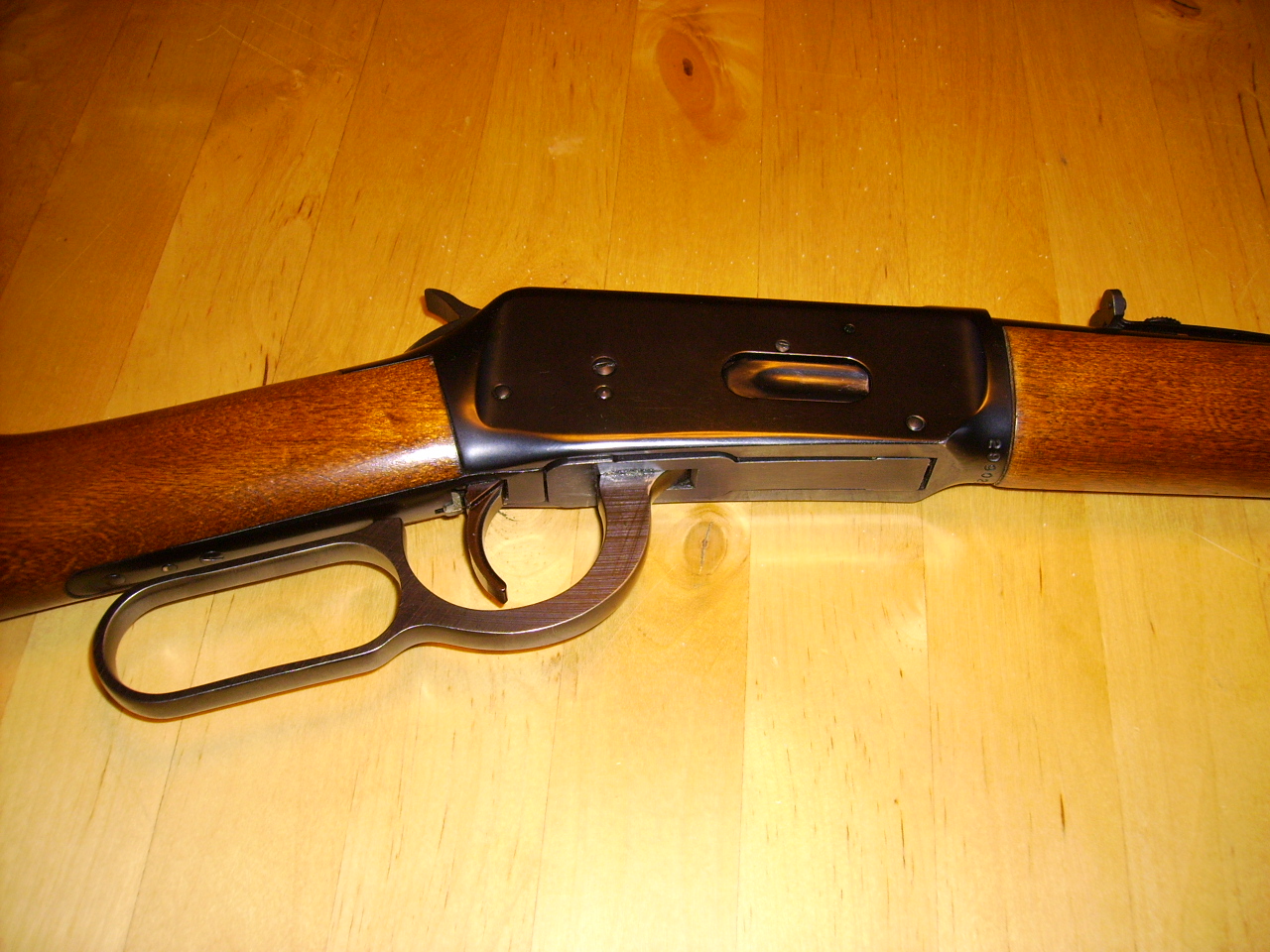
The .30-30 Winchester is closely tied to the lever-action rifle, and that pairing is a big reason the cartridge refuses to fade away.
Lever guns chambered in .30-30 are light, fast-handling, and intuitive to operate, especially in thick woods where shots happen quickly, and space is limited.
Their balance and pointability make them feel natural in the hands, even for shooters without extensive training.
The action allows for fast follow-up shots without breaking cheek weld or losing sight of the picture.
This combination creates a rifle that feels alive and responsive rather than bulky or overbuilt.
Many hunters who experiment with modern bolt rifles still keep a .30-30 lever gun nearby because it simply works when conditions get tight and time matters most.
Ammunition Is Widely Available
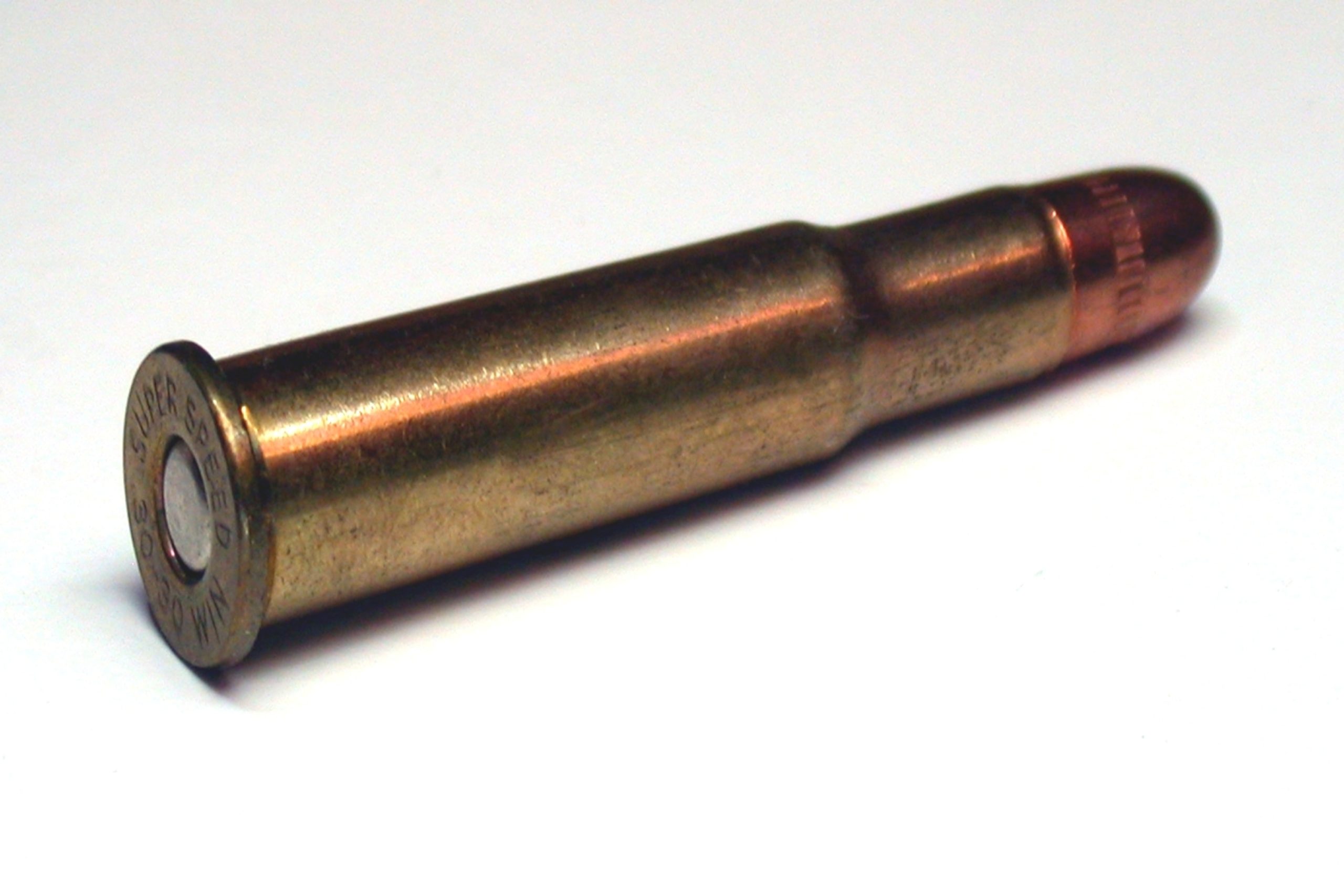
One overlooked reason the .30-30 Winchester remains popular is how easy it is to feed.
Decade after decade, it has remained one of the most consistently available rifle cartridges in North America.
Even during ammunition shortages, it often stays on shelves while newer or trend-driven calibers disappear.
That reliability matters to hunters who don’t want to plan seasons around supply problems. Prices also tend to remain reasonable, allowing shooters to practice without hesitation.
The ability to walk into a small-town store and find ammunition builds long-term confidence.
A rifle that can always be fed becomes a rifle that stays in use, and the .30-30 benefits greatly from that practical advantage.
It Delivers Proven Terminal Performance
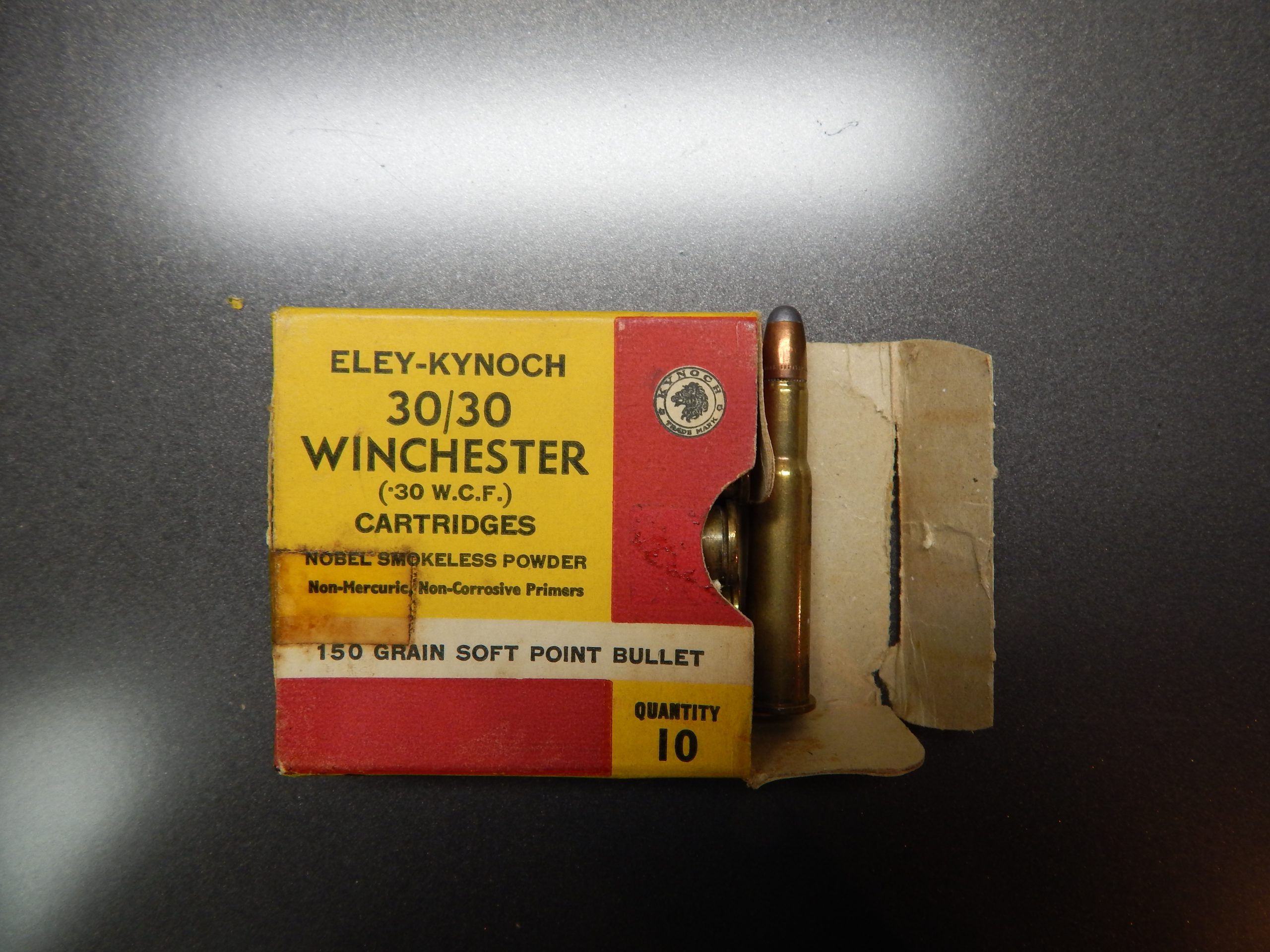
The .30-30 Winchester has built its reputation on results rather than theory.
It has accounted for countless successful hunts because its bullet weights and velocities are well matched to real-world conditions.
Rather than relying on extreme speed, it delivers steady penetration and dependable energy transfer at typical hunting distances.
The cartridge performs predictably on game, reducing uncertainty when a shot matters. Hunters value that consistency far more than flashy numbers.
Its long history of effectiveness isn’taccidentala,l it comes from a design that balances expansion, penetration, and recoil.
When shooters talk about “trust,” this is often what they mean: knowing exactly what the cartridge will do when the trigger is pulled.
Rifles Chambered in .30-30 Are Durable
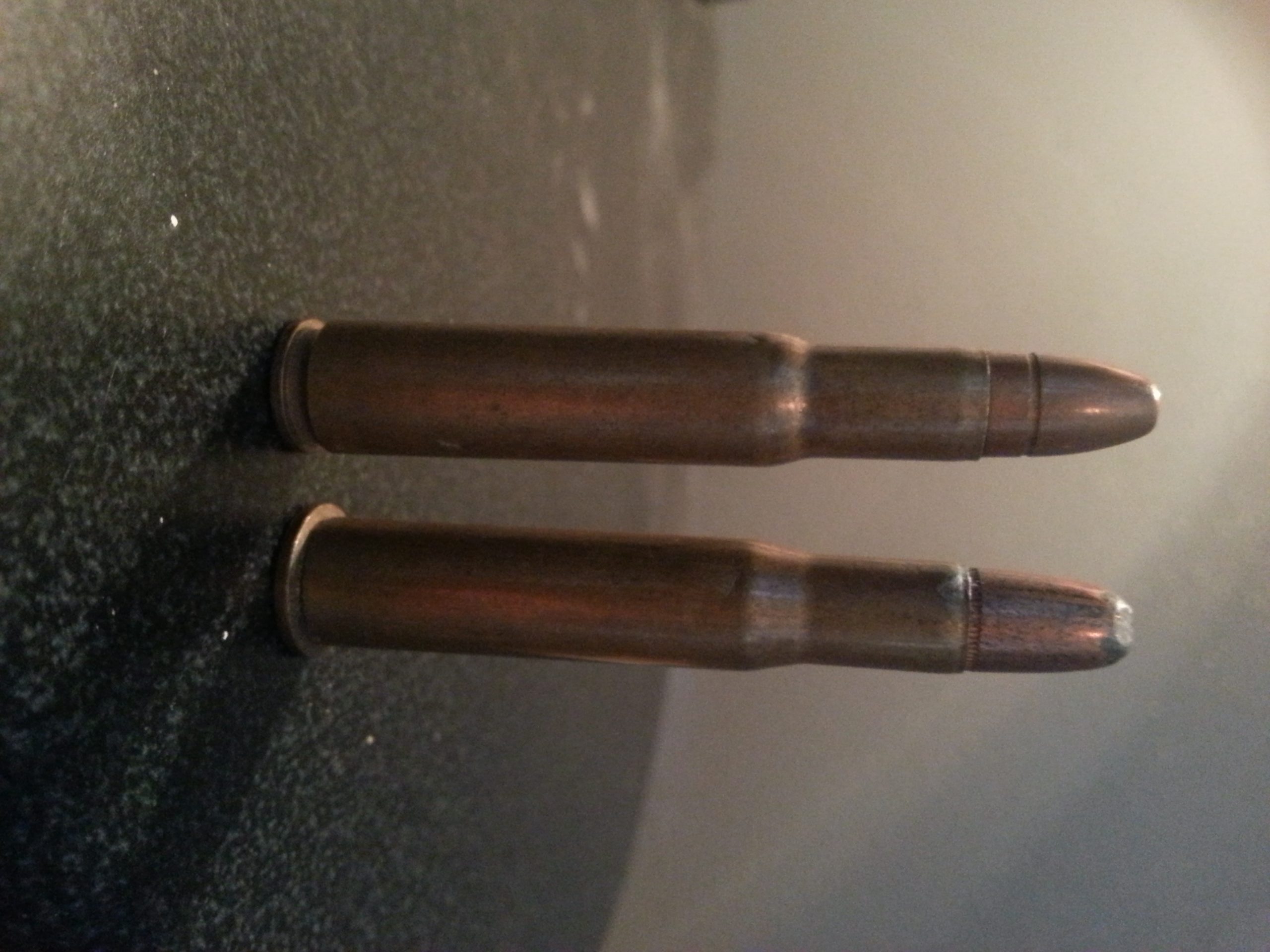
Many rifles built for the .30-30 Winchester were designed with longevity in mind, not short-term trends.
Traditional construction emphasizes steel components, simple mechanisms, and materials that tolerate weather and hard use.
These rifles often spend years in trucks, cabins, and scabbards without complaint.
Moderate operating pressures also contribute to long service life, reducing wear on barrels and actions.
Owners frequently pass them down through generations because the rifles still function as intended.
Durability builds trust over time, and trust keeps equipment in service. The .30-30 isn’t just old, it’s proven tough enough to stay relevant long after newer designs have worn out.
It Encourages Practical Shooting Skills
The .30-30 Winchester rewards disciplined, realistic shooting habits. Its ballistics encourage shooters to understand distance, shot placement, and timing rather than relying on excess velocity.
This fosters patience and careful decision-making in the field. Shooters learn to wait for ethical opportunities instead of forcing long shots.
That mindset translates into better fundamentals overall, regardless of firearm type. Many experienced hunters credit the .30-30 with shaping their approach to shooting, teaching them restraint and precision.
Rather than masking mistakes, the cartridge highlights them, pushing shooters to improve. That educational value keeps it respected even among those who own more modern equipment.
It Fits Local Hunting Regulations
In many regions, hunting regulations favor cartridges like the .30-30 Winchester because of their moderate range and predictable behavior.
Its effective distance aligns well with safety considerations in wooded or populated areas.
Hunters appreciate a cartridge that meets legal requirements without pushing boundaries or raising concerns.
This compatibility ensures continued use season after season, even as rules evolve.
When restrictions tighten, cartridges already within acceptable limits gain renewed importance rather than being phased out.
The .30-30 fits neatly into that category, making it a reliable option for hunters who value compliance as much as performance.
Tradition Still Has Practical Value
The .30-30 Winchester survives because tradition and practicality intersect.
Familiarity breeds confidence, and confidence leads to consistent results. Shooters trust equipment they understand, and this cartridge has been understood for more than a century.
Its limitations are clear, its strengths well known, and its performance dependable.
While many modern cartridges promise more, they also demand more complexity. The .30-30 remains refreshingly honest about what it does best.
That reliability, combined with generational knowledge, keeps it in active use.
Tradition alone doesn’t keep a cartridge alive; continued usefulness does, and the .30-30 still delivers both.