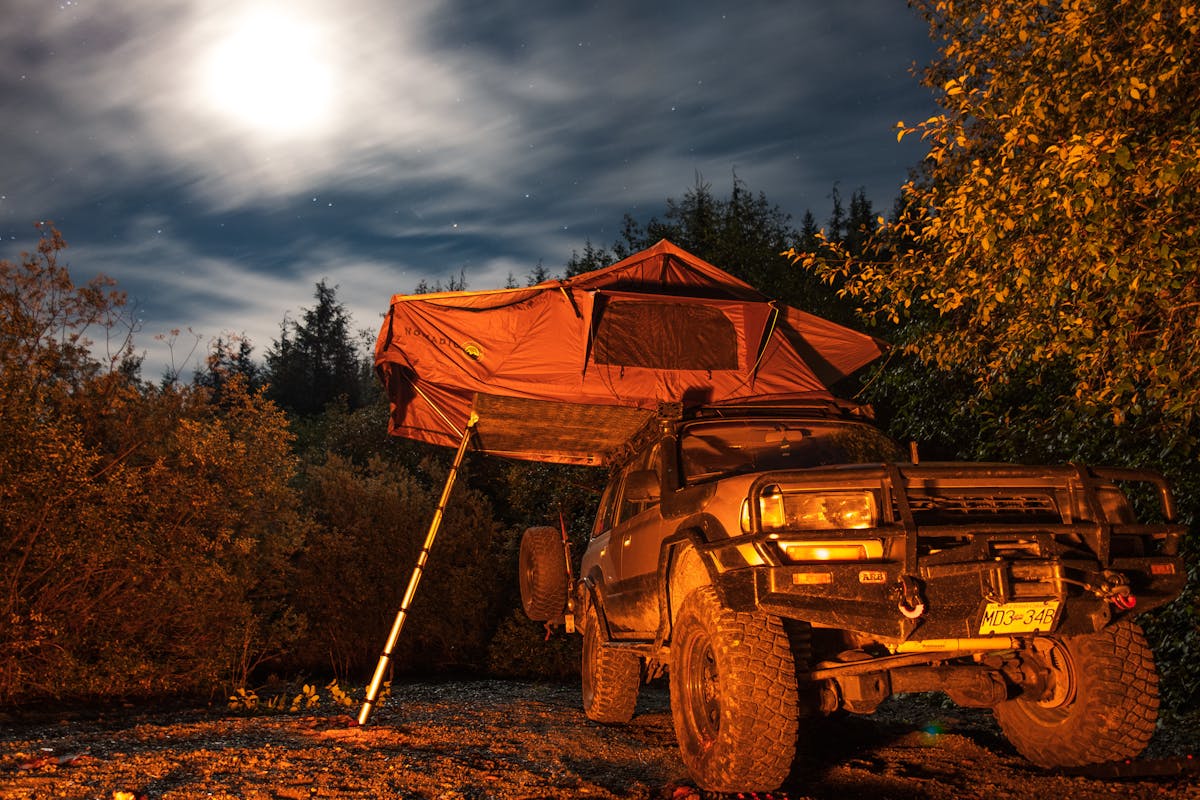
When people imagine dangerous wildlife at a campsite, they usually picture large predators like bears or wolves. In reality, many of the most serious campsite threats come from animals most campers barely think about. These creatures don’t need size or aggression to cause harm. Curiosity, food smells, poor storage, and human habits draw them close, often quietly. Some spread disease, others destroy gear, and a few can trigger medical emergencies faster than help can arrive. Campsites blend human food, shelter, and scent into environments that wildlife quickly exploit. Understanding lesser-known threats helps campers prevent problems before they escalate. Awareness, not fear, is the goal. These twelve animals are often overlooked, underestimated, or misunderstood, yet each has caused real injuries, illnesses, or survival emergencies. Knowing how and why they become dangerous is essential for anyone who spends nights outdoors.
1. Raccoons
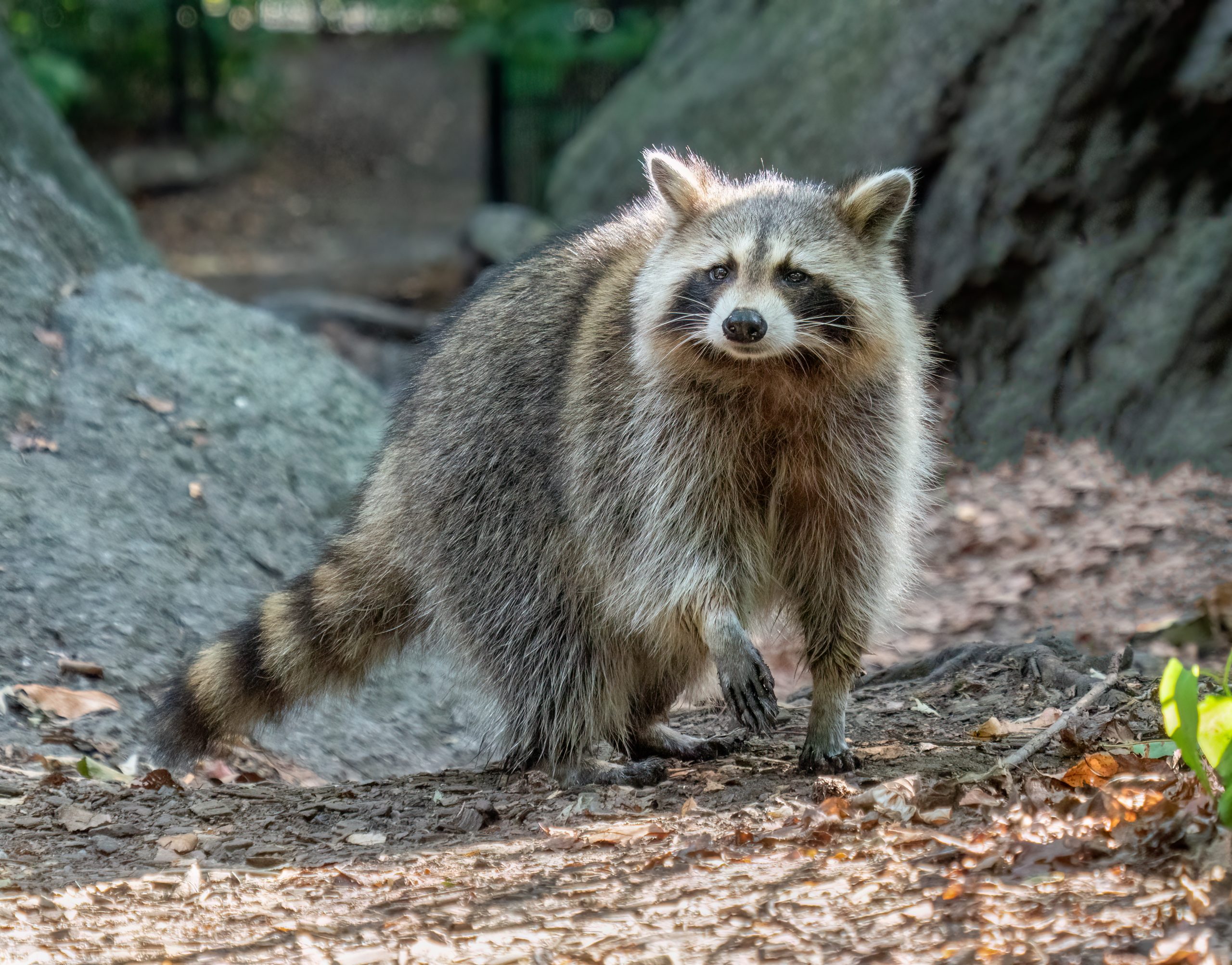
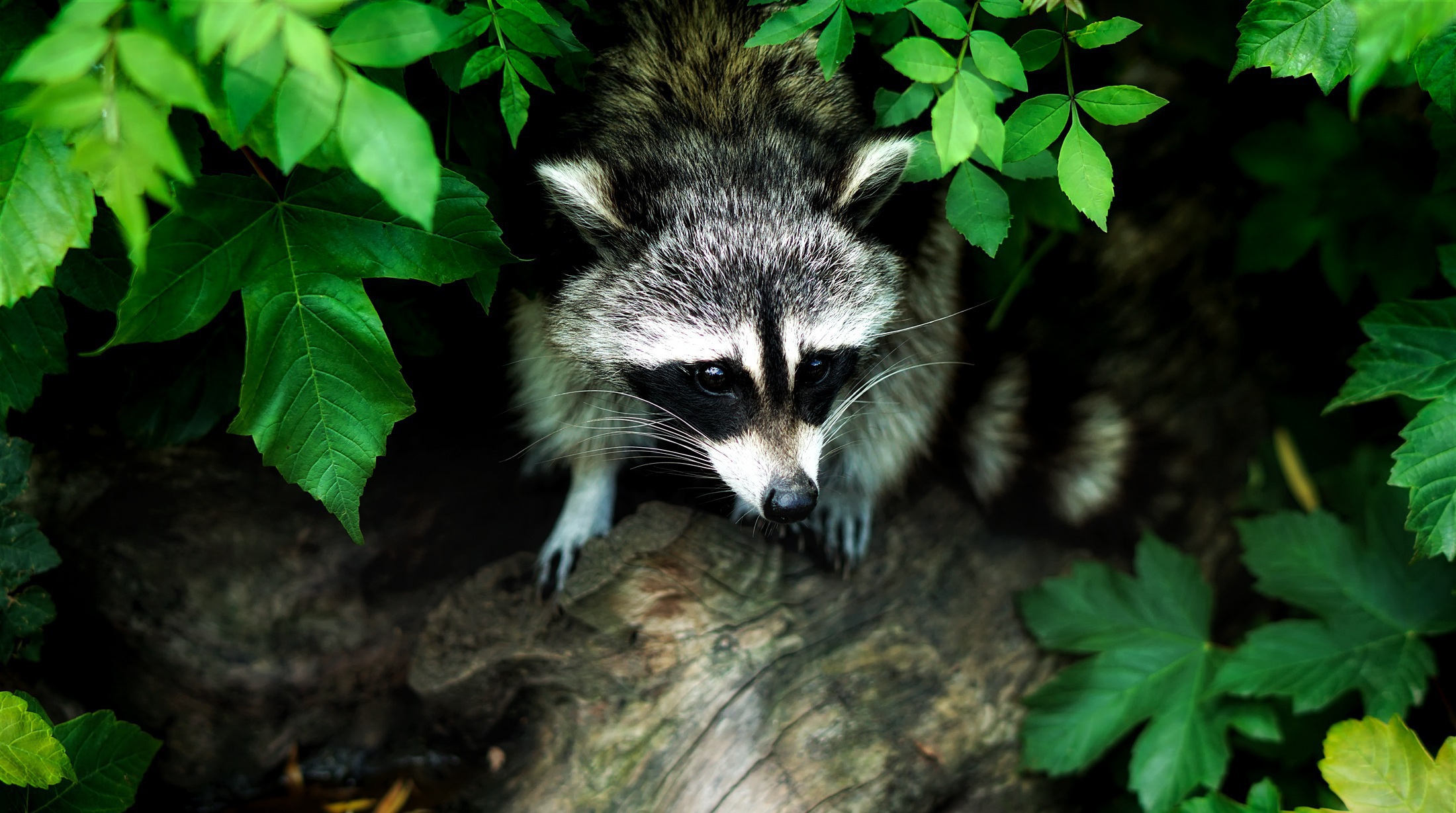
Raccoons are among the most underestimated campsite threats because they appear clever rather than dangerous. Their intelligence allows them to open coolers, unzip tents, and defeat poorly secured food containers. Once rewarded, they return repeatedly and grow bolder with people nearby. Raccoons carry diseases such as rabies and raccoon roundworm, both of which can be transmitted through bites, scratches, or contaminated surfaces. Their feces around campsites create health risks that many campers never consider. Aggressive behavior often occurs when raccoons feel cornered or are protecting food they’ve claimed. Nighttime encounters are common because raccoons are active after dark. Campers waking to rustling sounds may accidentally surprise them, increasing the risk of attack. Preventing raccoon issues requires strict food storage and campsite cleanliness.
2. Skunks
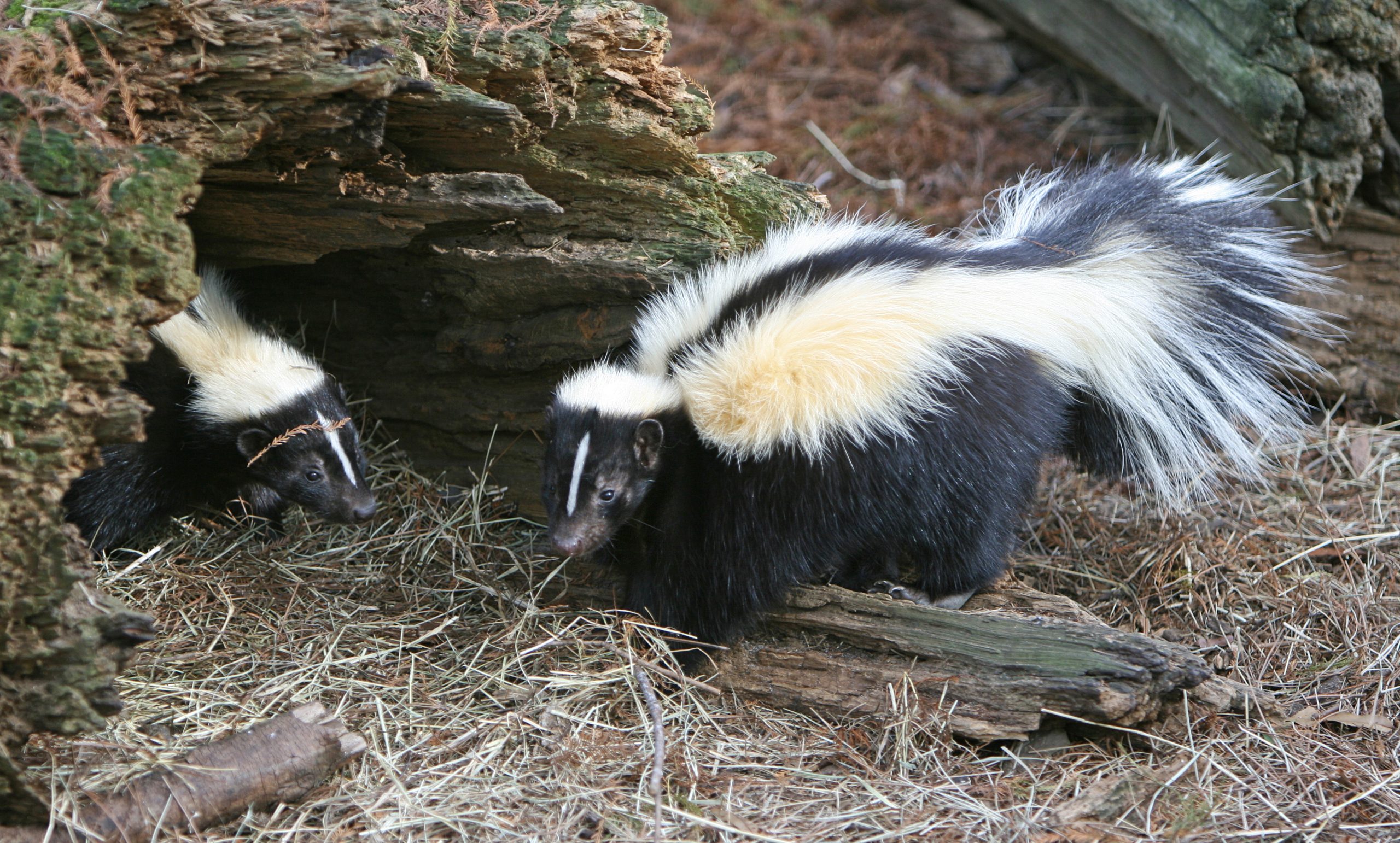
Skunks rarely attack, but they pose a serious threat when startled near campsites. Poor visibility at night and food scraps left behind increase the chance of close encounters. Skunks carry rabies at higher rates than many other small mammals, making bites particularly dangerous. Even without contact, their spray can cause temporary blindness, nausea, and breathing difficulty, especially for children or people with asthma. A sprayed tent, clothing, or sleeping bag can end a trip immediately. Skunks often den under campsites, decks, or vehicles, increasing surprise encounters. They rely on warning signals that tired campers may miss. Understanding skunk behavior helps reduce risk. Proper waste management and awareness after dark are critical to avoiding painful and hazardous encounters.
3. Coyotes
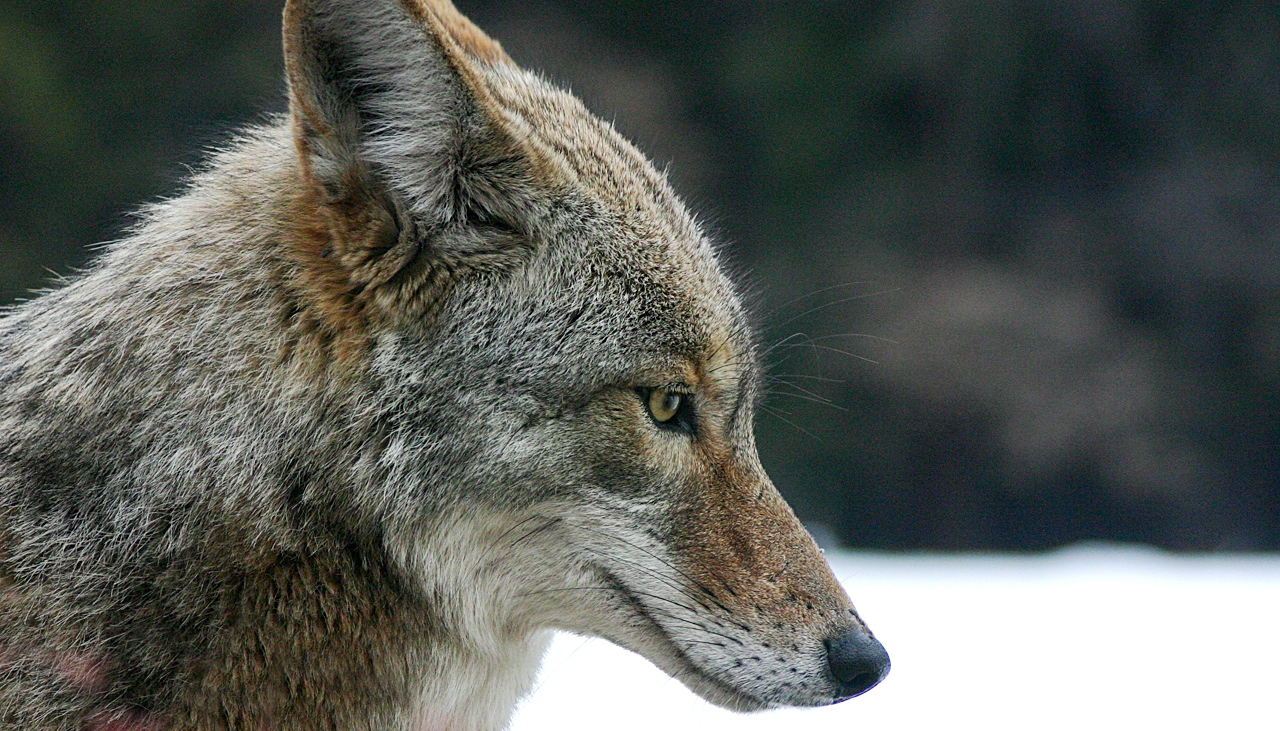
Coyotes adapt extremely well to human presence and are increasingly common near campsites. While attacks are rare, coyotes that associate people with food lose their natural fear. These animals may approach tents, especially where pets or unsecured food are present. Coyotes are capable of biting and can cause serious injury if they feel threatened or attempt to take food. Their howling at night may seem harmless, but it often signals territorial behavior. Small pets are especially vulnerable. Coyotes also carry diseases like mange and rabies. Campers who attempt to scare or feed coyotes often escalate encounters. Maintaining distance and removing attractants is essential for safety.
4. Deer’
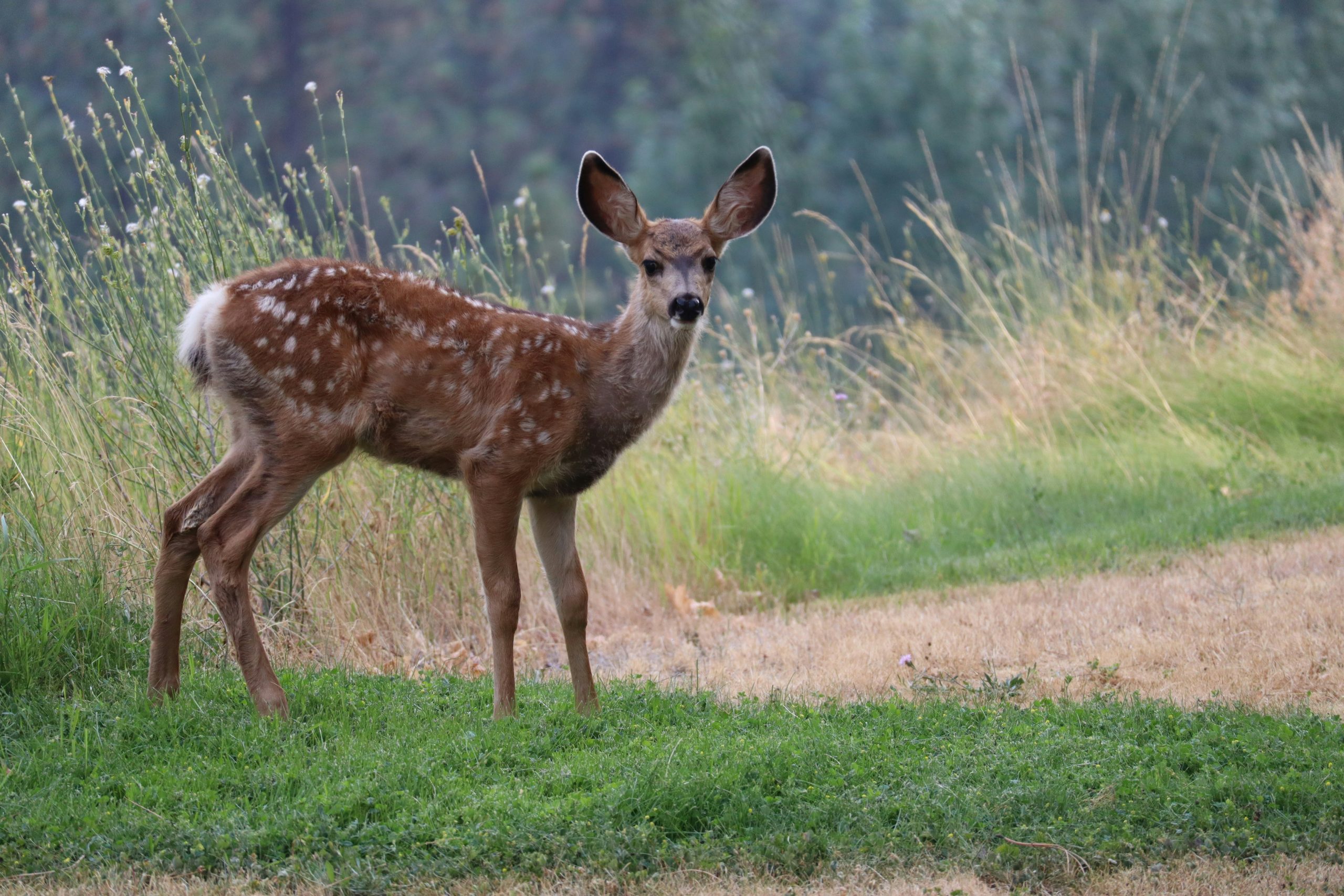
Deer seem gentle, but they cause more injuries annually than many predators. During rutting season, bucks become aggressive and unpredictable. Does protecting fawns also charge perceived threats? Campsites near trails or feeding areas increase the likelihood of close encounters. Deer can kick, strike with hooves, or gore with antlers. They also carry ticks that transmit Lyme disease and other illnesses. Campers brushing against vegetation or handling firewood may unknowingly expose themselves. Startled deer may bolt through camps, damaging gear or injuring people. Understanding seasonal behavior helps campers avoid risky situations.
5. Porcupines
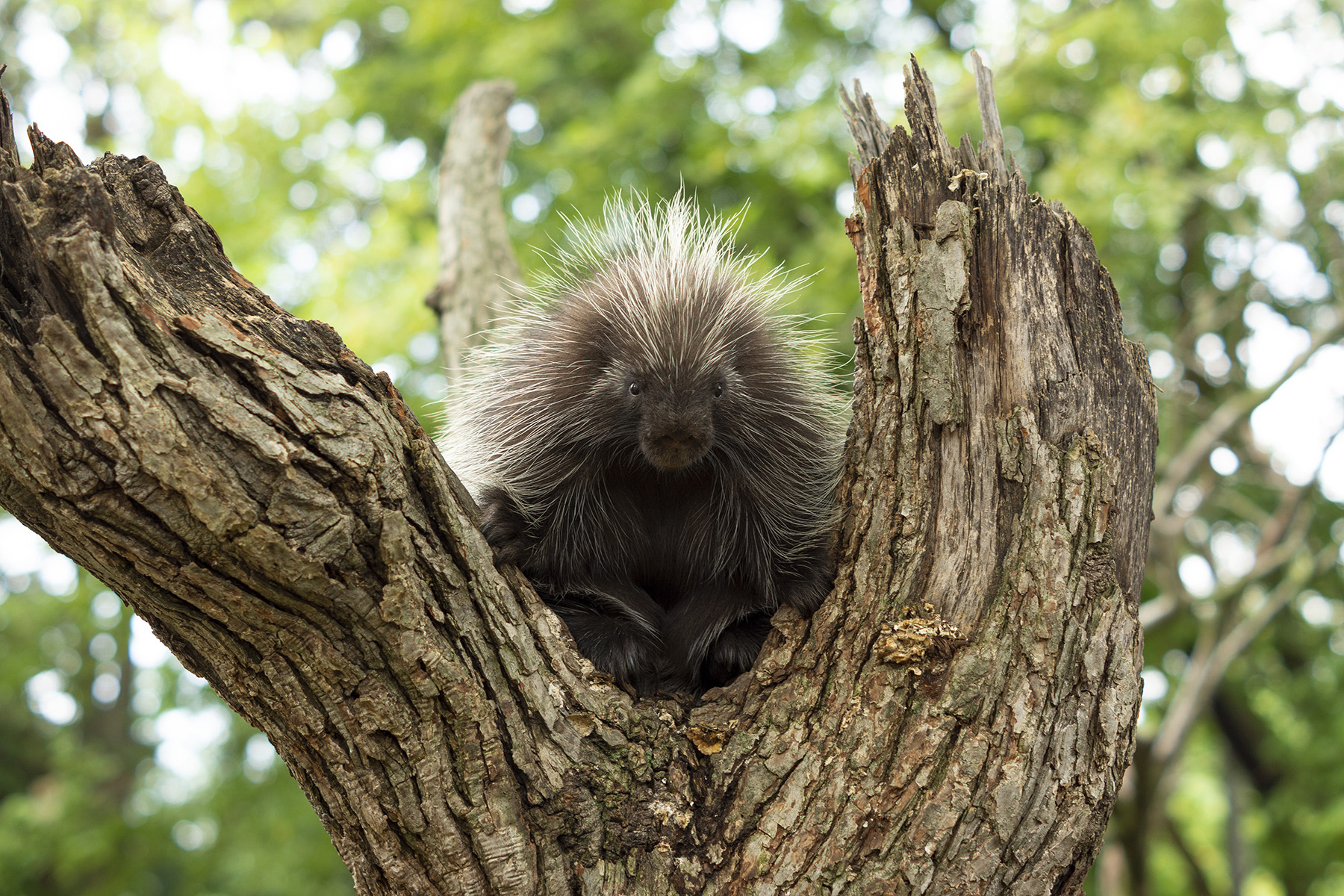
Porcupines rarely seek conflict, but their curiosity makes them a campsite hazard. They are attracted to salt found in sweaty gear, boots, and wooden handles. Bites and quill injuries occur when campers attempt to move or scare them away. Quills embed deeply and require careful removal, often needing medical attention. Porcupines chew on equipment, ruining packs, canoe paddles, and even vehicle tires. Nighttime encounters increase risk due to low visibility. Campers who underestimate porcupines may approach too closely. Keeping gear secured and giving these animals space reduces injury risk.
6. Snakes
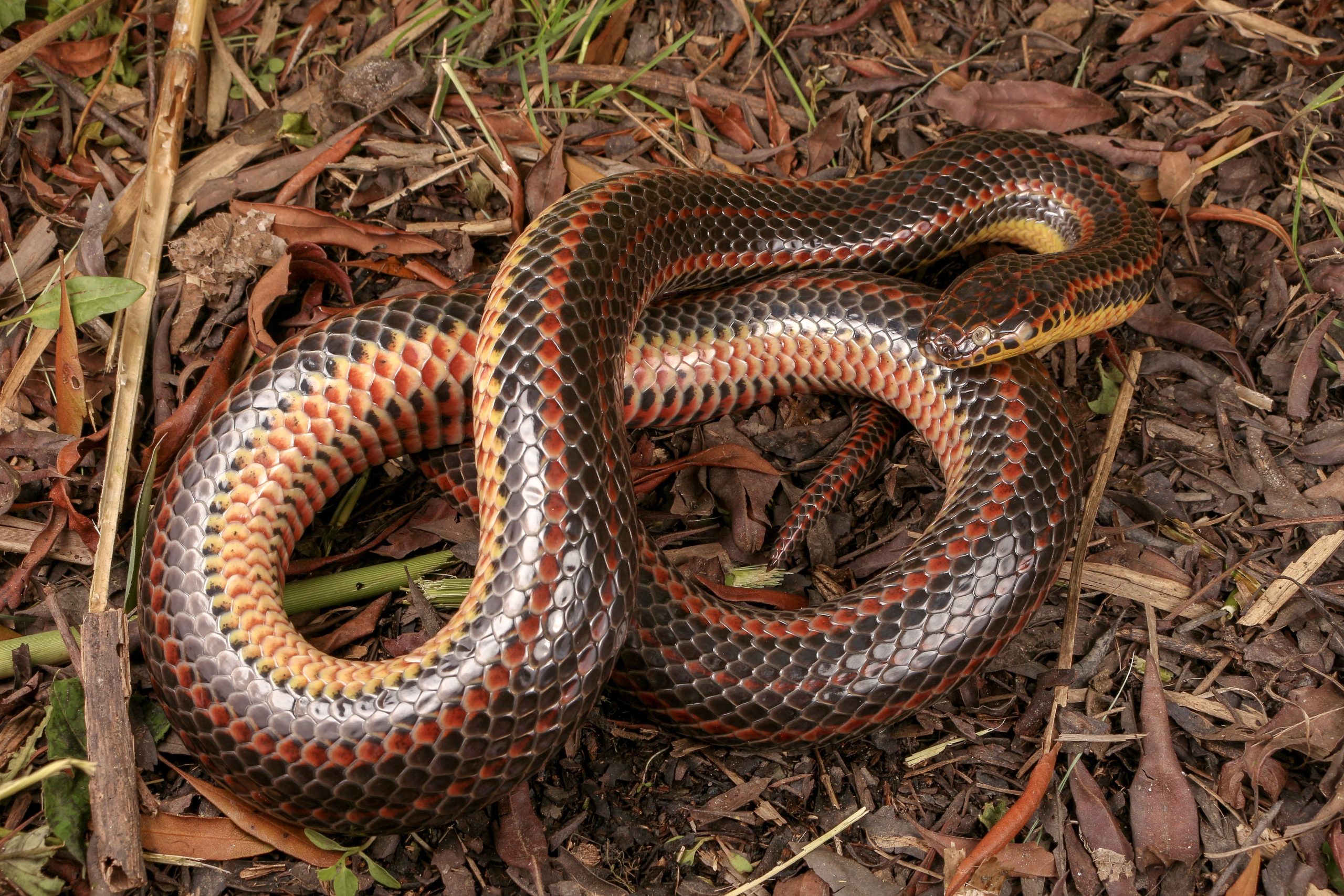
Non-venomous snakes cause fear, but venomous species present real danger around campsites. Snakes seek warmth under tents, rocks, or firewood piles. Campers walking barefoot or reaching blindly increase bite risk. Venomous bites require immediate medical care, which may be hours away. Even non-venomous bites can become infected. Snakes often go unnoticed due to camouflage. Disturbing sleeping areas or gear without checking first can provoke defensive strikes. Understanding local snake species and habitat is essential. Awareness and proper campsite selection greatly reduce risk.
7. Rodents
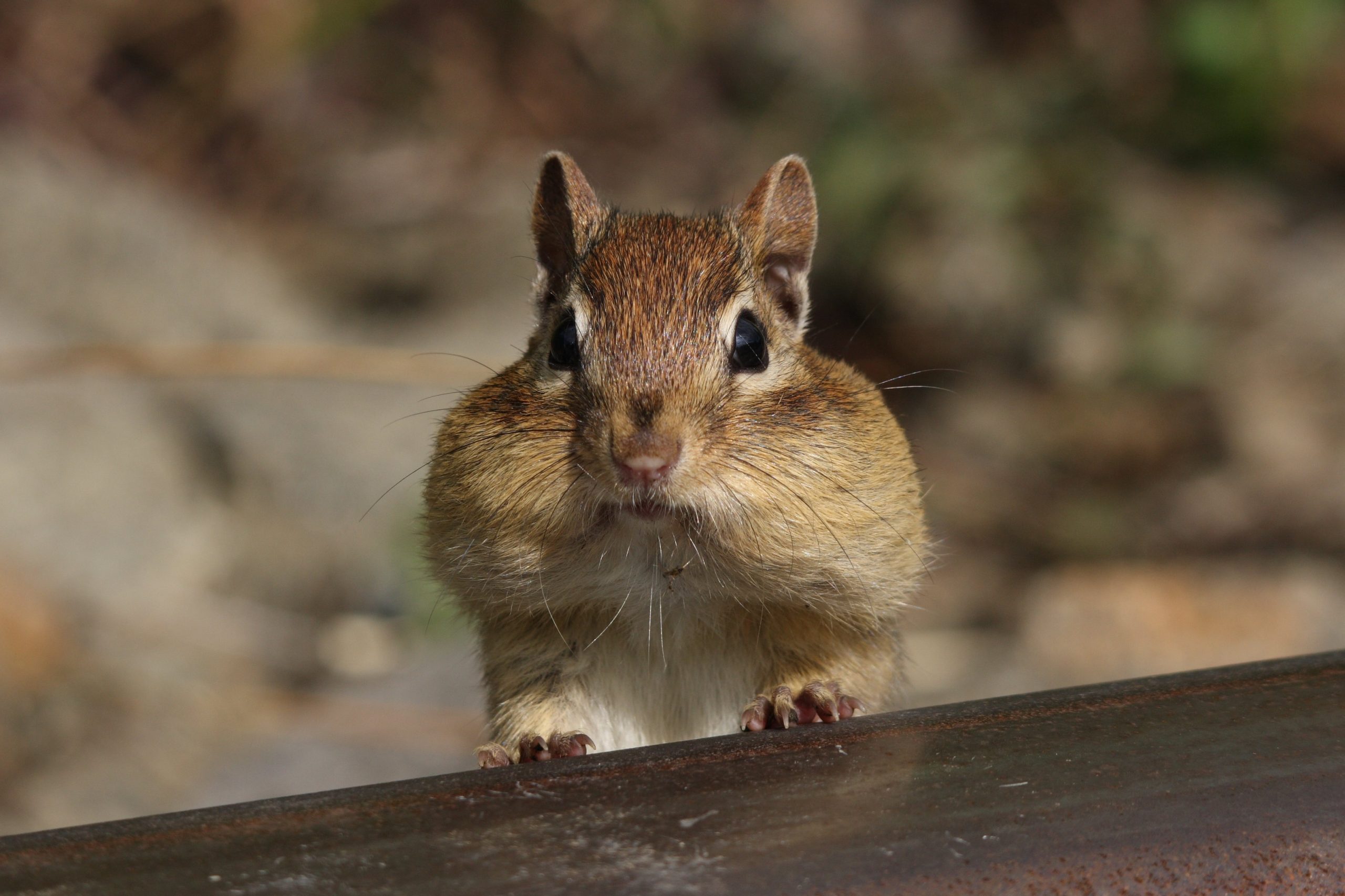
Mice, rats, and squirrels cause more campsite problems than most campers realize. They chew through tents, packs, and food containers, creating safety and hygiene issues. Rodents spread diseases such as hantavirus through droppings and urine. Inhaling contaminated dust during cleanup can cause severe illness. Bites occur when rodents feel trapped inside tents or bags. Their activity often goes unnoticed until damage is done. Rodents also attract larger predators, increasing overall campsite risk. Proper food storage and cleanliness are critical defenses.
8. Bats
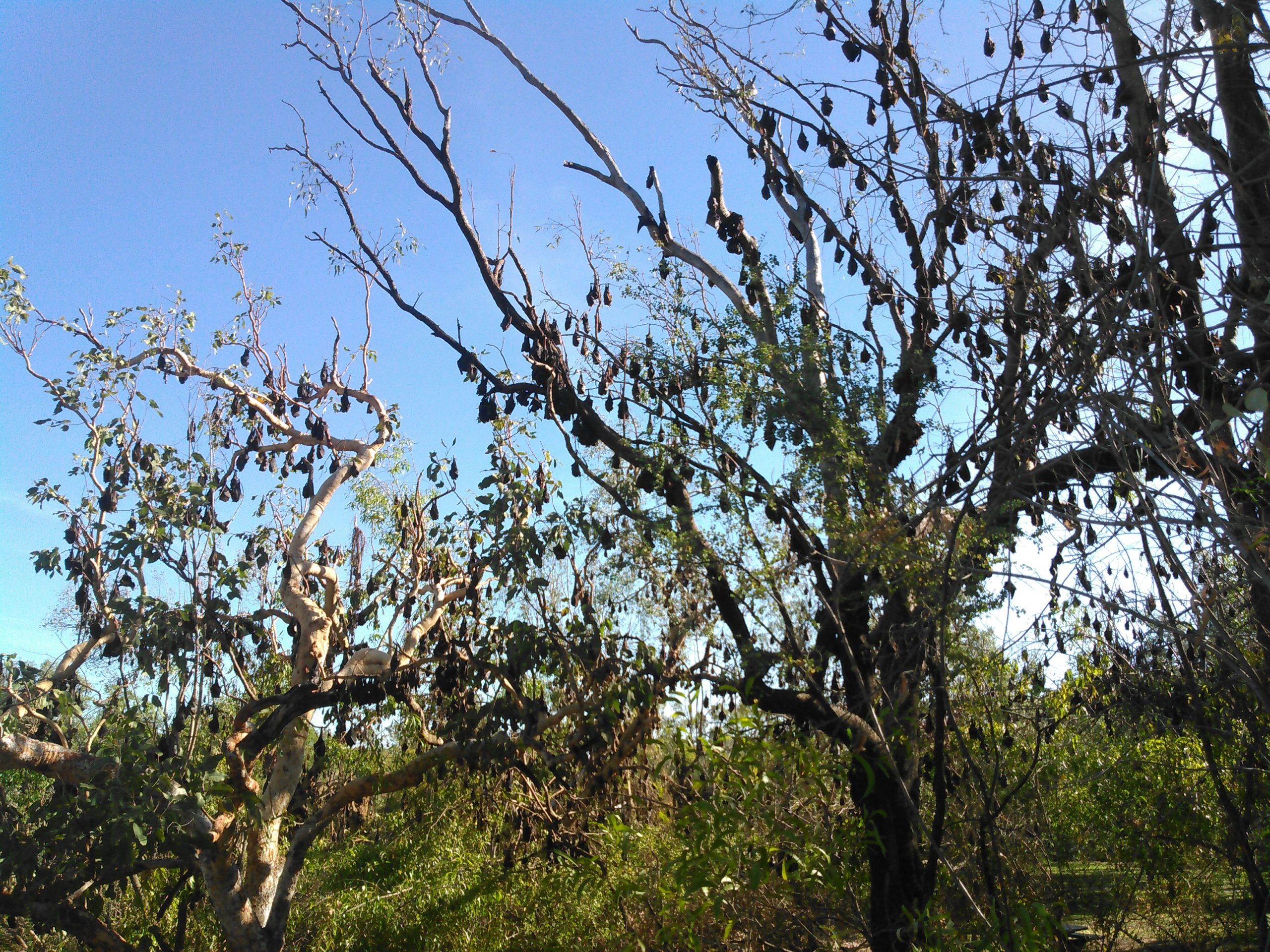
Bats rarely interact directly with campers, but when they do, the risk is serious. Bats are a primary carrier of rabies in the United States. Bites can be small and go unnoticed, especially during sleep. Campers sleeping in open shelters or tents without screens are most vulnerable. Disturbing roosting bats in caves or trees increases contact risk. Handling injured or grounded bats is extremely dangerous. Even indirect contact can require medical evaluation. Awareness and avoiding bat habitats reduce exposure.
9. Insects
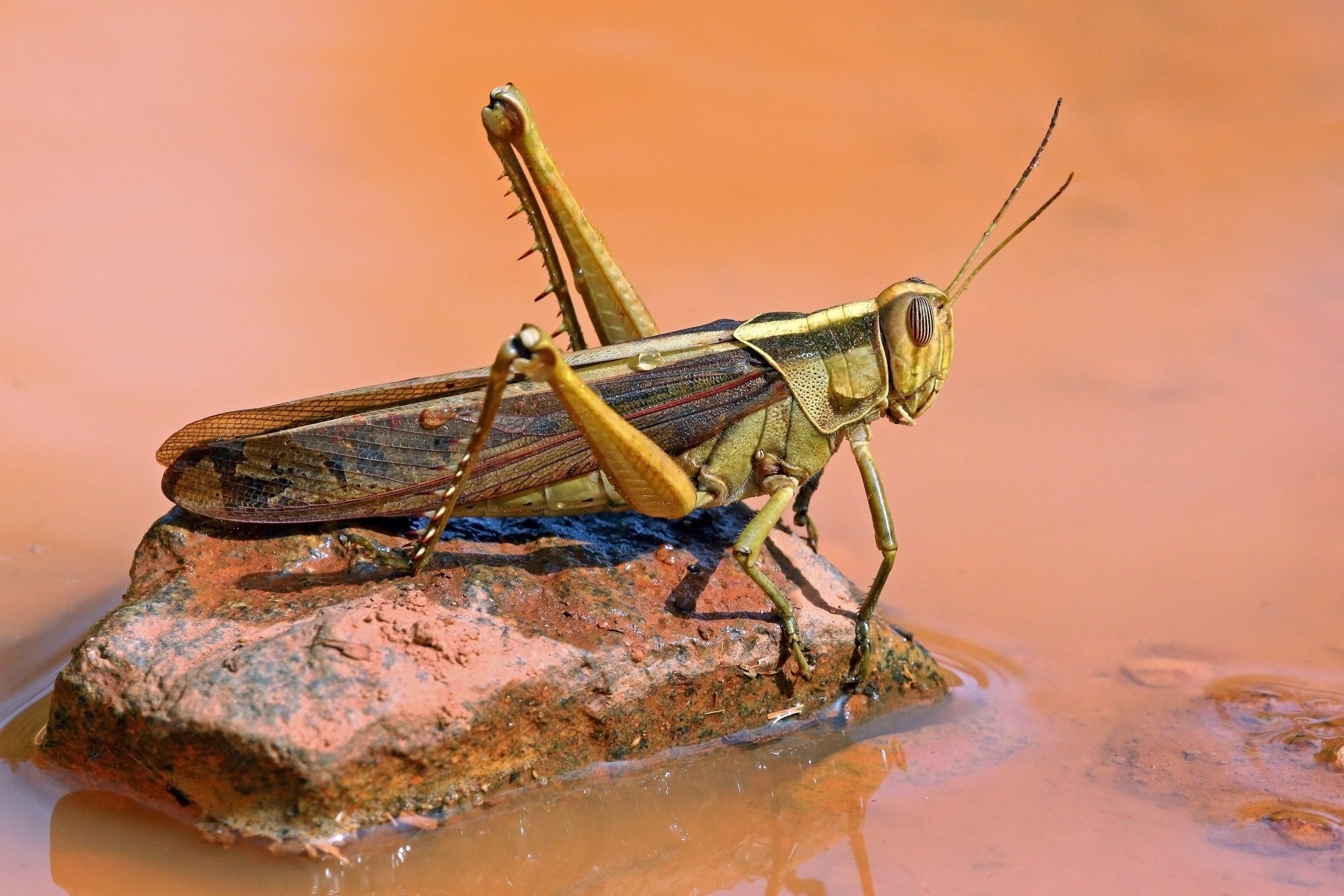
Insects may be small, but they are among the deadliest campsite threats. Mosquitoes transmit diseases such as West Nile virus and encephalitis. Bees and wasps can trigger fatal allergic reactions within minutes. Ticks spread multiple illnesses that may not show symptoms immediately. Campsites near water or dense vegetation increase insect exposure. Improper clothing and a lack of repellent raise the risk. Many emergencies begin with a single unnoticed bite or sting. Preparedness and prevention are essential for safety.
10. Wild Boar
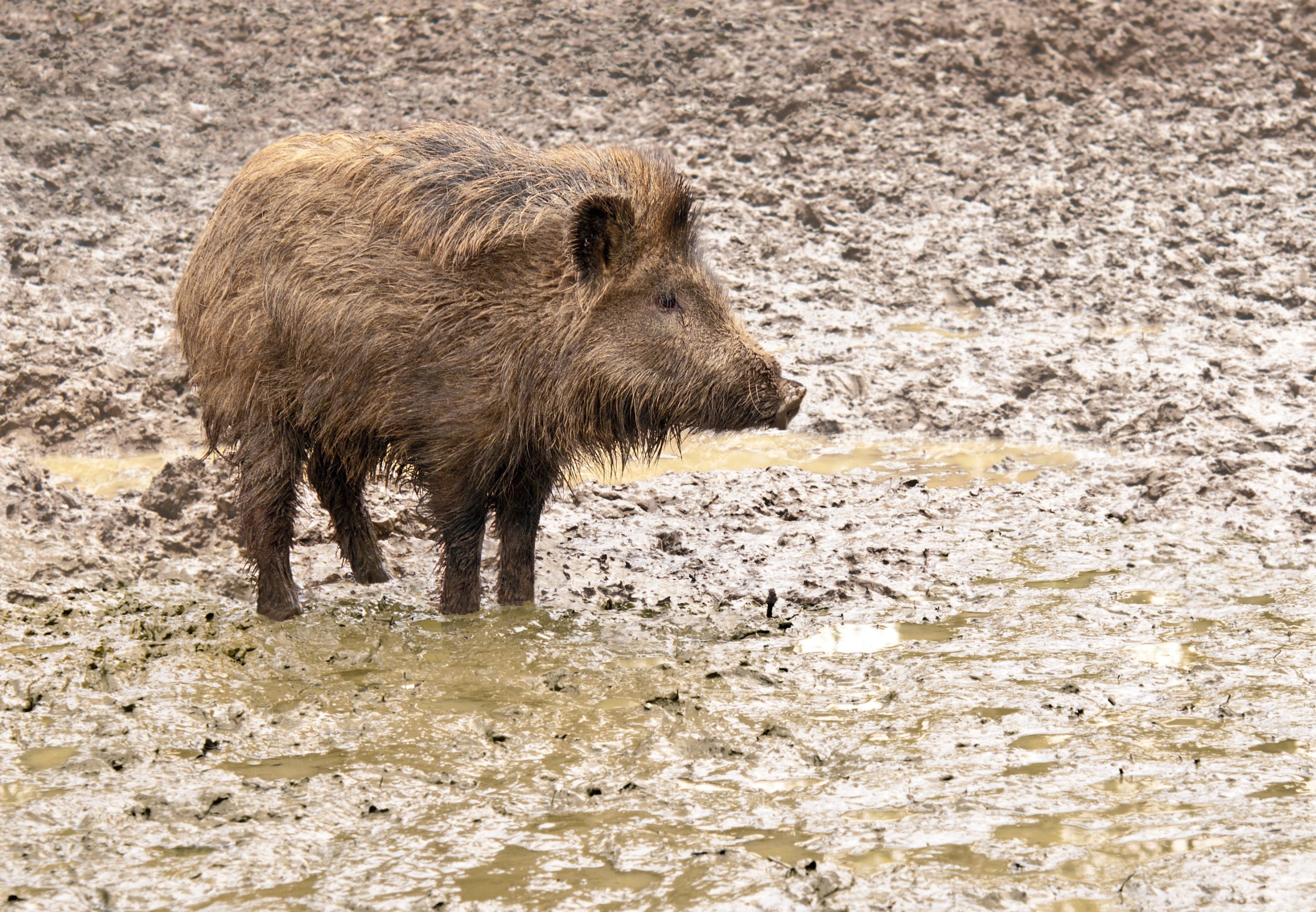
Wild boars are aggressive, strong, and increasingly present near campsites. They are attracted to food scraps and disturbed soil. Boars may charge when startled or protecting their young. Their tusks can cause severe injuries. Nighttime activity increases surprise encounters. Boars also carry diseases transferable through contact. Campers unfamiliar with boar behavior may underestimate danger. Avoiding food odors and staying alert reduces risk significantly.
11. Mountain Lions
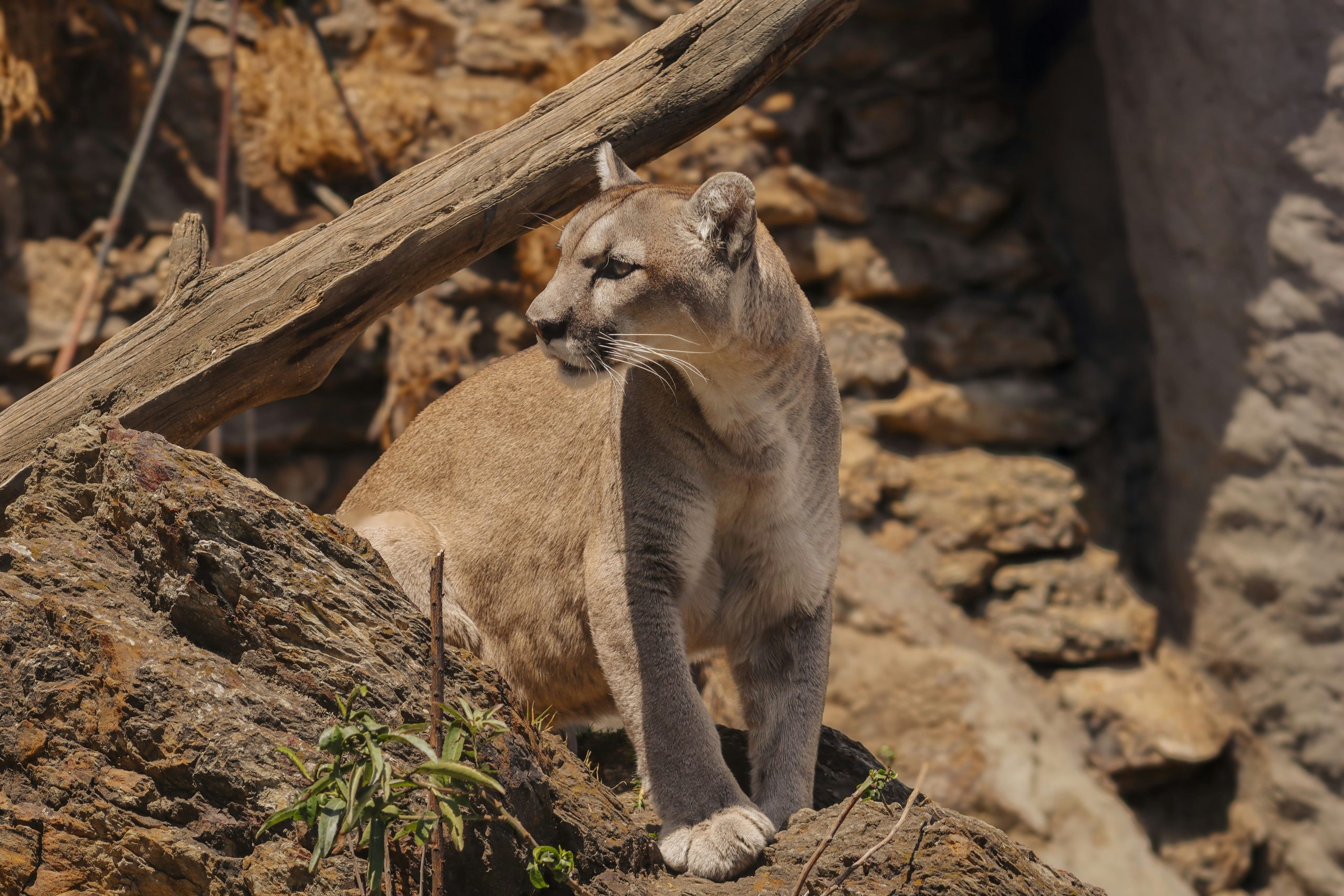
Mountain lions rarely target campsites, but when they do, the consequences are severe. These predators are silent, curious, and capable of stalking unnoticed. Camps near deer populations increase risk. Children and pets are most vulnerable. Lions may investigate camps at dawn or dusk. Maintaining visibility and group awareness helps deter encounters. Understanding lion behavior reduces panic and poor decisions. Respecting their territory is essential.
12. Bears
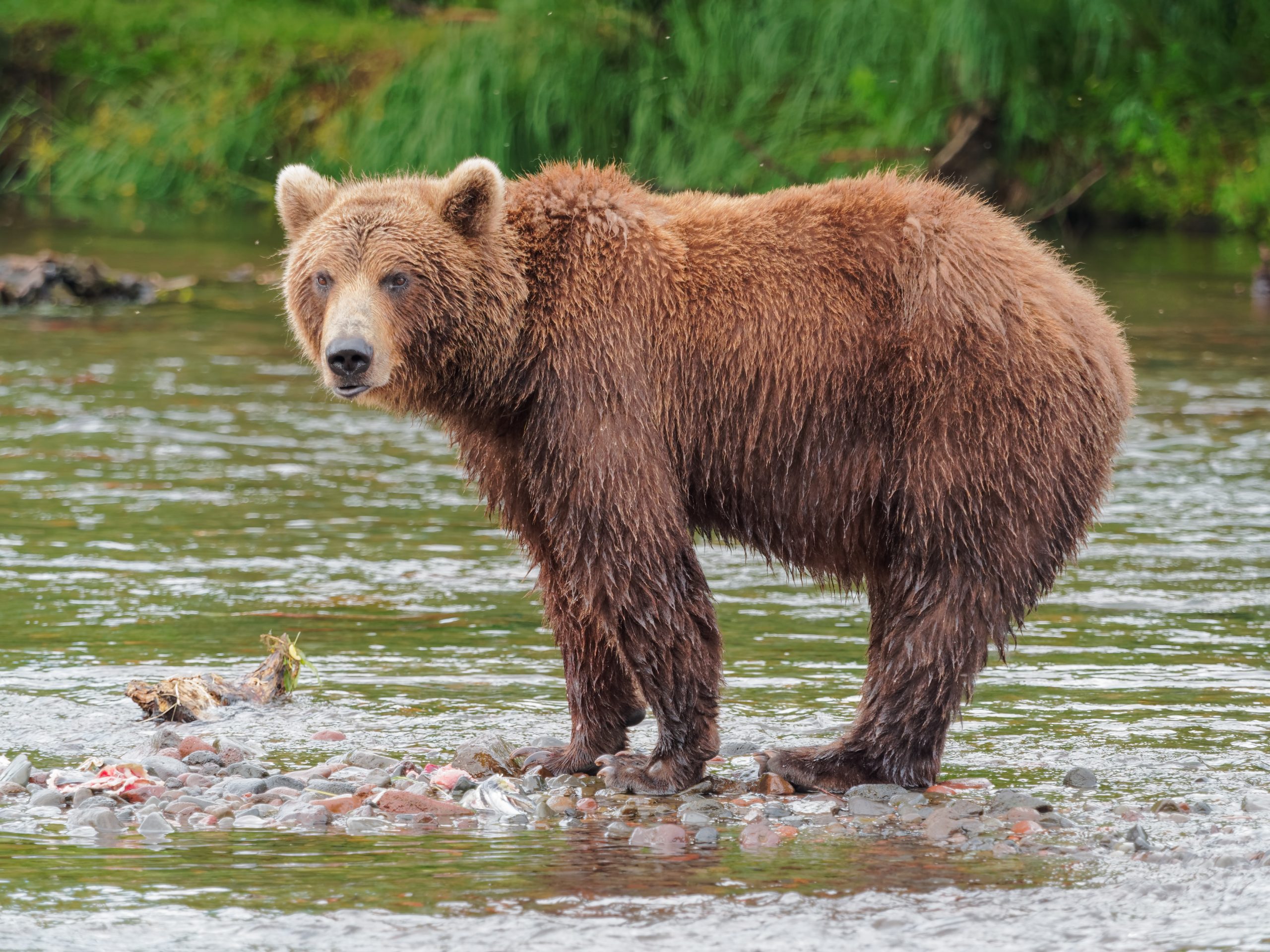
Bears are the most recognized campsite threat, yet many dangers come from complacency. Improper food storage draws bears into camps. Once habituated, bears become aggressive. Even black bears can cause serious injury. Surprise encounters are especially dangerous. Bears destroy tents, vehicles, and gear while seeking food. Campers who ignore bear protocols increase the risk for everyone. Consistent prevention is the only reliable defense.