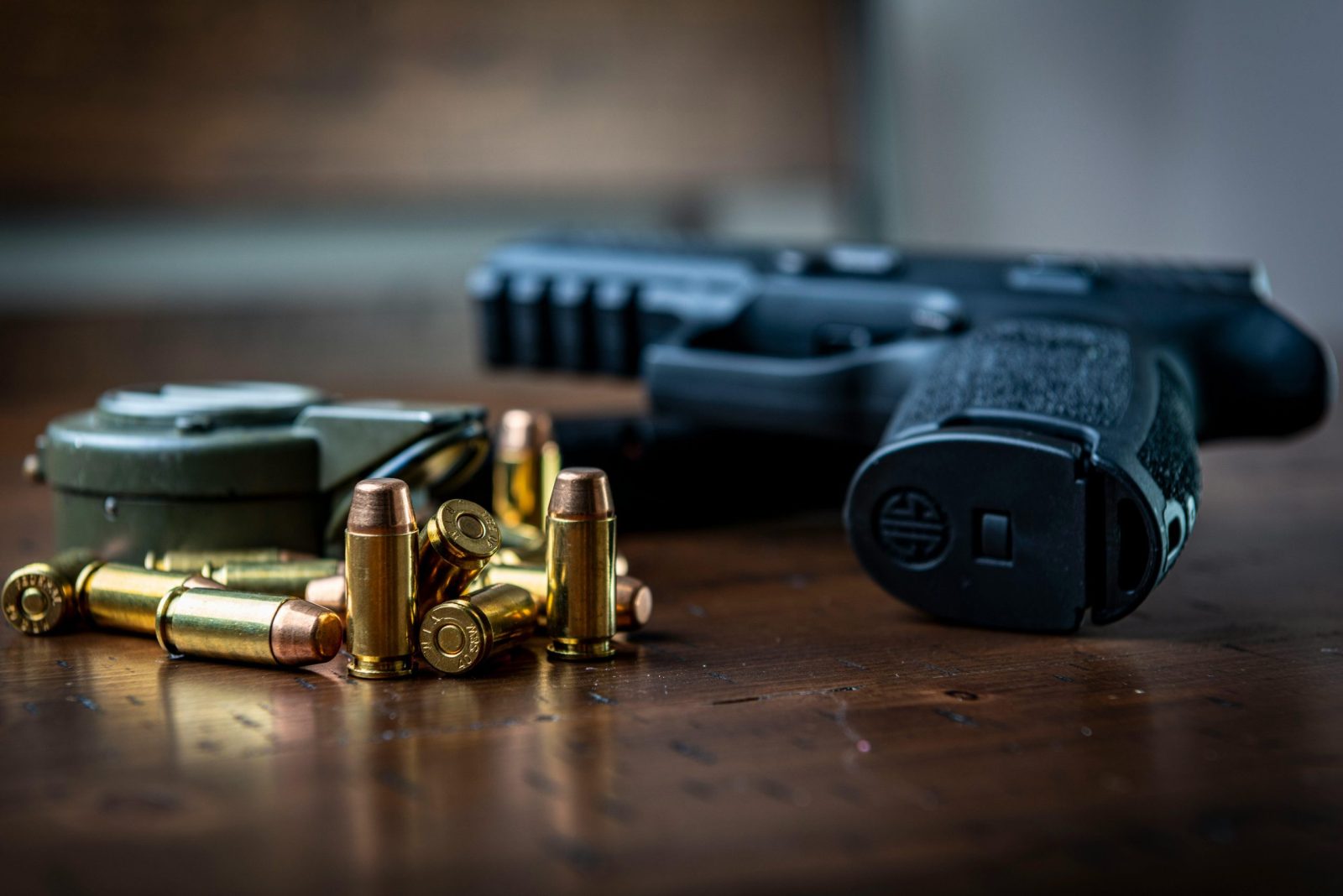
Understanding the 11 worst calibers for self-defense involves recognizing that not every projectile provides the necessary power to stop an immediate and dangerous threat. While many small rounds remain popular for casual target practice at the local range, they often lack the terminal performance required during a high-stress encounter today. Relying on an underpowered or unreliable cartridge can significantly diminish the chances of successfully defending a home or family in a crisis. This guide examines the specific rounds that enthusiasts frequently avoid for protection due to their poor ballistics and inconsistent track record across various modern defensive scenarios.
Twenty Two Long Rifle
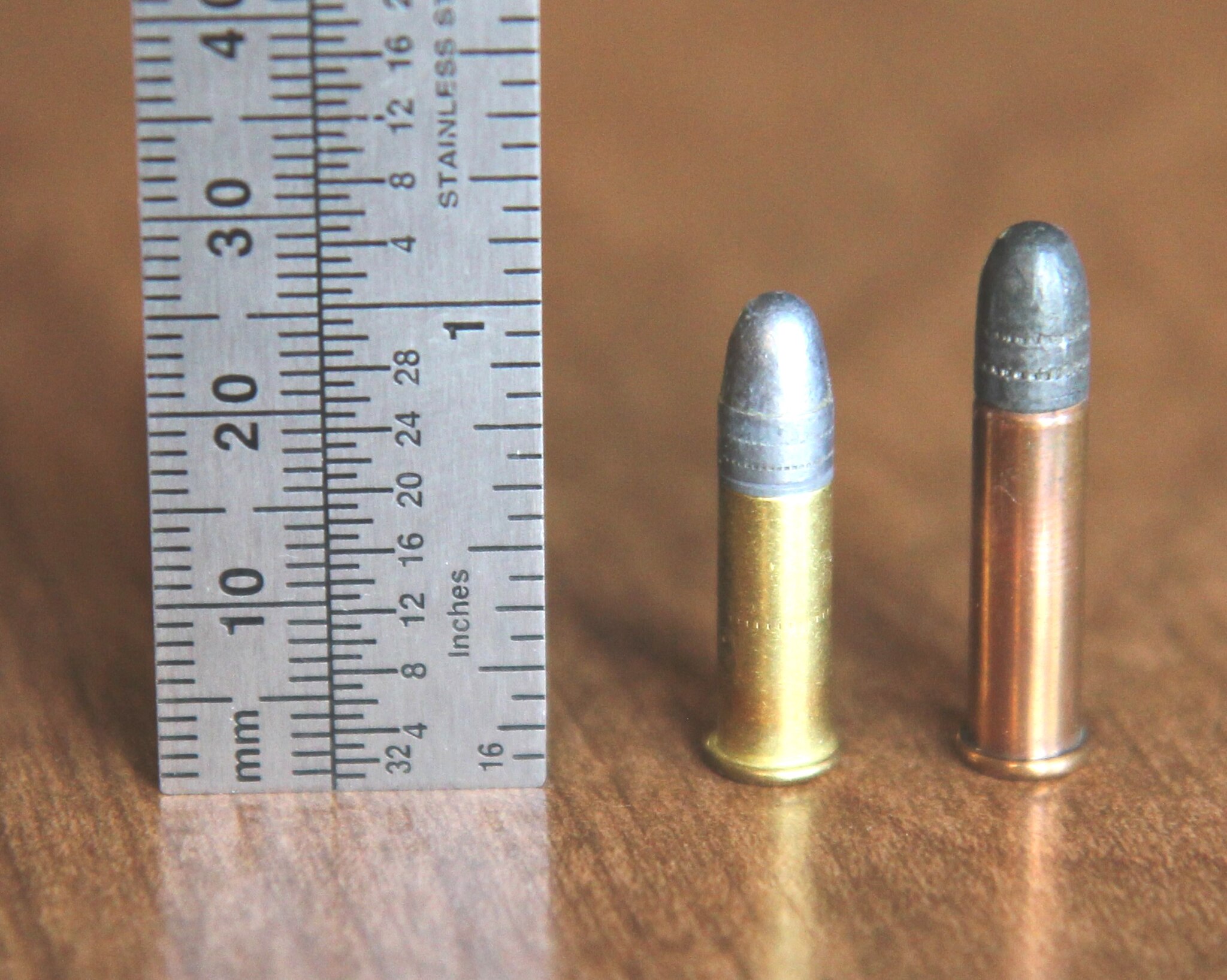
The twenty two long rifle is a legendary choice for teaching new shooters the basics of marksmanship, but it represents a poor option for serious personal protection. This rimfire cartridge often suffers from reliability issues because the manufacturing process is less consistent than modern centerfire ammunition found in most gun shops. It lacks the necessary kinetic energy to penetrate thick clothing and deep tissue effectively, which often results in a failure to stop a determined attacker quickly. While the low recoil allows for very fast shots, the lack of stopping power makes it a risky choice for any high-stakes situation.
Twenty-five ACP
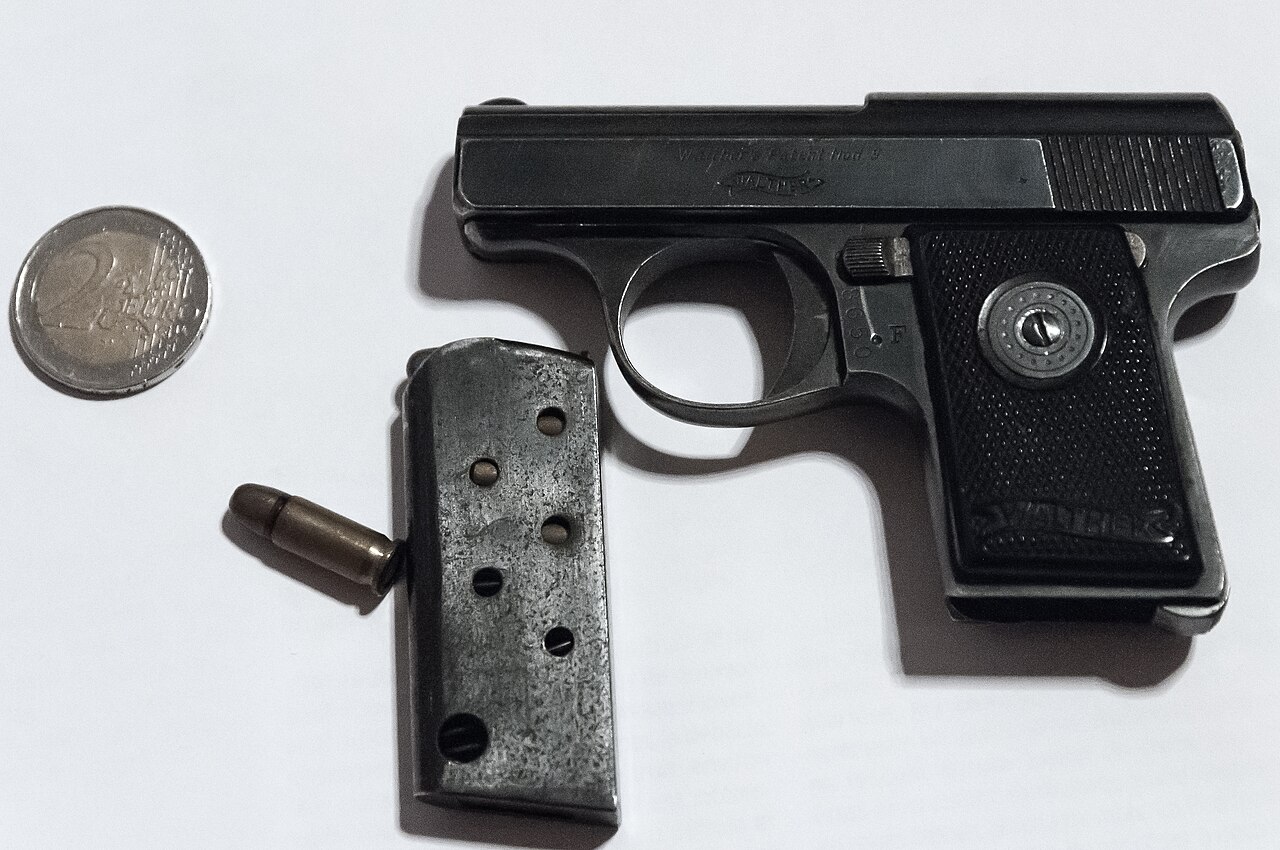
The twenty-five ACP was originally designed for very small pocket pistols that prioritize concealment over actual ballistic performance in the field. This round is notoriously weak and often produces less energy than a high velocity twenty-two caliber projectile from a longer barrel. Many ballistics experts argue that the small bullet size and low velocity make it essentially useless for stopping a threat during a real-world emergency today. Most modern shooters have moved away from this caliber in favor of more reliable and powerful subcompact options that offer better peace of mind. It remains a very outdated choice.
Thirty Two ACP
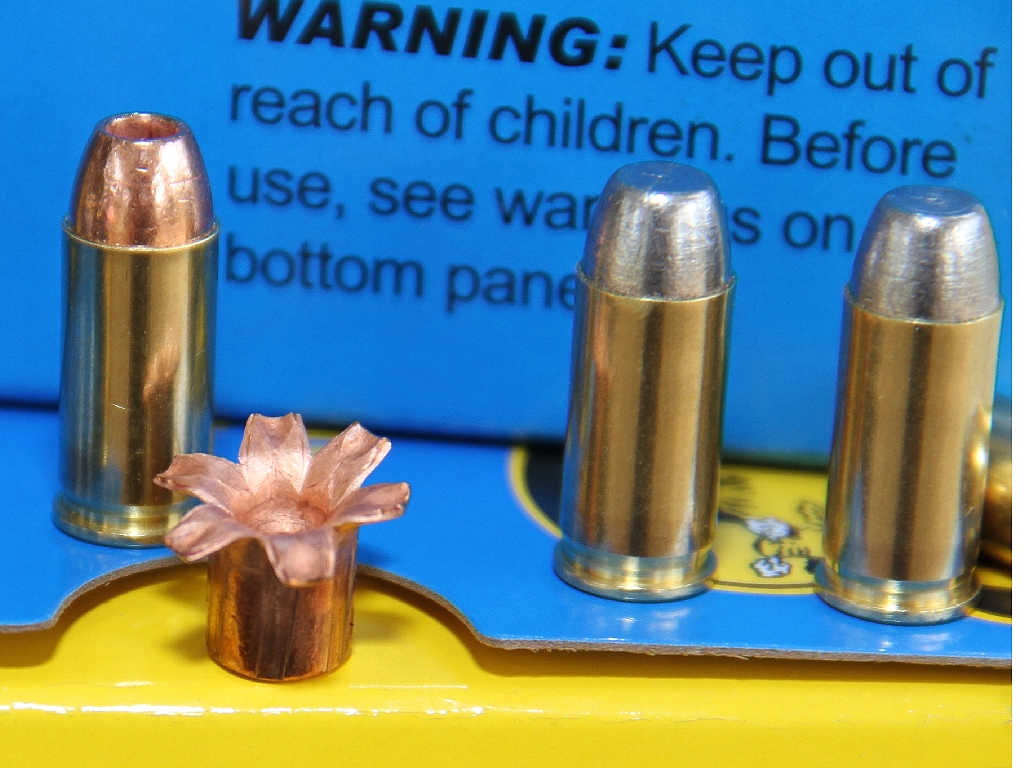
The thirty-two ACP enjoyed significant popularity in early twentieth century European police sidearms, but it has largely fallen out of favor for modern defensive use. While it is certainly more powerful than the twenty-five caliber, it still struggles to meet the minimum penetration standards established by major law enforcement agencies. Modern clothing and barriers can easily deflect or slow down this relatively small and light bullet before it reaches its target. Many individuals find that carrying a larger nine millimeter handgun provides significantly more security without a massive increase in the overall size or the weight of the firearm.
Twenty Two Magnum
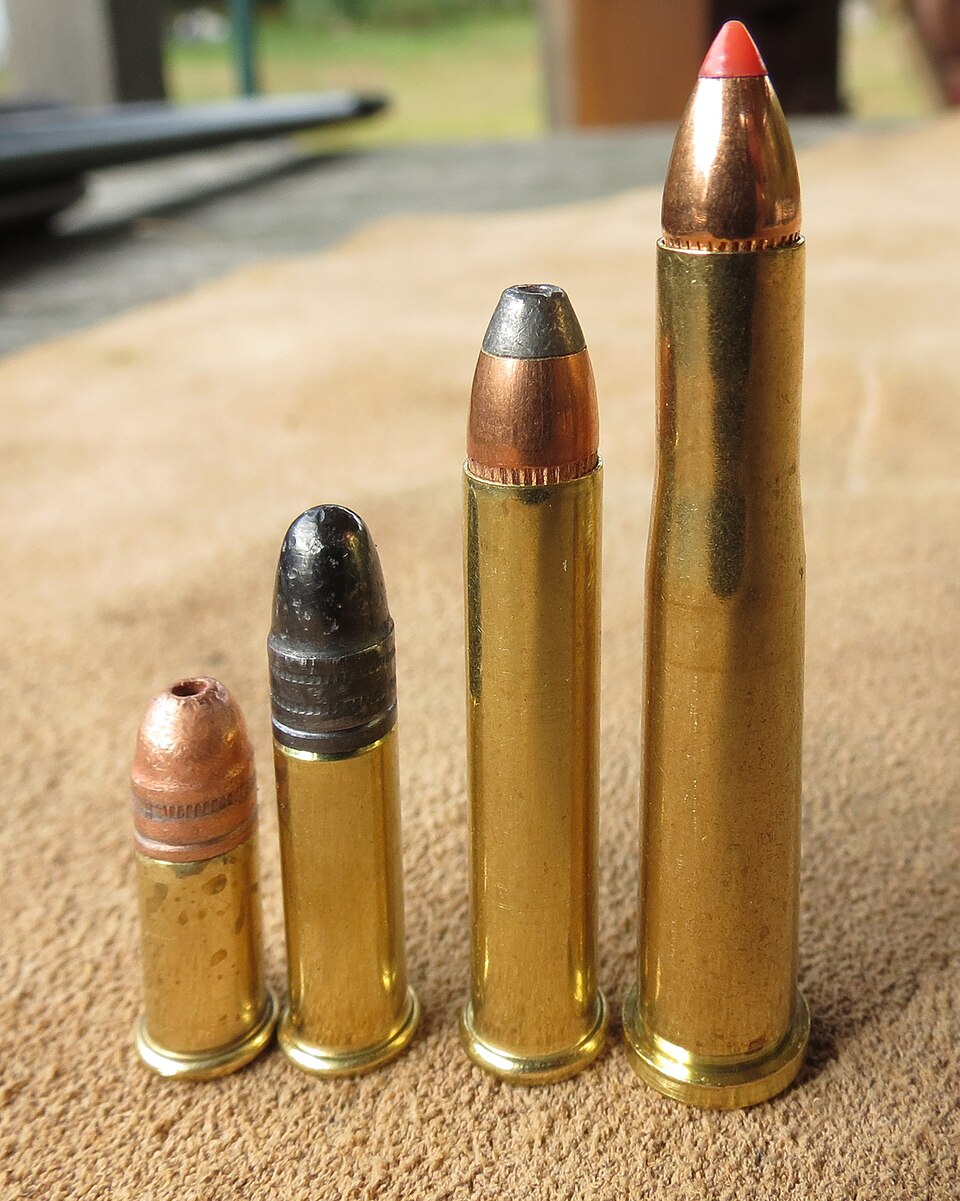
The twenty-two magnum offers a significant boost in velocity compared to its smaller rimfire relatives, but it still suffers from the inherent weaknesses of rimfire ignition. Reliability remains a primary concern for any tool intended for self-defense, as a single dud round can lead to a catastrophic failure during a crisis. While the extra speed provides better penetration, the small diameter of the bullet limits the amount of permanent damage caused to a target. Most defensive experts recommend choosing a centerfire cartridge that offers much more consistent performance and higher energy levels for absolute and total home protection.
Thirty Two Short
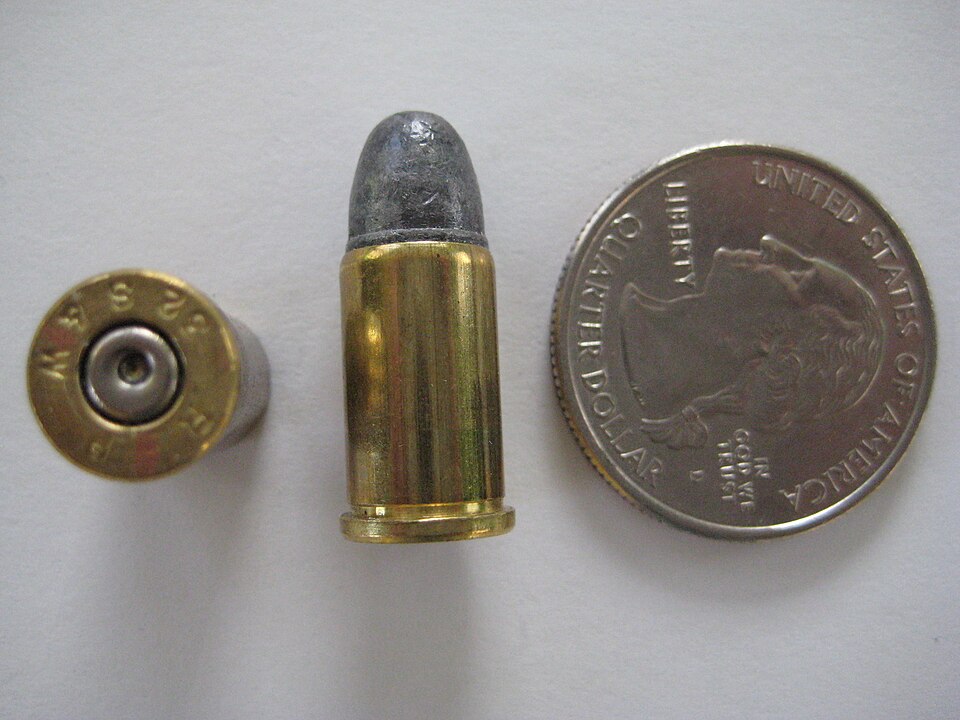
The thirty-two short is a relic from the era of black powder revolvers and presents a dangerous lack of power for any modern defensive application. This cartridge produces very low velocities that make it nearly impossible to expand a hollow point bullet effectively upon impact with a solid target. Using such an antiquated round in a contemporary emergency is a gamble that most responsible firearm owners are simply unwilling to take today. The difficulty of finding high-quality and fresh ammunition for this caliber also makes regular practice and testing a frustrating and nearly impossible task for the average.
Thirty Eight S&W
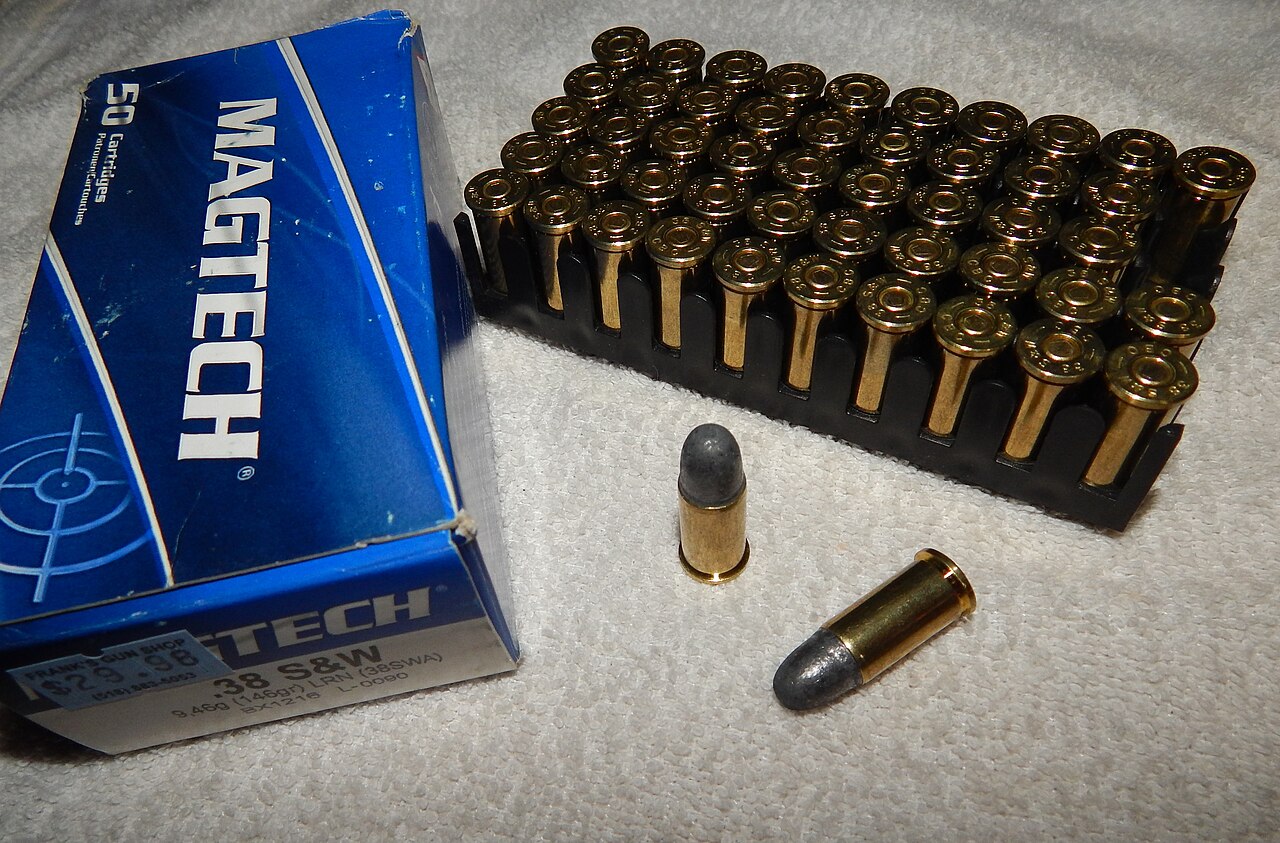
The thirty-eight Smith and Wesson is often confused with the much more powerful thirty-eight special, but it features a shorter case and a wider bullet diameter. This caliber was common in older British military revolvers, but it offers very poor terminal ballistics by modern standards for personal safety. The low pressure of the round results in sluggish performance that fails to provide the necessary stopping power for an active and dangerous threat. Most older firearms chambered for this round are also not designed to handle the stresses of modern high-pressure defensive ammunition. It is best left for history.
Twenty-five Stevens
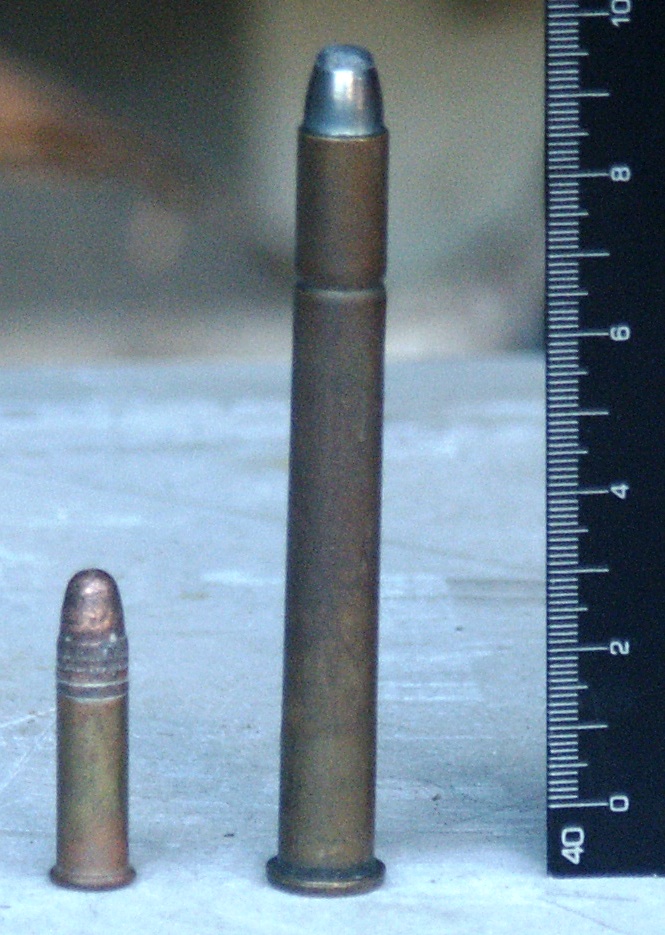
The twenty-five Stevens is an obsolete rimfire cartridge that has not been in regular production for many decades across the entire country. Finding functional ammunition for this caliber is a significant challenge, and relying on old surplus rounds for self-defense is incredibly risky and unwise. These projectiles lack the speed and the weight to be effective in a crisis, and the old ignition systems are prone to frequent failures. Any person carrying a firearm in this caliber should immediately consider upgrading to a modern and reliable handgun to ensure they have a fighting chance during a sudden.
Seven Point Sixty Five French Long
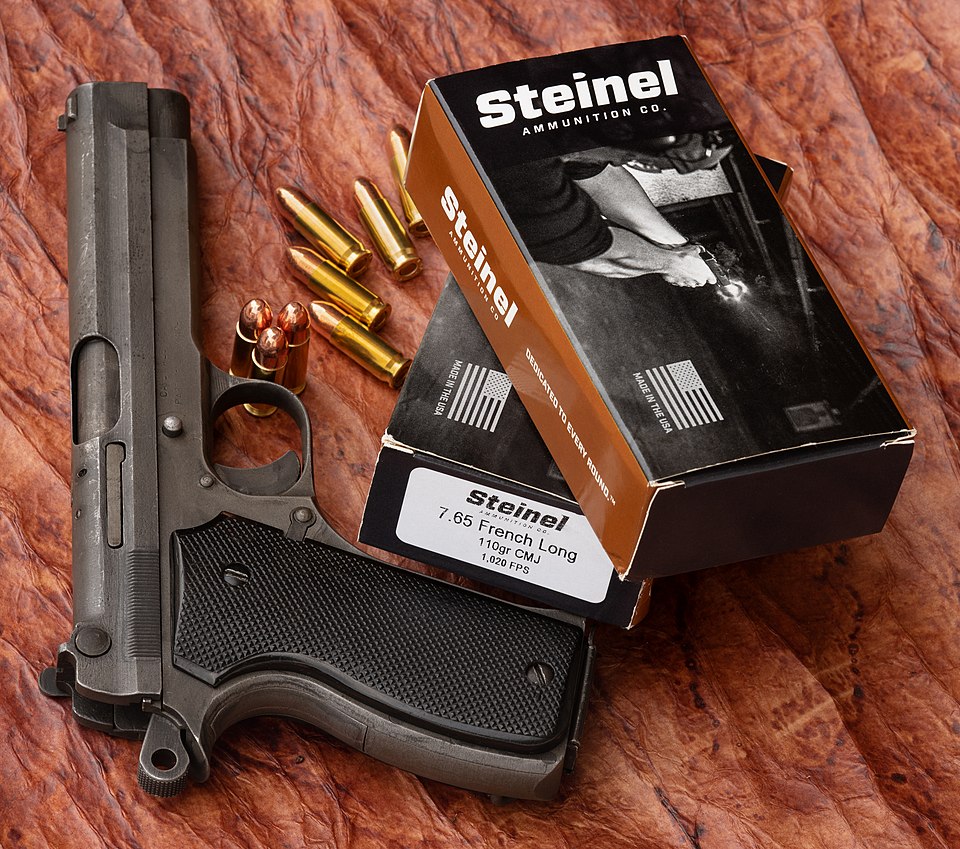
The seven-point-six-five French Long was a unique military cartridge that never gained a significant following outside of its native country during the last century. Handguns chambered for this round are rare, and the ammunition is extremely difficult to source for regular training or defensive use today. The ballistic profile is very similar to the thirty-two ACP, which means it lacks the energy and penetration needed for modern protection. Relying on a rare and underpowered caliber creates unnecessary hurdles for maintenance and reliability in the field. It is a niche item with no practical defensive.
Thirty Two H&R Magnum
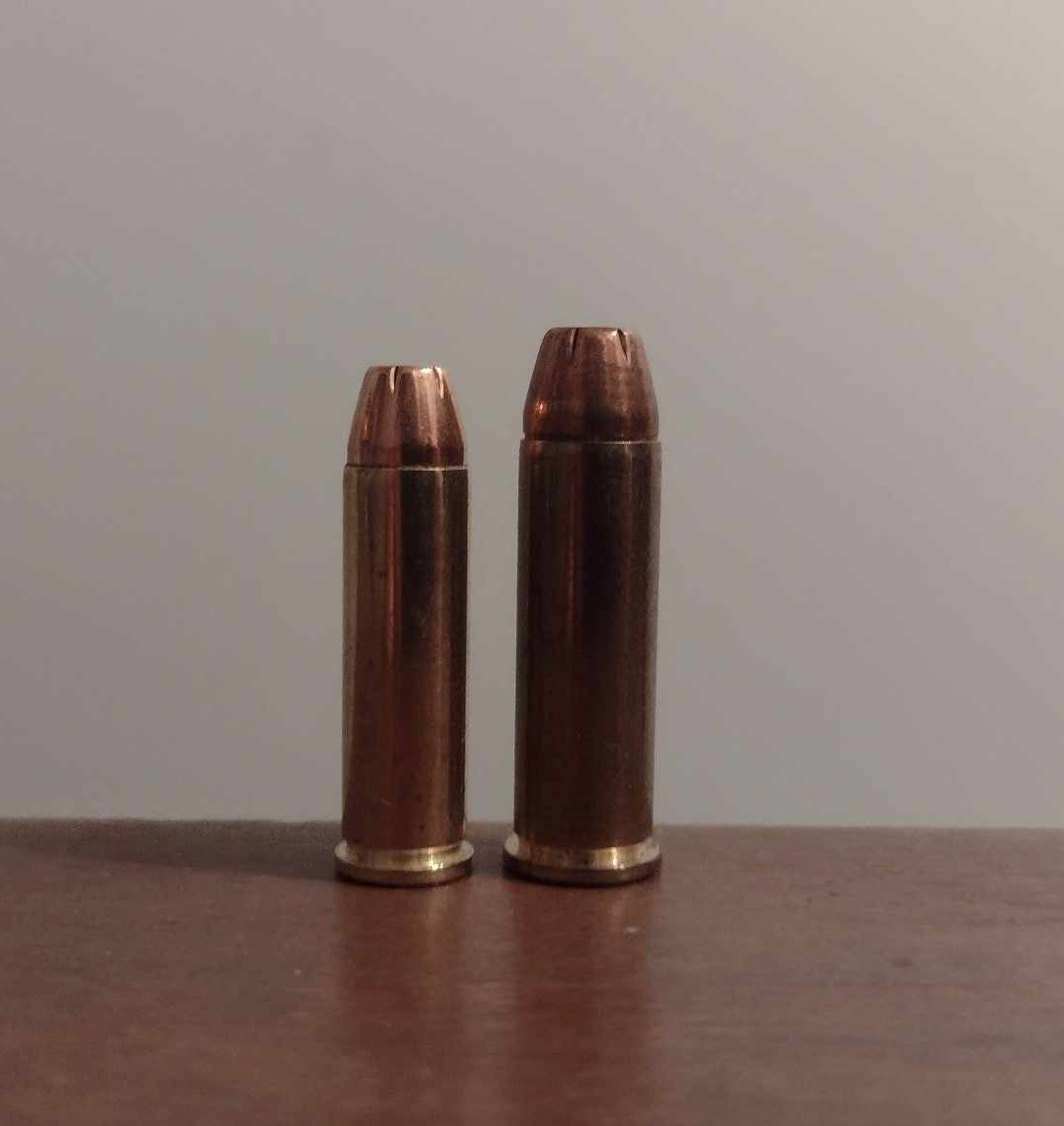
The thirty-two H&R magnum was an attempt to create a powerful small-bore revolver round, but it never achieved mainstream success in the industry. While it is more capable than many other small calibers, it still falls short of the performance offered by the ubiquitous thirty eight special. The limited selection of high-quality defensive loads and the scarcity of suitable firearms make it a poor choice for daily carry. Most owners find that a standard caliber provides more options for ammunition and much better overall support from manufacturers. It is a caliber that never quite caught on.
Five Point Seven By Twenty Eight
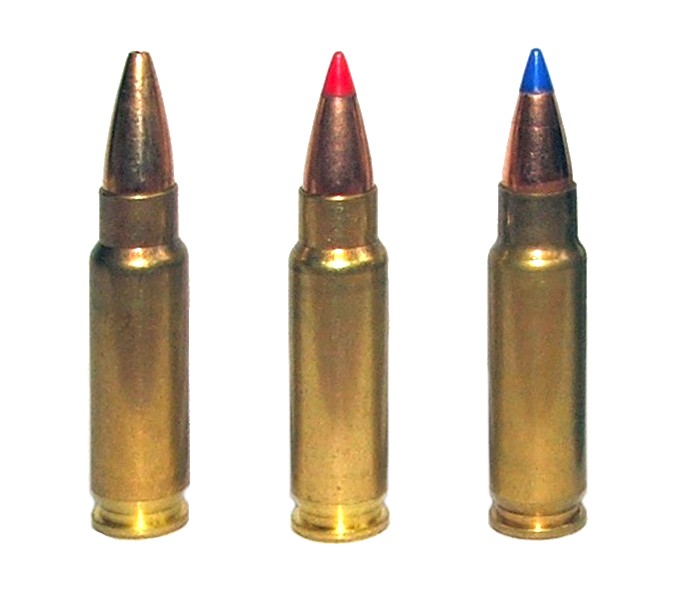
The five-point-seven by twenty-eight was designed for armor-piercing military applications, but it presents some significant drawbacks for civilian self-defense. The small and very fast bullet relies on high velocity to be effective, which can lead to overpenetration issues in a home environment. Without the specialized military projectiles, the civilian versions of this round often behave like a glorified twenty two magnum in soft tissue. The high cost of ammunition and the large size of the firearms also make it less practical for many individuals seeking a compact carry.
Forty-One Magnum
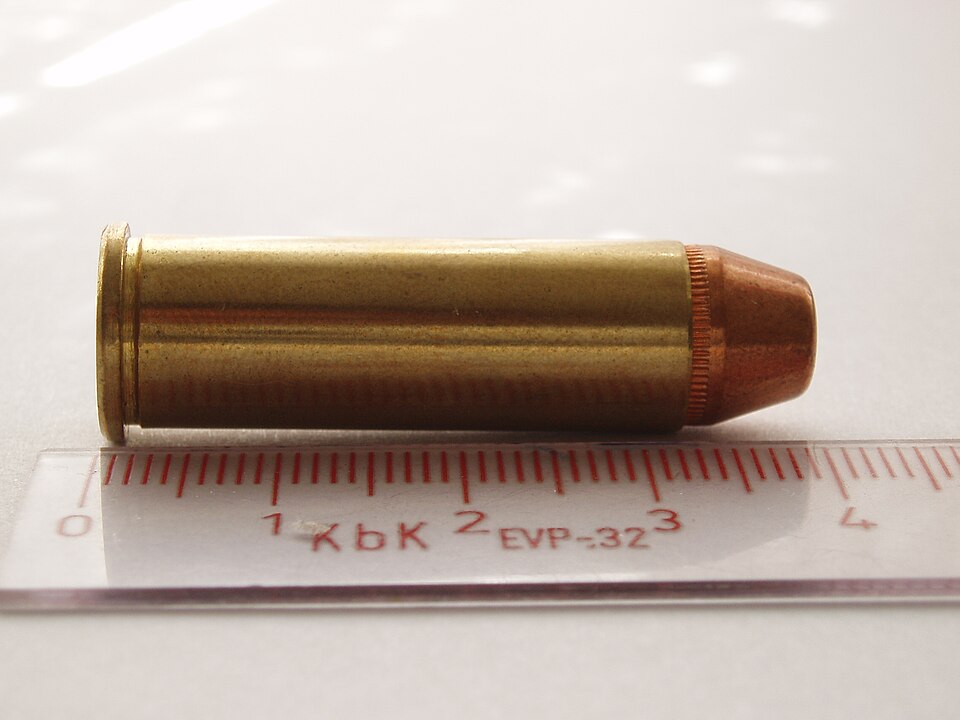
The forty one magnum is a powerful hunting cartridge that is often considered too much for a typical self-defense scenario. The intense recoil and massive muzzle blast make follow-up shots extremely difficult for the average shooter under the pressure of a crisis. This round also carries a significant risk of over penetration, which can endanger innocent bystanders in nearby rooms or buildings during an encounter. While it is an excellent choice for protection against large animals in the wild, its raw power is often a disadvantage in a suburban or urban setting.