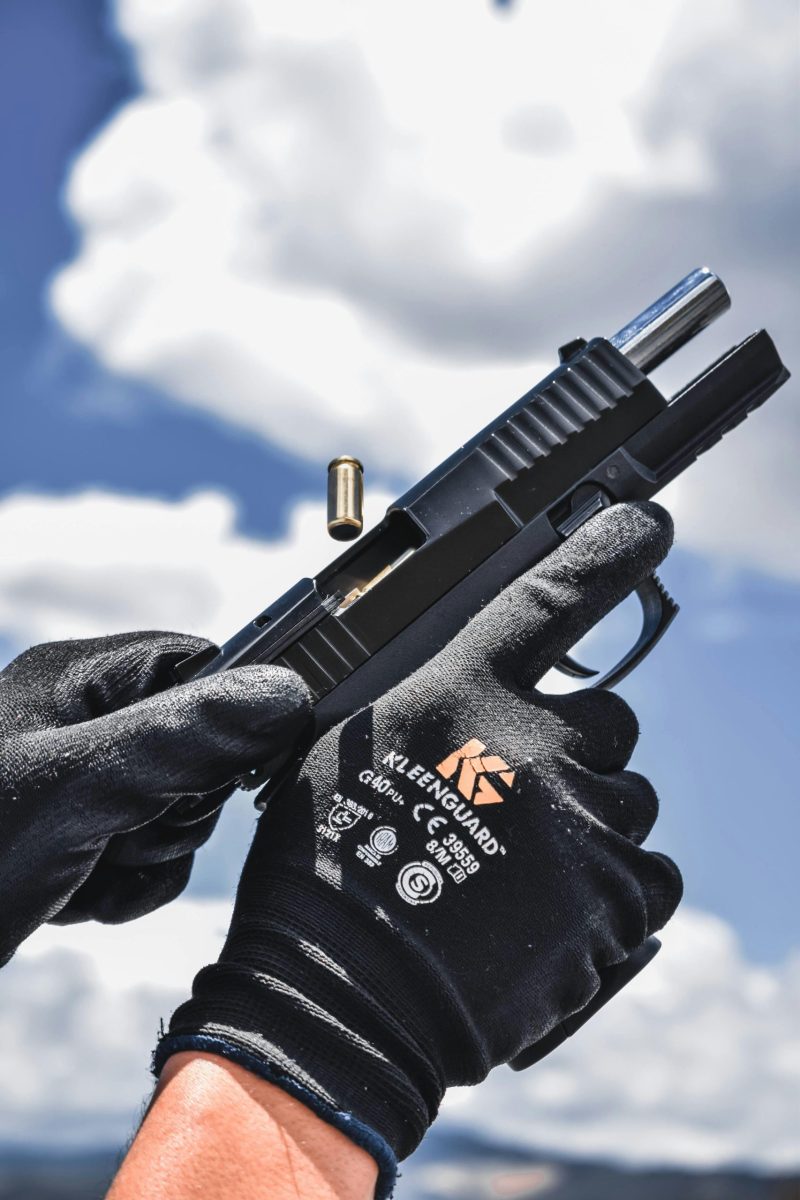
Purchasing a used firearm requires a keen eye to avoid overpaying for a heavily abused mechanical device. Sellers frequently claim that a pistol has only fired a few boxes of ammunition despite high internal round counts. Exterior finishes often remain pristine even after thousands of rounds because owners usually keep them in padded cases. However, friction generates heat and wear that cannot be hidden from an educated buyer. Expert collectors look for one specific wear mark that acts as a reliable odometer. This distinct visual indicator proves exactly how much hard work the gun has actually done over its lifetime.
The Telling Barrel Hood
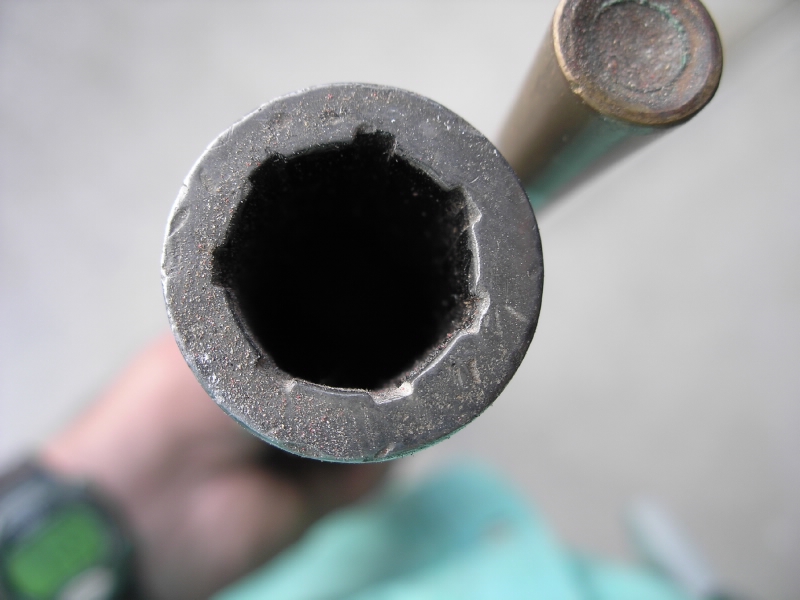
The barrel hood serves as the most honest component of a semi-automatic pistol during an inspection. When the slide cycles, the barrel drops and tilts to unlock the action for ejection. This repetitive vertical movement forces the steel hood to rub against the interior of the slide roof. A distinct crescent shape appears on the top of the barrel chamber, which enthusiasts call a smiley. A gun that sits in a holster might look new on the outside, but this mark proves it has been fired. It acts as a permanent mechanical odometer for the wise buyer to check.
Understanding The Mechanics
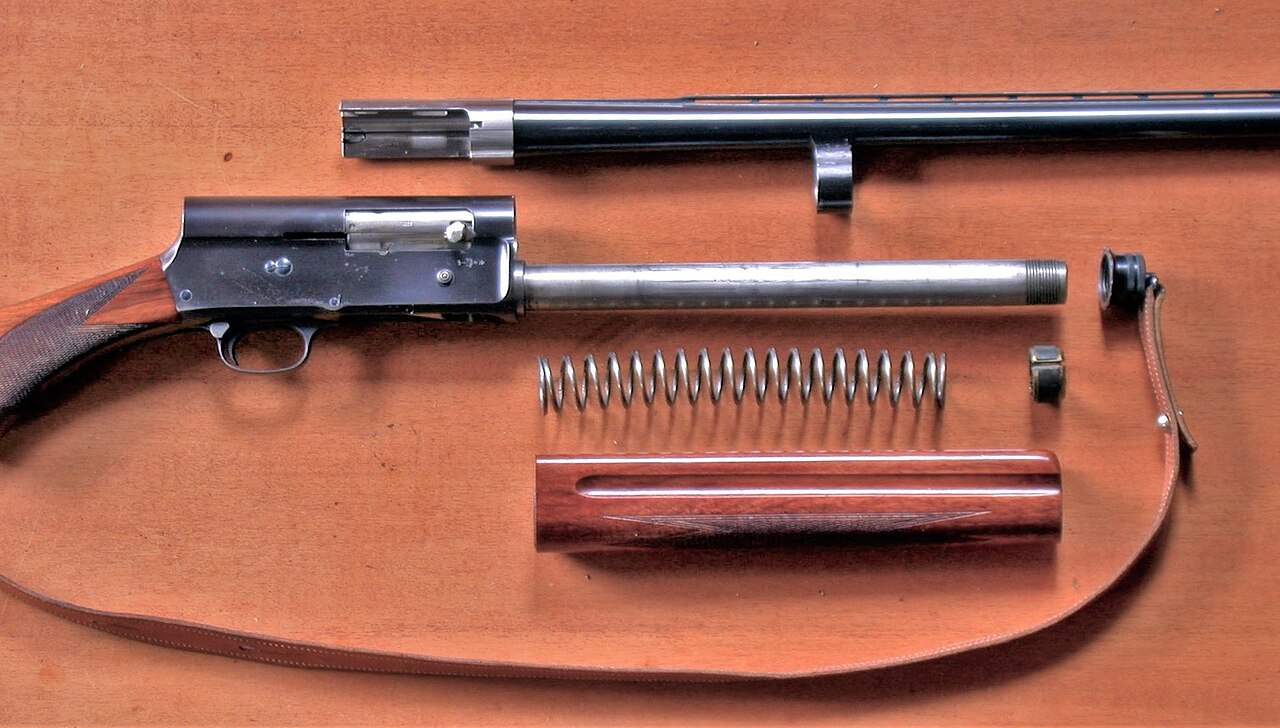
This specific wear pattern occurs because of the tilting barrel design found in most modern service handguns. The barrel must unlock from the slide to eject the spent casing safely after firing. This violent motion forces the steel hood to rub against the interior of the slide roof under pressure. Physics dictates that metal rubbing against metal under tension creates unavoidable friction and heat. Even the strongest modern coatings eventually succumb to this repetitive contact over time. Understanding this mechanical process helps a buyer distinguish between simple handling marks and actual firing wear that accumulates on the steel surface.
Spotting The Difference
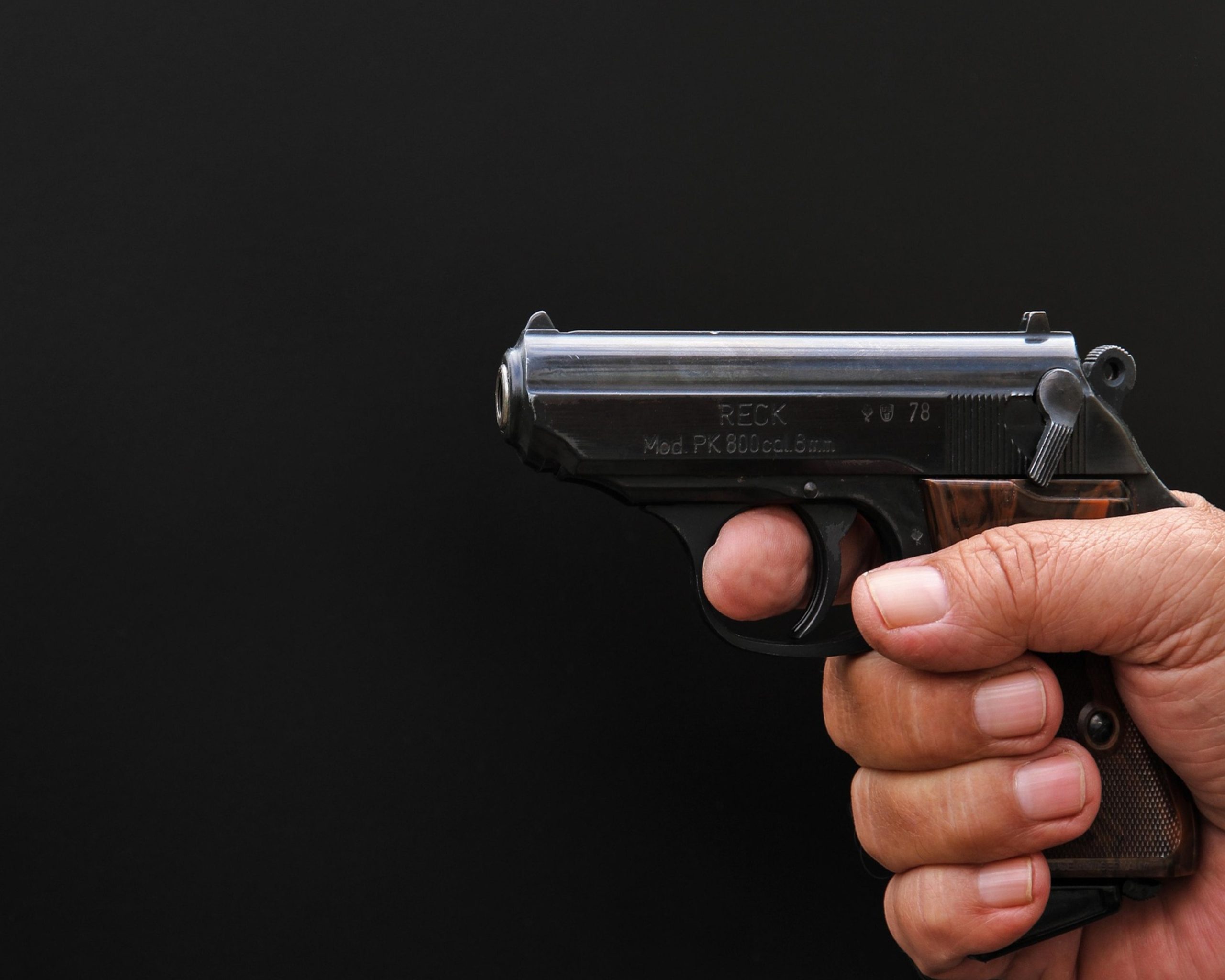
Distinguishing between a factory test fire mark and high-volume abuse requires a careful visual inspection. A faint line or light scuffing is perfectly normal for a new firearm that has been tested. However, a deep groove that catches the fingernail indicates extensive use that goes beyond standard break-in periods. The metal should look polished rather than gouged or pitted in this critical area. If the wear extends significantly down the sides of the barrel hood, it suggests a lack of lubrication. Smart buyers use this visual gauge to negotiate the final price based on the actual condition.
The Slide Interior
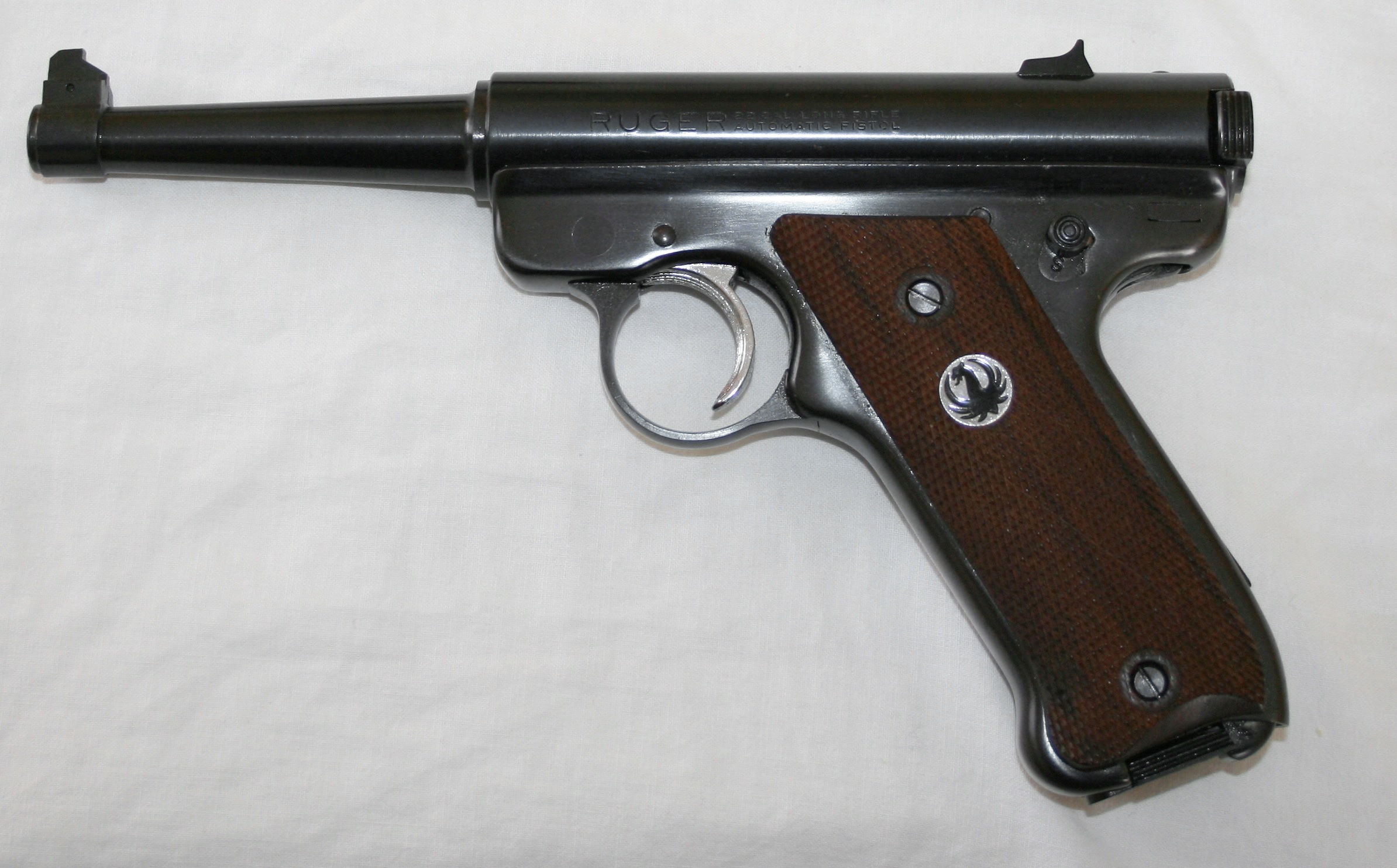
Inspecting the underside of the slide reveals the corresponding wear mark that matches the barrel hood perfectly. This internal surface often shows a mirror image of the smiley found on the chamber block. A rough or uneven wear pattern here can indicate poor machining or a timing issue with the pistol. Experienced collectors always field strip the weapon to examine this hidden area before finalizing a purchase. It provides a second data point to confirm the story told by the barrel. Comparing both surfaces ensures that the parts are original and have worn together naturally over a long time.
Why Exteriors Deceive
Relying solely on the external finish of a slide or frame is a common mistake for novices. A pistol can spend decades in a holster without being fired and show significant external holster wear. Conversely, a competition gun might look pristine on the outside but have thousands of rounds through the barrel. Cerakote and other modern finishes can easily hide external abuse or scratches from careless handling. The internal friction points do not lie because they cannot be refinished easily without affecting tolerances. Ignoring the shiny exterior and focusing on the barrel hood reveals the true age of the weapon.