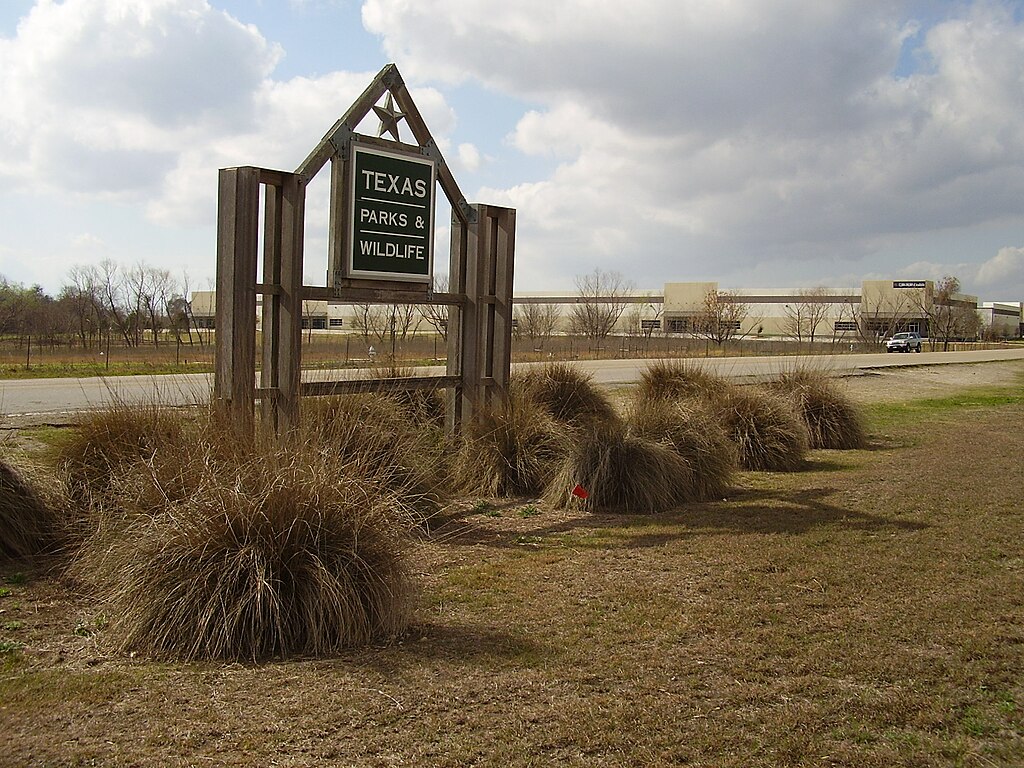
Hunters across Texas are being handed a significant boost for the 2025 26 season. The Texas Parks & Wildlife Department (TPWD) is expanding public hunting access by adding over 10,000 acres to its Public Hunting Program. This expansion not only gives more terrain to roam, but also enhances conservation, habitat management, and the variety of hunt types available. Here’s an in-depth breakdown of what’s changed, why it matters, and how you should prepare.
What the Numbers Actually Mean
With the addition of more than 10,000 acres, TPWD’s public hunting footprint now stretches to over one million acres statewide. The growth reflects strategic acquisitions of state parks and natural areas, and opens up access in previously privately held or restricted locations. For the average hunter, that translates into more units to apply for, less crowding on established properties, and greater flexibility in choosing terrain that matches your style.
Where the New Acres Are Located
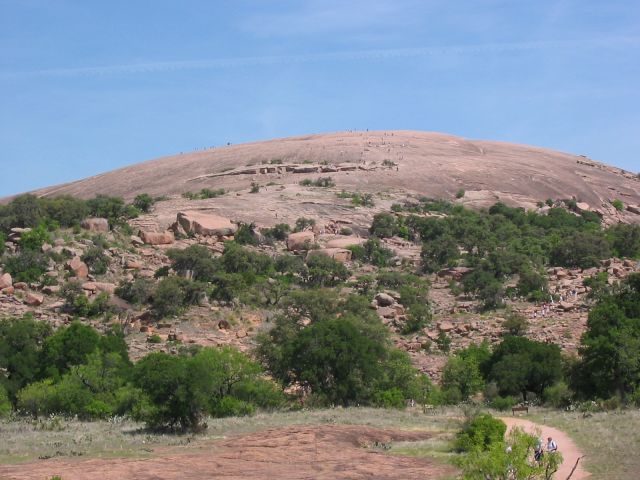
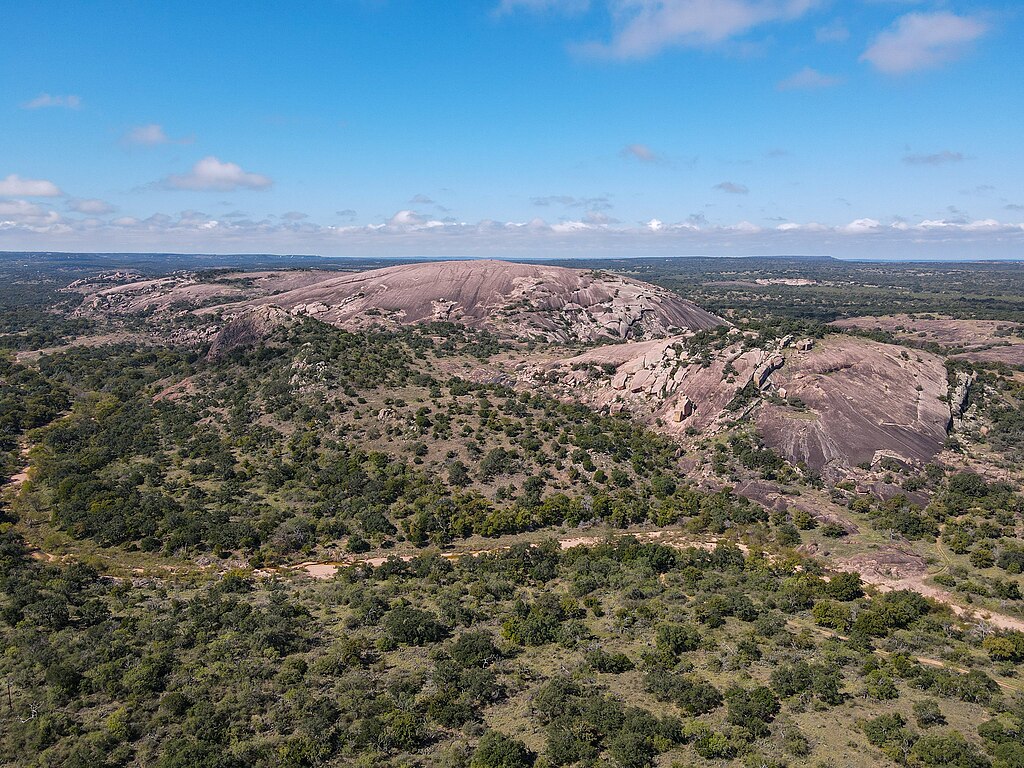
The new additions include several properties: approximately 1,650 acres at Dinosaur Valley State Park, 1,400 acres at the Isle du Bois Unit of Ray Roberts Lake State Park, around 3,100 acres at the not-yet-fully developed Post Oak Ridge State Park, and roughly 3,100 acres at Enchanted Rock State Natural Area. These locations span diverse terrain, from North Texas ecoregions to Hill Country landscapes, offering more options for hunters seeking variety.
Terrain and Region Diversity
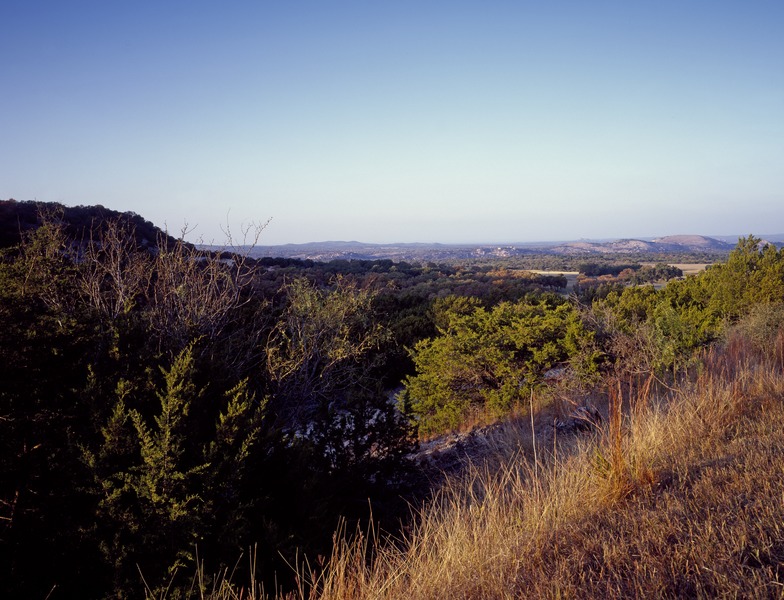
The expanded opportunity stretches across terrain types, granite domes, and oak savannah in Hill Country, flat woodlands in North Texas, and brush country in other parts of the state. For example, Post Oak Ridge lies near the Colorado River corridor, offering spring-fed creek and river access. That means you might choose a rugged Hill Country set up one weekend and a timbered pine oak hunt the next. The terrain variety allows hunt styles to match habitat rather than forcing hunters into mismatched setups.
Permit Changes and Access Requirements
To hunt on these lands, you’ll need the TPWD Annual Public Hunting Permit, priced at $48, which covers hunting, fishing, camping, and hiking on participating public lands. In addition, many hunts will continue to be managed via the Texas Public Hunt Drawing system, with application windows opening July 1 for the 2025-26 season. Part of the preparation means understanding which units are walk-in vs drawn, what species or hunt types apply, and what days access is allowed.
Walk-In vs. Drawn Hunt Options Expand
The new acreage expands both walk-in public hunts and drawn hunts (requiring application and permit). With more units, TPWD can distribute high-demand hunts more evenly and increase non-draw opportunities. That means casual hunters may find more walk-in hunts that fit their schedule, while serious applicants gain access to newly added premium properties. For both segments, the expansion provides a chance to avoid heavy pressure that builds on longstanding units.
Conservation and Wildlife Management Impacts

This expansion isn’t just about more access; it’s also about better land management. Each added unit allows TPWD to integrate habitat restoration, wildlife monitoring, and hunter-supported management on these properties. Hunters become partners in preserving ecosystems. Managed hunts on these units help control species like feral pigs or overpopulated deer and maintain healthy habitats for native animals. Ultimately, the additional acreage supports both access and wildlife health.
Strategic Advantage for Hunters
Ambitious hunters should take note: new terrain generally means less historic pressure and better odds of success. Scout early, review the newly added units, mark access points, and map out routes now. Early season scouting on new acreage can yield big advantages; the game has fewer footholds, and pressure is still light. Being among the first to hunt a newly opened area can offer unique opportunities, especially for hunters willing to adapt and move.
Regional Breakdown for Specific Hunt Styles
If your style fits Rocky Hill Country, then Enchanted Rock and Post Oak Ridge are strong picks. For flat timber or brush, the Dinosaur Valley and Ray Roberts additions open up North Texas options. Consult TPWD’s Public Hunting Lands Map Booklet for 2025 26 to review all unit boundaries, terrain types, and permitted hunt methods. Matching your preferred terrain and hunt style to a newly added unit increases satisfaction and success.
Access Logistics & Gear Considerations
Even new acres require preparation. Before you head out, verify entry routes, parking availability, vehicle restrictions, and whether units are walk-in only or allow parking. Some new properties may have less infrastructure (roads, signs, blinds) initially. Gear up accordingly, be prepared for remote access, carry extra navigation tools, and plan for less-known terrain. Thoughtful logistics will reduce frustration and let you maximize your time in the field.
What This Means for the Future of Texas Hunting
The addition of more than 10,000 acres signals a long-term commitment by TPWD to grow public access steadily. Over the past five years, the number of state parks open to hunting has grown from 45 to 52. For hunters, this means aligning your planning with statewide trends, watching for new property announcements, preparing to apply early, and staying flexible. This expansion sets a foundation for broader access, healthier wildlife, and more opportunities for public land hunters in Texas.