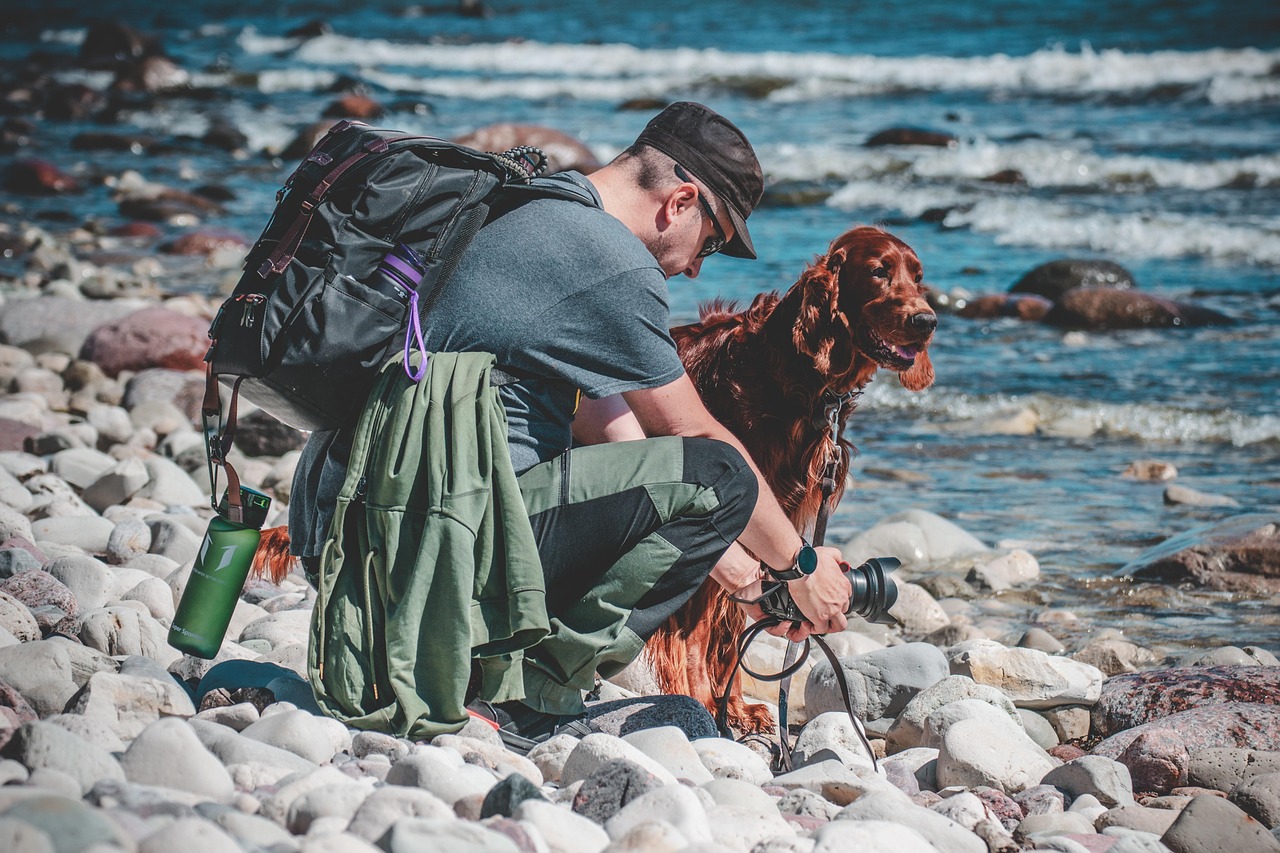
Dogs have long been trusted hiking partners, and most outdoor enthusiasts enjoy bringing them along for the company, comfort, and shared adventure. But as more trails see increased foot traffic, especially in areas with dense wildlife activity, the debate over whether dogs should be restricted or even fully banned has become more heated. Many concerns revolve around ecosystem protection, trail safety, and the overall balance between human recreation and wildlife conservation. Understanding the full range of considerations helps clarify both sides of the issue and highlights what responsible trail use should look like going forward.
Disturbance to Ground-Dwelling Wildlife
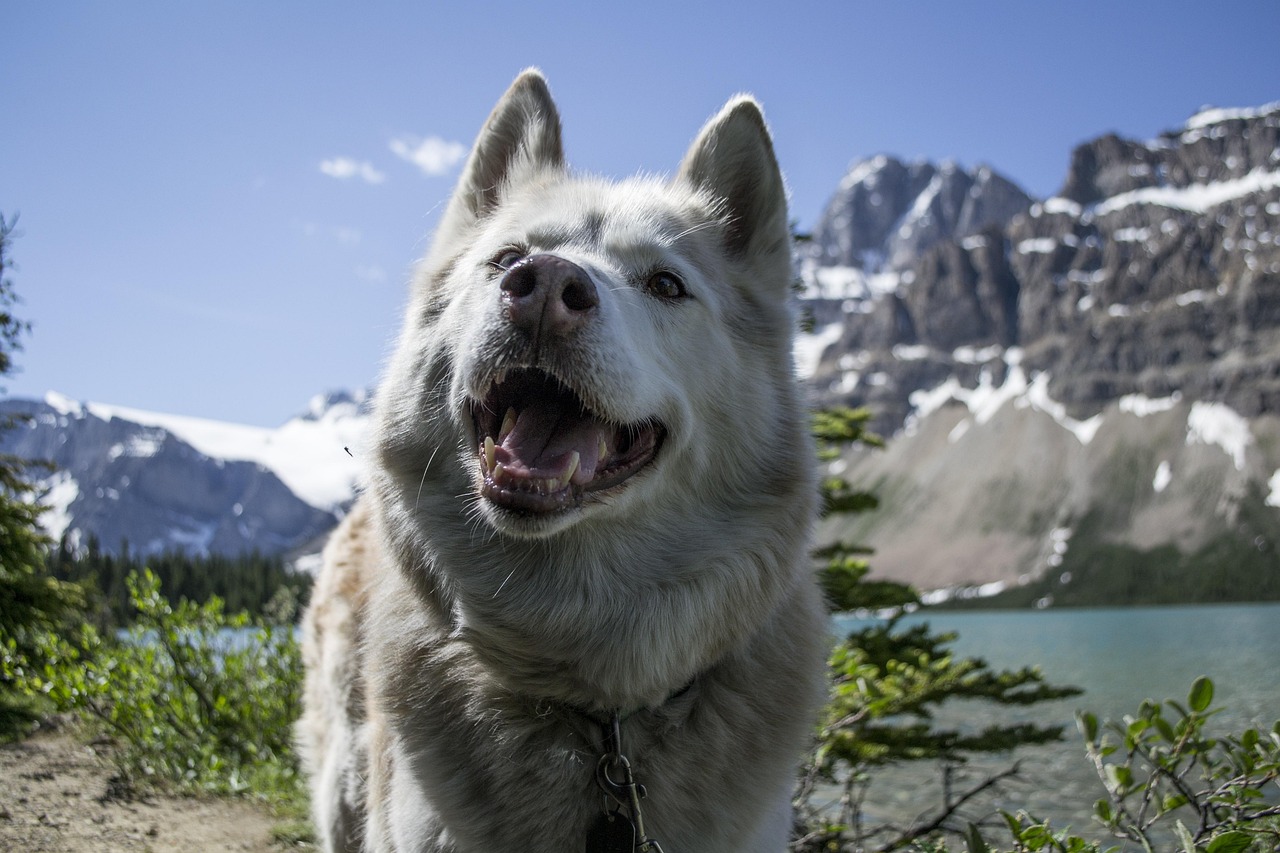
Even well-behaved dogs can unintentionally disturb ground-nesting birds, burrowing mammals, and small reptiles that rely on camouflage and silence to survive. Their scent, movement, and curiosity can flush wildlife from shelter, disrupt nesting cycles, and increase stress on sensitive species already dealing with habitat pressure. While owners may keep dogs leashed, the very presence of a predator-shaped animal can alter the natural behavior of animals nearby. These disruptions add up over time, especially on trails that cut through fragile ecological zones.
Predatory Instincts Triggered by Trail Activity
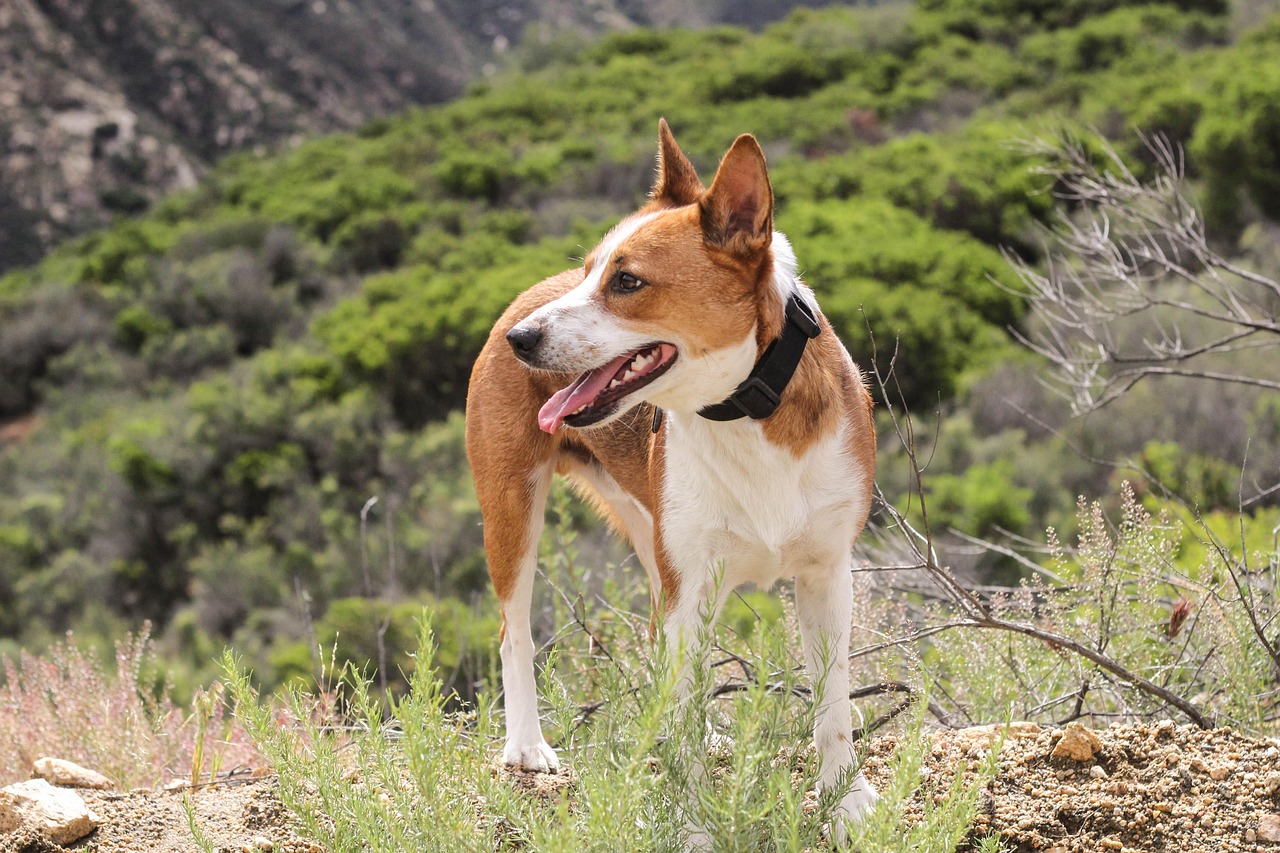
Domestic dogs might seem gentle, but their instinct to chase kicks in quickly when they spot quick-moving wildlife. Even a brief pursuit, even if no contact occurs, forces animals to expend precious energy, disrupts feeding routines, and can separate mothers from their young. On trails where deer, rabbits, or upland birds are common, repeated chase incidents add cumulative stress on wildlife populations. Owners who believe they have full control may underestimate how rapidly instincts override obedience when unexpected movement triggers their dog’s natural response.
Transmission of Parasites and Diseases
Dogs can carry ticks, fleas, and a range of pathogens that spread between domestic and wild species. Canine distemper, parvovirus, and certain respiratory infections can transfer to foxes, coyotes, raccoons, and other local animals. Likewise, wildlife-borne parasites may latch onto dogs and return home with them, creating additional risks for households and other pets. Even with vaccines and preventatives, the exchange of pathogens increases when domestic animals regularly move through active wildlife corridors. This raises legitimate concern for both conservationists and trail managers.
Waste Impact and Nutrient Disruption
Dog waste may seem harmless, but its concentrated nutrients and bacteria can significantly disrupt soil chemistry and water quality along heavily used trails. When owners fail to pick up after their pets or dispose of bags improperly,y the decomposition process introduces harmful microbes and alters nitrogen levels that reshape plant communities. Streams near high-traffic trails are especially vulnerable, as runoff carries waste directly into aquatic habitats. Over time, these impacts accumulate, affecting not just wildlife health but the overall ecological balance of popular hiking areas.
Conflicts with Other Trail Users
Not all hikers are comfortable around dogs, and crowded trails often amplify tension. Some people fear off-leash animals, while others simply don’t want to deal with jumping, barking, or unwanted contact when hiking for peace and solitude. Children and elderly hikers may feel particularly vulnerable. Even friendly dogs can become territorial or overstimulated as they encounter unfamiliar people or other pets. These human-centered conflicts raise questions about whether dog-friendly policies fit well on trails already struggling with heavy visitation and limited space.
Risk to Dogs from Predators and Terrain
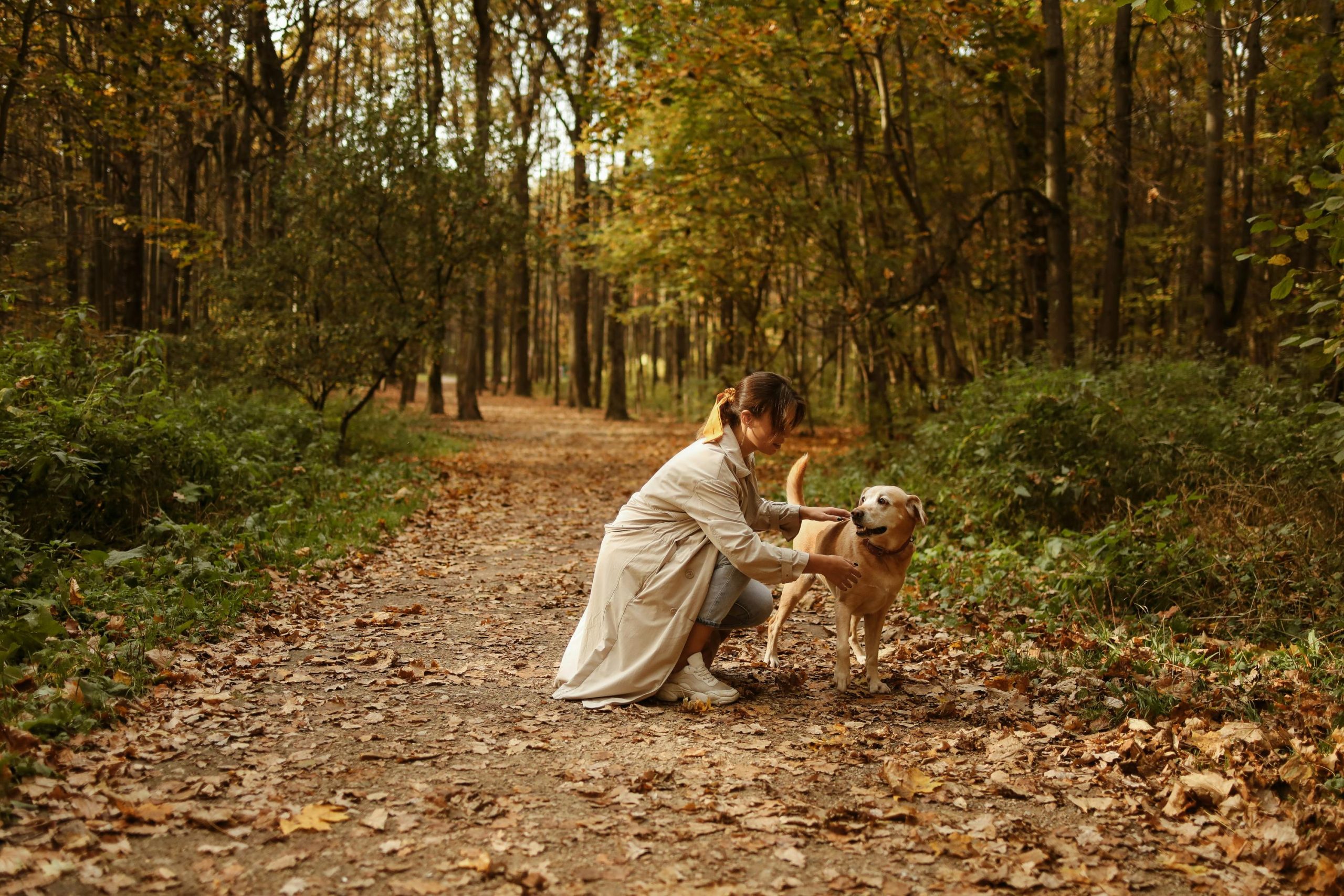
Wildlife-rich trails often host predators such as bobcats, coyotes, and even mountain lions, and dogs can inadvertently provoke defensive or territorial behavior. Rough terrain also exposes pets to hazards like hidden drop-offs, thorny underbrush, and venomous snakes. Some dogs may accidentally lead predators back toward their owners, creating additional risk. While restrictions aim to protect wildlife, they can also shield dogs from dangers their owners might not anticipate. Critics argue that limiting dog access can reduce emergency incidents and rescue demands in these regions.
Leash Laws Often Ignored in Practice
Many trails require leashes, but compliance varies widely. Even short moments off-leash give dogs the freedom to chase, trample vegetation, or approach wildlife before owners can react. Enforcement is typically limited in outdoor areas, leaving rules dependent on personal responsibility, something not all hikers observe consistently. Managers note that inconsistent leash behavior leads to repeated disturbances that accumulate over time. Without reliable rule-following, some argue that full bans become the only realistic way to protect sensitive species from ongoing stress.
Habitat Fragmentation and Scent Pollution
Wildlife depend heavily on scent cues to navigate territories, avoid predators, and locate safe routes. A dog’s presence leaves strong scent markers that linger long after hikers leave, signaling a predator’s arrival even when none is present. This scent pollution may cause wildlife to avoid certain feeding areas or nesting spots, effectively shrinking usable habitat along narrow trail corridors. In highly fragmented ecosystems, even small shifts in movement patterns can impact breeding success and disrupt migration paths already stressed by human expansion.
Increased Human-Wildlife Encounters
Wildlife-rich trails already carry a higher risk of animal encounters, but dogs can inadvertently escalate these interactions. Their barking, movement, or curiosity may draw the attention of larger animals, causing confrontations that would not happen with quiet, alert hikers traveling alone. Bears, elk, and protective does may react defensively when startled by a dog’s behavior. Such encounters put both humans and wildlife at risk, and repeated incidents often lead to management decisions such as temporary closures or stricter access policies for dog owners.
Conservation Priorities vs. Recreation Freedoms
The core debate centers on whether personal recreation should outweigh conservation priorities on trails deliberately preserved for wildlife protection. Supporters of restrictions argue that intact ecosystems depend on minimizing outside disturbances, while opponents claim responsible dog ownership should allow shared access. Many parks now adopt middle-ground strategies seasonal closures, leash-only zones, or dog-free core areas, to balance competing interests. Ultimately, the question reflects broader tensions about how public lands should be used and who bears responsibility for preserving ecological integrity.