Scientists warn that an unstoppable threat could slam 200M+ people worldwide as rising sea levels reshape our global coastlines forever. This emerging environmental crisis poses a significant risk to the safety and stability of numerous coastal communities across every continent. Recent data suggests that the pace of oceanic change is accelerating much faster than previous generations ever anticipated or prepared for in their urban planning. Major metropolitan centers and small fishing villages alike face an uncertain future as tides continue to encroach further inland each year. We must explore how these changes will impact the lives of millions globally now.
The Science Behind The Surge In Estimates
Advanced satellite technology and improved topographical mapping have allowed researchers to see the true elevation of coastal land more accurately. Older models often relied on radar data that mistakenly included the height of trees and tall buildings as actual ground level. New digital elevation models reveal that much of the land where people live is actually lower and more vulnerable than previously thought. This correction in the data essentially tripled the number of people estimated to be at risk from high tide flooding by mid century. These scientific advancements provide a much clearer and more alarming picture of our future.
Who And Where Mapping The 200M+ At Risk

Asia faces the most significant impact with over seventy percent of the total at risk population living in eight specific countries. Nations like China and Bangladesh and India along with Vietnam host massive coastal cities that sit just feet above current high tide levels. Indonesia is already moving its capital city away from a sinking coast because of the persistent threat from rising saltwater. These densely populated regions rely on delicate coastal agriculture and infrastructure that cannot easily move inland without massive economic disruption. The scale of the human challenge is truly immense as these regions prepare for a watery future.
Locked In Threats Why It Is Unstoppable By Mid Century
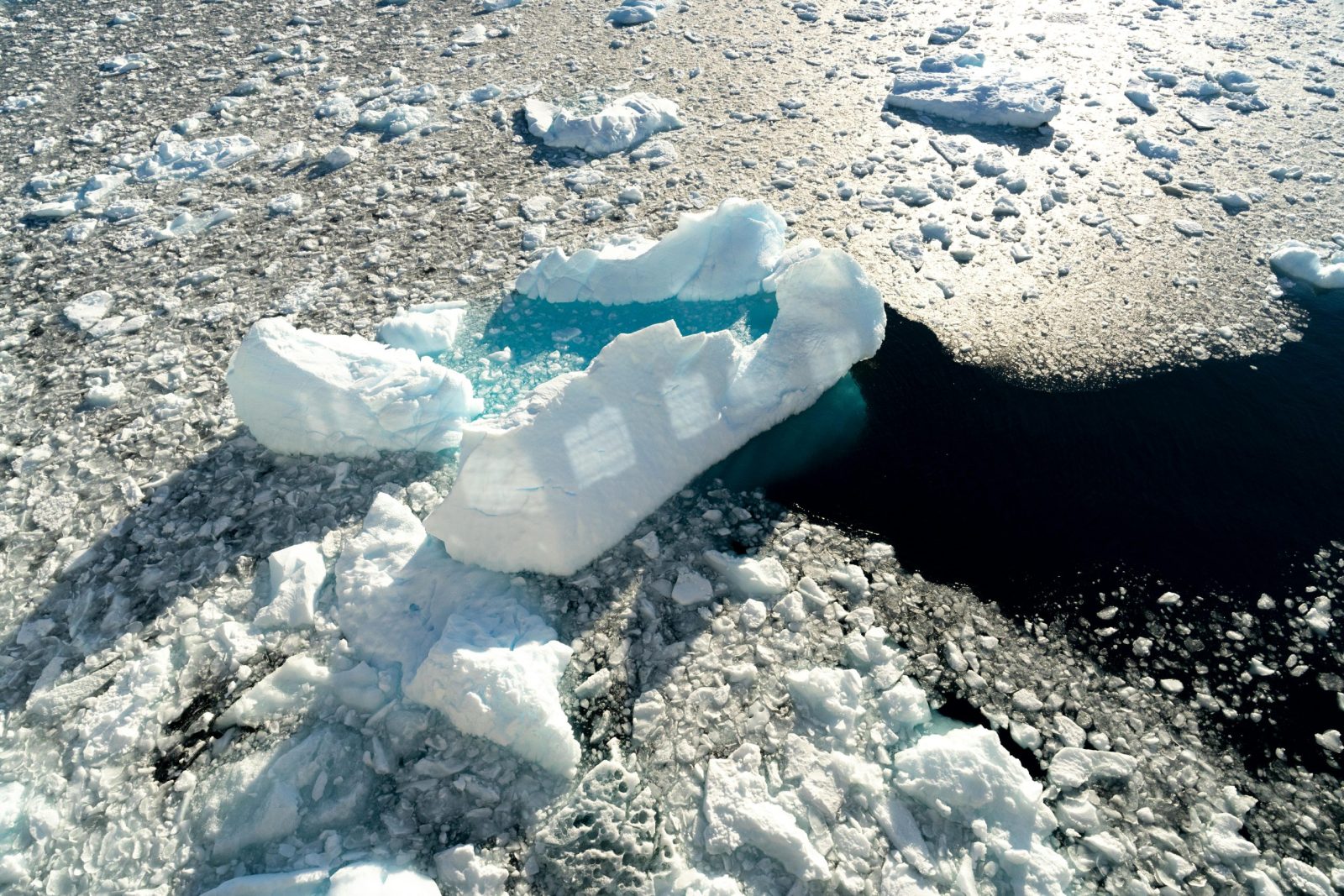
Thermal expansion and the slow melting of massive polar ice sheets mean that much of the coming sea level rise is already locked in. Even if global carbon emissions stopped today the heat already absorbed by the oceans would continue to drive expansion for several more decades. This delayed reaction creates a situation where the middle of the century will see higher tides regardless of our current actions. Scientists refer to this as the commitment to rise because of the immense physical momentum within the planetary system. We must adapt to this reality while working to prevent even worse global outcomes.
Broader Impacts Displacement And Hazardous Sites
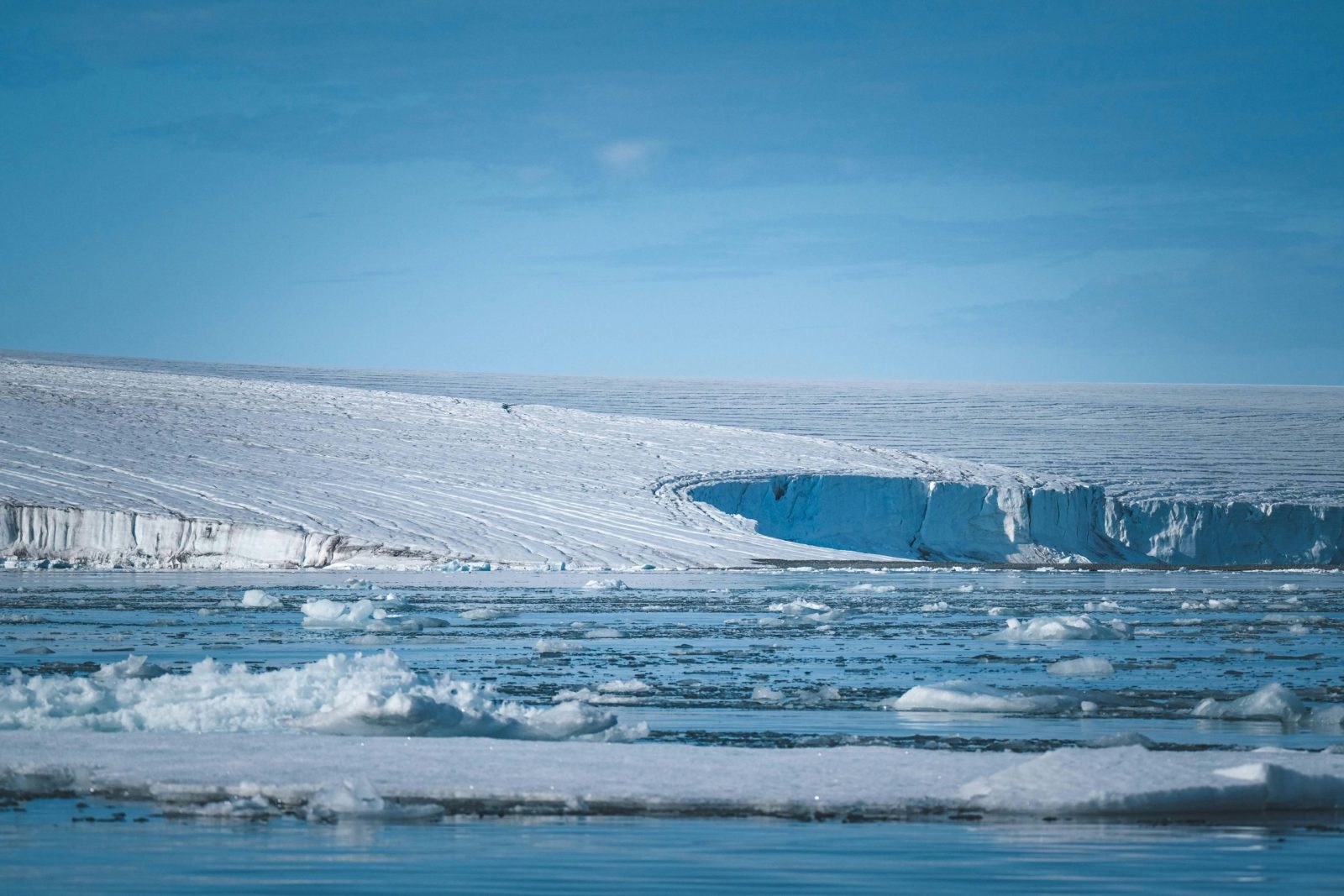
Rising waters threaten more than just residential homes because thousands of hazardous waste sites sit in low lying coastal zones. Abandoned industrial plants and nuclear power facilities along with sewage treatment centers face the risk of being overwhelmed by saltwater. This contamination could leach into the surrounding environment and create serious public health crises for those living nearby. Furthermore the displacement of millions of people will trigger a massive global migration event that tests the limits of international cooperation and border security. Managing the safe transition of these populations and dangerous sites is a monumental task for every coastal government today.
Triangulating The Data Multiple Studies Confirm Scale
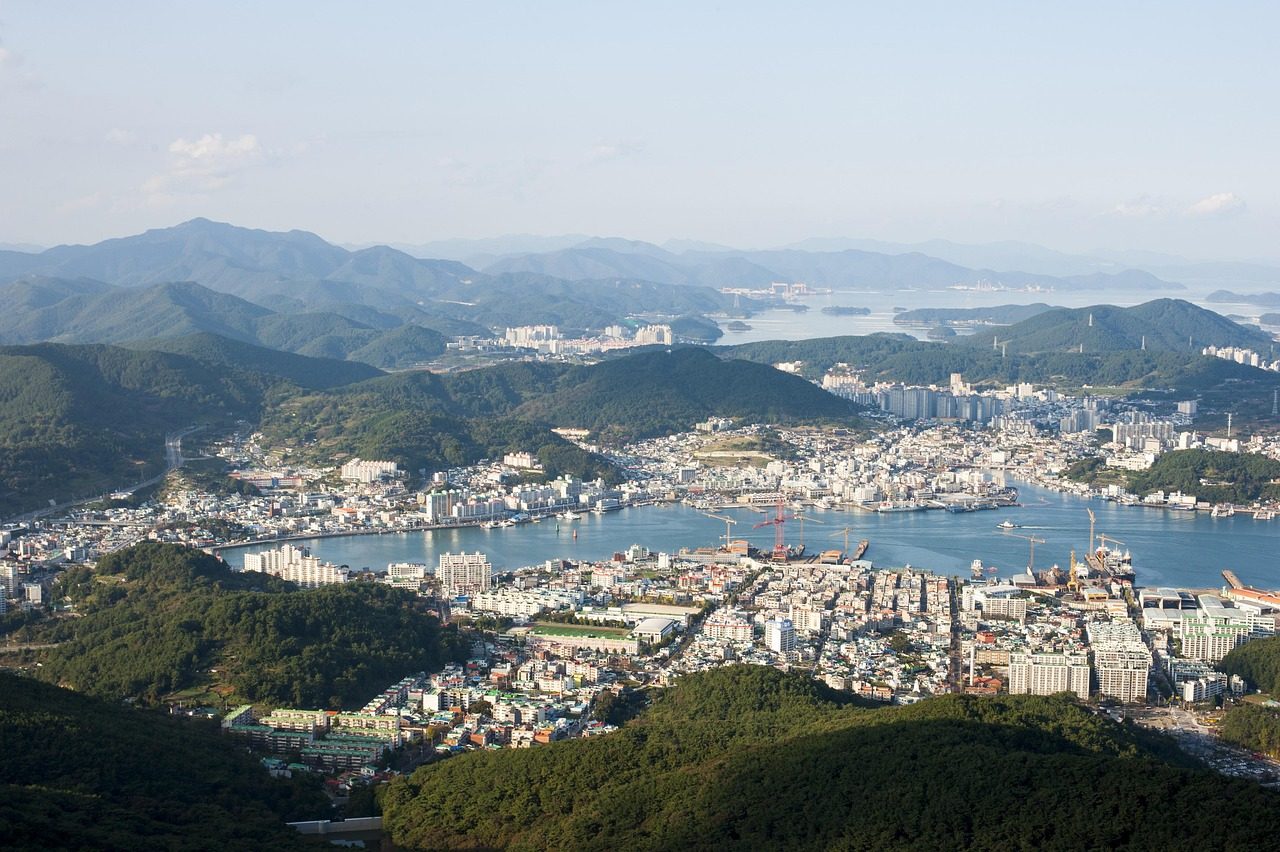
Independent research teams using diverse methodologies have reached strikingly similar conclusions about the scale of the impending threat. By combining satellite observations with historic tide gauge data and computer climate models scientists have refined their predictions for accuracy. This triangulation of information significantly reduces the margin of error and strengthens the consensus within the global scientific community. Peer reviewed studies published in major journals all point toward a future where traditional coastlines undergo a dramatic and permanent transformation. The consistent findings from multiple reputable sources make the warning much harder to ignore for policymakers and the general public alike everywhere.