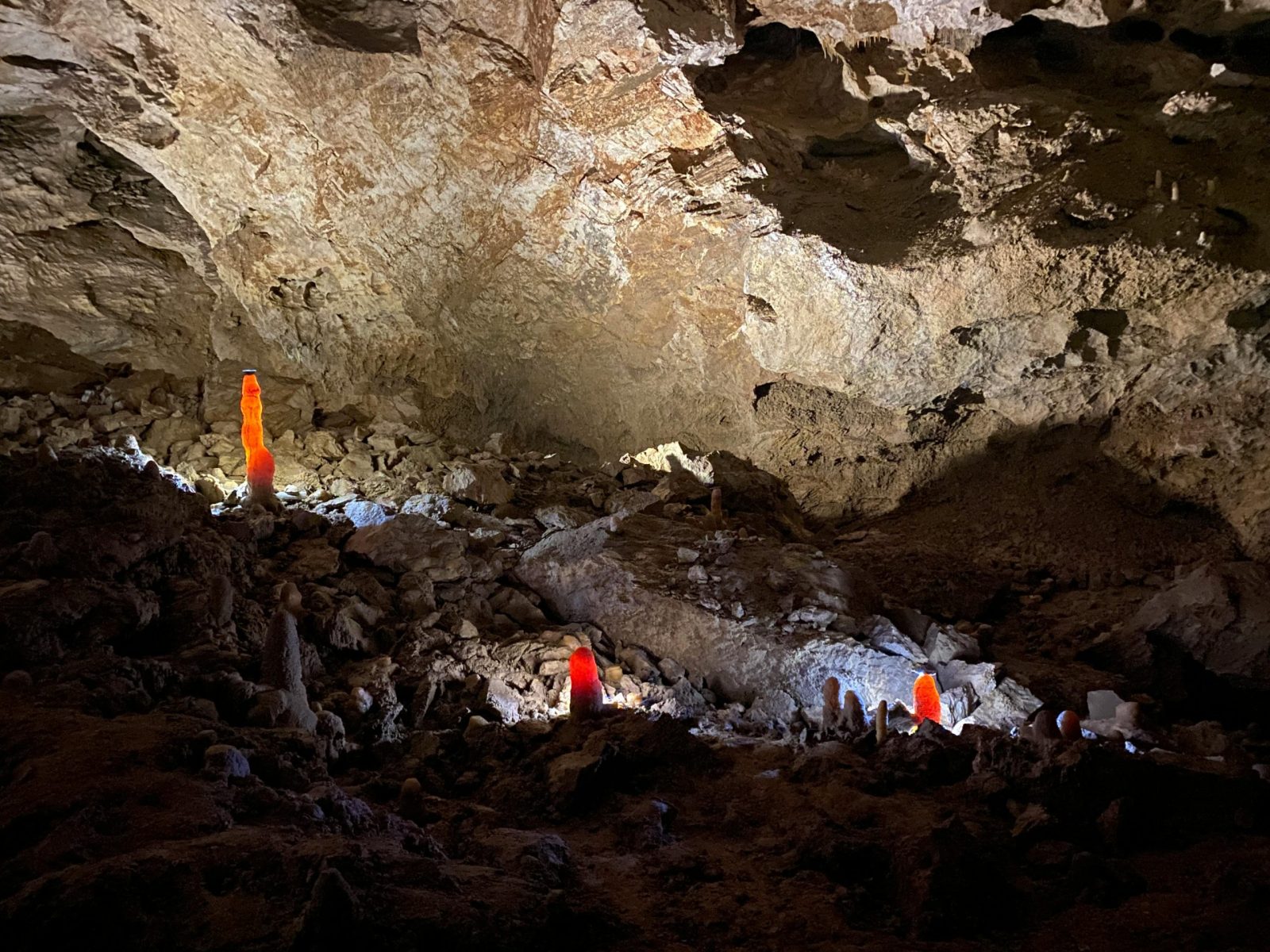
Scientists recently made a massive discovery when they found a mysterious ancient skull trapped inside cave rock for 300,000 years in East Asia. These fossilized remains present a unique mosaic of features that challenge existing theories regarding the migration of early hominids across the globe. The delicate process of extracting the specimen required years of precision work to avoid damaging the mineralized bone structure within the stone. Initial scans reveal a combination of modern facial structures and a primitive braincase that suggests a previously unknown lineage. This finding marks a significant milestone in our understanding of prehistoric human development.
A Skull That Defies Classification

The physical characteristics of this prehistoric specimen represent a skull that defies classification within the currently established family tree of human ancestors. It displays a sophisticated facial structure that appears surprisingly modern while maintaining a heavy brow ridge typical of much older species. Researchers noted that the chin is absent which aligns with more primitive hominids but the small ear canal resembles that of late Pleistocene humans. This strange blend of traits suggests that multiple lineages may have coexisted and interbred in the region during this era. Determining the exact place of this individual remains a primary scientific goal.
Complicated Dating Methods

Establishing an accurate timeline for the fossil required a variety of complicated dating methods to ensure the findings remained scientifically valid and verifiable. Researchers utilized uranium series dating on the surrounding flowstone to narrow down the age of the sediment layers where the bone was found. They also performed electron spin resonance tests on the tooth enamel to provide a secondary layer of chronological confirmation for the team. This multi disciplinary approach helped the scientists overcome the challenges of dated materials being moved by ancient water flows within the cave. The result confirms a date of three hundred thousand years.
A Bold New Take On Human Evolution
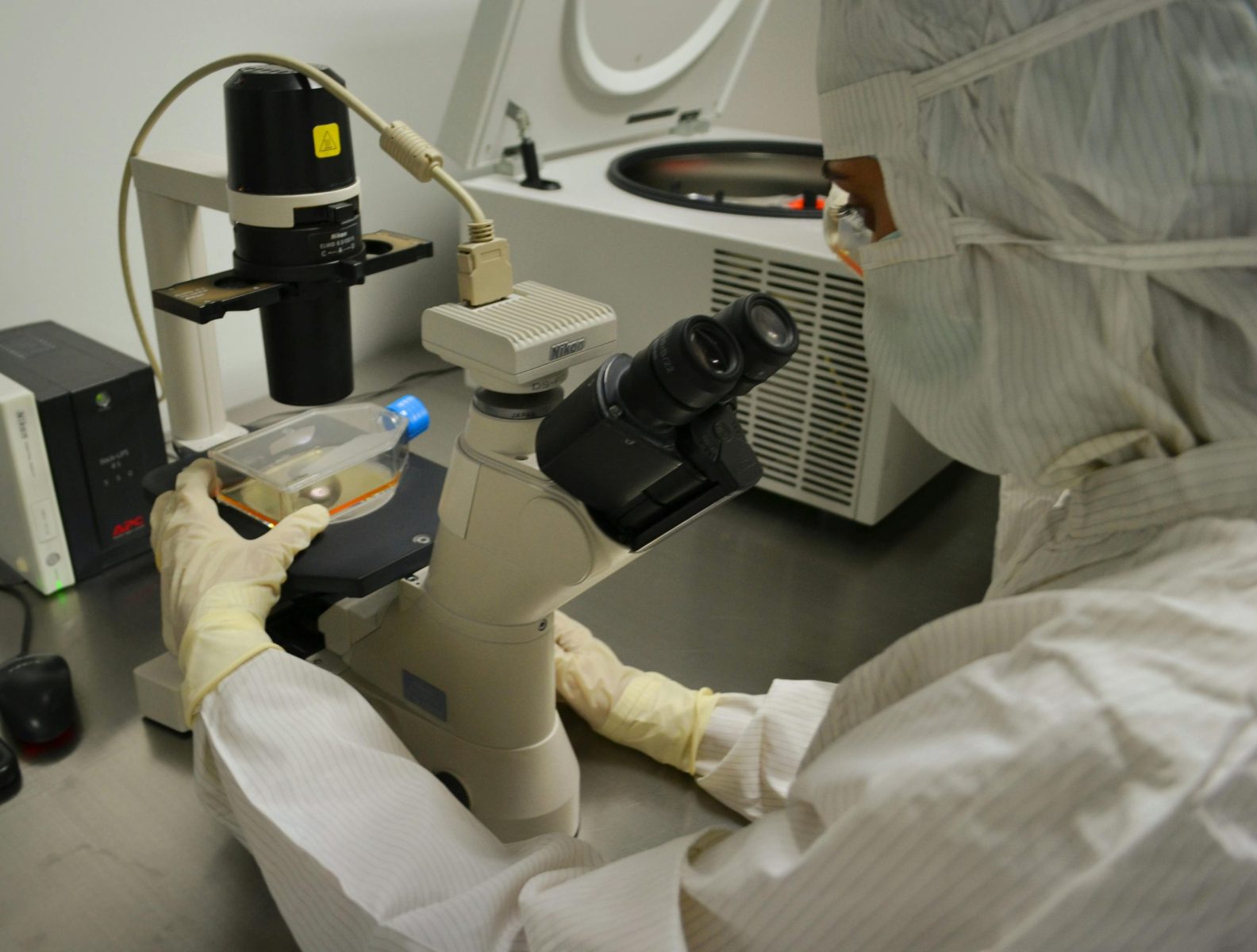
The discovery of this middle Pleistocene fossil provides a bold new take on human evolution and the complexity of our origins. It suggests that the path toward modern humanity was not a simple straight line but rather a tangled web of different groups. This mysterious skull might represent an entirely new branch of the human family that developed unique traits in isolation for many thousands of years. Such a revelation forces anthropologists to reconsider how different species interacted and shared technology across vast geographical distances. Every piece of data adds a vital chapter to the story of our long past.