Rising visitation has quietly altered how risk unfolds across Colorado recreation landscapes. As trailheads fill and popular corridors saturate, conditions change in subtle but meaningful ways. Parking expands into roadways, response times stretch, and decision making shifts under pressure. Wildlife adapts, weather exposure increases, and navigation errors multiply. These changes rarely feel dramatic, yet they accumulate across seasons. Understanding crowd driven risk helps explain why familiar places feel less predictable. Colorado’s outdoor appeal remains strong, but density now shapes safety outcomes as much as terrain or weather, influencing experiences for hikers, climbers, paddlers, and families statewide.
Trailhead Congestion And Access Risk
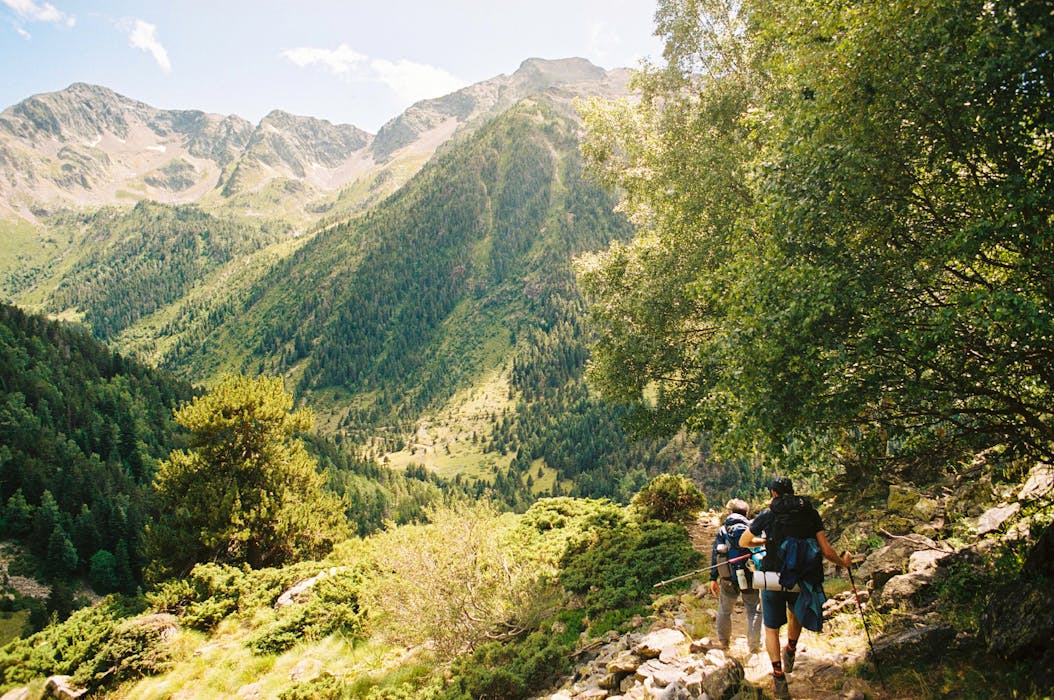
Trailhead crowding creates risk far beyond inconvenience across Colorado recreation areas. Vehicles line narrow roads, blocking sightlines and emergency access. Visitors park farther away, extending mileage before hikes even begin. Late starts become common as people search for space. Afternoon storms then catch groups exposed. Navigation suffers when hurried departures replace planning. Search and rescue teams report incidents clustering near access points. Experienced users adapt timing, while newcomers misjudge conditions. Density quietly transforms logistics into hazards, showing how access pressure reshapes safety long before people reach high elevations or technical terrain during peak weekends and holidays across the state.
Wildlife Encounters Shift With Density
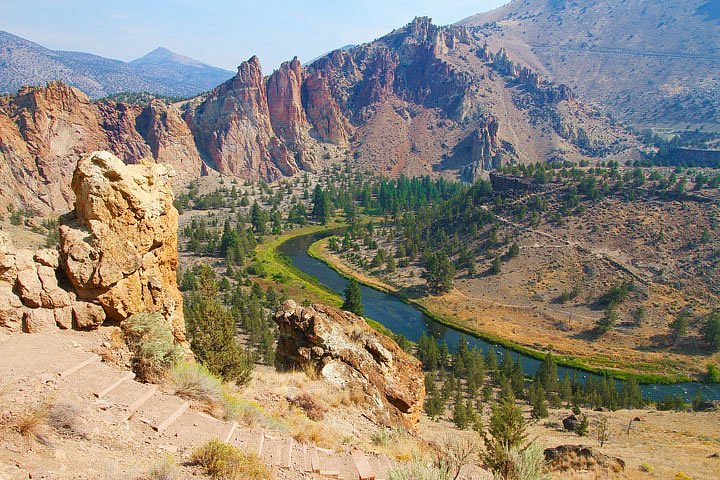
Crowding alters wildlife behavior in ways many visitors overlook. Animals retreat from heavily used cores and appear unexpectedly near edges, roads, and camps. Food smells increase bold encounters as animals associate people with resources. Escape routes narrow when trails and camps fill. Stress responses rise, elevating unpredictable movement. Visitors unfamiliar with these shifts misread proximity risks. Education gaps magnify mistakes during close encounters. As density increases, shared space becomes more volatile. Managing distance, food storage, and awareness grows increasingly important, because crowd driven wildlife displacement quietly raises encounter risk across Colorado’s forests, valleys, and alpine environments throughout busy seasons statewide.
Weather Exposure And Delayed Response
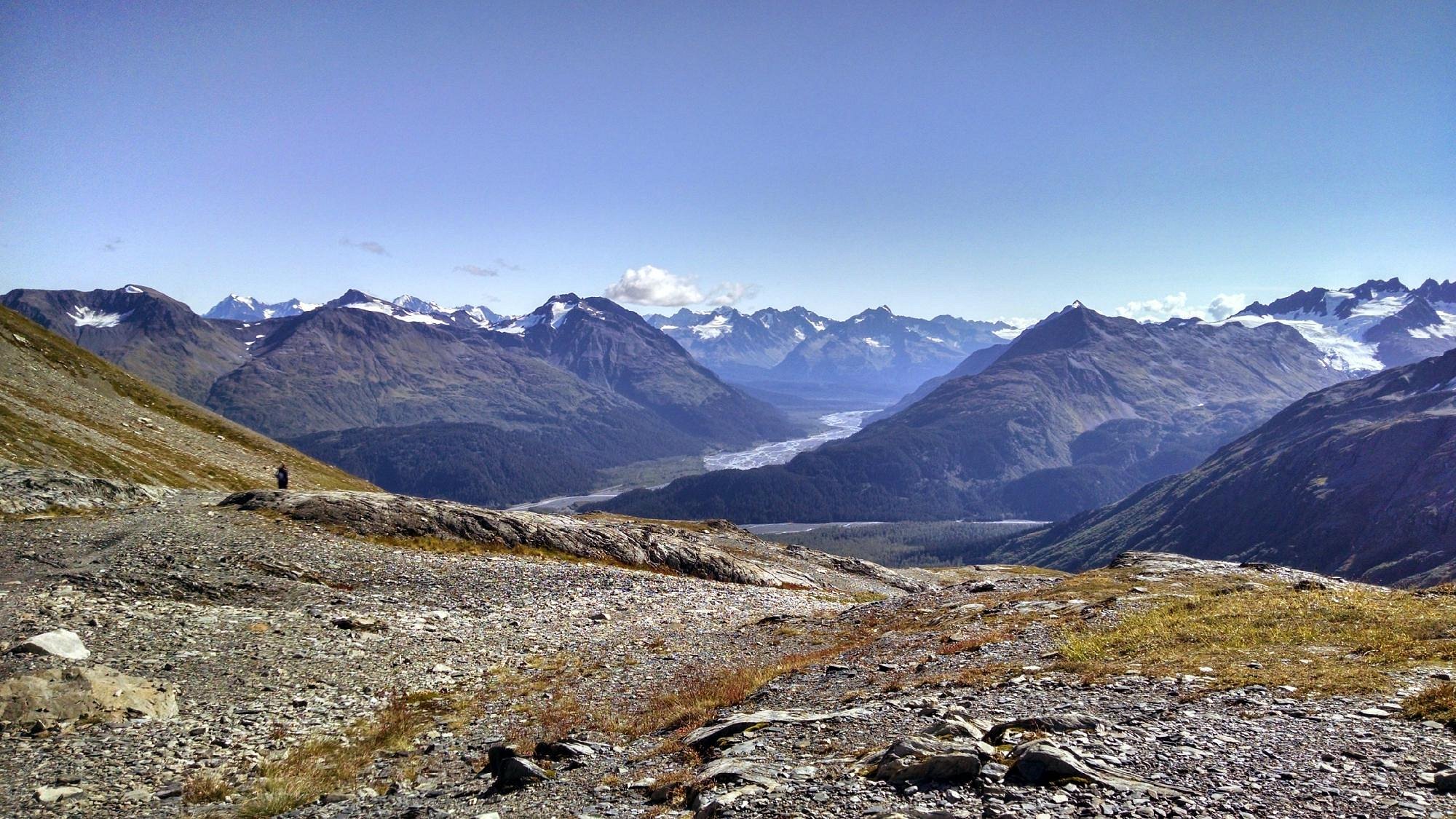
Crowding magnifies weather related risk across Colorado’s high elevation landscapes. Popular routes slow movement, delaying retreat when storms build. Afternoon lightning becomes harder to avoid as congestion bottlenecks ridges and summits. Cell networks overload, limiting communication. Emergency responders face traffic delays reaching trailheads. Minor injuries escalate when help arrives late. Visitors assume assistance remains immediate, misjudging conditions. Crowding stretches exposure time, increasing fatigue and cold risk. Preparedness gaps surface quickly. Planning earlier starts and conservative turnaround times becomes essential, because density quietly converts ordinary weather into significant hazard during monsoon patterns and sudden seasonal shifts statewide.