Yellowstone’s vast plateaus and timbered valleys have long been shaped by cold, snow, and seasonal migrations. But as temperatures rise, scientists are piecing together a changing story written not in ink, but in movement paths and restless nighttime journeys. GPS collars now reveal an ecosystem responding to heat in subtle yet profound ways, where survival means reading the land differently with each warming year.
Nightfall Becomes a Refuge From Heat
Across Yellowstone, movement patterns once ruled by daylight are shifting into twilight and midnight hours. Elk browse under moonlight, and wolves prowl in predawn stillness. This isn’t instinct gone astray; it is nature recalculating survival timing. As heat tightens its grip on summer afternoons, animals increasingly seek the shadows, carving new rhythms into a landscape once defined by the sun.
Bison Roam Farther for Cool Ground
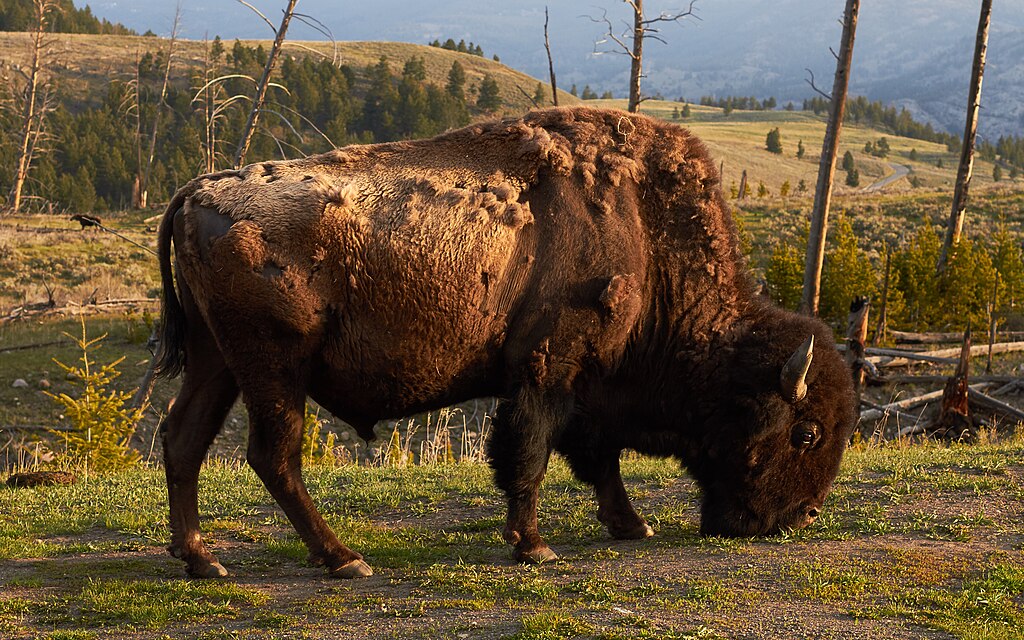
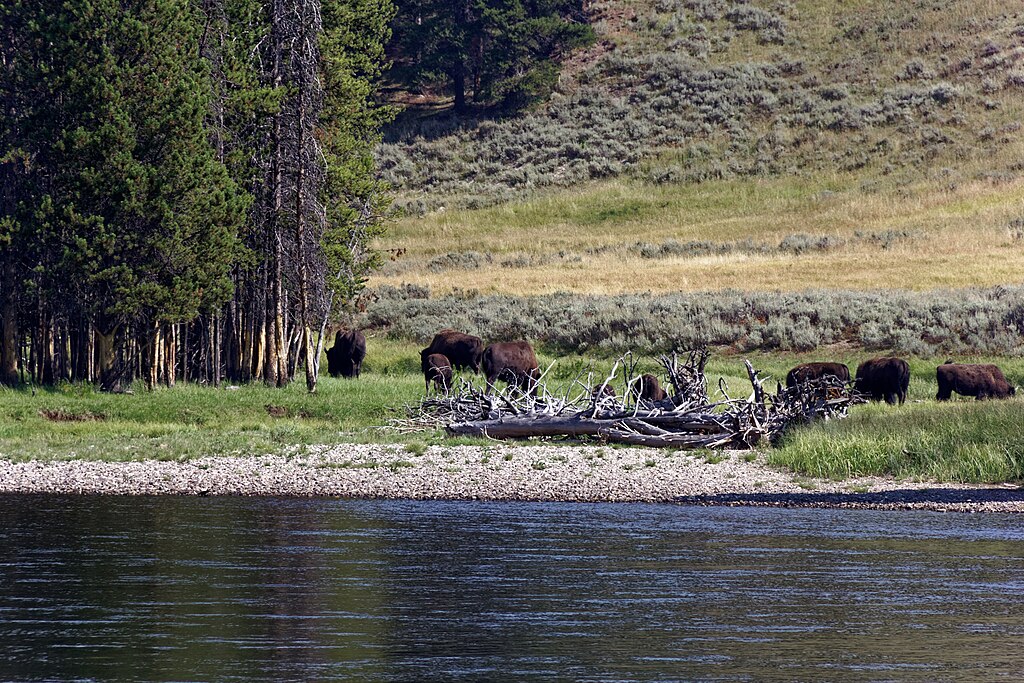
The park’s iconic bison, built for winter blizzards, now face a different test. GPS data shows them trekking farther across sage flats and pine edges, seeking breezy ridges or damp valley bottoms. Their heavy frames and thick coats make heat a burden, pushing them into motion even when energy is precious. Their wanderings tell a silent truth: ancient plains warriors are learning to outrun warmth.
Wolves Shift Hunts to Twilight Hours
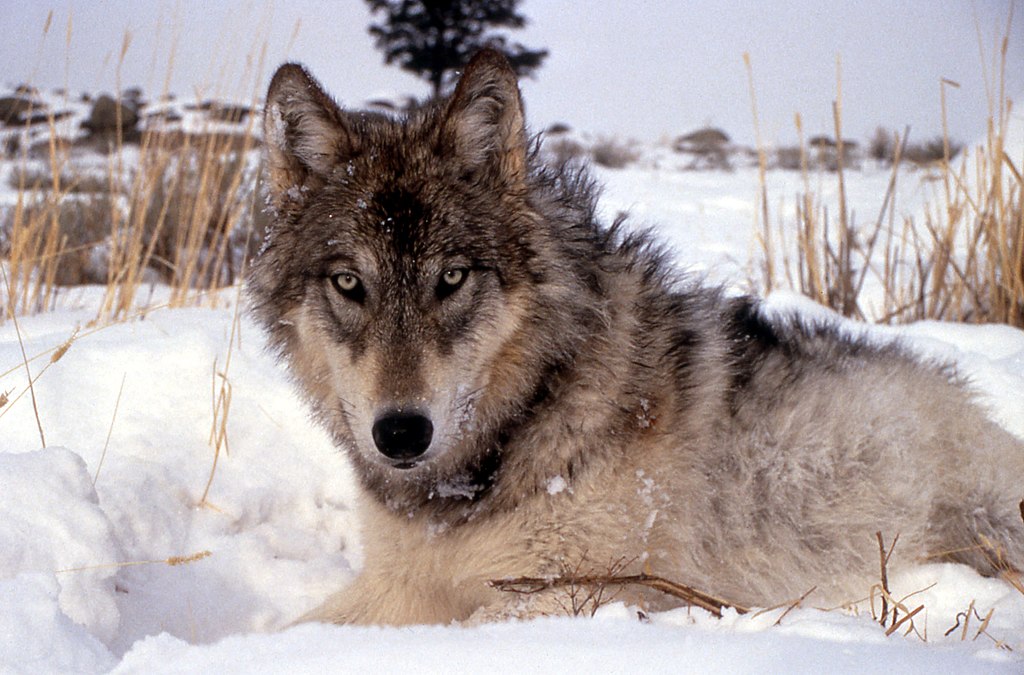
Wolves, Yellowstone’s tireless sentinels, adjust their patrols with the precision of seasoned strategists. Seeking cooler air and more alert senses, packs turn to dawn and dusk hunting. Their movements ripple through the food chain: elk respond, scavengers wait, and tension builds in those dusky intervals. Heat doesn’t conquer a wolf, but it persuades it to move like a ghost between shadows.
Elk Climb Mountain Slopes Earlier
Elk have always followed the seasons upslope, but now they climb sooner, chasing alpine breezes before summer fully arrives. GPS tags trace quiet processions into higher forests and meadows weeks ahead of tradition. Calving grounds shift; predator trails stretch longer; and alpine plants feel hooves earlier. The mountains, once a seasonal refuge, now serve as an early sanctuary from rising heat.
Pronghorn Redraw Their Migration Lines
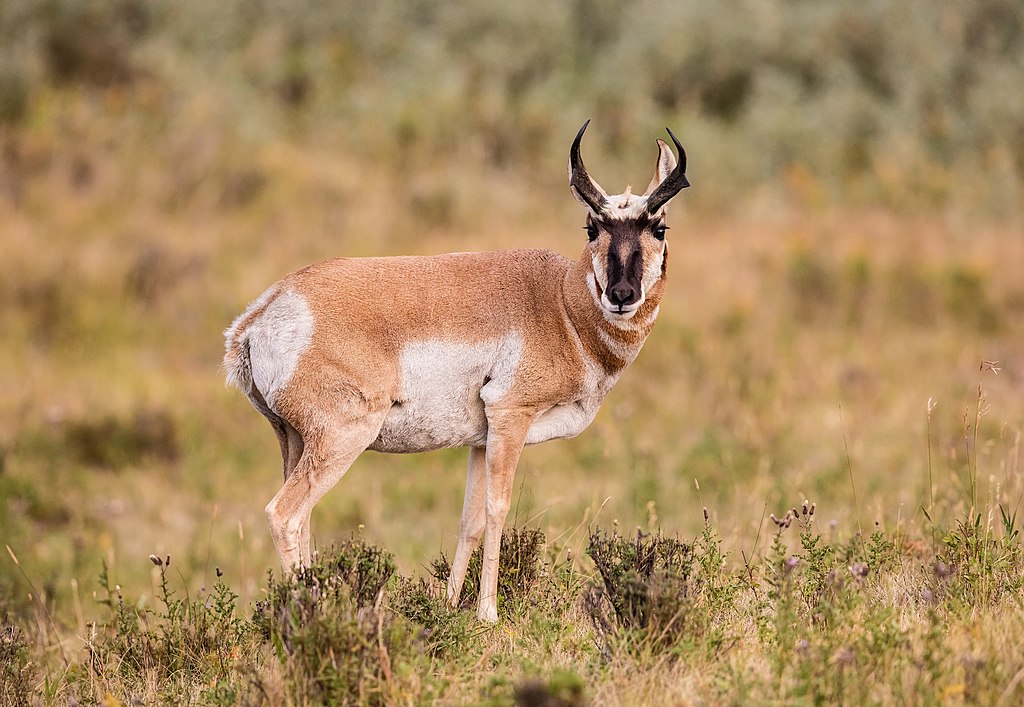
Pronghorn are Yellowstone’s fleet desert travelers, masters of distance. Yet warming valleys push them to reimagine routes, favoring windswept ridges and river corridors over open flats that once felt safe. These are not small detours; they reshape where young pronghorn learn to run and where predators expect to find them. In this new heat-scripted map, instinct and adaptation walk side by side.
Bears Reschedule Their Foraging Cycles
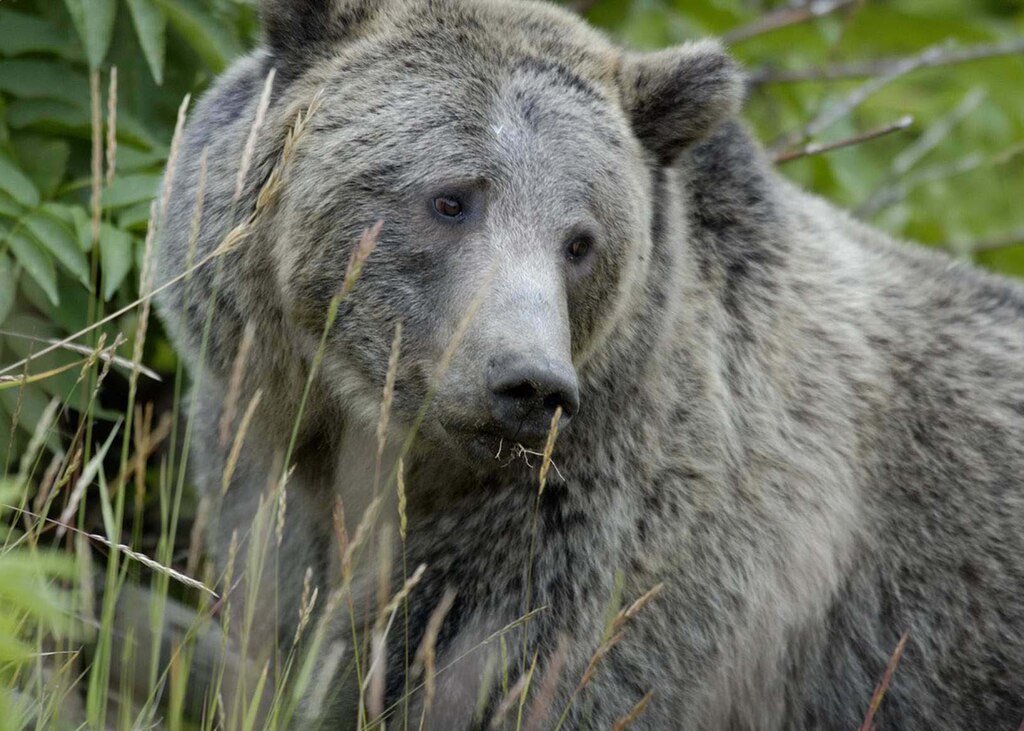
Grizzlies, powerful and resourceful, bow quietly to the heat by shifting feeding into dawn’s chill or evening’s calm. Their foraging paths skirt creeks and shaded thickets more often. When a creature built for strength decides timing is a survival tool, the message is clear: even apex predators adjust. And as their schedule shifts, their encounters with wolves, humans, and prey subtly rewrite the park’s rhythm.
River Valleys Become Lifelines
Where water runs, life gathers. GPS signals cluster along river corridors in heatwaves, showing how pronghorn, elk, and even heavy bison find solace near rippling streams and willow banks. Here, cool air lingers and green forage endures. Yet this congregation means shared ground grows tighter, competition sharpens, paths overlap, and Yellowstone’s arteries of water become its most contested sanctuaries.
Unlikely Wildlife Encounters Multiply
As species shift their hours and habitats, paths cross in surprising ways. Wolves track elk where they once expected bison; pronghorn appear in shaded timber edges rarely visited before. The GPS lines look tangled, like nature’s handwriting growing hurried and fluid. These intersections hint at a park learning new rules, ones shaped not by predator instinct alone, but by the climate’s changing pulse.
Heat Stress Echoes Into Future Generations
Behavioral shifts carry consequences beyond a single season. When animals spend energy fleeing heat or feeding at suboptimal hours, less remains for reproduction and rearing young. Scientists watch closely, not for dramatic declines but for subtle hints calves born later, fewer cubs wandering meadows. In Yellowstone, change whispers first, and its echoes may linger across generations.
A Living Climate Signal in Motion
Yellowstone has always been a place where nature speaks in movement. Now, GPS collars translate that language into data and maps, showing how warming transforms life not in theory, but in hoofprints and late-night journeys. The park becomes a window into a warming planet’s future, where resilience and vulnerability walk side by side and adaptation becomes the oldest instinct brought to life again.