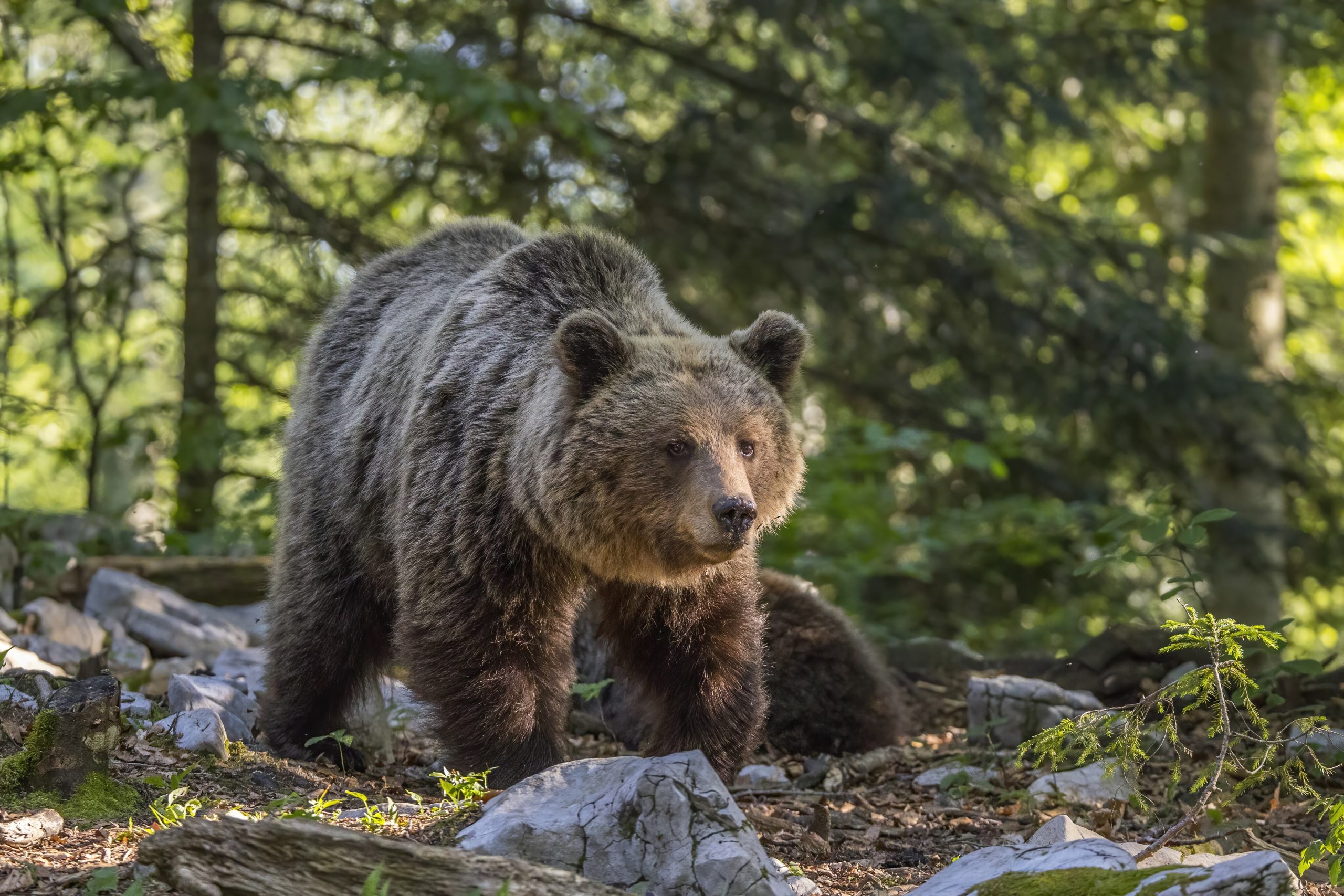
Across the western United States, more public land is opening for outdoor recreation, marking a major win for adventurers and conservationists alike. In 2024, the Bureau of Land Management (BLM) and state agencies added over 2.6 million acres of new accessible land across states like Colorado, Utah, and Montana. Visitors can now explore previously restricted desert canyons, mountain ranges, and river corridors. The expansion reflects the surging popularity of hiking, camping, hunting, and fishing, as the outdoor recreation economy continues to boom like contributing $1.1 trillion annually to the U.S. economy, according to the Bureau of Economic Analysis.
Increased Access Across State Lands
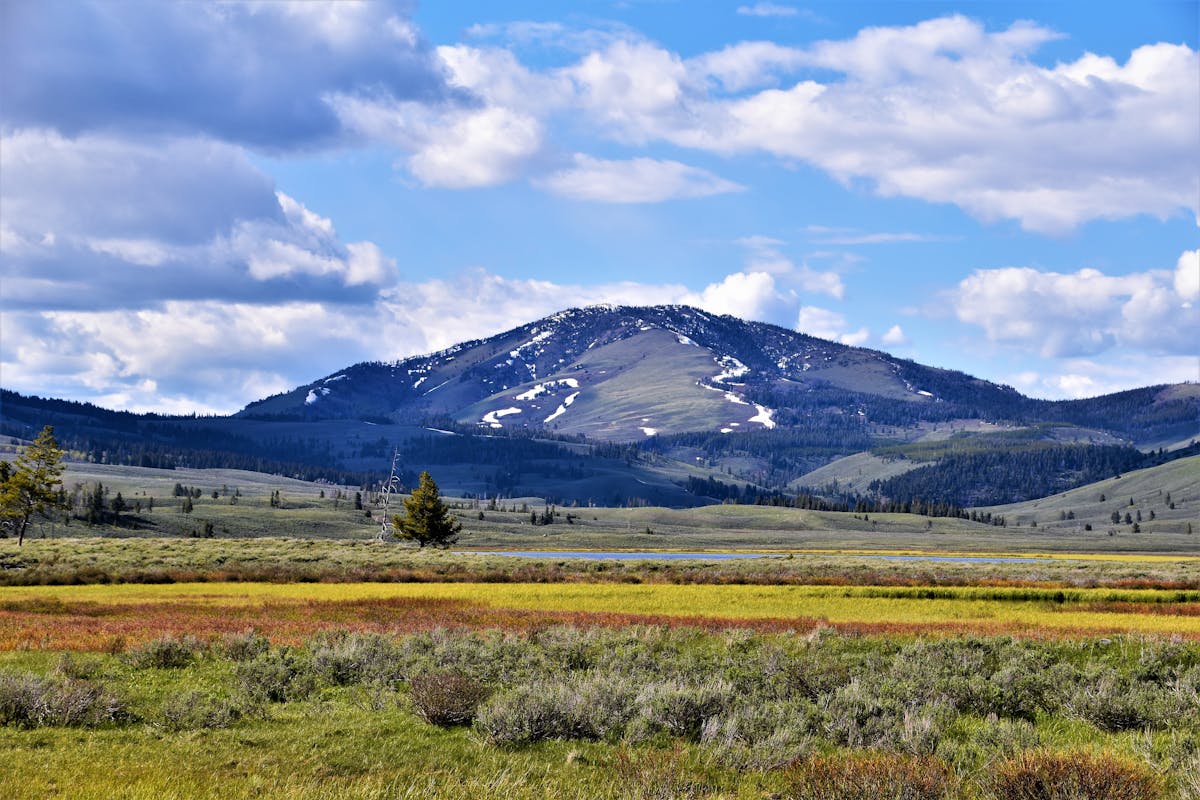
Several western states have launched initiatives to expand public access to private or restricted lands. Montana’s “Open Fields for Sportsmen” program added over 300,000 acres in 2024, while Utah’s Walk-In Access program now covers 1.5 million acres of private land open for hunting and recreation. Colorado’s State Land Board recently opened 100,000 additional acres for public use through conservation partnerships. These programs aim to improve outdoor opportunities while boosting rural economies and ensuring responsible land stewardship through public-private collaboration.
Boost to Local Economies
Outdoor recreation generates more than $530 billion in direct consumer spending in the western U.S. each year, and the expansion of public access is driving even more growth. Small towns near new recreation zones are seeing business surges, with visitor spending supporting over 1.2 million jobs across western states. In Utah alone, tourism tied to public lands brought in $10.5 billion in 2023, according to the Utah Office of Tourism. Outfitters, gear shops, and local lodges are thriving as access expands, showing that natural landscapes can fuel economic stability when managed responsibly.
Collaboration Between Public and Private Sectors
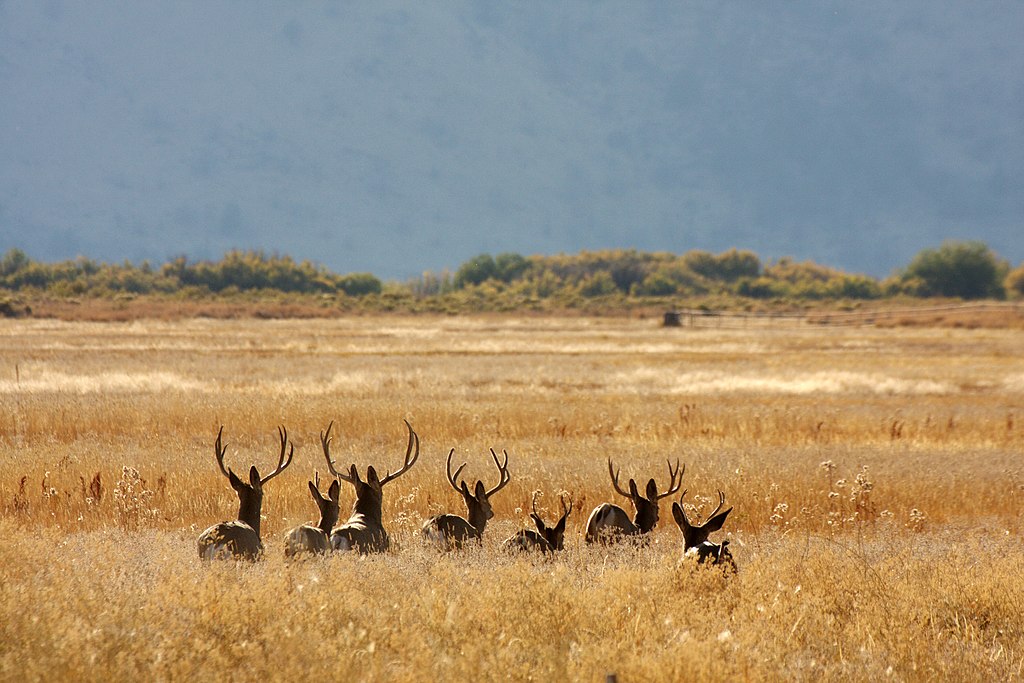
Partnerships between state agencies, nonprofits, and landowners are key to this expansion. The National Fish and Wildlife Foundation reported that more than 450 private landowners across the West participated in voluntary access programs in 2024. These agreements, supported by financial incentives, allow recreation on private land while maintaining wildlife corridors and respecting property rights. Such collaboration has opened thousands of miles of new trails and waterways, creating a model for sustainable access that benefits both conservation and recreation.
Focus on Conservation and Stewardship
As access grows, states are investing heavily in environmental protection. The U.S. Department of the Interior allocated $85 million in 2024 toward trail restoration, erosion control, and wildlife habitat preservation. Many new trails incorporate eco-friendly materials and erosion-resistant designs to minimize environmental impact. Education programs promoting Leave No Trace principles have reached over 1 million visitors through park partnerships. This approach ensures that outdoor spaces remain pristine even as participation increases, blending recreation with long-term stewardship.
Growth in Outdoor Infrastructure
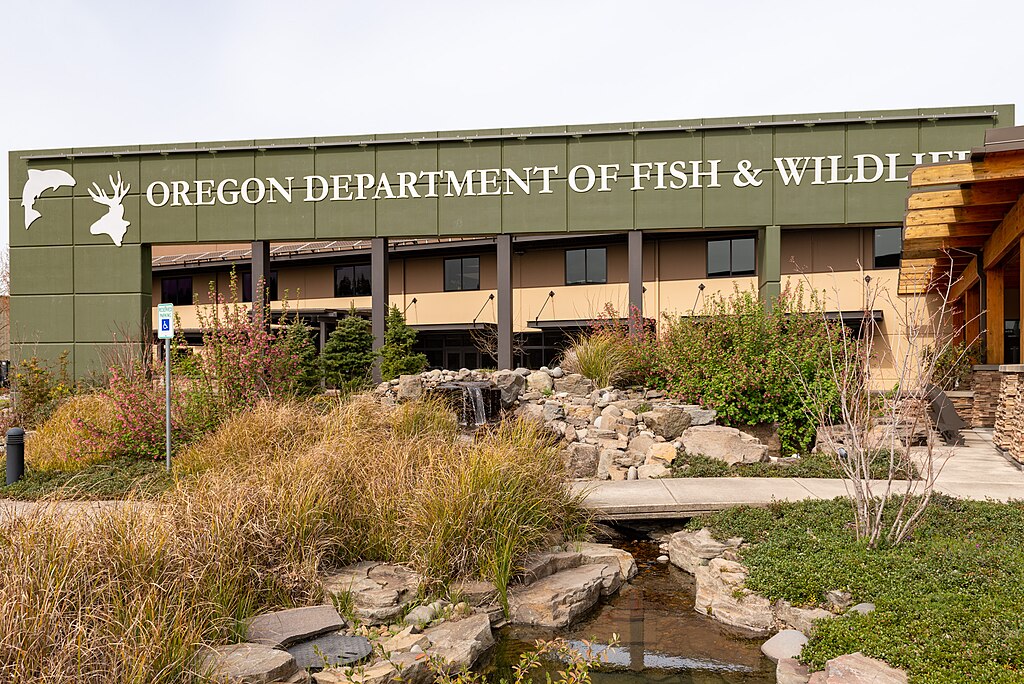
Western states are modernizing infrastructure to meet growing demand. Colorado and Oregon invested $150 million combined in new restrooms, parking areas, and digital reservation systems in 2024. Trail signage and accessibility improvements have expanded in national forests and state parks, while technology-driven permits help prevent overcrowding. For example, Idaho’s new “Recreate Responsibly” platform tracks visitor density in real time. These developments highlight how outdoor recreation has evolved from a seasonal pastime into a sustainable, year-round industry.
Technology and Outdoor Exploration
Technology is enhancing how people discover and navigate public lands. Apps like OnX and AllTrails saw a 40% increase in downloads across western states in 2024, helping visitors locate legal access points and safe routes. Digital mapping tools now integrate real-time weather, terrain, and crowd data. Land agencies are also using geospatial analytics to track visitor impact and improve land management decisions. The combination of innovation and tradition is shaping a smarter, more sustainable outdoor recreation culture across the American West.
Challenges of Managing Popularity
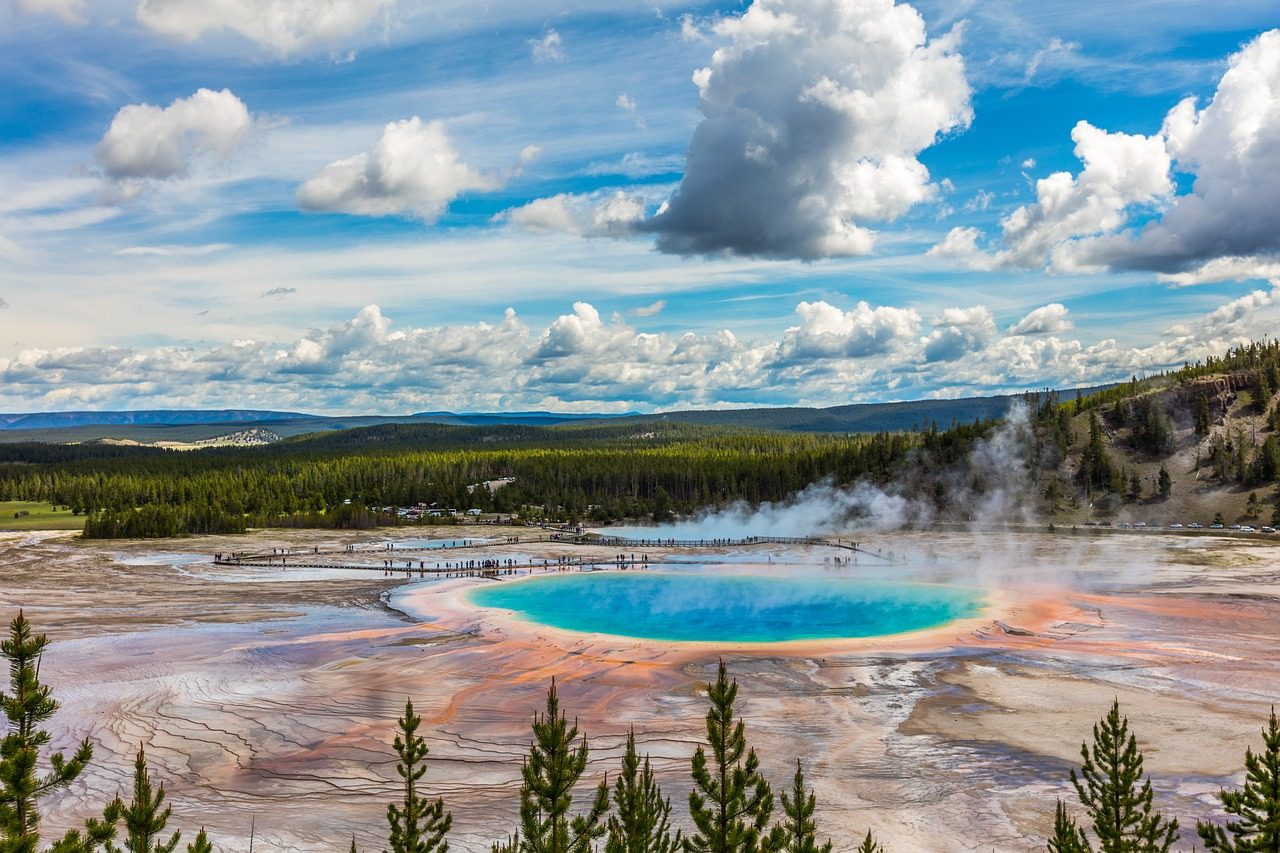
With participation up 35% since 2020, managing crowding and resource strain is a growing challenge. Yellowstone National Park saw 4.5 million visitors in 2023, stretching infrastructure beyond capacity. Agencies are encouraging exploration of lesser-known destinations like Nevada’s Basin and Range or Wyoming’s Bighorn Canyon to balance visitor flow. Adaptive management strategies, including seasonal closures and permit systems, help preserve the natural integrity of high-traffic areas while maintaining public enjoyment.