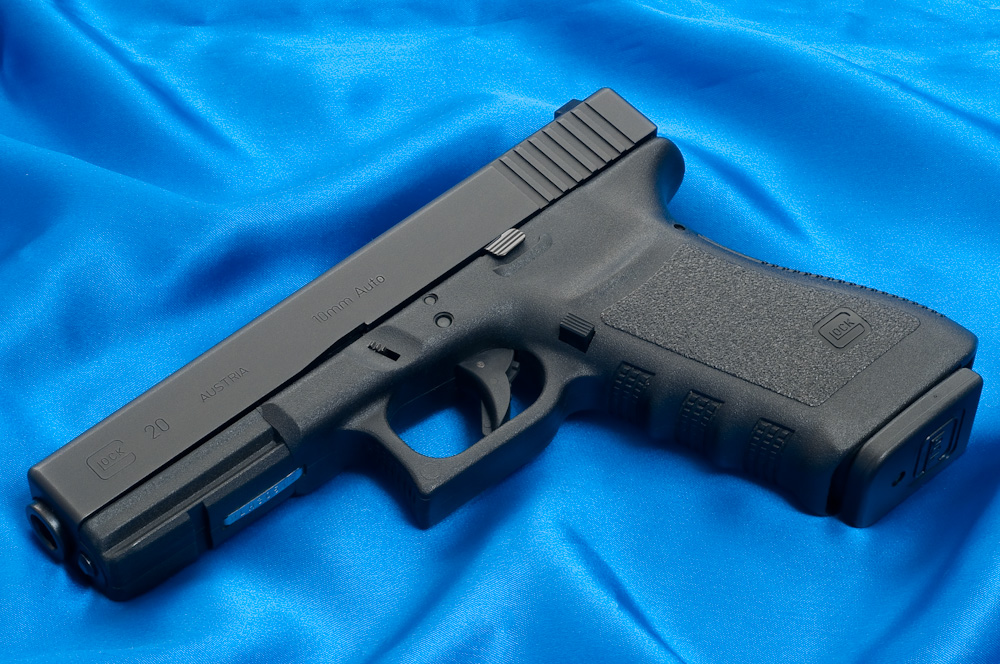
Our readers tell us a 10mm semi-auto is a horrible choice for bear protection despite its growing popularity online. Many experienced woodsmen believe that relying on a slide-operated pistol in a life-or-death animal attack invites disaster. They argue that the mechanical complexity of a semi-automatic handgun introduces too many potential failure points when adrenaline spikes during a charge. While modern manufacturing has improved reliability significantly, traditionalists insist that nothing beats the raw power and simplicity of a heavy magnum revolver. The following points summarize why our audience remains skeptical of the 10mm cartridge for wilderness defense.
Potential Jamming Issues
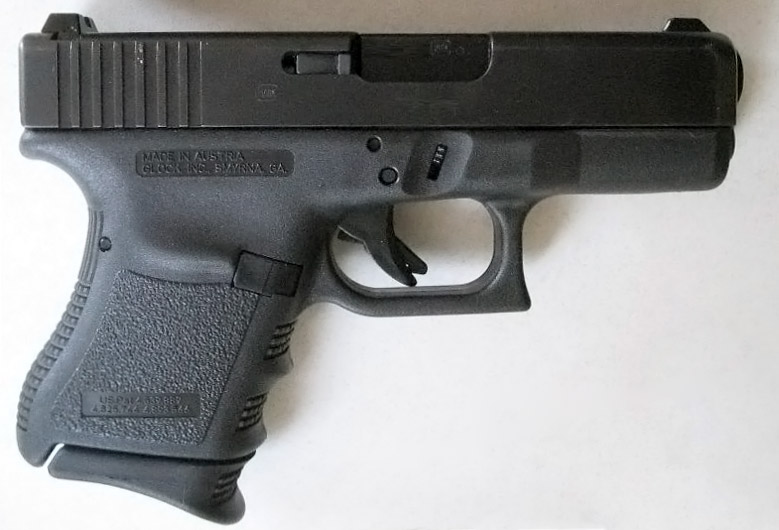
A primary concern among our readers involves the risk of the pistol jamming at the worst possible moment. Semi-automatics require a firm grip to cycle the slide effectively, which is known as avoiding limp-wristing. A terrifying bear charge often results in one-handed firing or shooting from an awkward position on the ground. If the shooter fails to provide a stable platform, the spent casing may not eject properly and cause a malfunction. Clearing a stovepipe jam while a grizzly bear is mauling you is virtually impossible. This specific mechanical vulnerability makes many hikers choose a revolver instead.
Insufficient Penetration Depth
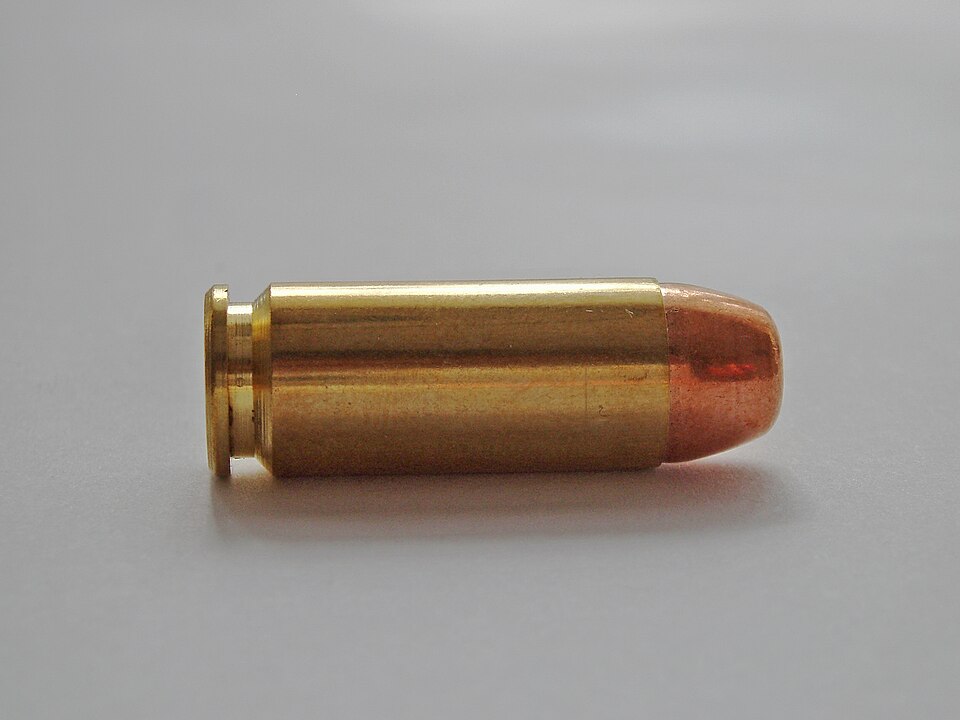
Many hunters argue that the 10mm Auto cartridge lacks the sheer sectional density needed to reach vital organs through thick muscle and bone. While hard-cast lead loads exist, they often pale in comparison to the heavy slugs fired from a large magnum revolver. A bear skull is incredibly thick and sloped, which can cause lighter and faster bullets to deflect harmlessly away. Readers emphasize that stopping a charging predator requires breaking major skeletal structures instantly. They believe that only the massive energy of a large-bore revolver provides the crushing power necessary to end the threat immediately.
Complex Safety Manipulation
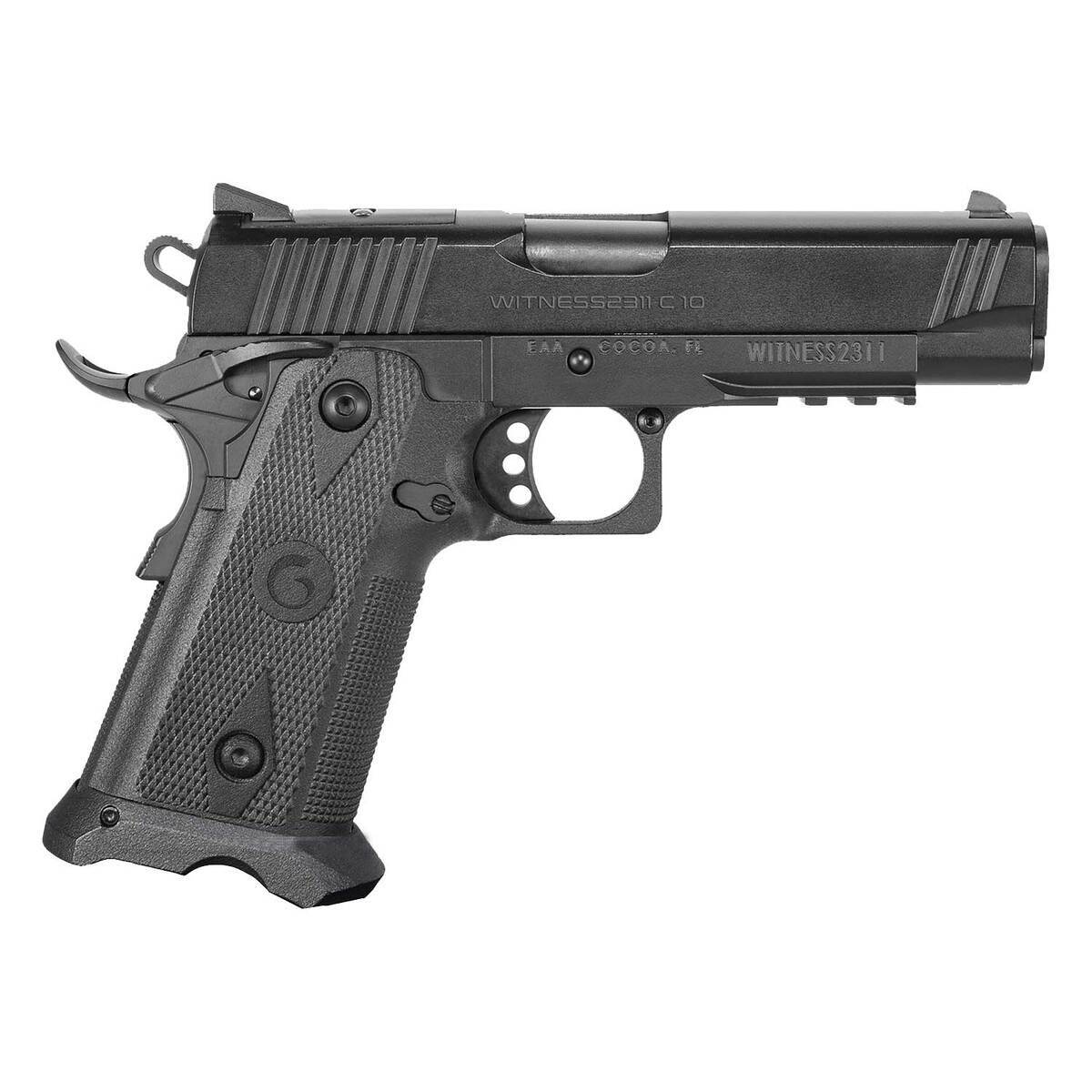
Stress degrades fine motor skills rapidly during a high-stakes survival situation involving a dangerous predator. Operating a manual thumb safety or remembering to rack the slide can become difficult when panic sets in completely. Our audience points out that a double-action revolver requires only a heavy trigger pull to fire the weapon. There are no levers to flip or magazines to seat correctly before engaging the target. The simplicity of a point-and-shoot interface is a critical advantage when seconds separate life and death. Adding extra steps to the firing process increases the likelihood of a fatal user error.
Cold Weather Reliability
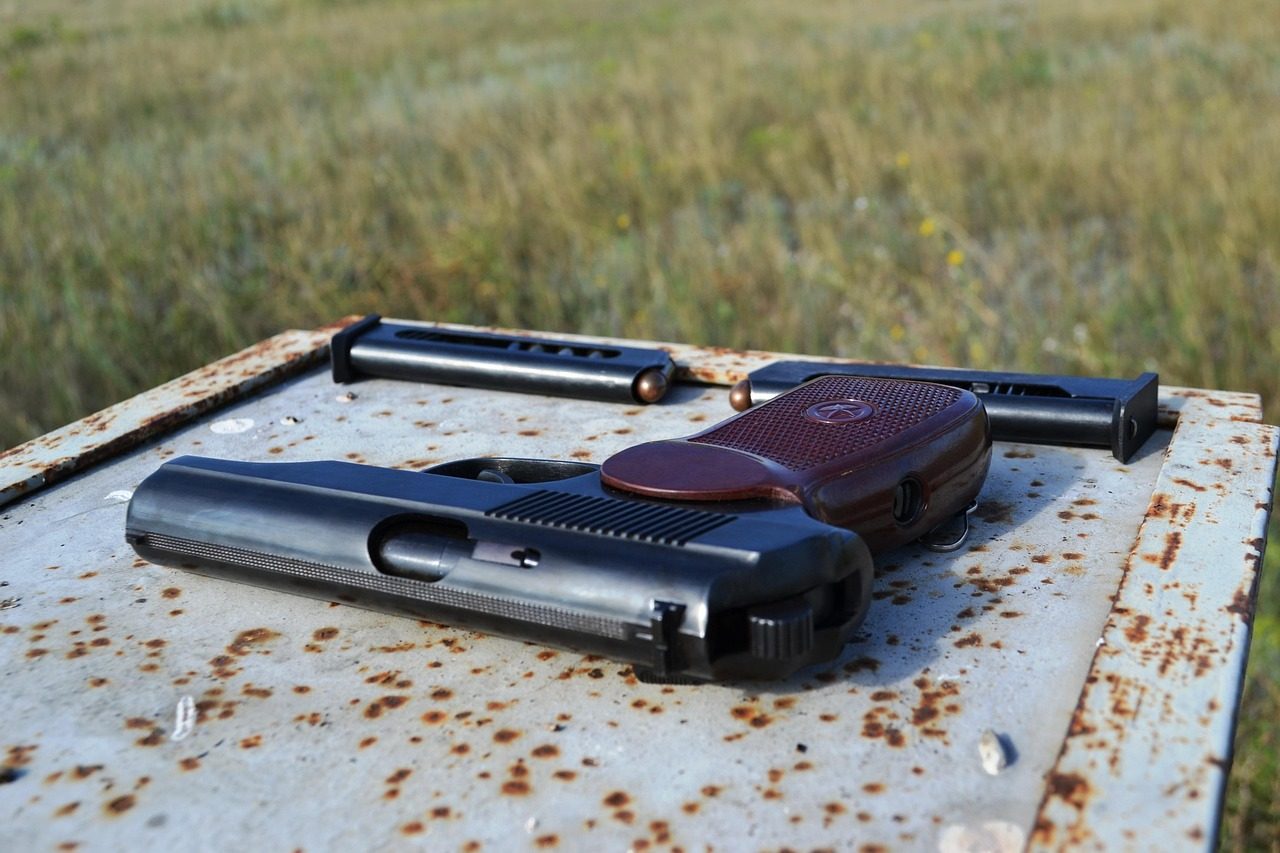
Exploring the wilderness often involves facing freezing temperatures that can affect the performance of gun lubricants and mechanical parts. Readers note that semi-automatic pistols can become sluggish or fail to cycle when the mercury drops significantly. Thick winter gloves also pose a hazard by potentially obstructing the slide or accidentally engaging the magazine release. A revolver functions reliably in extreme cold because it relies on simple mechanical linkage rather than slide velocity. This robustness makes the wheelgun a preferred choice for those trekking through snowy environments. The risk of a frozen firing pin is simply too high.
Magazine Failure Points
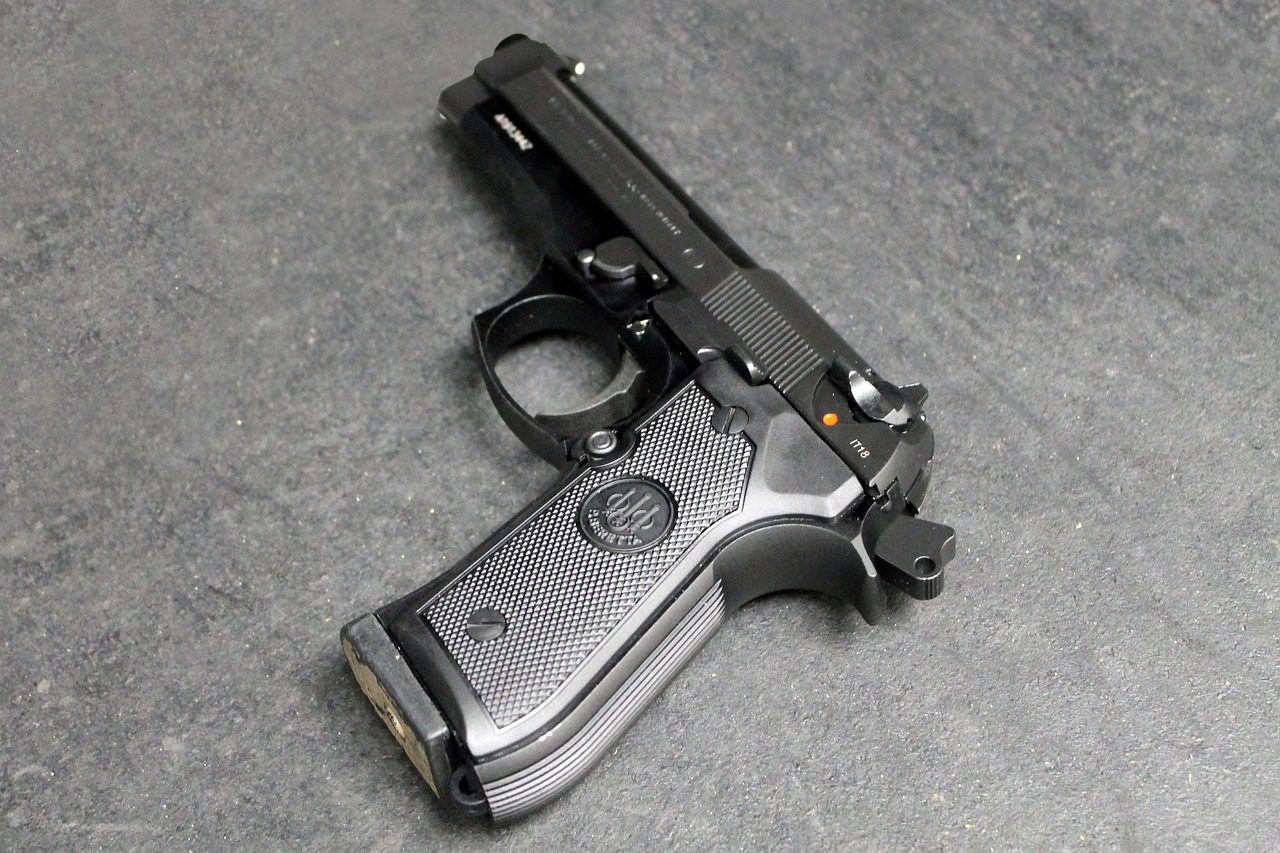
The magazine serves as the weakest link in any semi-automatic system, according to our vocal community of outdoor enthusiasts. Springs can weaken over time, or debris can enter the housing and cause feeding issues in the field. If the magazine becomes damaged or lost during a struggle, the firearm essentially becomes a single-shot club. Revolvers contain all their ammunition within the cylinder, which protects the rounds from dirt and damage until they are fired. Eliminating the dependence on a removable feeding device removes a major variable from the safety equation. Reliability is always the ultimate priority.